

Are you considering draining your washing machine into a floor drain? Let me tell you, it’s a question I’ve pondered too, especially when faced with space limitations and plumbing quirks.
Yes, it is possible to drain a washing machine into a floor drain, but it must be done in compliance with plumbing codes to prevent issues like backflow or overflow.
While it seems straightforward, ensuring a proper setup requires careful consideration of several factors. Let’s delve into how you can safely and effectively connect your washing machine to a floor drain.
Draining a washing machine into a floor drain is code compliant.False
It's only compliant if local plumbing codes are followed, preventing backflow.
What Are the Plumbing Codes for Draining Into a Floor Drain?
Navigating plumbing codes can be challenging, especially when considering draining a washing machine into a floor drain. Understanding these codes ensures compliance and prevents potential issues.
Draining into a floor drain must adhere to local plumbing codes, which typically require a trap seal to prevent sewer gases and proper venting to avoid backflow.
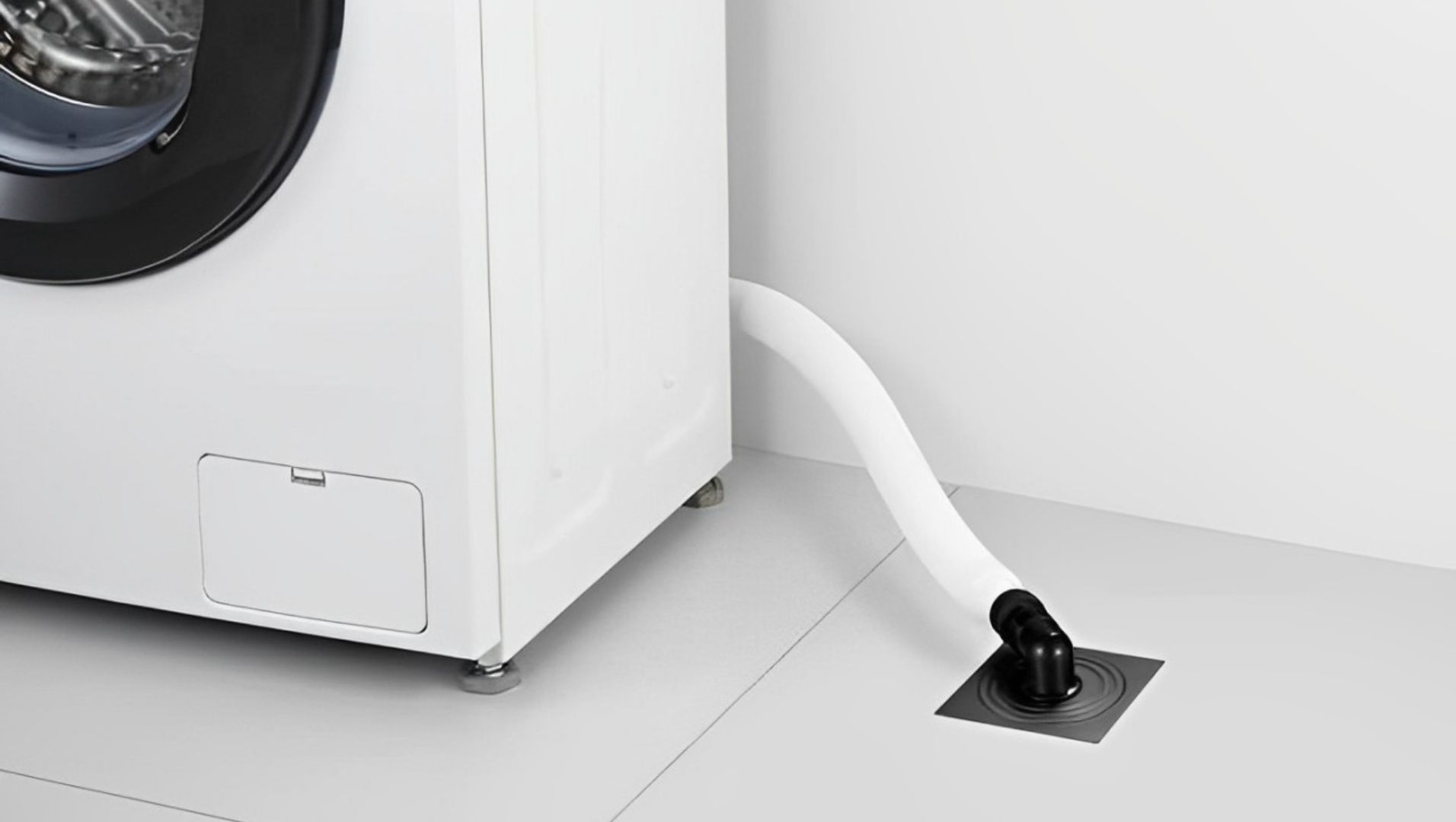
Understanding Local Plumbing Codes
Before proceeding with any plumbing project, it’s crucial to familiarize yourself with local plumbing codes1. These codes are established to maintain safety and efficiency in building practices. They dictate specifics such as pipe size, trap requirements, and venting methods. Failing to comply can lead to fines or costly repairs.
Common Code Requirements:
- Trap Seal: A trap is necessary to prevent sewer gases from entering the home. The water in the trap creates a seal that blocks these gases.
- Venting: Proper venting is required to ensure that air pressure is balanced, which helps prevent water in the trap from being siphoned out.
Importance of a Trap Seal
A trap seal is a vital component when draining into a floor drain. It acts as a barrier to sewer gases, which can be harmful if allowed to enter living spaces. Ensure that the trap is always filled with water to maintain its effectiveness. Regularly check for leaks or signs of drying out, especially in infrequently used drains.
Venting Requirements
Proper venting is critical in preventing backflow and ensuring that the drainage system functions correctly. Without adequate venting, the pressure within the pipes can cause drainage problems or allow foul odors to escape. Consult your local building department to understand the specific venting requirements applicable in your area.
Ensuring Compliance and Safety
Consulting with a professional plumber can help ensure that your installation is up to code. They can provide insights into specific requirements like pipe diameter and appropriate materials for connecting your washing machine drain hose to the floor drain. Additionally, having a licensed professional inspect your setup can mitigate the risk of non-compliance.
By adhering to these codes and guidelines, you not only ensure safety but also prolong the lifespan of your plumbing system. It’s an investment in both your home and peace of mind.
Trap seal prevents sewer gases from entering homes.True
A trap seal uses water to block sewer gases effectively.
Venting is optional for floor drain installations.False
Proper venting is mandatory to prevent backflow issues.
How Do You Properly Connect a Washing Machine Drain Hose?
Connecting a washing machine drain hose might seem simple, but doing it incorrectly can lead to leaks and damage.
To properly connect a washing machine drain hose, ensure it is securely attached to the drain pipe and properly elevated to prevent backflow. Consider using a hose clamp for additional security.
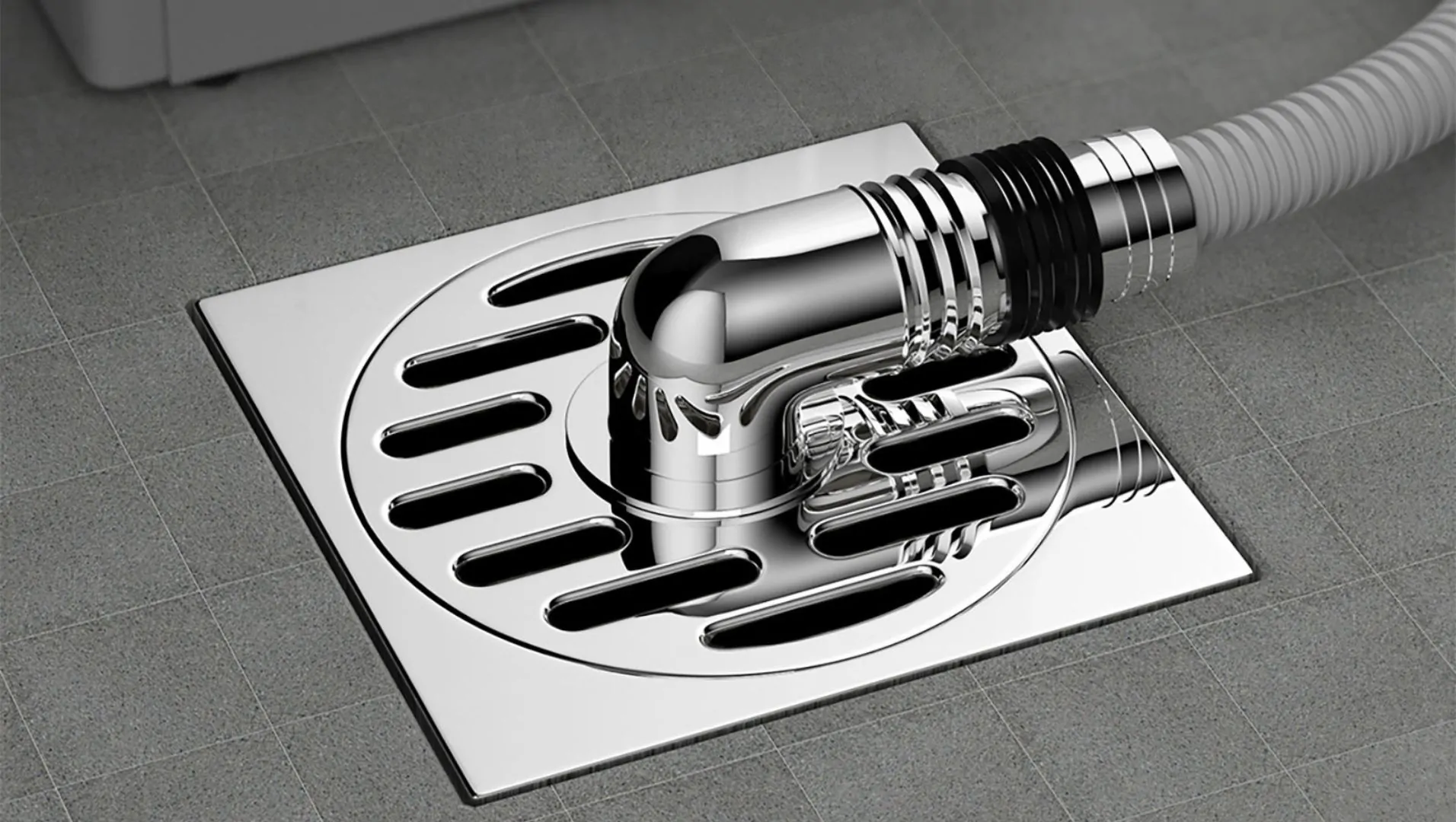
Understanding the Drain Hose Setup
A washing machine drain hose is a flexible pipe responsible for directing wastewater from the machine to the drainage system. To achieve a successful connection, ensure that the hose is adequately secured and elevated.
1. Select the Correct Hose:
It’s crucial to use a drain hose that is compatible with your washing machine model. Check the manual for specifications or consult the manufacturer’s website to avoid incompatibility issues.
2. Attach Securely:
Begin by connecting one end of the hose to the washing machine’s drain outlet. Secure this connection using a hose clamp2, which prevents leaks by tightening the hose around the outlet.
3. Elevate the Hose Properly:
The hose should be elevated to prevent backflow, which occurs when wastewater returns into the machine. Typically, it should be positioned about 30-96 inches off the ground. This elevation uses gravity to facilitate efficient drainage.
Connecting to the Floor Drain
When connecting to a floor drain, ensure compliance with local plumbing codes. These regulations often require an air gap or vent to prevent wastewater from being siphoned back into the machine, which can cause contamination.
Air Gap Installation:
An air gap is a vertical space that separates the drain hose from the wastewater in the drainage system. It’s a critical feature for preventing back-siphoning and maintaining hygiene. Most modern washing machines come with built-in air gaps, but if yours doesn’t, consider installing one.
Helpful Tools and Accessories
| Tool/Accessory | Purpose |
|---|---|
| Hose Clamp | Secures hose connections |
| U-Bend Holder | Maintains elevation of the hose |
| Drain Pan | Catches any accidental leaks |
Ensuring your setup is compliant with codes not only prevents plumbing issues but also extends your washing machine’s lifespan. For more detailed guidance, check out local plumbing code requirements3.
A hose clamp prevents leaks in washing machines.True
A hose clamp secures the hose to the outlet, preventing leaks.
Elevating the drain hose prevents backflow.True
Elevation uses gravity to stop wastewater from returning.
What Are the Risks of Draining Into a Floor Drain?
Draining into a floor drain might seem like a simple solution, but it comes with its own set of risks that homeowners should be aware of.
Draining into a floor drain can lead to issues such as water backflow, sewer gas leakage, and flooding if not properly managed.
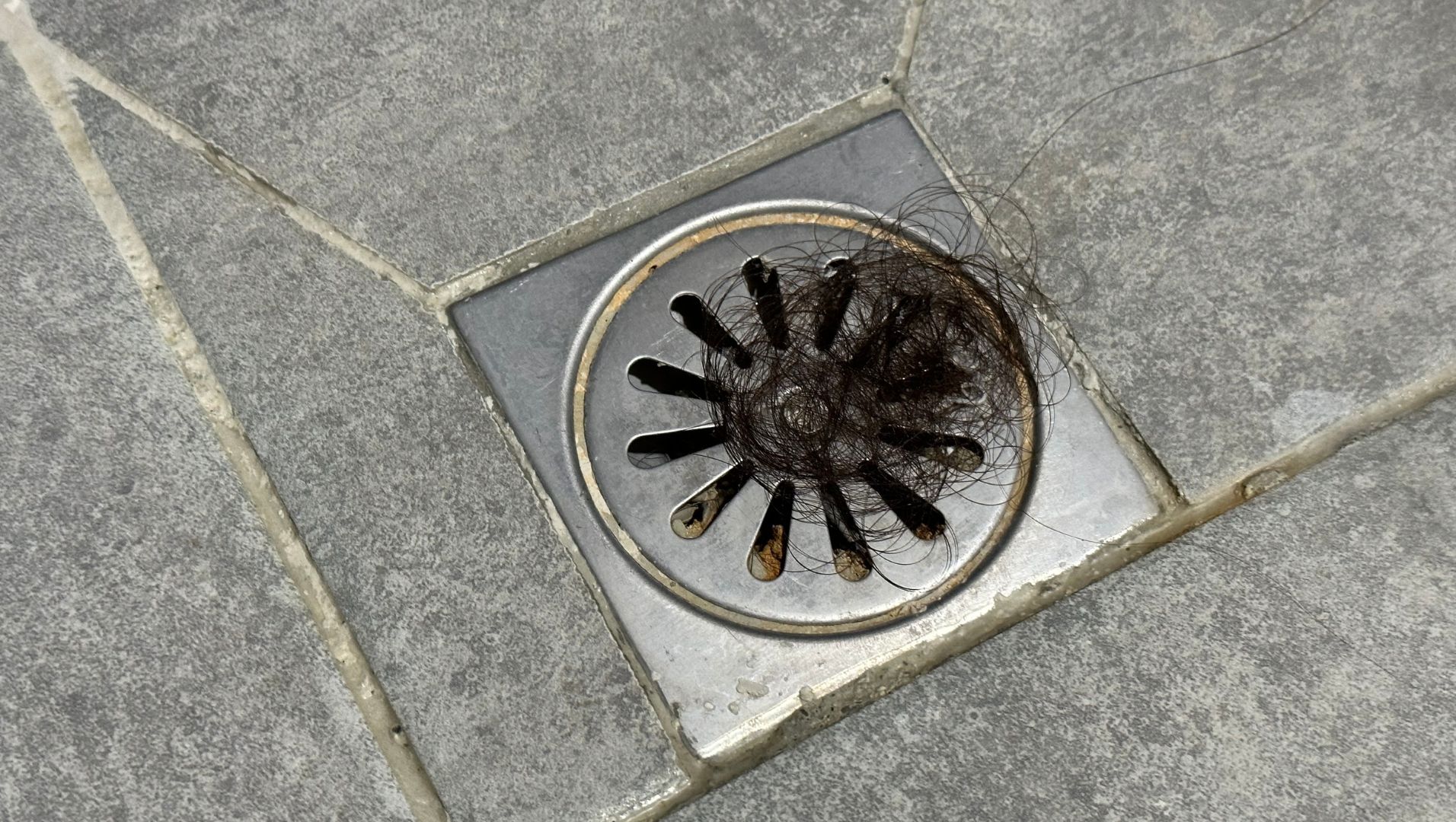
Potential for Water Backflow
One of the primary concerns when draining into a floor drain is the risk of water backflow. This occurs when water flows back up the drain due to inadequate drainage capacity or blockages. Such a situation can cause water damage4 to your property and lead to costly repairs.
To prevent backflow, ensure that the drain and piping system have sufficient capacity to handle the washing machine’s discharge. Installing a backflow prevention valve can provide an additional layer of protection against this risk.
Sewer Gas Leakage
Another significant risk is the potential for sewer gas to leak into your home. Floor drains are designed with traps that hold water to block sewer gases from entering your living space. However, if these traps dry out, gases can escape, leading to unpleasant odors and potential health hazards.
Regularly checking and maintaining the water level in the trap can mitigate this issue. Pouring water into the drain periodically helps keep the trap filled and functional.
Risk of Flooding
Flooding is a common concern, especially if the floor drain cannot handle the washing machine’s water output. This can happen due to blockages in the drain line or insufficient drainage capacity.
To avoid flooding, regularly inspect your floor drain for clogs and clean it as necessary. Additionally, consider installing a drainage pump system5 if your current setup is prone to overflow.
Table: Summary of Risks and Solutions
| Risk | Potential Solution |
|---|---|
| Water Backflow | Use a backflow prevention valve |
| Sewer Gas Leakage | Maintain water levels in trap regularly |
| Risk of Flooding | Regularly inspect and clean the drain |
Understanding these risks and implementing preventive measures will help maintain an efficient and safe drainage system for your washing machine.
Floor drains can cause water backflow issues.True
Water backflow happens due to inadequate drainage or blockages.
Sewer gas leakage is not a risk with floor drains.False
Dry traps in floor drains can lead to sewer gas leakage.
Are There Alternatives to Using a Floor Drain?
If using a floor drain seems problematic, don’t worry. There are viable alternatives worth exploring.
Instead of a floor drain, consider using a laundry tub, standpipe, or sump pump system for washing machine drainage.
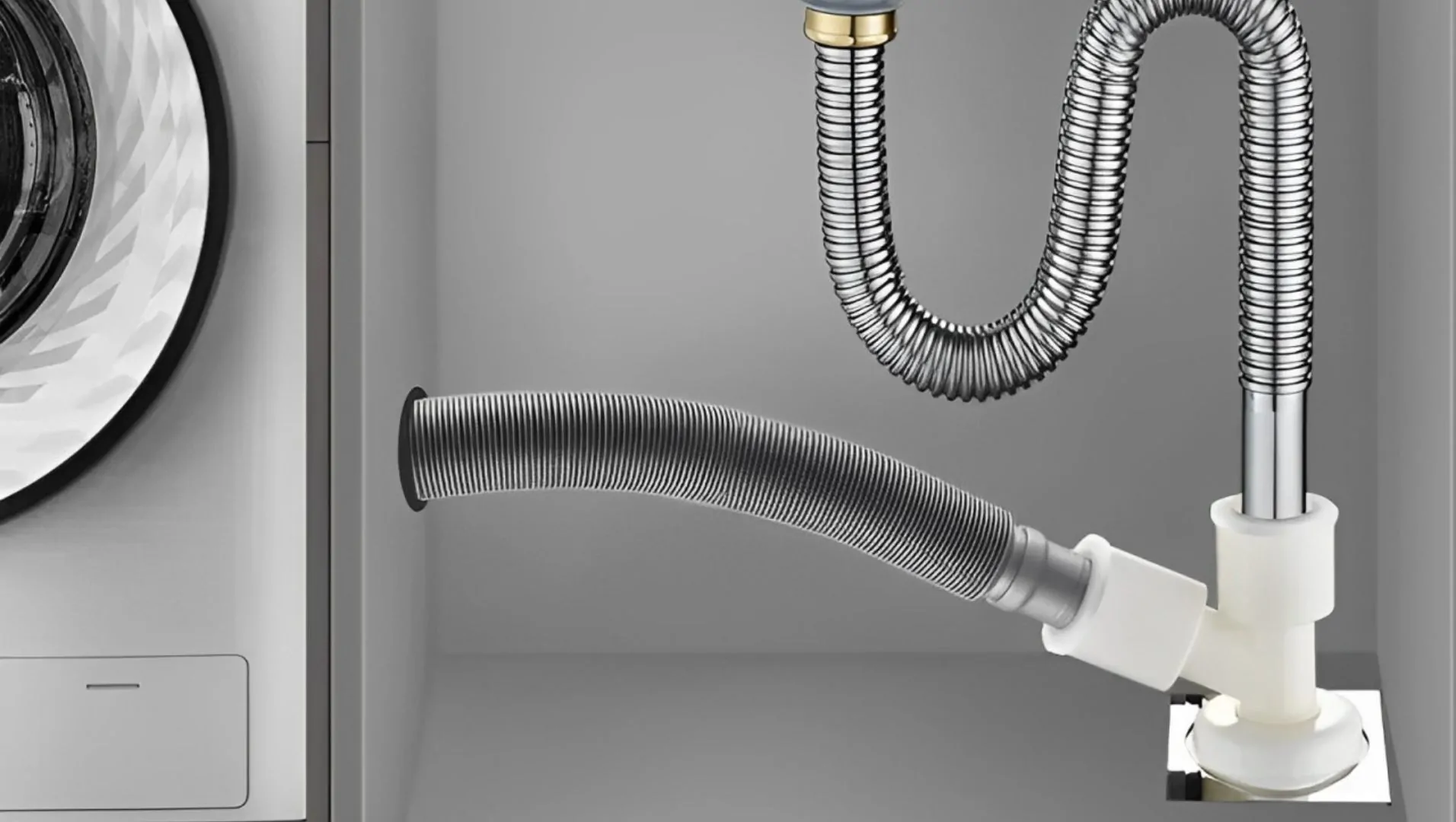
Exploring Alternative Drainage Options
When traditional floor drains aren’t an option, there are several alternatives that can effectively manage your washing machine’s drainage needs. Here, we’ll explore some popular choices:
-
Laundry Tub
A laundry tub is a practical and versatile option. It acts as a temporary reservoir for the water expelled from your washing machine, allowing it to drain into the home’s plumbing system. Installing a laundry tub is relatively straightforward and can be done by connecting the washing machine’s discharge hose directly to the tub. This method not only prevents water spillage but also helps in filtering out lint and debris before entering the main plumbing lines.
-
Standpipe System
A standpipe is another alternative that involves installing a vertical pipe connected to your home’s existing drainage system. The washing machine’s drain hose is then placed into the standpipe, allowing water to flow directly into your plumbing without the risk of overflow. Ensure the standpipe is at least 18 inches high from the floor to maintain proper water pressure and avoid backflow.
-
Sump Pump System
In cases where gravity drainage is not feasible, a sump pump system might be the solution. This system collects water in a basin and then pumps it out to an appropriate drainage location. While it requires more maintenance and setup compared to other methods, it offers flexibility in managing drainage in areas prone to flooding or with insufficient natural drainage slopes.
Comparing Alternatives
| Alternative | Installation Complexity | Maintenance Needs | Key Benefits |
|---|---|---|---|
| Laundry Tub | Moderate | Low | Easy lint management |
| Standpipe | Low | Low | Prevents overflow |
| Sump Pump | High | Moderate | Suitable for low-slope areas |
These alternatives provide reliable solutions for managing washing machine drainage without relying on floor drains. Consider your specific needs and home setup when choosing the best option for you. For more detailed guidance on installation and maintenance, refer to specialized resources6 tailored to each method.
Laundry tubs prevent water spillage effectively.True
Laundry tubs act as reservoirs, preventing overflow by draining water.
Sump pumps are low maintenance drainage solutions.False
Sump pumps require more maintenance compared to other methods.
Conclusion
By adhering to plumbing codes and guidelines, you not only ensure safety but also prolong the lifespan of your plumbing system.
-
Ensure compliance with regulations specific to your region.: P2719.1 Floor drains. Floor drains shall have waste outlets not less than 2 inches (51 mm) in diameter and a removable strainer. Floor drains shall be … ↩
-
Explore how hose clamps provide leak-free connections.: Hose clamps are mechanical devices designed to secure and fasten hoses onto fittings or connectors. They create a tight and secure seal between the hose and … ↩
-
Learn about essential plumbing code compliance for safety.: All electrical receptacles must have GFCI protection. · You need at least one 120-volt, 20-amp receptacle for plugging in the washing machine. It … ↩
-
Learn effective ways to prevent costly water damage.: What is the Best Way to Prevent Backflow? · Air Gaps · A Reduced Pressure Principle Backflow Preventer (RPBP) · A Barometric Loop · A Pressure Type … ↩
-
Explore drainage pump systems to avoid overflow issues.: To convert my church from a commercial building into residential, I need to get an occupancy … ↩
-
Step-by-step installation guide enhances DIY skills.: This video shares how to do a utility sink installation for basement laundry. Yep, it only took 15 … ↩






