

Are you planning a plumbing project and feeling puzzled by the terms floor drain and floor trap? You’re not alone!
A floor drain is designed primarily to remove standing water from a floor surface, effectively channeling it away from living spaces. In contrast, a floor trap is a plumbing device that prevents sewer gases from escaping into a building by using a water seal.
Understanding these distinctions is vital for ensuring your plumbing systems work efficiently and safely. Join me as we dive deeper into the fascinating world of plumbing!
Floor drains prevent sewer gases from entering buildings.False
Floor traps, not drains, prevent sewer gases by using a water seal.
How Do Floor Drains Work?
Floor drains are essential for managing water accumulation in various environments. But how do they actually function?
Floor drains operate by collecting and directing water from a surface into a drainage system, typically found in basements, bathrooms, or garages. They use a sloped design to ensure water flows efficiently towards the drain opening, minimizing water-related damage.
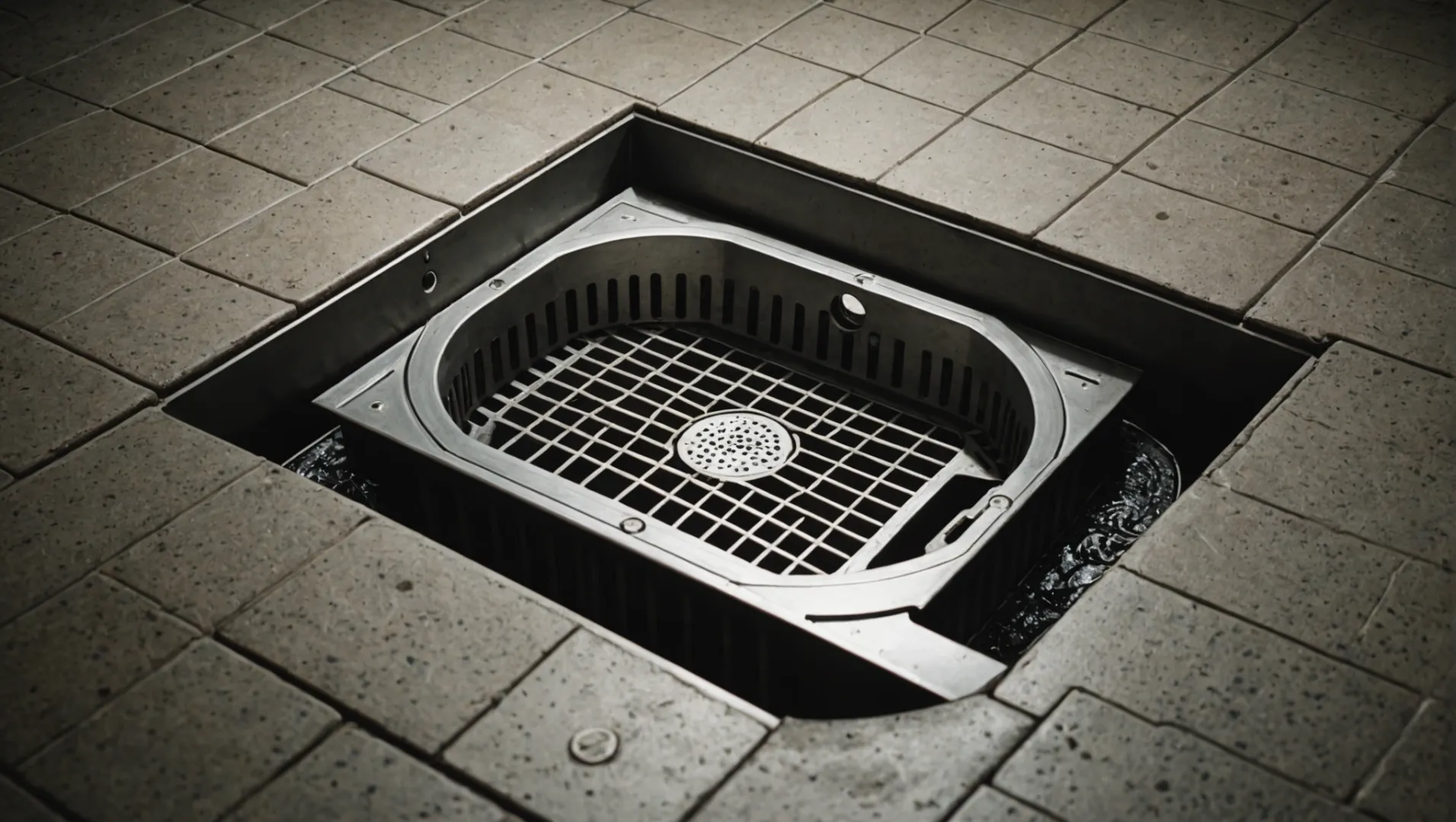
The Basic Anatomy of a Floor Drain
A floor drain generally consists of a grate, a sump, and a connected drainage pipe. The grate1 covers the opening, allowing water to flow through while preventing large debris from entering. Beneath the grate, the sump acts as a catchment area for water before it moves into the drainage pipe.
The Drainage Process
- Collection: Water collects on the floor surface and moves towards the drain due to gravity and the sloped design of the surrounding floor.
- Entrapment: The grate prevents large debris from entering while allowing water to pass through into the sump.
- Discharge: Water is then funneled from the sump into the drainage pipe, eventually being directed to either a sewer line or an outside drainage area.
Key Considerations
- Material Choice: Floor drains can be made from various materials like stainless steel, cast iron, or PVC, each offering different benefits such as corrosion resistance or cost-effectiveness.
- Trap Addition: Some floor drains include a trap feature, which holds water to prevent sewer gases from entering the building.
- Maintenance Needs: Regular cleaning is essential to prevent clogs and ensure efficient operation. Utilizing drain covers can minimize debris accumulation.
Applications in Different Settings
- Residential Use: Often found in basements and laundry rooms where overflow is a risk.
- Commercial Use: Essential in restaurants or industrial kitchens where frequent cleaning leads to significant water usage.
- Public Spaces: Used in locker rooms or public bathrooms where water management is crucial for hygiene and safety.
Understanding how floor drains work not only helps in selecting the right type for your space but also ensures proper maintenance and longevity of the drainage system. For more on choosing materials, you might find it useful to read about stainless steel advantages2 for floor drains.
Floor drains only work in basements.False
Floor drains are used in various settings, including bathrooms and garages.
A floor drain's grate prevents debris entry.True
The grate covers the opening, blocking large debris while allowing water through.
What Are the Key Features of Floor Traps?
Discovering the essential features of floor traps can help enhance your plumbing systems’ safety and efficiency.
Floor traps are essential plumbing fixtures that primarily prevent sewer gases from entering living spaces by maintaining a water seal, trapping debris, and facilitating easy maintenance.
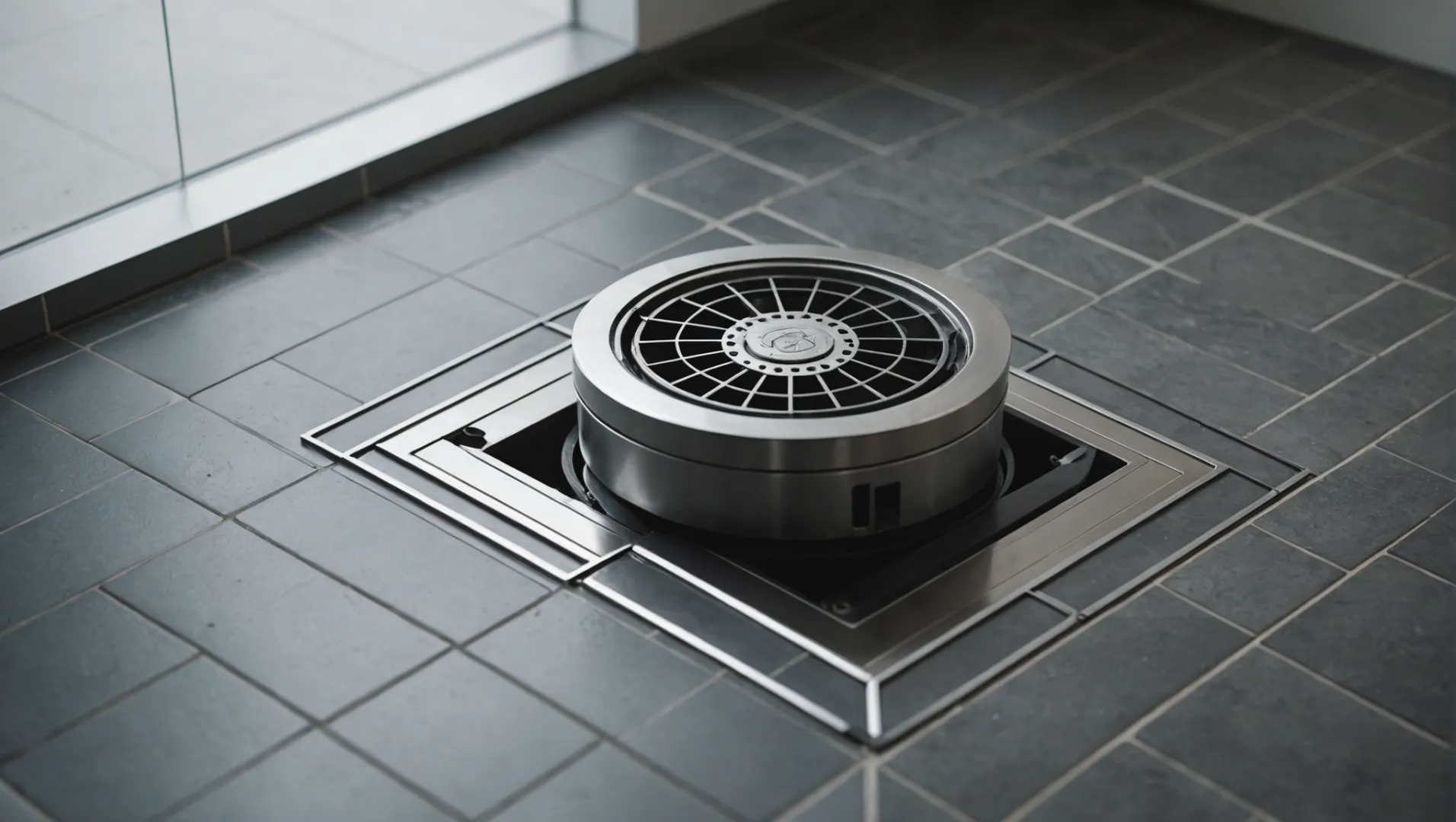
Understanding Floor Traps
Floor traps are an integral component of modern plumbing systems, designed to ensure sanitation and safety within residential and commercial properties. Their primary function is to maintain a water seal that blocks sewer gases from infiltrating indoor spaces.
Key Components of Floor Traps:
-
Water Seal:
- The most crucial feature of a floor trap is its water seal, which acts as a barrier against sewer gases.
- Typically, the water seal’s depth is around 50mm to 100mm, preventing odors and gases effectively.
-
Debris Capture:
- Floor traps often include a removable strainer or basket that captures debris, hair, and other particulates, preventing clogs in the plumbing system.
- Regular cleaning of the trap helps maintain its effectiveness and prolongs the lifespan of your drainage system.
-
Accessibility for Maintenance:
- Designed with ease of access in mind, floor traps allow for simple cleaning and maintenance. Many models feature removable covers or lids, facilitating quick inspections and clean-ups.
-
Material and Design:
- Floor traps are commonly made from durable materials like PVC, stainless steel, or cast iron to withstand various environmental conditions.
- The design can vary from traditional shapes to modern, sleek versions that blend seamlessly into contemporary interiors.
Choosing the Right Floor Trap
When selecting a floor trap for your property, consider factors like the location (kitchen, bathroom, or commercial setting), the expected volume of water and debris, and compatibility with existing plumbing.
- For kitchens, opt for traps with efficient debris capture mechanisms to handle food particles and grease.
- In bathrooms, prioritize models with effective odor prevention capabilities due to higher moisture levels.
Understanding these key features3 of floor traps ensures that you make an informed decision that aligns with your specific plumbing needs.
Floor traps prevent sewer gases with a water seal.True
The water seal in floor traps blocks sewer gases effectively.
Floor traps require no maintenance for debris capture.False
Regular cleaning is needed to maintain debris capture efficiency.
When Should You Use a Floor Drain vs. a Floor Trap?
Choosing between a floor drain and a floor trap is crucial for optimal plumbing performance. Learn when to use each.
Use a floor drain in areas prone to water accumulation, like showers or laundry rooms, to manage excess water effectively. Conversely, opt for a floor trap when sewer gas prevention is paramount, such as in bathrooms or kitchens, ensuring a healthy indoor environment.
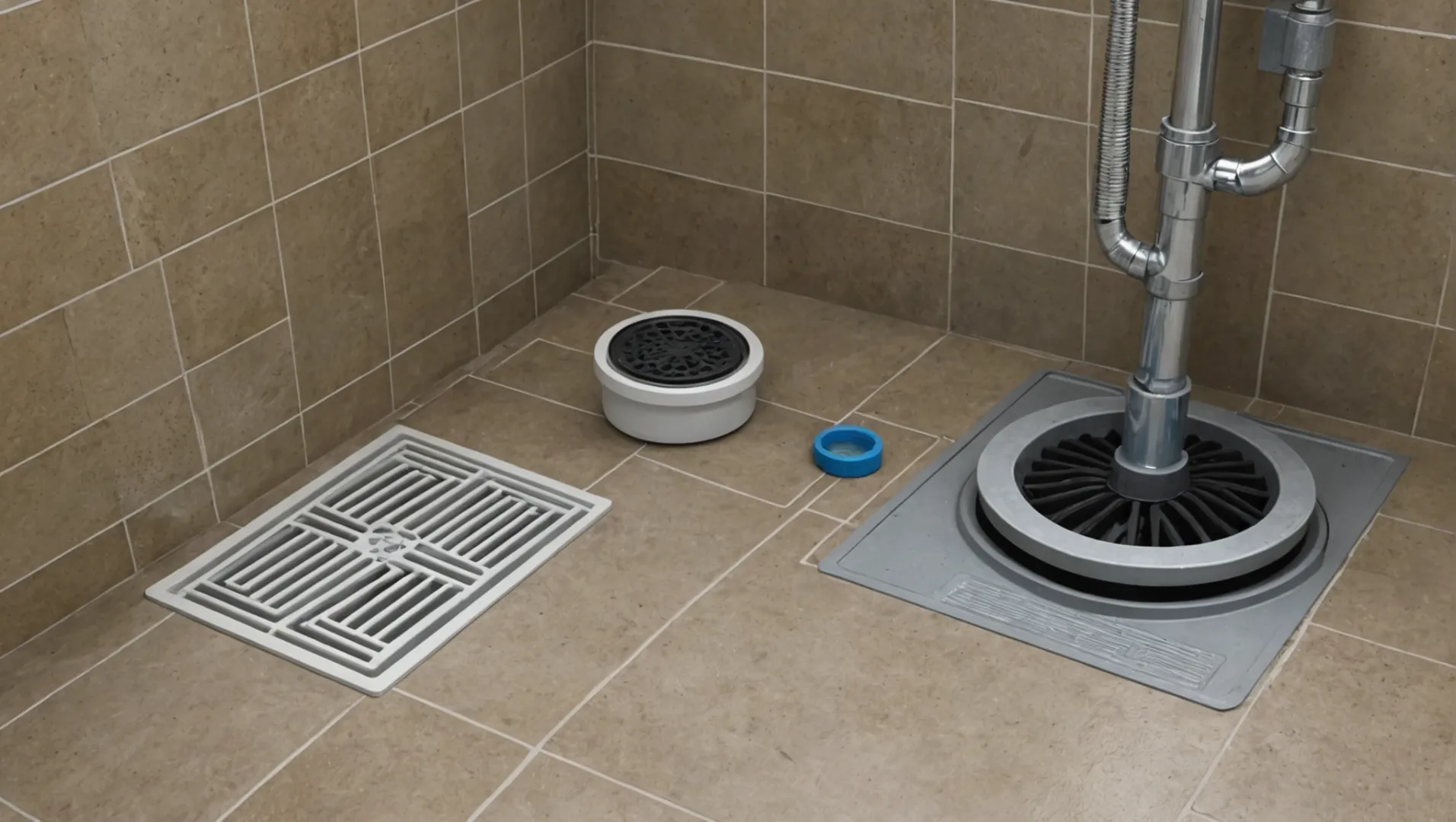
Understanding the Basics
Before deciding between a floor drain and a floor trap4, it’s important to understand their basic functions. A floor drain is primarily designed to quickly remove standing water from the surface of the floor. It is most suitable for locations that are regularly exposed to water spillage or flooding, such as basements, showers, or utility rooms.
On the other hand, a floor trap serves as a crucial barrier against sewer gases. Its primary function is to trap water within its curvature, creating a seal that prevents gases from entering the living spaces. This makes it ideal for installations where preventing odor and gas infiltration is necessary.
Situations for Using Floor Drains
-
High Water Exposure Areas: Floor drains are essential in areas like commercial kitchens or laundry rooms where water spillage is frequent. They help maintain hygiene by swiftly removing excess water.
-
Emergency Overflow Management: In cases of equipment malfunction or plumbing failures, floor drains provide an efficient solution to prevent water damage by channeling water away from sensitive areas.
-
Showers and Bathtubs: These areas benefit from floor drains as they effectively handle the constant water runoff during use.
Situations for Using Floor Traps
-
Bathrooms and Restrooms: Floor traps are ideal in these locations as they help maintain air quality by blocking unpleasant sewer gases from escaping into living areas.
-
Kitchens: With numerous drainage points and the potential for odors from waste disposal units, using floor traps ensures that gases remain sealed off.
-
Basement Installations: Often located below the main plumbing lines, basements require floor traps to prevent sewer gas infiltration due to gravity-based flow dynamics.
Summary Table
| Situation | Recommended Solution |
|---|---|
| Frequent water spillage | Floor Drain |
| Odor and gas prevention | Floor Trap |
| Utility rooms with washing areas | Floor Drain |
| Bathrooms with multiple fixtures | Floor Trap |
Understanding when to use each solution will enhance the efficiency and safety of your plumbing system. Consider the specific requirements of your space and consult with professionals if needed to make an informed decision.
Floor drains are ideal for high water exposure areas.True
Floor drains quickly remove standing water, suitable for wet areas.
Floor traps prevent water accumulation in basements.False
Floor traps prevent sewer gas, not water accumulation, in basements.
How to Maintain Floor Drains and Traps Effectively?
Regular maintenance of floor drains and traps is essential to prevent clogs and unpleasant odors.
To maintain floor drains and traps effectively, regularly clean debris from the surface, flush the system with hot water, and occasionally use a mild detergent. Ensure traps retain water by refilling them periodically to prevent sewer gas odors. Regular inspections can help identify issues early, ensuring optimal performance.
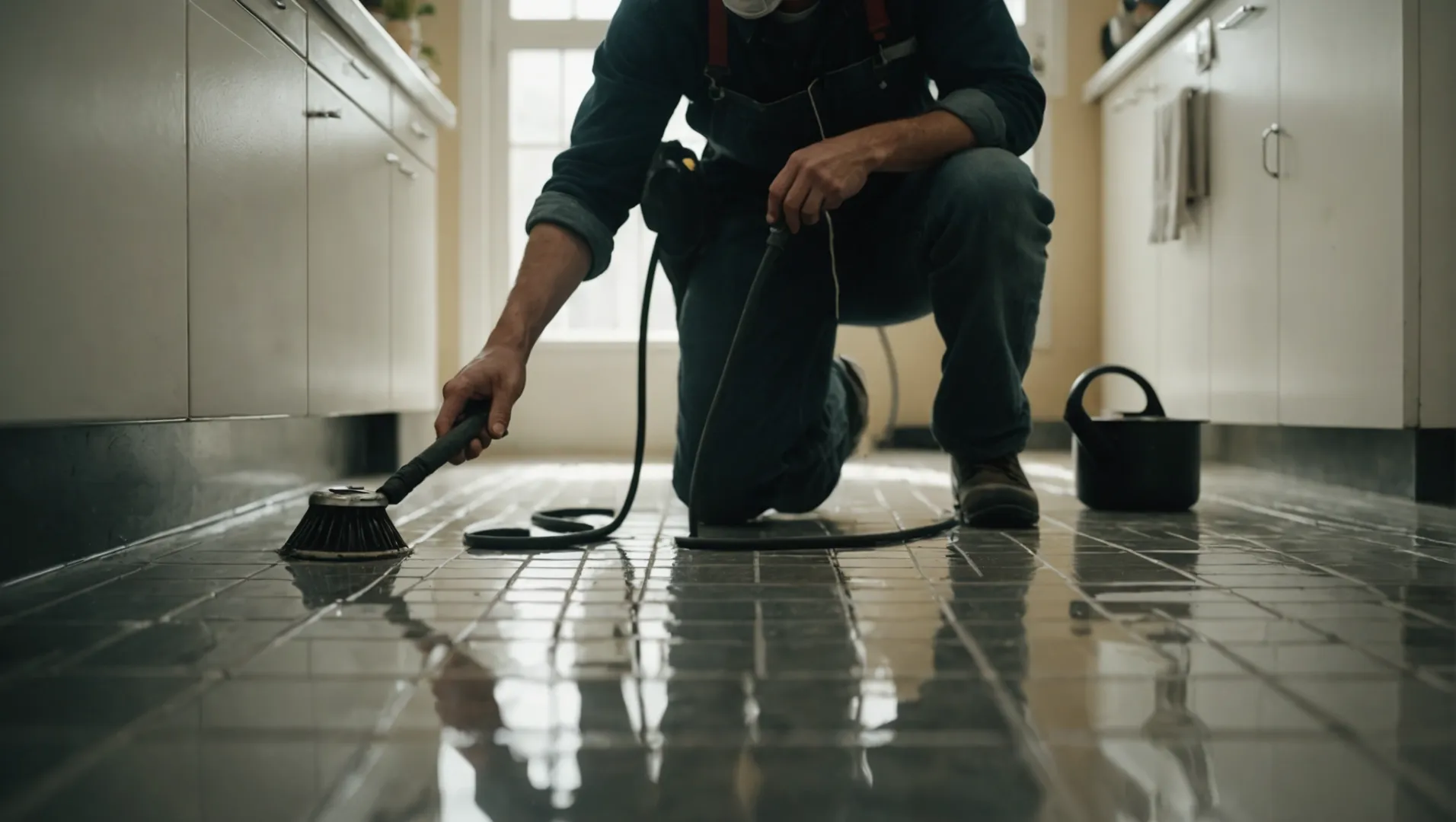
Regular Cleaning and Inspection
Start by ensuring the surface of the drain5 is free from any debris or build-up. This can be achieved by using a wire brush or a suitable cleaning tool. Additionally, inspecting the grates and covers for any signs of rust or damage can prevent larger problems.
Flushing and Using Detergents
Periodically flushing your drains with hot water helps to clear away any remaining particles that could lead to clogs. For more stubborn residues, a mild detergent can be introduced. Pour a small amount directly into the drain, followed by hot water to activate it.
| Steps for Flushing Drains | Frequency |
|---|---|
| Remove drain cover | Weekly |
| Pour hot water | Weekly |
| Add detergent (if needed) | Monthly |
Ensuring Trap Effectiveness
Floor traps rely on water seals to block sewer gases. To maintain effectiveness, ensure these traps are always filled with water. This might require pouring water into them regularly, especially if they are in infrequently used areas like basements or utility rooms.
Professional Inspections
While regular maintenance can be done by homeowners, scheduling a professional inspection annually is recommended. Professionals can identify hidden issues such as cracked pipes or improperly seated traps, which can cause long-term damage.
By following these steps, you can ensure that your floor drains and traps6 function optimally, minimizing risks of blockages and unpleasant odors.
Regular cleaning prevents drain clogs.True
Cleaning removes debris that can lead to blockages.
Monthly detergent use is unnecessary for drains.False
Monthly detergent helps remove stubborn residues in drains.
Conclusion
Choosing wisely between a floor drain and a floor trap ensures a safe and efficient plumbing system tailored to your needs.
-
Discover how grates enhance efficiency by blocking debris.: Trench drain grates are used for channeling large amounts of water while preventing objects and debris from flowing into the drain itself. They … ↩
-
Learn why stainless steel is preferred for durability.: Advantages of Stainless Steel Casting Floor drains · Excellent mechanical properties · 2.Superior wear resistance · 3.Excellent corrosion resistance · 4.Good … ↩
-
Explore more detailed insights into choosing the right floor trap.: Floor traps are available in PVC, UPVC, and CI; they do not have a vent pipe, but detachable grinding is visible at the highest position of the traps. ↩
-
Explore detailed distinctions between floor drains and traps for informed choices.: In most of the houses, some of the restrooms and balconies floor drains are affixed, floor traps are rare and are affixed mostly in the kitchen … ↩
-
Learn effective methods for cleaning floor drain covers thoroughly.: Avoid using acids, harsh detergents, or bleach, as they can corrode the drain components. Steer clear of steel wool or abrasive scrubbers to prevent scratching … ↩
-
Find reliable services for professional inspection of floor drains.: Specially designed waterproof plumbing cameras allow plumbing technicians to conduct a visual inspection of sewer lines and other drain pipes. ↩






