
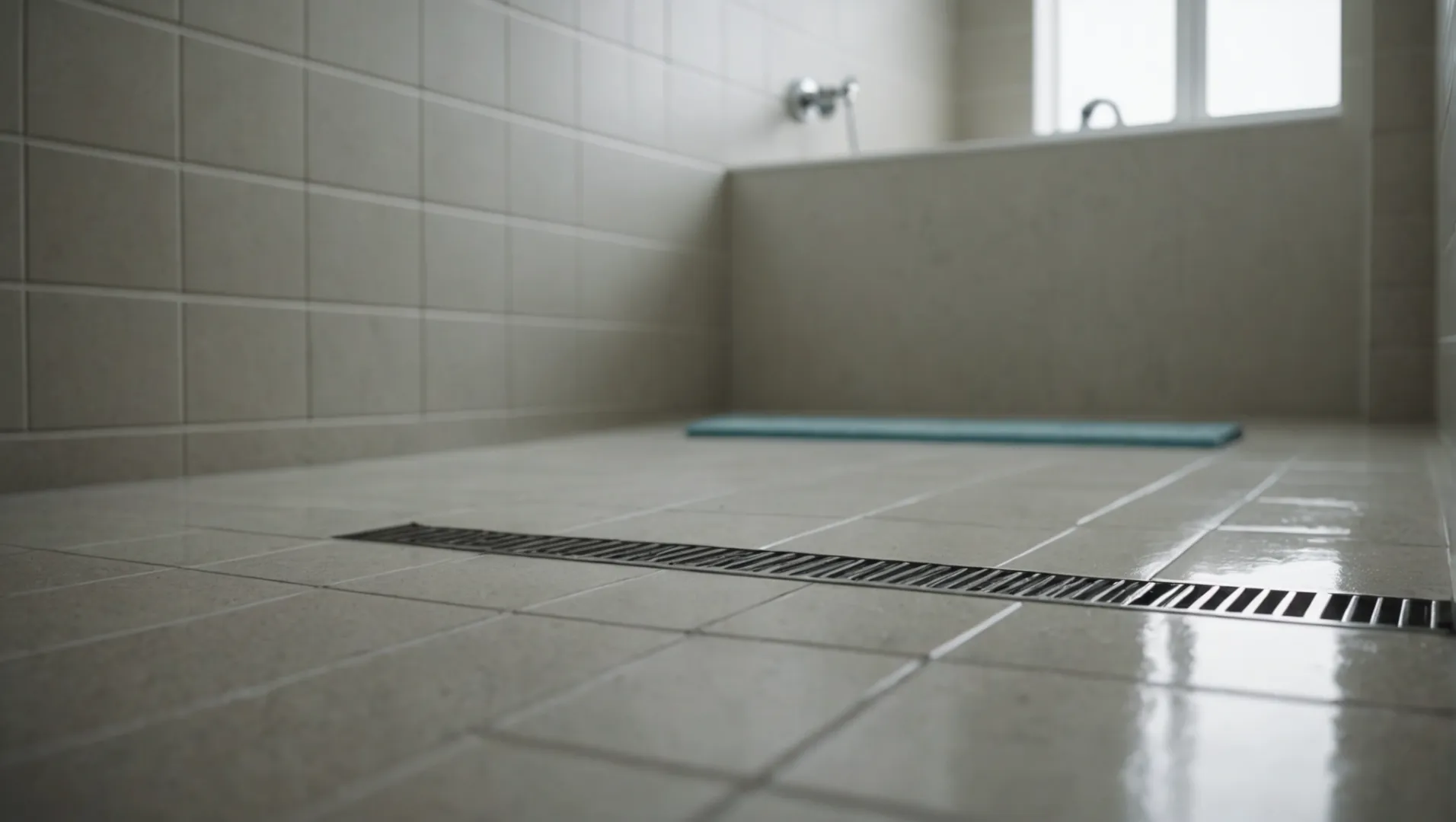
Curious about the sleek, modern design of linear shower drains and how they work? You’re in the right place!
A linear shower floor drain functions by collecting water over a larger area and directing it to a single exit point. Unlike traditional center drains, it features a long, narrow channel that efficiently channels water, reducing pooling and enhancing drainage.
Now that you have a basic understanding of how a linear shower floor drain operates, let’s delve deeper into its advantages and installation processes. Whether you’re planning a bathroom renovation or simply curious about modern plumbing solutions, this comprehensive guide will equip you with essential insights.
Linear drains require a four-way slope for installation.False
Linear drains need only a single slope, unlike traditional drains.
What Are the Benefits of Using a Linear Shower Drain?
Linear shower drains offer more than just a sleek look for modern bathrooms. Discover their numerous advantages.
Linear shower drains provide benefits such as improved water drainage, enhanced aesthetics, and increased accessibility, making them an excellent choice for both residential and commercial bathrooms.
Enhanced Aesthetic Appeal
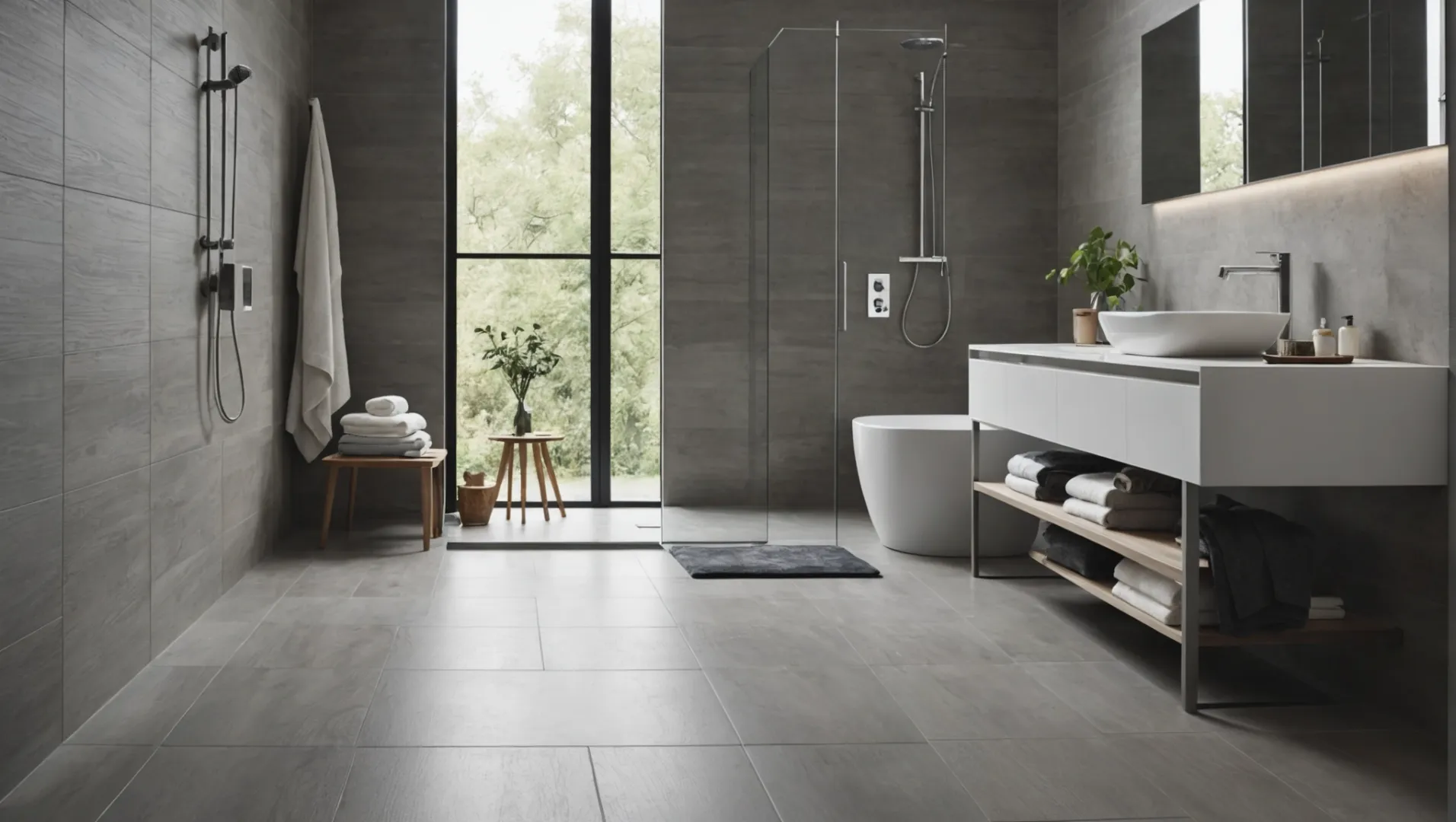
One of the most appealing benefits of a linear shower drain is its aesthetic versatility1. These drains blend seamlessly with any tile pattern, creating a minimalist, cohesive look. Their sleek design not only adds a touch of elegance to modern bathrooms but also offers flexibility in tile selection, allowing homeowners to achieve a continuous flooring appearance without disruption.
Improved Water Drainage
Linear drains excel in efficiently collecting and directing water due to their design. They enable water to flow over a greater surface area into a single exit point, reducing the risk of pooling. This is particularly beneficial in larger showers where traditional center drains might struggle to handle water effectively.
Increased Accessibility and Safety
Linear shower drains are ideal for creating barrier-free or zero-threshold showers, enhancing accessibility for individuals with mobility issues. Their flat design eliminates the need for a sloped floor towards the center, making it easier to install wheelchair-accessible showers. This contributes significantly to universal bathroom design2, promoting safety and convenience for all users.
Simplified Maintenance and Cleaning
Thanks to their straightforward design, linear shower drains are generally easier to clean and maintain. They have fewer edges and corners where dirt can accumulate compared to traditional center drains. Regular cleaning ensures longevity and optimal performance, making them a practical choice for busy households.
Versatility in Installation Locations
These drains are not limited to the shower area alone. They can be installed along walls or at door thresholds, offering versatility and expanding potential applications within the bathroom. This adaptability is advantageous for creative bathroom designs or space constraints.
A linear shower drain isn’t just a functional addition; it enhances the entire bathroom experience through its numerous practical benefits. Whether you’re renovating an existing space or designing a new one, considering these factors will help you make an informed choice.
Linear drains reduce water pooling risk.True
Their design allows water to flow over a greater area to a single exit.
Traditional drains are more accessible than linear drains.False
Linear drains enable barrier-free showers, enhancing accessibility for all.
How Do Linear Drains Compare to Traditional Shower Drains?
Discover the key differences between linear and traditional shower drains, impacting both style and functionality.
Linear drains offer a modern aesthetic and improved water flow management compared to traditional shower drains. They provide a sleek look and can handle larger volumes of water effectively, making them ideal for contemporary bathroom designs.
Modern Aesthetics and Design Flexibility
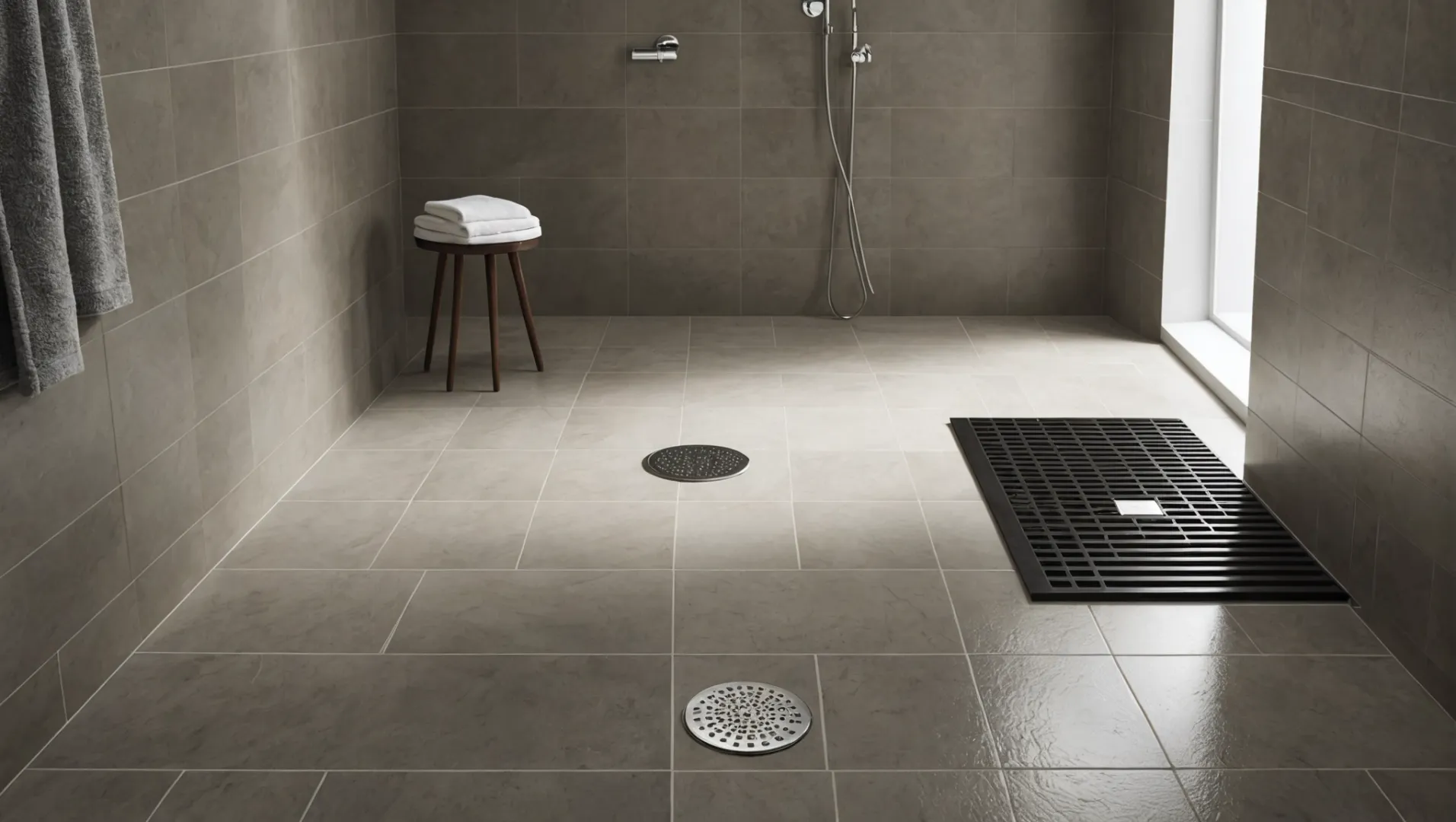
One of the primary reasons homeowners opt for linear drains is their modern and minimalist design. Unlike traditional shower drains that are typically round and centrally located, linear drains are long and narrow, often positioned along the edge or center of the shower floor. This setup not only contributes to a seamless floor appearance but also allows for larger tiles, enhancing the overall aesthetic.
Enhanced Water Flow and Drainage Efficiency
Linear drains excel in managing water flow due to their extended channel. This design facilitates rapid drainage, minimizing water pooling, which can be a common issue with traditional drains. By covering a broader area, linear drains distribute water evenly, reducing the risk of overflow during high water usage.
Installation Considerations
Although linear drains offer numerous benefits, their installation can be more complex than traditional options. Proper slope creation is crucial to ensure efficient water flow towards the drain. Moreover, they may require professional installation to achieve optimal performance and prevent leaks.
| Feature | Linear Drains | Traditional Drains |
|---|---|---|
| Design | Sleek, modern look | Conventional, central |
| Water Management | Covers large area; faster drainage | Limited to central point |
| Tile Compatibility | Supports larger tiles | Smaller tiles often required |
| Installation Complexity | Often more intricate; requires precision | Generally simpler; DIY-friendly |
Cost Implications
While linear drains can be more expensive upfront due to their design and installation requirements, they often provide long-term value through enhanced functionality and aesthetic appeal. Traditional drains may be more budget-friendly initially but could entail higher maintenance costs if water pooling becomes a recurring problem.
Maintenance and Durability
Both linear and traditional drains require regular cleaning to prevent clogs and maintain functionality. However, linear drains tend to be easier to clean due to their straight channels. They also typically feature removable grates, simplifying access for maintenance tasks.
In conclusion, choosing between linear3 and traditional4 shower drains depends on your bathroom’s design goals, budget, and specific needs.
Linear drains support larger tiles than traditional drains.True
Linear drains allow for larger tiles due to their design flexibility.
Traditional drains provide faster drainage than linear drains.False
Linear drains manage water flow better, offering faster drainage.
What Should You Consider When Installing a Linear Shower Drain?
Planning to install a linear shower drain in your bathroom? Here’s what you need to know before getting started.
When installing a linear shower drain, consider factors like slope, placement, waterproofing, and compatibility with your flooring material. Proper installation ensures optimal drainage and prevents leaks.
Understanding the Importance of Slope
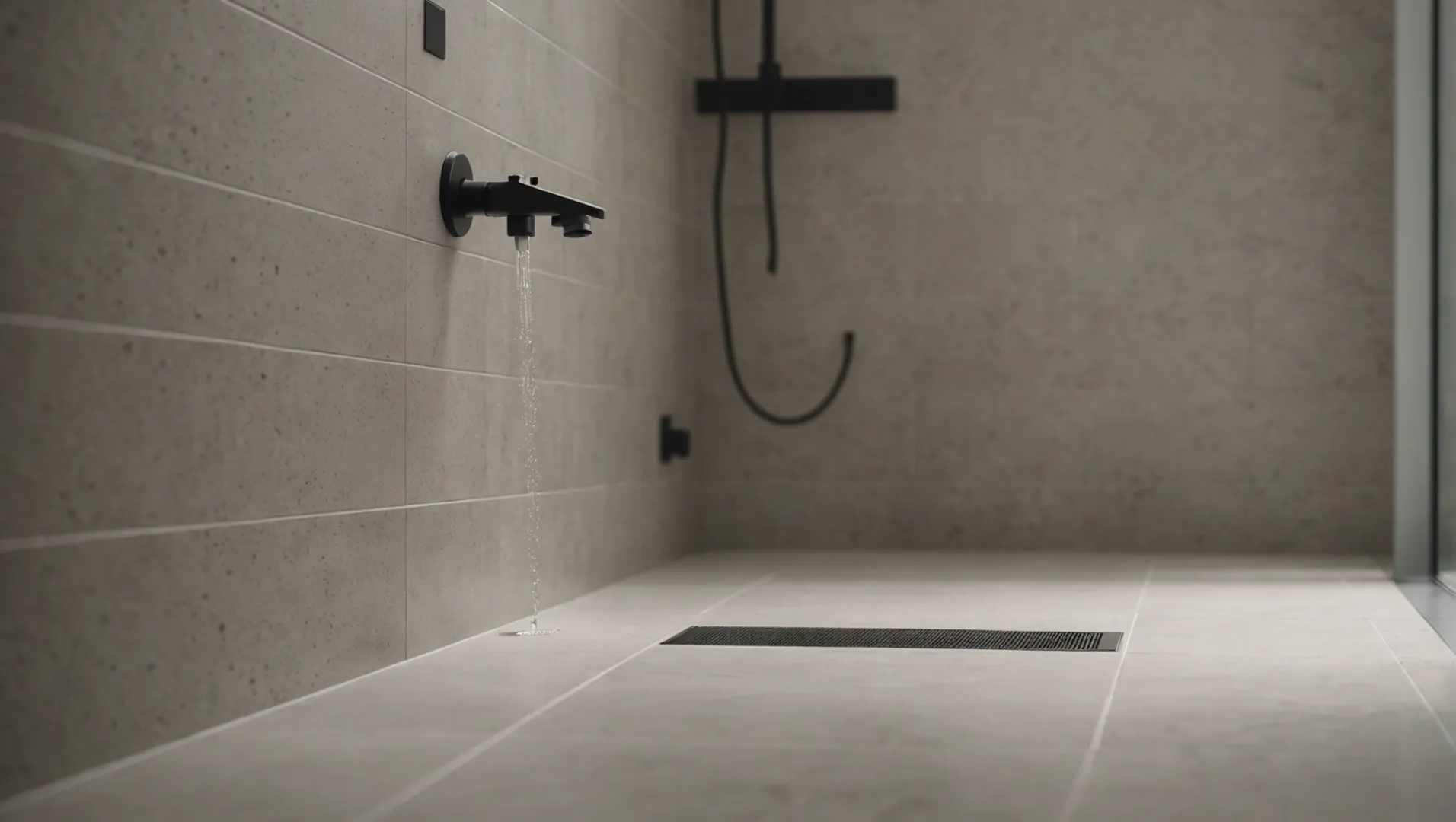
The slope of your shower floor is crucial for the efficient functioning of a linear shower drain. Unlike traditional drains, which require a four-way slope, linear drains need only a single slope, simplifying floor design5 and tiling. Aim for a 1-2% slope to ensure water flows naturally towards the drain without pooling.
Choosing the Right Placement
Consider the best location for your linear drain based on your shower’s design and layout. The most common placements are along the wall or at the entrance of the shower. Each position offers different aesthetic and functional benefits. For instance, a wall placement creates a seamless look and maximizes floor space.
Ensuring Proper Waterproofing
Waterproofing is essential to prevent leaks and water damage. Use a high-quality waterproof membrane beneath your tiles and around the drain. Overlapping the membrane with the shower pan liner provides an additional layer of protection. Consult with professionals to ensure correct installation and material choice.
Material Compatibility and Aesthetic Appeal
Your choice of flooring material impacts both the installation process and the overall look of your shower. Ensure that the tiles or stones you select are compatible with the linear drain’s design. Additionally, consider how the drain’s finish complements your bathroom’s decor.
| Factor | Consideration |
|---|---|
| Slope | Single slope (1-2%) for effective water drainage |
| Placement | Wall or entrance for optimal space use and aesthetics |
| Waterproofing | Overlap waterproof membrane with shower pan liner |
| Material & Aesthetics | Tile compatibility and drain finish that matches decor |
Installation Complexity and Professional Help
While some may attempt DIY installation, hiring a professional can ensure precision and avoid costly errors. Professionals can handle complexities such as correct slope creation, precise placement, and ensuring all components are sealed effectively to prevent leaks. This investment often pays off in long-term durability and functionality.
Linear shower drains require a four-way slope.False
Linear drains need only a single slope for proper drainage.
Proper waterproofing prevents leaks in shower drains.True
Waterproof membranes and correct installation prevent leaks.
How Can You Troubleshoot Common Issues with Linear Drains?
Facing troubles with your linear shower drain? Here’s how to diagnose and fix common issues effectively.
To troubleshoot common linear drain issues, start by identifying the problem—such as slow drainage or unusual odors—then check for clogs, improper installation, or inadequate slope. Regular maintenance, including debris removal and cleaning, often resolves most issues, ensuring optimal performance of your linear drain system.
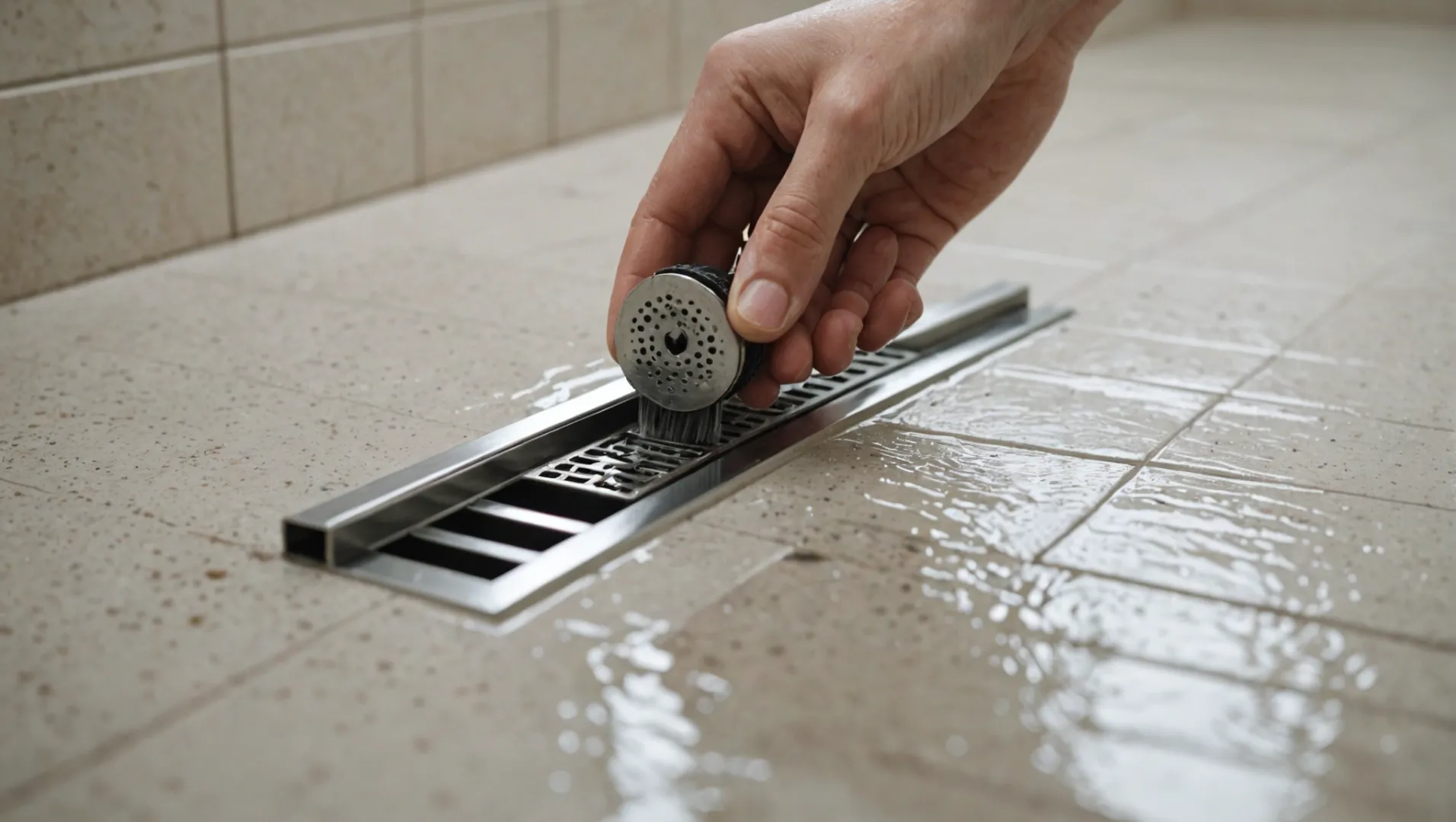
Common Linear Drain Problems and Solutions
Linear drains offer an elegant solution for modern bathrooms, but like any plumbing system, they can encounter issues. Here’s a guide to help you troubleshoot effectively:
Slow Drainage
Diagnosis: This is often due to blockages in the drain channel or pipe.
Solution: Remove the grate and inspect the channel for hair or soap scum buildup. Use a drain snake or a mixture of baking soda and vinegar to clear clogs. Ensure the channel is regularly cleaned to prevent future issues.
Water Pooling
Diagnosis: Pooling often indicates improper installation or an inadequate slope towards the drain.
Solution: Verify that your shower floor is sloped correctly at around 1-2% towards the drain. If not, adjustments to the subfloor may be necessary. Consult a professional for reinstallation if required.
Unpleasant Odors
Diagnosis: Odors can arise from trapped debris or stagnant water in the trap.
Solution: Regularly clean the drain and trap. Pour a mixture of vinegar and baking soda into the drain to neutralize odors. Ensure water in the trap is sufficient to block sewer gases.
Maintenance Tips for Linear Drains
- Regular Cleaning: Schedule periodic cleaning of the grate and channel to prevent buildup.
- Use Drain Covers: These can catch hair and debris before they enter the drain system.
- Inspect Seals: Check for leaks around seals and ensure they are intact to prevent water escape.
By addressing these common issues, you can maintain your linear drain’s efficiency and prolong its lifespan. For complex problems, consulting with a plumbing professional is recommended to avoid further damage. To explore professional maintenance services, consider checking plumbing maintenance services near you6.
Improper slope causes water pooling in linear drains.True
A slope of 1-2% towards the drain is essential to prevent pooling.
Unpleasant odors indicate a well-maintained linear drain.False
Odors usually signal trapped debris or stagnant water, not maintenance.
Conclusion
Linear shower drains offer functional and aesthetic benefits. Understanding their operation helps make informed decisions for bathroom upgrades. Explore further to enhance your renovation projects.
-
Explore various design possibilities with linear shower drains.: Linear drains are often used in barrier-free or “curbless” showers, which can be a helpful option for those with mobility issues. Water on center-sloped floors … ↩
-
Learn how linear drains support accessible bathroom designs.: Universal bathroom design allows enough space for a person using a wheelchair to navigate the room. According to HCD Universal Design, there should be enough … ↩
-
Discover why linear drains are preferred in modern bathroom designs.: Linear drains are often used in barrier-free or “curbless” showers, which can be a helpful option for those with mobility issues. Water on center-sloped floors … ↩
-
Learn why traditional shower drains are still a popular choice.: Performance: Linear drains offer superior water drainage capacity and are less prone to clogging due to their design which allows water to flow … ↩
-
Learn why floor slope is crucial for effective drainage.: This offers an advantage from the traditional center drain installation, where the floor must slope in four directions in order to properly drain the water. ↩
-
Discover expert help for complex linear drain issues.: Whether you need a regular maintenance check or a thorough cleaning, the professional plumbers at your local Mr. Rooter® Plumbing can get the job done. ↩






