
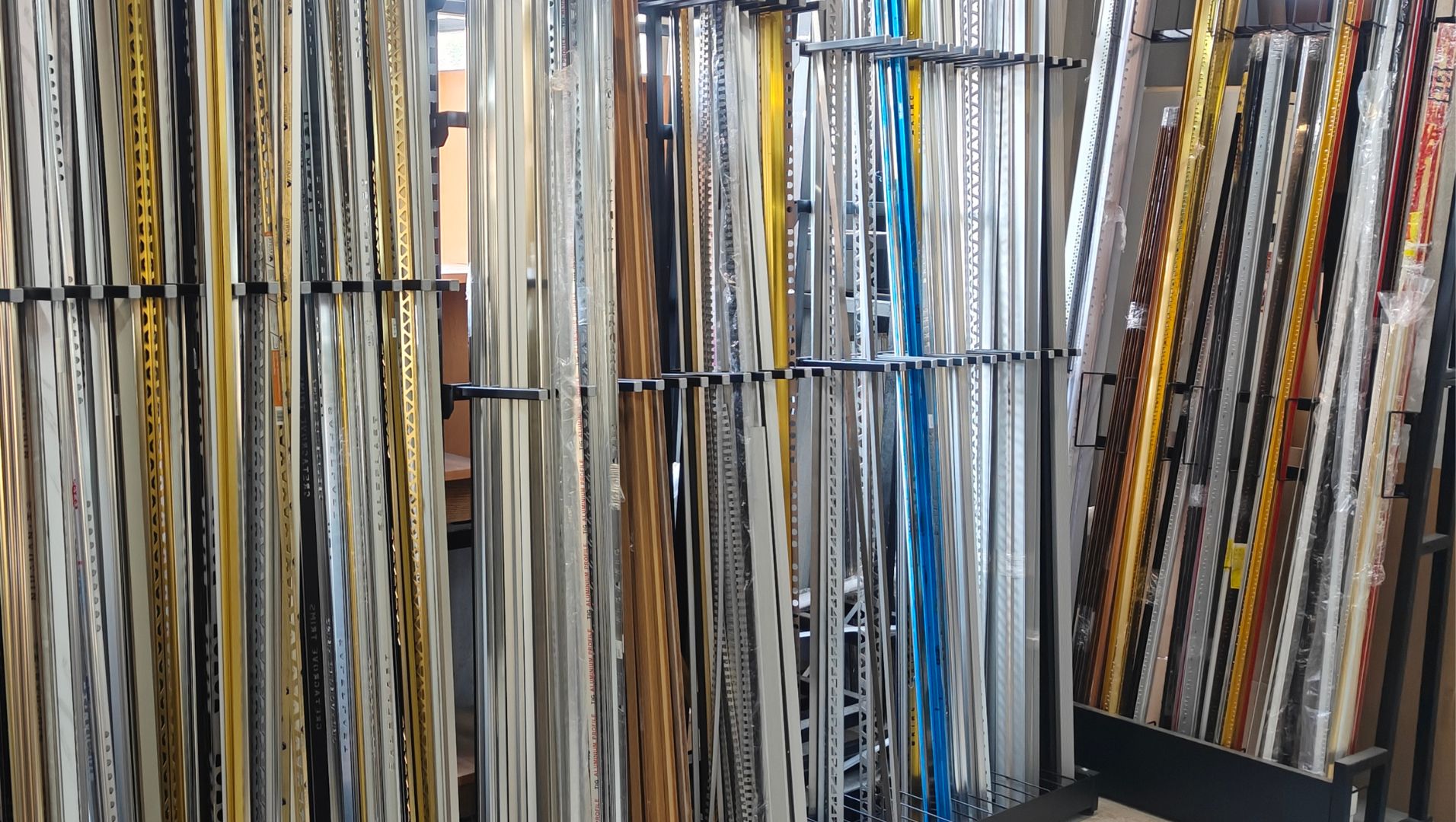
Are you about to embark on a tiling adventure? Let’s make sure it ends with a flawless finish!
Tile trims come in various materials, including metal, PVC, ceramic, and stone. Each type offers unique advantages such as durability, affordability, or aesthetic appeal. Choosing the right trim can enhance your project’s finish and protect tile edges.
Understanding the different types of tile trims can significantly impact the outcome of your tiling project. Dive deeper into this guide to explore the specifics of each material and discover which option best suits your needs and design vision.
Metal tile trims are ideal for high-traffic areas.True
Metal trims like stainless steel offer durability, resisting wear and damage.
How Do Metal Tile Trims Enhance Durability and Style?
Looking to elevate your tiling project with durability and style? Metal tile trims might be your perfect solution.
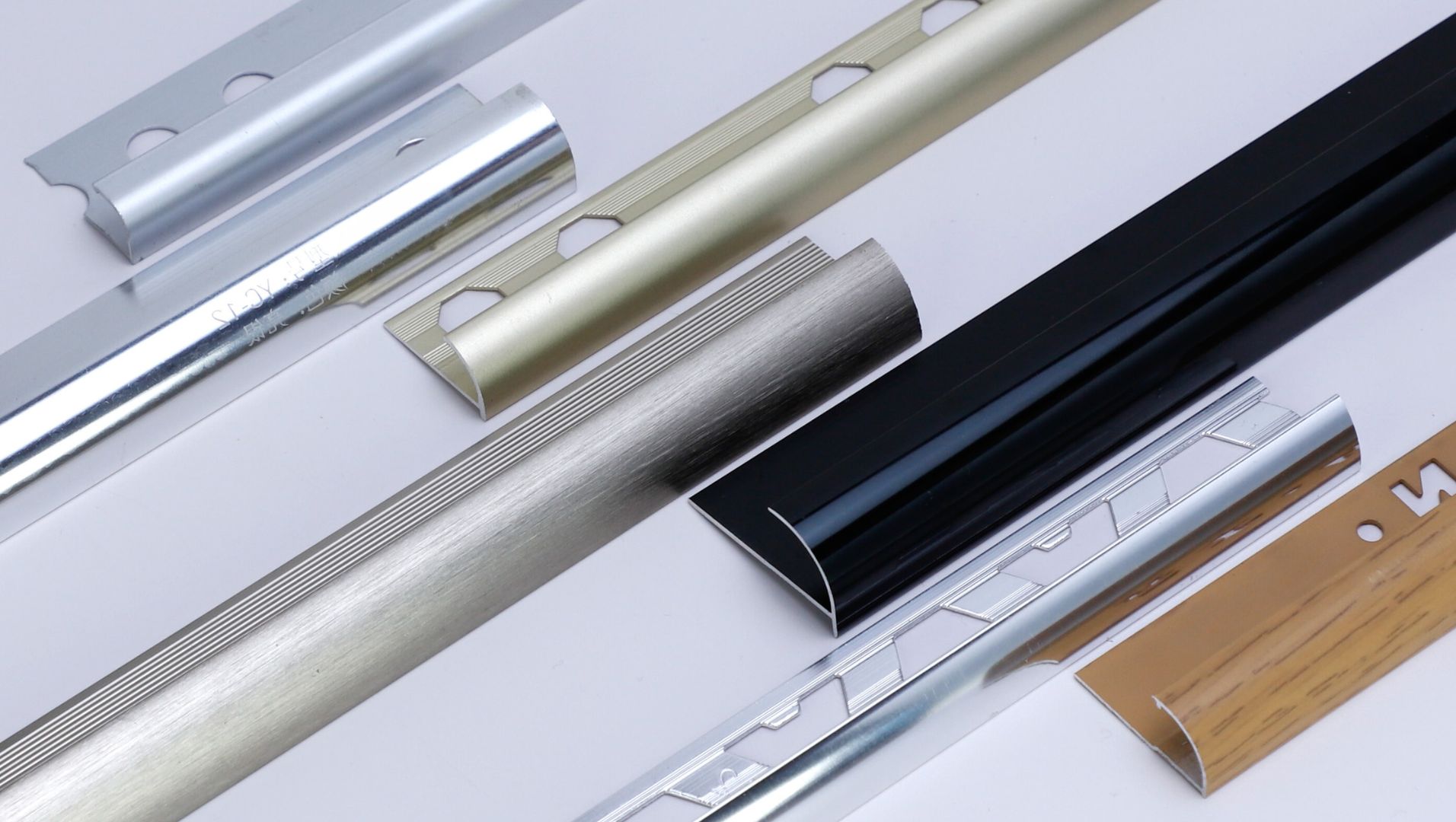
Metal tile trims enhance durability by protecting tile edges from damage and wear. They add style with sleek designs and finishes like aluminum, stainless steel, and brass. These trims are ideal for high-traffic areas, offering both functional protection and aesthetic appeal.
The Role of Metal Tile Trims in Durability
Metal tile trims play a crucial role in protecting the edges of tiles, which are typically the most vulnerable parts of any tiled surface. By covering these edges, metal trims prevent chipping, cracking, and general wear that could compromise the integrity of the tile installation. This is especially important in high-traffic areas such as hallways, kitchens, and bathrooms.
For example, stainless steel trims1 are often used in commercial spaces due to their unmatched resistance to rust and corrosion. This makes them ideal for wet environments like showers or outdoor installations where moisture is a constant concern.
Aesthetic Enhancements with Metal Trims
Beyond functionality, metal tile trims also contribute significantly to the aesthetic appeal of a space. They come in various finishes such as brushed, polished, or anodized aluminum, which can complement different design styles. For instance, aluminum trims2 are favored for their lightweight nature and versatility in finish options, allowing them to blend seamlessly with modern or minimalist interiors.
Furthermore, brass trims3 offer a touch of luxury and sophistication. Over time, brass develops a unique patina that adds character to the space, making it a preferred choice for those seeking a vintage or timeless look.
| Metal Trim Type | Key Features | Ideal Use Cases |
|---|---|---|
| Aluminum Trims | Lightweight, corrosion-resistant, versatile finish | Indoor and outdoor spaces |
| Stainless Steel Trims | Strong, rust-resistant | High-traffic areas, wet environments |
| Brass Trims | Luxurious appearance, develops patina | Elegant interiors, vintage aesthetics |
Versatility in Design Applications
Metal tile trims are not just limited to floor tiles; they can also be used on walls, backsplashes, and even as decorative elements. This versatility means that whether you’re renovating a kitchen or updating a bathroom, there’s likely a metal trim solution that fits your design vision.
For architects and interior designers, metal trims offer a way to create clean lines and contemporary finishes. They can be used to create striking contrasts against neutral tiles or to enhance the overall cohesion of a room’s design by matching other metal fixtures such as faucets and handles.
Metal trims prevent tile edge chipping.True
Metal trims cover tile edges, preventing chipping and cracking.
Brass trims are ideal for wet environments.False
Stainless steel, not brass, is best for wet environments due to rust resistance.
What Are the Advantages of Using PVC Tile Trims?
PVC tile trims offer a blend of affordability and functionality, making them a popular choice for many tiling projects.
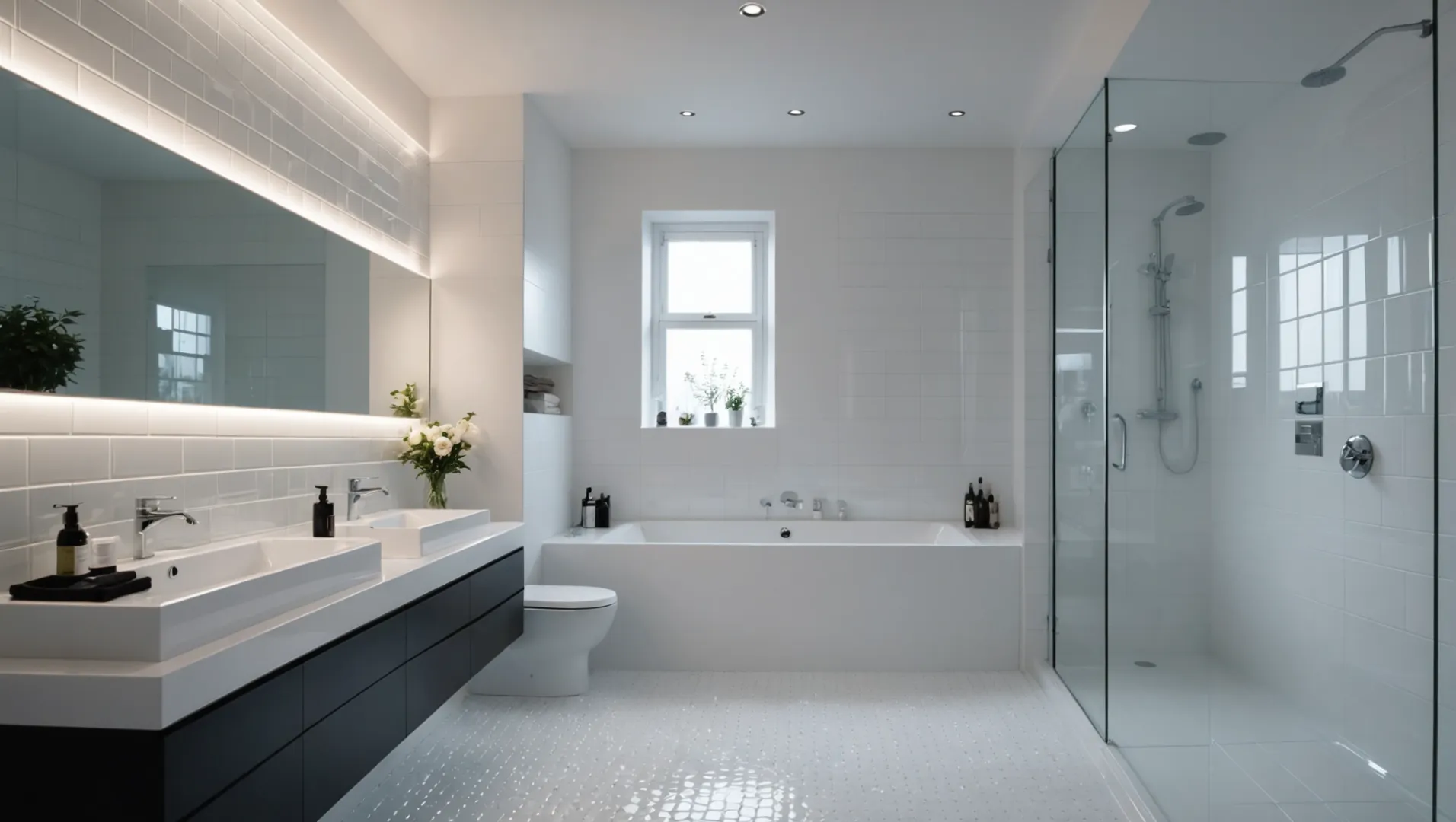
PVC tile trims are lightweight, affordable, and resistant to moisture and chemicals. These properties make them ideal for both residential and commercial applications, especially in areas prone to humidity like bathrooms and kitchens.
Understanding PVC Tile Trims
PVC, or Polyvinyl Chloride, is a versatile plastic commonly used in building materials due to its durability and flexibility. When it comes to tile trims, PVC offers several distinct advantages that can benefit various projects.
Benefits of PVC Tile Trims
-
Affordability
One of the most appealing aspects of PVC tile trims is their cost-effectiveness. Compared to metal or stone trims, PVC options are generally more budget-friendly, making them an excellent choice for large-scale projects or for those looking to minimize expenses without sacrificing quality.
-
Resistance to Moisture and Chemicals
PVC is inherently resistant to moisture, which makes it an ideal material for areas exposed to high humidity, such as bathrooms and kitchens. This resistance extends to various chemicals, ensuring that the trims maintain their integrity even when exposed to cleaning agents or other substances.
-
Ease of Installation
Due to their lightweight nature, PVC trims are easy to handle and install. This can be particularly advantageous for DIY enthusiasts4 who want to tackle tiling projects on their own. The simplicity of installation often translates to reduced labor costs when hiring professionals.
-
Variety of Styles and Finishes
PVC trims come in a wide range of colors and finishes, allowing homeowners and designers to match or contrast with the existing tiles. This versatility ensures that there is a suitable option for any aesthetic preference, whether it be modern, traditional, or eclectic.
Comparison with Other Tile Trims
| Feature | PVC Tile Trims | Metal Tile Trims | Ceramic Tile Trims |
|---|---|---|---|
| Cost | Low | Medium-High | Medium |
| Durability | Medium | High | Medium |
| Moisture Resistance | High | High | Medium |
| Aesthetic Variety | High | Medium | High |
While PVC may not have the strength of metal trims or the seamless integration of ceramic trims, its unique combination of affordability, ease of use, and resistance to environmental factors makes it a practical choice for many applications.
PVC tile trims are resistant to moisture.True
PVC's chemical structure makes it resistant to water, ideal for humid areas.
PVC tile trims are more expensive than metal trims.False
PVC is generally cheaper than metal due to lower material and manufacturing costs.
Why Choose Ceramic Tile Trims for a Seamless Look?
Ceramic tile trims are perfect for creating a unified, elegant appearance in any tiled space.
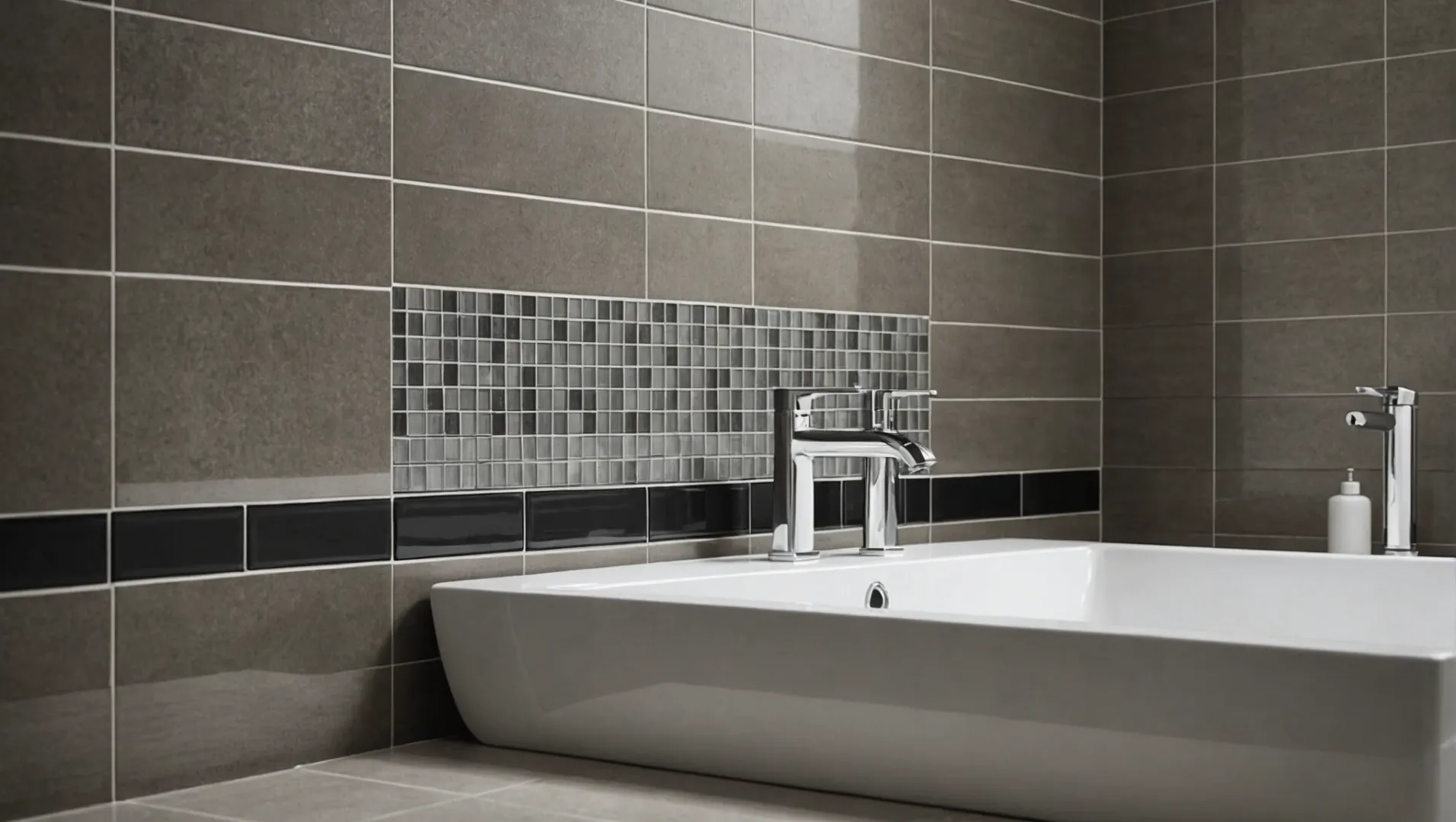
Ceramic tile trims offer a seamless integration with tiles, as they are made from the same material. This ensures uniformity in texture, color, and design, providing a cohesive finish. They are especially beneficial in areas where aesthetics are paramount, like bathrooms and kitchens.
Achieving a Cohesive Design
When considering the overall design of a tiled space, the visual continuity5 that ceramic tile trims provide cannot be overstated. They allow for an uninterrupted flow from one tile to the next, enhancing the room’s elegance. The trims come in various shapes and sizes, such as bullnose or cove shapes, catering to different design needs.
Matching Colors and Textures
A key advantage of ceramic trims is their ability to perfectly match the tiles they accompany. Since both the tile and trim are made from the same material, they inherently share the same color palette and texture. This matching is crucial in maintaining the design integrity of spaces like kitchens and bathrooms where transitions can be easily noticed.
| Type of Trim | Common Uses | Example Features |
|---|---|---|
| Bullnose | Edge finishing | Rounded edges |
| Cove | Corners | Curved design |
Durability and Maintenance
Ceramic is known for its robust nature6, making ceramic trims resistant to everyday wear and tear. They are easy to clean and maintain, requiring only regular wiping to keep them looking new. This makes them particularly suitable for high-traffic or moisture-prone areas.
Environmental Considerations
Opting for ceramic trims can also be an environmentally conscious choice. Ceramics are often made from natural materials and can be sourced sustainably. Furthermore, their longevity means less frequent replacements, reducing waste over time. Learning more about sustainable ceramic production can provide further insight into their environmental benefits.
Ceramic trims ensure a seamless tile transition.True
Made from the same material, they match tiles in color and texture.
Ceramic trims are unsuitable for high-moisture areas.False
Ceramics are durable and resistant to moisture, ideal for such areas.
How Do Stone Tile Trims Add Luxury to Your Space?
Stone tile trims are the unsung heroes of luxury interiors, offering both elegance and functionality.
Stone tile trims elevate spaces by providing seamless transitions, adding depth, and enhancing the natural beauty of stone tiles. Their luxurious appearance and durability make them an ideal choice for high-end designs.
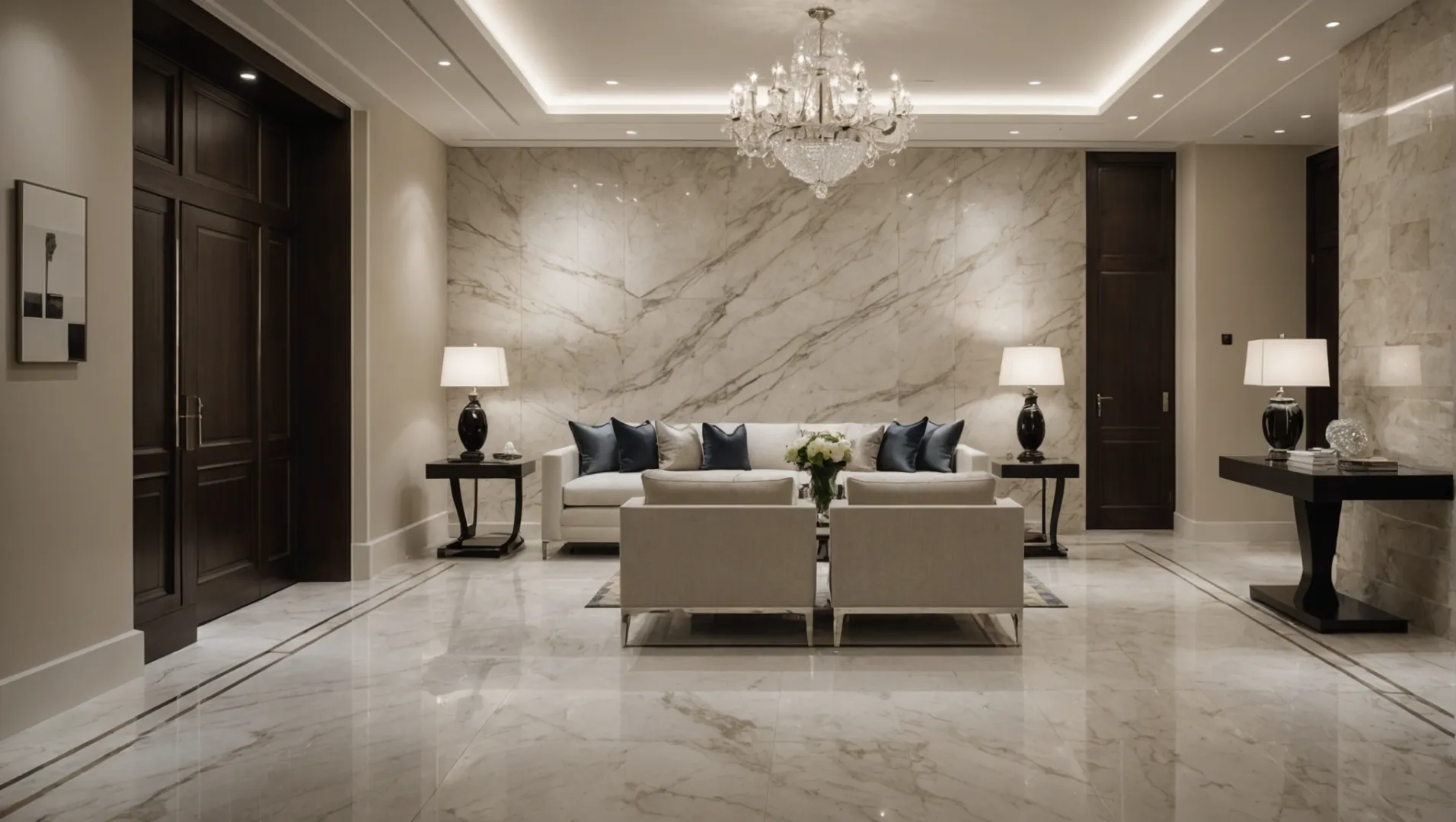
The Aesthetic Appeal of Stone Tile Trims
Stone tile trims exude a natural beauty that complements various styles, from rustic to modern. Their rich textures and colors can match or contrast with the tiles, creating either a cohesive or bold statement. Exploring different stone types7 can guide your choice in achieving the desired aesthetic.
Functional Benefits: Beyond Just Looks
Apart from aesthetics, stone tile trims serve practical purposes. They protect tile edges from chipping, ensuring longevity. This durability is especially beneficial in areas prone to wear and tear, such as kitchens and bathrooms. Using trims made of natural stone enhances the overall resilience of tiled surfaces, making them a smart investment.
Creating Seamless Transitions
Stone trims allow for elegant transitions between different flooring types or between floors and walls. This seamlessness adds to the perception of luxury by maintaining consistency in design. Consider how to choose the right stone trim8 for different parts of your home to maintain harmony.
Enhancing Natural Light
The reflective properties of polished stone trims can enhance natural light in a room. This subtle shine not only brightens spaces but also adds a touch of sophistication. Incorporating trims with varying finishes can play with light and shadow, adding depth to your space.
| Type of Stone | Unique Features | Ideal Use Cases |
|---|---|---|
| Marble | Luxurious shine, classic elegance | Bathrooms, living areas |
| Granite | Durable, heat-resistant | Kitchens, entryways |
| Travertine | Earthy tones, textured surface | Outdoor patios, staircases |
Integrating with Other Materials
Combining stone tile trims with materials like glass or metal can enhance their luxurious feel. For instance, pairing marble trims with glass tiles creates an opulent, contemporary look. Understanding how to mix materials effectively9 can elevate your design further.
Stone trims enhance natural light in rooms.True
Polished stone trims reflect light, brightening spaces and adding sophistication.
Stone tile trims are only aesthetic, not functional.False
Trims protect tile edges from chipping, ensuring durability and longevity.
Conclusion
Choosing the right tile trim is crucial for both protection and style. Evaluate the options based on your project’s requirements to achieve the desired finish. Happy tiling!
-
Discover why stainless steel is ideal for wet environments.: Stainless steel tile trim is very strong and won’t rust, corrode, or change color easily. The chromizing process makes iron stronger against rust by creating a … ↩
-
Learn about the versatility of aluminum finishes.: Advantages of Aluminum Tile Trim · High Durability · More Diverse Styles · Good Corrosion Resistance · Heat Resistance · Lightweight and Robust. ↩
-
Explore how brass adds elegance to interiors.: Brass tile edge trim can be used as a border accent around the room’s perimeter to create a defined and visually pleasing transition between the … ↩
-
Learn step-by-step how to install PVC tile trims yourself.: Install PVC Tile Edge Trim – Quick and Easy This quarter round PVC tile trim edging profile … ↩
-
Understanding visual continuity enhances overall room design aesthetics.: The use of consistent materials effectively creates a sense of unity and flow that maximises a space’s visual appeal and functionality. ↩
-
Discover why ceramics stand out for durability in home design.: Ceramic materials have less physical limitations than other materials and thus enhance the performance of your product. Corrosion- and wear-resistant, ceramics … ↩
-
Discover diverse stone types to match your interior style.: Types Of Natural Stone Tile · 1. Marble Flooring · 2. Slate Flooring · 3. Granite Stone Flooring · 4. Limestone Flooring · 5. Travertine Tile Flooring. ↩
-
Learn tips for selecting the perfect stone trim.: Instead of manufactured tiling, you can also use polished granite, marble, travertine, and other natural stones for tile edge trim. ↩
-
Get insights on integrating various materials beautifully.: No information is available for this page. · Learn why ↩






