
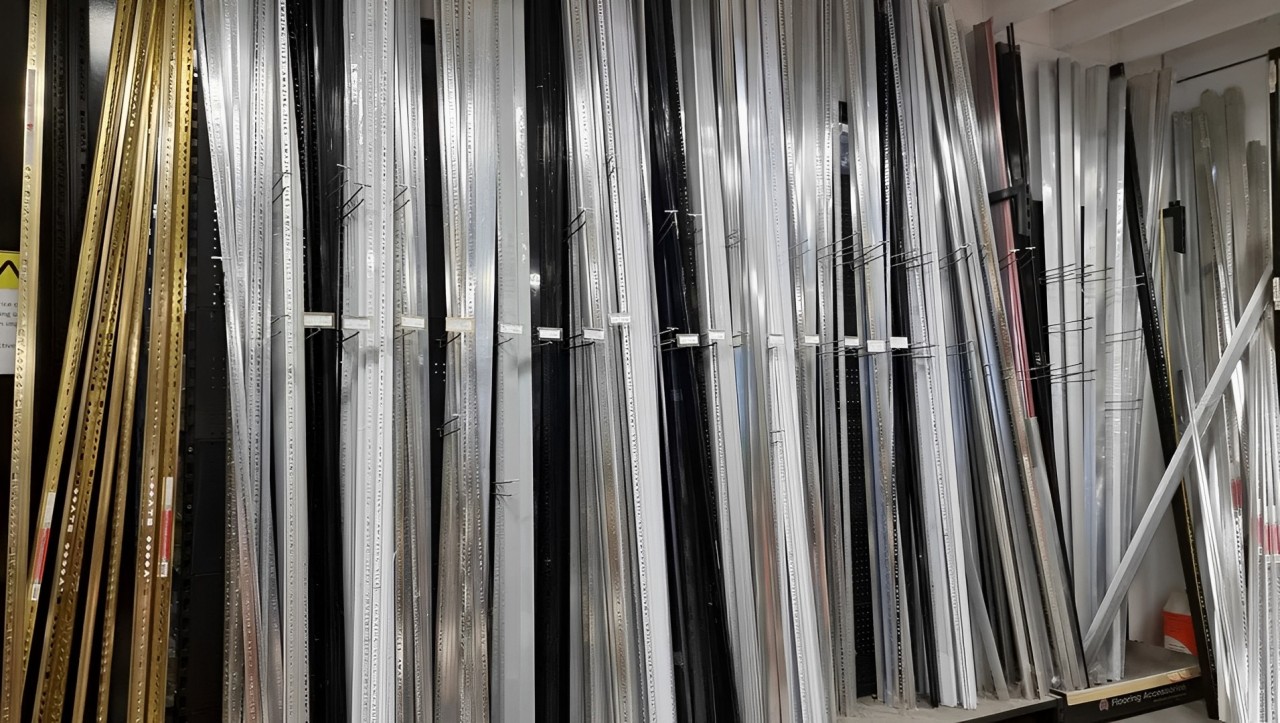
Are you embarking on a tiling project and pondering over the best tile trim material?
The best material for tile trim often depends on your project’s specific needs, including durability, aesthetics, and environmental suitability. Metal trims such as aluminum and stainless steel are generally favored for their strength and versatility. However, consider budget, design preferences, and installation requirements before deciding.
While metal trims are highly recommended, understanding the complete spectrum of options available is key to making a well-informed choice. Delve deeper into various materials’ pros and cons and learn how to align them with your project’s unique demands.
Metal tile trims are the most durable option for tile projects.True
Metal trims, like aluminum and stainless steel, offer high durability.
What Are the Pros and Cons of Metal Tile Trims?
Metal tile trims are a popular choice due to their durability and aesthetic appeal, but are they right for your project?
Metal tile trims offer advantages such as durability, resistance to moisture, and modern aesthetics. However, they can be more expensive and require precise installation to avoid damage. Consider factors like cost, design, and environment before choosing metal trims.
Understanding the Benefits of Metal Tile Trims
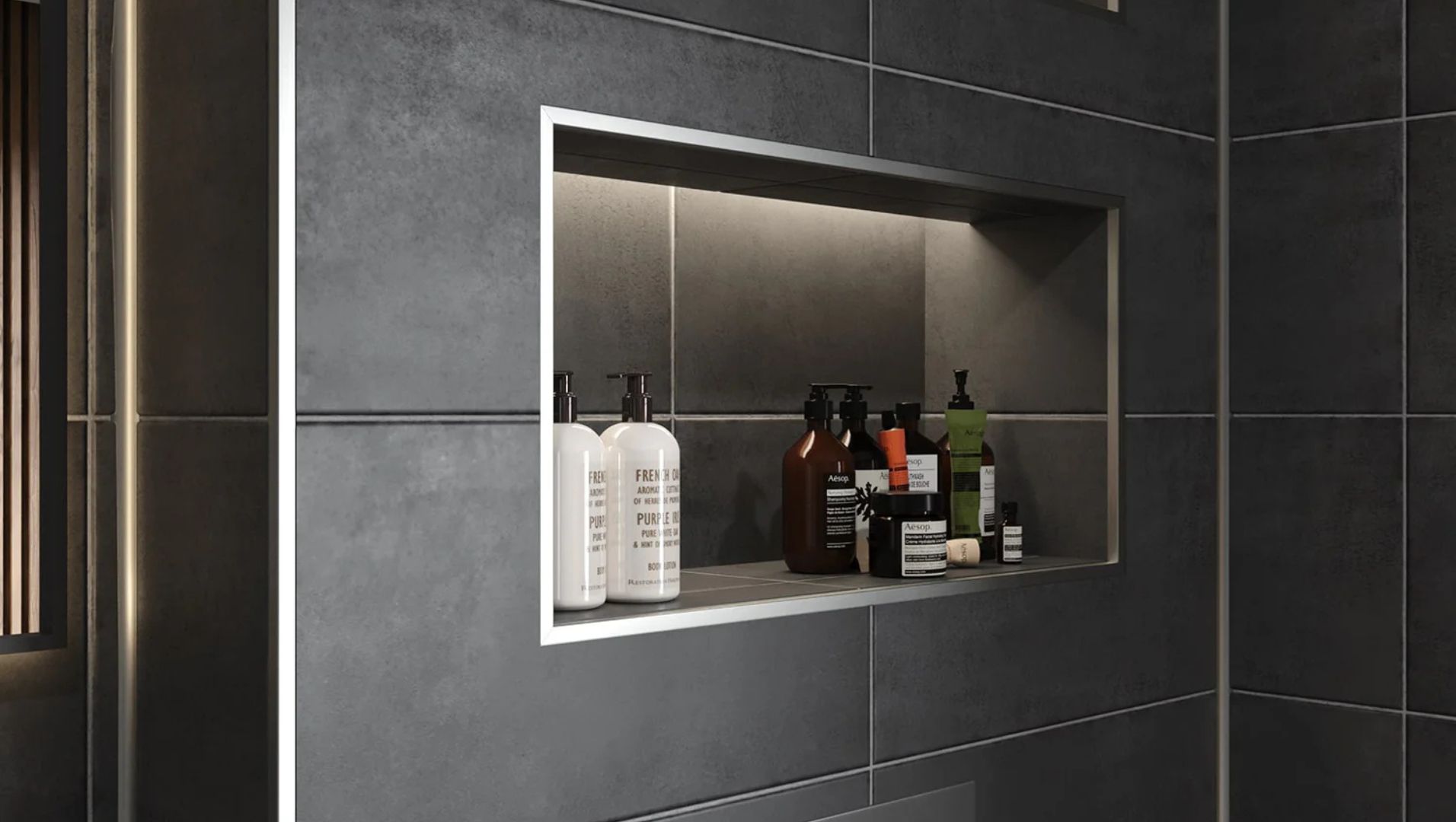
Metal tile trims, including options like aluminum, stainless steel, and brass, provide excellent durability1. This makes them suitable for high-traffic areas where wear and tear are concerns. Moreover, their moisture resistance makes them ideal for bathrooms and kitchens, ensuring they remain rust-free and maintain their appearance over time.
Beyond durability, metal trims offer a sleek, modern look that complements contemporary interior designs. They can enhance the visual appeal of your tile installation by providing a clean edge and a professional finish. Additionally, metal trims are available in various finishes and profiles, offering versatility in design choices to match your project’s aesthetic.
Considering the Drawbacks of Metal Tile Trims
While metal trims offer many benefits, there are also several considerations2 to keep in mind. Firstly, metal tile trims are generally more expensive than plastic or ceramic options. This could impact your overall budget, especially for large projects.
Installation of metal trims requires precision. If not correctly installed, they can warp or become misaligned, compromising both appearance and function. Professional installation might be necessary to ensure a flawless finish, adding to the cost.
Comparing Metal Trims with Other Materials
| Material | Durability | Aesthetic Appeal | Cost |
|---|---|---|---|
| Metal | High | Modern | Higher |
| Plastic | Medium | Variable | Lower |
| Ceramic | Medium | Classic | Moderate |
Each material offers unique benefits, but metal stands out for its strength and modern look. However, it’s crucial to weigh these against potential drawbacks to determine the best fit for your needs.
Factors Influencing Your Decision
Ultimately, choosing metal tile trims depends on specific project requirements. Assess factors like budget constraints, desired aesthetic, and environmental conditions. For instance, if working in a humid environment like a bathroom or kitchen, the moisture resistance of metal could be a significant advantage.
Consulting with professionals or experienced suppliers can provide valuable insights into whether metal tile trims meet your project’s goals effectively. You can learn more about comparing different tile trim options3 by speaking with experts or exploring online resources.
Metal tile trims are more expensive than plastic ones.True
Metal tile trims generally have a higher cost due to material and durability.
Plastic tile trims offer better moisture resistance than metal.False
Metal tile trims have superior moisture resistance, ideal for wet areas.
How Do Tile Trim Materials Perform in Moist Environments?
When choosing tile trims for bathrooms or kitchens, consider how they handle moisture to ensure longevity.
Tile trim materials like metal, plastic, and stone have different moisture resistance. Metal trims, especially stainless steel and aluminum, are highly resistant to corrosion, making them ideal for damp environments. Plastic trims offer water resistance but may lack durability. Natural stone trims require sealing to prevent moisture damage.
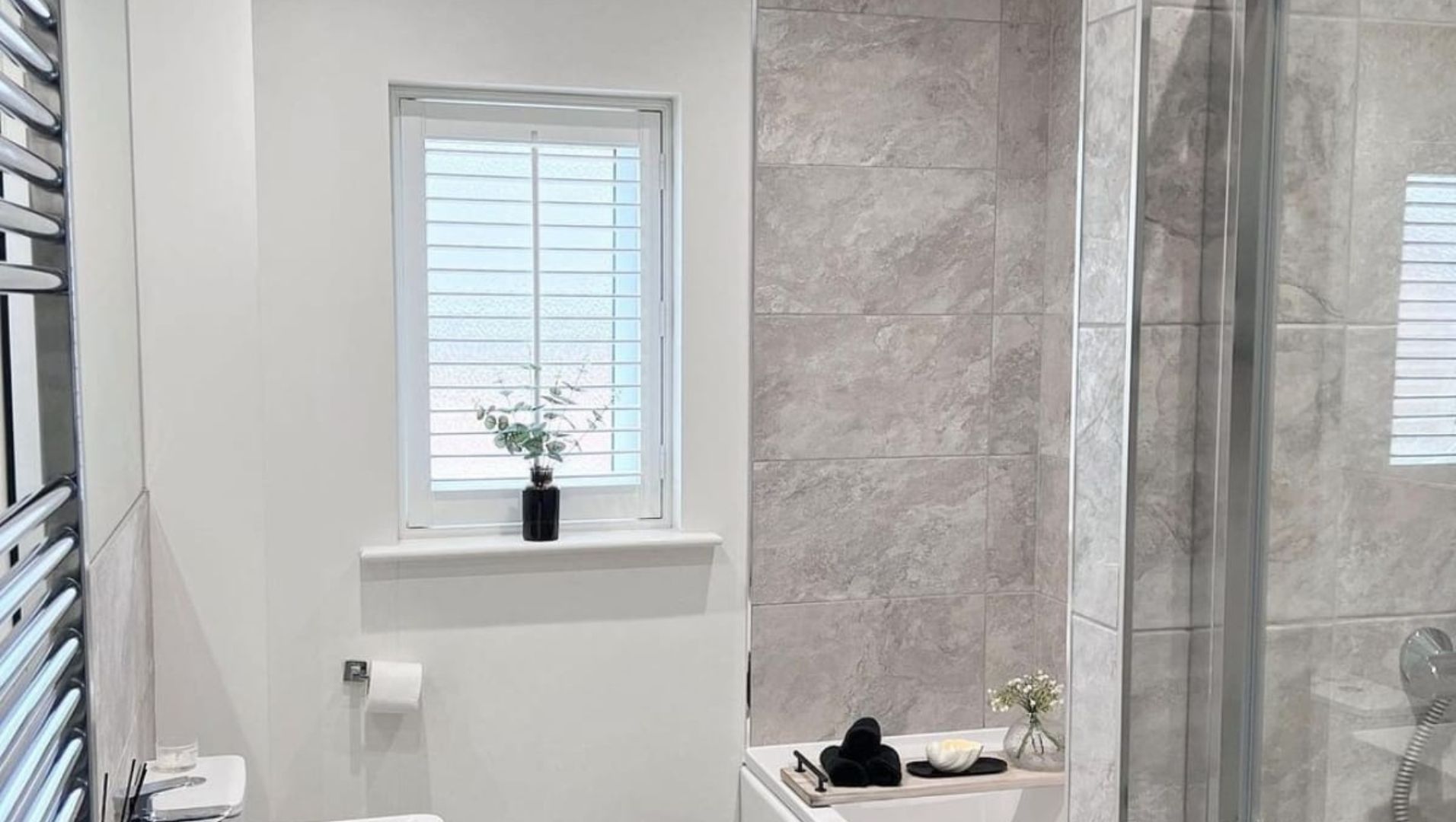
Evaluating Different Tile Trim Materials
When selecting tile trims for moist environments like bathrooms or kitchens, it is crucial to assess each material’s performance in terms of moisture resistance and durability.
Metal Tile Trims
Metal tile trims, particularly stainless steel4 and aluminum, stand out for their exceptional performance in wet conditions. Stainless steel is corrosion-resistant and maintains its appearance over time, even in humid environments. Aluminum, while slightly less durable than stainless steel, offers an affordable alternative with good moisture resistance.
Plastic Tile Trims
Plastic trims are another option, providing excellent water resistance due to their non-porous nature. However, they may not offer the same level of durability as metal trims. Over time, plastic trims can become brittle or discolored if exposed to constant moisture.
Natural Stone Tile Trims
Natural stone trims can be aesthetically pleasing but require extra care in moist environments. They need to be properly sealed to prevent moisture penetration and staining. Regular maintenance is necessary to retain their appearance and functionality.
Considerations for Moisture-Prone Areas
- Durability: Assess the long-term durability of each material in wet conditions.
- Maintenance: Consider the level of upkeep required to maintain the trim’s appearance and functionality.
- Aesthetics: Choose a trim that complements the overall design while ensuring it withstands moisture exposure.
- Cost: Balance your budget with the desired durability and appearance of the tile trim.
By examining these factors, you can make an informed decision that aligns with both your aesthetic desires and practical needs in moist environments.
Metal trims are the most moisture-resistant option.True
Stainless steel and aluminum trims resist corrosion well in damp environments.
Plastic trims are more durable than metal trims.False
Plastic trims may become brittle over time, unlike metal ones.
Is Schluter Better Than Bullnose for Your Project?
Deciding between Schluter and Bullnose can significantly impact the outcome of your tiling project.
Schluter trims offer modern, sleek designs with excellent durability, while bullnose provides a traditional, rounded edge finish. The choice depends on aesthetic preferences, installation ease, and project budget.
Understanding Schluter Trims
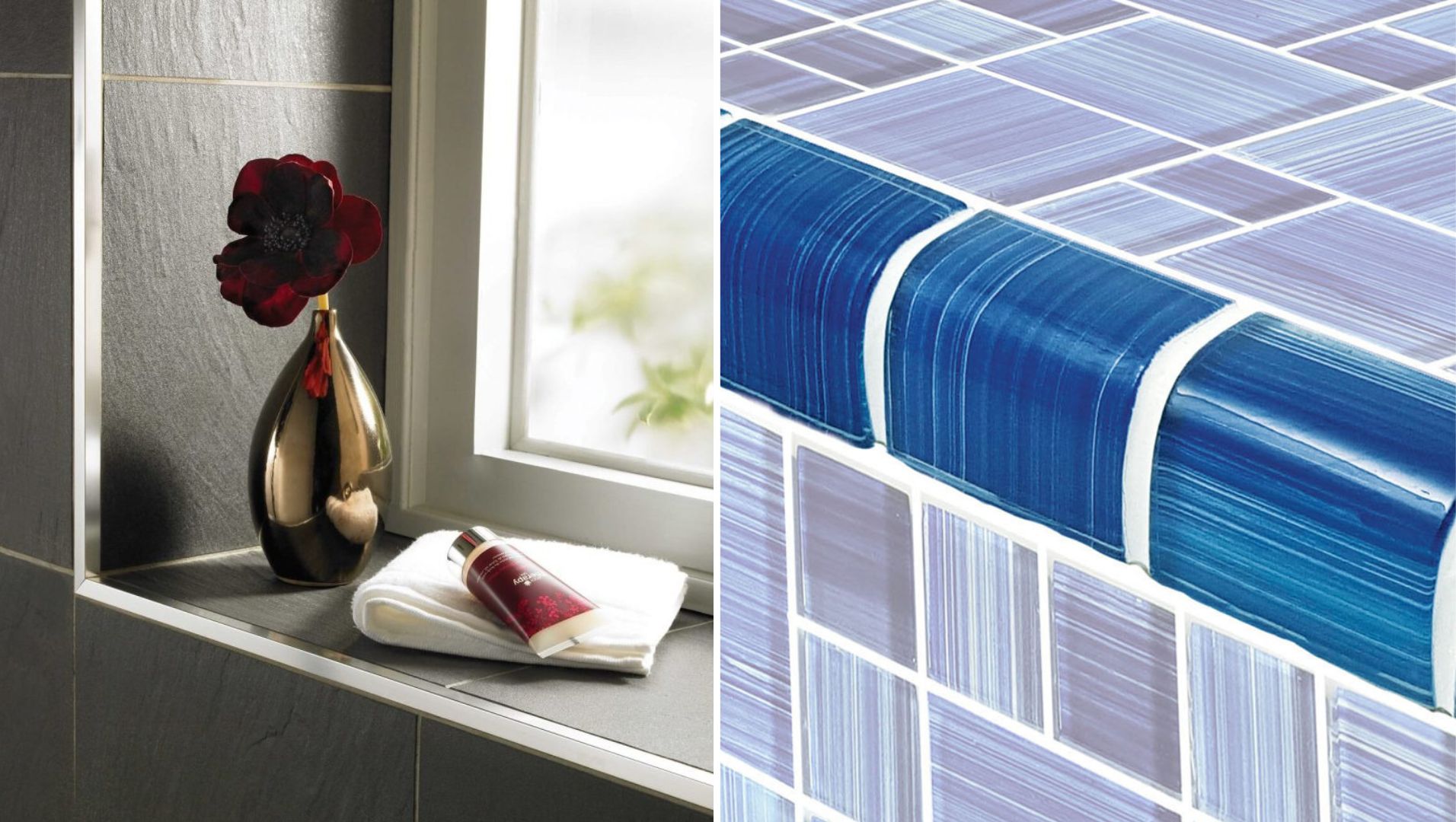
Schluter trims are renowned for their modern design aesthetics5 and durability. Made primarily from metal, such as aluminum or stainless steel, they offer a sharp, clean edge that enhances contemporary tile layouts. Schluter trims are particularly favored in spaces where a sleek and minimalist look is desired. Additionally, their robust nature makes them ideal for high-traffic areas.
Advantages of Schluter Trims
- Versatility: Available in various finishes and colors, Schluter trims can complement any tile design.
- Durability: Metals used in Schluter trims resist corrosion, making them suitable for both wet and dry environments.
- Installation: Easy to install with tiles, often without additional tools or skills.
Disadvantages of Schluter Trims
- Cost: Generally more expensive than traditional bullnose tiles.
- Aesthetic Limitation: May not fit well with vintage or rustic designs due to their modern appearance.
Exploring Bullnose Tiles
Bullnose tiles have been a staple in tile projects for decades, offering a traditional rounded edge finish6. They are typically made from the same material as the tiles they accompany, providing a seamless transition between surfaces. Bullnose edges are often used in bathrooms and kitchens to create smooth and safe corners.
Advantages of Bullnose Tiles
- Cost-Effective: Typically less expensive than metal trims, making them an attractive option for budget-conscious projects.
- Classic Aesthetic: Complements classic and traditional designs beautifully with its smooth curves.
- Safety: Rounded edges reduce the risk of injury from sharp corners.
Disadvantages of Bullnose Tiles
- Durability: Being made of ceramic or porcelain, they may chip or crack over time, especially in high-impact areas.
- Limited Design Options: Fewer variations in color and finish compared to metal trims.
Factors to Consider
When deciding between Schluter and bullnose for your project, consider factors such as:
- Aesthetic Goals: Does your project lean towards a modern or traditional look?
- Budget Constraints: How much are you willing to spend on trim materials?
- Environment: Is the area prone to moisture? This can affect material choice significantly.
By weighing these factors, you can better determine whether Schluter or bullnose is the right choice for your tiling project.
Schluter trims are more durable than bullnose tiles.True
Schluter trims are made from metals like aluminum, offering greater durability.
Bullnose tiles are generally more expensive than Schluter trims.False
Bullnose tiles are typically less expensive due to their ceramic material.
What Role Does Budget Play in Choosing Tile Trim?
Budget is a pivotal factor when selecting tile trim, influencing material choices and project scope.
Budget directly influences tile trim selection by determining material types, quality, and finishes. Cost-effective options include PVC and aluminum, while premium trims like stainless steel and brass can elevate the aesthetic. Consider long-term value, including durability and maintenance, when budgeting for tile trim.
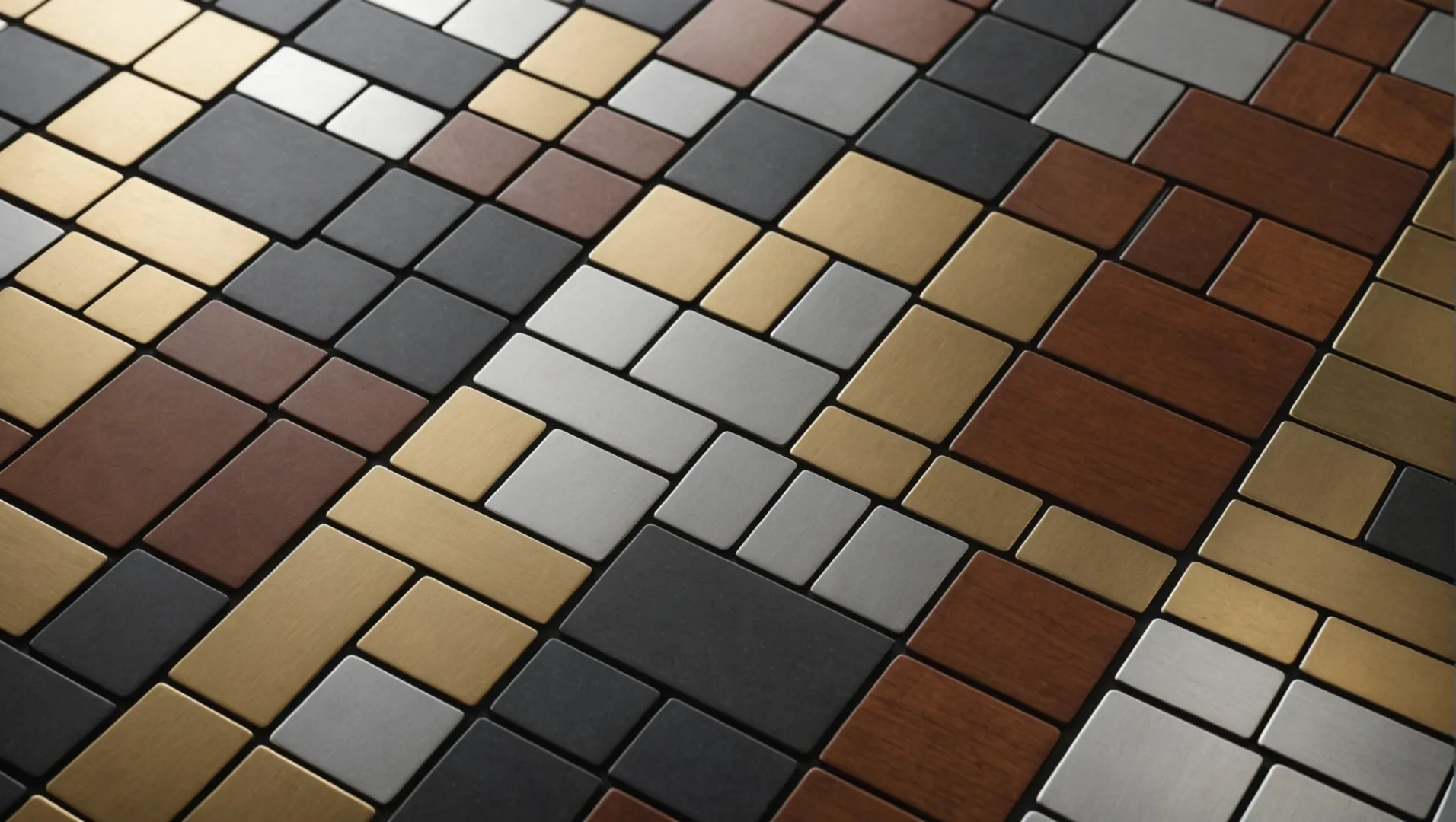
Budget-Friendly Options
When working within a tight budget, PVC tile trims are often the go-to choice due to their affordability and ease of installation. While they may lack the durability of metal options, they provide a variety of colors and finishes that can suit numerous design preferences.
Aluminum trims present another cost-effective solution. They offer a balance between price and performance, providing greater strength than PVC with an attractive finish.
Mid-Range Selections
For those with a moderate budget, anodized aluminum or powder-coated aluminum trims are worth considering. These options add a layer of resilience against wear and tear, making them suitable for areas with higher traffic or moisture.
Premium Investments
If your budget allows for it, investing in high-end materials like stainless steel or brass can significantly enhance your project. These trims not only offer superior durability but also contribute a sleek, modern aesthetic that can elevate the overall appearance of your space.
Evaluating Long-Term Value
While initial costs are a critical consideration, evaluating the long-term value of your tile trim investment is equally important. Metal trims7 often require less maintenance and have a longer lifespan, potentially saving money over time.
Impact of Finish on Budget
The finish of the tile trim can also affect your budget. Basic finishes are more economical, whereas specialized finishes can increase costs but may offer unique advantages in terms of aesthetics or environmental resistance.
Aligning with Project Goals
Ultimately, aligning your choice of tile trim with the overall goals of your project is crucial. Consider whether durability, aesthetics, or cost savings are most important to you. A well-planned budget will ensure that you make the best choice without compromising on quality or design integrity.
PVC tile trims are more durable than metal trims.False
PVC trims are affordable but less durable compared to metal options.
Stainless steel trims enhance project aesthetics and durability.True
Stainless steel offers superior durability and a sleek, modern look.
Conclusion
Carefully consider each material’s pros and cons to ensure your tile trim enhances both function and style. Consulting experts can tailor your choice to your specific project requirements.
If you need to purchase tile trim in large quantities recently, you can contact us anytime. As a manufacturer with 15 years of experience, we can provide you with a variety of tile trims that match your project.
-
Explore how metal trims enhance durability in high-traffic areas.: In using metal tile corner trim, there is increased aesthetic appeal that the tiles will have and at the same time, tiles will have increased protection. ↩
-
Understand the cost and installation challenges of metal trims.: Aluminium tile trim is a sturdy and affordable light metal that has great immunity to rust or corrosion therefore it’s usually favored in construction projects … ↩
-
Learn how various tile trim materials differ in cost and aesthetics.: Ultimate Guide to The 5 Best Materials for Tile Trim · Stainless Steel Tile Trim. Pros. Durability; Aesthetic Appeal · Aluminum Tile Trim. Pros. ↩
-
Explore why stainless steel is ideal for moist environments.: Stainless steel tile trim is very strong and won’t rust, corrode, or change color easily. The chromizing process makes iron stronger against rust by creating a … ↩
-
Explore various Schluter trim designs to enhance your project’s modern look.: Schluter profiles protect tile edges from cracking and chipping, eliminate the need for caulking, and provide easy transitions between adjacent floor and wall … ↩
-
Learn about popular bullnose applications to match traditional design needs.: The most common applications are corners, walls, and floors. Bullnose Tile for Corners. Corner bullnose tile is an obvious choice for … ↩
-
Explore durability and aesthetic benefits of metal trims for informed decisions.: In using metal tile corner trim, there is increased aesthetic appeal that the tiles will have and at the same time, tiles will have increased protection. ↩






