
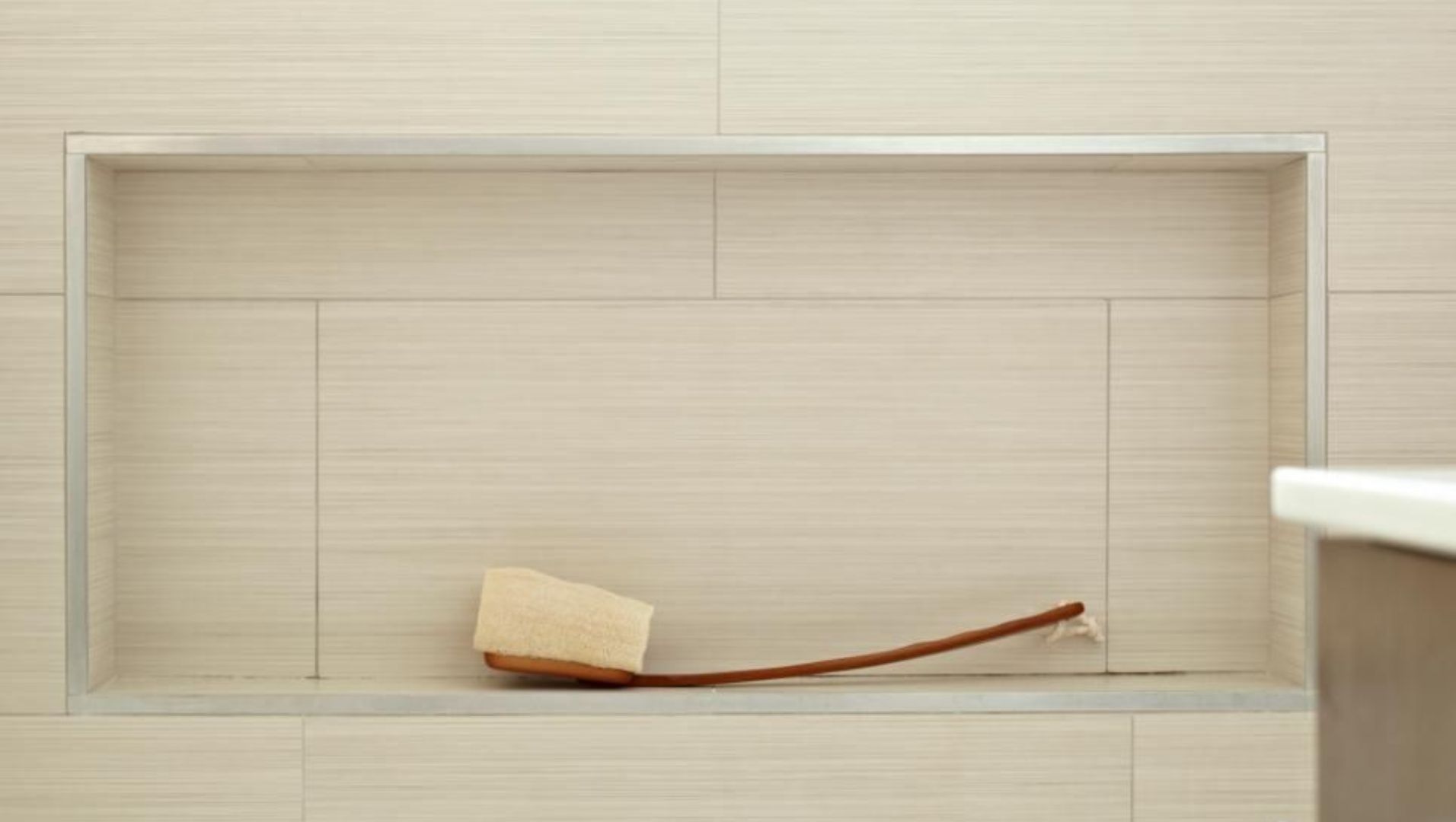
Choosing the right tile trim is crucial for both aesthetics and durability in any home project.
Aluminum tile trim does not rust over time because aluminum itself is resistant to rust. However, it can corrode if exposed to harsh chemicals or prolonged moisture without proper maintenance.
While aluminum is a reliable choice for moisture-prone areas like bathrooms and kitchens, understanding its limitations and proper care can maximize its lifespan. Let’s delve deeper into how aluminum compares to other materials and tips to maintain its integrity.
Aluminum tile trim rusts over time.False
Aluminum doesn't rust; it forms a protective oxide layer instead.
What are the benefits of using aluminum tile trim?
Aluminum tile trim offers a sleek finish, enhancing both durability and style in any tiling project.
Aluminum tile trim provides benefits like corrosion resistance, lightweight nature, cost-effectiveness, and ease of installation, making it a popular choice for both residential and commercial spaces.
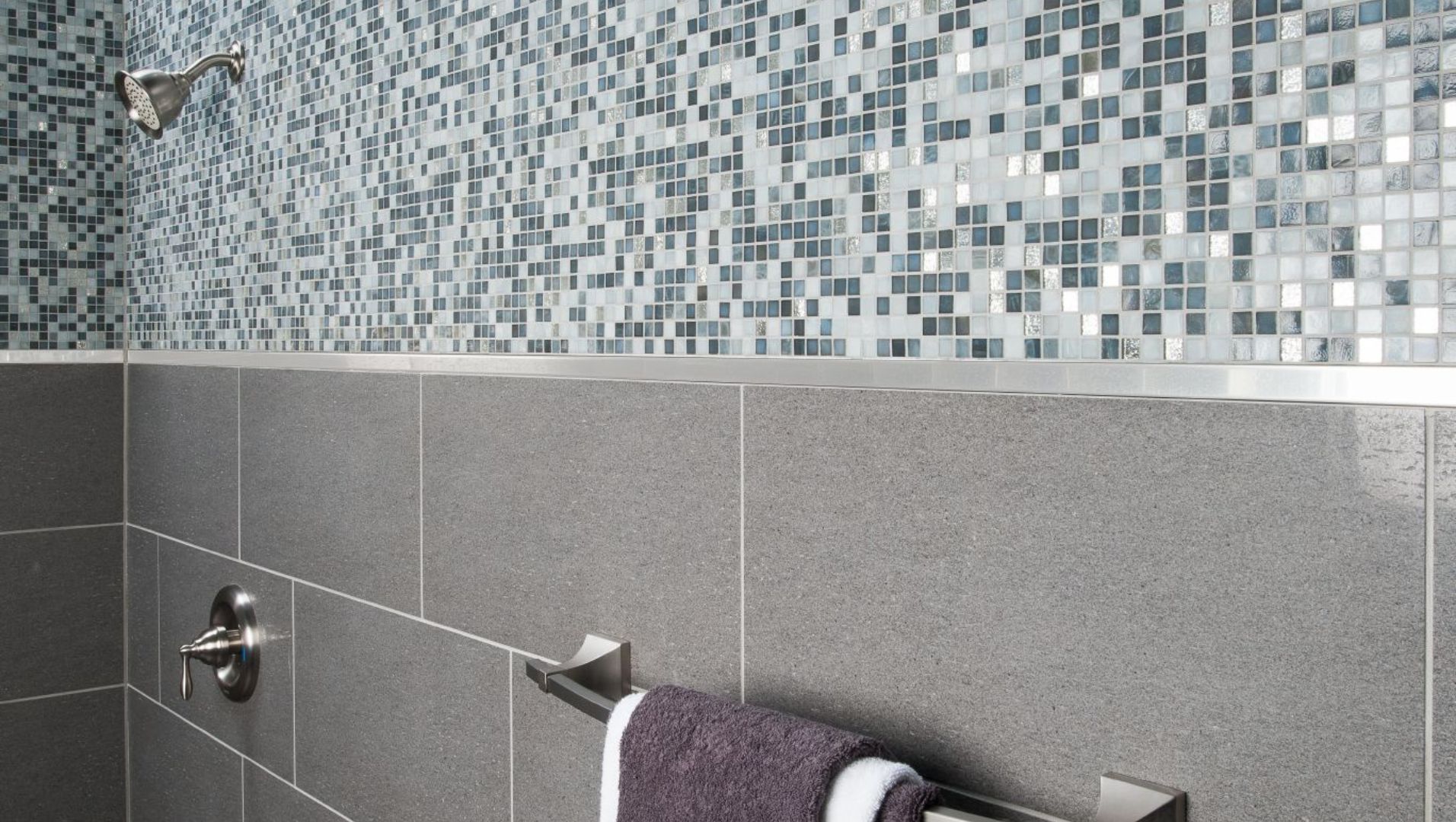
Durability and Corrosion Resistance
One of the primary benefits of using aluminum tile trim is its corrosion resistance1. Unlike iron or steel, aluminum does not rust when exposed to moisture. This makes it an ideal choice for areas like bathrooms and kitchens where humidity levels are high.
Lightweight and Easy to Install
Aluminum is known for its lightweight nature, which simplifies the installation process. This characteristic means less strain on the supporting structures, making it a great option for extensive projects where weight could be a concern.
Cost-Effectiveness
Compared to other materials like stainless steel or brass, aluminum tile trim is more budget-friendly. It offers a cost-effective solution without compromising on quality and durability. This makes it accessible for a variety of budgets and project scales.
| Material | Average Cost (per linear foot) |
|---|---|
| Aluminum | $1.50 |
| Stainless Steel | $3.00 |
| Brass | $4.00 |
Versatility in Design
Aluminum tile trim comes in various finishes and colors, allowing for a wide range of design possibilities. Whether you prefer a matte, brushed, or polished look, aluminum can adapt to your aesthetic needs, offering seamless integration with different tile styles.
Eco-Friendly Option
As a recyclable material, aluminum contributes to sustainable building practices. Using aluminum tile trim supports eco-friendly construction methods, aligning with growing environmental consciousness in modern design.
These benefits make aluminum tile trim a versatile and practical choice for many applications. Understanding these advantages can help you make an informed decision for your next tiling project.
Aluminum tile trim is more expensive than brass.False
Aluminum is cheaper, costing $1.50 per linear foot versus brass at $4.00.
Aluminum tile trim is eco-friendly due to its recyclability.True
Aluminum's recyclability supports sustainable building practices.
How does aluminum tile trim compare to stainless steel?
Choosing between aluminum and stainless steel tile trim can significantly impact your project’s durability and appearance.
Aluminum tile trim is lightweight and resistant to rust, while stainless steel offers superior strength and corrosion resistance, making it ideal for high-traffic areas.
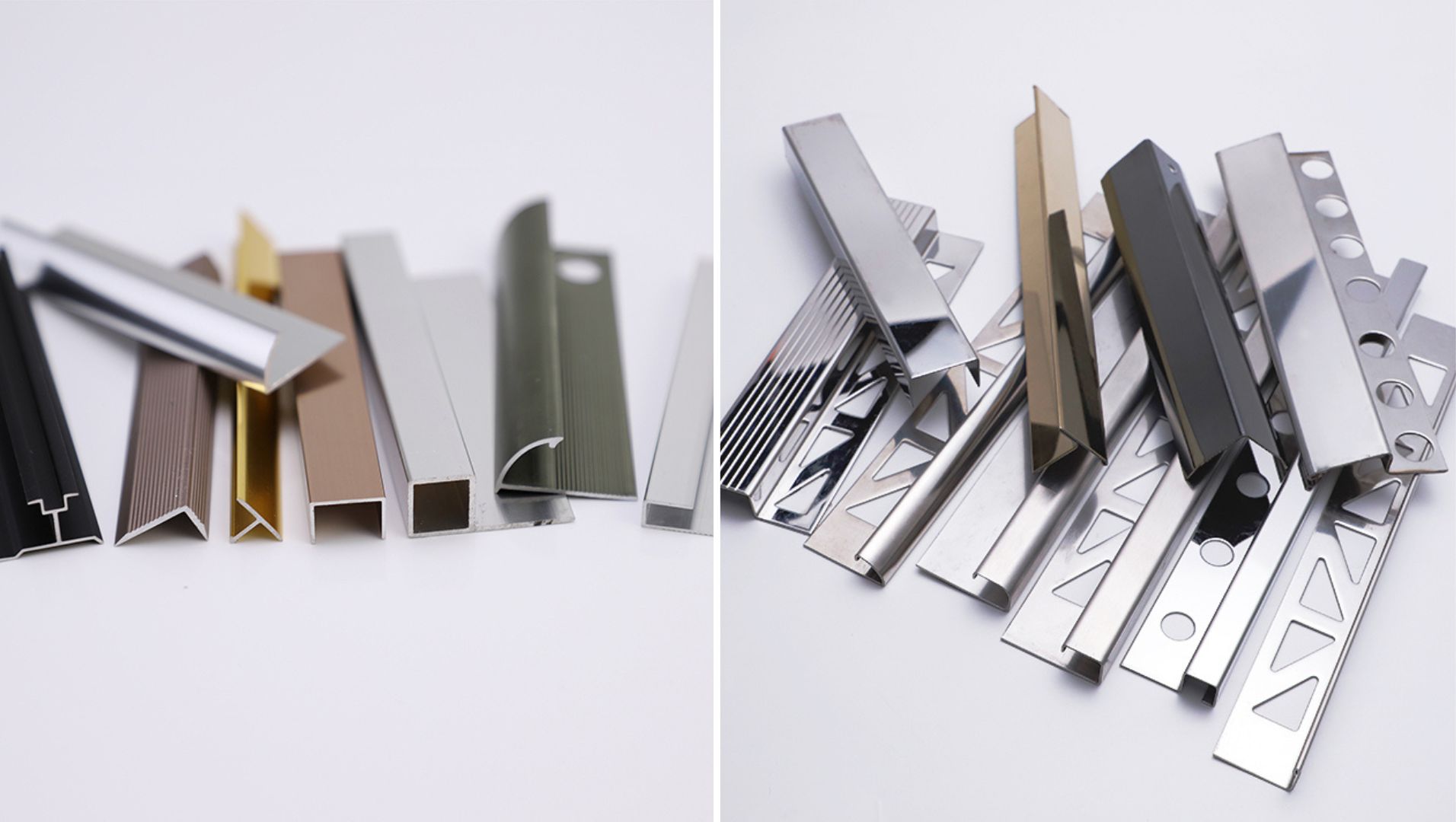
Durability and Strength
When comparing aluminum tile trim2 to stainless steel, one of the primary considerations is their durability and strength. Aluminum is a lighter material, which makes it easier to work with during installation. However, this also means it is not as strong as stainless steel. Stainless steel, on the other hand, is known for its robustness and ability to withstand significant wear and tear, making it ideal for areas subject to heavy use or impact.
Corrosion Resistance
Both materials offer some degree of corrosion resistance, but they do so in different ways. Aluminum naturally forms a protective oxide layer when exposed to air, which helps prevent rust. However, it can still corrode if exposed to certain chemicals or environments with high moisture levels without proper maintenance. In contrast, stainless steel contains chromium, which also forms a protective layer but offers superior corrosion resistance compared to aluminum. This makes stainless steel more suitable for environments with harsh conditions.
Aesthetic Appeal
In terms of aesthetics, the choice between aluminum and stainless steel often depends on the desired finish. Aluminum tile trims are available in various finishes and colors, making them versatile for matching different design themes. Stainless steel trims provide a sleek and modern look, with finishes that range from brushed to polished, offering a timeless appeal.
| Feature | Aluminum Tile Trim | Stainless Steel Tile Trim |
|---|---|---|
| Weight | Lightweight | Heavier |
| Strength | Moderate | High |
| Corrosion Resistance | Good | Excellent |
| Aesthetic Options | Multiple finishes available | Limited but classic finishes |
Installation and Maintenance
Another aspect to consider is the installation process and ongoing maintenance. Aluminum is easier to cut and manipulate, which can be beneficial for DIY projects. However, it requires regular cleaning to maintain its appearance and prevent oxidation. Stainless steel is harder to work with due to its strength but requires less maintenance once installed, as it retains its appearance longer without extensive upkeep.
For those considering long-term value and performance in high-traffic or moisture-prone areas, stainless steel3 might be the preferred choice. Meanwhile, aluminum offers a cost-effective solution with adequate performance for less demanding applications.
Aluminum tile trim is heavier than stainless steel.False
Aluminum is lightweight, making it easier to install than heavier stainless steel.
Stainless steel tile trim offers better corrosion resistance.True
Stainless steel contains chromium, providing superior corrosion resistance.
What causes aluminum to corrode and how can it be prevented?
Aluminum is a popular choice due to its lightweight nature and resistance to rust, but it isn’t entirely immune to corrosion.
Aluminum corrodes when exposed to acidic or alkaline environments, especially in the presence of moisture. To prevent corrosion, ensure proper sealing, use protective coatings, and avoid contact with dissimilar metals.
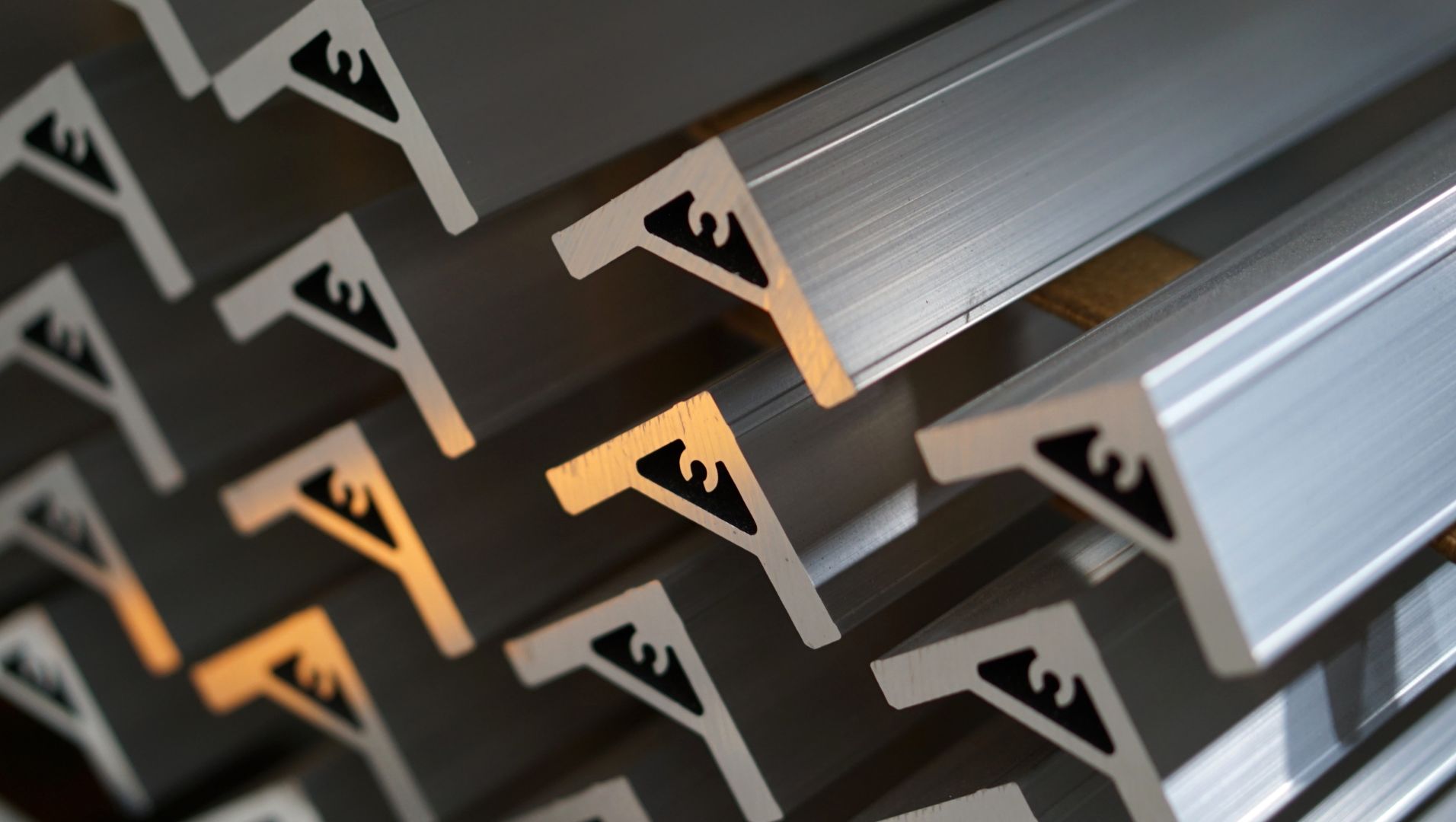
Understanding Aluminum Corrosion
Aluminum is well-known for its natural resistance to rust. However, it can still undergo a process called corrosion. This happens primarily when aluminum is exposed to harsh environmental conditions. In its pure state, aluminum forms a thin layer of oxide that acts as a protective barrier against further oxidation. This oxide layer can break down under certain circumstances, leading to corrosion.
Factors Leading to Aluminum Corrosion
-
Environmental Conditions:
- Moisture: Consistent exposure to moisture can accelerate the breakdown of the oxide layer.
- Chemical Exposure: Contact with strong acids or bases can dissolve the oxide layer, making the aluminum susceptible to corrosion.
- Saltwater: In coastal areas, salt from seawater can penetrate and break the protective layer.
-
Galvanic Corrosion:
- Occurs when aluminum comes into contact with other metals like steel or copper in the presence of an electrolyte (e.g., water). This can lead to accelerated corrosion of aluminum due to electron transfer between dissimilar metals.
Prevention Techniques for Aluminum Corrosion
-
Protective Coatings:
- Applying anodic coatings or paints can enhance aluminum’s resistance by providing an additional barrier against environmental factors.
-
Sealing and Maintenance:
- Regular maintenance, including sealing joints and edges with waterproof sealants, can help prevent moisture ingress.
- Periodic cleaning to remove any accumulated dirt or contaminants that may harbor corrosive substances.
-
Avoiding Dissimilar Metals:
- Use non-metallic insulators or coatings when aluminum is used in conjunction with other metals to prevent galvanic corrosion.
-
Choosing the Right Alloy:
- Some aluminum alloys are specifically designed to be more resistant to corrosion, making them suitable for harsher environments.
By understanding these factors and implementing effective prevention strategies, the longevity of aluminum installations can be significantly enhanced. For instance, when considering different materials4 for construction projects, knowing how to protect aluminum can make it a cost-effective choice.
Aluminum is immune to corrosion.False
Aluminum can corrode in acidic or alkaline environments, especially with moisture.
Galvanic corrosion occurs with dissimilar metals.True
Galvanic corrosion happens when aluminum contacts other metals like steel in water.
Is aluminum tile trim suitable for shower installations?
Considering aluminum tile trim for your shower? Discover its suitability and potential advantages.
Aluminum tile trim is highly suitable for shower installations due to its corrosion resistance and lightweight nature, which make it ideal for humid environments like bathrooms.
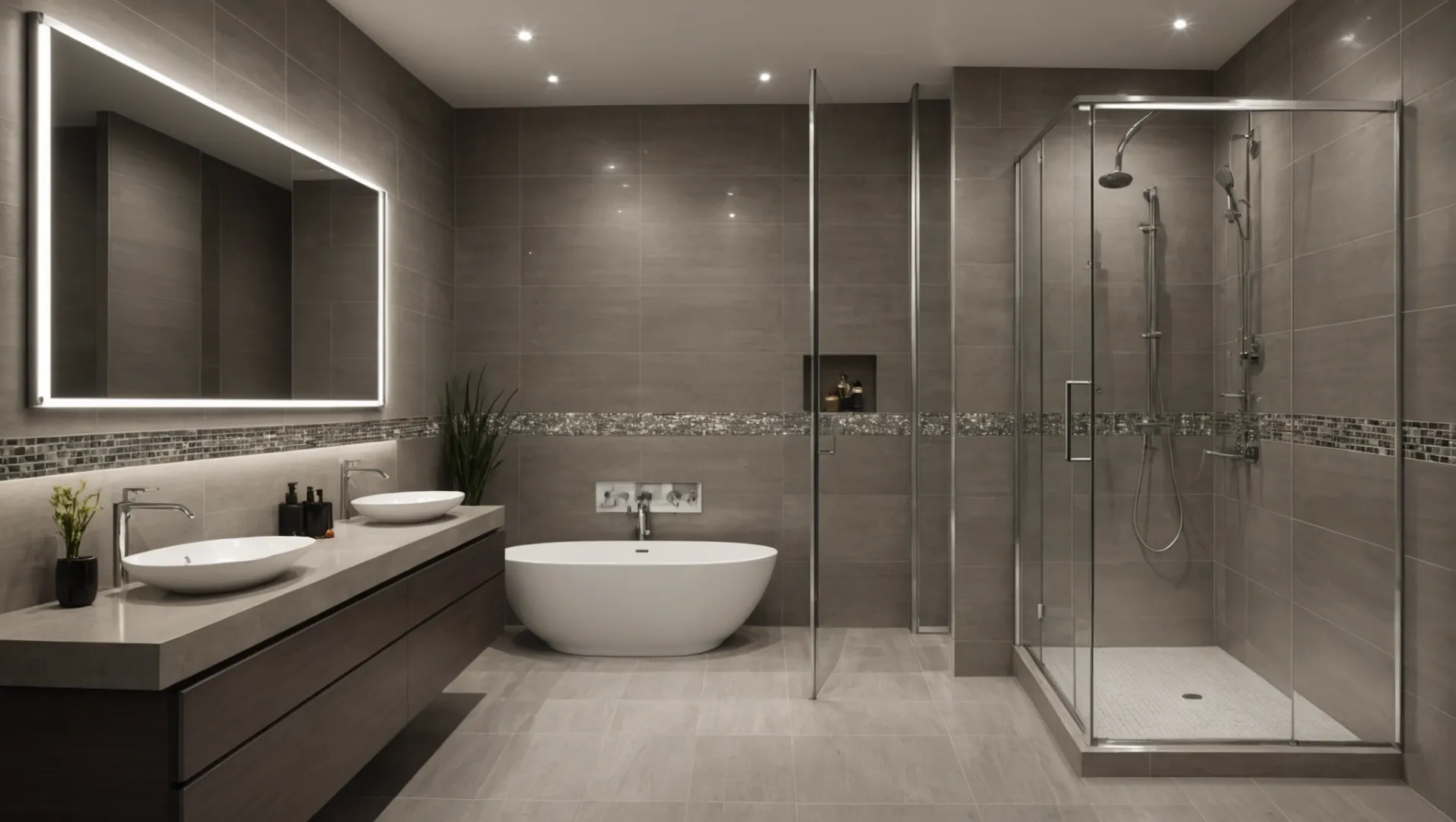
Why Aluminum Tile Trim Works Well in Showers
Aluminum tile trim is a popular choice in shower installations because it is inherently resistant to rust, a common concern in wet areas. Unlike iron or mild steel, aluminum develops a protective oxide layer when exposed to moisture, preventing rusting. Its lightweight nature makes it easy to install and reduces structural load on walls.
Additionally, aluminum’s malleability allows for various design styles, accommodating both modern and traditional aesthetics. The trims are available in different finishes like brushed, polished, or anodized, enhancing the overall look of your shower space.
Comparing Aluminum with Other Materials
When considering alternatives like stainless steel or PVC, aluminum stands out due to its cost-effectiveness and ease of maintenance. Stainless steel, while also rust-resistant, is heavier and can be more challenging to cut and install. Meanwhile, PVC is susceptible to UV degradation and may not offer the same level of durability as aluminum.
| Material | Rust Resistance | Weight | Cost | Durability |
|---|---|---|---|---|
| Aluminum | Excellent | Light | Moderate | High |
| Stainless Steel | Excellent | Heavy | High | Very High |
| PVC | Poor | Light | Low | Moderate |
Maintenance Tips for Longevity
To ensure the longevity of aluminum tile trim in showers, regular cleaning with mild soap and water is recommended. Avoid harsh chemicals that could damage the protective oxide layer. For areas with hard water, wiping down the trim post-shower can prevent mineral build-up.
Proper installation is crucial too. Using quality adhesives designed for wet environments can help prevent moisture ingress behind the tiles, which might otherwise lead to corrosion over time.
By choosing aluminum tile trim for showers5, homeowners can enjoy a balance of style, durability, and affordability. It’s a versatile material that fits seamlessly into various bathroom designs.
Aluminum tile trim rusts easily in showers.False
Aluminum is corrosion-resistant, forming a protective oxide layer.
PVC tile trim is more durable than aluminum in showers.False
PVC lacks durability compared to aluminum, which withstands UV and moisture.
Conclusion
In summary, aluminum tile trim provides a rust-resistant option with proper care, making it suitable for wet areas. Weigh its advantages and limitations when planning your next project.
-
Explore how aluminum’s properties protect against corrosion.: Preventing Galvanic Corrosion Ideally, keep the aluminum dry. The galvanic effect can’t work without an electrically-conductive liquid between the two metals. ↩
-
Discover why aluminum is lightweight yet effective for tile edging.: Advantages of Aluminum Tile Trim · High Durability · More Diverse Styles · Good Corrosion Resistance · Heat Resistance · Lightweight and Robust. ↩
-
Learn why stainless steel provides exceptional durability and aesthetic appeal.: In using metal tile corner trim, there is increased aesthetic appeal that the tiles will have and at the same time, tiles will have increased protection. ↩
-
Explore various materials for construction projects for better decision-making.: The 5 Most Common Construction Materials · 1. Concrete · 2. Steel · 3. Wood · 4. Stone · 5. Brick/Masonry · Other construction materials · The … ↩
-
Explore why aluminum is favored for shower trims, offering style and durability.: Aluminum tile trim emerges as the most popular tile trim option, because of its durability, flexibility in terms of aesthetics, installation ease, low … ↩






