

When I embarked on my tiling journey, I quickly realized that selecting the right edge finish would be one of the most crucial decisions I had to make.
Metal tile trim offers a sleek, modern look and is highly durable, ideal for contemporary designs. Bullnose tiles provide a more traditional finish with rounded edges, perfect for softer aesthetics. Consider your design style and durability needs when choosing between them.
But before you dive into your decision, let’s take a closer look at some essential factors that could influence your choice.
Metal tile trim is more durable than bullnose tiles.True
Metal tile trim resists wear, moisture, and impact better than bullnose.
What Are the Aesthetic Differences Between Metal Tile Trim and Bullnose?
Choosing between metal tile trim and bullnose can significantly impact your design’s visual appeal.
Metal tile trim provides a sleek and modern edge, while bullnose offers a softer, rounded finish. Both options cater to different design styles, with metal trim enhancing contemporary spaces and bullnose complementing traditional or rustic aesthetics.
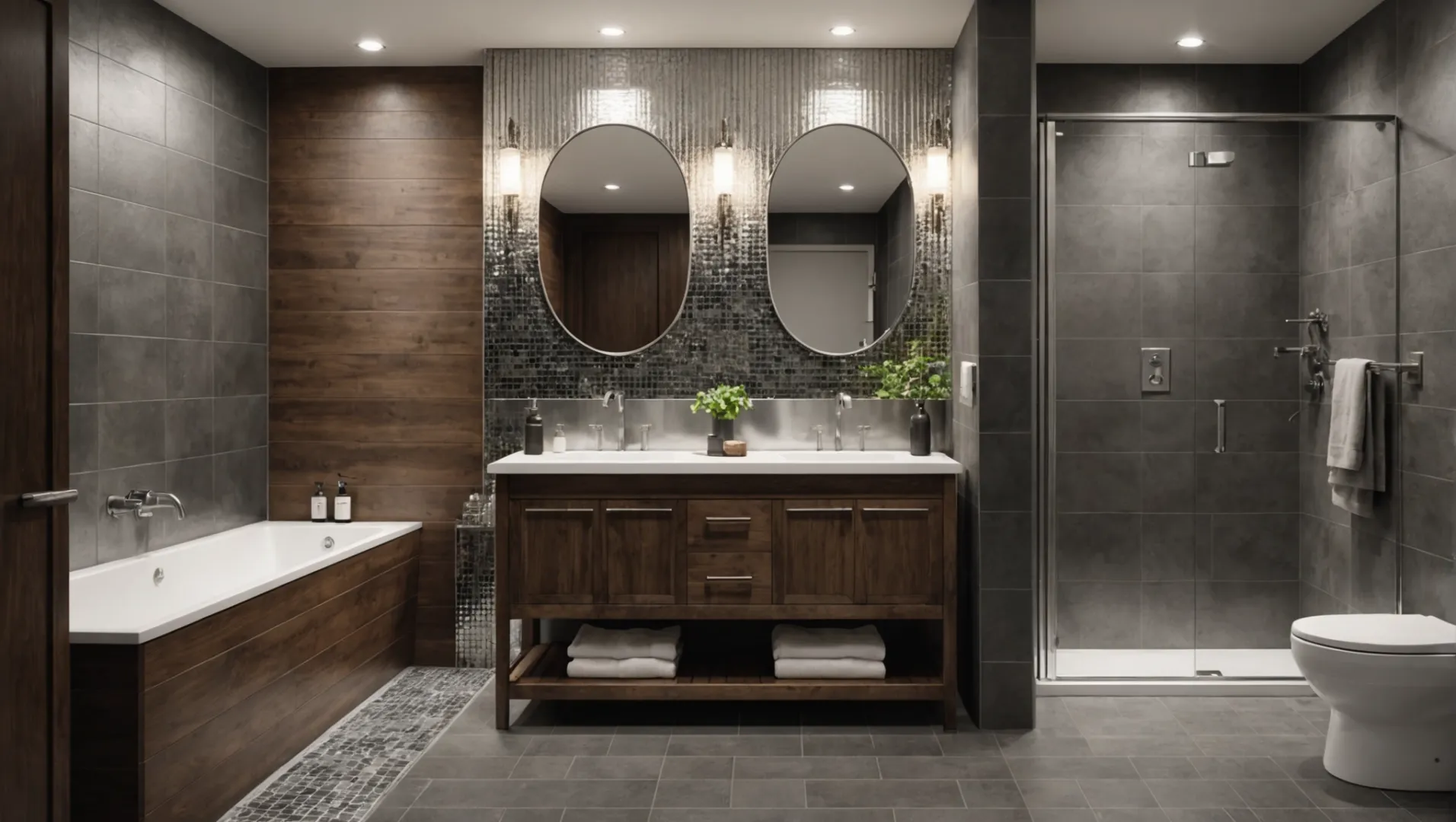
Understanding the Visual Appeal
When comparing metal tile trim1 with bullnose, it’s essential to consider how each aligns with your overall design vision. Metal tile trim is often chosen for its ability to provide a clean, linear edge that contributes to a sleek, contemporary aesthetic. It typically features metallic finishes such as stainless steel, aluminum, or chrome, which can add a touch of industrial chic to kitchens or bathrooms.
On the other hand, bullnose tiles are characterized by their soft, rounded edges. This design is often preferred in more traditional or rustic settings where the aim is to create a gentle transition between tiled surfaces and walls. The curved edges of bullnose tiles provide a smooth visual flow, which can soften the look of a space and make it feel more inviting.
Materials and Color Options
Metal Tile Trim:
- Materials: Typically available in aluminum, stainless steel, and brass.
- Colors: Often metallic shades but can also be powder-coated in various colors for a customized look.
Bullnose Tile:
- Materials: Usually ceramic or porcelain.
- Colors: Available in a wide range of colors and finishes to match or contrast with the main tiles.
Design Flexibility
The choice between metal tile trim and bullnose may also depend on the design flexibility2 they offer. Metal tile trims are particularly versatile due to their availability in different profiles such as square edge, L-shaped, or rounded. This makes them suitable for different tiling projects, from flooring to wall coverings. Additionally, metal trims can be easier to cut and manipulate during installation.
Bullnose tiles offer flexibility mainly through their ability to blend seamlessly with a variety of tile designs. They work well when you need to cap off the edge of a tiled area or when tiling around corners. This ability to blend is particularly useful in more intricate designs where maintaining consistency is key.
Coordinating with Overall Décor
When coordinating either option with existing décor, consider how each will interact with other materials in the room. Metal tile trims can complement stainless steel appliances and fixtures, adding cohesion in modern kitchens or bathrooms. Meanwhile, bullnose tiles might be better suited for spaces featuring natural materials like wood or stone, enhancing the organic feel.
By understanding these aesthetic differences, you can make an informed decision that not only meets your practical needs but also enhances the visual appeal of your space.
Metal tile trim is ideal for traditional designs.False
Metal tile trim is typically used in contemporary designs.
Bullnose tiles offer a smoother visual transition.True
The rounded edges of bullnose tiles create a smooth visual flow.
How Does Durability Compare Between Metal Tile Trim and Bullnose?
Durability is a key consideration when choosing between metal tile trim and bullnose for your tiling project.
Metal tile trim is generally more durable than bullnose due to its resistance to wear, moisture, and impact. However, bullnose tiles are adequate for lower-impact areas and provide a softer finish.
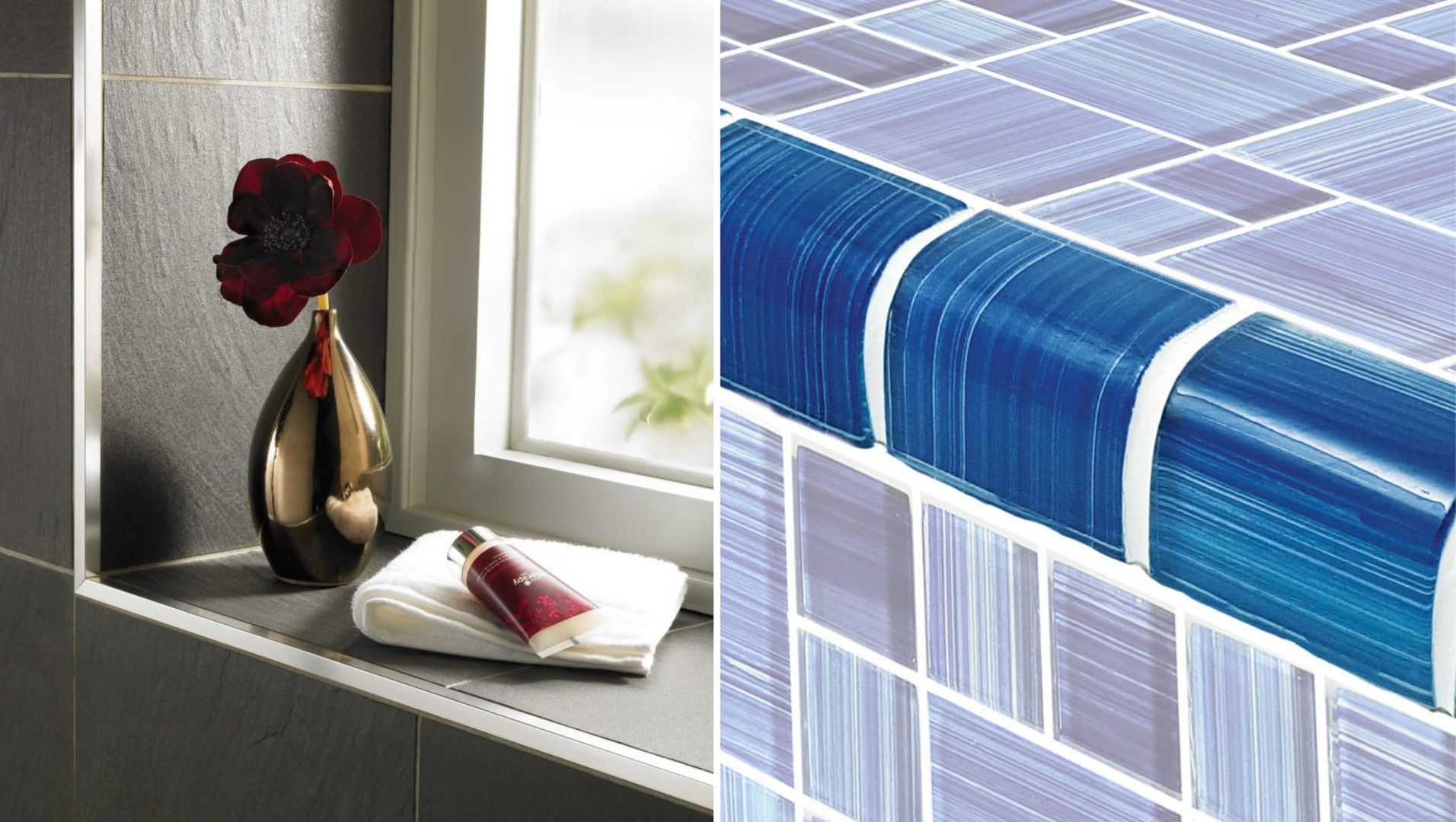
Assessing Material Strength
When it comes to durability, metal tile trim often outshines bullnose due to its inherent strength and resilience. Typically made from aluminum or stainless steel, metal tile edge trim can withstand high-impact forces and is less prone to chipping or breaking compared to ceramic or porcelain bullnose tiles.
Impact Resistance
-
Metal Tile Trim: Known for its ability to resist dents and scratches, metal tile trim is ideal for high-traffic areas like kitchens and commercial spaces where durability is paramount. Its robust nature ensures longevity, maintaining a pristine appearance over time.
-
Bullnose Tiles: While bullnose tiles offer a classic and polished look, they may not hold up as well under heavy use. They are more susceptible to chips, particularly in areas with frequent bumps or knocks, such as staircases or entryways.
Environmental Considerations
Beyond physical durability, environmental factors play a significant role in choosing the right material. For example:
- Moisture Resistance: Metal tile trims excel in wet environments like bathrooms or outdoor areas due to their resistance to rust and water damage.
- UV Exposure: While both options can fade over time with UV exposure, metal trims generally maintain their color and finish better than ceramic bullnose tiles.
Maintenance and Longevity
Maintenance requirements also influence the durability of these finishes:
- Metal Tile Trim requires minimal upkeep. Simple cleaning with mild soap and water usually suffices, making it a low-maintenance choice for busy households.
- Bullnose Tiles need careful handling to prevent chips and may require periodic sealing, depending on the material used.
Ultimately, the choice between metal tile trim3 and bullnose4 depends on specific project requirements, including environmental exposure, traffic levels, and desired aesthetic.
Metal tile trim resists moisture better than bullnose.True
Metal tile trim is resistant to rust and water damage, unlike bullnose.
Bullnose tiles are more durable than metal tile trim.False
Metal tile trim is stronger and less prone to damage than bullnose.
Is There a Difference in Installation Difficulty Between Metal Tile Trim and Bullnose?
Choosing between metal tile trim and bullnose involves considering installation challenges. Which is easier to handle?
Metal tile trim can be more challenging to install due to its precise cutting requirements. Bullnose tiles are generally easier to work with, as they fit seamlessly with standard tiling techniques. Evaluate your skill level and available tools before deciding.
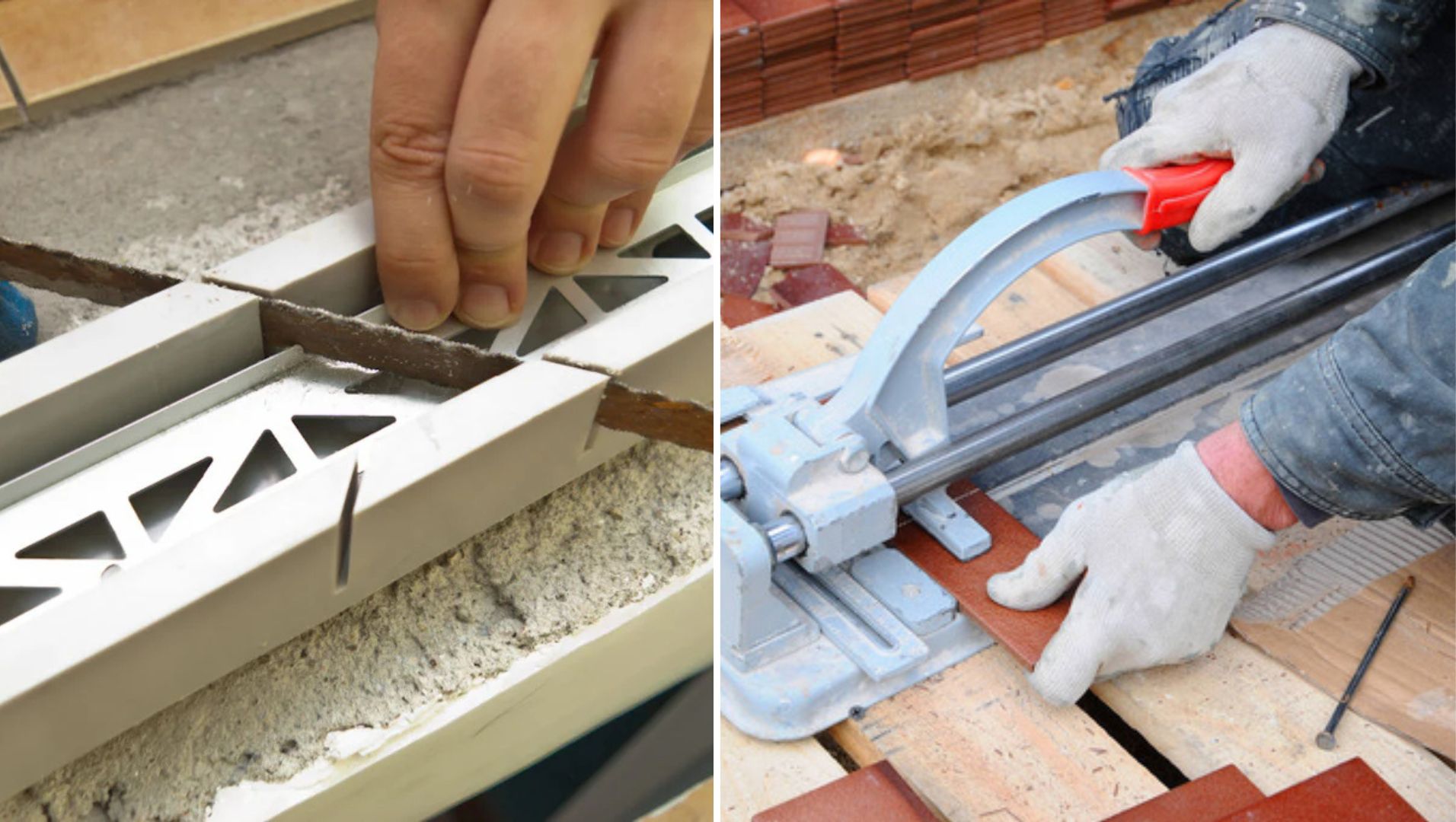
Assessing the Installation Process
When it comes to tiling, the installation process plays a significant role in determining the overall outcome of your project. Understanding the nuances of installing metal tile trim versus bullnose can help you make an informed decision.
Metal Tile Trim Installation
Metal tile trim, often made from aluminum or stainless steel, requires precise cutting and alignment. This material is typically more rigid, meaning that incorrect measurements can lead to visible gaps or misalignments. Specialized tools such as metal snips or a miter saw equipped with a metal cutting blade may be necessary to achieve clean cuts.
Additionally, metal trims often need to be fixed with thin-set mortar or adhesive, which demands careful application to prevent movement during drying. Due to these requirements, metal tile trim can be more suitable for experienced DIY enthusiasts or professional installers.
Bullnose Tile Installation
Bullnose tiles are renowned for their curved edges, which simplify the transition between surfaces. These tiles are often installed using the same methods as regular tiles, making them less daunting for beginners. Standard tile cutters or score-and-snap tools are sufficient for cutting bullnose tiles, which are generally more forgiving when it comes to minor errors.
The ease of installing bullnose tiles means that they can be a great choice for DIY projects or when working on tight schedules. The seamless finish they offer is both aesthetically pleasing and functional.
Factors Influencing Installation Difficulty
Several factors can influence the difficulty of installation for both metal tile trim and bullnose:
- Complexity of Design: Intricate patterns may require more precise cuts and placements, increasing the challenge.
- Type of Surface: Uneven or uniquely shaped surfaces might complicate the installation process.
- Tools and Equipment: Having access to proper tools can significantly reduce installation difficulty.
By evaluating these factors, you can determine which option aligns better with your skills and project needs. For more detailed comparisons, consider exploring installation guides5 specific to each material.
Metal tile trim requires specialized tools for installation.True
Metal tile trim needs tools like metal snips or a miter saw.
Bullnose tiles are more challenging to install than metal trim.False
Bullnose tiles are easier due to simpler cutting and fitting methods.
Which Option is More Cost-Effective: Metal Tile Trim or Bullnose?
Choosing between metal tile trim and bullnose tiles can impact your project’s budget significantly.
Metal tile trim generally offers a more cost-effective solution due to its lower material and installation costs compared to bullnose tiles, which often require custom cutting and additional materials.

Material Costs
When evaluating the cost-effectiveness of metal tile trim6 versus bullnose tiles, the initial material cost is a primary factor. Metal tile trim is usually less expensive due to its industrial production processes, which allow for mass production at lower costs. On the other hand, bullnose tiles often require additional manufacturing steps, including custom cutting to achieve their rounded edges, leading to higher prices per unit.
Installation Costs
Installation is another critical area where metal tile trim tends to be more cost-effective. It requires less labor-intensive procedures compared to bullnose tiles. Metal trims can be cut and fitted easily with standard tools, reducing labor time and expense. Bullnose tiles may need precision cutting and fitting, increasing both the time and complexity of installation.
Longevity and Maintenance
While initial costs are essential, the long-term value should not be overlooked. Metal trims generally require less maintenance due to their durability and resistance to moisture and damage. This can lead to cost savings over time as there are fewer repairs or replacements needed compared to bullnose tiles, which might wear down or chip over time.
| Factor | Metal Tile Trim | Bullnose Tiles |
|---|---|---|
| Material Cost | Lower due to mass production | Higher due to custom cutting |
| Installation | Less labor-intensive | More complex and time-consuming |
| Maintenance | Low maintenance | May require more frequent repairs |
Project Suitability
The most cost-effective option will also depend on the specific requirements of your project. For instance, if your design leans towards a modern aesthetic, the sleek look of metal trim might align better, potentially justifying any slight additional costs due to its aesthetic value. Conversely, for projects aiming for a traditional or classic look, bullnose might be more appropriate despite its higher cost. Considering these factors will help in determining the overall cost-effectiveness relative to your project’s unique needs.
Metal tile trim is cheaper than bullnose tiles.True
Mass production of metal trims reduces costs compared to custom-cut bullnose.
Bullnose tiles are easier to install than metal trims.False
Metal trims require less labor-intensive installation compared to bullnose tiles.
Conclusion
Ultimately, weigh your aesthetic preferences against practical needs. Each option has unique benefits that cater to different projects.
-
Learn about the types and styles of metal tile trims.: Make transitions between flooring in your home flow together seamlessly and stylishly with our selection of metal edging trim profiles. ↩
-
Discover how each option adapts to different design styles.: My designer recommended bullnose, but the tile guys all say metal trim on the corners is the way to go and bullnose will date the house. ↩
-
Explore why metal trim is favored for high-impact areas.: Durability · Easy Installation · Variety of Styles · Low Maintenance · Cost-Effective · Environmentally Friendly · Versatility · Increased Property … ↩
-
Discover how bullnose adds elegance to interiors.: Bullnose tile is a type of tile that has one or more rounded edges creating a smooth transition between different types of tile. ↩
-
Provides step-by-step instructions for installing metal tile trim efficiently.: Set the trim in thinset, then use a couple of screws to hold it in place. That way you don’t have … ↩
-
Explore detailed cost comparisons and insights for informed decision-making.: Bull nose is pretty standard, Schluter is not. A lot of tile subs are probably not going to be fond of doing it, and will charge extra for it, … ↩






