
Have you ever wondered how to protect your home from water damage and maintain a hygienic environment?
Floor drains are essential in residential settings for preventing water accumulation and potential damage. They manage excess water, protect against mold, facilitate wastewater disposal, control odors, and enhance safety by reducing slip risks.
While floor drains may seem like a small detail in home design, their role is significant in preventing costly repairs and ensuring safety. Continue reading to discover more about their benefits, installation considerations, and maintenance tips that can save you time and trouble.
Floor drains reduce slip risks by removing standing water.True
Floor drains help prevent slips by efficiently draining water, reducing surface wetness.
What Are the Main Types of Floor Drains?
Ever wondered how different floor drains can suit your home’s specific needs?
There are several main types of floor drains, each designed for specific environments and purposes. These include trench drains, point drains, and automatic trap primer drains, among others. Selecting the right type depends on factors like the location, volume of water to be managed, and maintenance needs.
Trench Drains
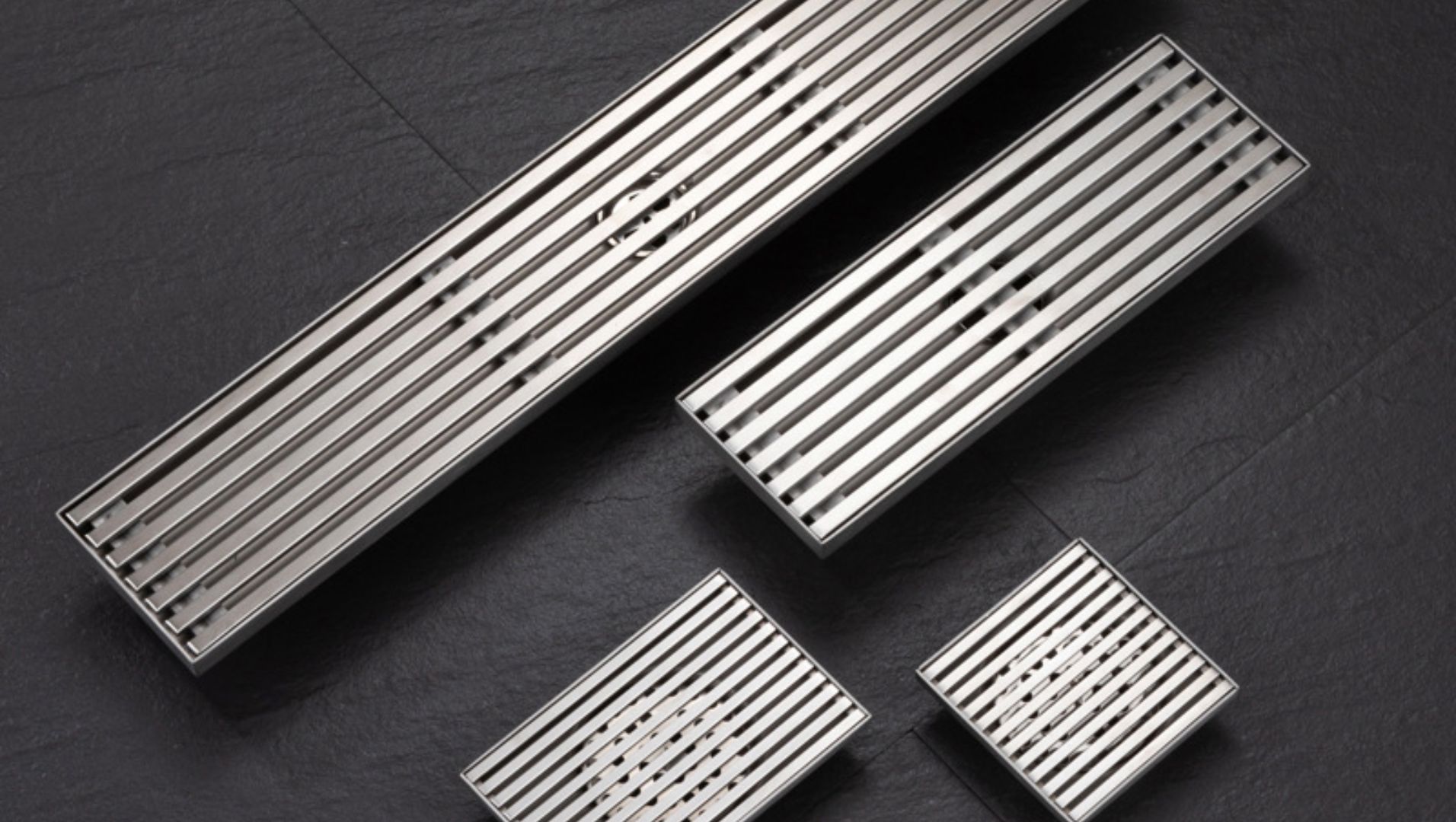
Trench drains, also known as channel drains, are linear drainage systems used primarily in areas where rapid water removal is necessary. They consist of a long, narrow channel with a grate on top and are typically found in garages, driveways, or commercial kitchens. Their design allows for efficient water collection across a large surface area.
- Design: Long, narrow channels covered with grates.
- Application: Best for areas needing fast water evacuation like driveways or industrial sites.
- Maintenance: Requires regular cleaning to prevent debris buildup.
For more about trench drains’ uses and advantages, check trench drain applications1.
Point Drains
Point drains are the most common type found in residential bathrooms and kitchens. These drains are positioned at a low point to capture water directed towards them, making them ideal for smaller spaces.
- Design: Circular or square covers with a sump below.
- Application: Commonly installed in bathrooms and kitchens.
- Maintenance: Requires routine checks to clear hair or food particles that could cause clogging.
Explore point drain usage tips2 for more insights on installation and care.
Floor Sinks
Floor sinks are larger basins set into the floor, typically used in commercial settings like restaurants or laboratories. They capture water from multiple sources and direct it to the drainage system.
- Design: Larger basins capable of handling high volumes of water.
- Application: Suitable for areas with numerous plumbing fixtures like commercial kitchens.
- Maintenance: Regular inspection and cleaning are essential to maintain hygiene standards.
Learn how to effectively use floor sinks by visiting floor sink maintenance guide3.
Automatic Trap Primer Drains
These innovative drains include a mechanism that automatically maintains the water level in the trap to prevent sewer gases from escaping. They’re perfect for areas where water flow is infrequent but odor control is critical.
- Design: Incorporates a trap primer system.
- Application: Ideal for seldom-used areas like basements or laundry rooms.
- Maintenance: Occasional inspection to ensure the primer system functions correctly.
Discover more about their benefits through automatic trap primer benefits4.
Trench drains are ideal for residential bathrooms.False
Trench drains are best for areas needing rapid water removal, not bathrooms.
Point drains are commonly used in commercial kitchens.False
Point drains are typically used in residential bathrooms and kitchens.
How Do Floor Drains Prevent Mold and Mildew?
Floor drains play a crucial role in preventing mold and mildew by efficiently managing excess water and maintaining dry environments.
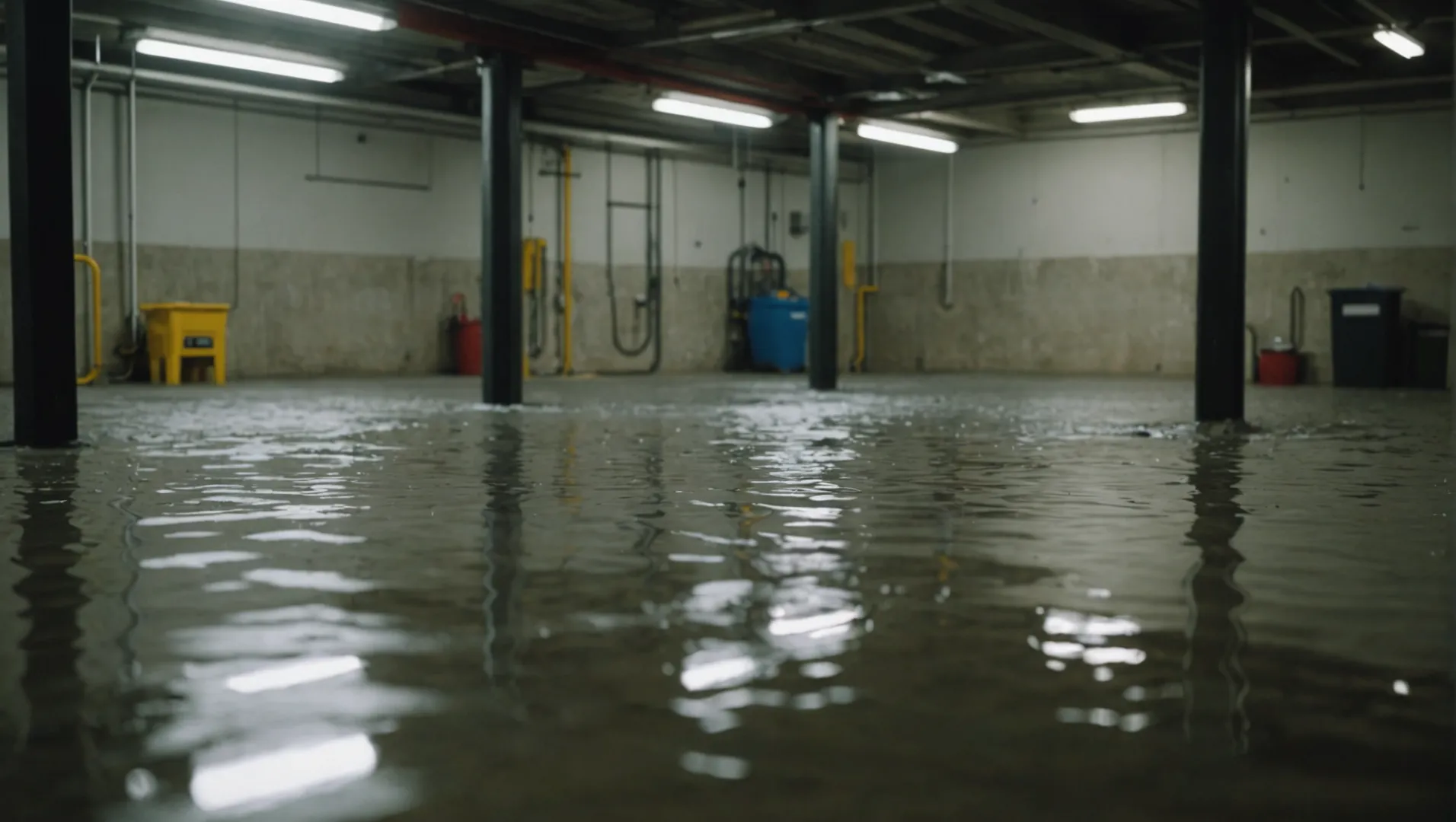
Floor drains prevent mold and mildew by effectively channeling excess water away from floors, reducing moisture levels that promote fungal growth. Proper drainage limits the conditions necessary for mold spores to thrive, protecting homes from potential health hazards and structural damage.
The Science Behind Mold and Mildew Prevention
Mold and mildew thrive in damp environments, feeding on moisture-rich surfaces. The presence of standing water or high humidity creates the perfect breeding ground for these fungi. Floor drains combat this by efficiently channeling excess water away, thereby reducing the moisture levels in affected areas. By doing so, they interrupt the lifecycle of mold spores, which require water to grow and spread.
Role of Floor Drains in Moisture Management
A well-installed floor drain system is designed to swiftly remove water from floors, whether from spills, cleaning activities, or seepage. This quick removal is vital because it minimizes the time surfaces remain wet, reducing the likelihood of mold development. The effectiveness of a floor drain in moisture management depends on its placement, slope of the floor towards the drain, and its capacity to handle anticipated water volumes.
For instance, in a commercial kitchen5, floor drains handle water from cleaning operations, preventing it from pooling and creating a humid environment conducive to mold growth. Similarly, in basements prone to flooding, floor drains protect against prolonged dampness.
Importance of Proper Maintenance
The prevention capabilities of floor drains can be compromised if they are not regularly maintained. Clogs or blockages can lead to standing water, defeating their purpose. Regular cleaning and inspection ensure that drains remain unobstructed, maintaining their efficiency in water removal.
Here’s a table highlighting essential maintenance tasks:
| Maintenance Task | Frequency |
|---|---|
| Clear debris and hair | Weekly |
| Inspect for clogs | Monthly |
| Check for leaks | Quarterly |
| Professional cleaning | Annually |
Additional Measures for Enhanced Protection
In addition to floor drains, other measures can bolster protection against mold. Installing dehumidifiers can help manage overall humidity levels in a building. Proper ventilation, especially in areas prone to moisture like bathrooms and kitchens, can further reduce the risk of mold and mildew.
Moreover, selecting materials resistant to moisture damage for walls and flooring near floor drains can enhance long-term protection against mold. Implementing these strategies alongside effective drainage systems ensures a comprehensive approach to maintaining a mold-free environment.
Floor drains reduce mold by removing excess water.True
Floor drains channel water away, reducing moisture that fosters mold.
Mold can thrive in dry environments without water.False
Mold requires moisture to grow; dry environments inhibit its growth.
What Are the Installation Requirements for Floor Drains?
Installing floor drains correctly is crucial to prevent water damage and maintain safety and hygiene.
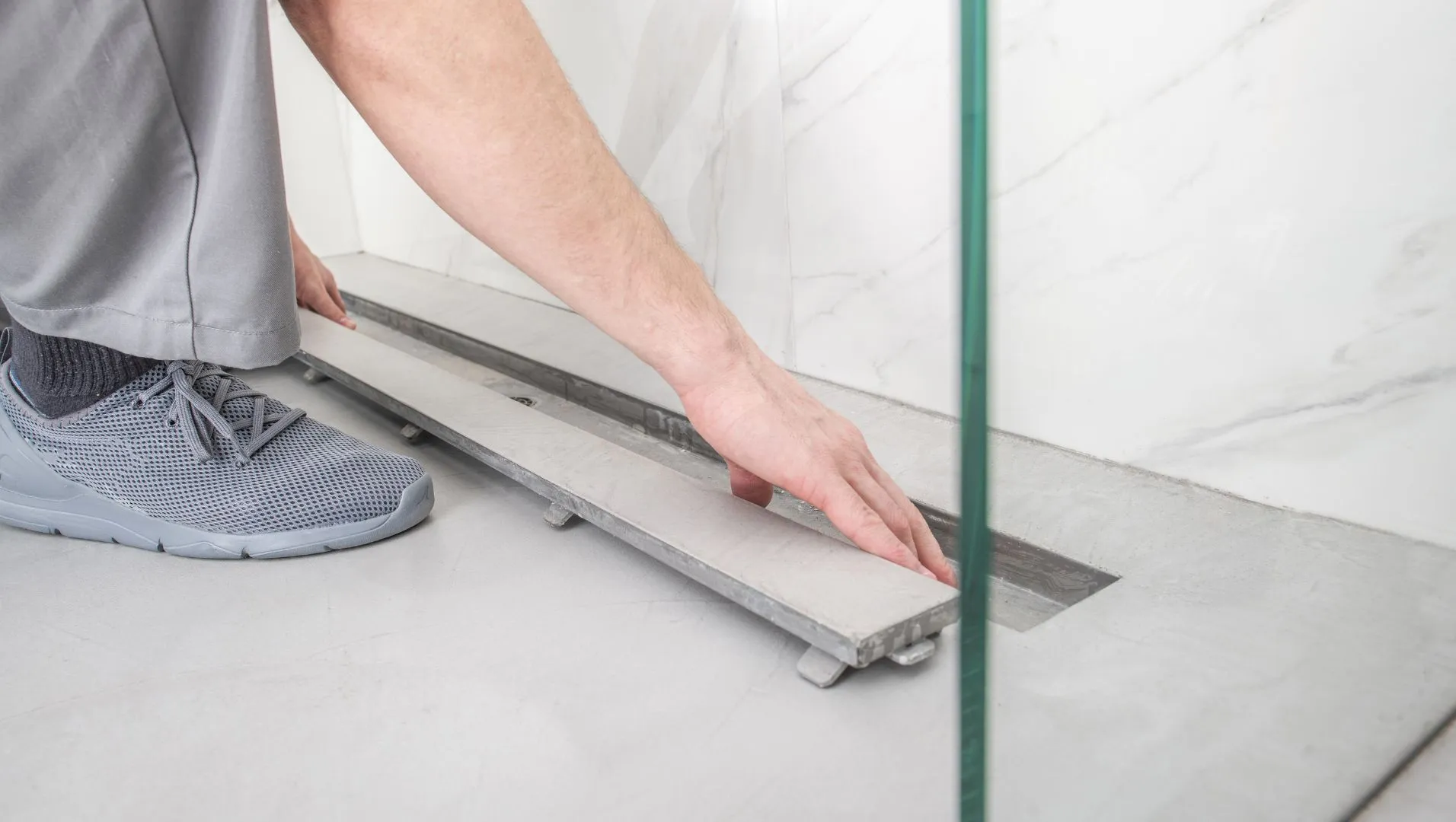
Floor drain installation requires selecting the right location, ensuring proper slope for drainage, using appropriate sealing techniques, and adhering to local building codes to ensure functionality and compliance.
Selecting the Right Location
Choosing the correct location for your floor drain is paramount. Ideally, it should be placed in areas prone to water exposure such as bathrooms, kitchens, garages, and basements. Consider proximity to existing plumbing systems to minimize installation complexity and cost.
- Bathrooms: Install near showers and tubs.
- Kitchens: Place near sinks and dishwashers.
- Garages: Opt for the center of the floor to capture runoff from vehicles.
Ensuring Proper Slope
A key requirement for floor drain installation is ensuring a proper slope. Floors should be sloped towards the drain at a gradient of approximately 1/4 inch per foot. This allows gravity to facilitate efficient water flow into the drain, preventing standing water that could lead to mold or mildew issues.
Using Appropriate Sealing Techniques
To prevent leaks, it’s essential to use correct sealing methods during installation. Waterproof membranes should be applied around the drain area, and joints should be sealed with a high-quality caulk or sealant that is resistant to water and mold.
- Materials: Use waterproof membranes and mold-resistant sealants.
- Application: Ensure all edges and seams are fully covered.
Adhering to Local Building Codes
Compliance with local building codes is non-negotiable when installing floor drains. Regulations may vary based on location and type of building, dictating factors such as pipe sizes, materials used, and specific installation techniques. Always consult with local authorities or a professional plumber to ensure compliance.
Table: Common Building Code Requirements
| Aspect | Typical Requirement |
|---|---|
| Pipe Diameter | Minimum 2 inches |
| Slope | 1/4 inch per foot |
| Material | PVC or Cast Iron |
| Trap Seal Depth | Minimum 2 inches, typically 4 inches |
Engaging Professional Help
Given the technical nature of floor drain installation, hiring a professional plumber can save time and ensure the job is done correctly. A professional will have the expertise to navigate local building codes6 and execute proper installation techniques that prevent future problems like leaks or blockages.
By carefully considering these requirements, you can ensure your floor drain is installed properly and functions effectively for years to come.
Floor drains should be installed at the highest point of the floor.False
Drains should be installed at the lowest point for proper drainage.
Floor drains require a slope of 1/4 inch per foot for drainage.True
A slope of 1/4 inch per foot ensures efficient water flow to the drain.
How Can You Maintain Your Floor Drains Effectively?
Effective floor drain maintenance is crucial for preventing blockages and ensuring long-term functionality. Learn the essential steps here.
To maintain floor drains effectively, regularly clean the grates, flush with hot water, use a bacterial cleaner monthly, and ensure traps stay filled with water to prevent odors.
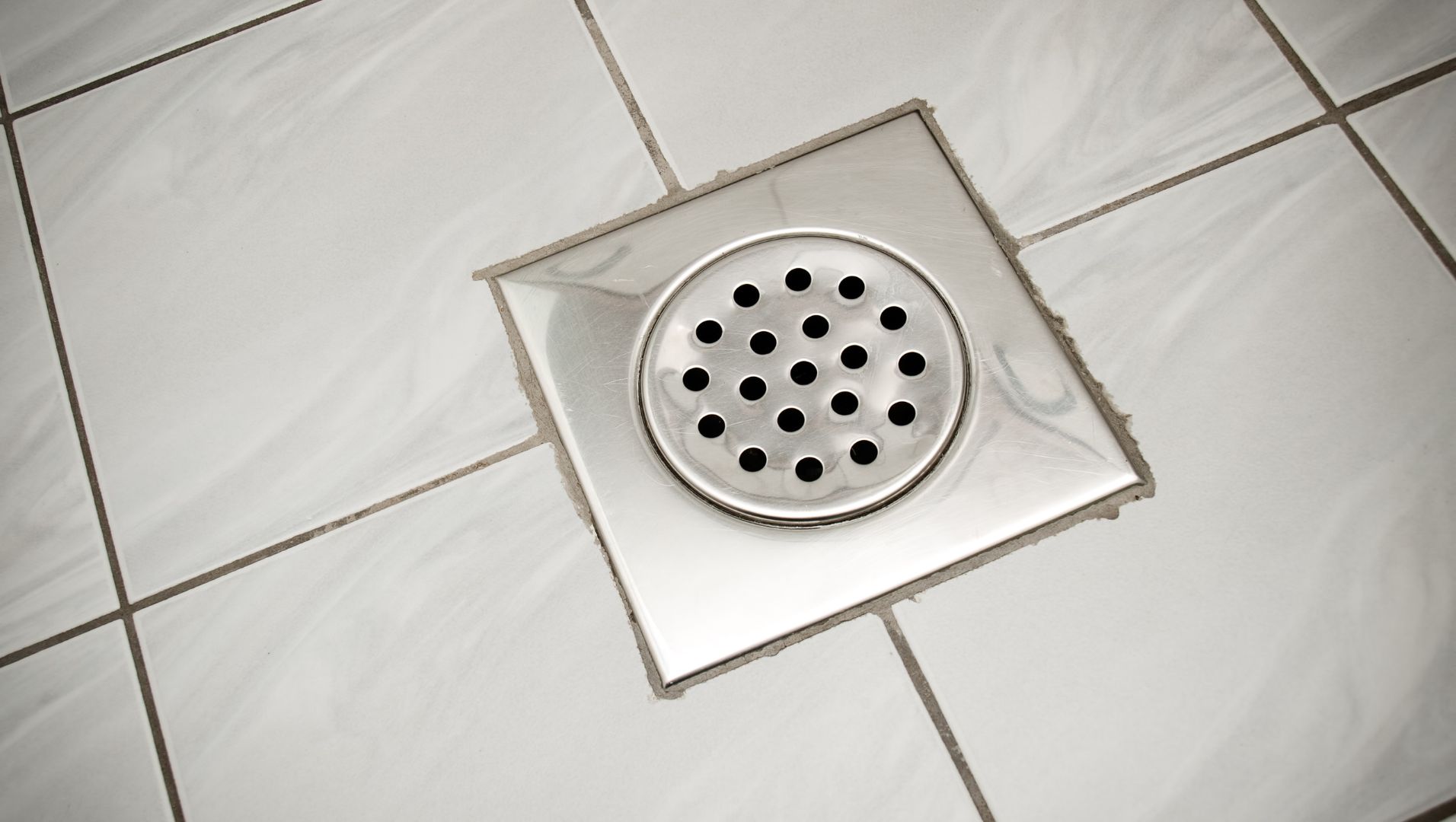
Regular Cleaning Practices
A consistent cleaning schedule is vital for maintaining floor drains. Start by removing the drain cover or grate, which often traps hair, debris, and other particles that could lead to clogs. Use a wire brush or an old toothbrush to scrub away any buildup on the grate. For deeper cleaning, pour hot water into the drain to dissolve grease and soap residues.
Monthly Maintenance Checks
Once a month, perform a more thorough check by using a drain cleaner specifically designed for bacterial buildup. These cleaners utilize bacteria that digest organic matter, helping to prevent clogs and odors7. Be cautious with chemical cleaners, as they can damage pipes if overused.
Ensure Water Trap Integrity
The trap in your floor drain holds water to create a barrier against sewer gases. Over time, evaporation can reduce this water level, especially in infrequently used drains. To maintain effectiveness, periodically pour water down the drain or consider using an oil-based trap sealant that evaporates less quickly.
Addressing Stubborn Odors
If you notice persistent odors, it might indicate an underlying issue such as dry traps or partial blockages. Check the water trap first, then proceed to flush the drain with a mixture of baking soda and vinegar to neutralize smells. In severe cases, you may need professional drain inspection services8.
Professional Servicing
For commercial settings or complex drainage systems, schedule professional maintenance annually. Technicians can provide services like hydro jetting, which removes build-up without damaging pipes, ensuring optimal drainage and sanitary conditions9.
Regular cleaning prevents floor drain blockages.True
Consistent cleaning removes debris and buildup, preventing clogs.
Chemical cleaners are safe for frequent use on drains.False
Frequent use of chemical cleaners can damage pipes over time.
Conclusion
Floor drains are vital for managing water, promoting hygiene, and enhancing safety. Consider installing or maintaining them to protect your home from potential water-related issues. Don’t overlook these essential fixtures in your home improvement plans.
-
Learn about versatile trench drain installations and their benefits.: A trench drain provides an elongated surface for water to drain from a specific area, such as a driveway, beneath an un-guttered roof edge, sidewalk or similar … ↩
-
Discover tips for effective point drain installation and maintenance.: If you’re not sure about your low point drain, don’t worry! I have some helpful tips for you … ↩
-
Find essential guidelines for maintaining floor sinks efficiently.: At least once each quarter, check your drains for debris and clear them. If necessary, use a safe, liquid drain cleaner. ↩
-
Explore how automatic trap primers enhance odor control.: Plumbing codes require that trap primers be provided for “emergency” floor drains and other traps subject to evaporation. An example of an “emergency” floor … ↩
-
Learn how floor drains prevent mold in busy commercial kitchens.: A well-designed floor drain is essential in maintaining the cleanliness, safety, and functionality of a commercial kitchen. ↩
-
Understand how local regulations impact drain installation requirements.: Floor drains shall have waste outlets not less than 2 inches (51 mm) in diameter and a removable strainer. Floor drains shall be constructed so that the drain … ↩
-
Learn how bacterial cleaners can prevent clogs and reduce odors.: Bacterial cleaners can survive in a wide range of temperatures and pH levels as well, and they actually help to maintain a healthy, natural pH … ↩
-
Find experts for comprehensive drain inspections and maintenance.: We can perform a pre-inspection of your installed plumbing or sewer system to help identify potential problems that would be flagged by the city inspector. ↩
-
Discover professional services for maintaining commercial floor drains.: CLEAN DRAINS REGULARLY. At least once each quarter, check your drains for debris and clear them. If necessary, use a safe, liquid drain cleaner, or, … ↩