Skip to content
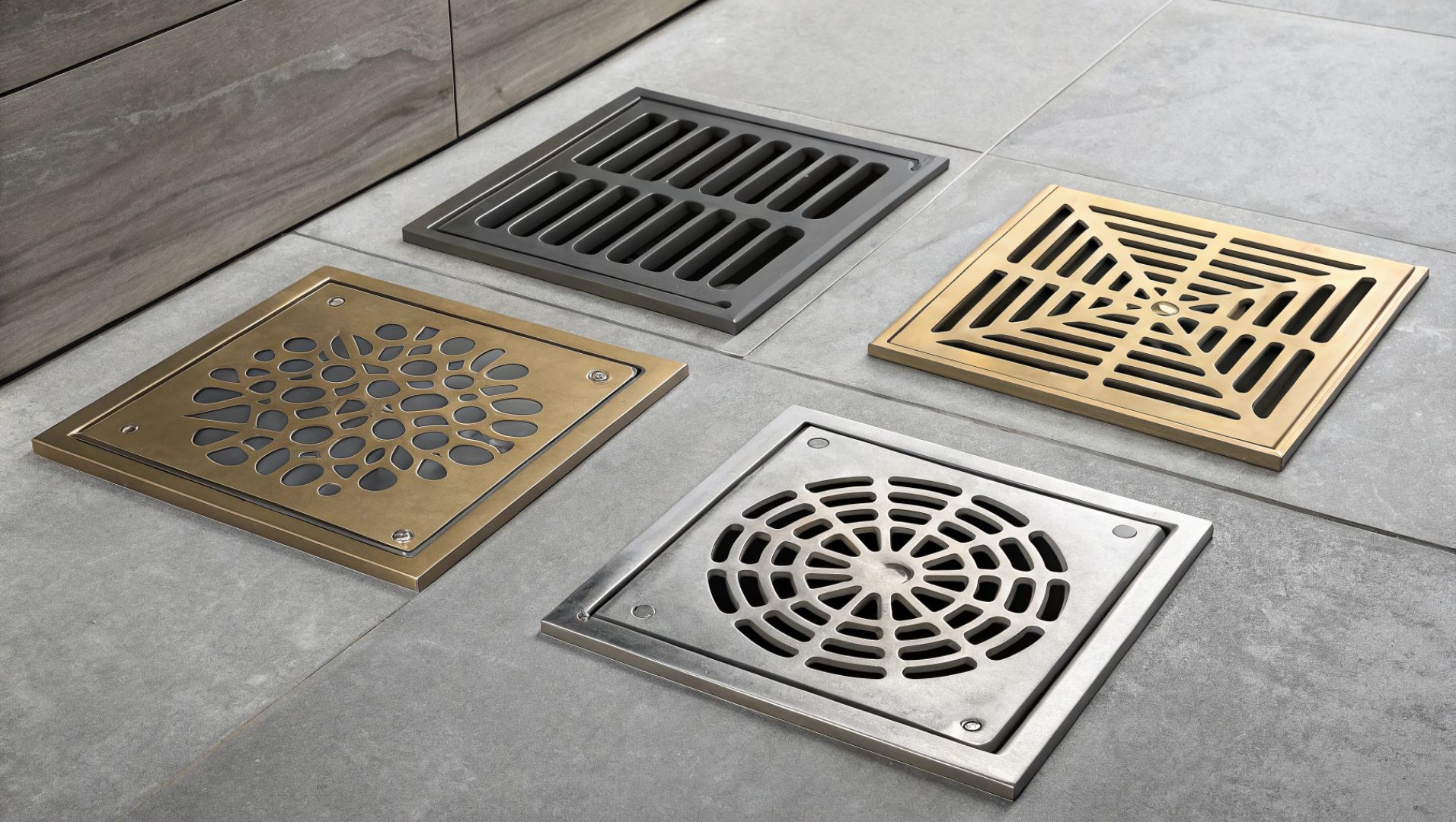
Choosing the right material for a floor drain can feel overwhelming, but it’s one of the most important decisions in construction or renovation projects. Let’s explore the best options together!
Stainless steel is often considered the best material for durable and efficient floor drains due to its excellent corrosion resistance, durability, and maintenance ease. Other options like PVC and cast iron also provide viable alternatives based on specific use cases.
Understanding the unique advantages and limitations of each material is essential for making an informed decision. In this guide, we’ll explore various materials and their suitability for different environments, helping you choose the best option for your floor drain needs.
Stainless steel is the most durable material for floor drains.True
Stainless steel offers excellent corrosion resistance, durability, and low maintenance.
Why Is Stainless Steel a Preferred Choice for Floor Drains?
Stainless steel stands out as a top choice for floor drains, offering unmatched durability and corrosion resistance.
Stainless steel is preferred for floor drains due to its robustness, excellent corrosion resistance, and ease of maintenance, making it suitable for various environments.
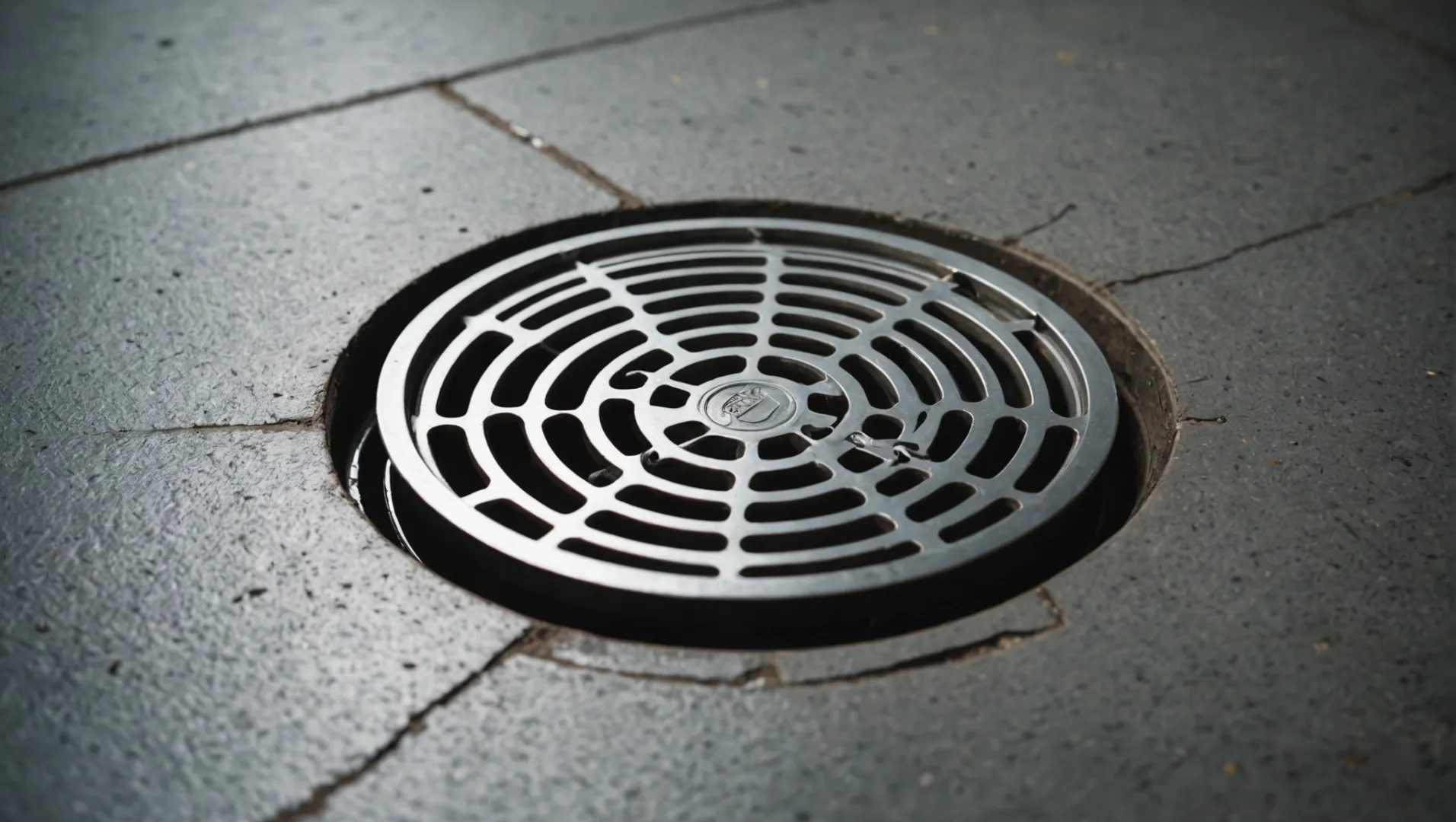
Corrosion Resistance and Durability
Stainless steel is renowned for its ability to withstand harsh environments, making it an ideal choice for floor drains in areas exposed to moisture and chemicals. Its natural chromium content forms a passive film that protects against rust and corrosion, ensuring longevity.
Ease of Maintenance
One of the standout features of stainless steel is its low maintenance requirements. The smooth surface allows for easy cleaning, reducing the likelihood of blockages. This property is particularly beneficial in commercial kitchens and industrial settings where hygiene is paramount.
Compatibility with Modern Design
Stainless steel’s sleek appearance complements contemporary architectural styles, providing an aesthetic advantage over traditional materials like cast iron. Its versatility in finishes—from brushed to polished—allows for customization to fit any design scheme.
Environmental Considerations
Choosing stainless steel also aligns with sustainable practices. It is 100% recyclable, and its longevity reduces the need for frequent replacements, minimizing environmental impact. For those looking to make eco-friendly choices, stainless steel emerges as a responsible option.
Cost Analysis: Is Stainless Steel Worth the Investment?
While the initial cost of stainless steel floor drains may be higher compared to alternatives like PVC, the long-term benefits often outweigh the upfront investment. A table comparing costs can help illustrate this point:
| Material | Initial Cost | Maintenance Cost | Lifespan |
|---|---|---|---|
| Stainless Steel | High | Low | Long |
| PVC | Low | Medium | Medium |
| Cast Iron | Medium | High | Medium |
By considering factors such as durability, maintenance, and lifespan, stainless steel proves to be a cost-effective choice over time.
Diverse Applications and Flexibility
From residential bathrooms to large-scale industrial facilities, stainless steel floor drains offer flexibility across various applications. Its robustness makes it suitable for high-traffic areas, while its corrosion resistance is ideal for environments exposed to chemicals and water. This versatility makes it a preferred choice in diverse settings.
For more insights on choosing the right material for floor drains1 and how stainless steel compares with others, stay tuned to our blog updates.
Stainless steel floor drains require frequent maintenance.False
Stainless steel requires low maintenance due to its smooth surface.
Stainless steel is recyclable and eco-friendly.True
It is 100% recyclable, aligning with sustainable practices.
How Does PVC Compare to Traditional Materials Like Cast Iron?
Choosing between PVC and cast iron for drains depends on factors like cost, durability, and installation ease.
PVC is lightweight, corrosion-resistant, and easy to install, making it a popular choice over traditional materials like cast iron, which is durable but prone to rust and requires more labor-intensive installation.
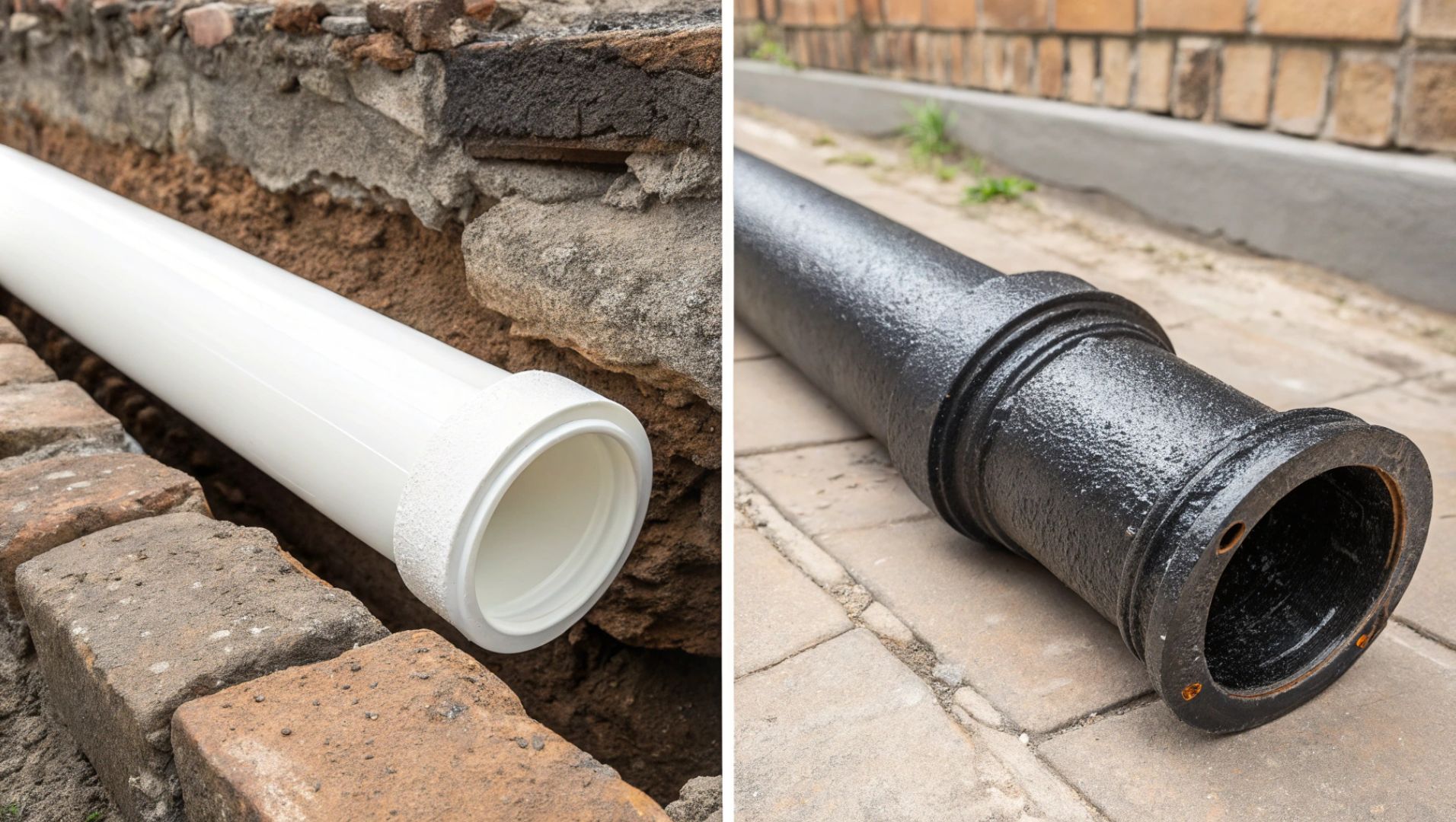
Comparing Durability and Longevity
Cast iron is renowned for its strength and ability to withstand heavy loads, making it ideal for areas subject to high traffic or industrial use. However, its susceptibility to rust can compromise its longevity in environments where moisture is prevalent. Conversely, PVC offers excellent corrosion resistance due to its non-metallic nature, making it suitable for both residential and some commercial applications where durability is balanced with cost-effectiveness.
| Property | PVC | Cast Iron |
|---|---|---|
| Corrosion Resistance | Excellent | Poor |
| Weight | Lightweight | Heavy |
| Installation Ease | Easy | Labor-Intensive |
Cost Considerations
When assessing costs, PVC emerges as the budget-friendly option. It not only costs less in terms of material but also reduces labor expenses due to its lightweight and ease of handling. Cast iron, while initially more expensive, can sometimes justify its cost in situations where its robustness is essential.
Installation and Maintenance
The installation of PVC pipes is straightforward, requiring minimal equipment and effort, making it ideal for DIY enthusiasts and professional plumbers alike. Its maintenance is also less demanding due to its smooth interior surface that minimizes blockages. In contrast, cast iron installation often requires specialized tools and experienced labor due to its weight and rigidity. Maintenance can be more challenging as well, with the potential need for regular inspections to prevent rust-related issues.
For more insights on choosing between materials for drains2, consider factors such as the specific demands of the installation environment, long-term maintenance costs, and the potential need for replacement or repair over time.
PVC is more corrosion-resistant than cast iron.True
PVC's non-metallic nature prevents rust, unlike cast iron.
Cast iron is easier to install than PVC.False
Cast iron requires more labor due to its weight and rigidity.
What Are the Benefits of Using Brass in Decorative Applications?
Brass, with its distinctive golden hue, offers a timeless charm that enhances any decorative setting.
Brass is favored in decorative applications for its aesthetic appeal, durability, and resistance to corrosion, making it ideal for both functional and ornamental uses.

The Aesthetic Allure of Brass
Brass is renowned for its warm, golden color that can instantly elevate the appearance of any room. This metal is particularly valued in decorative applications for its ability to mimic the look of gold without the high cost. Its aesthetic appeal makes it a popular choice for a variety of applications, from ornate light fixtures3 to elegant door handles. The unique ability of brass to develop a natural patina over time adds character and a vintage charm, making it a favorite in both modern and classic interior designs.
Durability and Versatility
One of the standout benefits of using brass is its remarkable durability. This metal is strong yet malleable, allowing it to be shaped into intricate designs without sacrificing strength. In decorative applications, this means brass can be used for everything from intricate carvings on furniture4 to robust fittings that withstand daily wear and tear. Furthermore, brass maintains its structural integrity even in high-traffic areas, ensuring that decorative elements remain both beautiful and functional over time.
Corrosion Resistance
A key reason for choosing brass in decorative applications is its excellent resistance to corrosion. Unlike other metals that may rust or degrade when exposed to moisture or air, brass can withstand such conditions while maintaining its lustrous appearance. This property is particularly beneficial in areas prone to humidity, such as bathrooms or kitchens, where brass fixtures can remain untarnished for years.
Maintenance and Upkeep
Maintaining the beauty of brass is relatively straightforward. Regular cleaning with mild soap and water is usually sufficient to keep brass fixtures looking their best. For those who prefer the polished look over the aged patina, occasional polishing can restore the metal’s original shine. This ease of maintenance makes brass an attractive option for homeowners and designers alike, who appreciate low-maintenance yet high-impact materials.
Environmental Considerations
Brass is also an environmentally friendly choice as it is highly recyclable. Utilizing recycled brass can significantly reduce the environmental impact of manufacturing new products. This aspect aligns well with the growing trend towards sustainable design practices, making brass a preferred material for eco-conscious designers and consumers.
In conclusion, while brass is not only beautiful but also offers durability, corrosion resistance, and sustainability, its role in decorative applications spans both functional and aesthetic purposes.
Brass is more durable than steel in decorative uses.False
Steel is generally more durable than brass, though brass is malleable.
Brass fixtures develop a natural patina over time.True
Brass naturally forms a patina, adding vintage charm to decor.
Is Polymer Concrete a Viable Option for Modern Floor Drains?
Polymer concrete is increasingly being recognized for its unique properties in construction applications, but is it suitable for floor drains?
Polymer concrete offers enhanced strength, chemical resistance, and ease of installation, making it a viable option for modern floor drains, particularly in industrial and high-traffic areas.
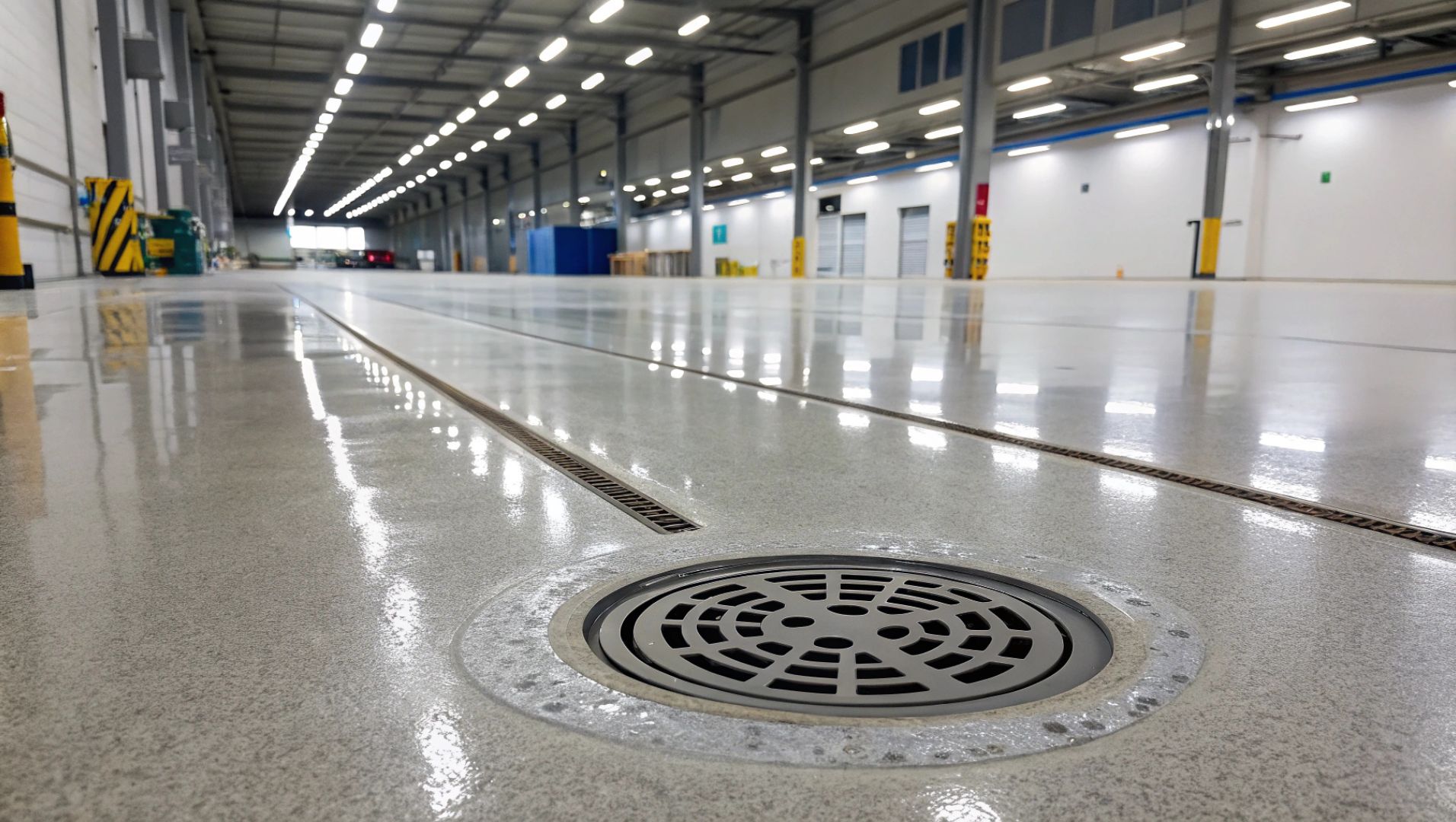
Understanding Polymer Concrete
Polymer concrete is a composite material where the aggregate is bound together using a polymer binder instead of the traditional cement. This gives polymer concrete unique properties such as superior tensile and compressive strength, increased durability, and exceptional chemical resistance.
Advantages of Polymer Concrete for Floor Drains
- Durability and Strength: One of the primary advantages of polymer concrete5 is its enhanced strength. It can withstand heavy loads and impacts, making it ideal for industrial environments or areas with heavy foot traffic.
- Chemical Resistance: Polymer concrete is highly resistant to chemicals, which is crucial in environments where floor drains might be exposed to corrosive substances. This makes it suitable for use in chemical plants, laboratories, and food processing facilities.
- Ease of Installation: Unlike traditional concrete, polymer concrete sets quickly, which can significantly reduce construction time. This property is beneficial in renovation projects where downtime needs to be minimized.
| Property | Traditional Concrete | Polymer Concrete |
|---|---|---|
| Setting Time | Longer | Shorter |
| Chemical Resistance | Moderate | High |
| Compressive Strength | Lower | Higher |
Considerations and Limitations
While polymer concrete has numerous benefits, there are some considerations to keep in mind:
- Cost: The initial cost of polymer concrete can be higher compared to traditional materials. However, its durability may lead to cost savings over time through reduced maintenance and longer service life.
- UV Sensitivity: Some polymer binders used in polymer concrete can be sensitive to UV exposure, leading to degradation over time if not properly treated or coated.
Applications in Modern Construction
Polymer concrete is especially advantageous in environments where traditional materials might fail. For instance, in facilities that handle hazardous chemicals or require rapid installation times, polymer concrete floor drains can provide a reliable solution. Additionally, the aesthetic flexibility of polymer concrete allows it to blend seamlessly with various flooring designs, making it appealing for commercial spaces seeking both functionality and style.
By weighing these factors, construction professionals can determine whether polymer concrete is the right fit for their specific project needs.
Polymer concrete sets faster than traditional concrete.True
Polymer concrete has a shorter setting time, reducing construction delays.
Polymer concrete is less durable than traditional concrete.False
Polymer concrete offers superior durability and strength compared to traditional options.
Conclusion
Ultimately, selecting the right floor drain material involves balancing durability, cost, and environmental conditions. Assess your project’s unique needs to choose wisely.
-
Learn more about why stainless steel excels in various applications.: Their remarkable resistance to a wide array of chemicals ensures durability, making them ideal for industrial settings. Environmental … ↩
-
Explore detailed comparisons and decision-making criteria.: Cast iron often lasts significantly longer than PVC piping when utilized in drainage systems. Cast iron piping can last several decades, if not for a century. ↩
-
Explore how brass enhances lighting with its timeless beauty.: Its timeless allure, exceptional durability, and versatility make brass light fixtures the perfect choice for discerning homeowners and … ↩
-
Discover why brass is ideal for intricate furniture designs.: With its warm golden hue and various levels of sheen, brass has a versatility that is unmatched! It works well with home goods constructed of wood, stone, … ↩
-
Learn about polymer concrete’s properties and its advantages over traditional materials.: It is a concrete-polymer composite with improved properties such as strength, adhesion, and chemical resistance compared to ordinary cement concrete. AI … ↩