

As I’ve upgraded my home lighting to energy-efficient LEDs, a nagging question lingered: Are these lights safe? Let’s explore what the science says about their potential UV emissions.
LED lights for general use do not emit harmful UV rays or radiation. Unlike fluorescent lights, which can emit some UV radiation, standard LED lights are designed to produce visible light only, making them safe for prolonged exposure.
While standard LEDs are safe for daily use, specialized UV LEDs do exist for specific applications and require cautious handling. Let’s dive deeper into what types of LEDs emit UV radiation.
Standard LED lights emit harmful UV rays.False
Standard LEDs do not emit significant UV radiation, making them safe.
What Types of LEDs Emit UV Radiation?
LED lights are renowned for their safety, but certain types are designed to emit UV radiation. Let’s explore these.
Standard LED lights do not emit UV radiation; however, UV-A, UV-B, and UV-C LEDs are specifically designed to emit ultraviolet rays for specialized uses.

Understanding UV LEDs
While general LED lights are celebrated for their energy efficiency and safety, some LED types are intentionally engineered to emit ultraviolet (UV) radiation. It’s essential to understand these to ensure their safe and effective application.
Types of UV-Emitting LEDs
-
UV-A LEDs
- These emit long-wave UV light, ranging from 315 to 400 nanometers.
- Commonly employed in curing processes1 such as inks and coatings, counterfeit detection, and attracting insects.
-
UV-B LEDs
- Less prevalent, they emit medium-wave UV light between 280 to 315 nanometers.
- Used in specific medical therapies, like treating skin conditions, and in certain industrial applications.
-
UV-C LEDs
- Emit short-wave UV light, from 100 to 280 nanometers.
- Highly effective for disinfection purposes2, these LEDs are utilized in sterilizing water, air, and surfaces.
Safety Considerations with UV LEDs
While UV LEDs serve valuable roles in various sectors, they pose potential health risks:
- UV-C Exposure Risks: Prolonged exposure can harm skin and eyes. Protective measures are crucial when handling UV-C lamps.
- Cellular Effects: Different cell types vary in sensitivity to UV exposure. For instance, epithelial retinal cells are particularly susceptible to damage.
- Application-Specific Safety: Proper safety protocols should be implemented when using UV LEDs in medical or industrial settings to prevent adverse effects.
Practical Applications and Implications
Understanding the specific applications and inherent risks of each type of UV LED allows consumers and professionals to make informed choices. Whether used for scientific research3, medical treatments, or industrial applications, the key is balancing utility with safety precautions.
Standard LED lights emit UV radiation.False
Standard LEDs do not emit UV; only specific UV LEDs do.
UV-C LEDs are used for disinfection purposes.True
UV-C LEDs effectively sterilize water, air, and surfaces.
How Do LED Lights Compare to Fluorescent Bulbs in Terms of Safety?
Are LED lights safer than fluorescent bulbs? Let’s delve into the safety differences between these two popular lighting options.
LED lights are generally safer than fluorescent bulbs due to their lack of significant UV emissions and absence of mercury content.
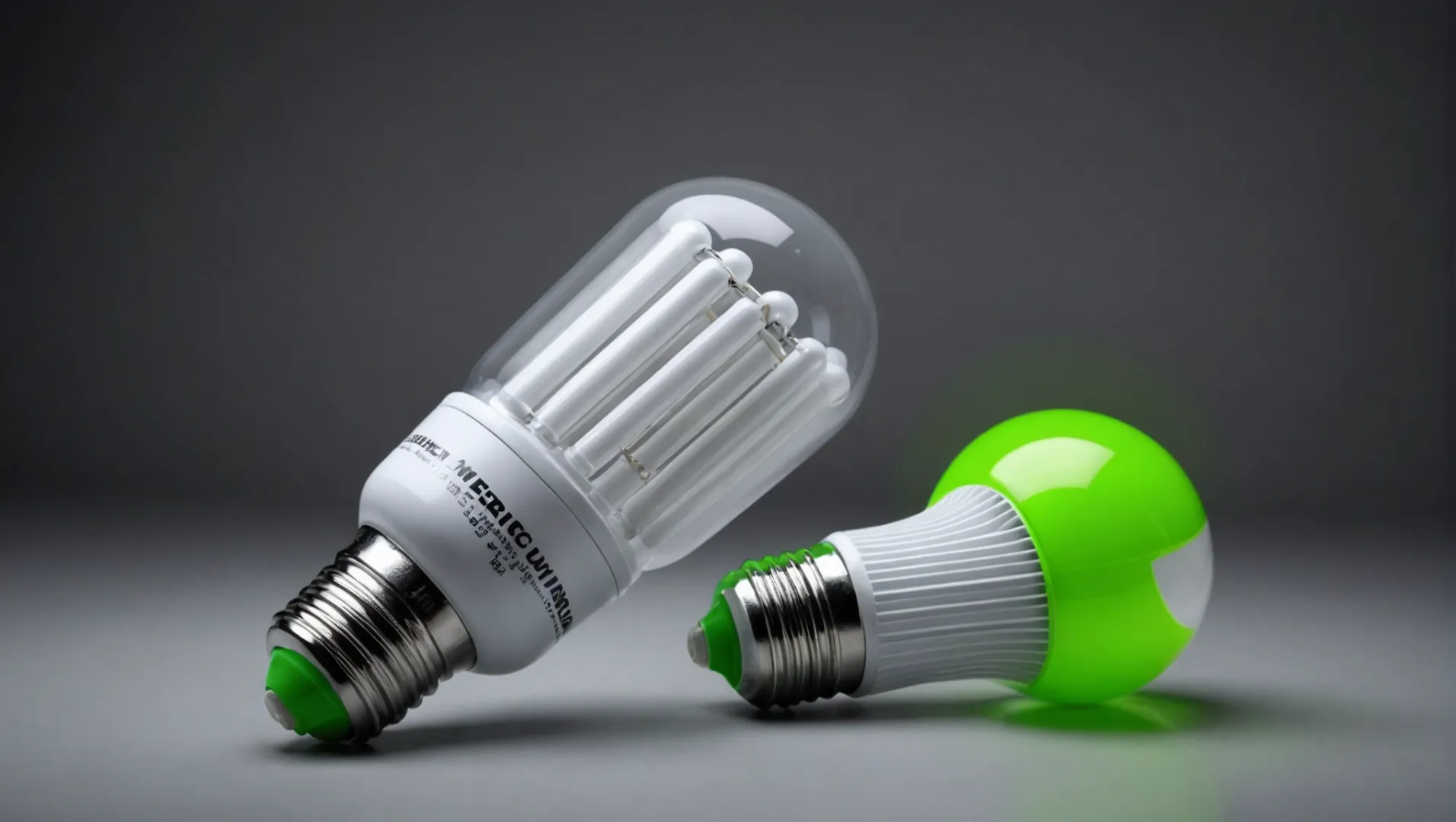
Understanding the Basics of LED and Fluorescent Lighting
LED (Light Emitting Diodes) operate by passing an electrical current through a semiconductor, which emits light as a result. These lights are known for their efficiency, longevity, and color versatility. Importantly, standard LEDs emit no significant UV radiation, making them safe for extensive use in homes and offices.
Fluorescent Bulbs, on the other hand, work by passing electricity through mercury vapor to produce UV light, which then excites a phosphor coating inside the bulb to emit visible light. This process inherently involves some UV radiation emission, albeit in small amounts, which can be a safety concern in prolonged exposure situations.
Key Safety Considerations
UV Radiation
| Feature | LED Lights | Fluorescent Bulbs |
|---|---|---|
| UV Emission | Negligible | Present but minimal |
| Potential Health Risk | Low | Potential skin and eye irritation |
- Understanding UV Emissions4: It’s crucial to note that while LEDs do not emit UV rays, fluorescent bulbs do release small amounts, which over time could lead to skin or eye discomfort.
Toxic Materials
Another significant safety aspect is the presence of hazardous materials. Fluorescent bulbs contain mercury, a toxic substance that poses risks if the bulb breaks. LED lights do not contain mercury, thus eliminating this risk.
- Mercury Content in Lighting5: Learning about the implications of mercury in lighting can guide safer choices.
Heat Emission and Durability
LED lights are designed to remain cool to the touch even after prolonged use, reducing fire hazards. In contrast, fluorescent bulbs can become quite hot and are more prone to breakage due to their glass construction.
- Comparing Heat Output6: Understanding heat output differences can further inform safety considerations.
Conclusion: Making Safer Lighting Choices
When it comes to safety, LED lights are generally superior due to their lack of UV radiation and absence of hazardous materials like mercury. While both lighting types have their place in various settings, considering these factors can lead to better-informed decisions about which type of lighting to use in different environments.
LED lights emit no significant UV radiation.True
LEDs operate without producing UV rays, ensuring safer use.
Fluorescent bulbs contain no toxic materials.False
Fluorescent bulbs have mercury, posing a hazard if broken.
Can LED Lights Affect Eye Health Over Time?
As LED lights become more prevalent, concerns about their long-term impact on eye health have emerged.
Standard LED lights are generally considered safe for eyes, lacking significant UV emission. However, prolonged exposure to high-intensity blue light from LEDs might cause digital eye strain and discomfort. It’s advisable to use appropriate lighting and take regular breaks to minimize potential eye fatigue.
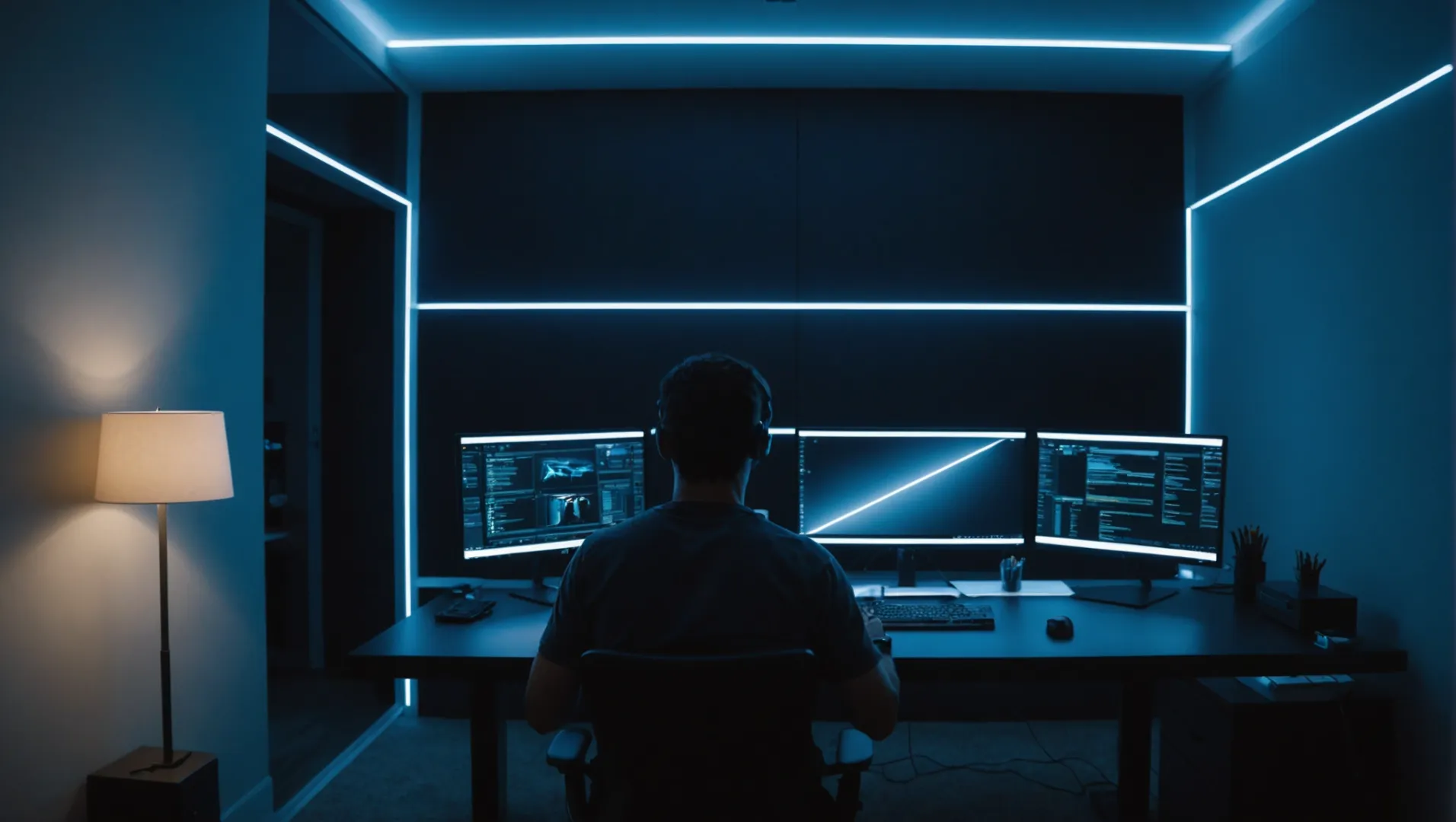
Understanding LED Light Emission
LED lights are engineered to emit visible light without significant ultraviolet (UV) radiation, which makes them safer compared to traditional lighting sources like incandescent or fluorescent bulbs. However, the concern arises not from UV exposure but from the blue light spectrum emitted by LEDs. Blue light, part of the visible light spectrum, has shorter wavelengths and higher energy.
Blue Light and Eye Health
Blue light is known to penetrate deep into the eye, reaching the retina. Excessive exposure to blue light can potentially lead to digital eye strain, characterized by symptoms like dry eyes, headaches, and blurred vision. A key concern is the cumulative effect of blue light exposure over time, especially with increased screen usage in modern lifestyles.
| Symptoms of Digital Eye Strain | Possible Causes |
|---|---|
| Dry or irritated eyes | Prolonged screen time |
| Headaches | Poor lighting |
| Blurred vision | Glare from screens |
Mitigating Potential Risks
To mitigate these risks, it’s important to adopt healthy lighting practices. Consider using LED lights with a warmer hue for ambient lighting, which emits less blue light compared to cooler white LEDs. Additionally, incorporating breaks using the 20-20-20 rule—looking at something 20 feet away for 20 seconds every 20 minutes—can help reduce eye strain.
While the standard LEDs themselves are not inherently dangerous to eye health, their intense blue light component warrants attention. Exploring blue light blocking glasses7 might be beneficial for those who spend extended periods in front of LED screens.
Expert Recommendations
Experts suggest maintaining a comfortable ambient light level in workspaces to reduce glare and avoid positioning LED screens directly in front of windows or bright backgrounds. Adjusting screen brightness to match the surrounding lighting can also help minimize eye strain. Investing in task lighting that offers adjustable brightness and color temperature can further enhance visual comfort.
The Role of Screen Usage
It’s crucial to acknowledge that while LEDs are used in a variety of settings, their impact on eye health is often exacerbated by prolonged screen use rather than the lighting itself. Understanding how screen time affects vision8 can provide insights into managing exposure effectively.
LED lights emit significant UV radiation.False
LEDs do not emit significant UV radiation, making them safer.
Blue light from LEDs can cause digital eye strain.True
Prolonged exposure to blue light may lead to symptoms like dry eyes.
What Precautions Should Be Taken with UV LED Lights?
Navigating the safety concerns of UV LED lights is crucial for protecting your skin and eyes from potential damage.
To safely use UV LED lights, avoid direct skin and eye exposure, use protective gear, and follow manufacturer’s guidelines. Implementing these precautions minimizes health risks and ensures safe operation in various applications.

Understanding UV LED Lights
UV LED lights are specialized devices that emit ultraviolet radiation, typically categorized into three types: UV-A, UV-B, and UV-C. Each type serves different purposes, from curing adhesives to sterilizing surfaces. Despite their utility, these lights can pose significant health risks if not handled properly.
Health Risks Associated with UV LED Lights
- Skin Damage: Prolonged exposure to UV light, especially UV-C, can lead to skin burns or increase the risk of skin cancer.
- Eye Damage: UV rays can cause severe damage to the eyes, including cataracts and photokeratitis.
- Cellular Effects: UV-C radiation can cause cell death or trigger mutations, posing long-term health risks.
Safety Measures for Using UV LED Lights
To mitigate these risks, adhere to the following precautions:
- Limit Exposure Time: Reduce the amount of time spent near active UV LED lights.
- Use Protective Equipment: Wear UV-blocking goggles and clothing to shield against direct exposure.
- Install Shields or Barriers: Use physical barriers to block UV rays from reaching unintended areas or people.
- Follow Manufacturer Guidelines: Always adhere to instructions provided by manufacturers for safe operation.
Protective Gear Options
| Gear Type | Purpose | Recommended Use Case |
|---|---|---|
| UV Goggles | Protect eyes from UV exposure | When working close to UV LEDs |
| UV Protective Gloves | Shield hands from UV rays | Handling UV-emitting devices |
| Protective Clothing | Block skin exposure | Extended exposure scenarios |
Environmental Considerations
UV LED lights are often used in industrial and laboratory settings. It’s vital to ensure that the environment is well-ventilated and that warning signs are displayed prominently. Regular maintenance checks can also help identify any faulty equipment that might increase risk.
For more information on safety standards and guidelines, consult official resources9 from industry experts or governmental agencies.
Final Thoughts on Safe Practices
Educating yourself and others about the potential risks of UV LED lights is paramount. Implementing safety measures not only protects health but also maximizes the efficiency and benefits of these powerful tools in various applications. To explore further protective strategies, visit dedicated safety sites10.
UV-C rays can cause skin burns and increase cancer risk.True
UV-C radiation can damage skin, leading to burns and cancer risk.
Wearing regular sunglasses protects eyes from UV LED lights.False
Regular sunglasses don't block UV rays; UV-blocking goggles are needed.
Conclusion
In conclusion, standard LED lights are a safe choice for everyday use, unlike specialized UV LEDs which require careful handling.
-
Learn how UV-A LEDs aid in curing inks and coatings.: UV curing is a method of irradiating ultraviolet rays (UV) into ultraviolet curing resin (UV curing resin) in order to cure the resin in a short time. ↩
-
Discover how UV-C light effectively sterilizes environments.: In addition to this, UVC light can also be utilized to disinfect water by producing ozone. ↩
-
Explore scientific advancements enabled by UV LED technology.: The UVC LEDs’ decontamination effectiveness is as good as mercury vapor lamps. In some cases, LEDs even provide better results than conventional mercury vapor … ↩
-
Explore how UV radiation from fluorescents affects safety.: Most light sources emit a small amount of UV light, but the UV light produced by LED or fluorescent light bulbs is far less than the amount produced by … ↩
-
Understand the risks associated with mercury in lighting.: Mercury releases a very stable visible wavelength of light, I around 600nm. This falls into our visible light range and is a non-offensive … ↩
-
Learn how heat output impacts safety and efficiency.: LEDs use less power (watts) per unit of light generated (lumens). LEDs help reduce greenhouse gas emissions from power plants and lower electric bills. ↩
-
Discover how these glasses can reduce blue light exposure.: These lenses filter out harmful blue light from digital devices like computers, tablets, and smartphones. While there are not enough studies to … ↩
-
Learn about the impact of screens on eye health.: This light has lead to a condition known as “digital eye strain” or “computer vision syndrome”. Computer vision syndrome is the visual discomfort you experience … ↩
-
Find authoritative safety standards for using UV LEDs effectively.: This blog post will serve as a guide to UV LED curing system safety measures explaining the hazards associated with UV light and recommending protective … ↩
-
Discover additional methods to protect against UV exposure.: Seek shade, protect your skin with clothing, use sunscreen, wear a wide-brimmed hat, wear sunglasses that block UV rays, avoid indoor tanning devices. ↩






