
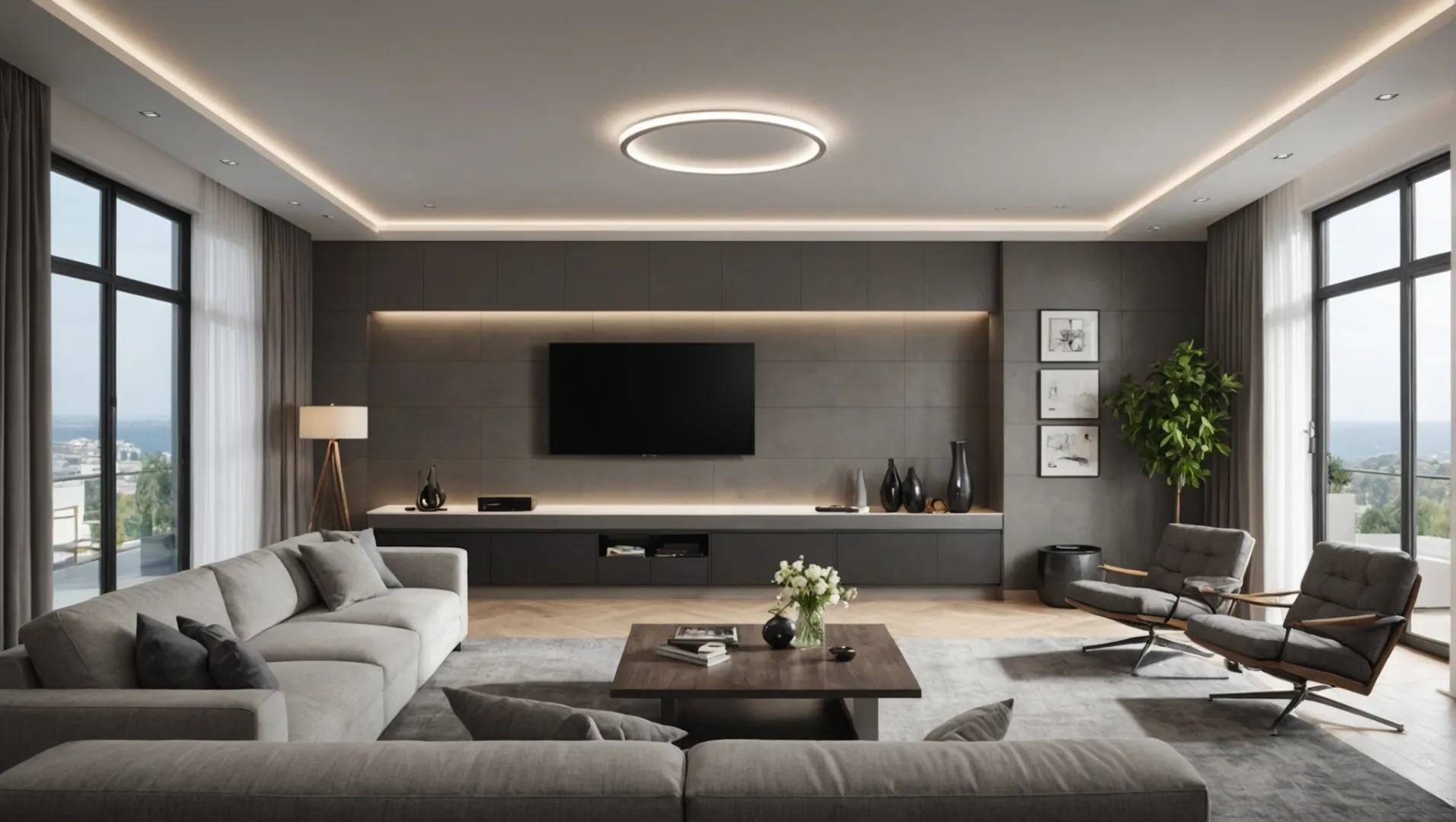
Deciding between wall or ceiling LED lights is more than just a choice; it’s about creating a vibe that resonates with your personal style.
For optimal lighting, consider ceiling LED lights for general illumination and wall-mounted LEDs for accent lighting. Ceiling installations provide widespread coverage ideal for tasks, while wall lights enhance décor by highlighting features.
But don’t stop here! The world of lighting is filled with nuances that can truly elevate your space. Let’s dive deeper into each option.
Ceiling LED lights offer better general illumination than wall LEDs.True
Ceiling LEDs provide widespread coverage, ideal for overall room lighting.
What Are the Advantages of Ceiling LED Lights?
Discover how ceiling LED lights can redefine your space with superior lighting solutions.
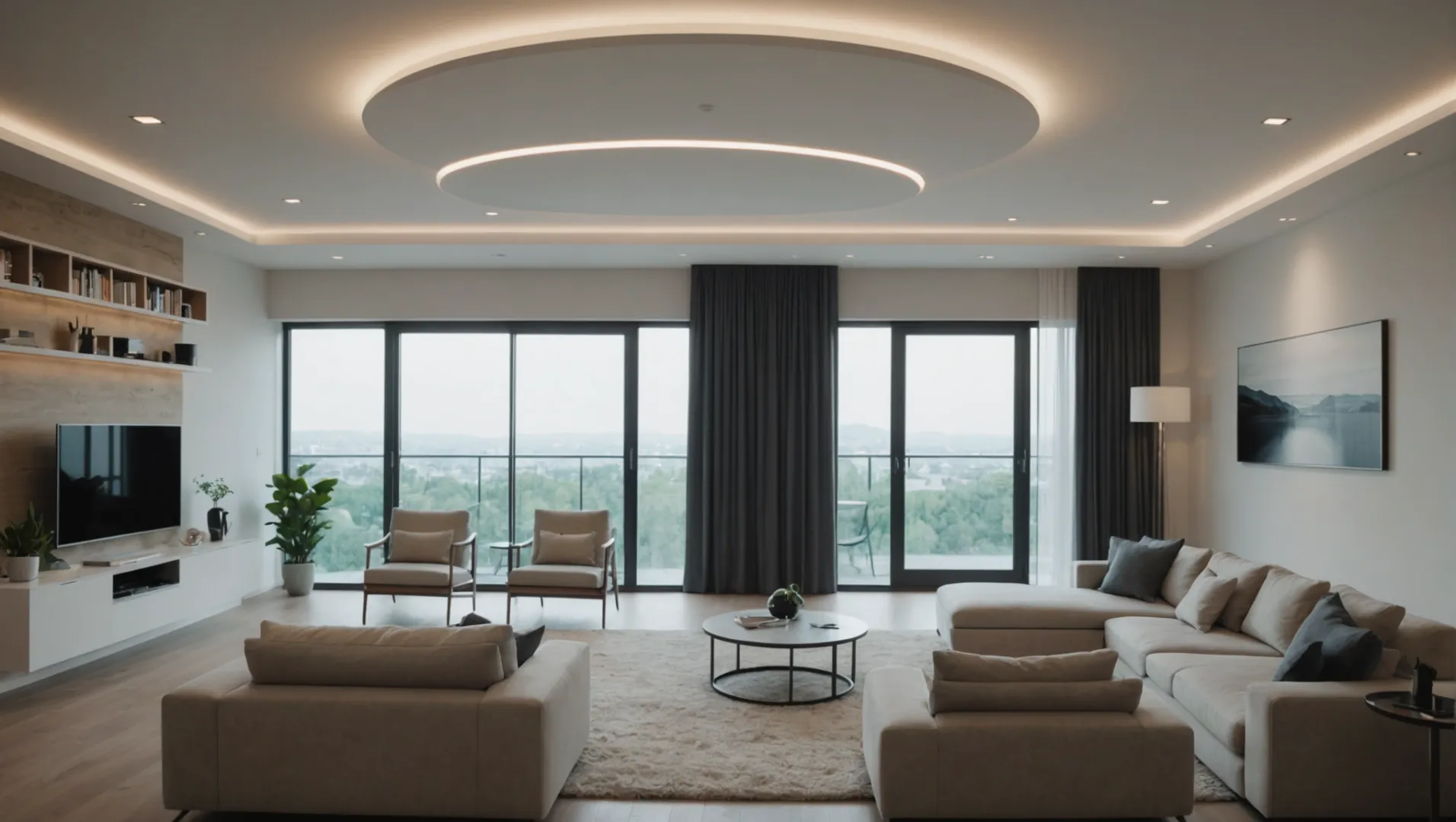
Ceiling LED lights offer energy efficiency, enhanced illumination, and versatile designs, making them ideal for any room.
Energy Efficiency
Ceiling LED lights are renowned for their energy efficiency compared to traditional lighting options. They consume significantly less electricity while providing the same or even greater levels of brightness. This leads to reduced energy bills and a smaller carbon footprint, making them a sustainable choice1 for environmentally conscious consumers.
Enhanced Illumination
One of the standout advantages of ceiling LED lights is their ability to provide consistent and widespread illumination. Unlike other lighting types, LED lights can cover a large area without casting harsh shadows, making them perfect for general lighting in living rooms, kitchens, and offices. Additionally, many ceiling LEDs offer adjustable brightness and color temperature settings to suit different moods and activities.
Versatile Design Options
Ceiling LED lights come in an array of designs, ranging from sleek modern fixtures to elegant chandeliers. This versatility allows homeowners and designers to choose options that align with their aesthetic preferences while also catering to functional needs. Whether it’s a flush mount for a minimalist look or a pendant light for a more dramatic effect, ceiling LEDs can be adapted to various interior styles.
Long Lifespan
Compared to traditional bulbs, LED lights have an exceptionally long lifespan. A well-maintained ceiling LED can last up to 50,000 hours or more, significantly reducing the frequency and cost of replacements. This longevity is particularly beneficial in commercial settings where maintenance costs can add up quickly. For homeowners, this means less hassle with changing bulbs and more reliability over time.
Safety Features
LED lights generate very little heat compared to incandescent or halogen bulbs, which significantly reduces the risk of fire hazards. This makes ceiling LEDs a safer option for homes, especially in areas where lights are left on for extended periods. Moreover, many LED lights are designed to be shatter-resistant, adding an extra layer of safety by minimizing the risk of broken glass.
In conclusion, ceiling LED lights offer numerous advantages that make them a compelling choice for both residential and commercial spaces. They provide efficient lighting solutions with design flexibility and enhanced safety features, ensuring that they meet a wide range of lighting needs.
Ceiling LED lights reduce energy bills significantly.True
LEDs consume less electricity, lowering energy costs.
LED lights cast harsh shadows in large areas.False
LEDs provide widespread illumination without harsh shadows.
How Do Wall-Mounted LED Lights Enhance Room Aesthetics?
Wall-mounted LED lights can transform your room by creating ambiance and highlighting architectural features.
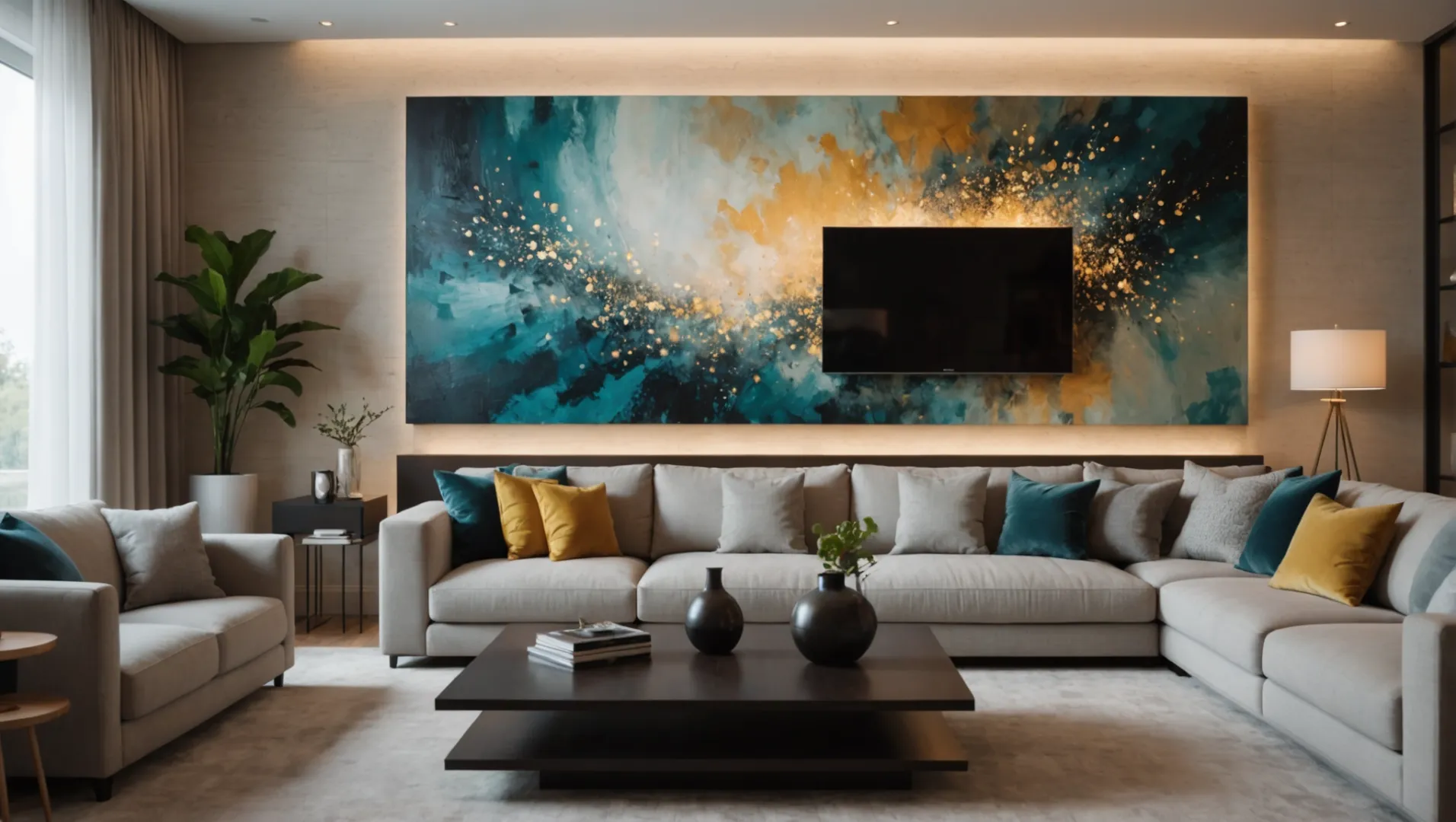
Wall-mounted LED lights enhance room aesthetics by providing focused lighting that highlights textures, art, and architectural details. They add depth and dimension, creating a cozy ambiance.
Creating Ambiance with Wall-Mounted LEDs
Wall-mounted LED lights are masters at crafting ambiance. By casting soft glows or sharp beams, they can transform the mood2 of any room. Whether you want a romantic setting or a vibrant atmosphere, the flexibility of LED lights allows you to adjust brightness and color, making them ideal for living rooms and bedrooms.
Highlighting Textures and Architectural Features
One of the most striking uses of wall-mounted LEDs is their ability to accentuate textures and architectural elements. Consider a stone wall or a textured wallpaper — with the right lighting, these features can become focal points. LEDs can be angled to highlight these textures, creating shadows that add depth and dimension. Using LED strips3 behind shelves or along the edges of architectural features can also add dramatic effects.
Showcasing Art and Décor
Artwork and decorative pieces can come alive with the right lighting. Wall-mounted LEDs can be used to spotlight paintings, sculptures, or any art pieces, drawing attention and adding value to them. The ability to direct light precisely means your art is always shown in the best light possible.
| Feature | Lighting Effect | Ideal Use Case |
|---|---|---|
| Textured Walls | Shadows and highlights for depth | Living rooms |
| Art Pieces | Spotlight for emphasis | Galleries |
| Shelves | LED strips for a modern aesthetic | Libraries |
Enhancing Functional Spaces
Apart from aesthetics, wall-mounted LEDs are practical for functional spaces like kitchens or bathrooms. Task lighting above countertops or mirrors not only enhances visibility but also adds a sleek, modern look. Consider installing dimmable LEDs4 in these areas to switch between task-oriented and relaxed lighting modes.
Energy Efficiency and Sustainability
LED lights are known for their energy efficiency, which makes them a sustainable choice for any home. They consume less electricity than traditional bulbs and have a longer lifespan. This means less frequent replacements and lower energy bills, making them both an eco-friendly and cost-effective option.
LED lights can create both ambiance and task lighting.True
LEDs are versatile, offering adjustable brightness for ambiance or tasks.
Wall-mounted LEDs are not energy efficient.False
LEDs are known for consuming less electricity and lasting longer.
Which Rooms Benefit Most from Ceiling Versus Wall Lighting?
Choosing the right type of lighting for different rooms can drastically enhance their functionality and atmosphere.
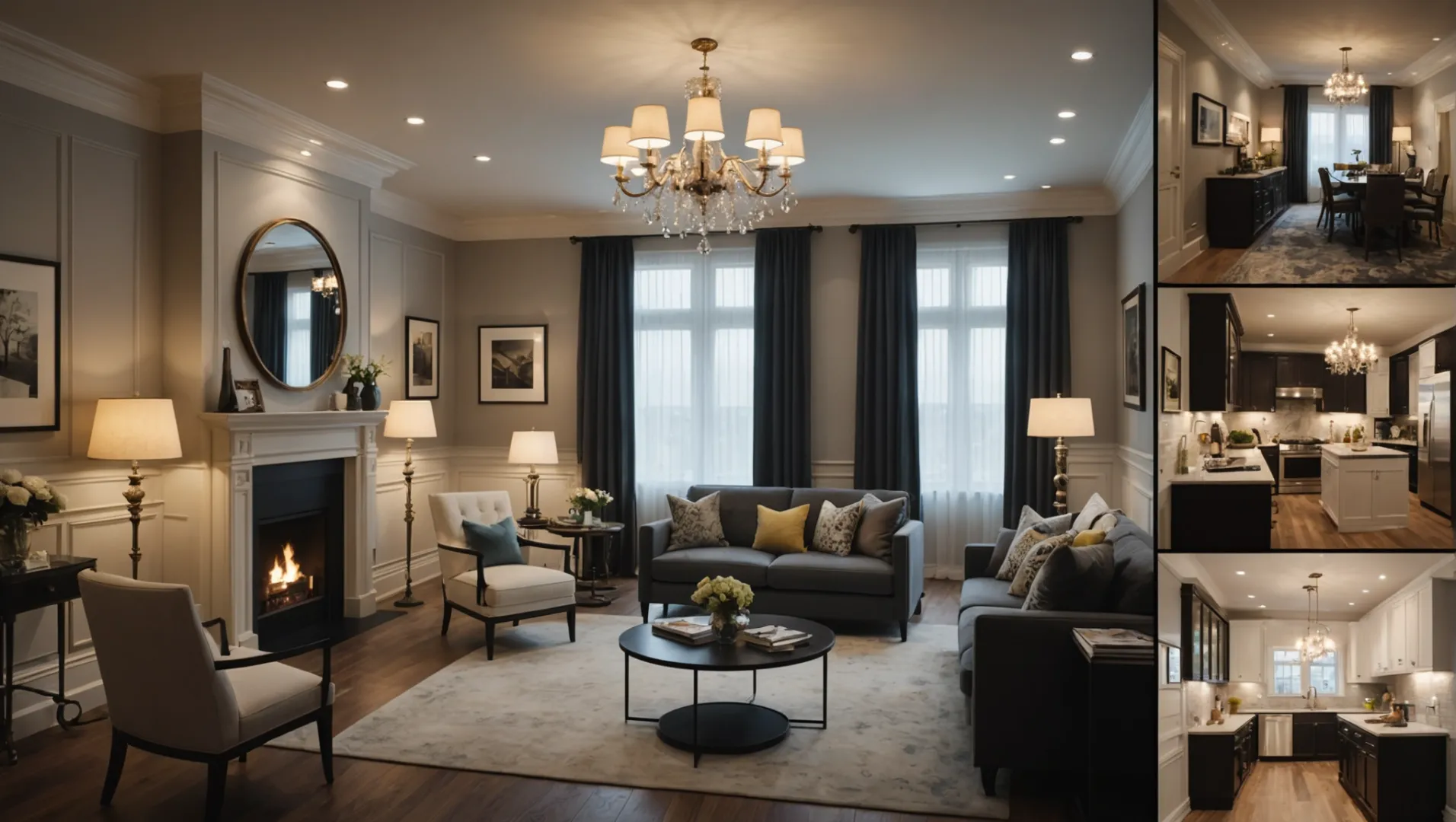
Living rooms and kitchens benefit from ceiling lighting for overall brightness, while bedrooms and hallways often favor wall lighting for ambiance and accents.
Understanding Room-Specific Needs
When considering lighting choices, it’s crucial to understand the unique needs of each room.
-
Living Rooms: These spaces often serve as the heart of the home, requiring flexible lighting solutions. Ceiling lights, such as chandeliers or flush mounts, provide ample illumination for gatherings or reading, while dimmable options offer mood-setting capabilities.
-
Kitchens: Task-oriented lighting is key in kitchens. Recessed ceiling lights are ideal for providing widespread coverage necessary for cooking and food preparation. Under-cabinet wall lights can complement this by illuminating work surfaces and adding style.
-
Bedrooms: Here, comfort and relaxation take precedence. Wall sconces or adjustable reading lights mounted near the bed are preferred, offering soft lighting that’s perfect for unwinding or late-night reading. Ceiling fixtures with dimming options can also be considered for broader illumination without compromising the cozy atmosphere.
-
Hallways and Staircases: Wall-mounted lights are typically favored in these areas. They not only brighten the path but also add decorative elements that enhance the architectural features of your home. For broader visibility, small ceiling lights can be incorporated strategically.
Lighting Flexibility for Multi-Use Rooms
Multi-purpose rooms demand versatile lighting solutions. For example, a home office may benefit from ceiling fixtures5 to ensure even light distribution across the room, while task-specific wall lights near workstations reduce glare and enhance focus.
Balancing Aesthetics with Functionality
In spaces like dining rooms, balancing aesthetics with functionality is crucial. Ceiling fixtures like pendant lights or chandeliers create a focal point over dining tables, whereas accent wall lights can highlight artwork or décor elements.
Ultimately, the choice between ceiling and wall lighting depends on the specific activities and ambiance you want to create in each room.
Living rooms benefit from ceiling lighting for gatherings.True
Ceiling lights provide ample illumination for social activities.
Bedrooms require bright ceiling lights for relaxation.False
Bedrooms favor soft wall lighting to create a cozy atmosphere.
How to Choose the Right LED Light Fixtures for Your Space?
Choosing the perfect LED light fixtures can dramatically influence your room’s atmosphere and functionality.
Consider the room’s purpose, size, and style when selecting LED fixtures. Assess natural light, ceiling height, and energy efficiency to ensure the lighting complements your space’s needs.
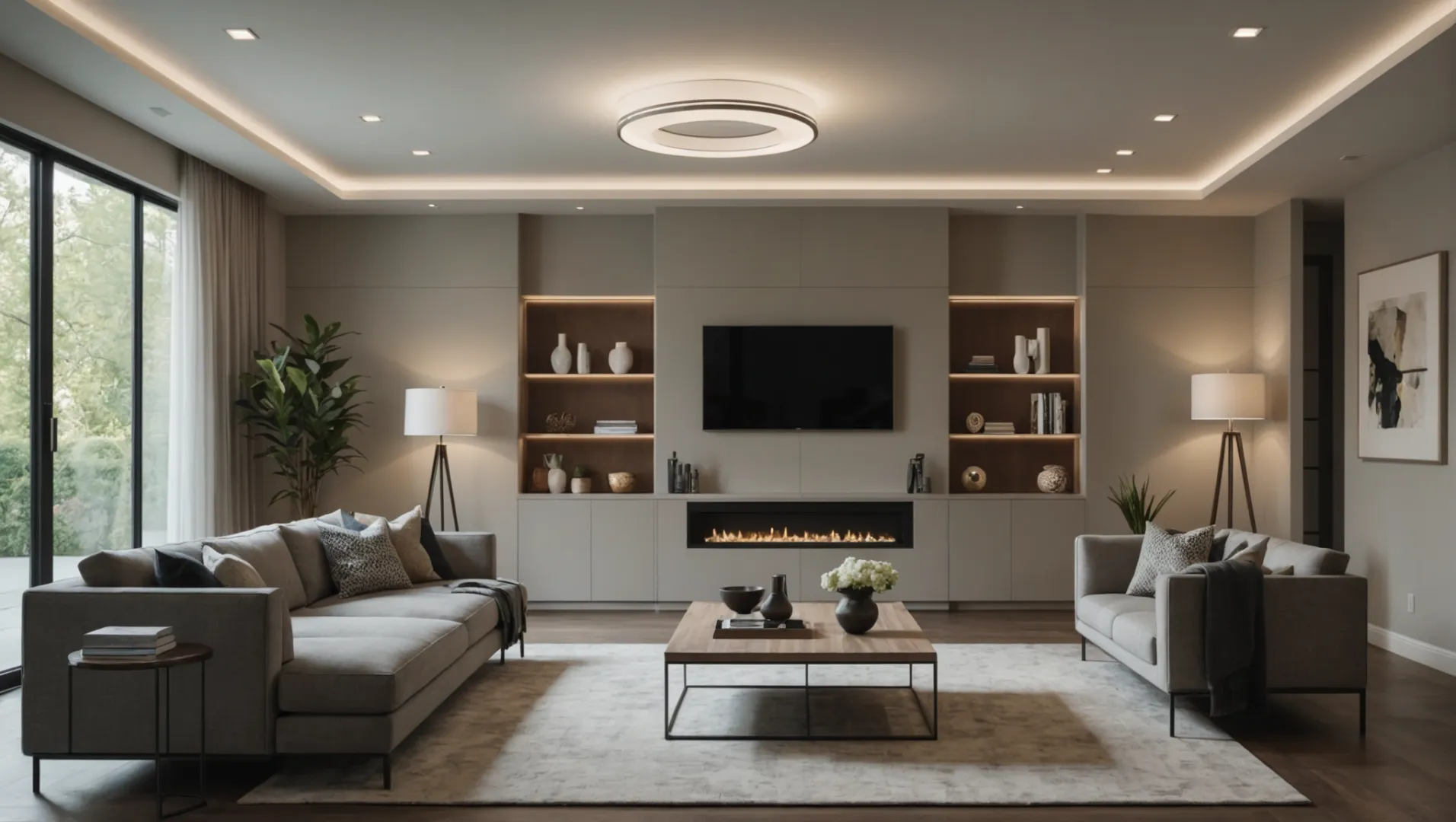
Determine the Room’s Purpose
Understanding the primary use of a room is crucial in selecting the right LED fixtures. For example, a kitchen requires bright, task-oriented lighting, whereas a living room benefits from softer, ambient lighting. In bedrooms, opt for dimmable LEDs to adjust the mood as needed.
Consider Room Size and Layout
The size and layout of a space significantly impact lighting choices. Large rooms might need multiple ceiling fixtures or a combination of ceiling and wall lights6 to ensure even illumination. For smaller spaces, compact LED fixtures or integrated light solutions can save space while providing sufficient light.
Assess Natural Light Sources
Natural light can affect how much artificial lighting is necessary. Rooms with abundant natural light might require fewer or different types of LED fixtures than those with limited sunlight. Use LED dimmers to adjust artificial lighting according to daylight levels.
Match the Style of the Space
LED fixtures come in various styles, from modern minimalistic designs to classic chandeliers. It’s important to choose fixtures that align with the room’s overall aesthetic. For instance, sleek recessed lights work well in contemporary settings, while vintage-style wall sconces might suit more traditional spaces.
Evaluate Energy Efficiency and Lifespan
LEDs are known for their energy efficiency and longevity, but there are still variations among products. Look for Energy Star-rated LEDs7 to ensure optimal performance and savings on electricity bills.
Factor in Installation and Maintenance
Some LED fixtures are easier to install and maintain than others. Consider whether you prefer a DIY-friendly option or if you’re willing to hire professionals for installation. Also, check how often the fixtures require cleaning or part replacements.
LEDs are ideal for rooms with abundant natural light.False
Rooms with abundant natural light may need fewer LEDs.
Energy Star-rated LEDs ensure optimal performance.True
Energy Star-rated LEDs are designed for efficiency and savings.
Conclusion
Ultimately, your choice between wall or ceiling LED lights should reflect your unique needs and aesthetic vision. Explore both options to craft a harmonious lighting design.
-
Explore why eco-friendly LED lighting is a sustainable choice.: A longer life span means lower carbon emissions. LED Lights last up to six times longer than other types of lights, reducing the requirement for frequent … ↩
-
Discover how lighting alters room mood and atmosphere effectively.: LED strip lights can also improve a room’s ambient light by adding accent. Running strips along toe kickers or under counters is a great way to add color or … ↩
-
Learn creative ways to incorporate LED strips into home décor.: LED strip lights can provide the correct level of illumination for your keyboard by being placed along the underneath of your desk or even behind your monitor. ↩
-
Explore why dimmable lights are essential for versatile lighting.: Dimmable LED lights are great for creating mood lighting – whether you’re having a romantic night-in, watching a movie or even playing your … ↩
-
Explore how ceiling fixtures enhance functionality in home office spaces.: In this guide, we’ll walk you through the valuable tips that will help you pick the right ceiling light fixture, promoting enhanced workforce efficiency. ↩
-
Explore how different light placements affect room ambiance.: For rooms with low ceilings, wall lights may be a practical choice. Taller spaces can accommodate ceiling lights more effectively, especially if … ↩
-
Learn about energy-efficient LED options to reduce electricity costs.: The ENERGY STAR is awarded to select fixture types that meet strict efficiency, quality, and lifetime criteria. ↩






