Skip to content
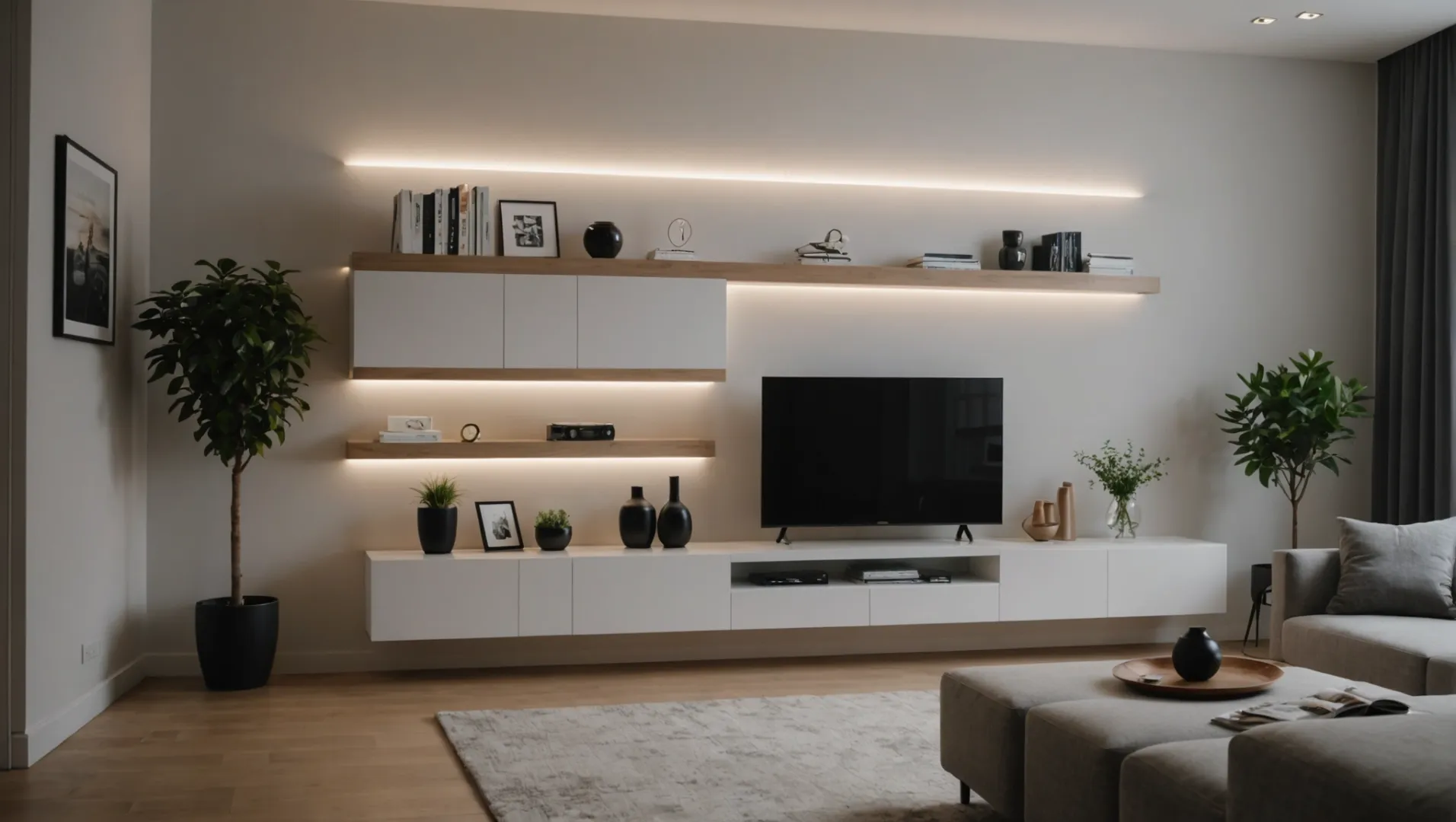
Ever since I installed LED strip lights in my home, I’ve been amazed at how they blend style with energy efficiency. But just how much do they actually use?
On average, LED strip lights use about 4-5 watts per meter, making them significantly more energy-efficient than traditional lighting options. Their low power consumption translates to reduced electricity costs, contributing to both savings and environmental sustainability.
Understanding the basic wattage is just the tip of the iceberg. Let’s dive deeper into what really affects your electricity bill when using these versatile lights.
LED strip lights use about 4-5 watts per meter.True
LED strips are energy-efficient, consuming 4-5 watts per meter, reducing costs.
What Factors Affect the Energy Usage of LED Strip Lights?
LED strip lights are known for their energy efficiency, but several factors can influence their power consumption.
The energy usage of LED strip lights is influenced by factors such as brightness level, color temperature, and usage duration. Understanding these can help in optimizing their efficiency and reducing costs.
Brightness and Lumens
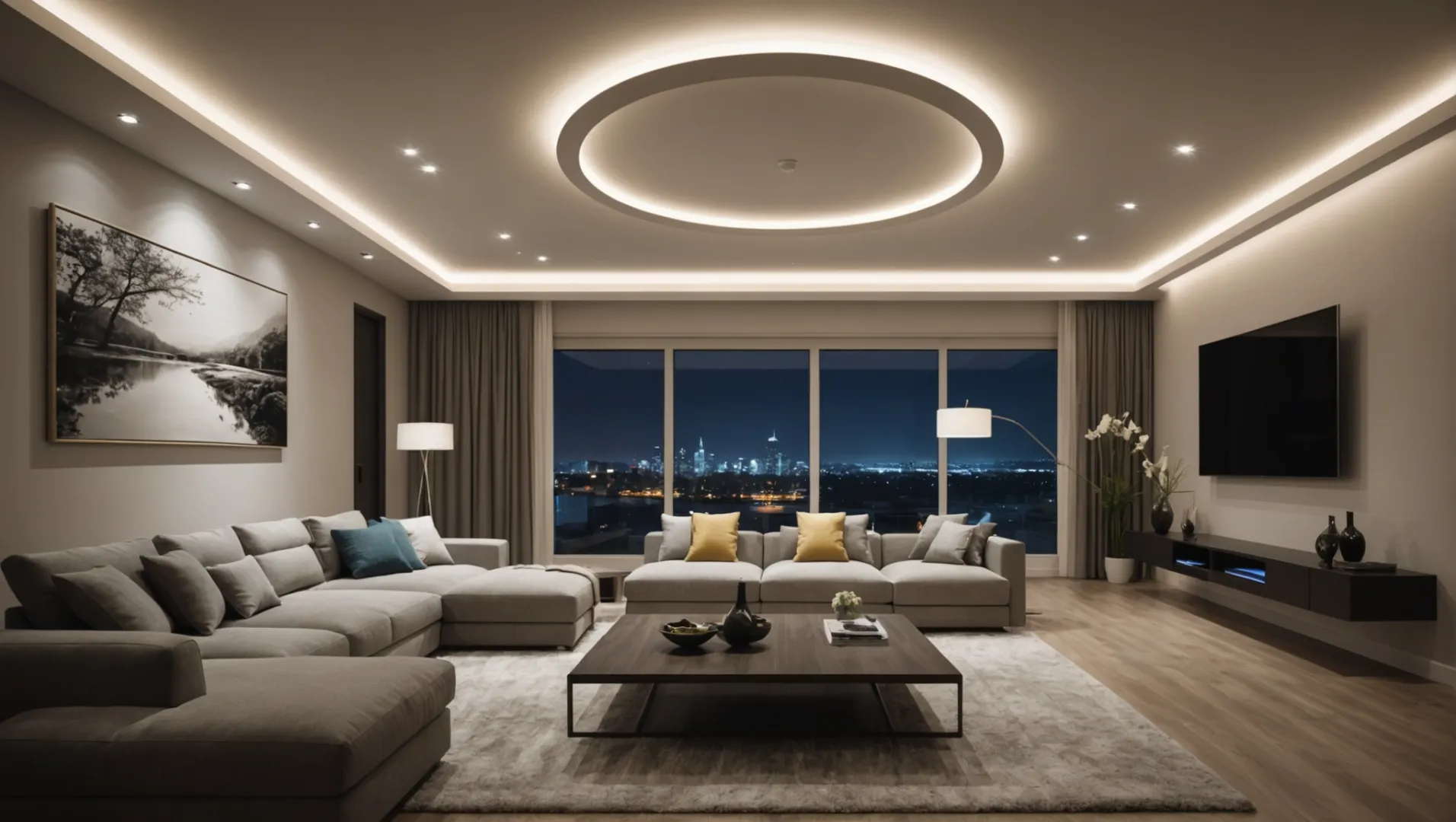
The brightness of LED strip lights is measured in lumens. Higher lumens equate to brighter light, which typically requires more power. Therefore, choosing the right brightness level for your space can help manage energy consumption effectively. For instance, accent lighting may require lower lumens compared to task lighting.
Color Temperature
Color temperature, measured in Kelvin (K), also impacts energy usage. Cooler colors (higher Kelvin values) might consume more power than warmer tones due to the different materials and technologies involved in producing these hues. Opting for a color temperature that aligns with your needs without exceeding necessary lumens can optimize efficiency.
Length and Density of the Strips
The length and LED density of the strip also contribute significantly to overall energy consumption. A longer strip or one with more LEDs per meter will naturally use more power. Here’s a quick reference table:
| Length (meters) | LEDs per Meter | Average Power Consumption (Watts) |
|---|---|---|
| 1 | 30 | 2 |
| 1 | 60 | 4 |
| 1 | 120 | 8 |
Selecting strips that meet but do not exceed your lighting requirements will help maintain low energy usage.
Usage Duration
The time duration for which the LED strip lights are used directly affects electricity usage. Longer usage times naturally lead to higher energy consumption. Consider installing timers or smart controls to manage lighting schedules efficiently, ensuring lights are off when not needed.
Power Supply Efficiency
The efficiency of the power supply unit (PSU) used with the LED strips can also impact overall energy consumption. A high-efficiency PSU minimizes energy loss during conversion, further reducing the overall electricity usage. Investing in a quality PSU is a smart choice for long-term savings.
For more insights on managing LED lighting systems, explore LED strip light power supply efficiency1.
Higher lumens in LED strips increase energy consumption.True
Brighter lights require more power, increasing energy usage.
Cooler color temperatures reduce LED strip energy usage.False
Cooler colors may use more power due to production technologies.
How Do LED Strip Lights Compare to Traditional Bulbs in Terms of Efficiency?
LED strip lights promise greater efficiency than traditional bulbs, but how do they truly measure up?
LED strip lights are generally more energy-efficient than traditional bulbs, consuming less power for the same light output. They convert about 90% of energy into light, whereas traditional bulbs convert only around 10%, wasting the rest as heat. This efficiency not only reduces electricity bills but also minimizes environmental impact.
Understanding Energy Efficiency in Lighting
When evaluating lighting options, efficiency is a key consideration. Energy efficiency in lighting refers to the ratio of useful light output (lumens) to the power input (watts). LED strip lights have revolutionized this balance by providing high lumens per watt ratio compared to traditional incandescent or even CFL (Compact Fluorescent Lamp) bulbs.
- Lumens per Watt: LED strips can produce about 80-100 lumens per watt, whereas incandescent bulbs manage only about 10-17 lumens per watt.
- Heat Emission: A significant portion of an incandescent bulb’s energy is lost as heat. In contrast, LEDs remain cool to the touch and allocate most of their energy to light production, thereby increasing their efficiency.
Cost Implications of Efficiency
The superior efficiency of LED strip lights translates into tangible cost savings. Consider the following comparison:
| Lighting Type | Average Lifespan | Lumens per Watt | Annual Operating Cost (based on 3 hours/day) |
|---|---|---|---|
| Incandescent | 1,000 hours | 10-17 | $8-$12 |
| CFL | 8,000 hours | 40-70 | $2-$4 |
| LED Strip Lights | 25,000 hours | 80-100 | $1-$2 |
Environmental Impact
Switching from traditional bulbs to LED strip lights not only saves money but also benefits the environment. LEDs are free from hazardous materials like mercury found in CFLs, and their long lifespan means less frequent replacements and reduced waste.
Real-World Applications and Efficiency Gains
Consider a scenario where a homeowner replaces all traditional bulbs with LED strips in a kitchen or living space. Not only will they experience reduced utility bills due to lower power consumption, but they’ll also enjoy consistent, high-quality lighting.
While upfront costs for LEDs might be higher than for traditional bulbs, the long-term savings make them a smart investment. The efficiency and longevity of LEDs explain why upgrading your home lighting2 is a practical choice today.
LED strip lights emit more heat than traditional bulbs.False
LEDs are efficient and convert most energy to light, not heat.
Switching to LED strips reduces environmental impact.True
LEDs last longer and contain no hazardous materials, unlike CFLs.
Can You Calculate the Cost of Running LED Strip Lights?
Calculating the cost of running LED strip lights involves understanding their power usage and local electricity rates.
To calculate the cost of running LED strip lights, multiply the wattage per meter by the total length and hours used daily. Then, convert this to kilowatt-hours and multiply by your electricity rate to find the daily cost.
Understanding Wattage and Length
LED strip lights generally use around 4-5 watts per meter. To estimate costs, start by determining the total length of LED strip lights you plan to use. For instance, if you have 10 meters, you would use 40 to 50 watts in total.
Calculating Power Consumption
To find out how much energy your LED strips consume, multiply the total wattage by the number of hours they are on each day. For example:
- Total wattage: 50 watts
- Usage: 5 hours per day
- Daily energy use: 50 watts x 5 hours = 250 watt-hours or 0.25 kWh
Converting to Cost
Electricity prices vary globally, but an average rate might be $0.12 per kWh. Multiply your daily kWh usage by this rate:
- Daily cost: 0.25 kWh x $0.12 = $0.03
Monthly and Annual Costs
To extend this to a monthly cost, multiply by 30 (days), or for a yearly estimate, multiply by 365:
- Monthly cost: $0.03 x 30 = $0.90
- Annual cost: $0.03 x 365 = $10.95
Additional Considerations
Factors such as dimming capabilities and using timers can further reduce energy consumption, providing additional savings. Additionally, comparing LED strips3 with other lighting options might reveal even more potential savings and efficiencies.
Sample Calculation Table:
| Parameter | Value |
|---|---|
| Length of LED | 10 meters |
| Wattage per meter | 5 watts |
| Total wattage | 50 watts |
| Hours per day | 5 hours |
| Daily energy use | 0.25 kWh |
| Electricity rate | $0.12/kWh |
| Daily cost | $0.03 |
| Monthly cost | $0.90 |
| Annual cost | $10.95 |
This simple calculation shows how affordable LED strip lighting can be, especially when compared to traditional lighting solutions.
LED strip lights use 4-5 watts per meter.True
LED strips typically consume 4-5 watts per meter, as stated.
Monthly cost of LED strips is $0.30 for 10 meters.False
The monthly cost for 10 meters is $0.90, not $0.30.
What Are the Best Practices for Maximizing LED Strip Light Efficiency?
Unlock the full potential of your LED strip lights with these efficiency-boosting strategies.
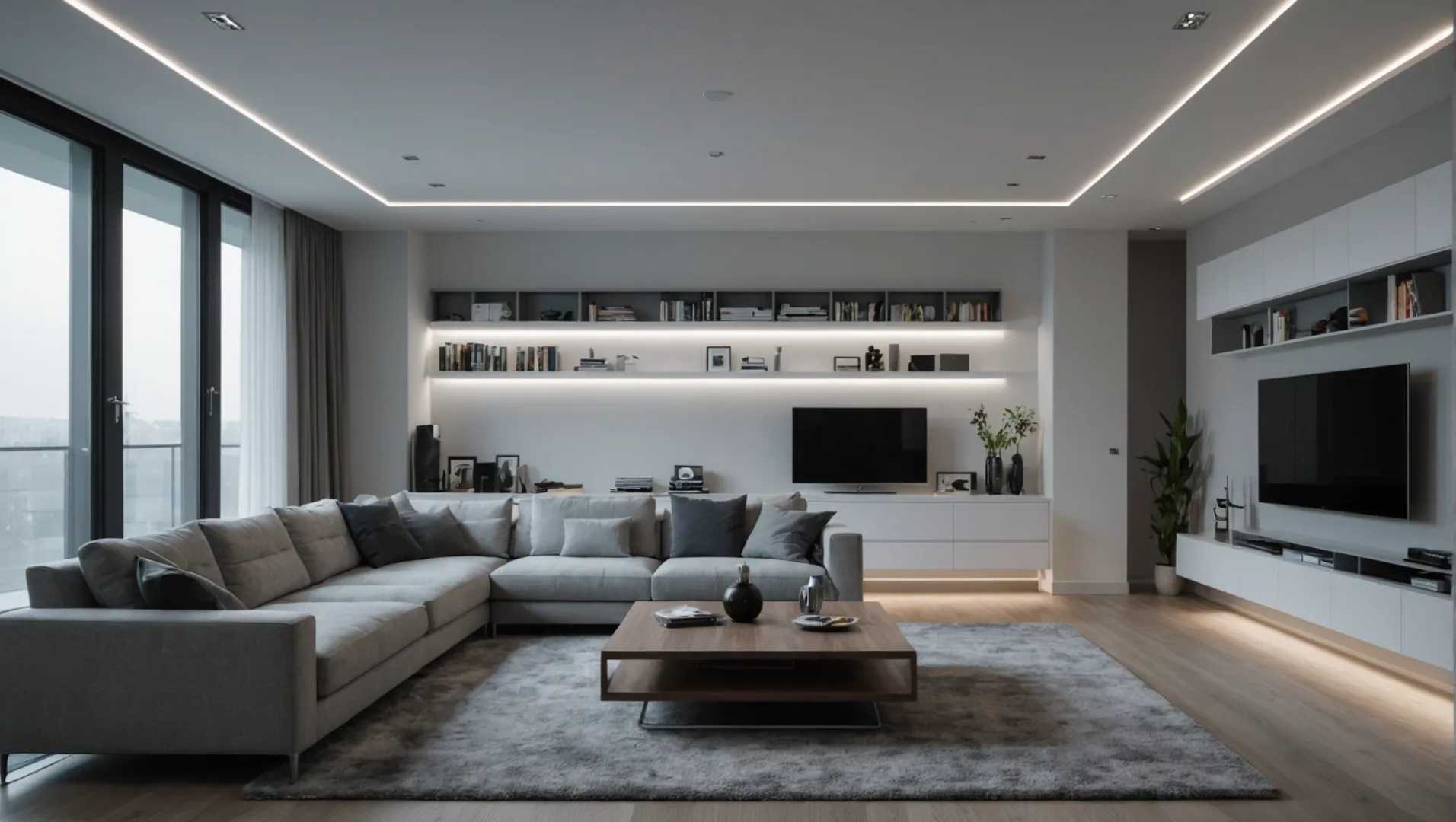
To maximize LED strip light efficiency, use high-quality LEDs, optimize placement to reduce shadows, ensure proper ventilation to avoid overheating, and employ dimmers or smart controls to adjust brightness as needed. These practices enhance both performance and lifespan, ensuring you get the best return on your investment.
Choose High-Quality LED Products
Not all LEDs are created equal. Investing in high-quality LED strip lights4 ensures better efficiency and longer lifespan. Look for strips with a higher lumens-to-watts ratio, as this indicates they produce more light with less energy.
Optimize Placement and Installation
Proper placement plays a crucial role in maximizing efficiency. Position your LED strips to minimize shadows and maximize light coverage. Avoid placing them too close to reflective surfaces, which can cause glare and reduce perceived brightness.
Ensure Adequate Ventilation
LEDs generate some heat, and while they’re more efficient than traditional bulbs, overheating can still reduce their lifespan and efficiency. Ensure that your installation allows for sufficient airflow to dissipate heat. Consider using aluminum profiles that not only provide a clean finish but also act as heat sinks.
Utilize Dimmers and Smart Controls
Dimmers can significantly increase the efficiency of your LED strips by allowing you to adjust brightness according to your needs. Smart controls offer the added benefit of scheduling and remote access, making it easier to conserve energy without sacrificing convenience. Smart lighting systems5 are becoming increasingly popular for their user-friendly interfaces and energy-saving capabilities.
Perform Regular Maintenance
Dust and dirt can accumulate on LED strips over time, reducing their brightness and efficiency. Regular cleaning ensures that they continue to perform optimally. Additionally, check connections and power supplies regularly to ensure they are functioning correctly.
By following these best practices, you can ensure that your LED strip lights operate at peak efficiency, providing excellent illumination while minimizing energy consumption.
High-quality LEDs have a higher lumens-to-watts ratio.True
High-quality LEDs are more efficient, producing more light per watt.
Placing LED strips near reflective surfaces increases brightness.False
Reflective surfaces cause glare, reducing perceived brightness.
Conclusion
By embracing LED strip lights, I’m not just saving money—I’m also making a positive impact on the environment. It’s a win-win!
-
Discover tips for selecting an efficient power supply for cost savings.: The first step is to figure out what the voltage of the LED strip is. The majority of LED strips available on the market run at 12V DC. Others are primarily at … ↩
-
Learn about cost savings and eco-friendly benefits of using LEDs.: LED strip lighting is much more energy efficient than traditional lighting and can save you up to 80% in energy costs. ↩
-
Compare LEDs with traditional lighting for efficiency insights.: By significantly lowering energy consumption and reducing waste, heavy duty LED strip lights offer a greener alternative to traditional lighting … ↩
-
Discover top-rated LED strip lights for better efficiency and durability.: We have tested dozens and like the Govee LED Strip Light M1 because it delivers bright, accurate colors, includes more special effects and features than any … ↩
-
Explore how smart lighting systems enhance control and save energy.: Top 5 benefits of smart lighting · 1. Convenience · 2. Saving energy · 3. Oh, so many colors! · 4. Sync the lights with entertainment · 5. ↩