
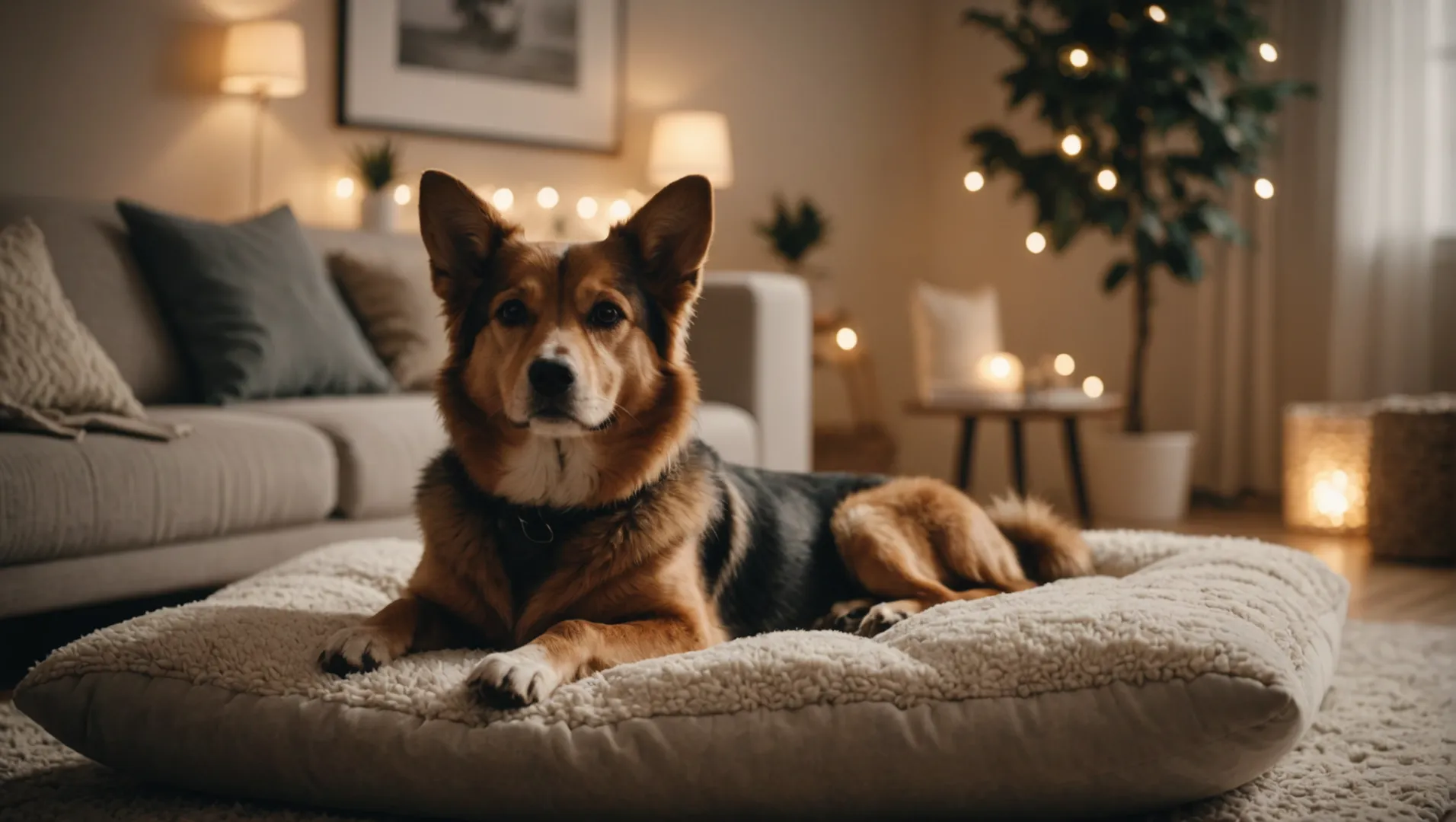
Have you ever wondered if the bright LED lights in your home are safe for your beloved dog? You’re not alone!
LED lights are generally safe for dogs’ eyes. However, excessively bright or direct exposure can cause discomfort or temporary vision issues. It’s advisable to use diffused lighting and avoid placing lights at eye level to ensure your dog’s comfort and safety.
While knowing that LED lights are generally safe is reassuring, there are more aspects to consider regarding how lighting affects your dog’s overall well-being. Read on to discover how different colors impact behavior and what lighting setups ensure the best environment for your pet.
LED lights can disrupt dogs' sleep patterns.True
Blue light from LEDs inhibits melatonin, affecting sleep cycles.
How Do LED Lights Affect Dogs’ Sleep Patterns?
Curious about how LED lights might impact your dog’s sleep? Discover the science behind lighting and canine rest.
LED lights can disrupt dogs’ sleep if they emit blue light, which interferes with melatonin production. For optimal rest, use warm white LEDs and maintain a consistent lighting schedule.
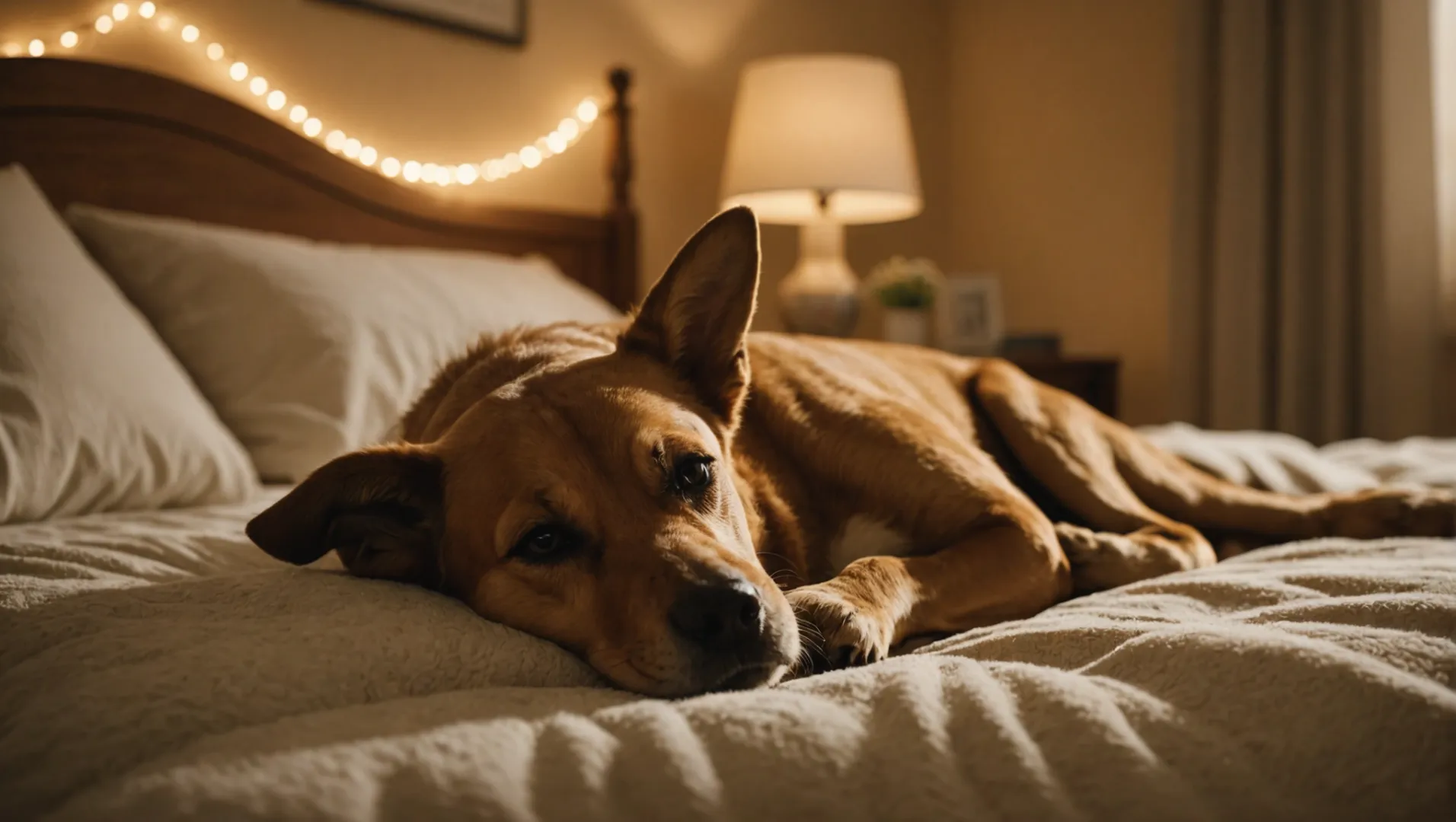
The Science Behind Light and Canine Sleep
Dogs, like humans, have a circadian rhythm influenced by light. This biological clock regulates sleep-wake cycles. Light exposure, particularly blue light1, can inhibit melatonin, the hormone responsible for promoting sleep.
How LED Lights Differ from Traditional Lighting
LED lights are energy-efficient and versatile, but their high blue light content is a concern. Unlike incandescent bulbs that emit a warmer light spectrum, LEDs can mimic daylight, potentially disrupting sleep cycles in dogs. A study2 revealed that exposure to blue light before bedtime led to restlessness in animals.
Creating a Sleep-Friendly Environment
- Choose the Right Color Temperature: Opt for warm white or amber LED lights for areas where your dog sleeps. These colors are less likely to disrupt melatonin production.
- Implement a Lighting Schedule: Consistency is key. Gradually dim lights in the evening to signal bedtime.
- Avoid Direct Eye Contact: Position lights away from your dog’s eye level to reduce direct exposure.
| Lighting Feature | Recommended Practice |
|---|---|
| Color Temperature | Warm white or amber |
| Timing | Gradual dimming in the evening |
| Placement | Avoid direct line of sight with eyes |
Observing Your Dog’s Sleep Patterns
Pay attention to your dog’s sleep behavior when you introduce new lighting. Watch for signs of restlessness or changes in sleeping positions. If issues arise, consider adjusting the lighting setup or consulting with a veterinarian who can offer further advice3.
LED lights can disrupt dogs' sleep patterns.True
Blue light from LEDs inhibits melatonin production, affecting sleep.
Warm white LEDs are best for dogs' sleep environments.True
Warm white LEDs emit less blue light, promoting better sleep.
Can Different Colors of LED Lights Influence Your Dog’s Behavior?
Colorful LED lights can create vibrant environments, but how do they affect your dog’s behavior?
Different colors of LED lights can influence a dog’s behavior by affecting mood and activity levels. For example, blue light may promote calmness, while red can increase energy. Pet owners should consider these effects when choosing lighting for their pets.
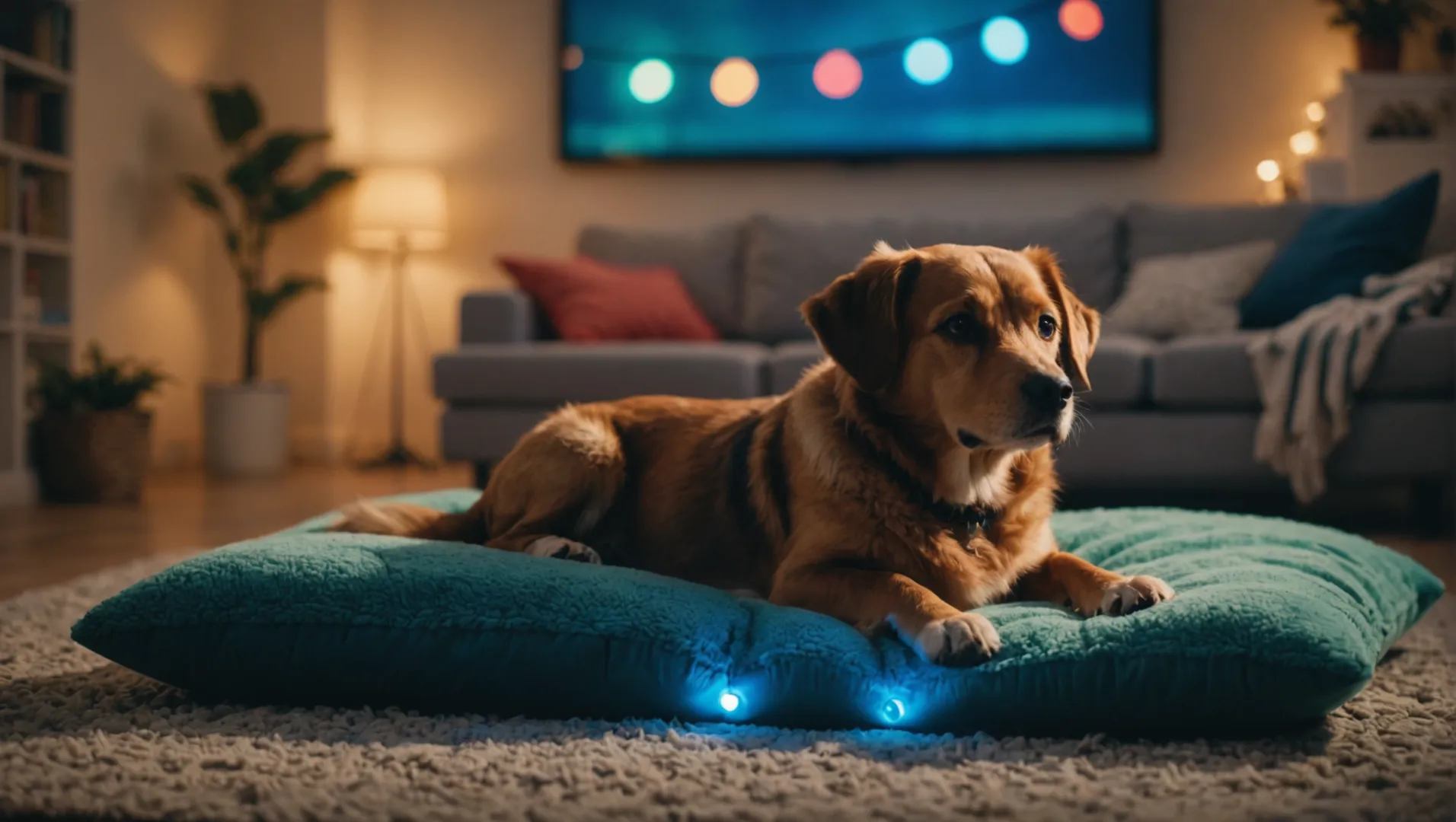
Understanding the Influence of Color on Dogs
Colors can have profound effects on behavior, not just in humans but also in animals. Dogs perceive colors differently than humans, seeing a spectrum dominated by blues and yellows. This unique perception makes them particularly sensitive to certain colors.
-
Blue Light: Often associated with calmness and relaxation, blue LED lights can help reduce anxiety in dogs. This color is ideal for settings where tranquility is desired, such as sleeping areas.
-
Red Light: Known to stimulate energy and excitement, red can be used in play areas where increased activity is beneficial. However, overexposure might lead to hyperactivity.
-
Green Light: While not as impactful as blue or red, green can promote a sense of balance and harmony, making it suitable for general areas where dogs spend time.
Practical Applications of LED Colors
To effectively utilize colored LEDs for behavioral benefits, consider the following setups:
| Color | Best Application | Potential Effect |
|---|---|---|
| Blue | Sleeping areas | Calming effect |
| Red | Play zones | Energy boost |
| Green | Living spaces | Balanced mood |
Creating a Pet-Friendly Lighting Environment
When setting up LED lighting for your pet, it’s crucial to balance aesthetics with your dog’s well-being. Always ensure that lights are not overly bright and avoid direct exposure to prevent discomfort.
Using color psychology4 techniques in your home can further enhance the effects of lighting on your dog’s behavior. Additionally, consulting with a veterinary behaviorist5 can provide tailored advice specific to your pet’s needs.
Blue LED lights calm dogs.True
Blue light is linked to tranquility, aiding in reducing anxiety.
Red LED lights reduce energy in dogs.False
Red light stimulates energy, potentially increasing activity levels.
What Are the Best Lighting Options for Pet-Friendly Homes?
Creating a pet-friendly home involves selecting the right lighting that ensures comfort and safety for your furry companions.
The best lighting options for pet-friendly homes are soft, indirect lights that minimize glare and flicker. Incorporating dimmable and color-changing bulbs can help maintain a soothing environment, accommodating both daytime activities and restful nighttime settings for pets.
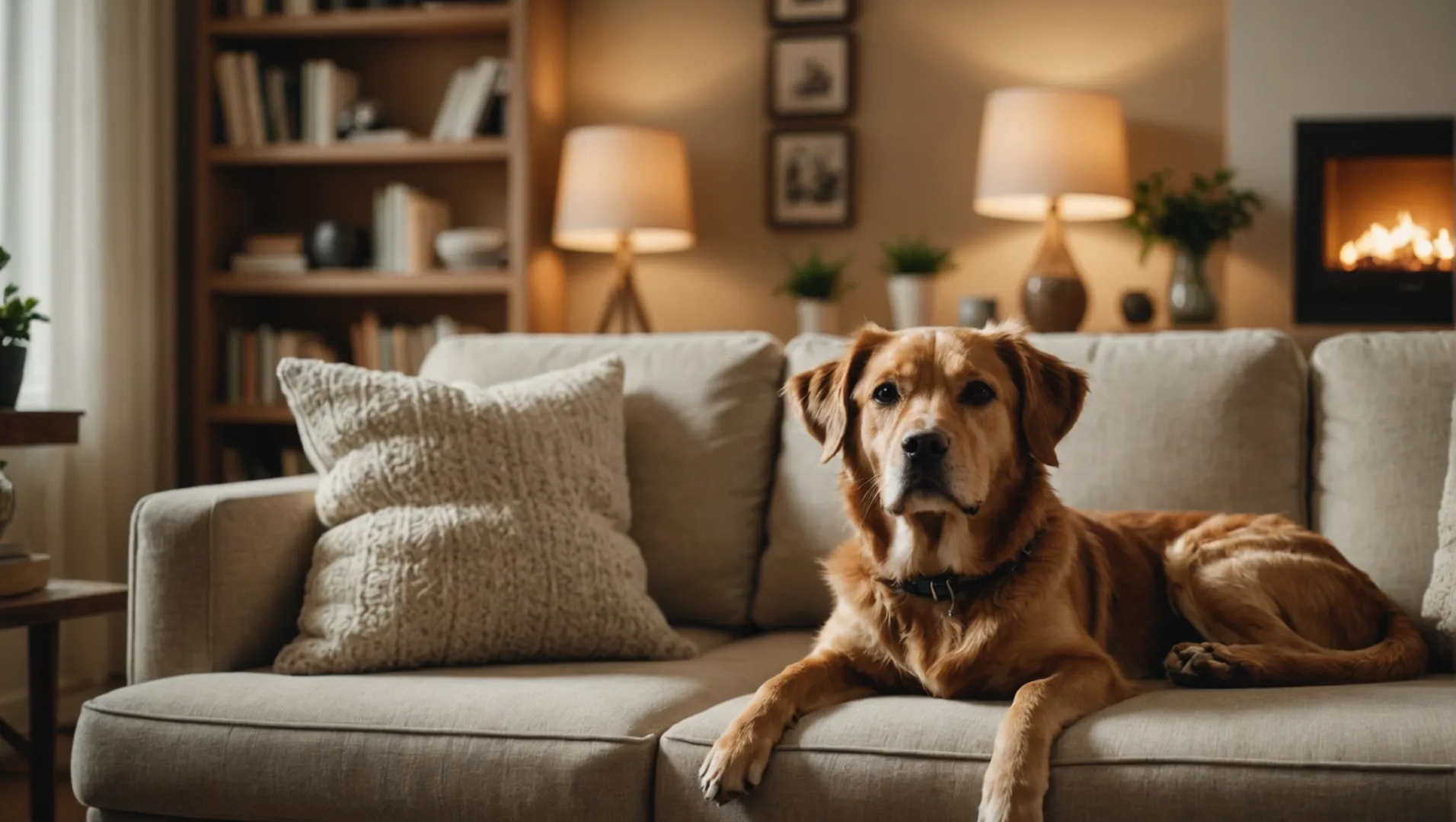
Understanding Pet Sensitivity to Light
Pets, particularly dogs and cats, have different visual capabilities than humans. Their eyes are more sensitive to motion and less to color, meaning that bright or rapidly changing lights can be stressful or even disorienting. Therefore, selecting lighting that minimizes these effects is crucial.
Types of Lighting Suitable for Pets
-
Dimmable LED Bulbs: These allow you to adjust the brightness levels according to your pet’s comfort. Dimming the lights during nighttime can help pets relax and maintain their natural circadian rhythms.
-
Full-Spectrum Bulbs: Emulating natural sunlight, these bulbs can positively impact your pet’s mood and overall well-being. They are especially beneficial for pets that spend a lot of time indoors.
-
Smart Lighting Systems: Smart bulbs offer the flexibility to change light colors and intensity through mobile apps or voice commands. This adaptability is particularly useful in creating a calming ambiance during stressful events like thunderstorms or fireworks.
Implementing Lighting in Different Areas
-
Living Rooms: Use floor lamps with opaque shades to diffuse light and avoid glare. Placing lights behind furniture can help create indirect lighting.
-
Bedrooms: Install soft nightlights to ensure your pets can navigate comfortably without being disturbed by bright overhead lights.
-
Outdoor Spaces: Consider solar-powered lights that automatically adjust to dusk, providing gentle illumination without overwhelming your pets’ senses.
Key Considerations
When designing a pet-friendly home6, remember that comfort extends beyond just the type of light. The position of lighting fixtures, the possibility of reflections off shiny surfaces, and the avoidance of flashing lights all contribute to a harmonious environment.
Moreover, it’s important to observe your pets’ reactions to different lighting setups and adjust accordingly. Just like humans, each pet may have individual preferences and tolerances.
Dimmable LED bulbs are ideal for pet-friendly homes.True
Dimmable LEDs allow brightness adjustment, aiding pet comfort.
Bright, flickering lights are best for pet environments.False
Bright, flickering lights can stress pets, unlike soft, indirect lighting.
How to Safely Use LED Lights Around Your Pets?
Ensuring your pet’s safety with LED lighting is crucial for their well-being. Learn how to optimize lighting for your furry companion’s comfort.
To safely use LED lights around pets, opt for warm or natural light settings and ensure fixtures are out of reach to prevent direct exposure. Consider dimmable LEDs to adjust brightness as needed, creating a comfortable environment.
Understanding Light Intensity and Placement
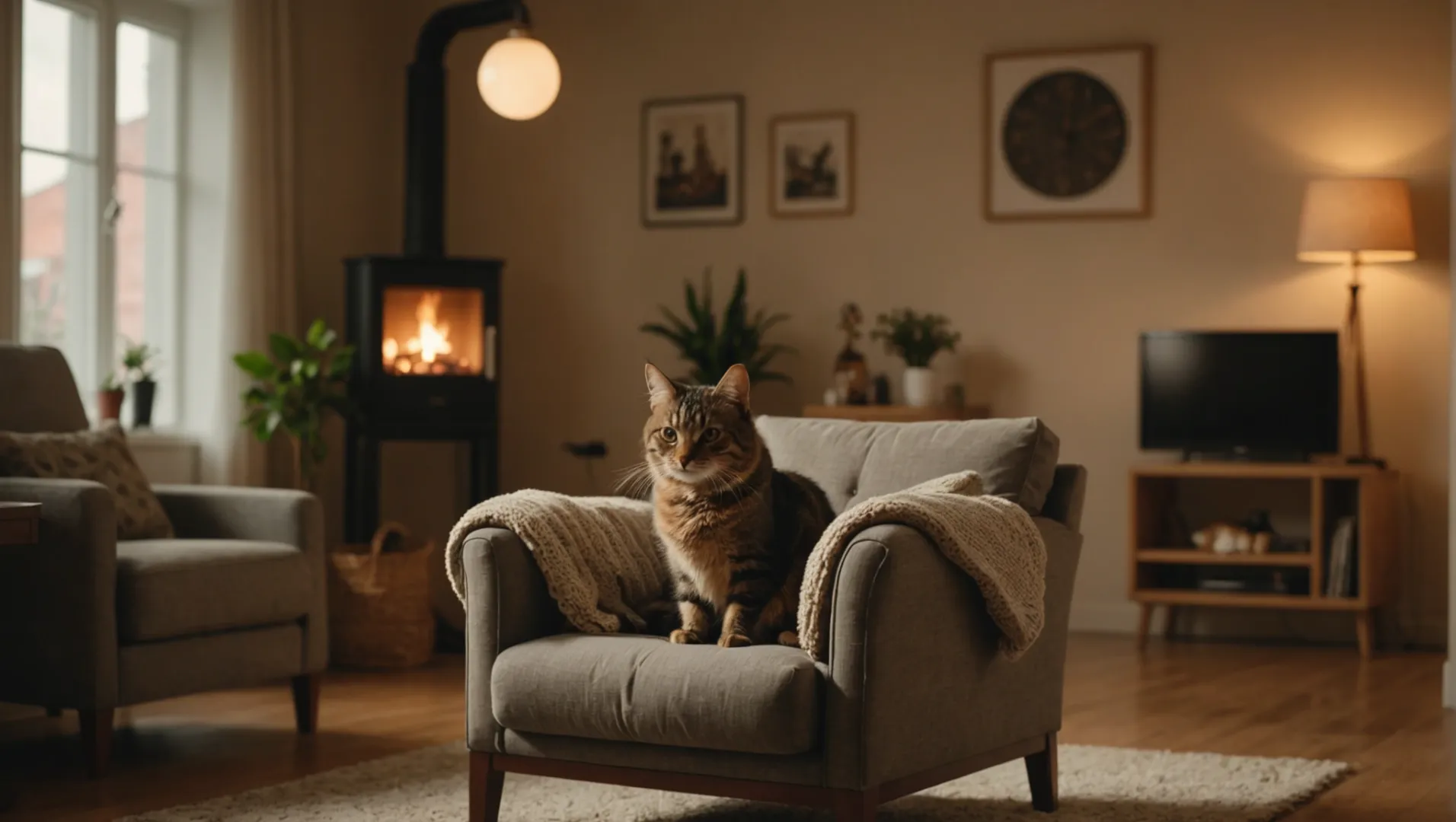
When using LED lights around pets, it’s essential to consider both the intensity and placement of the lights. Bright, direct lighting can be harsh on your pet’s eyes, similar to how it affects humans. To mitigate this, choose LED bulbs with a lower lumens rating for areas your pets frequent.
Position lights in a way that avoids direct eye-level exposure. Instead, use ceiling-mounted fixtures or indirect lighting options. Adjustable light stands7 can be a great way to control the direction and intensity of light without compromising the aesthetics of your home.
Choosing the Right Color Temperature
LED lights come in various color temperatures, measured in Kelvin (K). For pet safety, it’s recommended to use warmer light settings, typically between 2700K and 3000K, which mimic natural sunlight and are less likely to cause stress or discomfort.
Table:
| Color Temperature | Description | Best Use |
|---|---|---|
| 2700K – 3000K | Warm White | Living areas, bedrooms |
| 4000K – 5000K | Cool White | Kitchens, workspaces |
| 6000K – 6500K | Daylight | Outdoor settings |
Opting for LEDs with adjustable color temperatures can also help customize the lighting to suit both human and animal occupants of your home.
Implementing Dimmable Solutions
Dimmable LED lights are an excellent choice for pet owners because they allow you to adjust the brightness according to different times of day and activities. This flexibility can help in maintaining a calming atmosphere during the evening or increase visibility when needed during playtime.
Ensure your dimmers are compatible with your LED bulbs to avoid flickering, which can be unsettling for pets. Smart home integration8 offers the added convenience of controlling light settings through apps or voice commands.
Preventing Chew Hazards
Pets, especially curious puppies or kittens, may chew on wires or knock over lamps. Secure any loose wires by tucking them behind furniture or using cable management solutions. Place lamps and other lighting fixtures out of reach or use wall-mounted options where possible.
In addition to physical safety measures, consider using "pet-proof" designs that are durable and stable enough to withstand a playful nudge without falling over.
Warm LED lights are safest for pets.True
Warm lights mimic natural sunlight, reducing stress on pets.
Direct LED exposure is harmless to pets.False
Direct exposure can be harsh; indirect lighting is safer.
Conclusion
Understanding LED light impacts helps ensure a safe home for your dog. Balance brightness, choose soothing colors, and consider your pet’s comfort to enhance their well-being.
-
Understand why blue light can hinder sleep cycles.: Blue light is a portion of the visible light spectrum that can influence alertness, hormone production, and sleep cycles. ↩
-
Learn about studies linking blue light exposure to sleep issues.: In addition to its ability to influence emotion, light can reset the circadian clock and change locomotor behavior. These effects are most … ↩
-
Get professional tips on optimizing pet sleep settings.: Studies suggest that having a dog in the bed can help relieve insomnia by mitigating anxiety and modifying hyperarousal and hypervigilance. All of this creates … ↩
-
Explore how different colors impact your dog’s mood and behavior.: Dogs only have the blue and yellow cones in their eyes, so they see similar to red-green colorblind humans. Warm colors like red, orange, and … ↩
-
Learn how professional advice can optimize your dog’s living environment.: Veterinarians and animal behaviorists are trained to observe behavior and body language. They will observe your pet to evaluate general behavioral responses. ↩
-
Explore top recommendations for creating a comfortable, pet-friendly lighting environment.: Here are some pet friendly lighting and landscaping ideas so your yard can look great and provide a safe space for your pet day and night. ↩
-
Discover flexible lighting options that prevent direct exposure for pet safety.: This pet light holder is suitable for all kinds of pets, including bearded dragons, lizards, snakes, turtles, kittens, puppies, chicks and more. ↩
-
Explore smart lighting controls for convenience and enhanced pet safety.: From security cameras to temperature sensors, pet feeders to smart sprinklers, here’s the pet tech I use to look after my critters. ↩






