

Gaps between your skirting board and wall can be frustrating, right? Let’s dive into why this happens and how we can fix it together!
Skirting boards often come away from walls due to moisture damage, poor installation, house settlement, temperature fluctuations, or simple wear and tear. Identifying the cause is crucial for implementing the right fix, whether it’s re-securing with nails or addressing underlying issues like moisture.
But don’t worry—understanding the cause is just the beginning. Let’s explore practical solutions that anyone can tackle!
Moisture is the main cause of skirting board detachment.True
Moisture causes wood to expand and warp, leading to separation from walls.
What Are Common Causes of Skirting Board Separation?
Discover why your skirting boards might be detaching and learn how to address these common issues effectively.
Skirting board separation often results from moisture damage, poor installation, structural settlement, temperature changes, or natural aging. Identifying the specific cause is essential for choosing the correct repair approach and preventing future occurrences.
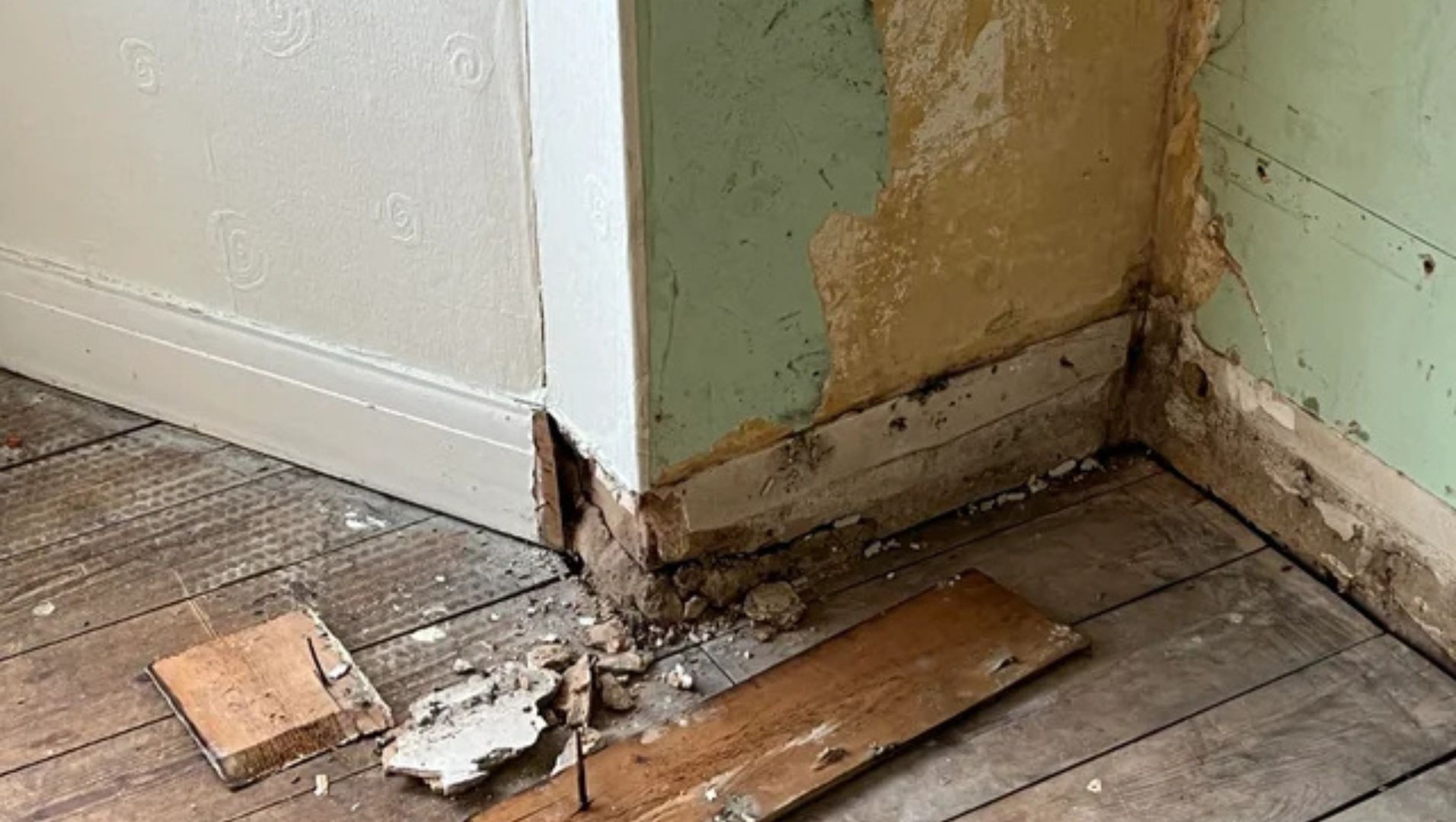
Moisture Damage: The Invisible Enemy
Moisture is perhaps the most insidious cause of skirting board separation. In environments with high humidity, like bathrooms or kitchens, water can seep into wooden skirting boards, leading to expansion and warping. This process forces the skirting away from the wall over time.
- Prevention Tip: Use a moisture-resistant material such as PVC for skirting boards in high-moisture areas.
The Importance of Proper Installation
A securely installed skirting board should withstand years of use. However, if the installation process is flawed—whether through inadequate adhesive, poorly driven nails, or unprepared wall surfaces—the integrity of the attachment may be compromised.
- Inspection Advice: Check if nails are loose or if there are visible gaps between the board and the wall.
House Settlement: A Natural Occurrence
Buildings naturally settle over time due to shifts in the foundation. This gradual movement can create gaps between skirting boards and walls, especially in newer homes or those built on unstable soils.
- Long-Term Solution: Consider installing flexible caulk to accommodate minor movements without compromising the structure.
Temperature Fluctuations and Their Impact
Extreme temperatures can cause materials to expand and contract. This repeated stress can loosen fasteners or even crack adhesive bonds, leading to skirting board separation.
- Climate Control: Maintain a stable indoor climate to minimize expansion and contraction cycles.
Age and Wear: The Inevitable Factors
Even with the best materials and installation, time takes its toll. The natural aging of materials and gradual loosening of fasteners can eventually lead to separation.
- Routine Maintenance: Regularly inspect and tighten loose nails or screws to prolong the lifespan of your skirting boards.
Impact Damage from Everyday Life
In high-traffic areas, skirting boards are prone to accidental impacts. Repeated knocks can gradually dislodge them from their original position.
- Protective Measures: Consider adding protective barriers or reinforcements in areas prone to frequent contact.
By understanding these common causes, you can take proactive steps to maintain your skirting boards’ integrity. Each cause may require a unique solution, so it’s essential to correctly identify the issue before proceeding with repairs. For more in-depth guidance, explore our DIY repair guide1 tailored to specific scenarios.
Moisture is the main cause of skirting board separation.True
Moisture causes wood to warp and detach, especially in humid areas.
Temperature changes have no effect on skirting boards.False
Temperature fluctuations cause expansion and contraction, loosening boards.
How Does Moisture Affect Skirting Boards?
Moisture exposure can lead to warped and detached skirting boards, causing significant damage over time.
Moisture affects skirting boards by causing expansion and warping, leading to detachment from the wall. This is common in areas like bathrooms and kitchens, where humidity levels are high. Addressing moisture issues and using resistant materials are key to preventing damage.
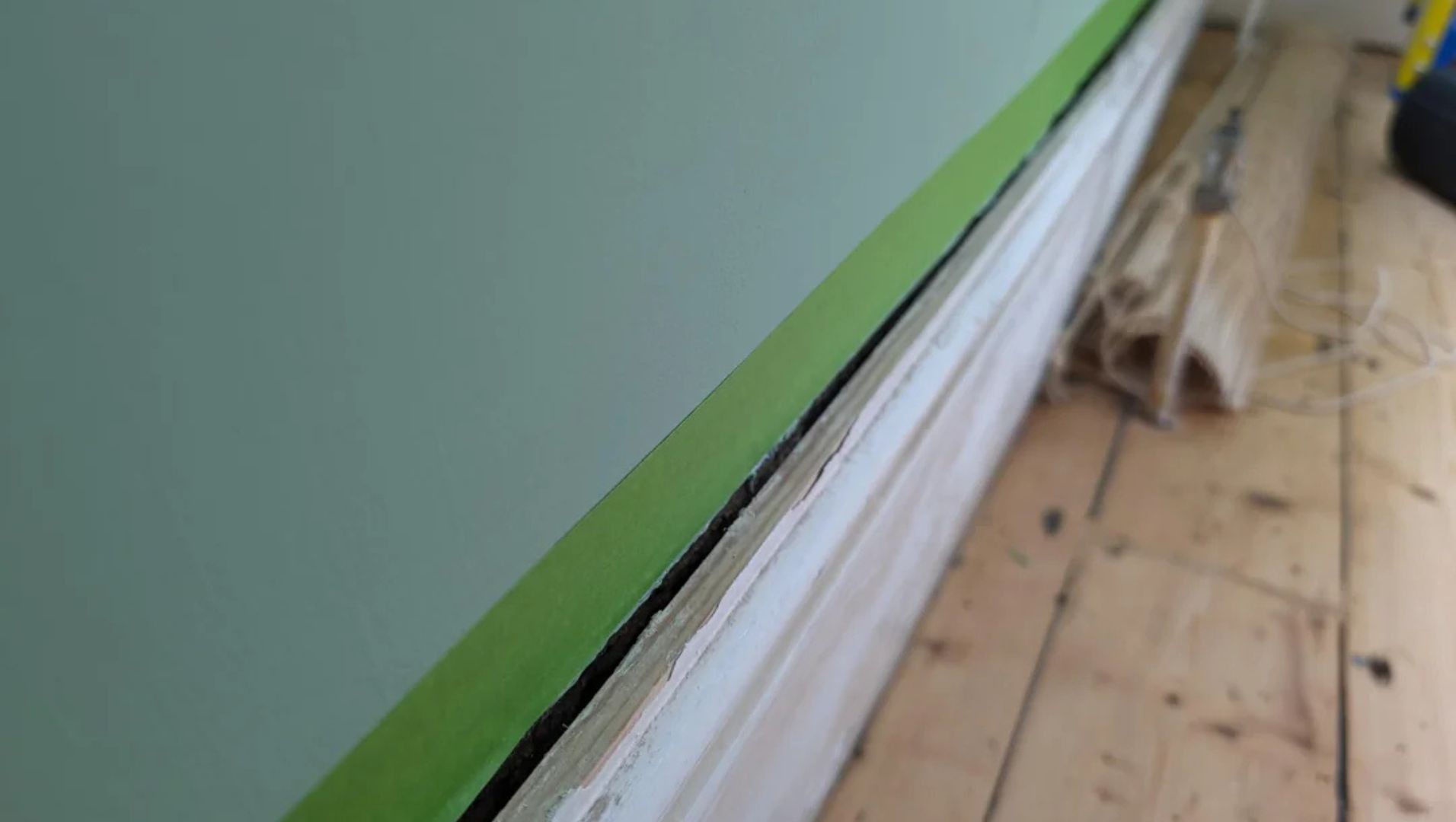
The Science Behind Moisture and Skirting Boards
Moisture is an insidious enemy for wooden and MDF (Medium-Density Fibreboard) skirting boards. These materials naturally absorb water, and when exposed to high humidity or direct water contact, they begin to swell. This swelling increases pressure against the fasteners and adhesive, potentially causing the board to warp or pull away from the wall.
Expansion and Warping
When skirting boards absorb moisture, they expand. This expansion is uneven if only one side of the board is exposed, leading to warping. Warped boards not only detach but also create an uneven aesthetic, disrupting the harmony of a room’s design. It’s crucial to monitor areas like bathrooms and kitchens for these signs, as they are high-risk zones for moisture damage.
Long-term Consequences
Prolonged exposure to moisture without intervention can lead to more severe problems. For example, mold may develop behind detached skirting boards if moisture is trapped, leading to health concerns. Furthermore, continuous expansion and contraction due to fluctuating humidity levels can weaken the board material over time.
Prevention and Solutions
To combat moisture issues:
- Ensure Proper Ventilation: Improving airflow2 in rooms prone to moisture can significantly reduce humidity levels.
- Use Moisture-Resistant Materials: Consider replacing wood or MDF skirting boards with PVC alternatives, which do not absorb water.
- Seal with Caulk: Applying a bead of flexible caulk along the top edge of the skirting board can prevent moisture ingress and allow for slight movement without detachment.
The Role of Installation Techniques
Proper installation techniques can also mitigate moisture effects. Using high-quality adhesive designed for humid conditions, along with mechanical fasteners like screws or nails, ensures a robust attachment. Additionally, treating wood with a moisture-resistant primer before installation provides an extra layer of protection.
Understanding how moisture impacts your skirting boards and taking preventative measures is essential in maintaining both the aesthetic and structural integrity of your home.
Moisture only affects MDF skirting boards.False
Moisture affects both wooden and MDF skirting boards, causing damage.
PVC skirting boards are moisture-resistant.True
PVC does not absorb water, making it resistant to moisture damage.
Can Poor Installation Lead to Loose Skirting Boards?
If your skirting boards are coming loose, the culprit might be poor installation. Let’s explore why this happens and how to fix it.
Yes, poor installation can lead to loose skirting boards. Common issues include insufficient adhesive, improperly fastened nails or screws, and inadequately prepared wall surfaces. Proper installation techniques are essential to ensure a secure attachment and prevent future problems.
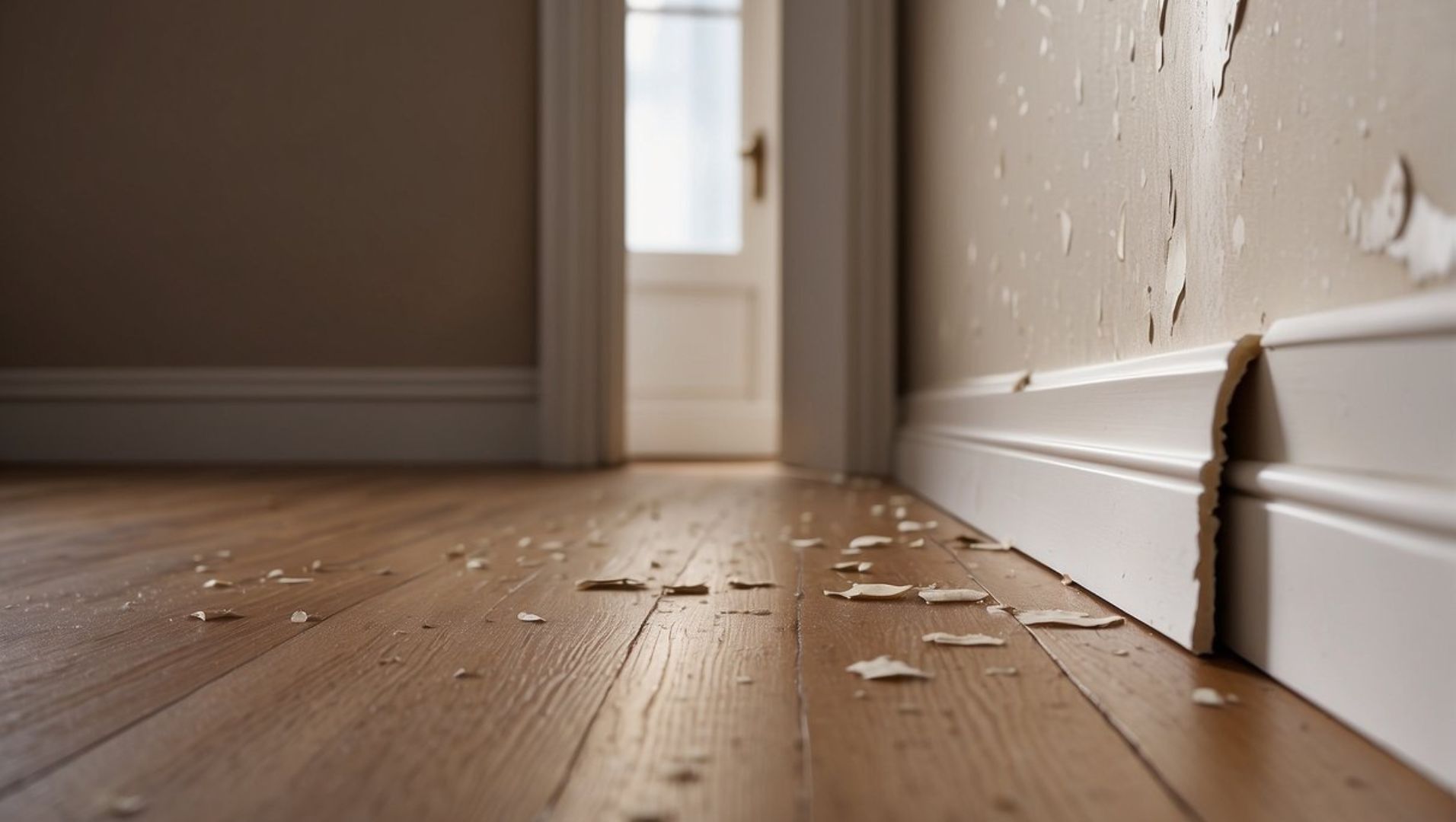
Understanding Poor Installation
The term "poor installation" covers a variety of potential mistakes that can occur when attaching skirting boards. These mistakes can compromise the stability and longevity of your skirting boards. Here are a few key factors:
-
Insufficient Adhesive: Using too little adhesive or opting for a low-quality product can prevent the skirting board from bonding effectively with the wall. Ensure you use a strong, recommended adhesive suitable for your wall type.
-
Improper Fastening: Nails or screws need to be properly anchored into the wall studs or masonry to hold the skirting board securely. Using the wrong size or type of fastener can lead to the board becoming loose over time.
-
Inadequate Surface Preparation: Before installation, the wall surface should be clean, dry, and free of debris. If paint, dust, or moisture remains, it can interfere with adhesion.
The Importance of Surface Preparation
Before installing skirting boards, it’s crucial to prepare the wall surface adequately. This involves:
- Cleaning: Remove any dust, dirt, or grease from the wall.
- Drying: Ensure the surface is completely dry to avoid trapping moisture between the board and wall.
- Levelling: Check that the wall is even; any dips or bumps should be addressed.
Proper preparation helps ensure that both adhesive and fasteners will hold securely over time. Learn more about wall preparation techniques3.
Choosing the Right Materials
Different materials react differently under stress and environmental changes. Selecting the right material for both the skirting board and its installation can prevent many problems associated with poor installation.
- Adhesives: Opt for adhesives that are specifically designed for your skirting board material and wall type.
- Fasteners: Choose nails or screws that are long enough to penetrate deeply into the wall material but not so long that they cause damage beyond it.
Practical Installation Tips
When installing skirting boards, follow these best practices:
- Use a Level: Ensure that each section of skirting board is perfectly level before securing it.
- Secure Fastening: Use enough fasteners along the length of the board to prevent warping or bowing.
- Allow for Expansion: In environments with significant temperature changes, leave slight gaps at the corners or ends to accommodate expansion without affecting fit.
To dive deeper into practical installation techniques and tips, check out this comprehensive guide on skirting board installation4.
Insufficient adhesive can cause loose skirting boards.True
Using too little or low-quality adhesive prevents effective bonding.
Proper wall preparation is unnecessary for skirting board installation.False
Clean, dry surfaces are essential to ensure strong adhesion and fastening.
What Solutions Can Fix a Detached Skirting Board?
Has your skirting board pulled away from the wall, leaving unsightly gaps? Here’s how you can fix it.
To fix a detached skirting board, first identify the underlying cause such as moisture or poor installation. Then, use suitable adhesives or fasteners for reattachment, and consider moisture-resistant materials or flexible caulk for long-lasting results.

Identifying the Cause of Detachment
Before diving into repairs, it’s essential to understand why your skirting board has detached. Start by inspecting the area for signs of moisture damage5, such as discoloration or swelling. If moisture isn’t the culprit, consider other factors like poor installation, house settlement, or wear and tear.
Essential Tools and Materials
Having the right tools will make the repair process smoother. Ensure you have a hammer, nails or screws, adhesive suitable for skirting boards, a caulk gun, and flexible caulk. For moisture-prone areas, moisture-resistant materials like PVC are recommended.
| Tool/Material | Purpose |
|---|---|
| Hammer | For securing nails into place |
| Adhesive | To bond the skirting board to the wall |
| Screws and Wall Plugs | Provide a more robust fastening |
| Flexible Caulk | Fills gaps and accommodates slight movements |
| Moisture-Resistant Boards | Ideal for bathrooms and kitchens |
Step-by-Step Repair Guide
-
Clean and Prepare: Remove any debris from behind the skirting board. This ensures a clean surface for adhesion.
-
Apply Adhesive: Use a strong adhesive designed for wood or MDF. Apply it evenly across the back of the skirting board.
-
Reattach the Skirting Board: Press the board back into place firmly. If using nails or screws, ensure they’re appropriately spaced and securely fastened to avoid future detachment.
-
Seal with Caulk: For gaps or potential moisture exposure, apply a bead of flexible caulk along the top edge of the skirting board. This not only seals gaps but also allows for slight movements due to temperature changes.
-
Inspect Regularly: Regular checks can help identify potential issues early, allowing you to address them before they become significant problems.
Preventive Measures
To avoid future detachment, consider installing skirting boards in moisture-prone areas6 using PVC or treated materials. Ensuring proper ventilation can also mitigate moisture-related issues.
Following these steps will help you maintain secure and aesthetically pleasing skirting boards.
Moisture is a common cause of skirting board detachment.True
Moisture can lead to swelling or discoloration, causing detachment.
Flexible caulk is only used for aesthetic purposes.False
Flexible caulk seals gaps and accommodates slight movements.
Conclusion
By understanding the root causes of skirting board detachment, you can take effective action to ensure your home remains beautiful and safe.
-
Explore step-by-step instructions for repairing detached skirting boards.: it is to repair the chipped or chewed corners of your skirting boards or base boards. This is an … ↩
-
Explore methods to enhance home ventilation and reduce humidity levels.: Place a fan as close as possible to an open window blowing outside. This helps get rid of virus particles in your home by blowing air outside. ↩
-
Explore effective methods for wall preparation prior to installation.: Comments771. Squidlings. Who wants to see a perfect floor board being fit against a perfect … ↩
-
Discover expert tips and techniques for secure skirting board installation.: It is better to hammer them in at different angles to the wall during installation. This causes a locking effect between the nails, which makes … ↩
-
Learn to spot signs of moisture damage early on.: Water Damage is Happening if You Notice Cupping. Do you see individual wood planks cupping or the edges curling upward, creating an uneven … ↩
-
Discover durable materials suitable for damp environments.: Porcelain tile is arguably the very best material for chronically damp locations, provided the grouted seams are maintained adequately. Cracked … ↩






