
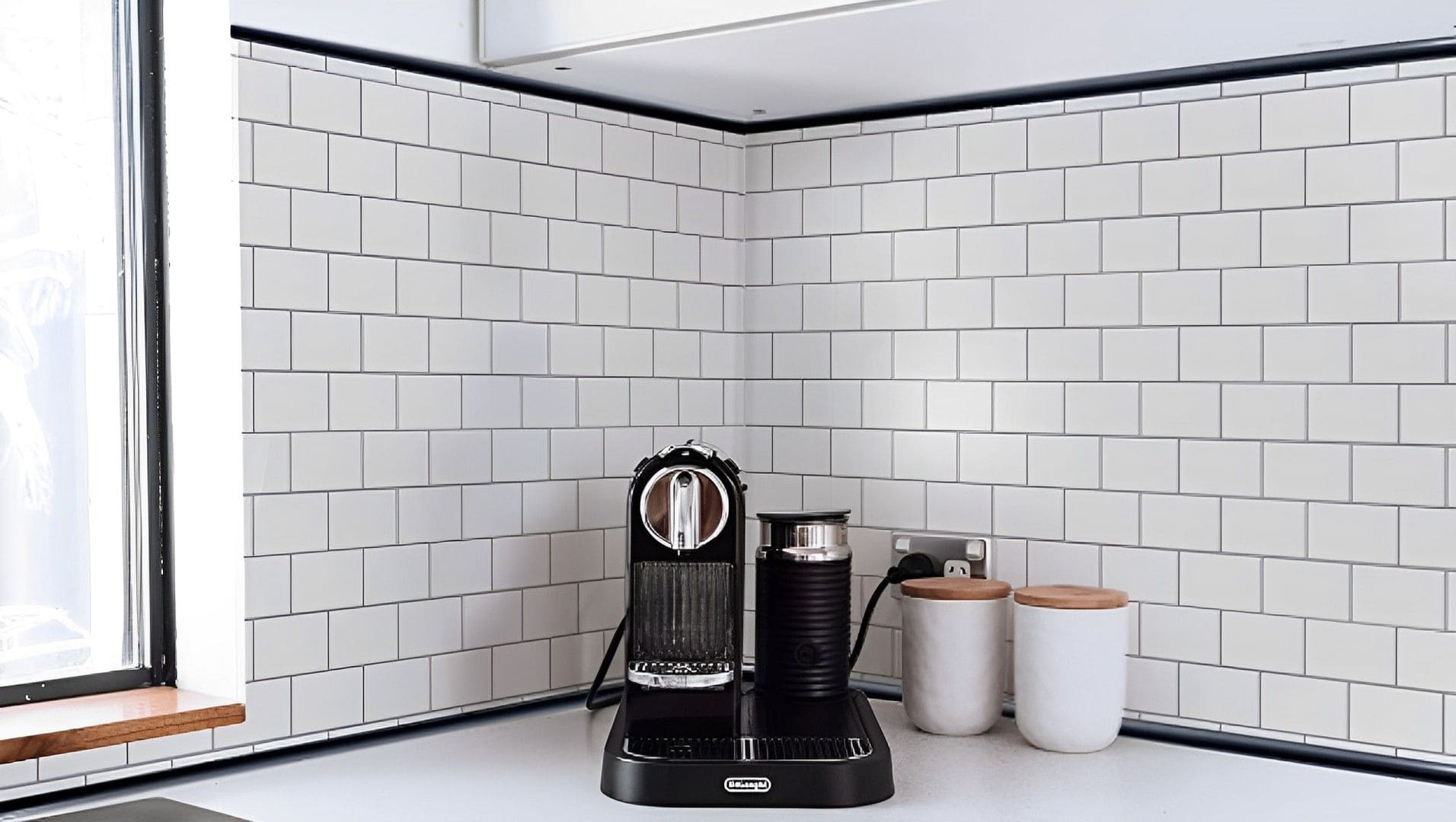
Are you considering a backsplash for your kitchen or bathroom and wondering if tile trim is necessary? Let’s explore this together!
Tile trim is not essential for all backsplash designs, but it offers several benefits that enhance both aesthetics and functionality. It provides a polished finish, protects tile edges from damage, and can prevent moisture penetration, ultimately prolonging the life of your tiles.
While some homeowners opt to skip tile trim, understanding its potential benefits can help you make an informed decision about your backsplash project. Keep reading to discover how tile trim can impact your design and learn about alternatives.
Tile trim is essential for all backsplash designs.False
Tile trim is not essential for all designs, but it enhances aesthetics and durability.
What Are the Benefits of Using Tile Trim?
Tile trim might seem like a minor detail, but its advantages can be significant for your backsplash.
Tile trim enhances backsplash design by providing a seamless edge, protecting tiles, and reducing maintenance. It’s particularly beneficial in wet areas where moisture can cause damage. By choosing tile trim, homeowners can achieve a professional look and extend the life of their tiles.
Enhancing Aesthetic Appeal
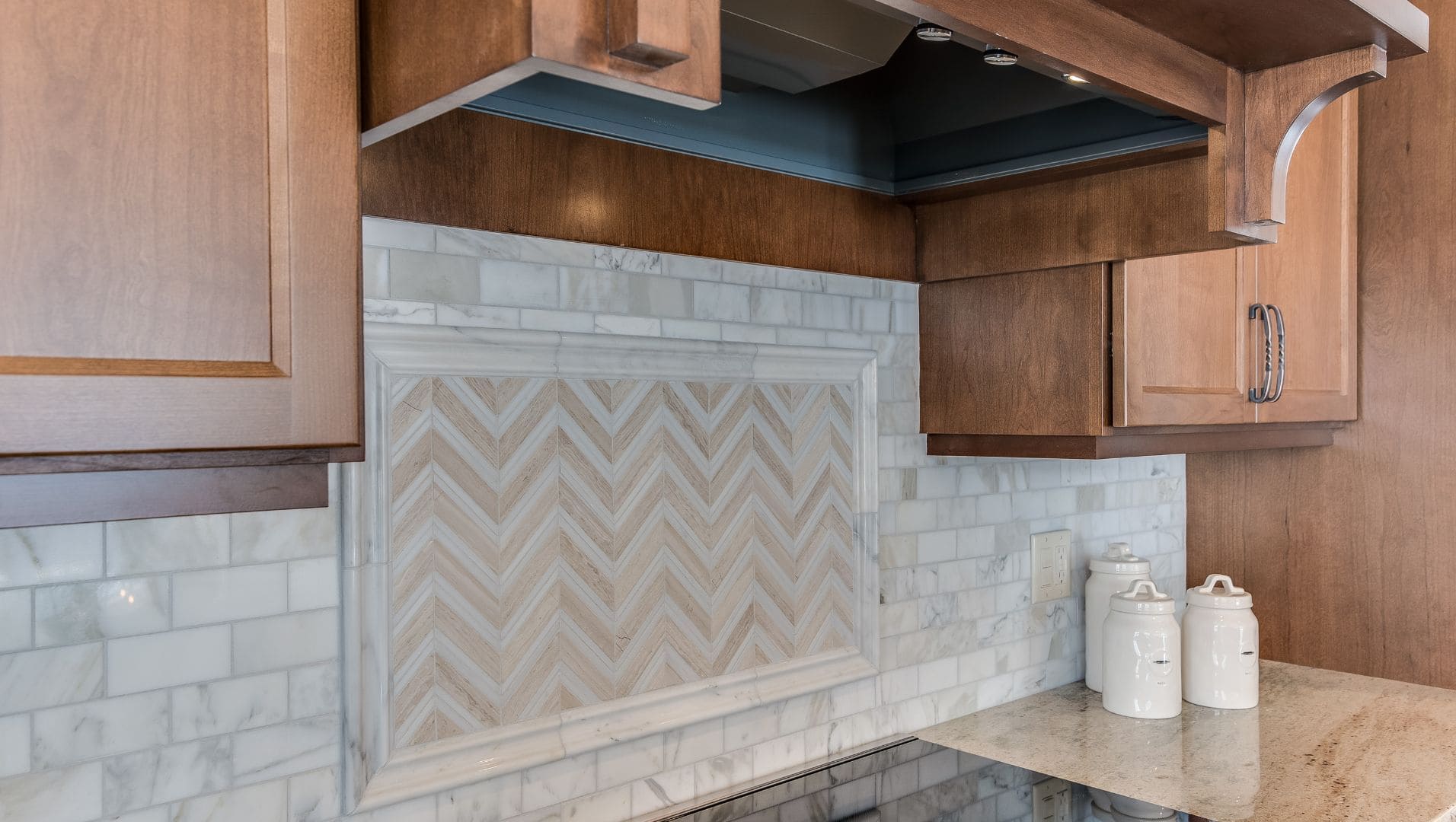
Tile trim offers a finished look to your backsplash, creating a seamless transition between tiles and other surfaces. It acts as a frame that defines the boundaries of your tiled area, enhancing the overall aesthetic appeal of your space. This polished edge can elevate the sophistication of both modern and traditional kitchen designs.
Protecting Tile Edges
One of the primary benefits of using tile trim is its protective qualities. Exposed tile edges are vulnerable to chipping and cracking, especially in high-traffic areas like kitchens and bathrooms. Tile trim covers these edges, providing a buffer against impact damage. This protection is crucial in prolonging the life of your tiles.
Preventing Moisture Penetration
In areas prone to moisture, such as near sinks or in shower spaces, tile trim1 acts as a barrier that prevents water from seeping behind tiles. This reduces the risk of mold and mildew growth, which can compromise both the appearance and structural integrity of your backsplash.
Reducing Maintenance Efforts
With tile trim in place, cleaning becomes easier as dirt and grime are less likely to accumulate in the grout lines at the edges. This can save time and effort in maintaining a clean and hygienic kitchen or bathroom environment.
Versatile Design Options
Tile trim is available in a variety of materials, colors, and finishes, allowing you to customize your backsplash to match your personal style. From sleek metal trims that complement contemporary designs to ceramic trims that blend with rustic aesthetics, there are options to suit every taste. Exploring these design choices2 can significantly impact your final look.
Tile trim extends tile lifespan by preventing edge damage.True
Tile trim protects tile edges from chipping, extending their lifespan.
Using tile trim increases maintenance efforts for homeowners.False
Tile trim reduces maintenance by preventing dirt in grout lines.
Can You Achieve a Polished Look Without Tile Trim?
Achieving a sleek and finished look for your backsplash without tile trim might seem challenging, but it’s entirely possible with the right techniques.
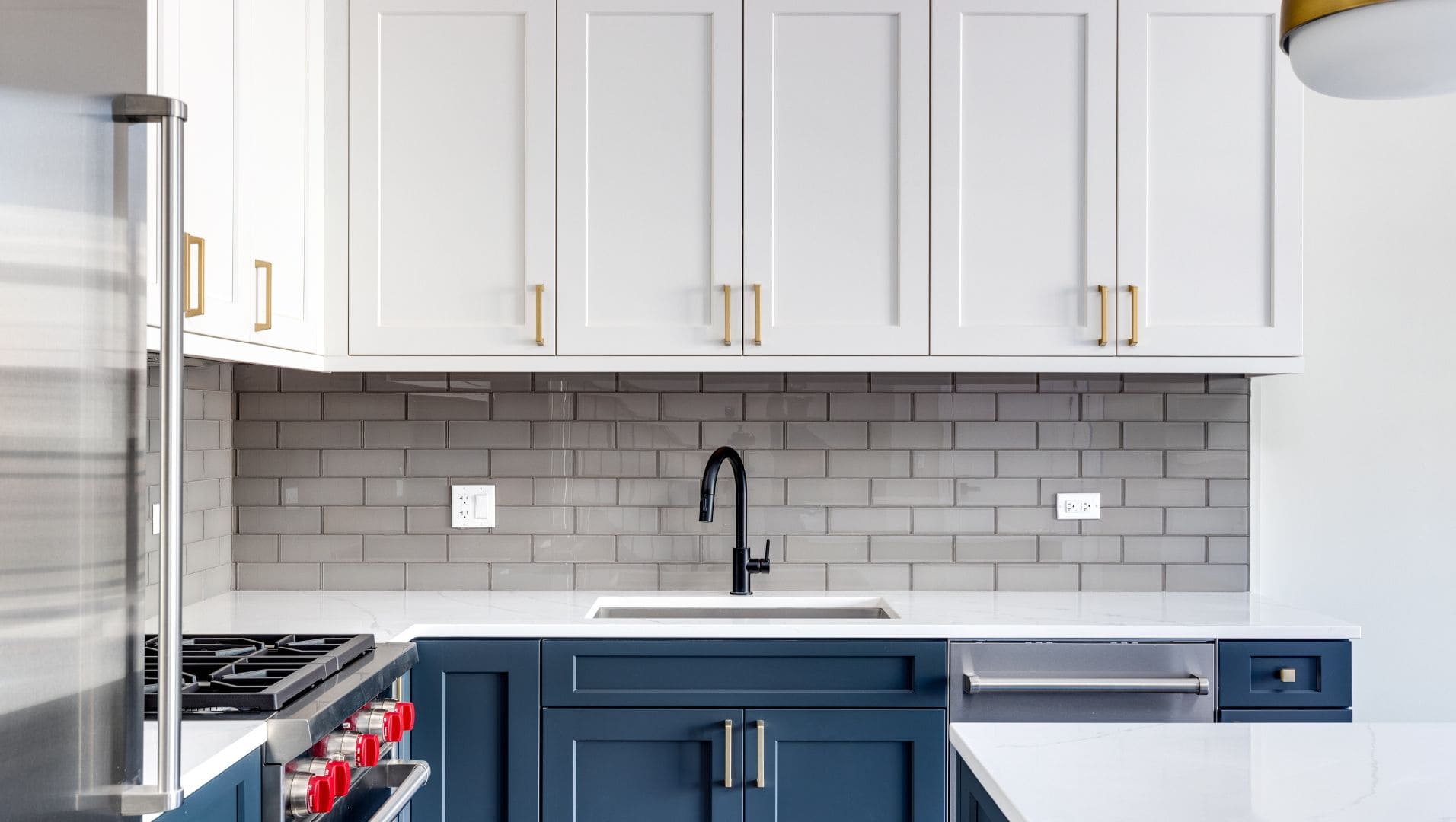
Yes, you can achieve a polished look without tile trim by using techniques like mitered edges, caulking, or choosing tiles with a naturally finished edge. These methods can provide a clean and seamless appearance while maintaining the durability and style of your backsplash.
Exploring Trim-Free Techniques
Going trim-free doesn’t mean compromising on aesthetics. Here’s how:
-
Mitered Edges: By cutting tiles at a 45-degree angle, you can create sharp, clean edges that meet seamlessly at corners. This technique requires precision but results in a professional look.
-
Caulking: Using a high-quality caulk can fill gaps between tiles and surfaces, offering a smooth transition without the need for trim. Opt for colors that match your grout for a unified appearance.
-
Finished Edge Tiles: Some tiles come with glazed or polished edges, eliminating the need for additional trimming. Choose these to maintain uniformity and elegance.
Pros and Cons of Skipping Trim
Understanding the implications of skipping tile trim can help homeowners make informed choices:
| Pros | Cons |
|---|---|
| Cost-effective | May require more precise work |
| Simplifies installation | Limited protection for tile edges |
| Flexible design choices | Possible moisture penetration |
Real-World Applications
Consider kitchens where open shelving allows for visible tile edges. Opting for mitered tiles creates a striking yet minimalist statement. Similarly, in bathrooms, caulking enhances water resistance around sinks and tubs without disrupting the aesthetic.
When deciding on alternatives to tile trim, factor in the environment and intended use of the space. For example, areas prone to water exposure may benefit from more extensive waterproofing measures than simply relying on caulk.
Exploring these methods allows for creative freedom while maintaining the functionality and durability of your backsplash. For more ideas on alternatives to tile trim, you might consider researching creative backsplash designs3 to find inspiration tailored to your space.
Mitered edges require precise tile cutting.True
Mitering involves cutting tiles at a 45-degree angle, needing precision.
Skipping tile trim always leads to moisture issues.False
Proper caulking and finished edge tiles can prevent moisture problems.
How Does Tile Trim Protect Your Tiles?
Tile trim might seem like a decorative choice, but it plays a crucial protective role for your tiles.
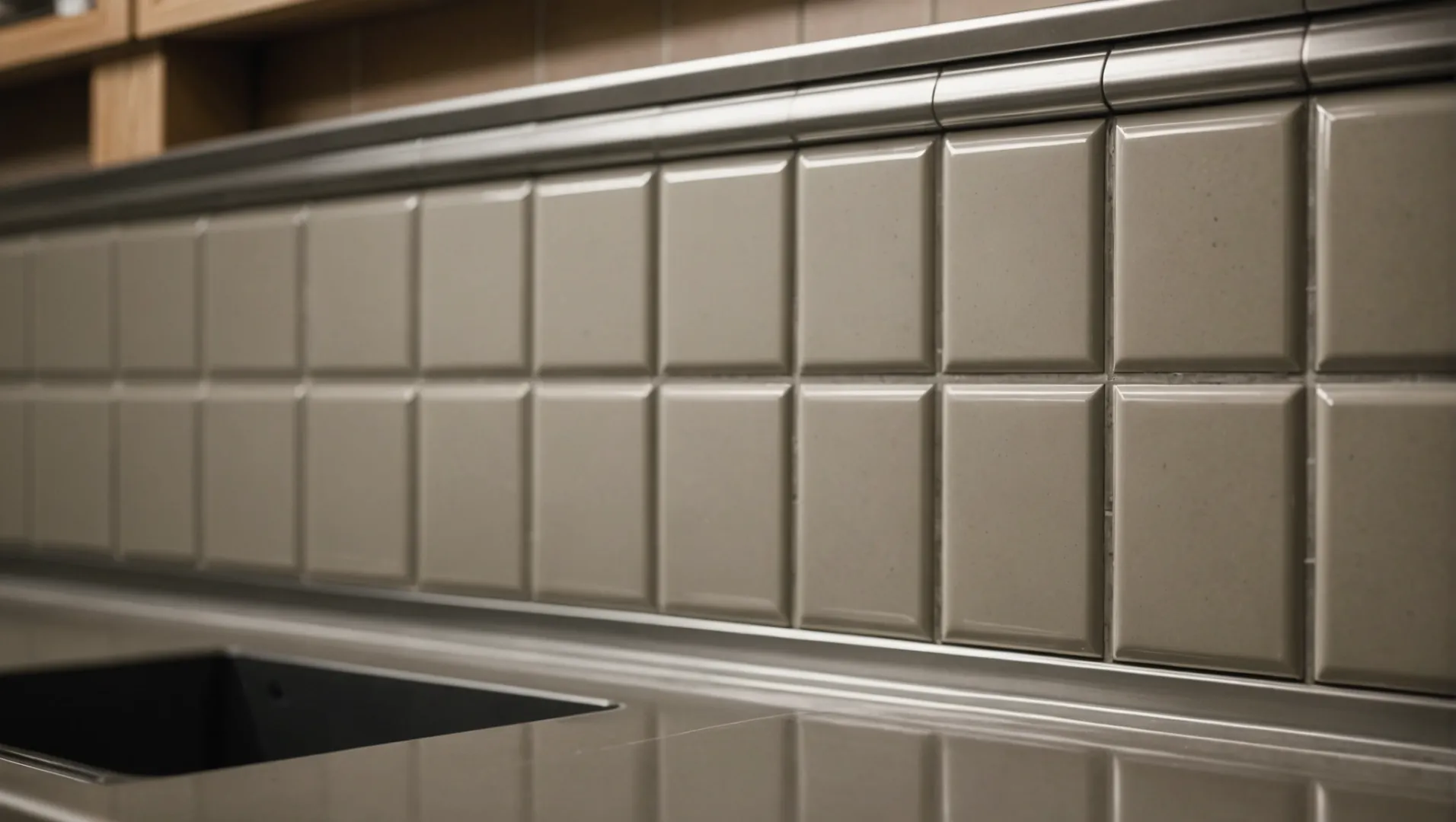
Tile trim protects tiles by covering exposed edges, preventing chipping and damage, and sealing against moisture, thereby extending the lifespan of your tiles.
Edge Protection: Preventing Chips and Cracks
Tile edges are often vulnerable to chipping or cracking, especially in high-traffic areas like kitchens and bathrooms. Tile trim4 serves as a protective barrier that absorbs impact and reduces wear on these exposed edges. This is particularly important for tiles made from materials like ceramic or porcelain, which can be prone to damage if not properly shielded.
For instance, consider a scenario where a heavy pot accidentally bumps against your backsplash. The presence of tile trim can help absorb the shock, minimizing potential harm to the tile itself.
Moisture Barrier: Sealing Against Water Damage
In areas prone to moisture, such as behind sinks or stoves, water infiltration can lead to significant damage. Tile trim acts as a sealant that prevents moisture from seeping behind the tiles. This is crucial in preserving the integrity of both the adhesive and the grout, which can weaken over time if exposed to water.
By using tile trim, you ensure that water runs off rather than settling into crevices where it could lead to mold or mildew growth.
Enhancing Durability: Extending Tile Lifespan
When tiles are protected from physical damage and moisture penetration, their overall durability increases. This means fewer repairs or replacements in the long run. Properly installed tile trim5 helps maintain the structural integrity of your tiles, ensuring they remain as beautiful and functional as the day they were installed.
This increased lifespan not only saves you money on future repairs but also ensures that your space continues to look polished and well-maintained for years to come.
Decorative Element with Functional Benefits
While its primary role is protection, tile trim also adds an aesthetic appeal. The trim can complement or contrast with your existing tile design, providing a neat and finished look. In essence, it serves a dual purpose: enhancing both the beauty and functionality of your backsplash. The right trim can make a significant difference in how your space is perceived and enjoyed.
Tile trim only serves a decorative purpose.False
Tile trim protects tiles from chipping and moisture.
Tile trim extends the lifespan of your tiles.True
It prevents damage and moisture infiltration, enhancing durability.
What Are the Alternatives to Tile Trim for Backsplash?
Exploring alternative solutions to tile trim can expand your design possibilities for backsplashes.
Alternatives to tile trim include caulking, metal strips, stone edging, bullnose tiles, and even creative paint techniques. These options can achieve a seamless finish, protect edges, and enhance your backsplash design without traditional trim.
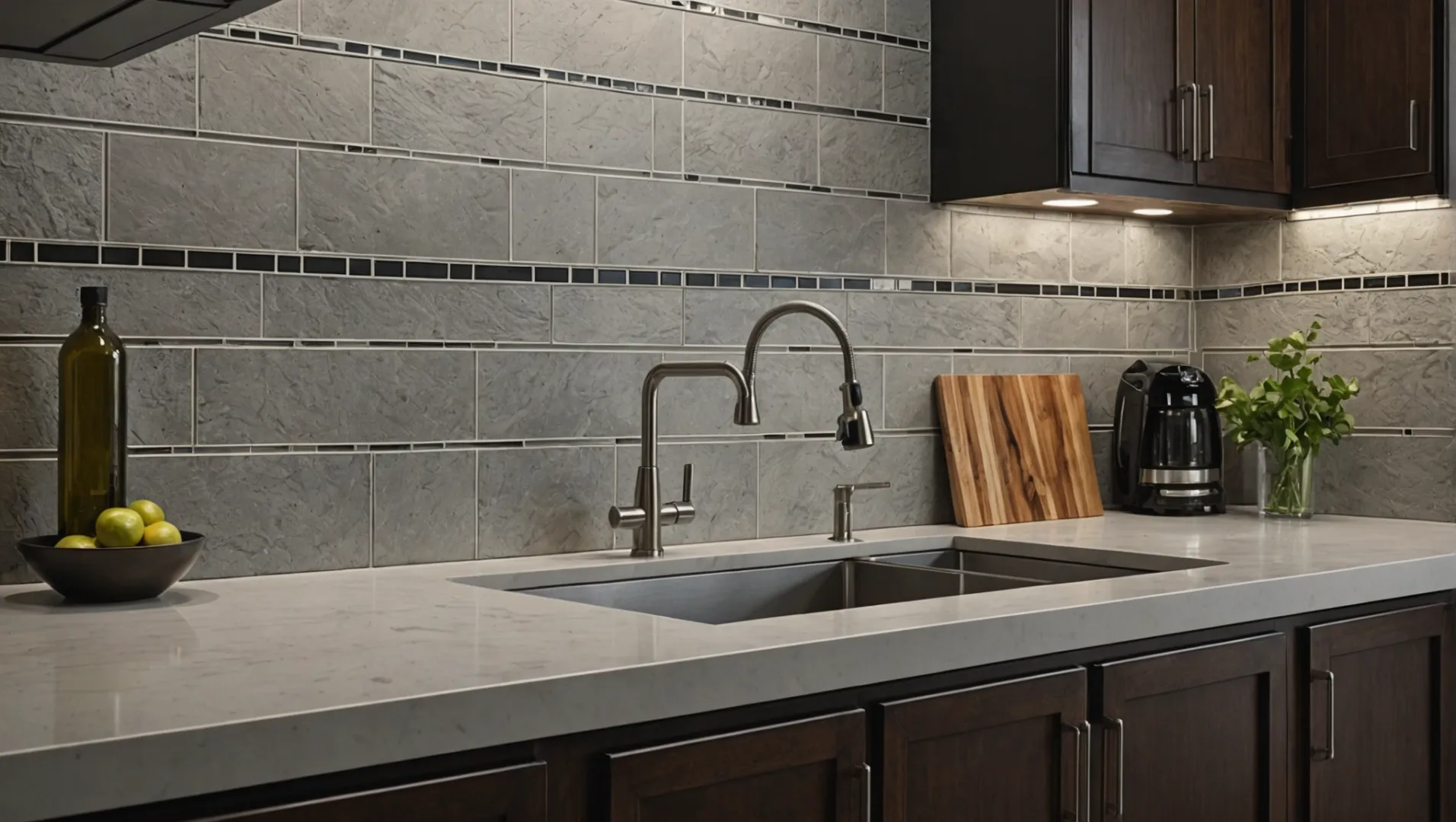
Caulking
Caulking is a versatile solution that can be used in place of tile trim. It creates a neat finish and seals gaps to prevent moisture intrusion. Available in various colors, caulk can blend seamlessly with your tiles, ensuring a clean and cohesive look.
Metal Strips
Metal strips or edging profiles provide a sleek, modern finish. These strips are available in materials like aluminum or stainless steel and can be found in various finishes to complement any kitchen or bathroom decor. Exploring metal edging options6 can lead to innovative design ideas that enhance your space.
Stone Edging
For a natural touch, consider using stone edging. This option integrates well with rustic or traditional designs. Stone edging can be cut to size and polished for a refined look, providing durability and a unique aesthetic appeal.
Bullnose Tiles
Bullnose tiles are designed with rounded edges, eliminating the need for additional trim. They offer a smooth transition at tile edges and corners, enhancing the overall appearance of the backsplash. These tiles come in various styles, making them suitable for diverse design themes.
Creative Paint Techniques
Another alternative is to use paint creatively to finish the edges of your backsplash. This method is cost-effective and allows for personalization. Learning paint techniques7 could inspire unique designs that align with your vision.
These alternatives offer flexibility and creativity in backsplash design, helping homeowners achieve their desired aesthetic without relying solely on traditional tile trim methods.
Caulking can replace tile trim for backsplash edges.True
Caulking seals gaps, prevents moisture, and blends with tiles.
Metal strips are unsuitable for modern backsplash designs.False
Metal strips offer sleek finishes ideal for modern decor.
Conclusion
Incorporating tile trim into your backsplash design can enhance aesthetics and durability. Evaluate your specific needs to decide if it’s right for you. Consider consulting a professional for tailored advice and ensure your project meets both functional and stylistic goals.
-
Learn how tile trim effectively blocks moisture infiltration.: Grout doesn’t stop water from getting behind the tile though, just fills the void. Grout is porous, the waterproofing is done prior to tile installation. ↩
-
Explore various design options available for tile trim.: Bendable tile trim provides a versatile solution for complex tile laying projects involving curves and irregular shapes. The material of this … ↩
-
Discover innovative design ideas for trim-free backsplash solutions.: From sleek black subway tiles to stone countersplashes, when it comes to kitchen backsplash ideas, there are plentiful options. ↩
-
Learn about how tile trim protects and enhances tile installations.: While it may not be the first thing that comes to mind, tile edge trimming can also help make spaces accessible to those with disabilities. ↩
-
Discover the importance of correct installation for lasting tile protection.: Installing a countertop tile edge trim saves tile edges from being chipped and is much more durable than traditional wood trim, while a floor profile protects … ↩
-
Explore diverse metal edging options that elevate modern backsplash designs.: To add a touch of glamour to your project, shop our DURAL premium metal profiles featuring Swarovski crystals, high-end metals and other elegant details. ↩
-
Discover creative paint methods for customizing backsplash edges.: We’ll demonstrate step-by-step instructions for three common methods for finishing tile edges: 1) bullnose tile, 2) pencil trim pieces and 3) metal profile … ↩






