
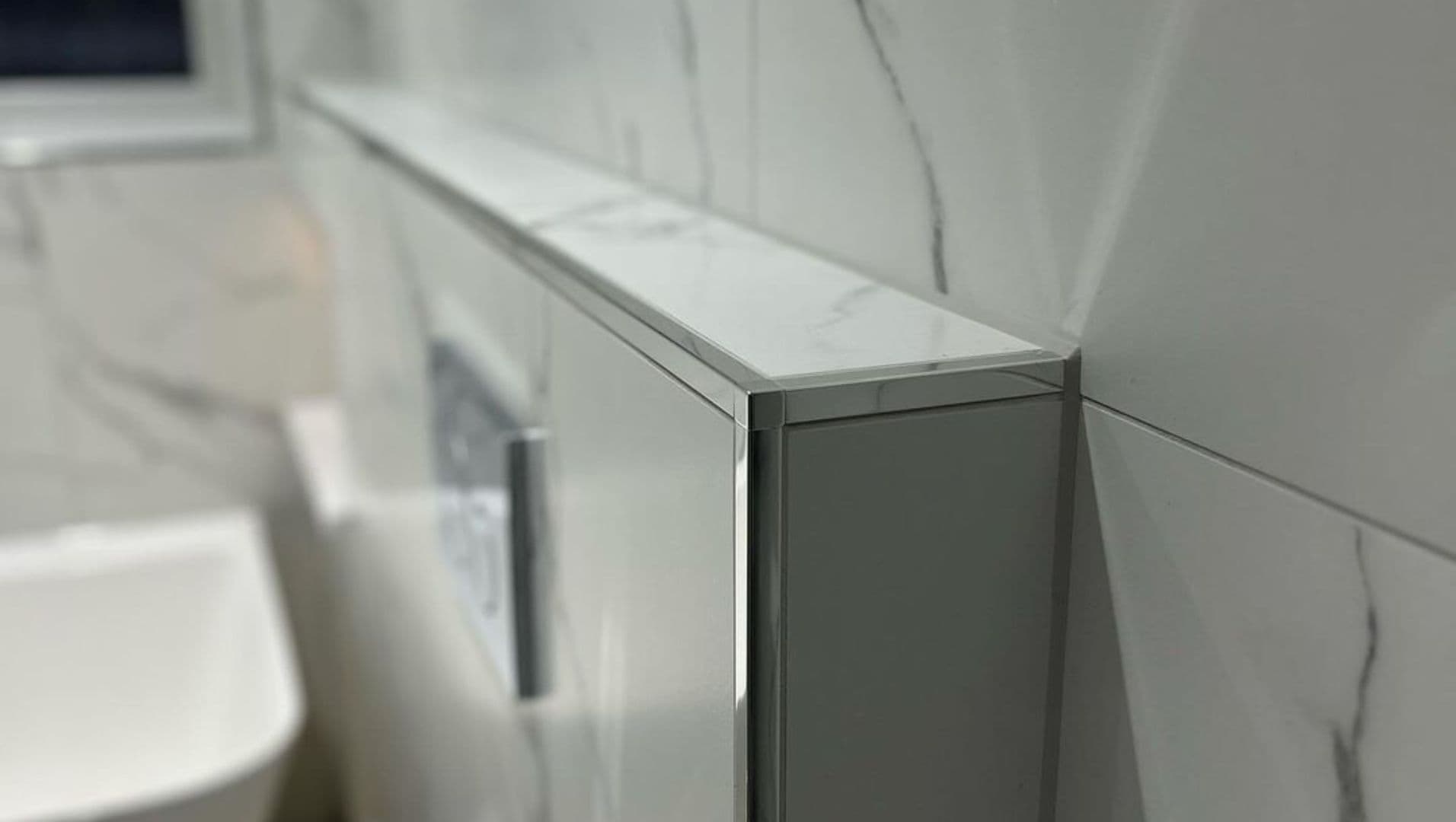
Tile trim is the unsung hero of any tiling project, often unnoticed but essential for a polished finish.
Tile trim can be effectively used in areas such as bathrooms, kitchens, and showers to provide a finished edge and protect tile corners from damage. It enhances both the aesthetic appeal and longevity of tile installations.
But tile trim does so much more than just cover up raw edges! Let’s dive into how this simple addition can elevate your home’s charm.
Tile trim can be used in outdoor projects.True
Tile trim protects edges from weather damage and enhances aesthetics outdoors.
How Does Tile Trim Enhance Bathroom Spaces?
Tile trim is the secret ingredient that can elevate your bathroom from plain to polished, adding both style and durability.
Tile trim enhances bathroom spaces by providing a seamless finish, protecting tile edges, and offering design versatility. It prevents damage, hides imperfections, and adds a sophisticated touch to any bathroom decor.
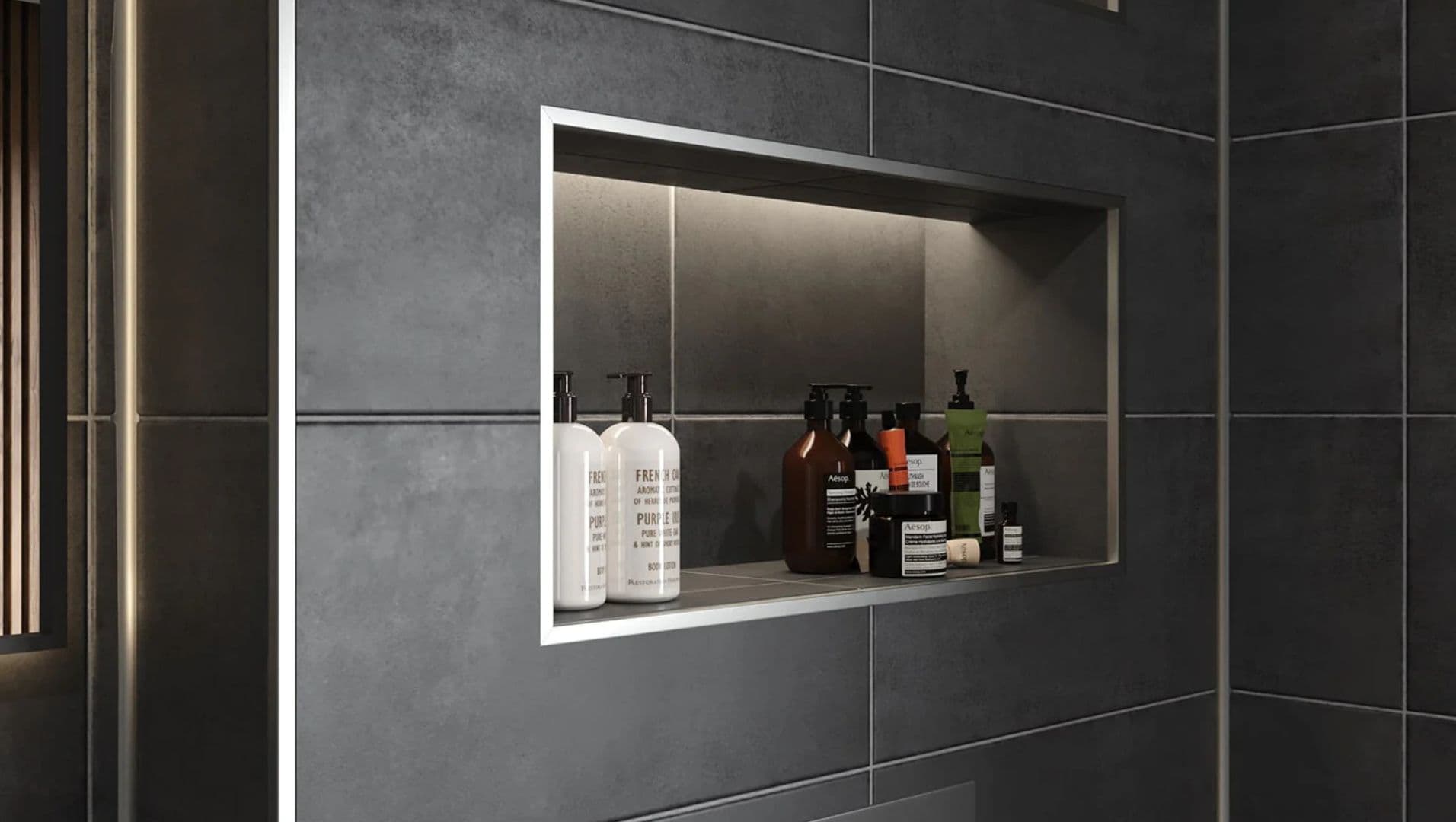
Creating Seamless Transitions
Tile trim plays a crucial role in creating smooth transitions between different surfaces in your bathroom. Whether it’s where the wall meets the floor or the edge of a shower cubicle, tile trim ensures that these transitions are visually appealing and functional. By covering the raw edges of tiles, it prevents chipping and maintains the integrity of your tiling work.
Protecting Tile Edges
Bathrooms are high-moisture environments that can cause wear and tear on tile edges over time. Tile trim acts as a protective barrier, shielding these vulnerable areas from water damage and impact. This protection is especially important around shower niches, windowsills, and countertops, where constant exposure to water is inevitable.
Enhancing Aesthetic Appeal
Tile trim isn’t just functional; it’s also a stylish addition to any bathroom. With a variety of materials like metal, plastic, and ceramic available, you can choose a trim that complements your existing decor. For instance, using metallic trims1 can add a touch of elegance and modernity to your space.
Offering Design Flexibility
One of the greatest advantages of tile trim is its ability to adapt to various design styles. From traditional to contemporary, tile trim can be used to highlight patterns or create distinct zones within your bathroom. Consider using contrasting colors for the trim to make your tiling stand out or match it with the grout color for a seamless look.
Concealing Imperfections
Uneven cuts and misaligned tiles are common challenges in bathroom tiling projects. Tile trim helps conceal these imperfections, giving your bathroom a clean and finished appearance. It can be particularly useful for DIY enthusiasts who may not have professional-level skills but still desire an immaculate outcome.
Tile trim prevents bathroom tile chipping.True
Tile trim covers raw edges, protecting them from damage and chipping.
Tile trim limits design flexibility in bathrooms.False
Tile trim offers design flexibility by complementing various styles.
What Are the Best Uses for Tile Trim in Kitchens?
Tile trim is more than just an accessory; it’s a game-changer for kitchen aesthetics and durability.
In kitchens, tile trim is ideal for finishing edges, creating visual accents, and protecting corners from wear. It’s a versatile tool that enhances design and function, ensuring a seamless and polished look throughout the space.
Enhancing Countertop Edges
Tile trim is perfect for finishing countertop edges, providing a clean line that complements the overall kitchen design. By using tile trim along the edges of countertops, you not only achieve a visually appealing look but also protect the tile from chipping and other damage. This application is especially valuable in busy kitchens where countertops see daily use.
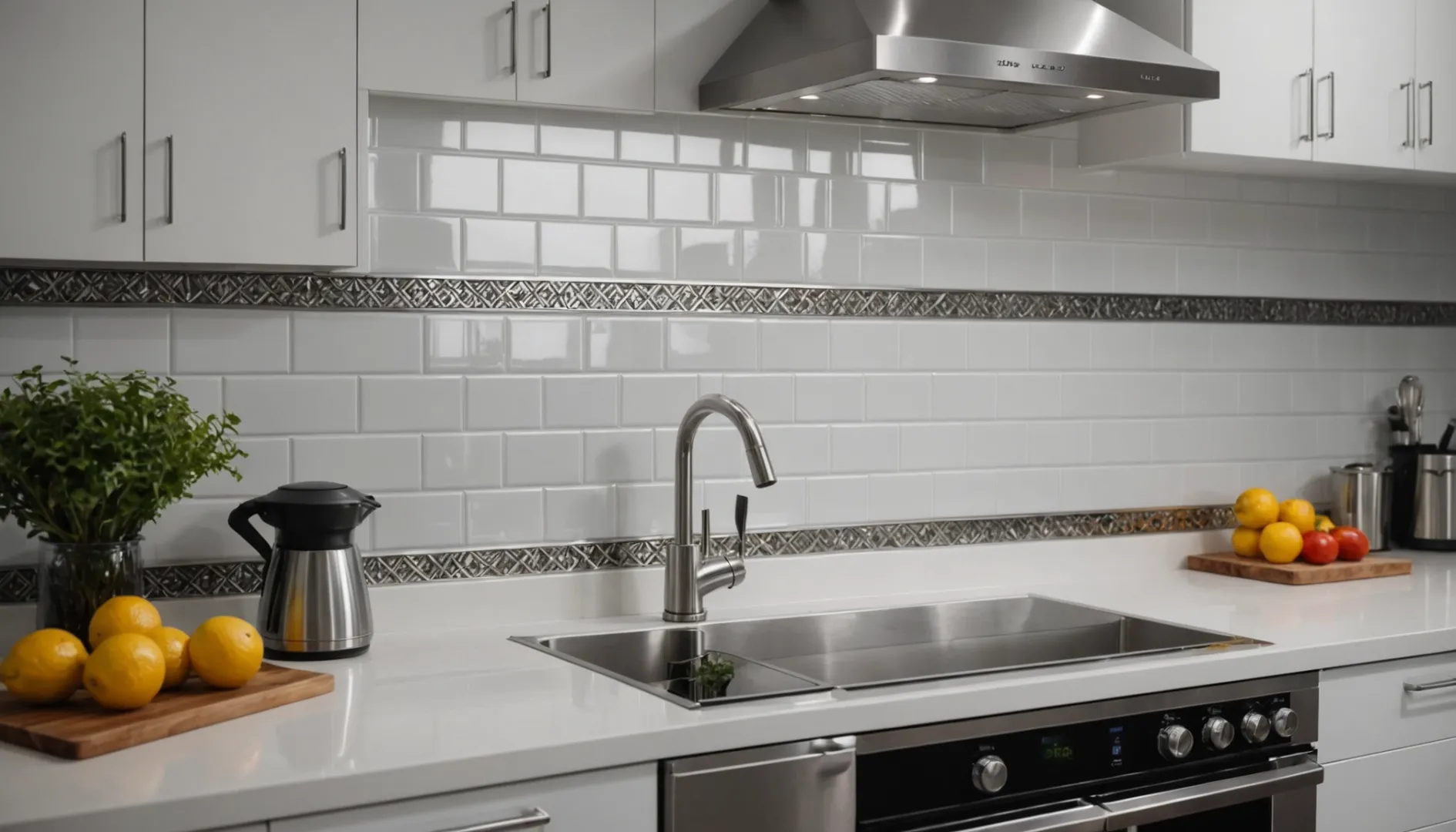
Creating Backsplash Borders
One of the most popular uses of tile trim in kitchens is as a border for backsplashes. It defines the area between countertops and upper cabinets, adding depth and character to the space. Whether you opt for a subtle trim that blends with your tiles or a contrasting color to make a statement, the right tile trim can transform an ordinary backsplash into a focal point.
Protecting Corners and Edges
Kitchens are prone to wear and tear, especially in high-traffic areas. Tile trim acts as a protective barrier for corners and edges that are susceptible to chips and cracks. For instance, the edges of kitchen islands or the corners of tiled walls benefit from added protection while maintaining a cohesive design.
Coordinating with Design Elements
With various colors, materials, and finishes available, tile trim can be used to tie together different elements of your kitchen’s design. Matching tile trim with cabinet hardware2 or light fixtures can create a harmonious look that enhances the kitchen’s aesthetic appeal. It’s these small details that often make a big difference in interior design.
Accenting Features with Decorative Trim
Decorative tile trim can be used to highlight specific features or areas within your kitchen. Whether it’s outlining a window or framing a niche, using trim as an accent adds an extra layer of elegance. This approach allows you to personalize your kitchen while also providing practical benefits.
Versatility Across Materials
Tile trims are available in ceramic, metal, stone, and plastic options, each offering distinct advantages for different kitchen styles and budgets. Exploring material options for tile trim3 can help ensure that you select the best fit for both function and style in your kitchen.
Tile trim is only decorative in kitchens.False
Tile trim also protects edges from damage and adds functionality.
Tile trim can enhance kitchen countertop durability.True
It protects edges from chipping, extending the life of countertops.
Can Tile Trim Be Used for Outdoor Projects?
Outdoor tiling demands materials that withstand the elements. But where does tile trim fit in these projects?
Tile trim can be used outdoors to protect edges from weather damage, enhance aesthetics, and ensure a seamless finish.
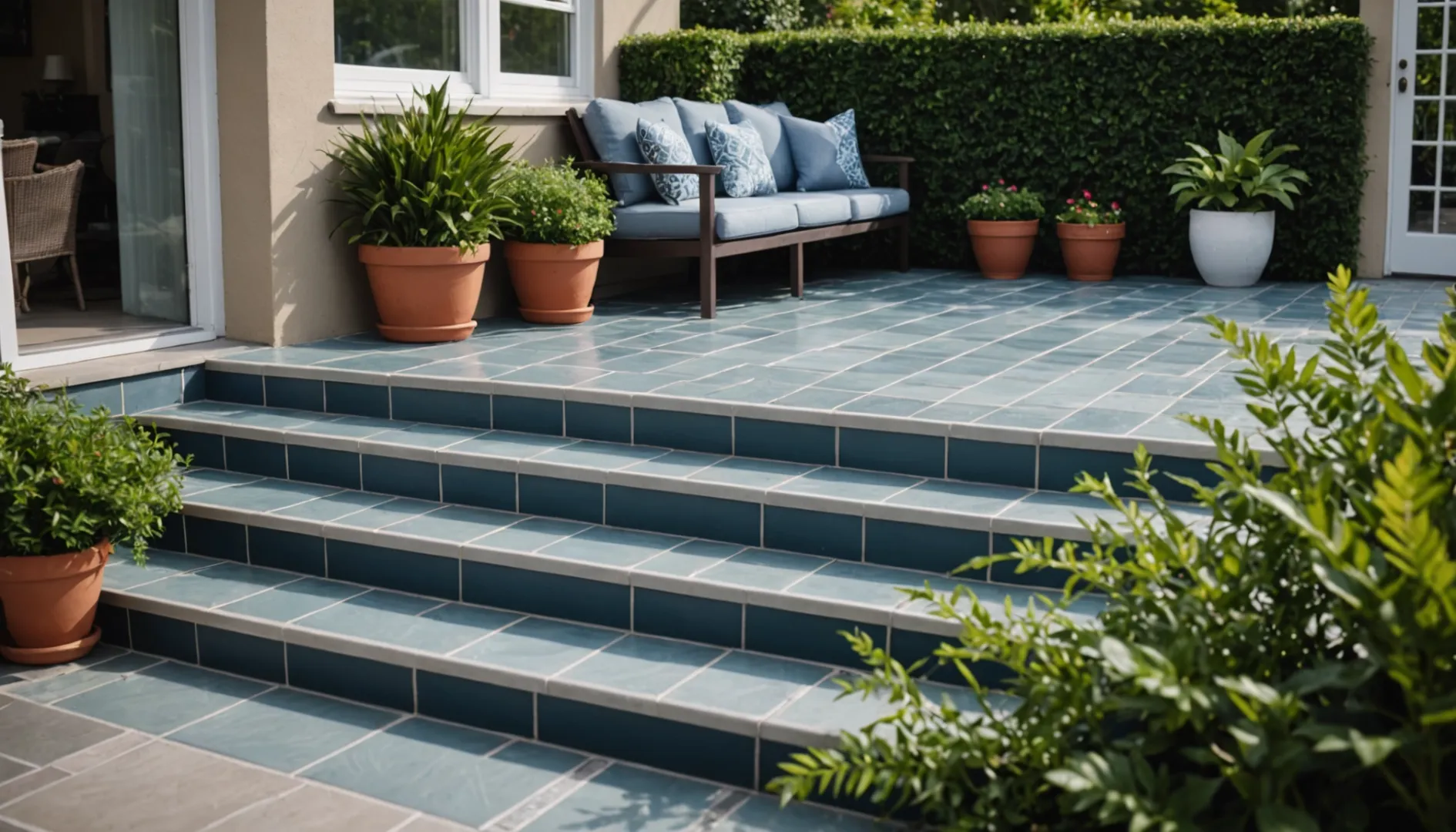
Benefits of Using Tile Trim Outdoors
Outdoor projects can greatly benefit from the use of tile trim, particularly when it comes to protecting the exposed edges of tiles. Tile trim acts as a barrier against rain, snow, and UV rays, preventing chips and cracks that can occur due to harsh weather conditions.
In addition to its protective qualities, tile trim also plays a crucial aesthetic role. It provides a neat and polished look to outdoor spaces, whether you’re dealing with patios, garden pathways, or outdoor kitchens. Using tile trim can transform the overall look of an area by creating defined lines and enhancing the design.
Types of Tile Trim Suitable for Outdoor Use
When selecting tile trim for outdoor projects, it’s essential to choose materials that can endure various weather conditions. Aluminum tile trims4 are often recommended due to their resistance to rust and corrosion. Stainless steel trims are another excellent choice for those seeking durability and a modern appearance.
For environments exposed to saltwater or high humidity, such as near pools or coastal homes, PVC tile trims5 might be preferred due to their non-reactive nature and cost-effectiveness.
Installation Tips for Outdoor Tile Trim
Proper installation is key to maximizing the benefits of tile trim in outdoor settings. Ensure that the surface is clean and free of debris before applying the trim. It’s also important to use weather-resistant adhesive or mortar that will hold up against outdoor conditions.
Sealing the joints between the trim and tiles can prevent moisture infiltration, which is crucial for avoiding damage over time. Regular maintenance checks will help in identifying any areas where the trim might need reinforcement or replacement.
Considerations such as expansion joints are also vital in outdoor tiling to accommodate temperature-induced expansion and contraction of materials. Always consult with a professional or refer to installation guides for best practices when working with outdoor tile trims.
Tile trim is suitable for outdoor use.True
Tile trim protects edges from weather, enhancing durability outdoors.
Aluminum tile trims are prone to rust outdoors.False
Aluminum trims resist rust, making them ideal for outdoor projects.
Why Is Tile Trim Important in Shower Installations?
Tile trim plays a vital role in shower installations, offering both aesthetic and functional benefits.
Tile trim is crucial in shower installations as it provides a neat finish, protects tile edges from moisture and damage, and enhances the overall aesthetic. It prevents water seepage and contributes to the durability and longevity of the shower design.
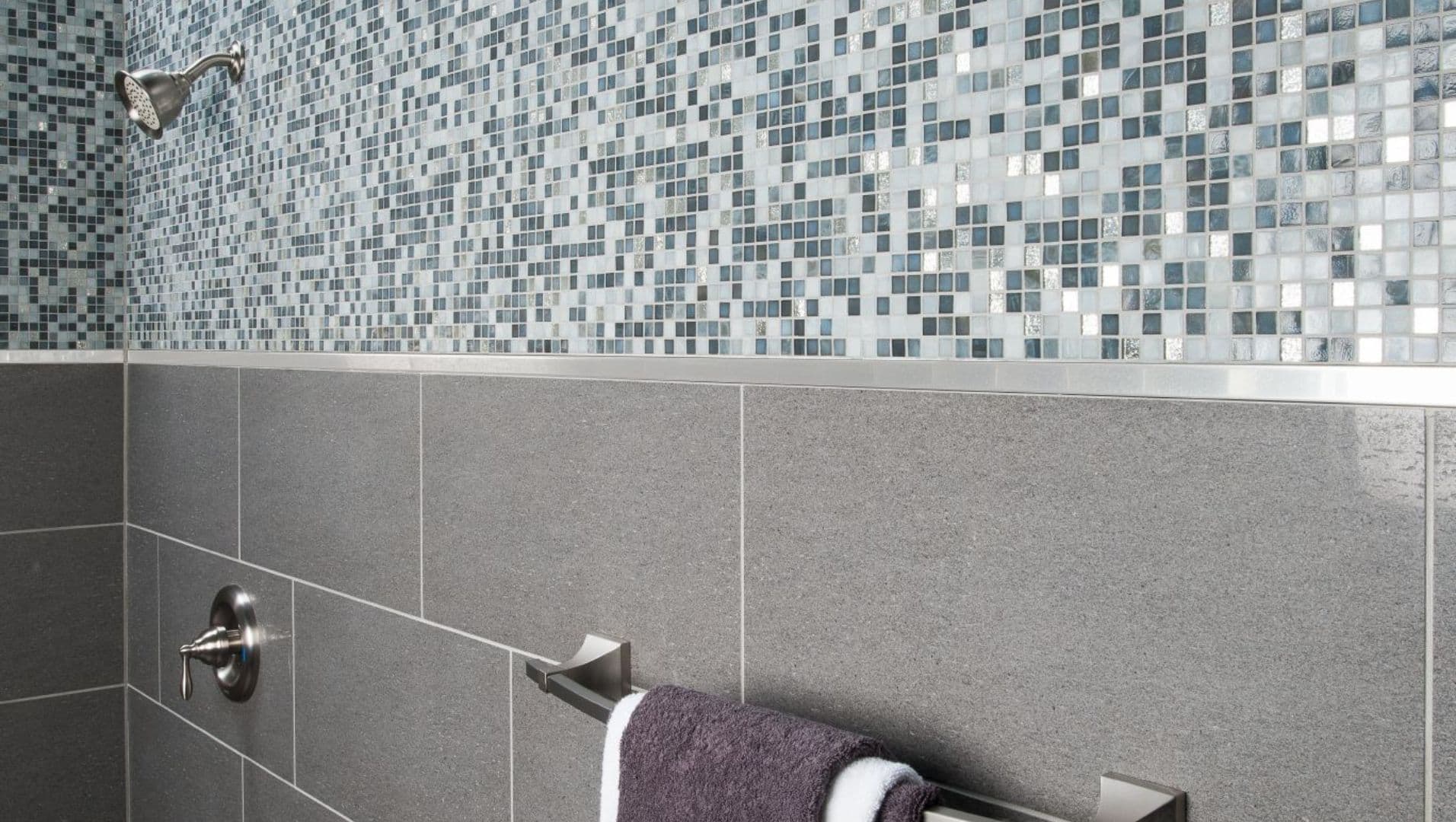
Enhancing Aesthetic Appeal
In a shower installation, tile trim acts as a visual anchor, neatly framing the tiles and creating a polished appearance. It comes in various materials like metal, plastic, or stone, allowing for customization to match or contrast with your tile choice. By using tile trim, designers can create a seamless transition between different surfaces or tile patterns, enhancing the overall design aesthetic of your bathroom.
Protecting Tile Edges
Tile edges are vulnerable to chipping and cracking, especially in high-moisture environments like showers. By installing tile trim, these edges receive an additional layer of protection against daily wear and tear. The trim acts as a buffer against accidental knocks and impacts, ensuring the integrity of the tiles remains intact over time.
Preventing Water Seepage
Moisture infiltration is a common concern in shower areas. Tile trim helps seal the edges of the tiles, preventing water from penetrating behind them. This is crucial for maintaining the waterproofing of the shower area. For instance, L-shaped trims or quadrant trims can be used around niches and ledges to create a watertight seal.
Easy Maintenance
Tile trim simplifies cleaning by eliminating sharp edges and corners where grime and mildew can accumulate. With smooth edges, maintenance becomes easier, helping to keep your shower looking clean and fresh. Additionally, certain types of trim with antimicrobial coatings can further enhance hygiene by resisting mold and mildew growth.
Choosing the Right Trim Material
When selecting tile trim for shower installations, material choice is important. Metal trims6 are popular for their durability and modern look, while plastic trims7 offer cost-effective solutions with a variety of color options. Stone trims can provide a natural finish that complements certain tile styles.
Installation Tips
Proper installation is key to maximizing the benefits of tile trim. It’s essential to choose the correct size and shape for your specific tiles and ensure that all edges are aligned perfectly. Consider consulting with a professional tiler to achieve the best results.
Tile trim prevents water seepage in showers.True
Tile trim seals tile edges, preventing moisture infiltration.
Plastic tile trims offer fewer color options than metal trims.False
Plastic trims provide a variety of color options, unlike metal.
Conclusion
Tile trim is essential for both aesthetic and protective purposes. Whether you’re working on a bathroom, kitchen, or exterior project, it provides the finishing touch that ensures longevity and style.
-
Discover how metallic trims can enhance your bathroom’s modern aesthetics.: In using metal tile corner trim, there is increased aesthetic appeal that the tiles will have and at the same time, tiles will have increased protection. ↩
-
Discover how matching these elements enhances kitchen cohesiveness.: Choose a single finish. Although it’s definitely possible to coordinate cabinet hardware in different finishes, it’s much easier and safer to mix different … ↩
-
Explore material options to find the perfect fit for your kitchen.: It is made from materials such as aluminum, stainless steel, or brass, and offers various surface treatments including anodizing, brushing, and … ↩
-
Explore why aluminum trims excel in outdoor durability and style.: Aluminum tile trim emerges as the most popular tile trim option, because of its durability, flexibility in terms of aesthetics, installation ease, low … ↩
-
Learn how PVC trims withstand moisture effectively.: PVC tile trim promotes hygiene in wet areas by preventing the accumulation of mold and mildew. Its smooth, non-porous surface does not harbor … ↩
-
Discover the durability and modern appeal of metal trims.: Installing a countertop tile edge trim saves tile edges from being chipped and is much more durable than traditional wood trim, while a floor profile protects … ↩
-
Explore cost-effective options with varied color choices.: Advantages of PVC Tile Trim · Less Costly · Waterproof and Damp Proof · Color Variety · Easy Installation · Environmental. ↩






