Skip to content
Ever stood in the tile aisle, overwhelmed by choices? I’ve been there too!
Aluminum tile trim offers durability, aesthetic versatility, ease of installation, low maintenance, and cost-effectiveness. With a variety of shapes and finishes, it seamlessly fits any design, making it perfect for modern tiling projects.
I remember when I first tackled a bathroom renovation. Standing in front of those countless trim options was daunting. But diving into each benefit of aluminum tile trim, from its durability to the endless design possibilities, made my decision clear. Let me share why it might just be the ideal choice for you too.
Aluminum tile trims are available in Triangle Edge shape.True
Triangle Edge is one of the shapes available for aluminum tile trims.
Aluminum tile trims only come in polished finish.False
They are available in brushed, anodized, and polished finishes.
How Does Aluminum Tile Trim Enhance Durability?
Ever wonder how aluminum tile trim can transform your space from ordinary to extraordinary while offering durability?
Aluminum tile trim enhances durability by acting as a protective shield against physical damage and moisture. Its corrosion-resistant nature makes it perfect for high-moisture areas like kitchens and bathrooms, preventing rust and ensuring your tiles look pristine for years.
The Role of Aluminum Tile Trim in Tile Protection
Let me tell you about the time I tackled my bathroom renovation. It was quite the adventure! When I was picking out tiles, I learned that aluminum tile trim is like the unsung hero of tile installation. It wraps around the edges, creating a tough barrier that defends against chips and cracks—exactly what I needed for my high-traffic hallway. The anodized finish1 on these trims didn’t just promise durability but delivered a sleek look that fit right into my design vision.
Moisture Resistance and Corrosion Prevention
Bathrooms and kitchens are places where moisture loves to sneak in, right? In my experience, aluminum tile trim is like having a personal water guard. It stands firm against water seepage, thanks to its natural resistance to corrosion. Unlike some materials that might rust or lose their shine over time, aluminum trim stays robust, keeping my tiles looking fresh and new. It’s the kind of peace of mind you really can’t put a price on, especially compared to uPVC alternatives2 that might not stand up as well over time.
Comparison with Other Materials
When I was comparing materials for my project, I discovered that while stainless steel is strong, aluminum offered the same durability without the extra weight or cost. Plus, the versatility of aluminum tile trims—available in all sorts of shapes and finishes—meant I could tailor them exactly to my needs. Whether it was a sleek edge for my kitchen backsplash or something a bit more ornate for the living room, aluminum had me covered, blending functionality with just the right touch of aesthetic flair.
Aluminum tile trim is resistant to rust.True
Aluminum naturally forms a protective oxide layer, preventing rust.
Aluminum tile trim is less durable than uPVC.False
Aluminum is more durable than uPVC due to its strength and resistance.
What Aesthetic Options Are Available with Aluminum Tile Trim?
Let’s dive into the stylish realm of aluminum tile trim and see how it can transform your space with flair.
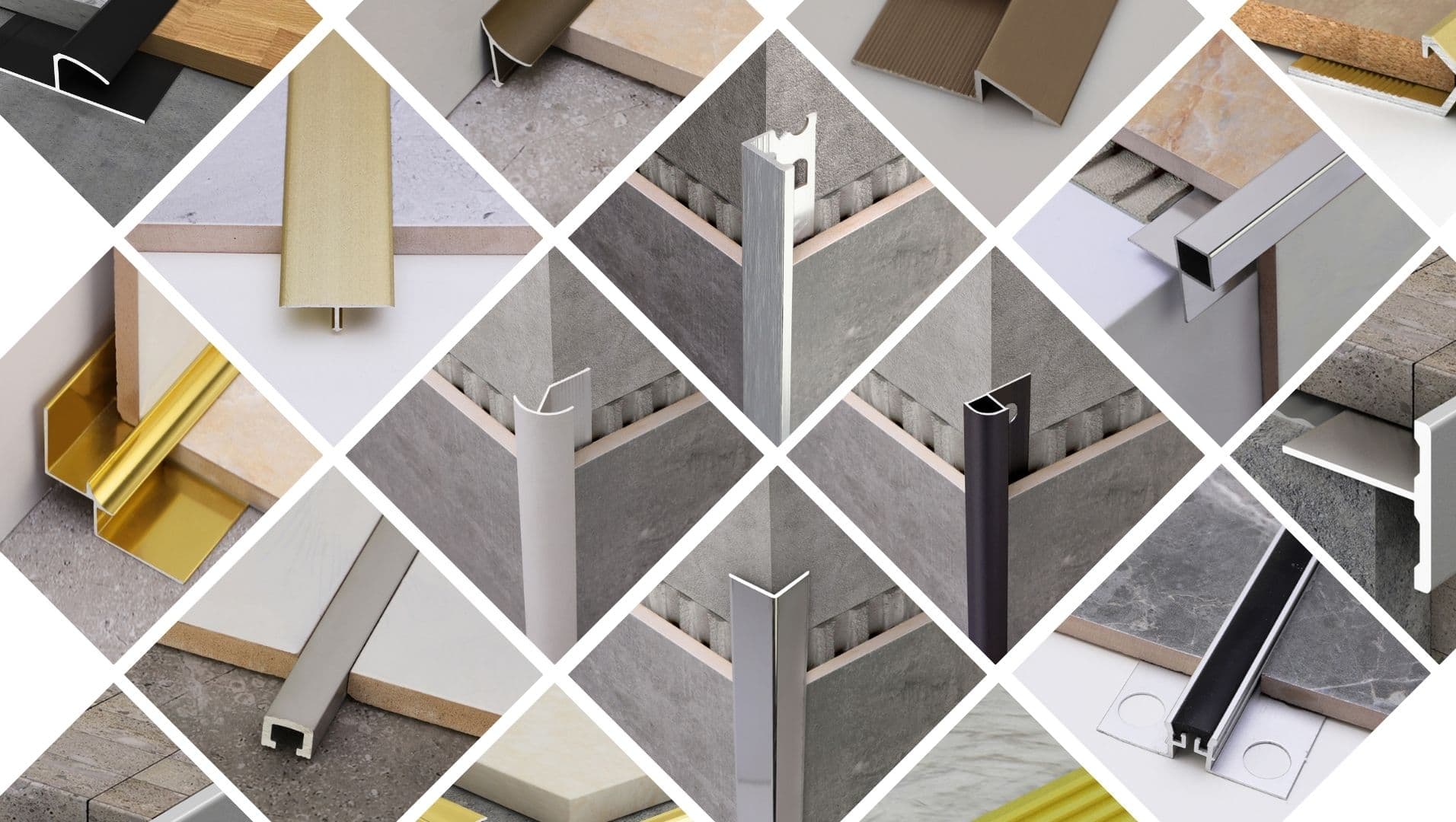
Aluminum tile trim offers a variety of aesthetic options, including diverse shapes, colors, finishes, and sizes to match any design vision.
Shape and Style Options
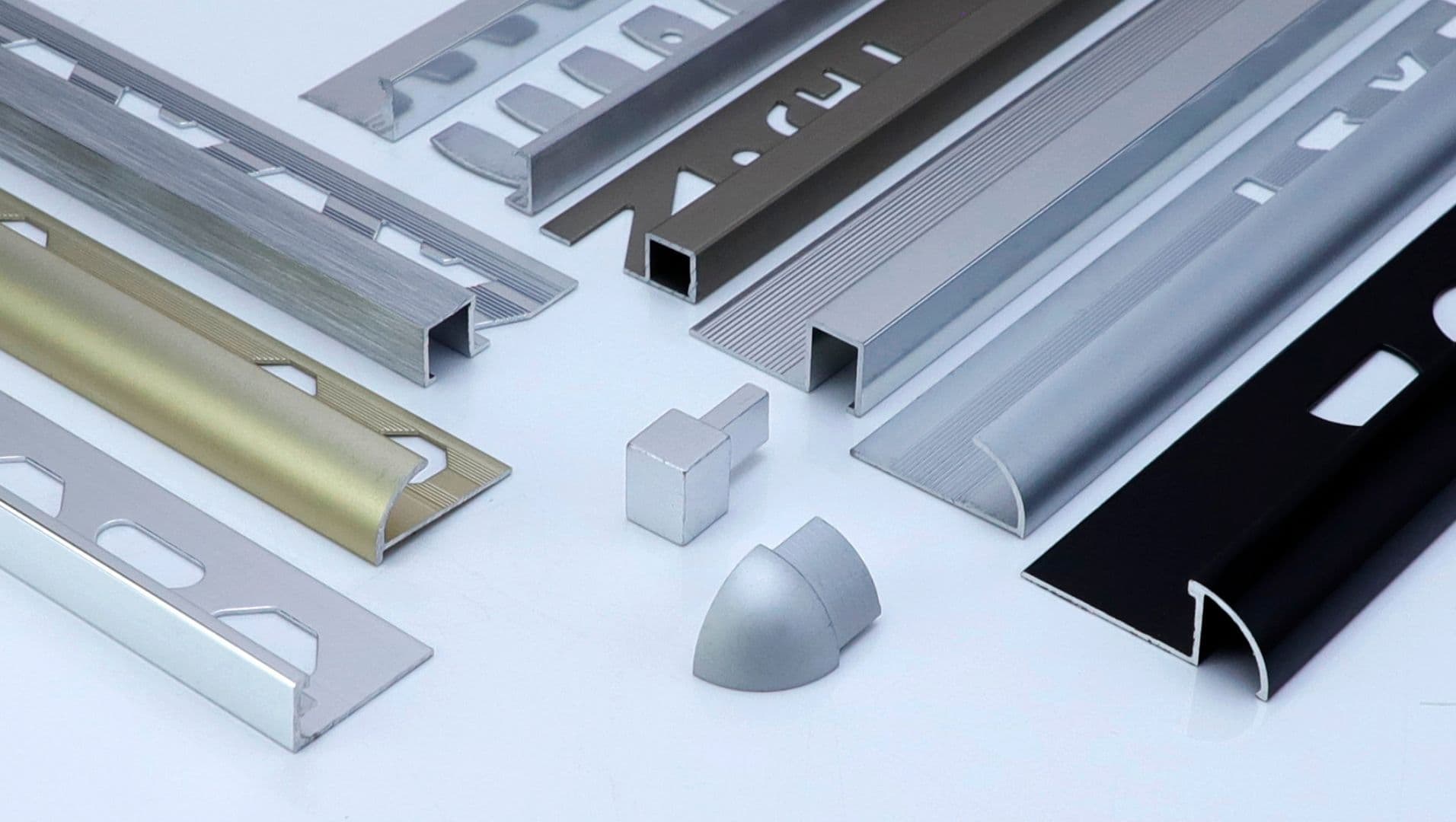
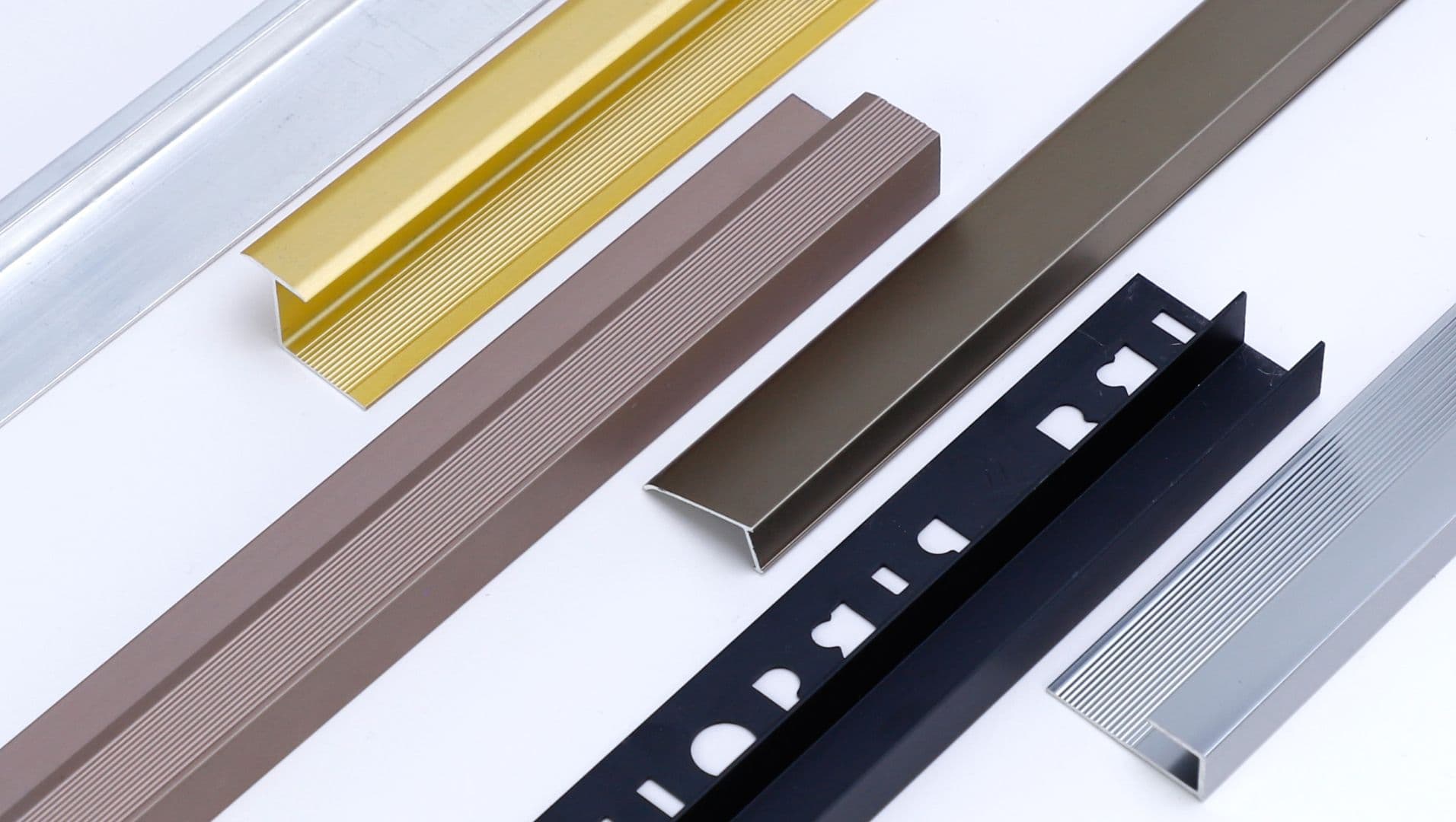
When I first explored aluminum tile trim, I was amazed by the variety of shapes available. It felt like picking the perfect accessory to complete an outfit—each shape had its own flair and functionality. The L Shape is great for crisp edges, while the Round Edge adds a softer touch, much like the gentle curve of a favorite teacup. If you’re after something modern, the Square Edge might be your go-to. There are also more unique shapes like the T Shape and U Shape that add architectural interest. I even found bendable options3 perfect for those tricky curved surfaces, allowing for some creative freedom—like sculpting clay into something uniquely my own.
Colors and Finishes
Selecting the right color and finish felt like choosing paint for a canvas. The array of colors available made it easy to tailor the trim to my décor. Whether it was the timeless appeal of silver, the bold statement of matte black, or the opulence of gold or bronze, there was something for every taste. And the finishes? They are like different textures of fabric. Brushed finishes give that subtle texture akin to soft linen, anodized ones offer durability just like a favorite pair of jeans, and polished finishes shine bright like a cherished heirloom. Customization possibilities4 seemed endless, allowing me to truly personalize my space.
Size Variations
Choosing the right size was crucial, much like finding that perfect pair of shoes that complete your outfit. Standard sizes like 8mm, 10mm, and 12mm were readily available, fitting most tile thicknesses effortlessly. However, for my unique projects, custom sizing was a game-changer. Getting this right ensured not just functionality but also a polished aesthetic, framing my tiles beautifully as if they were pieces of art on display.
Integrating Aluminum Trim in Design
Integrating aluminum tile trim into my home’s design was like adding the final brushstroke to a painting. Using contrasting colors or finishes created striking visual borders that immediately drew attention—like the bold lines of a modern art piece. Meanwhile, matching trim to tile colors offered a seamless transition, creating harmony in spaces like kitchen backsplashes or bathroom walls. These trims didn’t just protect; they added style much like a well-chosen accessory elevates an entire outfit. Exploring various design inspirations5 helped me see just how creatively these trims could be used to breathe new life into any room.
Aluminum tile trims are only available in L Shape.False
They come in various shapes like Round Edge, Square Edge, T Shape, etc.
Aluminum tile trims can be polished for a shiny finish.True
Polished is one of the available finishes for aluminum tile trims.
Is Aluminum Tile Trim Easy to Install?
Ever wondered if aluminum tile trim is as easy to install as it looks? Let me walk you through it!
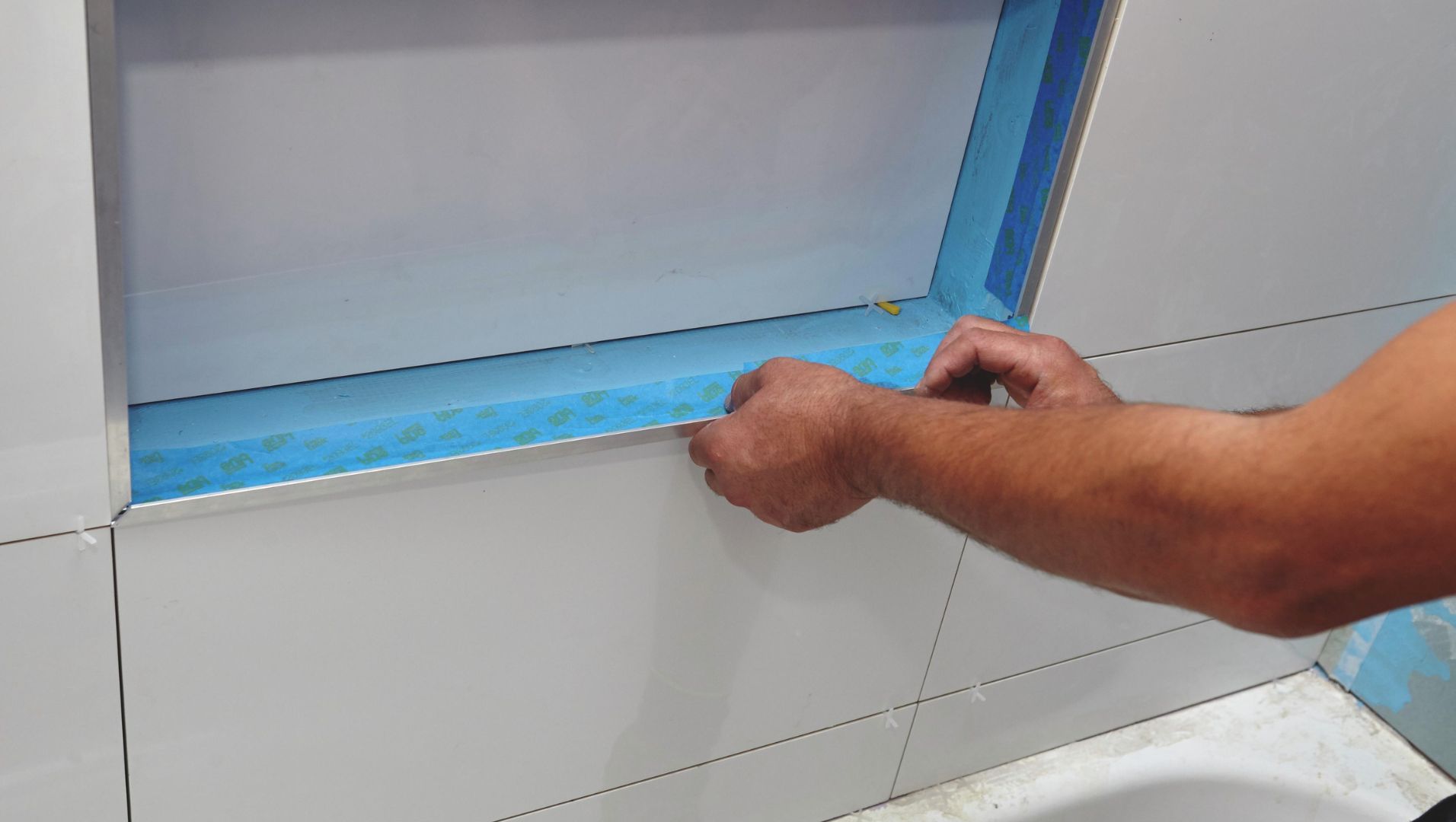
Yes, aluminum tile trim is quite user-friendly to install, making it a top pick for DIY enthusiasts like me. Its lightweight design and diverse styles simplify application along tile edges, ensuring a clean, polished finish.
Understanding the Basics of Aluminum Tile Trim Installation
Installing aluminum tile trim seemed daunting at first, but trust me, it’s a breeze once you get the hang of it. I remember the first time I tackled this, envisioning the sleek transition between tiled and non-tiled areas. The lightweight material6 makes it easy to handle and cut precisely, which is key for that seamless look we all aim for.
Tools and Materials Required
Before diving in, I made sure my toolbox was ready. You’ll need a measuring tape, a hacksaw for cutting the trim, and a rubber mallet for gently securing it. Don’t forget the adhesive or thin-set mortar to keep the trim firmly in place. Getting familiar with these tools beforehand made my process so much smoother and efficient7.
Step-by-Step Guide to Installation
-
Measure and Cut:
- I started by measuring the length of the area needing trim.
- Then, using a hacksaw, I carefully cut the aluminum trim to size.
- Smoothing out any rough edges was crucial to avoid any accidents or damage.
-
Apply Adhesive:
- With the trim cut to size, I applied a thin layer of adhesive along the tile edges.
- This step ensures the trim stays put.
-
Position and Secure:
- Carefully positioning the trim over the adhesive, I aligned it perfectly with the tiles.
- A gentle tap with a rubber mallet ensured everything was snug.
-
Final Adjustments:
- After letting the adhesive cure as per instructions, I made any final tweaks and cleaned up excess adhesive.
Tips for a Professional Finish
For those seeking that professional touch, consider trims that complement your tiles with finishes like brushed or anodized options. I also found that using a tile corner guard8 significantly protects vulnerable edges from chips and wear.
Aluminum tile trim not only elevates aesthetics but also guards against moisture and damage. Its ease of installation empowers homeowners like us to take on tiling projects confidently without professional help.
Aluminum tile trims are easy to install for DIY projects.True
Aluminum tile trims are lightweight and designed for straightforward installation.
Aluminum tile trims only come in one finish.False
They come in various finishes, including brushed, anodized, and polished.
How Does Aluminum Tile Trim Compare in Cost to Other Materials?
Picking the right tile trim feels a bit like choosing the perfect accessory—it can transform a room’s look and save you money. But how does aluminum measure up against other materials?
Aluminum tile trim typically costs less than stainless steel but more than PVC, making it an affordable yet durable option that also offers aesthetic versatility. This balance of cost, durability, and design makes it a favored choice for many homeowners and contractors.
The Basics of Aluminum Tile Trim
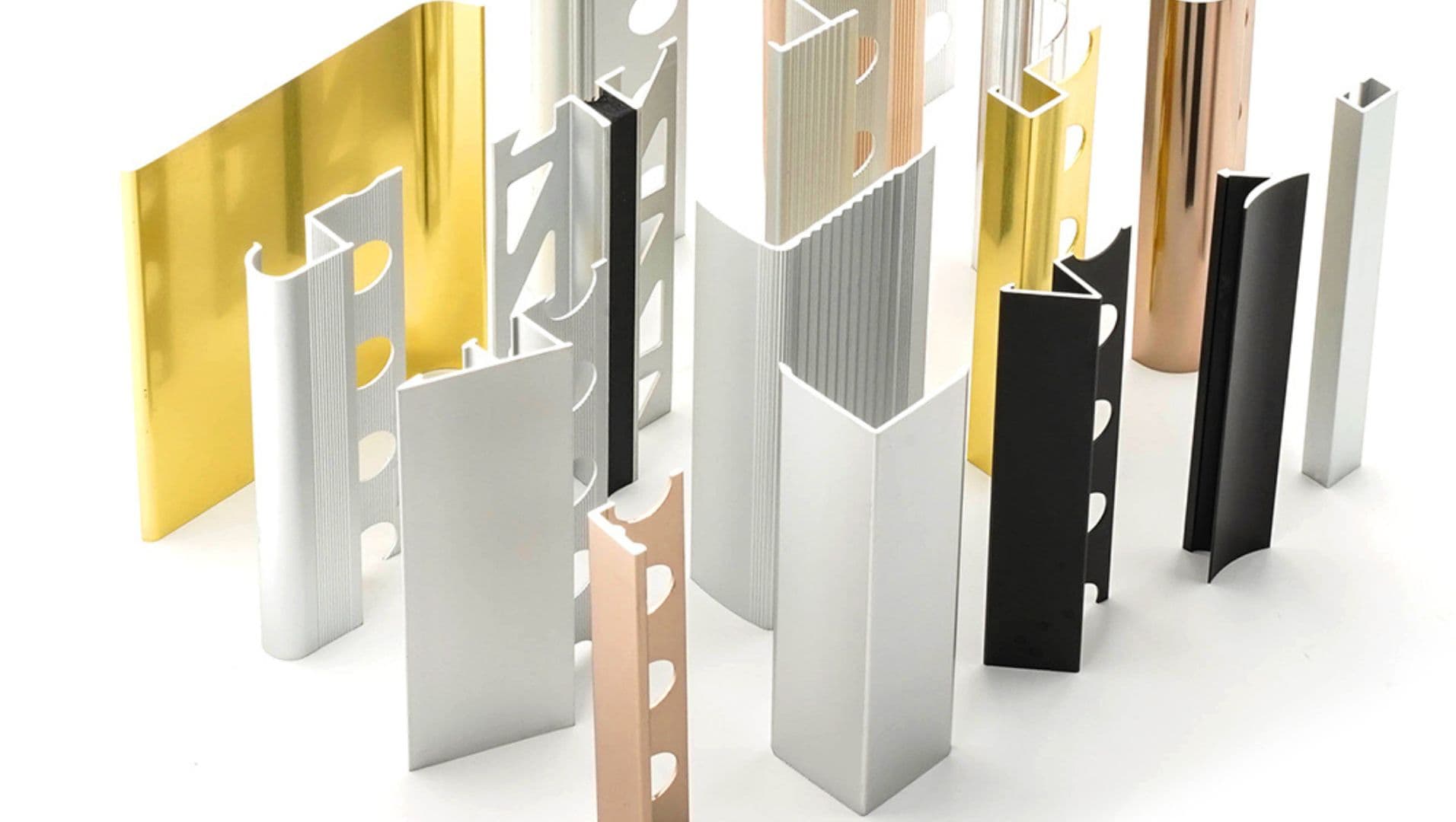
When I first ventured into my home renovation project, I was overwhelmed by the choices. Aluminum tile trim quickly caught my eye with its variety of shapes and finishes. Whether I was imagining a sleek, modern bathroom with brushed finishes9 or a kitchen with a bit more flair using anodized options, aluminum seemed to fit every vision. It’s like having a wardrobe full of options for every occasion—perfect for a creative soul who loves to mix and match.
Comparing Costs with Stainless Steel
I remember considering stainless steel for its durability and contemporary look. It’s like the sturdy boots that never go out of style. But, as I weighed the options, the higher price tag loomed large over my budget plans. Aluminum became the sensible choice—affordable yet reliable. For most home settings, where extreme durability isn’t as crucial, aluminum seemed like the smart compromise between quality and cost. It’s not just about saving money; it’s about making every dollar count.
PVC: The Budget-Friendly Alternative
I’ve always been tempted by the lure of saving a few bucks, which is why PVC initially drew me in. It’s lightweight and easy to work with—like those affordable sneakers that are great for casual wear. But then, I had to ask myself about long-term value. Did I want something that might need replacing sooner rather than later? Aluminum, while slightly pricier upfront, promised longevity and a style that wouldn’t fade over time. It was an investment in peace of mind.
Weighing Cost Against Other Factors
In my decision-making process, I realized it wasn’t just about the sticker price. Longevity and maintenance mattered too. Aluminum emerged as a reliable partner—offering good durability and requiring minimal upkeep at a reasonable cost. By evaluating these elements, I found aluminum to be the best fit for my needs, balancing my budget constraints10 with the desire for a beautiful finish that would last. After all, isn’t that what every homeowner dreams of—a project well done that doesn’t break the bank?
Aluminum tile trims are cheaper than stainless steel trims.True
Aluminum is generally less expensive than stainless steel, offering cost savings.
Aluminum tile trims are only available in polished finish.False
They come in various finishes, including brushed and anodized.
What Are the Environmental Benefits of Using Aluminum Tile Trim?
Ever wondered how your choice of tile trim could be a win for the environment?
Aluminum tile trim is 100% recyclable, energy-efficient to produce, and helps reduce greenhouse gas emissions. Its durability means fewer replacements, minimizing environmental impact over time.
Aluminum’s Recyclability and Its Impact
I remember the first time I really thought about recycling. It was during a family camping trip when I was a kid, and we saw a sign that said, "Nature doesn’t recycle. Humans do." That stuck with me. Fast forward to my latest renovation project, and this memory resurfaced as I considered the materials to use. Aluminum tile trim came up as a clear winner because of its incredible recyclability11. Unlike other materials that degrade each time they’re recycled, aluminum retains its quality, meaning it can be used repeatedly without any loss of integrity. This endless cycle means less need for new raw materials and a significant reduction in energy consumption—up to 95% less than producing aluminum from scratch!
Energy Efficiency in Production
Thinking back to my late-night college research on sustainable materials, I recall being blown away by how efficient aluminum is to produce. Manufacturing aluminum tile trim uses less energy than other options, like ceramics or plastics. This isn’t just an abstract statistic; it translates into fewer greenhouse gases and a lighter carbon footprint overall. Plus, given aluminum’s lightweight nature, shipping becomes more efficient too. Imagine loading up the truck for another camping trip, but this time, it’s filled with more gear and less gas.
Durability and Longevity
When it comes to renovations, I’ve learned the hard way that durability is key. I once chose a cheap alternative for my bathroom remodel, only to find it deteriorating within a year. Aluminum tile trim, however, stands the test of time thanks to its resistance to corrosion. This means fewer replacements over the years—less hassle for me and less waste heading to the landfill. With aluminum trims maintaining their appearance longer, there’s also no need for frequent upgrades or repairs12.
Reducing Greenhouse Gas Emissions
It’s incredible how far we’ve come with technology and sustainability efforts in recent years. Modern techniques in aluminum production harness renewable energy sources like hydropower, slashing carbon emissions even further. As someone who cares deeply about sustainability (thanks in part to those formative camping trips), knowing that aluminum tile trims contribute to reducing greenhouse gases aligns perfectly with my eco-friendly values.
Incorporating aluminum tile trims into any project isn’t just about aesthetics; it’s about making choices that resonate with our environmental consciousness. By understanding these benefits, we empower ourselves—and others—to make decisions that not only enhance our spaces but also protect our planet.
Aluminum tile trims are 100% recyclable.True
Aluminum is fully recyclable, reducing waste and conserving resources.
Aluminum tile trims emit high greenhouse gases during production.False
Aluminum production emits less greenhouse gases compared to other metals.
Conclusion
Aluminum tile trim offers durability, aesthetic versatility, and easy installation. Available in various shapes, colors, and finishes, it enhances design while providing moisture resistance and long-lasting protection.
-
Learn about anodized aluminum’s benefits for durability and aesthetics. ↩
-
Discover how aluminum compares to uPVC in terms of durability. ↩
-
Discover innovative ways to use bendable aluminum trim creatively in decor. ↩
-
Learn about different finishes to personalize your aluminum tile trim. ↩
-
Get inspired by creative examples of aluminum trim in home designs. ↩
-
Discover why aluminum’s lightweight nature simplifies installation. ↩
-
Find essential tools for seamless aluminum tile trim installation. ↩
-
Learn how tile corner guards enhance edge protection. ↩
-
Discover how brushed finishes enhance aluminum’s aesthetic appeal. ↩
-
Learn strategies to maximize your budget in tiling projects. ↩
-
Discover how recycling aluminum saves energy and reduces environmental impact. ↩
-
Explore how long-lasting aluminum reduces resource use and waste. ↩