Skip to content
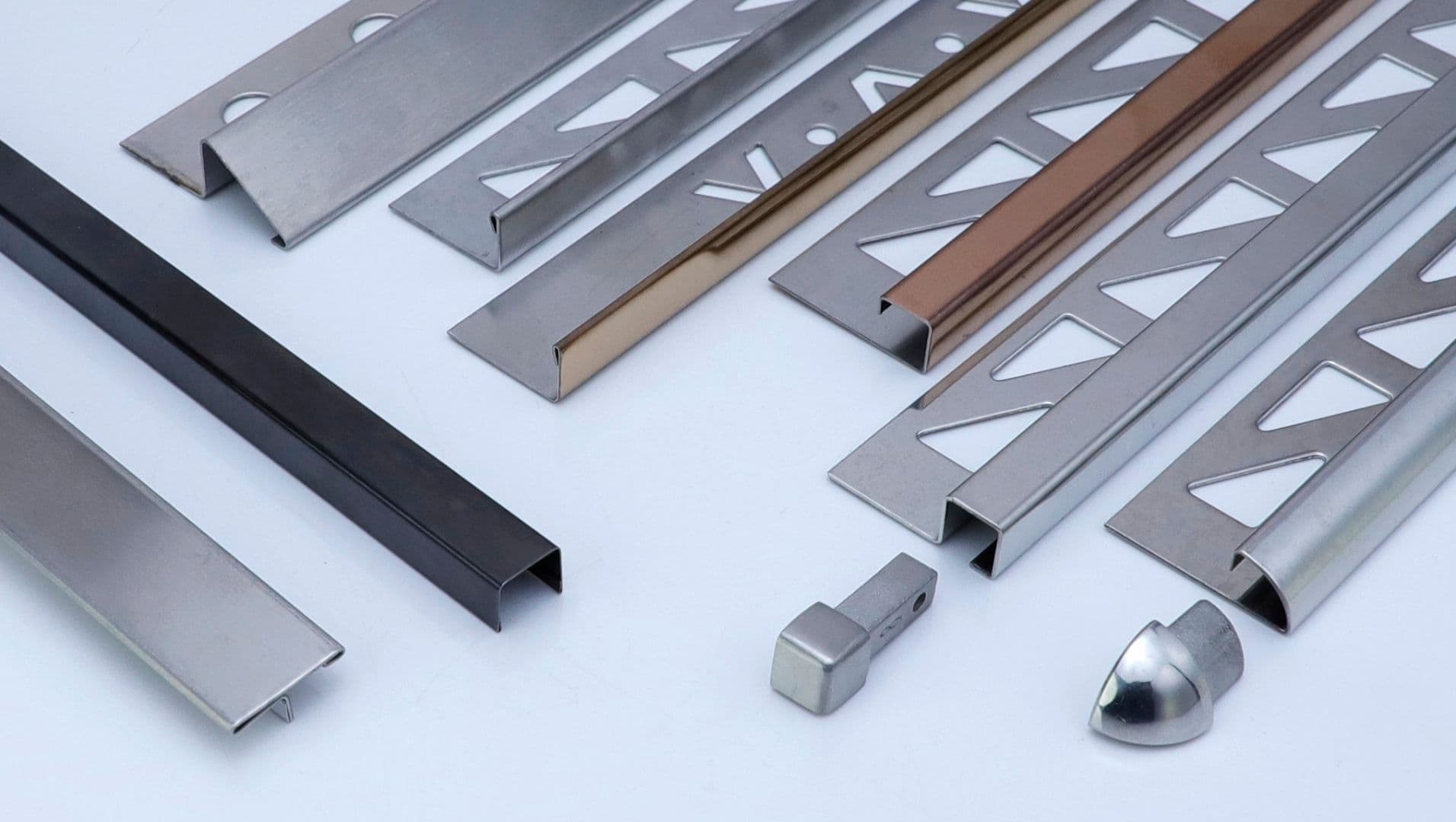
Ever stood in your kitchen, dreaming of a makeover that’s both stylish and durable? Stainless steel tile trim could be just the touch you’re looking for!
Stainless steel tile trim offers numerous benefits, like exceptional durability, corrosion resistance, and a sleek, modern appearance. It shines in high-traffic and moisture-prone areas like kitchens and bathrooms, delivering both protection and aesthetic flair.
I remember the first time I decided to renovate my kitchen. I wanted something modern but also reliable—something that could stand up to the chaos of everyday life. That’s when I discovered stainless steel tile trim. Its resilience and chic finish seemed perfect for handling the spills and splashes that come with cooking family meals.
While stainless steel tile trim is known for its toughness, learning about its various uses, like how it stacks up against aluminum, was a game-changer. Whether it’s the L Shape or Round Edge design you’re considering, understanding these options can help tailor your project to fit your lifestyle and aesthetic. Let’s delve into why this material might just be the ideal choice for your home renovation adventure.
Stainless steel tile trims are only available in polished finish.False
They come in various finishes, including brushed and polished.
Aluminum tile trims are commonly available in 8mm size.True
8mm is a standard size for aluminum tile trims.
How Does Stainless Steel Tile Trim Compare to Aluminum?
Making the right choice between stainless steel and aluminum tile trim can transform your space. Let’s dive into how these materials stack up against each other!
Stainless steel tile trim offers a sleek, durable finish perfect for damp areas like bathrooms and kitchens. Aluminum trim, though lighter and often cheaper, is best for areas with less exposure to wear and tear.
Durability and Longevity
When I first tackled the renovation of my bathroom, I was drawn to the timeless elegance of stainless steel tile trim. Its durability was a selling point; it’s incredibly resistant to corrosion, which is a must-have for any high-moisture environment. I remember thinking about how it could withstand the steam from countless showers without losing its shine. Unlike aluminum, which although rust-resistant, might dent or scratch more easily—something to consider if you’ve got active kids or pets. The resilient nature1 of stainless steel means it maintains its integrity over time.
Cost Considerations
Of course, budget plays a big role in decision-making. Aluminum trim seemed appealing at first glance because of its lower cost. It’s lighter and thus cheaper to produce, which translates to savings at the store. But then I thought about the long haul—would those initial savings be worth it if I had to replace the trim sooner? In the end, investing a bit more upfront for stainless steel felt like a smarter choice for those moisture-heavy spaces.
Aesthetic Appeal
The aesthetic choices with both materials are fascinating. Stainless steel exudes a modern, sleek vibe that’s hard to beat. I remember standing in the aisle, captivated by the polished finishes that promised a touch of sophistication. On the flip side, aluminum offered an array of colors and finishes, perfect for when you want to match or contrast with existing decor. This flexibility can be a creative playground if you like mixing and matching styles. Understanding the visual impact2 of each material can help guide your decision.
Versatility in Design
Both stainless steel and aluminum trims come with their own set of design possibilities. Stainless steel’s variety of shapes, like L Shape or Square Edge, allowed me to experiment with different looks and functionalities around corners and edges. Similarly, aluminum’s diverse sizes make it adaptable to various tiling needs—ideal if you’re working on projects with different tile thicknesses. Exploring the design possibilities3 with each material can inspire innovative installations.
Environmental Impact
With sustainability becoming increasingly important, it was reassuring to know that both materials boast eco-friendly credentials. Stainless steel can be recycled multiple times without losing quality, while aluminum’s recycling process requires less energy compared to many other metals. This was a comforting thought as I pondered over how my choices impact the environment considering their sustainability aspects4.
In the end, choosing between stainless steel and aluminum tile trim involves weighing these factors based on your specific needs and preferences. Whether you’re after longevity, aesthetic appeal, or budget-friendly options, there’s a trim out there that will suit your project perfectly.
Stainless steel tile trims are available in Triangle Edge shape.True
Triangle Edge is one of the various shapes available for stainless steel trims.
Aluminum tile trims are only available in 8mm size.False
Aluminum trims come in multiple sizes, including 8mm, 10mm, and 12mm.
What Shapes and Styles Are Available in Stainless Steel Tile Trim?
Have you ever found yourself knee-deep in a home project, only to be stumped by how to finish those pesky tile edges?
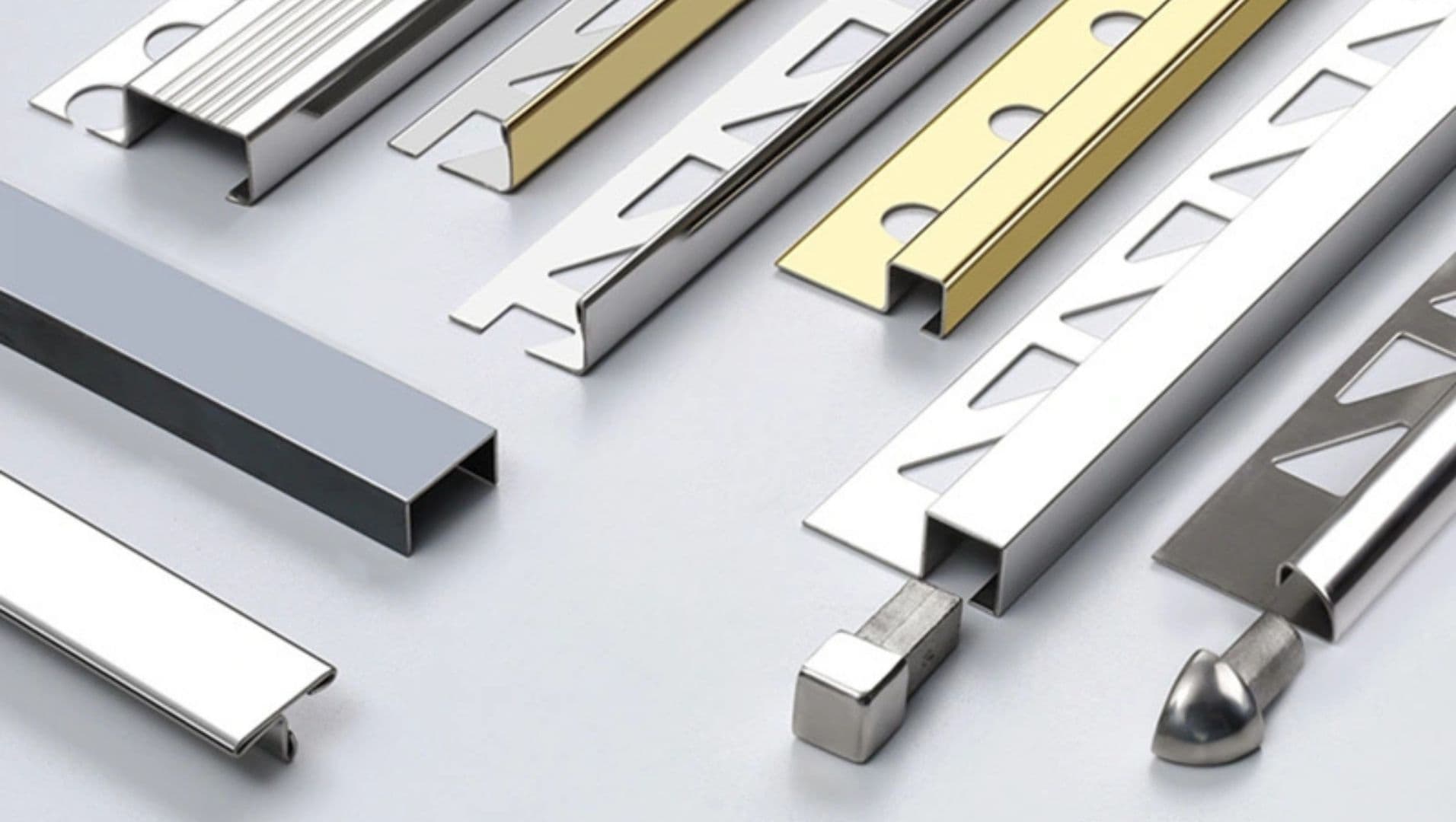
Stainless steel tile trims are available in shapes like L, T, U, and round edges with finishes such as brushed or polished. They provide both functional and aesthetic benefits, making them ideal for any tiling project.
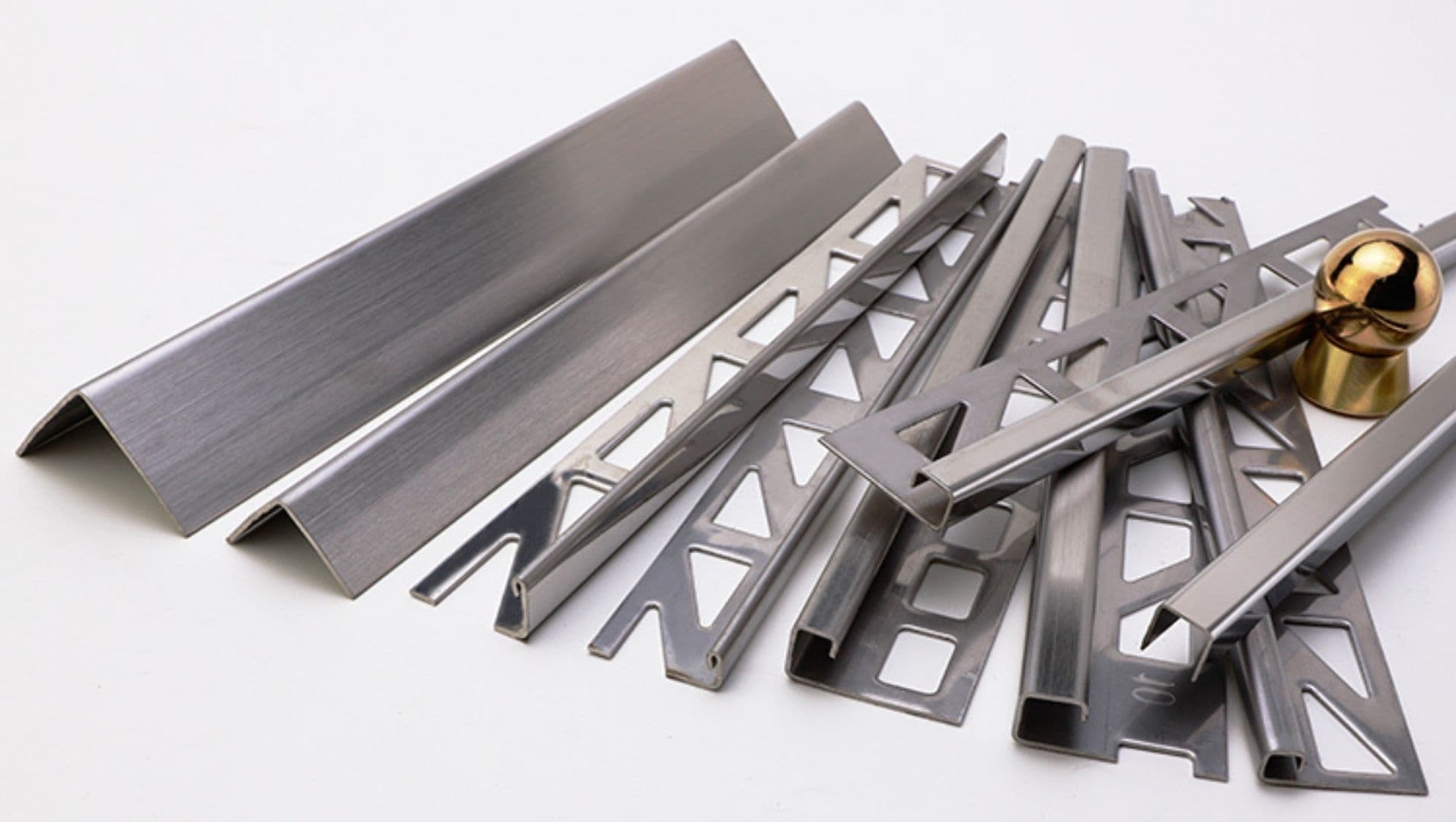
I remember the first time I tackled a tiling project in my bathroom. I was so focused on picking the perfect tiles that I completely overlooked how I was going to handle the edges. Enter stainless steel tile trims – a revelation! These trims not only provided a polished finish but also offered durability and a touch of elegance that I never knew I needed.
Exploring the Different Shapes
Diving into the world of stainless steel trims, I discovered an array of shapes designed to suit various design needs. The L Shape5 trim, for instance, became my go-to for its straightforward installation and clean look. It’s perfect for those right-angle corners that can otherwise be a hassle.
For a softer transition, especially between tiled areas that demanded a gentler look, the Round Edge trim was a lifesaver. It helped create a smooth and subtle finish that didn’t scream for attention but quietly complemented the room’s design.
But if you’re someone who craves a bold, modern vibe, the Square Edge might just be your best friend. It delivers that crisp, defined look that works wonders in contemporary spaces.
And for those days when creativity struck and I wanted something unique, the T Shape and U Shape trims were there to join surfaces seamlessly or act as decorative accents.
Style Variations: Finishes and Colors
Beyond just shapes, I realized how much finishes could transform a space. A brushed finish6 was perfect for high-traffic areas like my kitchen, where minimizing smudges was a must. Meanwhile, a polished finish added that mirror-like shine to my minimalist living room, bouncing light around like nobody’s business.
Playing with colors was another delightful discovery. Whether it was matching the classic silver with my stainless steel appliances or daring with hues like black or gold, these trims allowed me to express my style in ways I hadn’t imagined.
Versatility in Sizes and Applications
The beauty of these trims didn’t stop at style. They came in sizes perfect for different tile thicknesses – whether it was 8mm for thinner tiles or 12mm for those chunky ones.
Thinking about functionality, especially in high-traffic areas, Tile Corner Guards7 became an essential part of my design toolkit. They not only protected my tiles but also added an unexpected touch of style.
So whether you’re looking to add subtle elegance or make a bold statement, stainless steel tile trims offer a comprehensive solution that marries style with practicality. It’s all about finding what resonates with your space and making it truly your own.
Stainless steel tile trims are only available in L shape.False
Stainless steel tile trims come in various shapes, not just L shape.
Aluminum tile trims typically come in 8mm, 10mm, 12mm sizes.True
These are common sizes for aluminum alloy tile trims.
Why Choose Stainless Steel for High-Moisture Areas?
Ever wondered why stainless steel is the go-to for humid spaces? Its rust-resistant magic might just surprise you.
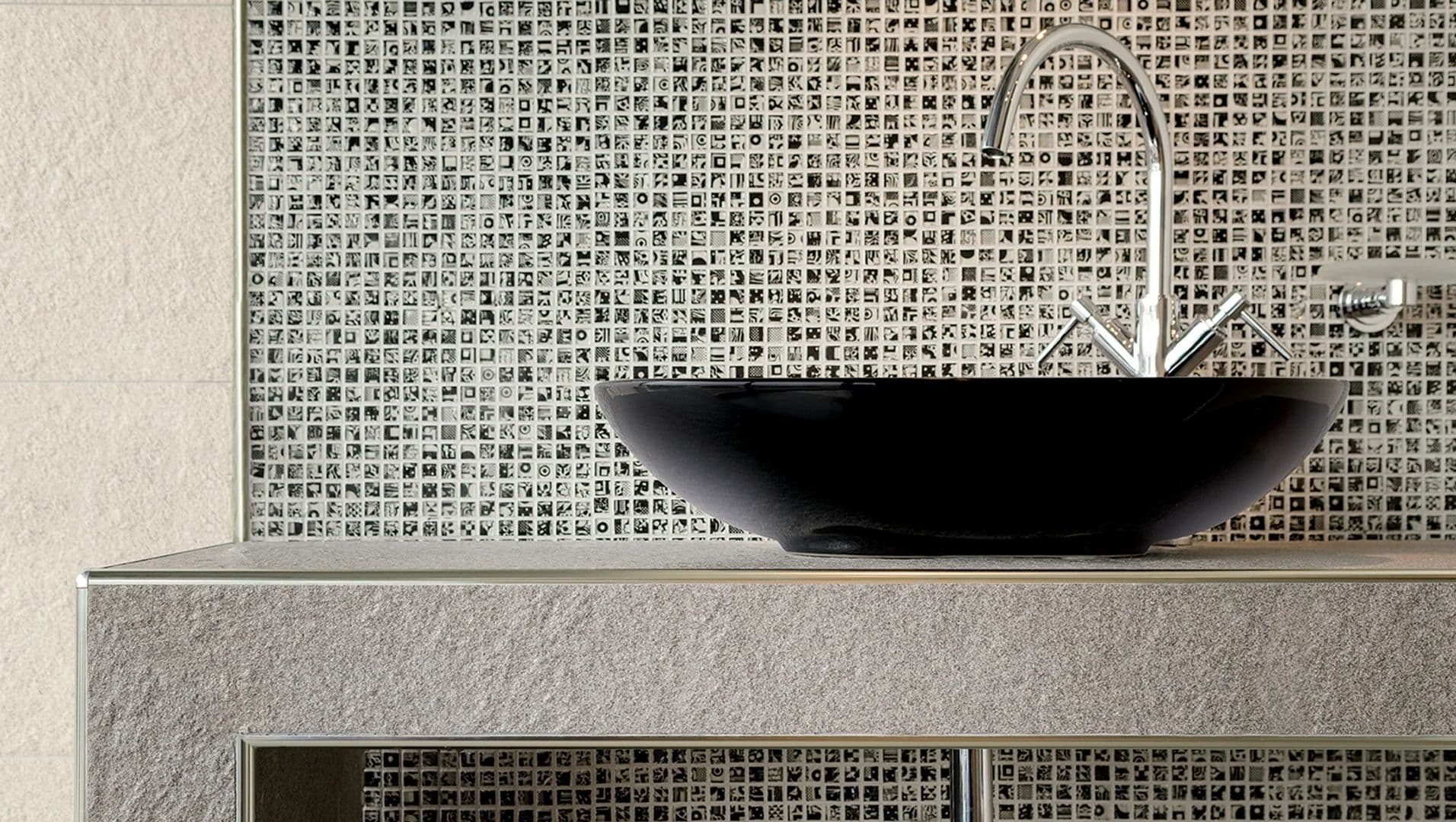
Stainless steel shines in high-moisture areas thanks to its rust and corrosion resistance, promising durability and longevity. The secret? Its chromium content creates a protective barrier against water and air damage.
Understanding Stainless Steel’s Composition
I remember the first time I truly appreciated the science behind stainless steel. It was during a kitchen remodel, and I was amazed by how this unassuming metal could withstand the chaos of a bustling family home. Stainless steel is an alloy mainly consisting of iron, chromium, and sometimes nickel or molybdenum. That chromium part? It’s the real hero, making up at least 10.5% of the mix and creating a magical layer of chromium oxide when it meets oxygen. This layer is like an invisible superhero shield against rust and corrosion8, perfect for those steamy showers or kitchen spills.
Benefits Over Other Materials
Now, I’ve worked with other metals before—aluminum, for instance, is lightweight but just doesn’t pack the same punch as stainless steel. Regular steel? Forget it unless you want to keep painting and repainting to stave off rust. Stainless steel, on the other hand, doesn’t need these extras. It stands strong on its own, saving me time and frustration in maintenance.
Versatility in Applications
What really sold me on stainless steel was its versatility. Whether I wanted a sleek, polished look for my kitchen or a more subdued, brushed finish for the bathroom, stainless steel delivered. It matches function with flair, adding style while being tough enough to resist fingerprints and stains in those high-traffic areas9.
Environmental Impact
I’m also pretty conscious about my environmental footprint, so knowing that stainless steel is 100% recyclable is a big plus. It’s like getting durability and doing my bit for the planet all at once—a win-win in any renovation or new build project I’m considering. This makes it a top choice for sustainable projects, aligning with eco-friendly building practices and environmentally conscious projects10.
Stainless steel tile trims are only available in L Shape.False
Stainless steel tile trims come in various shapes, including L Shape.
Stainless steel grades 304 and 316 are corrosion-resistant.True
These grades are known for their excellent corrosion resistance.
What Surface Finishes Are Offered for Stainless Steel Tile Trim?
Choosing the right finish for stainless steel tile trim can transform your space from ordinary to extraordinary. But what are the options?
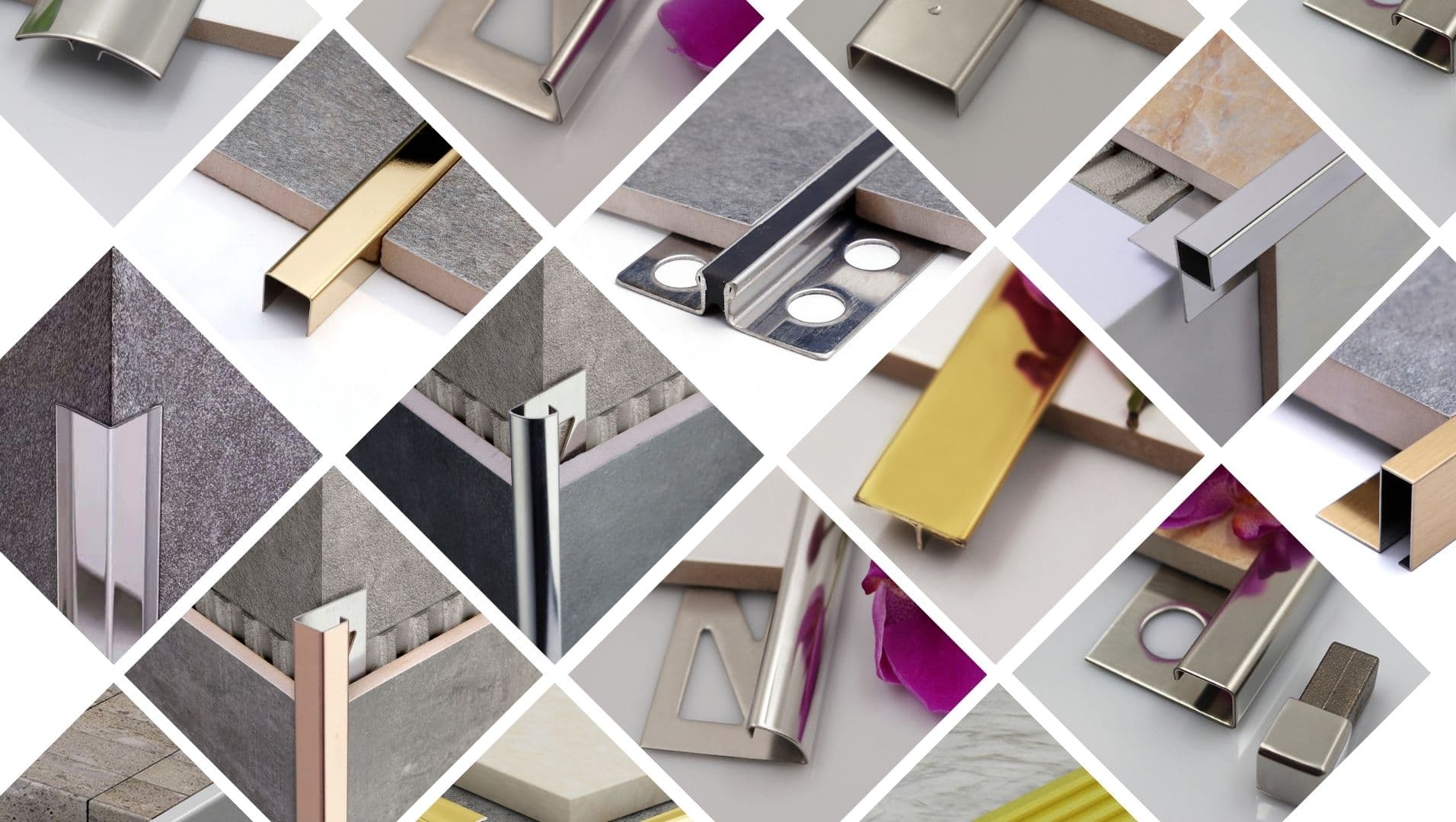
Stainless steel tile trims are available in finishes like brushed, polished, and matte, each offering distinct aesthetics and practical benefits. These choices impact not only the look but also the maintenance and durability of the trim, making it crucial to select based on your specific project needs.
Brushed Finish
Imagine you’re aiming for that chic, industrial vibe in your kitchen or bathroom. The brushed finish on stainless steel tile trim is perfect for this look. I remember the first time I saw a kitchen with brushed steel accents—it was love at first sight! The subtle lines running across the surface add depth without overwhelming the design. Plus, they cleverly disguise fingerprints and scratches, which is a lifesaver if you’re like me and prefer minimal maintenance.
For those aiming to achieve a modern look11, brushed finishes seamlessly pair with stone or glass, making them an excellent choice for a modern aesthetic. However, they do need a bit of cleaning every now and then to keep looking their best.
Polished Finish
If you’re dreaming of a space that oozes elegance and sophistication, then polished stainless steel tile trims might be your best bet. I’ve always been drawn to how their mirror-like shine can make even a small bathroom feel like a luxurious spa. These trims reflect light beautifully, brightening up any corner they adorn.
Although they elevate the luxurious feel12 of a room, let me be honest—polished finishes show every fingerprint and smudge. Regular cleaning becomes part of the routine, but it’s a small price to pay for such breathtaking beauty.
Matte Finish
There’s something effortlessly stylish about matte finishes. They offer a muted elegance that’s both understated and sophisticated. I once had a friend who opted for matte finishes in her modern condo, and the results were stunning—her tiles seemed to whisper style rather than shout it.
These trims don’t show water spots easily, making them ideal for anyone who prefers low-maintenance solutions. Their ability to blend into contemporary designs13 makes them an appealing choice for those seeking subtlety over sparkle.
Specialty Finishes
For those who crave something truly unique, specialty finishes are where it’s at. Textured or embossed stainless steel tile trims can add a whole new dimension to your design. I’ve always been intrigued by these specialty options; they feel like art pieces in their own right.
Before diving into these unique finishes, though, I’d recommend chatting with professional advice14 to ensure they fit seamlessly into your overall design vision.
Stainless steel tile trim can be bendable.True
Stainless steel tile trims include bendable options for versatile use.
Aluminum tile trims have more surface finishes than stainless steel.False
Stainless steel trims offer more finish options like brushed or polished.
How Can You Customize Stainless Steel Tile Trim to Suit Your Design?
Ever found yourself dreaming of the perfect home design but unsure how to make it happen? Customizing stainless steel tile trim might just be your secret weapon to turn those dreams into reality.
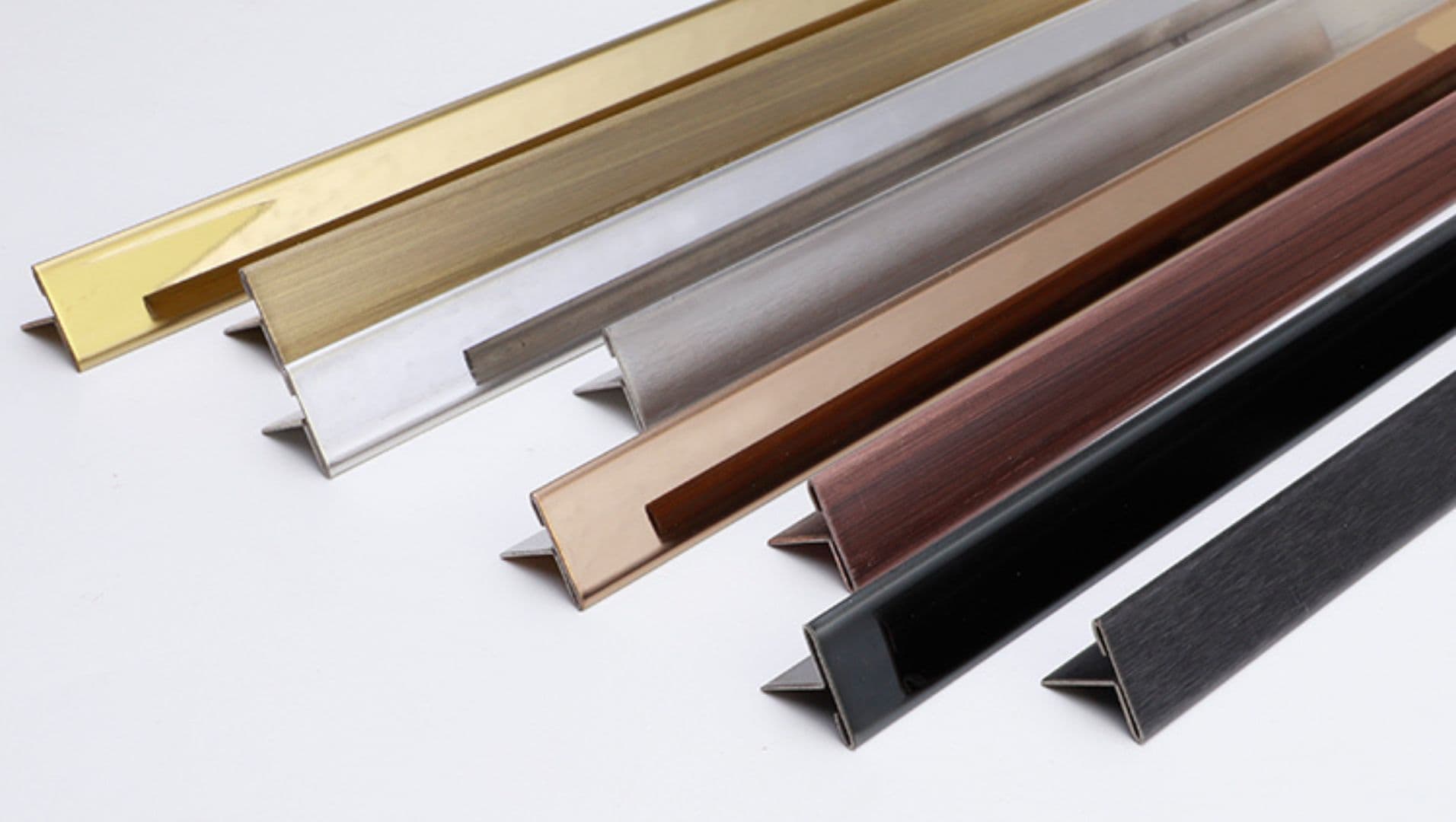
To customize stainless steel tile trim, start by choosing the right shape, finish, and size that align with your design goals. Consider L-shape or T-shape for unique edges, opt for a brushed or polished finish, and select a size that enhances your space’s balance and style.
Exploring Shapes and Profiles
Imagine standing in your kitchen or bathroom, admiring the sleek lines and elegant finishes that make your space truly yours. That’s the magic of stainless steel tile trims—they come in all sorts of shapes that can completely change the vibe of your tiling project. I remember when I first discovered the L-shape trim; it was a game-changer for me, perfect for creating sharp edges15 and giving extra protection to the tile corners. Then there’s the T-shape profile—ideal for subtly dividing different sections or materials. And if you’re like me and love adding a touch of softness, round edge trims are just perfect for that. Each shape has its own charm and function, so think about the overall feel and practicality of your space when choosing.
Selecting Finishes for Texture and Shine
The finish you choose can make all the difference in the world. I’ve always been drawn to a brushed finish because it offers this understated texture that cleverly hides fingerprints and smudges—a lifesaver in my busy household! It’s great for high-traffic areas or if you’re going for that minimalist look. On the other hand, a polished finish offers a sleek and shiny surface that can really open up smaller spaces by bouncing more light around. Just think about how much upkeep you’re ready to handle and how each finish will complement the other materials in your design.
Choosing the Right Size for Balance
When I was working on my last renovation, I learned that getting the size right is crucial to keeping everything in harmony. Stainless steel trims usually come in sizes like 8mm, 10mm, and 12mm, but you can also get custom sizes if you have something specific in mind. It’s all about making sure the size matches up with your tile thickness and gives enough coverage without overpowering the look. Trust me, finding that perfect balance can enhance the visual harmony16 of your entire space.
Incorporating Colors for Cohesion
Who says stainless steel has to be boring? While silver is classic, these trims can actually be customized with colored coatings to either match or contrast with your tiles. This trick is fantastic for pulling together a cohesive color scheme or adding a bold accent here and there. Just remember to use colors sparingly to keep things elegant and avoid clashing with other elements in your design.
By taking a thoughtful approach to these customizable features of stainless steel tile trim, you’re not just protecting your tiles; you’re elevating them into a standout feature of your interior design project. With the right mix of shape, finish, size, and color, these trims can turn your space into something truly special.
Stainless steel tile trims can be customized in any color.True
Stainless steel trims can be customized for color to fit design needs.
Aluminum tile trims are available in only three sizes.False
Aluminum trims come in many sizes; 8mm, 10mm, and 12mm are common.
Conclusion
Stainless steel tile trims offer durability, aesthetic appeal, and customization options in shape, finish, and size, making them ideal for stylish renovations in moisture-prone areas like kitchens and bathrooms.
-
Explore why stainless steel excels in high-moisture areas. ↩
-
Discover aesthetic comparisons between these materials. ↩
-
See innovative uses of both trims in design projects. ↩
-
Learn about the sustainability of these materials. ↩
-
Understand why L Shape trims are ideal for corner finishes. ↩
-
Explore how brushed finishes minimize maintenance efforts. ↩
-
Learn how corner guards protect and enhance tiled areas. ↩
-
Explore how chromium’s properties make stainless steel corrosion-resistant. ↩
-
Understand how different finishes influence maintenance ease. ↩
-
Discover why stainless steel is a sustainable material choice. ↩
-
Learn why brushed finish is ideal for modern interiors. ↩
-
Discover how polished finishes enhance elegance. ↩
-
Explore how matte finishes suit contemporary styles. ↩
-
Get expert tips on using specialty trims effectively. ↩
-
Discover how L-shape trims enhance edge protection. ↩
-
Learn tips on achieving visual balance in design. ↩