
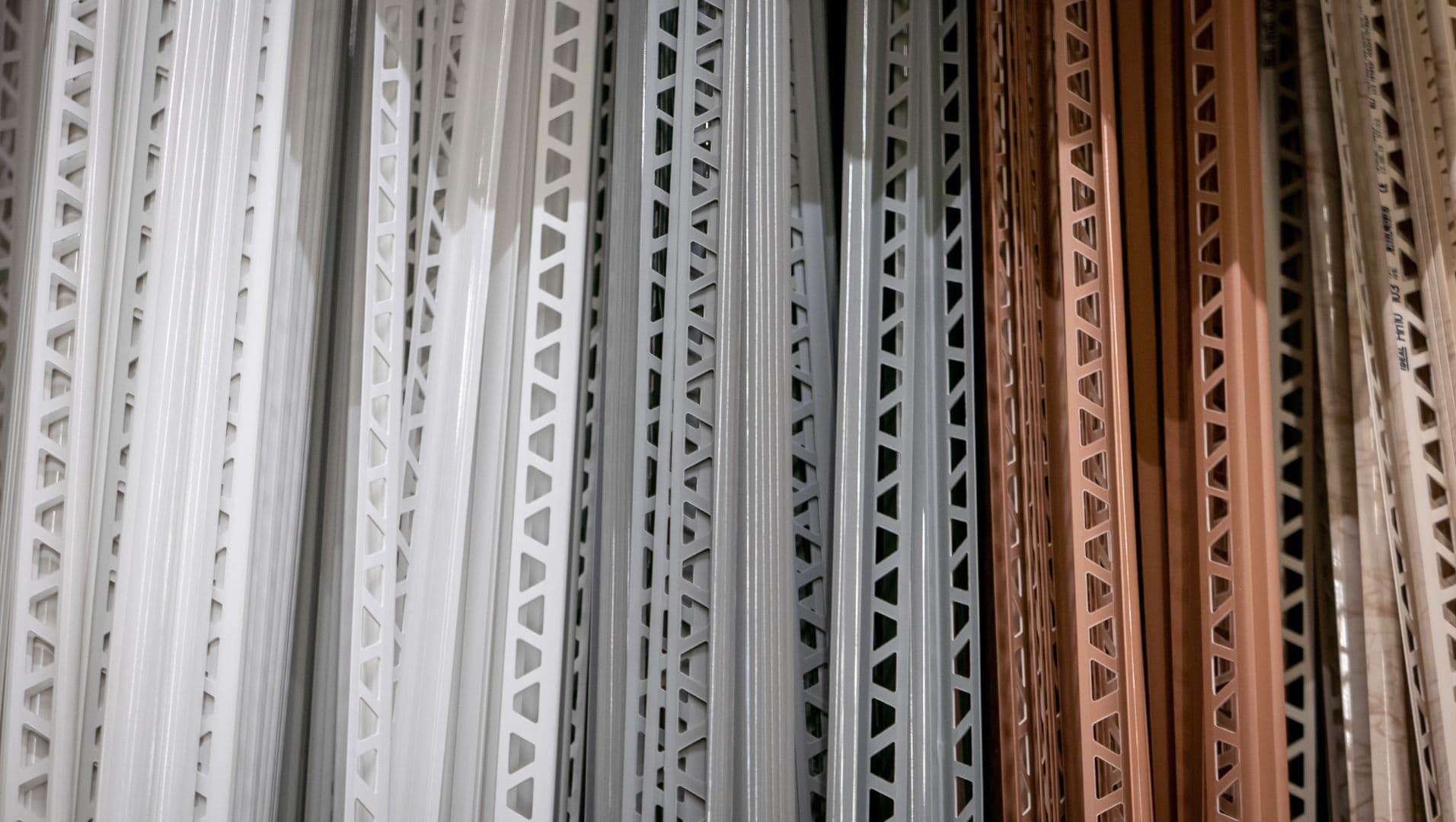
I remember standing among rows of tiles. Endless choices surrounded me. The sheer variety overwhelmed me. Choosing the right tile trim seems like a puzzle. Picking the correct trim is crucial. This choice perfects your space.
Select the best tile trim for your project by considering the material. Check if it fits the style. Decide if the color matches. Think about the way it will be installed. The trim must fit your tiles nicely. It should look good and work well.
Certainly, that quick guide talks about the basics, but let’s explore each factor more deeply. Grasping these details probably transforms a simple project into a masterpiece. The project then truly mirrors your vision and fulfills your needs.
Tile trim only serves a decorative purpose.False
Tile trim also provides edge protection, not just decoration.
Material choice is crucial for tile trim selection.True
Material affects durability and compatibility with tile aesthetics.
What Are the Different Types of Tile Trim Materials?
Choosing the correct tile trim is crucial for a successful tiling project. Let’s look at the choices!
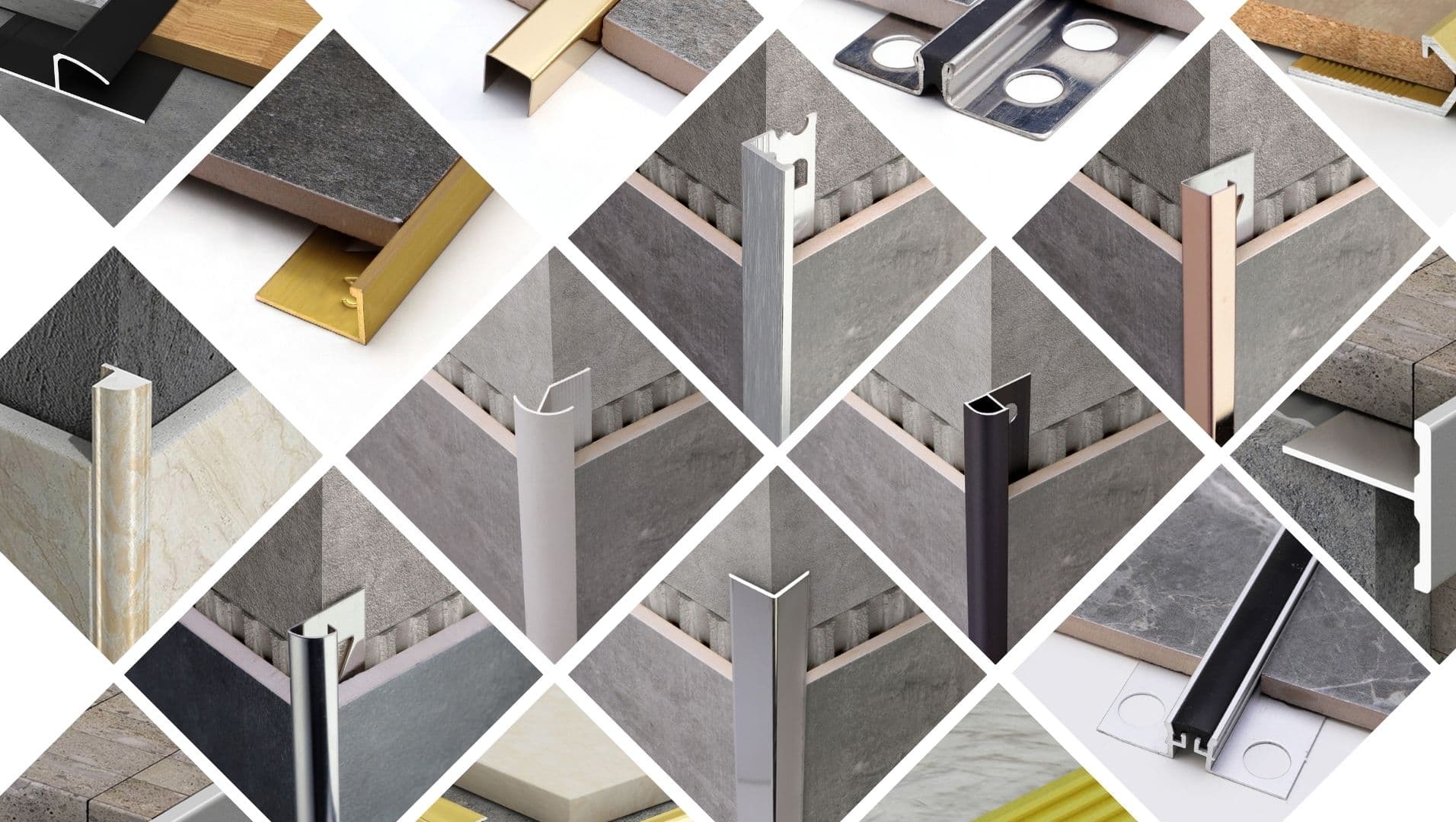
Tile trim materials include metal, PVC, ceramic and stone. Each type offers unique benefits. Metal provides durability. PVC is lightweight and easy to install. Ceramic adds a touch of style. Stone gives a natural and elegant look. These options cater to different tiling needs.
Metal Tile Trim
Metal tile trims are useful. When I first began DIY projects at home, I often chose them. Aluminum was my first pick. It is lightweight and very durable, which is very important in my busy kitchen where spills happen often! Aluminum and stainless steel tile trims add a modern touch and are very suitable for high-traffic spots. Brass is ideal for a classy look as it offers luxury and fights off corrosion effectively.
| Metal Type | Benefits |
|---|---|
| Aluminum | Lightweight, resistant to rust |
| Stainless Steel | High strength, sleek finish |
| Brass | Luxurious look, high corrosion resistance |
PVC Tile Trim
PVC tile trims came to my rescue when I wanted to update my living room without spending too much. They are flexible and come in a wide variety of colors, matching almost any tile design. These trims are perfect for areas without much moisture and wear; my cozy living room corner was just right for PVC trims.
Ceramic Tile Trim
During my first bathroom redo, a friend suggested ceramic trims with ceramic tiles because they matched perfectly and provided essential edge protection. These trims come in glazed and unglazed forms, allowing you to choose based on your desired look. Discover more about ceramic tile advantages here1.
Stone Tile Trim
Stone trims are like crown jewels for tile edges. Marble and granite offer unmatched elegance and strength. I used marble trims in a hallway once; they received endless compliments for their classic style and rich textures. Remember that proper care is necessary to maintain the allure of stone trims.
| Stone Type | Features |
|---|---|
| Marble | Classic appeal, rich textures |
| Granite | Superior strength, various natural colors |
Picking the right tile trim is very important as it concerns both looks and usefulness. Each material offers unique benefits; think about your specific needs and project details to explore your options deeply and find the right fit for your space.
How Does Tile Trim Enhance Aesthetic Appeal?
Do you ever wonder why some tiled areas stand out? The tile trim could be the key factor. Tile trim adds a finishing touch that really makes a space pop.
Tile trim improves the look of edges. It hides flaws and helps surfaces blend smoothly. These trims come in many styles and materials. They suit any design. They bring elegance and unity to spaces.
Creating Seamless Transitions
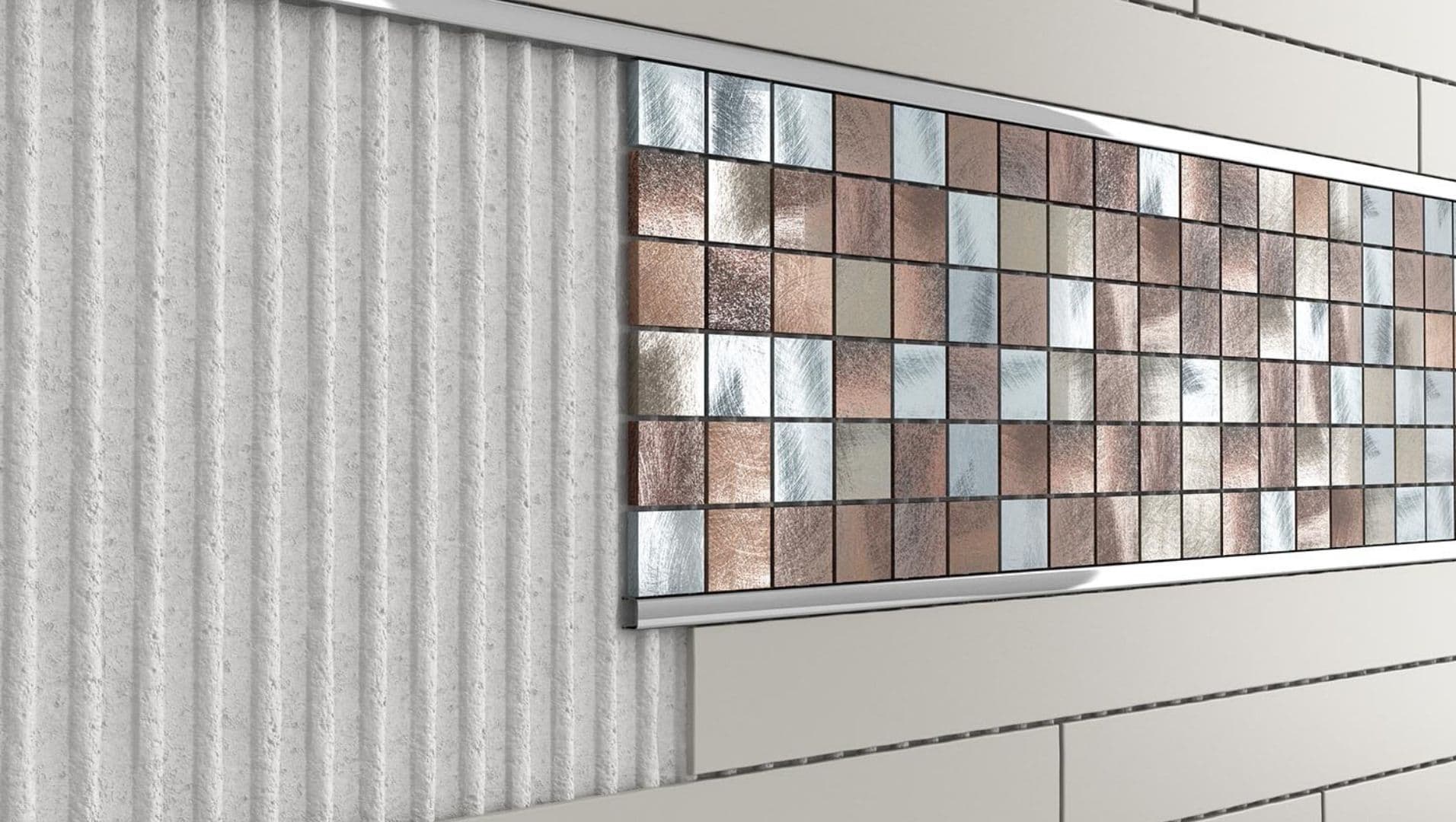
Picture walking into a bathroom where the tiles smoothly connect from wall to floor. This creates a sense of unity and peace. Tile trim acts as a bridge between different surfaces, keeping transitions smooth while adding to the overall design. I remember a project where kitchen tiles met a wooden floor. Without the right trim, it looked like two worlds clashing. But once we added the trim, they fit together beautifully. It was as if they were always meant to be together. It really gave a polished and unified look.
By masking uneven edges2, tile trims ensure that tiles appear continuous and flawless, contributing to a polished look. This is especially crucial in areas with frequent changes in material, such as kitchens and bathrooms.
Highlighting Design Features
Tile trims are available in many colors, styles, and materials. You can use them to highlight certain design features and make them stand out. It’s like choosing the right accessory for an outfit. The right trim turns simple tiles into an impressive feature.
In a modern bathroom renovation, I picked a sleek metallic trim. It gave a sophisticated touch that really revived the space. Wooden trims add warmth and natural beauty to any room.
| Material | Effect |
|---|---|
| Metal | Modern and sleek |
| Wood | Warm and natural |
| Ceramic | Classic and versatile |
Choosing the right tile trim can transform simple tilework into an eye-catching feature.
Enhancing Color Coordination
Tile trim in complementary or contrasting colors can improve your space’s color scheme. I discovered this while working on an open-plan living area. Different spaces needed unique identities but also had to feel connected.
Using tile trims helps in tying together different elements by ensuring that the tiles do not clash with other decor, achieving balance between distinction and harmony in open-plan areas3.
Reducing Visible Imperfections
Even with careful tile installations, small flaws may appear. Tile trims seem like magic as they cover these tiny errors, such as uneven cuts or gaps.
They give a clean and professional finish by enhancing durability4 while improving visual appeal by maintaining the integrity of the design over time.
Tile trim creates seamless transitions between surfaces.True
Tile trim bridges different surfaces, ensuring smooth transitions.
Metallic tile trims add a rustic touch to spaces.False
Metallic trims add a modern touch, not a rustic one.
What Installation Techniques Should You Consider?
Understanding the world of tile trim installations seems like an adventure with many paths to discover.
When picking installation methods for tile trim, one must think about the material type. Environmental conditions are also important. The intended use of the tile trim matters too. Adhesive bonding is a popular method. It provides strong attachment. Mechanical fixing is another option. It gives sturdy support. Specialized trims for corners are available. They have unique benefits. Each method offers its advantages.
Understanding Different Installation Techniques
I recall my first big tile project. It was for a friend’s kitchen. I felt both excited and nervous. Success depended on picking the right installation technique.
-
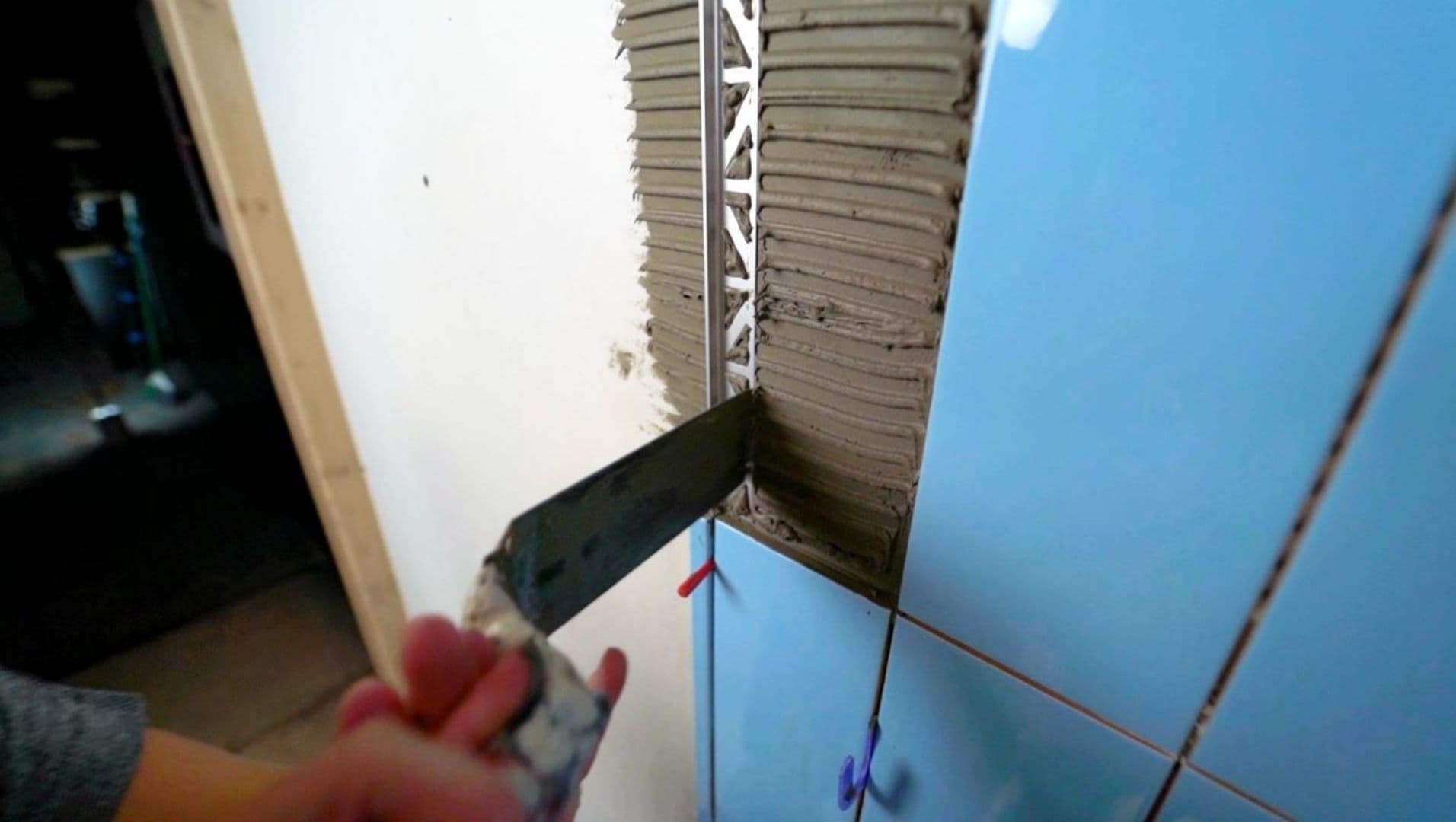
Adhesive Bonding: This method is like a reliable friend. It works well in places where moisture resistance5 is an issue, like kitchens or bathrooms. Strong adhesives help trims stay in place, even in steamy conditions.
-
Mechanical Fixing: This option is strong and dependable. It uses screws or clips to secure trims. It’s great for areas with lots of traffic or heavy loads. I remember installing trims in a busy commercial space where durability was really important.
-
Specialized Trims: Unique corners and detailed designs need specialized trims. They offer functional and aesthetic benefits but need specific installation methods. I once worked on a complex design in a client’s home, where specialized trims truly saved the day.
Factors Influencing Your Choice
Material Type
Picking the right material is like choosing the perfect tool. Different materials need different techniques.
| Material Type | Recommended Technique |
|---|---|
| Aluminum | Adhesive/Mechanical Fixing |
| PVC | Adhesive Only |
| Stainless Steel | Mechanical Fixing |
Environmental Conditions
The environment plays a huge role in deciding the installation method.
- Outdoor Projects: For outdoor projects, weather-resistant mechanical fixing probably works best as it fights against the elements.
- Humidity and Temperature: Adhesive strength can suffer due to humidity and temperature, making mechanical options more reliable in harsh conditions.
Assessing Code Requirements
Before choosing an installation method, check if it meets building codes and standards. Some areas have strict regulations; checking early can prevent issues later. I once had to redo a whole section of a project because I missed a local code—it was a very valuable lesson!
Look into resources on Australian standards6 for compliance, which is crucial especially in commercial projects where inspections happen often.
Collaborating with Suppliers
Working with suppliers proves to be incredibly useful as they offer insights that are really valuable. They help get materials that meet safety standards and look great. I’ve found that suppliers who offer certified products7 give peace of mind about quality and compliance.
In conclusion, choosing the right installation technique means balancing practicality and design goals. Considering these factors probably enhances both functionality and appearance of tile trim installations. Remember, it’s about crafting spaces that are not just functional but also very beautiful.
Adhesive bonding is ideal for all environments.False
Adhesive bonding is best in moisture-prone areas, not all environments.
Mechanical fixing is recommended for outdoor installations.True
Mechanical fixing withstands elements like wind and rain, ideal outdoors.
How Can I Make Sure My Tile Trim Meets Standards?
Imagine this꞉ you are deep into your newest tile project but not sure if your trims follow the rules. Really, I’ve experienced that, too, figuring out the complex rules and different options.
Your tile trim probably follows standards when you understand local rules and pick certified materials. Confirm proper installation very carefully. First, check the National Construction Code. Then, talk to suppliers to get certified products.
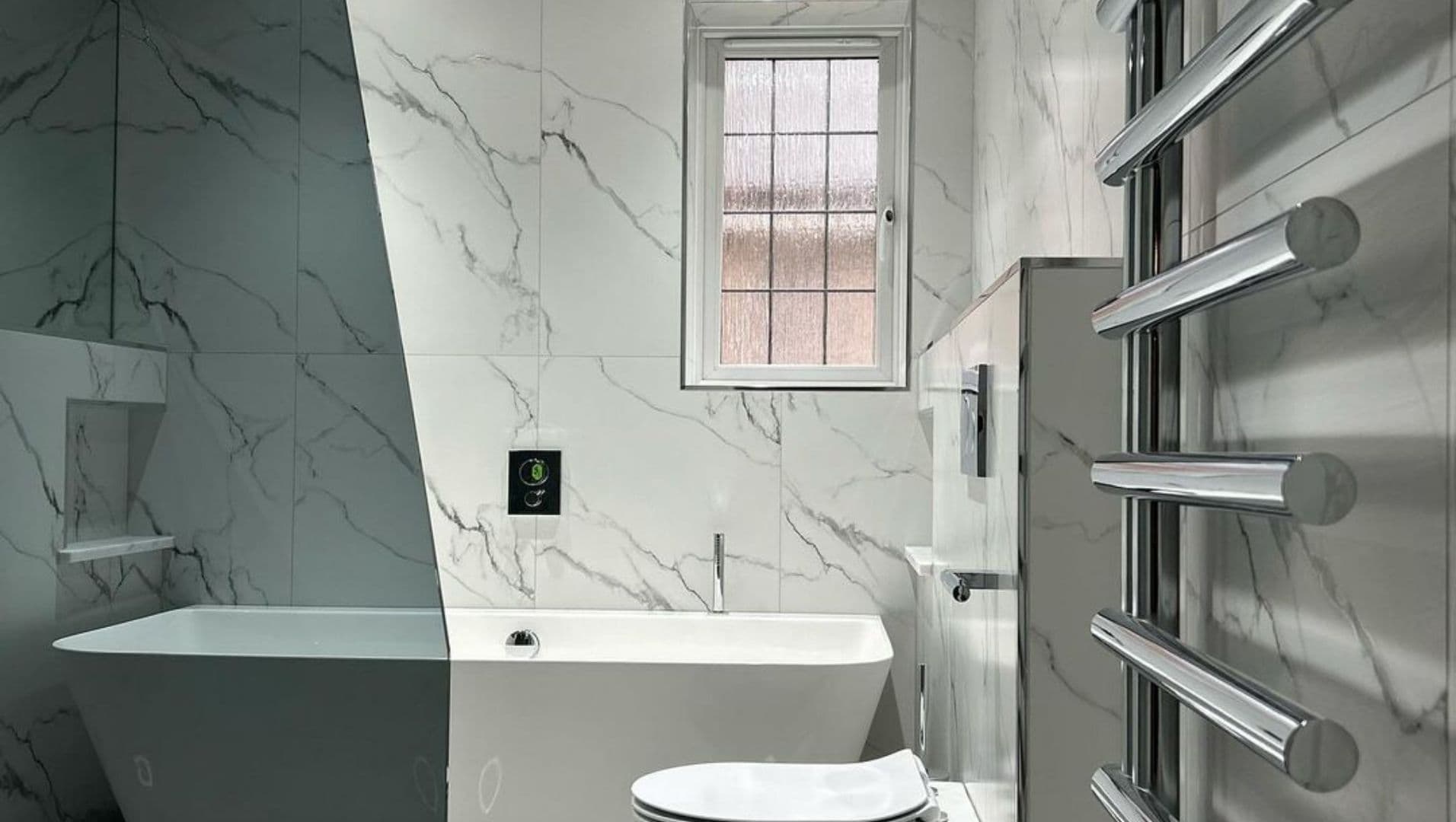
Understanding the Relevant Standards
Let me share my journey when I first tried to understand the National Construction Code8. This large document acts like a safety net for your project. It keeps everything in order. I spent many evenings highlighting parts on material durability and installation needs. These things are crucial for staying up to code.
Selecting Certified Materials
Choosing certified materials is very important. It’s not just a formality; it brings peace of mind. I nearly used aluminum trims that lacked corrosion resistance tests. A quick talk with my supplier saved me from trouble. Always request that certificate of conformity. It matters a lot.
| Material Type | Certification Requirements |
|---|---|
| Aluminum | Corrosion Resistance Test |
| PVC | Fire Safety Standards |
| Stainless Steel | Durability and Load Testing |
Installation Techniques
The way trims are installed can destroy a project. I have seen this happen. Following manufacturer guidelines is a must. A small mistake in fitting once caused many problems. Now, I hire professionals who really know the local codes.
Consulting with Experts
Talking with suppliers and experts in compliance is hugely beneficial. Their advice has often helped me avoid problems. Don’t hesitate to ask about new updates or technologies. It probably saves you a lot of trouble in the future. Trust their expertise.
Regular Inspections and Maintenance
After installing trims, the work isn’t over yet. Regular inspections help catch wear or non-compliance early. Being proactive keeps everything in great shape. This practice is really effective.
For details on materials and their certifications, resources like building material certifications9 are invaluable. Staying informed on compliance and innovations might be key to your project’s success.
Aluminum trims require corrosion resistance certification.True
Aluminum trims must pass corrosion resistance tests to ensure compliance.
PVC trims are exempt from fire safety standards.False
PVC trims must meet fire safety standards for building compliance.
Conclusion
Choosing the right tile trim involves considering material, style, color, and installation method to enhance aesthetics and functionality in your tiling project.
-
Discover how ceramic tile trims can provide moisture resistance and aesthetic continuity in tiled spaces. ↩
-
Learn how tile trim seamlessly connects different materials for a polished look. ↩
-
Discover ways to use trims for color coordination in open-plan areas. ↩
-
Understand how trims protect tiles from wear, enhancing both aesthetics and longevity. ↩
-
Explore this link to learn about techniques for enhancing moisture resistance in tile trim installations, crucial for wet environments. ↩
-
This link provides detailed information on Australian standards, ensuring compliance with national building codes. ↩
-
Find certified suppliers who offer high-quality tile trims that meet Australian regulations and standards. ↩
-
Accessing this link will provide detailed information on Australia’s construction codes, crucial for ensuring your tile trims are compliant. ↩
-
This link offers extensive resources on certifications for building materials, aiding in selecting compliant tile trims. ↩






