
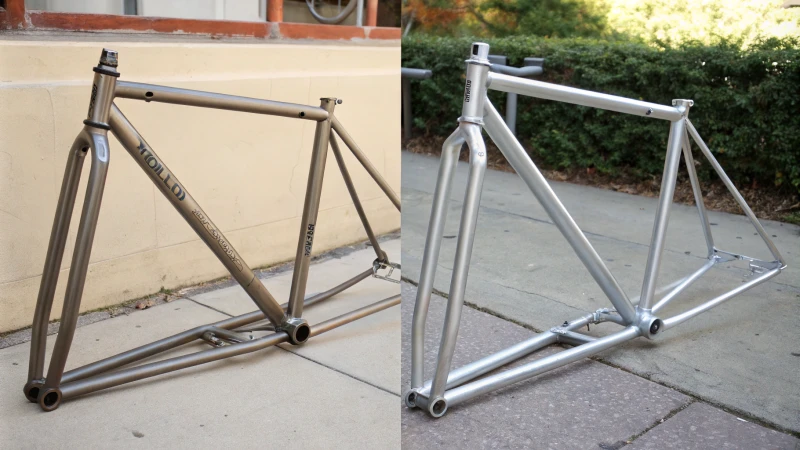
Picking the best material for your bike frame involves more than technical details. The choice affects your feelings while riding. Let’s explore this together.
When you compare 6061 T6 aluminum and steel for bike frames, think about weight, strength, durability, cost and performance. 6061 T6 aluminum is lighter. This metal resists rust. Steel has more strength. Steel absorbs shocks better. Knowing these differences helps you choose wisely.
I remember when I first chose between aluminum and steel for my bike. The weight difference surprised me; 6061 T6 aluminum felt light and effortless, while the steel frame felt solid and reassuringly heavy. Both materials have unique qualities. This made me wonder about the kind of rider I am. Do I really want speed and agility or do I need the strong comfort of steel on rough trails? The choice is personal, not just technical.
In this blog post, we will look closely at the traits of both materials and discuss other factors that might affect your choice.
6061 T6 aluminum is lighter than steel for bike frames.True
6061 T6 aluminum is known for its lightweight properties, making it easier to handle and ride compared to steel.
Steel bike frames are more durable than aluminum ones.False
Steel offers superior strength and shock absorption, contributing to overall durability compared to aluminum frames.
What Are the Key Differences Between 6061 T6 Aluminum and Steel?
Exploring engineering materials helps you understand the differences between 6061 T6 aluminum and steel. Knowledge of these differences changes your project’s outcome completely. Here is a personal perspective on this topic.
6061 T6 aluminum and steel differ in several important ways, including strength-to-weight ratio, flexibility, cost and how they resist rust. These differences affect where you should use them. Knowing these factors helps you choose better materials for your building or engineering projects.
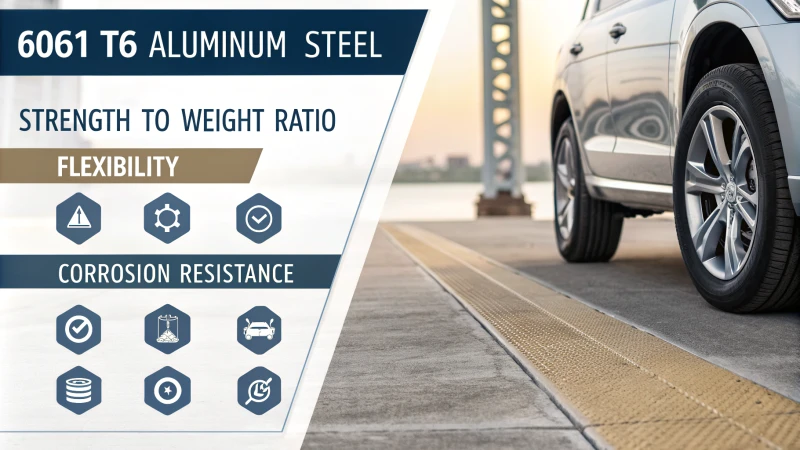
Strength and Durability Comparison
6061 T6 aluminum is like a trusty friend, always there and not too heavy. Its strength-to-weight ratio is impressive. That’s why industries where weight is critical, like aerospace and automotive, use it. Steel is like the strong worker on a building site – reliable but a bit heavier.
Both materials have unique strengths:
- 6061 T6 Aluminum: Lightweight with very good resistance to rust, excellent for tasks where weight matters.
- Steel: Really strong and durable, crucial for tall buildings that need to stay firm.
For example, consider the use of aluminum in automotive frames versus steel in high-rise buildings. The former benefits from aluminum’s reduced weight, enhancing fuel efficiency, while steel’s robustness is crucial for the latter’s structural integrity. Understanding these differences can help engineers and procurement managers make informed decisions when selecting materials for projects. To learn more about aluminum’s properties, check out this in-depth analysis1.
Weight Considerations
Consider weight now. Imagine lifting a very heavy suitcase. Annoying, right? That’s how I feel in projects using steel when aluminum could work just fine. 6061 T6 aluminum weighs much less than steel, essential in fields like aerospace and automotive.
Here’s a quick comparison:
| Material | Density (g/cm³) | Weight (per cubic meter) |
|---|---|---|
| 6061 T6 Aluminum | 2.70 | 2700 kg |
| Steel | 7.85 | 7850 kg |
As seen in the table, aluminum’s lower density results in substantial weight savings, which can enhance performance and reduce energy consumption in various applications. If you want to explore how this impacts construction projects, read more about material selection in construction2.
Flexibility and Formability
6061 T6 aluminum is flexible like a bright star. It shapes into complex forms without losing strength – like clay in a sculptor’s hands. Steel, also shapeable, can become brittle if not correctly handled.
- 6061 T6 Aluminum: Easily forms custom designs with no trouble.
- Steel: Needs more steps yet supports heavy loads well once formed.
This difference makes aluminum a preferred choice for intricate designs in consumer products; whereas steel is often utilized in frameworks requiring high load-bearing capabilities. For further insights on this topic, refer to this guide on material properties3.
Cost Implications
Now to costs – everyone’s favorite topic! Although aluminum might be pricier per pound than steel, it’s not just about initial costs; it’s about the full cost over time. Factors to consider include:
- Starting material prices
- Making expenses
- Long-term upkeep and performance
Looking at the whole picture has prevented budget problems in my projects many times. Remember that considering total costs rather than just the price per pound leads to better choices; to dive deeper into cost analysis in material procurement, check out this comprehensive overview4.
Corrosion Resistance
Thinking about rust resistance is very important. The oxide layer on 6061 T6 aluminum protects it from moisture, making it great for outdoors; steel? It can rust fast without proper treatment or coating.
This makes aluminum preferable in many scenarios where durability against corrosion is necessary; for more details on protecting metal from corrosion see this resource on corrosion prevention5.
6061 T6 aluminum is heavier than steel.False
This claim is false as 6061 T6 aluminum is significantly lighter than steel, making it ideal for weight-sensitive applications.
Steel has superior tensile strength compared to 6061 T6 aluminum.True
This claim is true; steel generally offers higher tensile strength, making it suitable for heavy-duty applications.
How Do Weight and Strength Affect Bike Performance?
Do you ever think about why some cyclists speed past you on a climb while others fight to move forward? The reason lies in the balance between weight and strength. Let’s explore this interesting connection and see how it really improves your cycling experience.
Weight and strength very much influence cycling performance. Weight impacts climbing ability and speed. Strength contributes to power and endurance. Finding the right balance probably optimizes cycling performance. This balance is essential.

Understanding Weight and Strength in Cycling
When I started cycling, I wanted to lose weight, thinking it would quickly make me faster. But I soon realized that the link between weight and strength is tricky. Every cyclist must really learn this balance for speed and efficiency on the road.
Weight plays a big role, especially on hills or when going fast. I remember my first steep hill; I felt light because I had a lightweight bike and lost extra weight. However, losing too much weight can hurt – it can really take away your muscle and endurance.
On the other hand, strength means power during rides. Strength training made me much stronger. Now, it feels amazing to have that power in my legs on tough paths!
Body Weight’s Role in Cycling Performance
How does body weight affect cycling efficiency? Here are some things I’ve learned:
-
Climbing Performance: Every kilogram matters when climbing.
- For example, I rode with a friend who weighed 70 kg. He had trouble keeping up on hills compared to a friend who weighed 65 kg. What a difference!
- The power-to-weight ratio is important for climbing speed.
-
Aerodynamics vs. Weight: Being lighter helps on climbs, but aerodynamics matter on flat roads.
- I’ve seen heavier cyclists use smart aerodynamic positions to beat lighter cyclists. It’s interesting how reducing air resistance can be more important than losing weight.
Strength Training’s Impact on Cycling Efficiency
Strength training really changed my cycling performance. Here’s how:
- Increased Power: Every strength session increases my sprint power and steep climbs feel less scary.
- Enhanced Endurance: Strong muscles help me enjoy longer rides without getting tired quickly.
- Injury Prevention: A good strength program keeps my joints stable, lowering the risk of cycling injuries.
| Benefit | Description |
|---|---|
| Increased Power | Generate more power for sprints and climbs |
| Improved Endurance | Ride longer distances with less fatigue |
| Enhanced Stability | Reduces risk of injuries through joint stability |
Finding the Right Balance
After many bike rides, I’ve learned that balance between weight loss and strength training is very important for cyclists. Here are some strategies that helped me:
- Monitor Body Composition: I focus on losing fat while maintaining muscle mass by eating right and doing targeted workouts.
- Functional Strength Exercises: Exercises that mimic cycling movements have really helped. For ideas, check out these strength training tips6 for exercises that are probably great.
- Consult a Trainer: Personalized advice has made shaping my plan much better for managing weight and improving strength.
Conclusion: No Simple Answer
As I look back on my cycling experience, it’s clear that understanding weight and strength is a complex puzzle. Every cyclist has a unique journey with different goals and conditions. If you want to learn more, check out cycling performance strategies7. Let’s probably unlock our full cycling potential together!
Lighter cyclists climb hills faster than heavier ones.True
A lighter bike and rider combination improves climbing performance, as less weight requires less energy to ascend hills.
Strength training has no effect on cycling endurance.False
Strength training enhances muscle strength, allowing cyclists to ride longer distances with less fatigue, thus improving endurance.
How Do Aluminum and Steel Frames Compare in Cost?
Choosing between aluminum and steel frames feels overwhelming. Many factors affect the decision. How do you pick the right one for your project? Let’s explore the details!
Compare the costs of aluminum and steel frames by looking at how much the materials cost first, how long they last, how heavy they are and how much care they need. Aluminum usually costs more at the start, but it needs less upkeep later because it doesn’t rust easily. Steel might be cheaper at first, but it often needs more maintenance along the way.
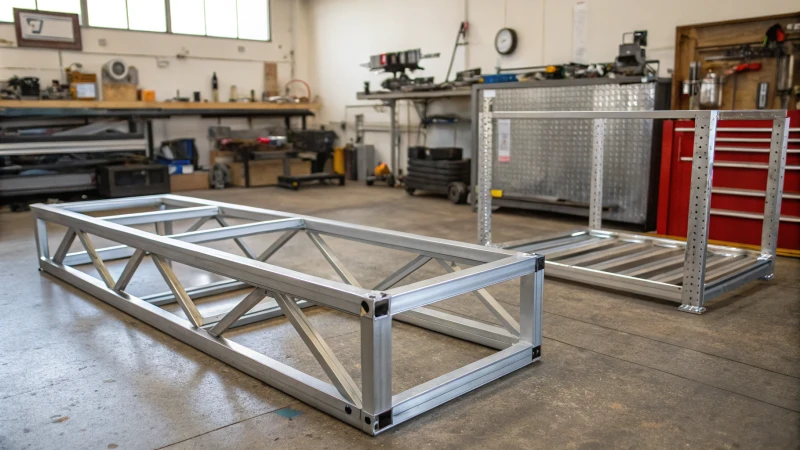
Understanding Aluminum vs. Steel Frame Costs
When comparing the costs of aluminum and steel frames, it’s essential to consider not only the initial purchase price but also the long-term value each material provides. Both aluminum and steel have their advantages, but they also come with distinct cost structures that can affect your overall project budget.
Material Costs
In general, aluminum frames tend to be more expensive than steel frames due to the higher raw material prices associated with aluminum extraction and processing. Here’s a comparative table to illustrate the average costs:
| Material | Average Cost per Pound | Typical Applications |
|---|---|---|
| Aluminum | $2.00 – $3.00 | Residential windows, doors, and cladding |
| Steel | $0.50 – $1.50 | Structural beams, frames, and reinforcement |
As seen in the table above, while aluminum has a higher upfront cost, it is also lighter, which can lead to savings on transportation and handling.
Lifespan and Maintenance
The lifespan of both materials plays a crucial role in their cost comparison. Aluminum is resistant to corrosion, which often means lower maintenance costs over time. However, if steel frames are treated with protective coatings, they can also offer a long service life. For example:
- Aluminum Frames: Typically last 30-50 years with minimal maintenance.
- Steel Frames: Can last 50+ years but require regular inspections and maintenance to prevent rust.
I clearly remember a project where we didn’t plan for steel maintenance costs; they added up fast! Better planning could have prevented that.
Considering these factors can help you determine which material offers better long-term value for your specific needs.
Weight Considerations
The weight of the materials impacts not just transportation costs but also the structural requirements of the project. Lighter materials like aluminum can reduce the size of support structures needed, potentially saving additional costs:
- Aluminum: Lightweight makes it easier to handle, reducing labor costs.
- Steel: Heavier and may require more robust support systems.
This was very important on a big project where load needs had to be carefully figured out. Maybe explore your load-bearing options8 for smart choices in your projects.
Additional Factors to Consider
While the initial costs are significant, it’s vital to look at other elements such as:
- Sustainability: Aluminum can be recycled indefinitely without degradation of quality, making it an eco-friendly option.
- Aesthetic Appeal: I think aluminum frames provide a modern look that is favored in architectural designs.
- Customization: Both materials can be customized, but suppliers often provide more versatile options for aluminum profiles.
If you want to know more about customization options9 for framing materials tailored to your needs, explore it more – it’s important!
Understanding these nuances allows you to make a more informed decision about whether aluminum or steel frames are more appropriate for your project.
Aluminum frames are generally cheaper than steel frames.False
This claim is false; aluminum frames typically have higher material costs compared to steel due to extraction and processing expenses.
Aluminum offers lower long-term maintenance costs than steel.True
This claim is true; aluminum's corrosion resistance leads to lower maintenance needs over its lifespan compared to steel, which requires regular upkeep.
Which Material Offers Better Durability and Maintenance?
Sometimes you stand before a building area and think about which material lasts the longest. Picking the right one feels hard. I am really here to assist you!
When reviewing building materials, steel is strong and needs coatings for protection. Aluminum is lightweight and fights corrosion. Stainless steel requires little maintenance but costs more. Each choice has special advantages for different project needs.
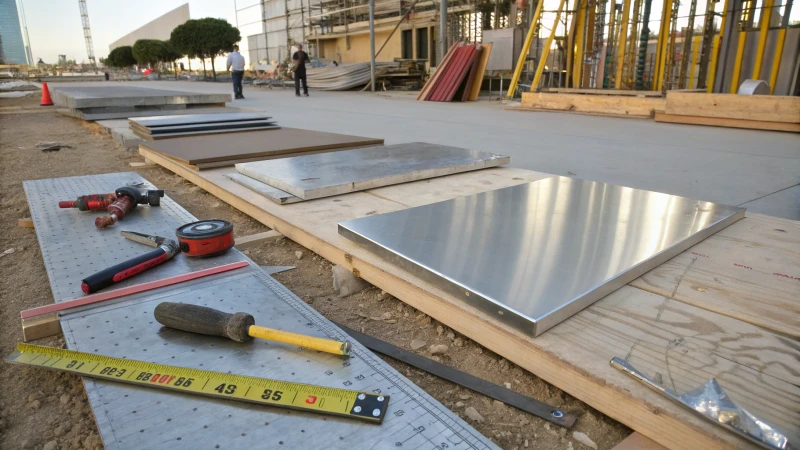
Overview of Material Durability
Durability reminds me of my first big project as a buyer. Our task was to construct a tall building in the city’s center and each decision about materials seemed very important. Two big things to think about are how well a material handles tough weather and keeps its strength over time. Steel, aluminum, and stainless steel have always been top choices in my building work.
Steel shows amazing power and lasts long. I remember one stormy night while checking a construction site; the steel frame stayed strong against the strong winds, showing its value again and again. Still, it needs a special coat to prevent rust, especially in wet places.
Aluminum is another top choice, mainly because it is light and doesn’t rust easily. I’ve used it in many things like building coverings and roofs. I really like that it requires little upkeep – who wouldn’t want less work in maintaining it?
Maintenance Requirements
Taking care of these materials is key to keeping them cheap in the long term. Here’s a short look at what to expect:
| Material | Maintenance Frequency | Common Issues | Additional Notes |
|---|---|---|---|
| Steel | Every 3-5 years | Rust if unprotected | Requires protective coatings for longevity. |
| Aluminum | Minimal (every 10+ years) | Oxidation but manageable | Does not need painting; self-protecting layer. |
| Stainless Steel | Every 5-7 years | Scratches and tarnishing | More expensive but very low maintenance. |
Years in projects have taught me that knowing how to maintain these materials helps choose what fits your project’s needs and goals over time.
Environmental Resistance
A coastal job comes to mind where choosing materials was very important due to salty air. Checking how materials deal with harsh conditions matters a lot. Here’s how our chosen materials worked:
- Steel: Great strength but needs coating to fight rust effectively.
- Aluminum: Naturally doesn’t rust, great for places near the sea.
- Stainless Steel: Very good at resisting rust and stains, ideal for wet areas.
For more on how the environment affects materials, you might find detailed studies on material performance10 useful.
Cost Considerations
Cost is very important in any project. I’ve learned the hard way that balancing upfront expenses with future maintenance costs is crucial. Here’s a brief view:
| Material | Initial Cost | Estimated 10-Year Maintenance Cost | Total Cost Over 10 Years |
|---|---|---|---|
| Steel | Moderate | High | Moderate+ |
| Aluminum | Higher | Low | Higher |
| Stainless Steel | High | Moderate | High |
These parts are important to consider based on your project details and budget limits.
Conclusion
For people like me in construction, picking the right material means balancing durability, care needs, and cost. Reflecting on past experiences helps understand that evaluating these factors carefully leads to lasting success without too much maintenance. If you’re interested in more about construction materials, exploring additional resources may be very beneficial! To learn more about construction materials and their properties11, feel free to explore additional resources.
Steel requires protective coatings to prevent rust.True
Steel's durability is compromised by rust without proper coatings, especially in humid conditions.
Aluminum has higher maintenance needs than steel.False
Aluminum is known for its low maintenance requirements, needing care less frequently than steel.
Conclusion
This post compares 6061 T6 aluminum and steel bike frames, highlighting their differences in weight, strength, durability, cost, and performance to help cyclists make informed choices.
-
Discover detailed insights about material properties that could influence your procurement decisions. ↩
-
Learn how material selection impacts construction costs and project outcomes. ↩
-
Get tips on preventing corrosion in metals for long-lasting performance. ↩
-
Explore the importance of weight considerations when choosing materials for your projects. ↩
-
Find out how flexibility affects design choices in engineering applications. ↩
-
This link provides essential tips on how to balance strength training with weight management for optimal cycling performance. ↩
-
Explore strategies to optimize your cycling performance through effective weight management and training programs. ↩
-
Discover detailed insights and analysis on material cost comparisons that can influence your purchasing decisions. ↩
-
Find out how weight affects structural costs and project design decisions between these materials. ↩
-
Discover detailed comparisons between materials that can save you time and costs in your projects. ↩
-
Find insights on long-term cost savings related to material choice in construction. ↩






