
Have you ever thought about why Brass H62 is so popular in the industry? Let’s explore its makeup and discover the secrets of this alloy.
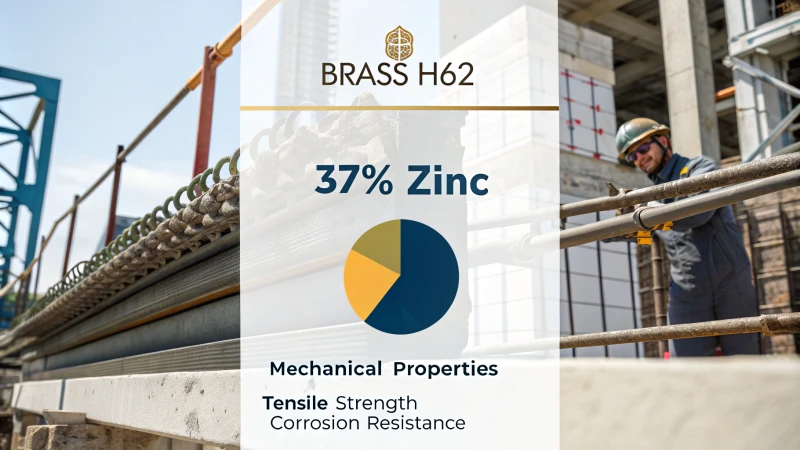
Brass H62 usually has about 37% zinc. This zinc content really changes its strength and resistance to rust. Many industries choose H62 brass because it provides durability and is easy to work with. The balance of strong and workable makes it a popular option. Zinc is very important here. Zinc affects the overall properties and uses of the alloy. Details about its significance follow.
I remember my first meeting with Brass H62 during a work project. I had the job of finding materials for a big construction task. I quickly learned that zinc content is very important for an alloy’s performance. Brass H62 has about 37% zinc. Zinc is really important because it gives the alloy strength and protects it from rust. This special mix of metals is perfect for many uses, like plumbing parts and decorative items, where long-lasting materials are very important. Knowing this mix helped me make smart choices. It also gave me a strong link to the materials I worked with.
Brass H62 contains approximately 37% zinc.True
The composition of Brass H62 includes around 37% zinc, impacting its properties.
Brass H62 is unsuitable for industrial applications.False
Due to its favorable properties, Brass H62 is widely used in various industries.
What Makes Brass H62 a Standout Material?
I first discovered Brass H62 and felt fascinated by its special mechanical qualities that seemed almost magical. What really sets this alloy apart in the world of engineering?
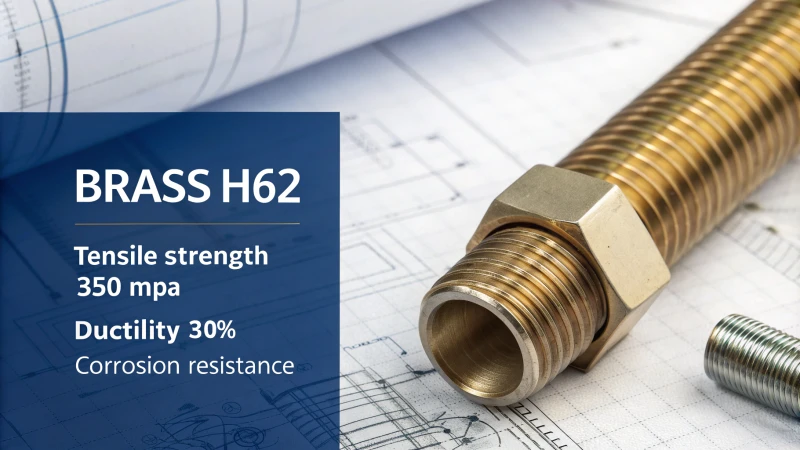
Brass H62 shows strong mechanical properties. It has a tensile strength of 350 MPa. The material stretches up to 30%. This brass resists corrosion well. People often use it because of these features. Engineers choose it for many uses, like plumbing parts and precise pieces.
Overview of Brass H62 Properties
Brass H62 is not just any alloy; it is a special mix of copper and zinc. It holds a strong place in engineering. With around 62% copper and 38% zinc, its properties really suit many uses. Understanding these features sometimes really matters when choosing materials for projects.
Tensile Strength
A feature that surprises me is the tensile strength of H62 brass, usually at about 350 MPa (50,760 psi). This strength shows it holds loads well without bending. I remember in a project with tight deadlines, knowing we had a strong material like this calmed my fears of failures during setup. Details are available at H62 brass tensile data1.
Ductility
Ductility is another key feature that makes Brass H62 attractive. With a stretch rate of around 30%, this alloy stretches well without breaking. It’s versatile for complex designs and bends. I once saw a skilled person shape H62 brass into lovely, detailed pieces, showing how adaptable this material can be. More on ductility is found at ductility in metals2.
Corrosion Resistance
Those of us in areas with moisture and chemicals need corrosion resistance. Brass H62 meets this need thanks to its copper part. However, I learned young that in very corrosive places, extra protection is needed. More about this is at corrosion prevention techniques3.
Hardness
Hardness in Brass H62 greatly affects its use, with measurements on the Rockwell scale at about B70. It shows it’s hard enough to resist wear and keep its quality even under tough conditions. My pride came when a product kept its shape and function over time, partly due to the hardness of H62 brass.
| Property | Value |
|---|---|
| Tensile Strength | 350 MPa (50,760 psi) |
| Ductility | 30% Elongation |
| Corrosion Resistance | Good |
| Hardness | B70 |
Applications of H62 Brass
Due to its great mechanical properties, Brass H62 is often used for creating fittings, valves and parts in plumbing and heating systems. I’ve observed how it easily turns into exact shapes, ideal for precise needs. When finding materials for work, knowing H62 brass suits our aims brings me comfort. A full list is at H62 brass applications4.
Brass H62 has a tensile strength of 350 MPa.True
This claim highlights the impressive tensile strength of Brass H62, which is crucial for its performance in engineering applications.
Brass H62 exhibits 30% ductility before breaking.True
The claim indicates the high ductility of Brass H62, allowing it to be shaped and formed without fracturing easily.
How Does H62 Compare to Other Brass Alloys?
As a person who has worked with metal profiles for many years, I often wonder꞉ how does H62 brass compare to other common alloys like H59 or C360? Let’s explore these comparisons and discover what makes each alloy special.
H62 brass stands out because it has both strength and flexibility. H59 resists rust very well. C360 is great for easy cutting and shaping. Each alloy has special advantages for different uses.

Understanding H62 Brass
H62 brass is a popular choice in various applications due to its balanced properties. This alloy typically comprises about 62% copper and 38% zinc, offering a good combination of strength and ductility. Compared to other brass alloys like H59 and C360, H62 strikes a balance between workability and corrosion resistance.
For instance, while H59 contains a higher copper content, leading to better corrosion resistance, it may lack the same level of machinability as H62. On the other hand, C360 brass is known for its excellent machinability but may not match H62’s overall strength in demanding applications.
Key Comparisons
| Property | H62 Brass | H59 Brass | C360 Brass |
|---|---|---|---|
| Copper Content | 62% | 59% | 61% |
| Zinc Content | 38% | 41% | 37% |
| Machinability | Good | Fair | Excellent |
| Corrosion Resistance | Moderate | High | Moderate |
| Strength | Moderate | High | Moderate |
As shown in the table above, the differences in chemical composition directly affect the performance of each alloy. For more insights into brass alloys5, exploring these properties can assist in determining which alloy best suits specific engineering needs.
Applications and Suitability
H62 brass is often used in applications where moderate strength and good corrosion resistance are required, such as plumbing fittings and electrical connectors. In contrast, H59 is favored for marine environments due to its superior resistance to saltwater corrosion. Conversely, C360 is ideal for precision machining tasks due to its excellent machinability, making it a preferred choice for parts requiring intricate designs.
For more detailed specifications, you may refer to brass alloy compositions6. Understanding these nuances will enable procurement managers like James to make informed decisions based on project requirements.
Conclusion of Properties
While this overview presents a snapshot of H62 compared to other brass alloys, further exploration into specific applications and material properties can provide deeper insights. As each alloy serves unique purposes, understanding their strengths and weaknesses is crucial for effective material selection in construction and manufacturing.
H62 brass has a higher zinc content than H59 brass.False
H62 brass contains 38% zinc, whereas H59 brass has 41%, making this claim false.
C360 brass is preferred for precision machining tasks.True
C360 brass is known for its excellent machinability, making it suitable for intricate designs, confirming this claim as true.
How Is Brass H62 Used in Everyday Life?
Brass H62 is not just a technical material. It is a part of everyday life. People often overlook it. This metal has fascinating uses. Brass H62 reaches many industries.
Brass H62 appears frequently in plumbing parts, electrical pieces, building features and various industrial uses. It lasts long and fights rust. It also looks good. Many choose it because it offers both strength and beauty in the finished item. Many projects use it for these reasons.
Overview of H62 Brass
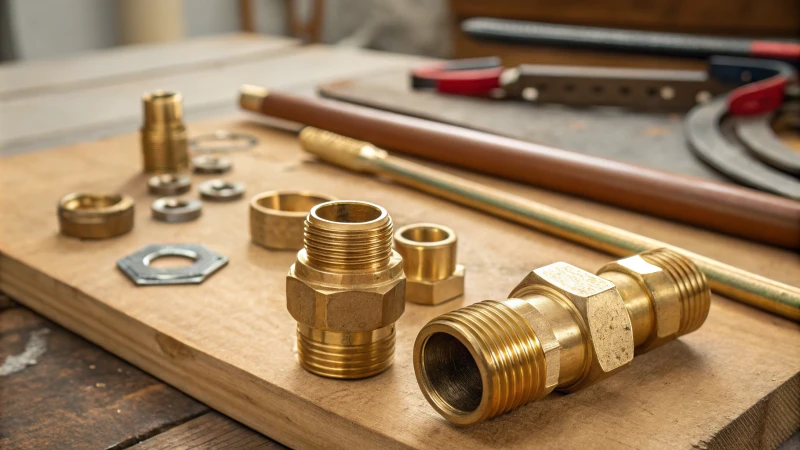
Brass H62 often pops up in my work as a procurement manager. This handy alloy works across many industries and probably plays a big role in our daily lives. Plumbing systems use it, and electrical parts benefit from it too. This remarkable material really improves our experiences.
Plumbing Applications
H62 brass is widely used in plumbing due to its excellent resistance to corrosion and high malleability. Its ability to be easily machined allows for the production of various fittings and fixtures, such as valves, faucets, and connectors.
For instance, in residential buildings, H62 brass can be found in piping systems that require durable and long-lasting materials.
Additionally, it is favored in marine applications where exposure to moisture is constant, making it ideal for brass plumbing fittings7.
Electrical Components
Another significant application of H62 brass is in electrical components. Its good conductivity makes it suitable for connectors, terminals, and other electrical parts.
In electrical systems, H62 brass can help ensure efficient energy transfer while maintaining durability under various conditions.
This material’s resistance to oxidation also plays a crucial role in maintaining reliable electrical connections over time.
For more information on electrical applications of brass8, consider exploring industry-specific resources.
Architectural Elements
In architecture and design, H62 brass is employed for aesthetic elements due to its appealing golden color and ability to be polished to a high sheen.
Architects often use it in door hardware, railings, and decorative fixtures, enhancing both the function and visual appeal of structures.
Moreover, because H62 can withstand exposure to various environmental conditions without significant degradation, it is an excellent choice for both indoor and outdoor applications.
| Application | Description | Benefits |
|---|---|---|
| Plumbing | Used for fittings and fixtures in water systems | Corrosion resistance, durability, malleability |
| Electrical | Found in connectors and terminals | Good conductivity, oxidation resistance |
| Architectural | Used in decorative elements | Aesthetic appeal, weather resistance |
Industrial Uses
H62 brass is also common in industrial applications where strong mechanical properties are required.
It is frequently utilized in the manufacturing of machinery parts and components due to its wear resistance and machinability.
Industries that often use H62 brass include automotive, aerospace, and manufacturing sectors.
To gain further insights into industrial applications of brass9, check out specialized engineering publications.
Conclusion Note
H62 brass’s versatility across various industries underscores its importance as a metal profile choice for professionals like James. Understanding these applications can lead to informed decisions when sourcing materials for construction or other projects.
H62 brass is primarily used in plumbing applications.True
Due to its corrosion resistance and malleability, H62 brass is commonly used in plumbing for fittings and fixtures.
H62 brass is unsuitable for electrical components.False
Contrary to this claim, H62 brass is known for its good conductivity, making it ideal for electrical applications.
How Do I Choose the Right Brass Alloy for My Project?
Choosing the best brass alloy resembles picking the right dance partner. It can truly impact your project. I want to share a few lessons from my experiences to help you select wisely.
To choose the correct brass alloy, examine its ability to resist rust, how easily it can be shaped and its strength. Consider your specific needs and costs. These factors help you pick the best option. Your choice will probably suit your project goals well.
Understanding Brass Alloys
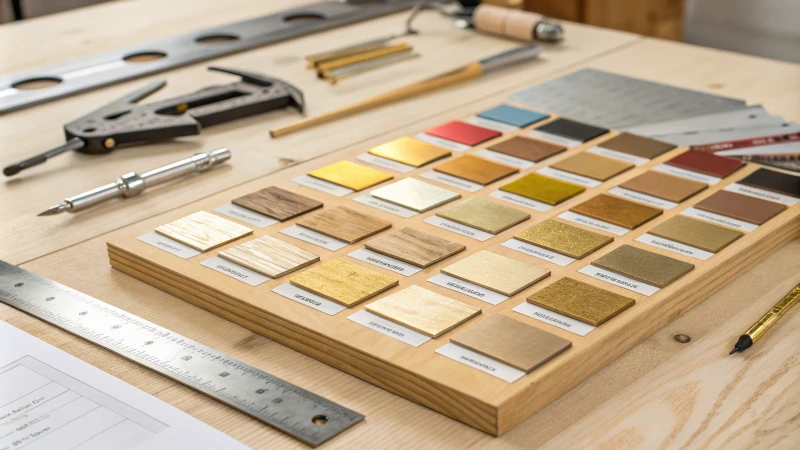
Brass is a versatile material made primarily of copper and zinc, with varying proportions leading to different properties. When selecting a brass alloy, it’s essential to understand the different types available, such as:
- C26000: I prefer this alloy for plumbing fixtures because of its great resistance to corrosion and ease in shaping. The first time I used it, everything fit so well together.
- C28000: This alloy is ideal for strength, especially in building structures. I once used it in a construction project and it lasted impressively.
- C36000: Known as free-cutting brass, this alloy is perfect for swift cutting tasks. I’ve noticed it saves both time and money in production. Truly beneficial!
Choosing the right alloy involves evaluating the specific needs of your project. Consider factors like strength, resistance to corrosion, and ease of fabrication. You can learn more about the characteristics of brass alloys here10.
Key Properties to Consider
When deciding on a brass alloy, you should assess the following properties:
| Property | Importance |
|---|---|
| Corrosion Resistance | Essential for outdoor or moisture-exposed applications. |
| Machinability | Impacts the cost and efficiency of manufacturing processes. |
| Strength | Determines the alloy’s ability to withstand loads. |
| Ductility | Influences how well the material can be shaped without breaking. |
Some important properties have guided my decisions:
For example, on projects in marine environments, resistance to rust was crucial. It was really important. Your choice should match where and how you will use your project.
Discover more about these properties here11.
Application-Specific Considerations
Different projects may require specific brass alloys tailored to their applications:
- Electrical Components: For me, C36000 ranks high for its superb conductivity and ease in shaping, ideal for any electrical setup.
- Plumbing Fittings: I often pick C26000 because it resists corrosion well and is easy to work with. Installations become simple.
- Decorative Items: When looks matter, C28000 draws me in with its lovely color and nice surface. It adds extra beauty.
Identifying the primary function of your brass components will help narrow down the best alloy choice. Further insights on application-specific brass selection can be found here12.
Cost vs. Performance
Let’s consider budget – my experience showed that costs impact material choices a lot. Some alloys might be more expensive at first, but their durability saves money eventually. A cost-benefit review has helped me explain these decisions with tighter budgets.
Investing in a higher-quality brass alloy often pays off, especially when performance is crucial. To explore cost-effective options without compromising quality, visit our resource page here13.
The realm of brass alloys can feel confusing, but I hope my stories help you make a confident choice for your project.
C26000 brass is ideal for plumbing applications.True
C26000 offers excellent corrosion resistance and ease of machining, making it suitable for plumbing fixtures.
All brass alloys have the same strength properties.False
Different brass alloys possess varying strength characteristics, crucial for specific applications and project needs.
Conclusion
Brass H62 contains about 37% zinc, providing excellent strength and corrosion resistance, making it ideal for various industrial applications.
-
This link will provide you with comprehensive data on tensile strength specific to H62 brass, essential for understanding its performance in structural applications. ↩
-
Exploring ductility in metals will enhance your understanding of how Brass H62 can be formed and shaped without breaking, crucial for manufacturing. ↩
-
Learn about corrosion prevention techniques to protect H62 brass in various environments, ensuring longevity and durability in your projects. ↩
-
Understanding the various applications of H62 brass will help you make informed decisions about its use in your projects. ↩
-
This link will provide a deeper understanding of brass alloys, helping you select the right one for your project needs. ↩
-
Explore detailed compositions of brass alloys to inform your procurement decisions effectively. ↩
-
Discover the practical uses of H62 brass across various industries to enhance your project outcomes. ↩
-
Learn about the electrical applications of H62 brass to optimize your designs and projects. ↩
-
Explore how H62 brass is utilized in architecture to elevate your building designs with quality materials. ↩
-
Clicking this link will provide you with a comprehensive guide on brass alloy characteristics that will aid in your selection process. ↩
-
This resource will help you understand key properties of brass alloys and their significance in project planning. ↩
-
Explore application-specific guidelines for selecting the appropriate brass alloy tailored to your needs. ↩
-
Gain insights into balancing cost and performance when selecting brass alloys for your projects. ↩






