
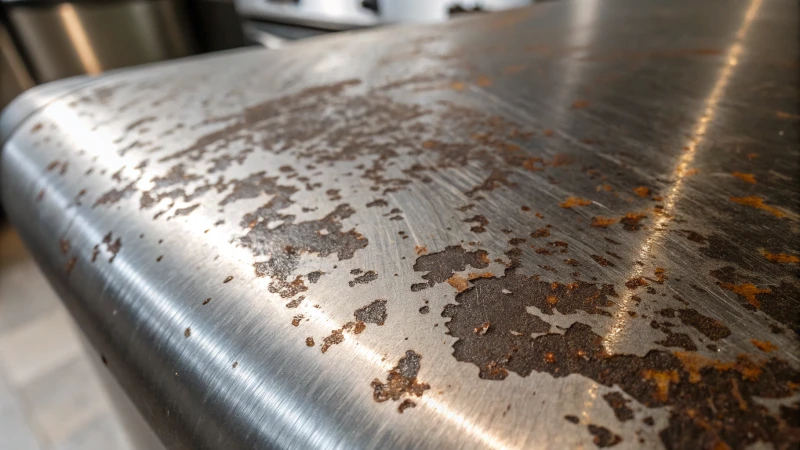
Do you have problems with black oxide on your 304 stainless steel? Many people do! I remember the first time I faced this challenge. It seemed very complicated, but I found good solutions quickly.
To successfully solve black oxide problems on 304 stainless steel, look at options like chemical cleaning, passivation or protective coatings. Every method offers advantages and possible disadvantages. Knowing your specific needs is very important for choosing the correct option. This is crucial.
As a procurement manager, I have encountered many challenges with materials like stainless steel. Black oxidation seems very difficult to overcome, but knowing the right treatments truly helps. Chemical cleaning, passivation or applying protective coatings have allowed me to return my projects to their original beauty. Each method offers its own advantages and disadvantages. Understanding which method fits your requirements is very important. Let’s examine the details and learn how to deal with black oxide problems successfully.
Chemical cleaning is effective for black oxide removal.True
Chemical cleaning can effectively eliminate black oxide from 304 stainless steel surfaces, restoring their appearance and integrity.
Passivation prevents black oxide formation on stainless steel.True
Passivation creates a protective layer on stainless steel, significantly reducing the likelihood of black oxide formation over time.
What Really Causes Black Oxide on 304 Stainless Steel?
Black spots on stainless steel surfaces might catch your attention. These marks show more than what is on the surface. Environmental conditions affect these metals. They often tell a story about the strength of the material. Maybe there are challenges hidden beneath these spots.
Heat exposure, chemical interactions and moisture usually cause black oxide on 304 stainless steel. These environmental factors lead to oxidation. Knowledge of these causes probably helps in stopping and controlling this problem.
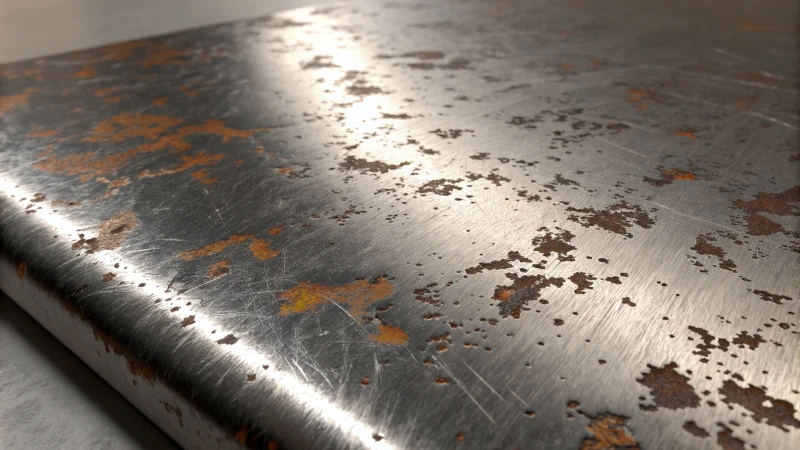
Understanding Black Oxide Formation
When I first saw black oxide on 304 stainless steel, I felt confused and frustrated. How could something so strong show signs of damage? This common problem probably comes from several environmental reasons that surprise even experienced professionals.
Black oxide usually appears due to contact with moisture and dirt. When 304 stainless steel faces too much heat or specific chemicals, the surface unexpectedly gets darker. I remember a project where we used steel profiles in a very humid setting. Even though we really tried to store everything the right way, the blackening caught us off guard. That experience truly showed me how sensitive these materials can become in bad conditions.
Causes of Black Oxide
Knowing these causes is important, especially in my job, where looks and function matter equally. I saw how metal pieces developed black oxide when left unprotected. This not only changed how they looked but also brought up worries about their strength.
| Factor | Description |
|---|---|
| Heat Exposure | Extreme temperatures can disrupt the protective layer. |
| Chemical Exposure | Contact with harsh chemicals can lead to discoloration. |
| Moisture | Presence of water can accelerate oxidation processes. |
| Contaminants | Dirt and debris may trap moisture, promoting corrosion. |
If you’re curious, exploring more about stainless steel corrosion1 could really help you avoid such problems in your projects.
Prevention Methods
To stop black oxide on 304 stainless steel, proactive care is very important. Here are some methods I trust:
- Protective Coatings: A good coating creates a barrier against harmful exposure. I’ve observed how this really helps keep our materials in good condition.
- Regular Cleaning: Keeping surfaces clean makes a big difference! A regular cleaning schedule maintains the quality of our steel profiles.
- Proper Storage: Keeping stainless steel items in dry places has really changed outcomes for me; it cuts down on moisture problems significantly.
By using these steps, I’ve managed to reduce black oxide risks and keep our stainless steel products looking great over time. If you want to learn more about maintenance, check out effective cleaning methods for stainless steel2. This way, projects stay beautiful and functional.
Black oxide on 304 stainless steel is caused by moisture exposure.True
Moisture presence accelerates oxidation, leading to black oxide formation on 304 stainless steel surfaces.
Heat exposure does not affect the protective layer of stainless steel.False
Extreme heat can disrupt the protective chromium oxide layer, increasing susceptibility to oxidation and black oxide formation.
What Are the Treatment Options for Black Oxide Issues?
Have those annoying black oxide issues ever appeared suddenly for you? I know how it feels. Understanding how to fix them is important to bring back the beauty and strength of your metal surfaces.
If you have black oxide problems, think about trying reapplication, surface preparation, chemical treatments or sealants. Each option has different pros and cons. Pick the best one for your needs. Choose carefully!
Understanding Black Oxide Coatings
Black oxide coatings act like a protective layer for metal, giving it resistance to rust and a stylish finish that can improve any project. However, as I painfully discovered, this process is not always smooth. Factors such as poor application or the wrong environment can cause problems later. Some common issues include:
- Inconsistent Color: I felt shocked when I saw this. Color changes showed that the surface was not prepared well enough.
- Flaking: I was surprised when my newly coated metal began peeling off! This occurs if the coating does not attach properly to the surface.
- Corrosion: The worst fear – rust may get under the surface if the black oxide layer fails.
If you want more details, read this guide on black oxide issues3.
Common Treatment Options
While searching for solutions to these black oxide problems, I found different treatment options that probably could restore my projects. Here’s a breakdown of some common methods:
| Treatment Method | Description | Pros | Cons |
|---|---|---|---|
| Reapplication | Stripping the old coating and applying a new layer. | Restores appearance; durable | Time-consuming; labor-intensive |
| Surface Preparation | Improving the surface quality before re-coating, such as polishing or blasting. | Enhances adhesion; uniformity | Requires skilled labor |
| Chemical Treatments | Using specific chemicals to improve adhesion or remove contaminants. | Quick and effective | Potentially hazardous materials |
| Sealants | Applying a sealant over the existing black oxide layer to enhance protection. | Easy application; cost-effective | May alter appearance slightly |
For more information, see chemical treatments for metal surfaces4.
Preventative Measures
After facing black oxide problems, I decided to use preventative measures during application. Some tips have really changed results for me:
- Proper Surface Cleaning: Always remove dirt before coating. Trust me, this makes a big difference!
- Controlled Environment: Applying coatings in a controlled environment avoids moisture and dust that can ruin efforts.
- Quality Checks: Inspecting coatings for failure signs during application saves time and money later.
Explore more on preventing black oxide problems at preventative strategies for metal coatings5.
Conclusion Without Summarizing
Dealing with black oxide issues goes beyond looks; it involves keeping the strength and durability of metal surfaces. By finding different treatment methods and using preventative steps, projects not only look good but also last long.
Black oxide coatings are only for aesthetic purposes.False
This claim is false; black oxide coatings also provide corrosion resistance, not just aesthetics.
Proper surface cleaning prevents black oxide issues.True
True; thorough surface cleaning removes contaminants, ensuring better adhesion and reducing coating failures.
What Are the Pros and Cons of Black Oxide Coatings?
As someone who knows a lot about metal profiles, I often think about the good and bad sides of black oxide coatings. I want to share my thoughts on this interesting way to finish metal.
Black oxide coatings provide important benefits like resisting rust and looking good. They cost less. Regular upkeep might be necessary. These coatings might not last as long against wear compared to other types. Think about these points carefully. Evaluate these aspects to choose wisely.
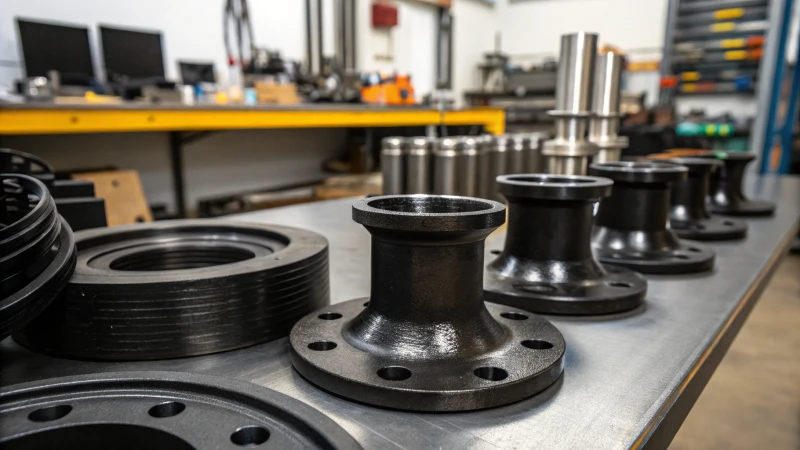
Pros of Black Oxide Coatings
Black oxide coatings always interest me because people use them in industries needing long-lasting and good-looking products. During one task, we wanted a solution that was cheap and looked nice. Black oxide coatings did the trick and they changed how our metal parts looked and kept them safe. Let’s see why these coatings help but also bring some challenges.
I noticed many good things about black oxide coatings:
-
Corrosion Resistance: Black oxide stops rust and corrosion. In one task, we had moisture problems, but black oxide helped us avoid future troubles. It saved us.
-
Aesthetic Appeal: The deep black finish improves the look of metal parts. I saw how it makes products look better, especially when people can see them.
-
Cost-Effectiveness: On a budget, black oxide costs less than options like galvanization or painting. Big projects save money with this coating without losing quality.
-
Improved Surface Hardness: Black oxide makes surfaces a bit harder, which helps parts last longer in machines. It’s quite useful.
-
Non-Toxic: Black oxide coatings have no harmful chemicals, which I value for safety. Safe for food equipment. This is very important.
Cons of Black Oxide Coatings
However, black oxide coatings have some negatives:
-
Limited Wear Resistance: They don’t resist wear like chrome plating. Sometimes, I had to pick other coatings when strength was really important.
-
Maintenance Requirements: These coatings need regular care. I found they need frequent upkeep to last, especially in tough conditions.
-
Not Suitable for High-Temperature Applications: Black oxide breaks down in high heat. Once, we had to change our plan because of this, teaching me to think about the environment first.
-
Potential for Fading: With time, they can fade or wear off. It showed me we need to include future re-coating in our schedules. Planning is key.
-
Limited Color Options: Black is the only color option. Other finishes offer many colors, making it hard to meet some design needs.
| Pros | Cons |
|---|---|
| Corrosion resistance | Limited wear resistance |
| Aesthetic appeal | Maintenance requirements |
| Cost-effectiveness | Not suitable for high temperatures |
| Improved surface hardness | Potential for fading |
| Non-toxic | Limited color options |
I always think carefully about the good and bad things of black oxide coatings for each project. Small details are crucial! Curious about more coatings? Explore coating options6. Smart choices are rewarding!
Black oxide coatings enhance corrosion resistance in metals.True
These coatings provide protection against rust and moisture, making them suitable for various environments.
Black oxide coatings are the most durable option available.False
While they improve surface hardness, they lack the wear resistance of alternatives like chrome plating.
How Can You Maintain 304 Stainless Steel to Prevent Black Oxidation?
Ever seen your stainless steel devices or items looking dull and dark? It feels discouraging, especially knowing 304 stainless steel is usually so beautiful and strong. This can happen to anyone. No need to worry – really helpful ways exist to keep your stainless steel bright!
Regular cleaning with gentle soaps keeps 304 stainless steel in good condition. Stay away from strong chemicals. Apply protective coatings for an extra shield. Monthly inspections help spot early issues. Look for any signs of trouble.
Understanding Black Oxidation in 304 Stainless Steel
I want to share a bit about my experience with 304 stainless steel. This material truly keeps its beauty for a long time, but I found out that ignoring it leads to black spots. These spots come when the chromium oxide layer, which protects the surface, gets damaged. Bad chemicals, wet conditions and not cleaning often are some reasons for this problem. Knowing these reasons has helped me keep my favorite stainless steel items in good shape.
Regular Cleaning Practices
One simple way I keep my 304 stainless steel looking nice is regular cleaning. I mix gentle soap with warm water – it’s like a mini spa session for my appliances! I really stay away from harsh cleaners; they scratch and spoil the smooth look. For stubborn spots, I mix baking soda with water. This easy mixture works wonders!
| Cleaning Method | Description | Frequency |
|---|---|---|
| Gentle Detergent | Mix with warm water for routine cleaning | Weekly |
| Baking Soda Paste | Apply on tough stains and scrub gently | As needed |
| Commercial Cleaners | Use specific stainless steel cleaners | Monthly |
Preventive Measures
Stopping black spots calls for being proactive, a lesson I have appreciated over time. Here are some tricks that help:
- Avoid Harsh Chemicals: Products with bleach or ammonia harm the surface, so I choose gentler options.
- Use Protective Coatings: A stainless steel protector acts as a shield against dirt and moisture.
- Control Moisture: Proper air circulation is key. Moisture is really bad for my appliances.
Inspect Regularly
I have made a habit to frequently examine my stainless steel items. It’s surprising how often I detect early signs of oxidation by just observing them closely. I look for any color changes or texture differences. Addressing issues right away stops them from getting worse.
- Visual Inspection: Monthly checks for any color change.
- Touch Test: Feel for any rough spots or changes.
Conclusion on Maintenance Techniques
These methods have helped me keep my 304 stainless steel in great condition. By using these ideas regularly, I have mostly prevented black oxidation and kept my items looking very nice. If you want to know more about this topic, explore our resources on preventing oxidation7 and cleaning techniques8. I really hope you find this guide as helpful as it has been in my journey!
Harsh chemicals can cause black oxidation in stainless steel.True
Using bleach or ammonia on 304 stainless steel damages its protective layer, leading to oxidation.
Regular cleaning prevents black oxidation in stainless steel.True
Routine cleaning with gentle detergents helps maintain the chromium oxide layer and prevent oxidation.
Conclusion
Explore effective solutions for black oxide issues on 304 stainless steel, including cleaning methods, passivation, and protective coatings to maintain its appearance and integrity.
-
Exploring this link will provide detailed insights into corrosion mechanisms and their impact on stainless steel, helping you better understand black oxide formation. ↩
-
This resource offers effective cleaning strategies specifically for stainless steel, which can help mitigate black oxide issues. ↩
-
Discover practical solutions for black oxide issues that can save you time and improve quality in your projects. ↩
-
Learn about preventative measures to avoid black oxide problems in your metal coatings. ↩
-
Find out how chemical treatments can help with black oxide issues effectively and safely. ↩
-
Discover a comprehensive overview of black oxide coatings, including comparisons with other finishes to help you make the best choice for your project. ↩
-
Discover essential tips for maintaining your 304 stainless steel and preventing black oxidation effectively. ↩
-
Learn more about cleaning techniques specifically designed for stainless steel maintenance. ↩






