
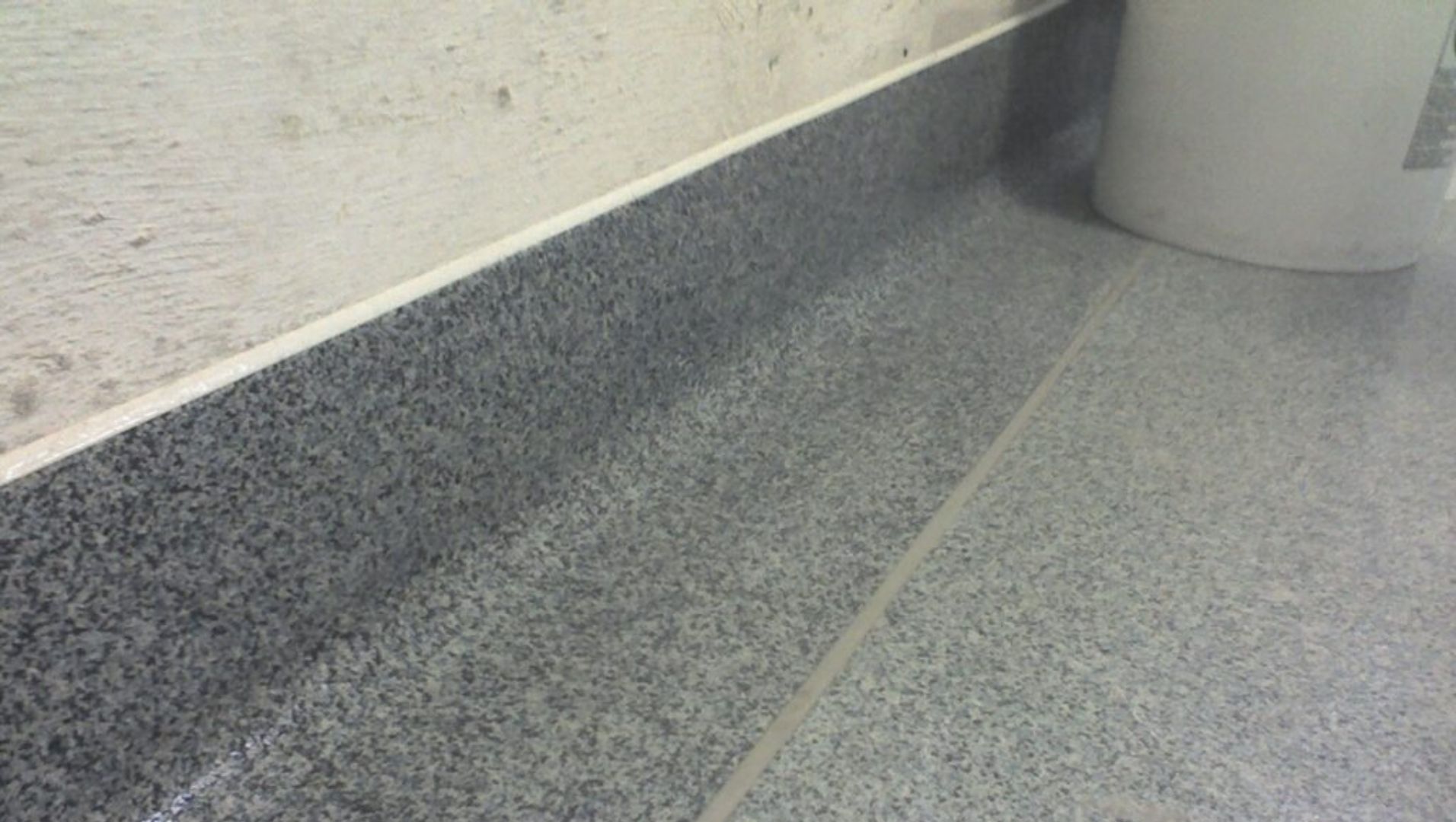
Do you ever think about how to keep construction sites clean and safe? I want to share my thoughts and experiences with you.
Floor coving is very important in construction. It really helps keep places clean and safe. Dirt does not collect easily with floor coving and cleaning becomes easy. Health rules are probably followed better with coving. This is especially true in food and healthcare areas. Keeping things clean is really vital in these spaces.
As a procurement manager with over 20 years in construction, I know the importance of floor coving. It is not just about looks; it is essential for keeping areas clean and safe. This is especially true in places like hospitals and food factories. I once walked through a new hospital and noticed how seamless coving made cleaning very easy. It struck me how it stopped dirt from gathering in tricky corners. This helps meet strict health rules. Floor coving is crucial.
This post explores key aspects of floor coving. We will examine its benefits and uses in different places.
Floor coving prevents dirt accumulation in construction areas.True
Floor coving effectively reduces dirt buildup, making cleaning easier and maintaining hygiene standards.
Floor coving is only necessary in healthcare settings.False
Floor coving is essential in various environments, not just healthcare, for cleanliness and safety.
What are the Key Benefits of Floor Coving in Hygiene Management?
Have you ever thought about how something like floor coving improves hygiene in your workspace? Floor coving keeps places clean. It helps maintain compliance with rules. Life becomes a little easier for everyone because of it.
Hygiene management is very important. Floor coving really stands out. It stops dirt from building up. It probably reduces bacterial growth. It helps businesses follow health rules. It saves time and money for maintenance. It is more than a practical thing. It shows a commitment to cleanliness. It shows a commitment to safety.
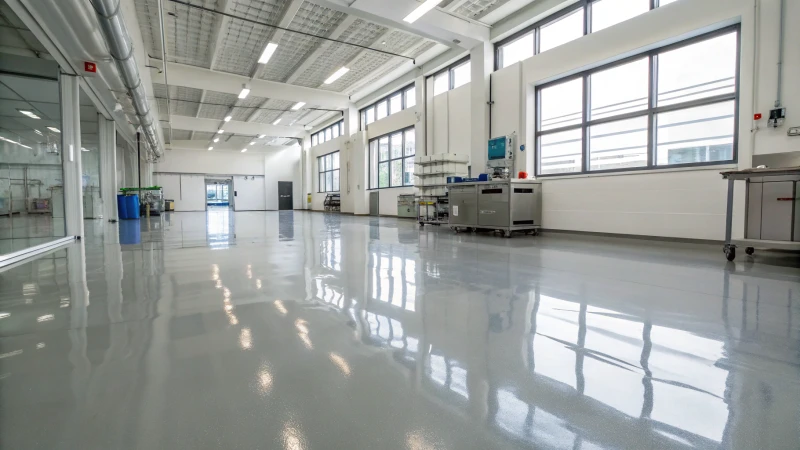
Enhancing Cleanliness with Floor Coving
Floor coving provides important benefits for cleanliness. It helps stop dirt from building up. It slows down the growth of bacteria. Health rules are easier to follow. Maintenance becomes cheaper. This little detail really changes our daily tasks!
Compliance with Health Standards
In many industries, especially food service and healthcare, adherence to hygiene standards is non-negotiable.
Floor coving helps facilities comply with regulations set forth by health organizations. By installing coving, businesses can demonstrate their commitment to maintaining a sanitary environment.
Table: Key Hygiene Regulations
| Regulation | Description |
|---|---|
| HACCP | Ensures food safety by managing risks at critical points |
| OSHA | Mandates workplace safety and health standards |
| FDA | Regulates food service establishments for hygiene practices |
Explore more on compliance requirements1.
Reducing Bacterial Growth
Studies have shown that bacteria thrive in hard-to-reach areas. Floor coving effectively eliminates these hiding spots, significantly reducing the risk of bacterial growth.
This is particularly crucial in high-traffic areas where germs can easily spread. Regular cleaning becomes more efficient when surfaces are designed to minimize contamination.
For example, in a hospital setting, floor coving can prevent the spread of infections by making it easier to clean floors effectively. Find out more about infection control2.
Cost-Effective Maintenance Solutions
Investing in floor coving may seem like an added expense initially, but it proves to be cost-effective over time.
By reducing the time and effort required for cleaning, businesses can allocate resources more efficiently. Additionally, proper maintenance of floors and walls prolongs the life of the materials used in construction.
This leads to lower replacement costs and a better return on investment in the long run. See how to maximize your investment3.
Aesthetic Benefits
Besides hygiene benefits, floor coving adds a polished look to any facility. It comes in various colors and styles, allowing businesses to enhance their interior design without compromising on cleanliness.
Attractive environments contribute positively to customer perceptions, especially in industries like hospitality and retail.
Visual Example:
In conclusion, the strategic application of floor coving can elevate hygiene standards while also offering aesthetic advantages.
Floor coving reduces gaps that trap dirt and bacteria.True
The seamless design of floor coving minimizes crevices, enhancing cleanliness by preventing dirt accumulation in critical areas.
Investing in floor coving increases long-term maintenance costs.False
Contrary to this claim, floor coving actually reduces cleaning time and prolongs material life, proving cost-effective over time.
How Does Floor Coving Enhance Safety Standards in Construction?
Ever wondered how simple floor coving significantly impacts safety in construction? Floor coving really helps with hygiene. It also prevents slips. This probably keeps people safe. Coving helps follow safety rules, too.
Floor coving improves safety in construction. It reduces slip dangers and helps keep places clean easily. It also follows safety rules. Many places need this, like hospitals and food processing areas. It’s very important.
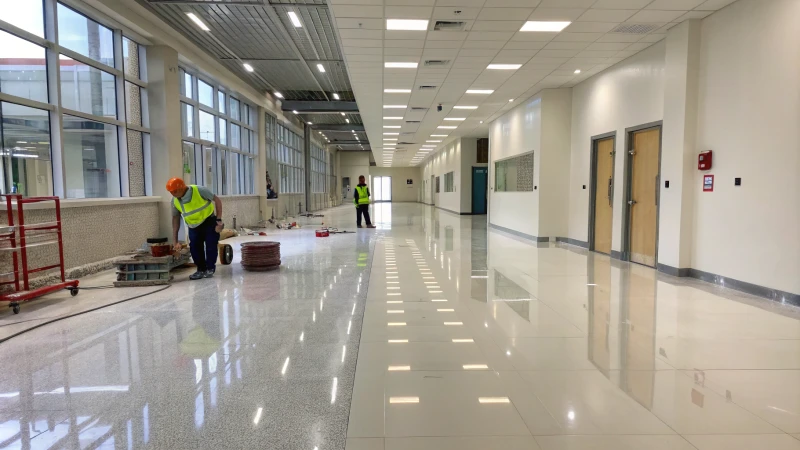
Understanding Floor Coving and Its Importance
Floor coving refers to the curved transition between the wall and the floor. This design not only enhances aesthetic appeal but also plays a crucial role in safety standards in construction.
One major benefit of floor coving is its ability to eliminate sharp corners where dirt and debris can accumulate. In environments where hygiene is paramount, such as hospitals and food processing plants, maintaining cleanliness is critical. The smooth surface of coving makes it easier to clean, thus contributing to better hygiene4.
Reducing Slip Hazards
Another significant advantage of floor coving is its contribution to reducing slip hazards. Many construction materials can become slippery when wet, leading to accidents. Coving allows for a more seamless integration between flooring materials, minimizing the risk of slips and falls.
Key Points:
| Feature | Benefit |
|---|---|
| Seamless Design | Reduces debris accumulation |
| Curved Transition | Enhances cleaning efficiency |
| Smooth Surface | Lowers slip hazard |
By incorporating coving into construction projects, procurement managers like James can ensure that the designs meet stringent safety protocols while promoting an environment that is safer for workers and visitors alike.
Compliance with Safety Standards
In the construction industry, adherence to safety standards is non-negotiable. Floor coving plays a role in helping buildings comply with regulations such as those from OSHA or local building codes. Many jurisdictions require smooth transitions at floor and wall junctions to mitigate risks associated with falls and contamination.
Implementing coving that meets these requirements not only enhances safety but can also be a selling point when bidding for contracts. Suppliers that provide customizable options for coving materials can cater to various project specifications, ensuring compliance without compromising on design or functionality. For more insights on this, check out compliance standards5.
Enhancing Aesthetic Appeal
Beyond safety, floor coving can enhance the overall aesthetic appeal of a space. For instance, in commercial settings where customer experience matters, the appearance of cleanliness can impact perceptions. A well-designed coving solution can elevate the overall look of a facility while simultaneously promoting safety and hygiene.
Conclusion
While we won’t conclude here, it’s evident that floor coving serves multiple purposes in construction, blending functionality with safety and aesthetics seamlessly. For professionals looking to implement best practices regarding safety in their projects, understanding these aspects of floor coving can prove invaluable.
Floor coving reduces slip hazards in construction environments.True
The seamless design of floor coving minimizes slip risks, enhancing safety in wet conditions, especially crucial in high-traffic areas.
Floor coving has no impact on hygiene standards in facilities.False
Contrary to this claim, floor coving actually promotes better hygiene by eliminating dirt-collecting corners, making cleaning easier.
What Materials are Best for Effective Floor Coving Solutions?
Picking the proper materials for floor edging goes beyond looks. Materials need to create safe and clean places. Let me tell you about my experiences and knowledge in finding the best choices for busy spaces.
For good floor coverings, think about materials like vinyl, rubber and epoxy. Vinyl is strong and cheap. Vinyl really lasts long. Rubber gives protection against slipping and feels comfy. Epoxy delivers a smooth look and guards against chemicals. These choices help keep cleanliness and safety in busy places.
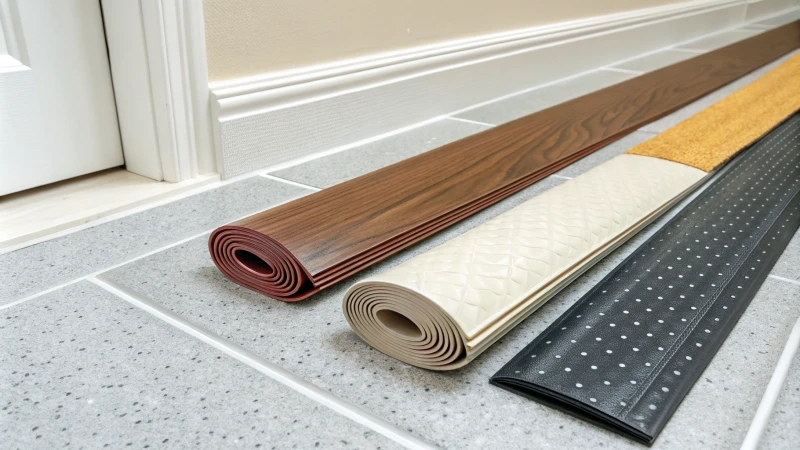
Understanding Floor Coving Materials
When I started in construction, I felt surprised that small details like floor coving really changed a project’s success. I learned quickly. Picking the right materials becomes very important, especially in places like hospitals or restaurants where hygiene is crucial. Coving helps keep spaces clean and safe.
Key Materials for Floor Coving
-
Vinyl:
- Durability: I noticed vinyl lasts a very long time in busy spaces. It fights against water and stains, so lots of projects choose it.
- Maintenance: Cleaning vinyl is very easy. In a busy place, saving time is valuable.
- Cost: Vinyl usually costs less money, a relief when budgets are tight.
-
Rubber:
- Safety: Slip resistance matters so much in wet areas. Rubber can prevent accidents with its grip.
- Comfort: After standing many hours during work, rubber feels really soft and cozy on feet.
- Eco-friendly options: Recycled rubber options mean a greener choice.
-
Epoxy:
- Seamless finish: Epoxy looks smooth. I worked with its surfaces and they help stop bacteria in food areas.
- Chemical resistance: Spills are very common in industrial places. Epoxy resists chemicals well.
- Longevity: Correctly installed epoxy lasts long without issues.
Additional Considerations
While choosing materials for floor coving, I always think about these factors:
- Compliance with Standards: Materials must meet important industry rules, especially where safety and cleanliness matter most.
- Customization Options: Suppliers with many shapes and colors allow creating custom project solutions.
- Installation Requirements: Some materials need experts to install, affecting timelines and budgets.
Comparing Material Characteristics
| Material Type | Durability | Maintenance | Cost | Slip Resistance | Eco-Friendly Options |
|---|---|---|---|---|---|
| Vinyl | High | Low | Low | Moderate | Limited |
| Rubber | Moderate | Moderate | Medium | High | Yes |
| Epoxy | Very High | Low | High | Moderate | Limited |
In summary, picking the right materials for floor coving really matters for hygiene, safety and durability in commercial places. My experiences taught me to evaluate project needs, guiding me to the best decisions and success.
Vinyl is the most cost-effective floor coving material.True
Vinyl offers affordability compared to rubber and epoxy, making it a budget-friendly choice for floor coving in various environments.
Rubber provides excellent slip resistance for wet areas.True
Rubber's slip-resistant properties make it ideal for environments prone to moisture, enhancing safety in commercial spaces.
How Can Floor Coving Impact Aesthetics and Structural Integrity?
When I first explored the world of floor covering, I had no idea how much it could change a room. It’s not only about appearance; it’s about protecting what is underneath too. Wondering how it achieves this balance?
Floor coving really improves the look by creating a smooth transition between walls and floors. It also protects buildings by stopping damage from water and impacts. This feature is very important in both homes and businesses.

Enhancing Aesthetics with Floor Coving
Floor coving is like a hidden hero. It works quietly, yet it truly matters. I once visited a lovely café where the floor coving grabbed my attention. It wasn’t just a minor detail. It joined the wooden floors and white walls perfectly, creating a warm feeling. Coving makes spaces inviting.
Floor coving plays a vital role in design. It is important in homes and businesses as it connects walls and floors without gaps, lifting the mood of a room. I like places where small details make a big difference. In my friend’s trendy shop, bright coving added fun energy, matching the stylish clothes, while neutral tones offered a calm and elegant feel.
Consider the following examples:
| Material | Aesthetic Effect | Ideal Environment |
|---|---|---|
| Vinyl | Glossy finish, vibrant | Retail stores, showrooms |
| Wood | Warm, natural look | Residential homes, offices |
| Ceramic | Sleek, modern | Hospitals, cleanrooms |
Using stylish floor coving9 can also draw attention to architectural features, making spaces feel more cohesive.
Structural Integrity Through Protection
Floor coving does more than look good; it guards building structures by protecting walls from scuffs caused by furniture and foot traffic. For example, in high-traffic areas, coving can absorb impacts that would otherwise scuff or dent walls.
Additionally, coving helps prevent moisture accumulation at the junctions of walls and floors. This is particularly important in environments like kitchens and bathrooms where water exposure is common. By directing water away from wall surfaces, it minimizes the risk of mold and mildew growth.
| Protection Aspect | Benefit | Application |
|---|---|---|
| Impact Resistance | Reduces wall damage from impacts | Commercial buildings |
| Moisture Barrier | Prevents mold and deterioration | Kitchens, bathrooms |
| Dirt Accumulation Control | Easier cleaning and maintenance | Hospitals, cleanrooms |
Choosing the right floor coving material10 can significantly enhance both aesthetics and structural integrity.
Practical Applications in Various Settings
Different settings require specific applications of floor coving to achieve the best results. In cleanrooms, for instance, coving is essential for maintaining hygiene standards. The smooth transition allows for easy cleaning and prevents dirt accumulation. In commercial spaces, aesthetic considerations play a larger role; therefore decorative coving designs are often employed to attract customers.
| Setting | Coving Style | Functionality |
|---|---|---|
| Cleanrooms | Seamless vinyl coving | Hygiene and easy maintenance |
| Retail Stores | Decorative plastic coving | Aesthetic appeal |
| Industrial Spaces | Durable rubber coving | Impact resistance and longevity |
Learning about floor coving’s style and protection was enlightening for me. Builders and renovators should explore its advantages further to find tailored solutions that meet specific needs.
Floor coving enhances the aesthetic appeal of any space.True
By providing a seamless transition between walls and floors, floor coving improves visual appeal in residential and commercial settings.
Coving prevents moisture accumulation at wall-floor junctions.True
Floor coving directs water away from surfaces, reducing mold and mildew risks in moisture-prone areas like kitchens and bathrooms.
Conclusion
Floor coving is essential in construction for hygiene, safety, and aesthetics. It minimizes dirt buildup, supports health compliance, and enhances the overall look of various environments.
-
This link will offer detailed information about compliance requirements relevant to various industries. ↩
-
Learn how to control infections effectively through better sanitation practices by exploring this link. ↩
-
This link will showcase strategies for maximizing the return on investment when implementing hygiene solutions like floor coving. ↩
-
Explore how floor coving affects safety regulations in construction projects for better compliance and design insights. ↩
-
Learn about best practices for maintaining hygiene standards with floor coving in healthcare and food industries. ↩
-
Discover insights on various flooring materials that ensure safety and hygiene in your commercial projects. ↩
-
Learn about the advantages of using rubber coving in commercial kitchens and healthcare facilities. ↩
-
Find out why epoxy is a popular choice for industrial flooring solutions and its maintenance requirements. ↩
-
Learn how floor coving enhances both beauty and durability in your space. This link provides valuable insights into choosing the right materials. ↩
-
Discover how floor coving can protect against moisture and damage. This resource explains its importance in maintaining structural integrity. ↩






