
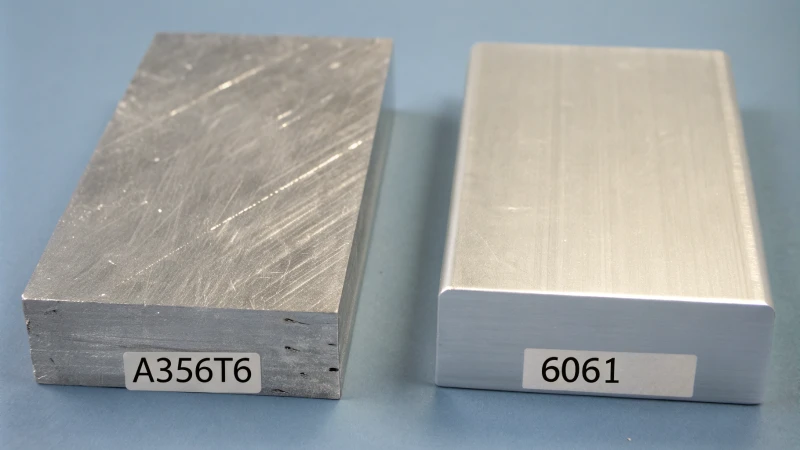
Selecting the right aluminum alloy is very important for your project’s success. This choice probably determines the outcome. Here are some insights I have gained over time.
This blog post compares A356T6 aluminum cast with 6061 aluminum, showing their differences in mechanical properties, uses and fit for different projects. You must understand these distinctions to choose the right material. Learn more about each alloy to find out their strengths and weaknesses. This will help you pick the best option with certainty.
I remember my first big project. I had to choose between different aluminum alloys. It felt overwhelming! Understanding the differences gave me power. A356T6 aluminum cast has excellent casting properties and a high strength-to-weight ratio. This makes it a favorite for intricate designs. 6061 aluminum is very versatile. People value it for its weldability and corrosion resistance. Knowing when to use each is very important. It can very much decide the project’s success.
A356T6 aluminum cast is stronger than 6061 aluminum.True
A356T6 has higher tensile strength compared to 6061, making it suitable for demanding applications.
6061 aluminum is primarily used for casting applications.False
6061 is more commonly used for extrusion and fabrication, not casting.
What Makes A356T6 Aluminum Cast Stand Out?
Do you ever think about why engineers prefer A356T6 aluminum cast? Let us explore its mechanical properties. These properties explain why the industry respects it so much. People really admire A356T6 aluminum for good reasons.
A356T6 aluminum cast is famous for high tensile strength of 310 MPa. It offers excellent hardness at 95 HB. Its good ductility reaches 8% elongation. These qualities probably suit it for difficult engineering tasks. People use it in automotive, aerospace and construction sectors. Many applications choose it for reliability.
Overview of A356T6 Aluminum Alloy
A356T6 is a versatile aluminum alloy known for its excellent mechanical properties, making it a popular choice in various engineering applications. Its composition mainly includes silicon and magnesium, which enhance its strength and castability.
Key characteristics of A356T6 include:
- Tensile Strength: High tensile strength makes it suitable for load-bearing applications.
- Hardness: The alloy exhibits great hardness, allowing it to withstand wear and tear in demanding environments.
- Ductility: With good elongation properties, A356T6 can be formed into complex shapes without cracking.
These properties make A356T6 ideal for components used in automotive, aerospace, and construction industries.
Mechanical Properties Breakdown
Here’s a detailed breakdown of the mechanical properties of A356T6 aluminum alloy:
| Property | Value |
|---|---|
| Yield Strength | 240 MPa (35,000 psi) |
| Ultimate Tensile Strength | 310 MPa (45,000 psi) |
| Elongation at Break | 8% |
| Hardness (Brinell) | 95 HB |
| Density | 2.68 g/cm³ |
These values are critical for engineers to assess whether A356T6 meets the requirements of their specific projects.
Applications of A356T6 Aluminum
A356T6 is utilized in various applications due to its robust mechanical properties. Common uses include:
- Automotive Components: Engine blocks and transmission housings benefit from its strength and lightweight nature.
- Aerospace Parts: Aircraft frames require materials that offer both strength and weight savings.
- Marine Applications: Boats and marine structures use A356T6 for its corrosion resistance.
For a deeper understanding of how A356T6 compares with other alloys, check out this comparison guide1.
Treatment Processes Affecting Mechanical Properties
The mechanical properties of A356T6 can be enhanced through various treatment processes, such as:
- Heat Treatment: Aging processes can significantly improve yield strength and hardness.
- Surface Treatments: Anodizing and coatings can increase corrosion resistance and surface hardness.
Understanding these processes is essential for making informed decisions on material selection. Learn more about treatment processes here.
A356T6 aluminum has a yield strength of 240 MPa.True
The yield strength of A356T6 aluminum alloy is indeed 240 MPa, confirming its suitability for load-bearing applications.
A356T6 is unsuitable for aerospace applications.False
This claim is false; A356T6's strength and lightweight nature make it ideal for aerospace components.
How Does 6061 Aluminum Compare in Terms of Fatigue Resistance?
Have you ever thought about how strong 6061 aluminum is when used multiple times or stressed over long periods? This topic is interesting. Understanding this aluminum’s durability compared to other metals is very important. Engineers choose materials carefully for projects that need to stay safe and trustworthy.
6061 aluminum shows good resistance to fatigue but usually lacks the strength of 2024 aluminum. People should look at their specific needs before choosing an alloy for structural use. It is really important.
Understanding Fatigue Resistance in Aluminum Alloys
Fatigue resistance refers to a material’s ability to withstand repeated loading and unloading cycles without failure. For aluminum alloys, this property is crucial in applications where structural integrity is paramount, such as in aerospace or construction.
Understanding fatigue resistance changed everything for my work as a procurement manager. It helped me see why picking the right alloy for projects with repeated stress is so important.
6061 aluminum is often compared to other alloys like 2024 due to its different properties and performance under cyclic stress. The fatigue life of an alloy can vary significantly based on its composition and tempering process.
Comparing 6061 Aluminum and 2024 Aluminum
| Property | 6061 Aluminum | 2024 Aluminum |
|---|---|---|
| Ultimate Tensile Strength (MPa) | 310-350 | 400-490 |
| Yield Strength (MPa) | 240-270 | 320-430 |
| Fatigue Strength (MPa) | 70-80 | 120-150 |
| Elongation (%) | 12-20 | 3-10 |
As observed in the table, 6061 aluminum exhibits lower fatigue strength compared to 2024 aluminum. However, it offers better corrosion resistance and weldability, making it suitable for specific applications.
Key Factors Influencing Fatigue Resistance
Several factors influence the fatigue resistance of aluminum alloys:
- Microstructure: The grain structure affects how stress is distributed within the material. Like how support systems help manage stress in life.
- Heat Treatment: Different tempers can enhance or reduce fatigue properties significantly. Like training for a marathon; push harder sometimes to build strength!
- Environmental Conditions: Corrosive environments can lead to stress corrosion cracking, particularly in high-strength alloys like 2024. Seems like harsh weather wearing down strong buildings over time.
If curious about heat treatment methods, check heat treatment methods2.
Applications Impacted by Fatigue Resistance
Fatigue resistance is crucial in industries where materials are subjected to cyclic loading. Some applications include:
- Aerospace: Aircraft components require materials that can endure significant stress without failing. Lives depend on these choices.
- Construction: Structural elements must maintain integrity over long periods. No one wants a building to become dangerous!
Choosing the right aluminum alloy can greatly affect performance and safety in these sectors. For more information about application-specific considerations, check out aluminum applications3.
Conclusion on Material Selection
When selecting materials for projects, understanding the fatigue resistance of 6061 versus other alloys like 2024 is essential. This knowledge helps procurement managers like me make informed choices that ensure project durability and performance. For further reading on material properties and procurement strategies, visit material procurement insights4. Keeping informed is key in this ever-changing field.
6061 aluminum has higher fatigue resistance than 2024 aluminum.False
This claim is false as 6061 aluminum exhibits lower fatigue strength compared to 2024 aluminum, which is better suited for high-stress applications.
Fatigue resistance is crucial for aerospace and construction materials.True
This claim is true because materials in these industries must endure cyclic loading without failure to ensure structural integrity.
How Do A356T6 Aluminum Cast and 6061 Aluminum Compare in Real-World Applications?
Let’s explore the very interesting world of aluminum alloys. A356T6 and 6061 meet different needs in projects.
A356T6 aluminum cast suits automotive and aerospace uses because it is strong and light. This aluminum really shows great potential. On the other hand, 6061 aluminum works well for structures where machining and welding are key. Project needs often influence the choice between these two types.
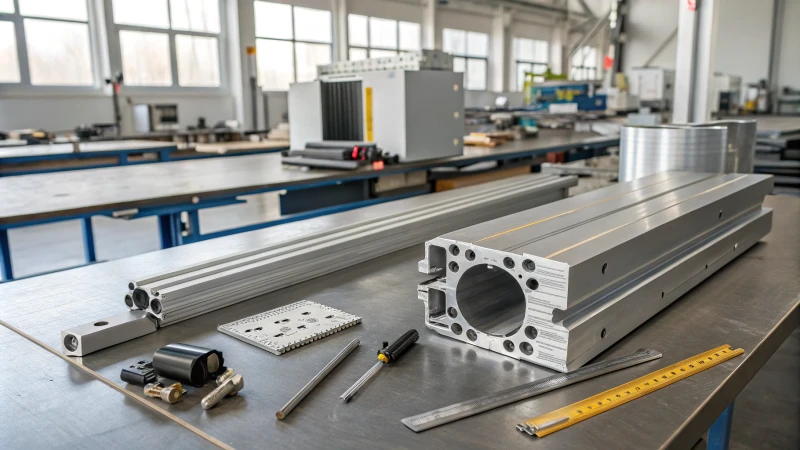
Overview of A356T6 Aluminum Cast
A356T6 aluminum is a really flexible alloy with strong characteristics. Its very good corrosion resistance and high strength-to-weight ratio make it perfect for casting. This alloy shapes complex forms for creative designs.
Common applications include:
- Automotive Parts: Engine blocks and transmission cases need to be strong but light to endure tough conditions.
- Aerospace Components: Aircraft brackets and structural parts use A356T6 because it handles stress well and is lightweight.
- Marine Applications: Boats need strong materials that resist seawater, and A356T6 is a great choice.
Overview of 6061 Aluminum
On the other hand, 6061 aluminum is about reliability in extruded applications. Its good mechanical properties make it popular in many fields. I used this alloy for structural components in architecture because it cuts and welds easily.
Common applications include:
- Structural Components: Beams and channels in construction need strength and easy shaping, and 6061 helps achieve that.
- Bicycle Frames: Light bike frames use this alloy, which is great for cyclists, like me.
- Marine Fittings: 6061 resists corrosion, so components like brackets stay strong even outdoors.
Comparative Table of Applications
| Application Type | A356T6 Aluminum Cast | 6061 Aluminum |
|---|---|---|
| Automotive | Engine blocks, transmission cases | Structural parts, chassis components |
| Aerospace | Aircraft brackets, structural parts | Fuselage components, wing structures |
| Marine | Hulls, propeller parts | Deck fittings, structural supports |
| General Manufacturing | Custom cast components | Extruded profiles and frames |
Key Differences in Applications
I learned both alloys suit different industries, but their specific qualities dictate their use. A356T6 is amazing for:
- Complex Shapes: Allows intricate designs impossible with other materials.
- High Strength: Supports heavy loads without bending.
In contrast, 6061 is perfect when:
- Machinability is Necessary: Easily cut and shaped for specific designs.
- Welding is Needed: It’s better for joint assemblies than many cast alloys.
Conclusion (Not Included)
My experience in materials procurement taught me to recognize these differences. This knowledge has helped me choose materials that improve project durability and efficiency. Whether you are a seasoned professional or new in construction, knowing when to use A356T6 or 6061 can probably enhance your projects greatly.
A356T6 aluminum is primarily used for casting applications.True
A356T6 aluminum is known for its excellent properties in casting, making it ideal for various applications.
6061 aluminum is better for complex shapes than A356T6.False
6061 aluminum, being extruded, is less suitable for complex shapes compared to the cast A356T6 alloy.
Which Aluminum Alloy Is More Cost-Effective for Large-Scale Projects?
Let’s find out how to pick the right aluminum alloy for large projects without spending too much money. I understand how confusing it gets! Choosing the right alloy saves costs and headaches. It really does.
Choose the most affordable aluminum alloy for big projects by comparing options like 6061 and 5052. Check their price and strength. Consider what you need for your specific use. Find the best fit for your needs.
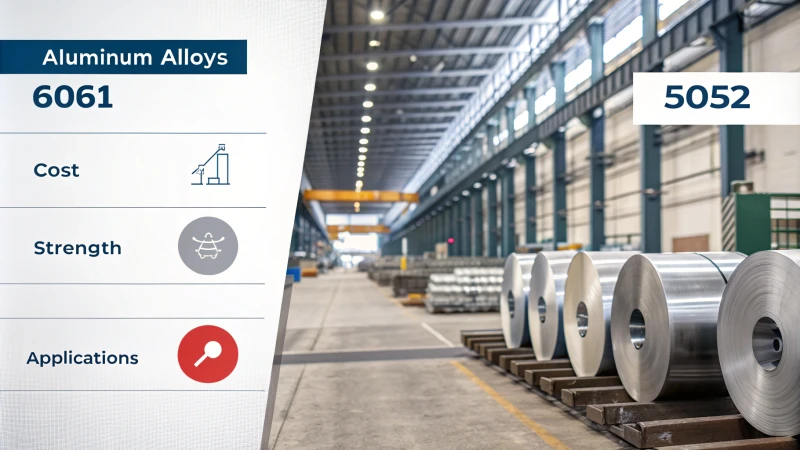
Understanding Aluminum Alloys
When considering the most cost-effective aluminum alloy for large-scale projects, it’s essential to understand the properties of the alloys available. The two most common options are 6061 and 5052, both widely used in construction due to their excellent mechanical properties and corrosion resistance.
Cost Comparison of Alloys
| Alloy Type | Average Cost per kg | Strength (MPa) | Weight (kg/m³) | Applications |
|---|---|---|---|---|
| 6061 | $3.00 | 310 | 2700 | Structural components, marine parts |
| 5052 | $3.50 | 228 | 2600 | Fuel tanks, pressure vessels |
As seen from the table, 6061 is more affordable compared to 5052 and has higher strength. However, the specific requirements of your project might make 5052 a better choice despite its higher price.
Performance Characteristics
- 6061 Aluminum Alloy: Known for its good mechanical properties and weldability. It’s often used in structural applications where strength is critical.
- 5052 Aluminum Alloy: Offers excellent corrosion resistance and is more malleable. It is typically used in environments where corrosion is a concern, such as marine applications.
Project Requirements
The choice between these two alloys will depend on various project factors:
- Load-Bearing Needs: If your project requires high strength, 6061 may be more suitable.
- Corrosion Resistance: For projects in corrosive environments, consider 5052 despite its higher cost.
- Welding Requirements: Both alloys can be welded; however, the ease of welding may sway your decision based on the project’s complexity.
Supplier Reliability and Material Availability
When selecting an aluminum alloy, also consider the availability of the materials from suppliers. Working with suppliers who provide customizable options and adhere to standards such as ISO or ASTM ensures that you receive high-quality materials tailored to your project’s needs.
You might want to explore supplier reliability5 to understand more about how to choose the right partners for your procurement process.
Environmental Considerations
Sustainability is increasingly important in construction materials procurement. Both 6061 and 5052 can be sourced from recycled content, which not only reduces costs but also supports environmental sustainability goals. This may offer a competitive edge in project bids that emphasize eco-friendliness. Consider looking into sustainable aluminum sourcing6 for further insights into how you can align your project with environmental standards.
Conclusion
Choosing the right aluminum alloy for large-scale projects requires a careful analysis of costs, performance characteristics, supplier reliability, and sustainability factors. By weighing these elements, you can make a well-informed decision that balances budget constraints with project requirements.
Remember to always evaluate multiple suppliers to ensure you are getting the best deal on quality materials that will stand up to the demands of your project.
6061 aluminum alloy is cheaper than 5052.True
6061 costs $3.00 per kg, while 5052 costs $3.50 per kg, making it more affordable.
5052 aluminum alloy has higher strength than 6061.False
The strength of 6061 is 310 MPa, while 5052 is only 228 MPa, indicating lower strength.
Conclusion
A356T6 aluminum cast excels in strength and casting properties, while 6061 offers versatility and weldability. Understanding these differences is crucial for selecting the right alloy for projects.
-
This link provides insights on how to optimize the use of A356T6 aluminum in engineering projects, enhancing your material selection process. ↩
-
This link provides in-depth analysis on the mechanical properties of aluminum alloys, enhancing your understanding of material selection. ↩
-
Find detailed insights on how aluminum is utilized in various industries, which will aid in selecting the right material for your project. ↩
-
This resource discusses best practices in material procurement, which can benefit your decision-making process. ↩
-
Understanding aluminum alloy pricing helps you make informed decisions for cost-effective procurement. ↩
-
Explore sustainable sourcing options to enhance your project’s environmental impact while optimizing costs. ↩






