
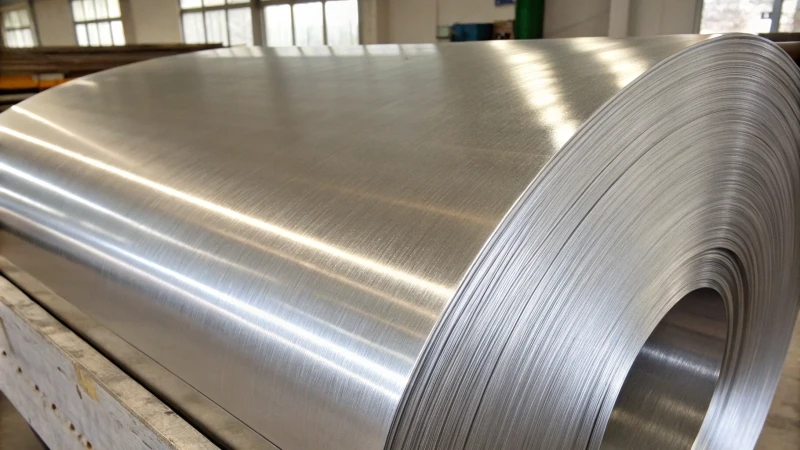
Have you ever wondered why stainless steel sheet metal is a popular choice for many professionals in construction and manufacturing? Let’s explore this together.
Stainless steel sheet metal is known for its strong durability. It resists rust very well and can be used in many ways. Stainless steel often does better than mild steel. It is a perfect choice for strength and looks in tough places. Stainless steel really works well in challenging conditions.
Thinking about my past experiences, I remember my first project. I picked stainless steel for its great strength. It really withstood the elements and showed its value many times. Stainless steel sheet metal is not only long-lasting; it’s also very adaptable. Used for structural support or beautiful building designs, it always excels in function and looks. Let’s explore its traits, compare it with other materials and find practical uses to lift your projects to new levels!
Stainless steel sheet metal is more durable than mild steel.True
Stainless steel offers superior durability compared to mild steel, making it ideal for demanding environments.
Corrosion resistance is a key benefit of stainless steel sheet metal.True
Stainless steel sheet metal's corrosion resistance is crucial for longevity in construction and manufacturing applications.
What Makes Stainless Steel Corrosion Resistant?
Have you ever wondered why stainless steel is such a popular choice for everything from kitchen appliances to construction materials? It’s not just about looks—it has some impressive qualities! Let’s dive into what makes it so resistant to corrosion and why that matters.
Stainless steel’s corrosion resistance is primarily due to its chromium content, which forms a protective oxide layer. Other elements like nickel and molybdenum enhance this property further, making it suitable for various environments.
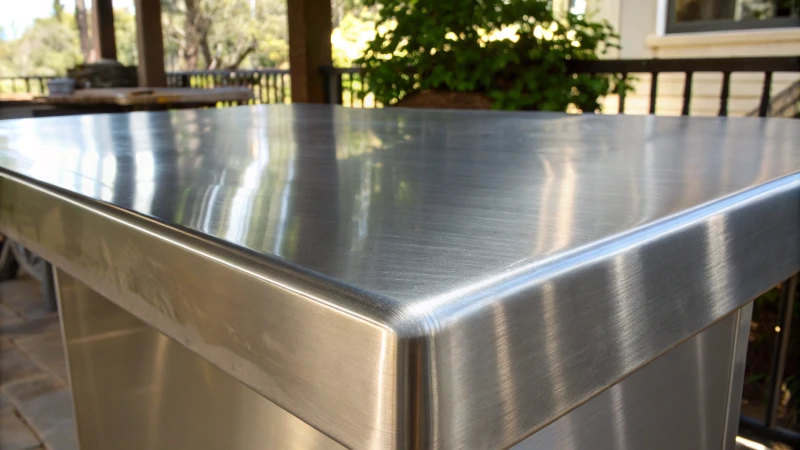
The Role of Chromium in Corrosion Resistance
Stainless steel is renowned for its ability to withstand corrosion, primarily due to its composition, which includes a significant amount of chromium. When exposed to oxygen, chromium forms a thin, protective layer of chromium oxide on the surface of the steel. This oxide layer is what gives stainless steel its remarkable durability.
The protective layer is self-repairing; if it gets scratched or damaged, it can reform in the presence of oxygen. This makes stainless steel an excellent choice for environments where moisture and corrosive substances are prevalent, such as kitchens and marine applications. For example, in coastal areas where saltwater can cause severe corrosion, stainless steel often outperforms traditional carbon steel.
To learn more about the benefits of using stainless steel in construction, check out this guide1.
Other Alloying Elements and Their Contributions
While chromium is the star player in corrosion resistance, other elements in stainless steel also contribute to its properties:
| Element | Function |
|---|---|
| Nickel | Enhances toughness and ductility |
| Molybdenum | Increases resistance to pitting |
| Nitrogen | Improves strength and corrosion resistance |
Nickel, for instance, not only improves the material’s overall toughness but also enhances its ability to withstand extreme temperatures without losing structural integrity. Molybdenum is especially beneficial in chloride environments, making stainless steel suitable for marine applications.
For more information on alloy compositions, visit this resource2.
Environmental Factors and Their Impact
The environment plays a crucial role in determining the corrosion resistance of stainless steel. Factors such as humidity, temperature, and exposure to harsh chemicals can influence how well stainless steel performs.
In high-humidity areas, for instance, even stainless steel can be susceptible to corrosion if not properly maintained. Regular cleaning and maintenance can help preserve its protective layer. Additionally, understanding the specific conditions where the stainless steel will be used is vital for selecting the right grade. For example:
- Austenitic Stainless Steel (like 304): Excellent for kitchen applications due to its corrosion resistance and ease of cleaning.
- Duplex Stainless Steel: Ideal for oil and gas industries due to its higher strength and resistance to stress corrosion cracking.
Explore more about choosing the right stainless steel for your project at this article3.
Conclusion: The Importance of Quality in Selection
While understanding the properties that make stainless steel corrosion-resistant is essential, selecting high-quality materials from reputable suppliers ensures performance and longevity. Certifications such as ISO and ASTM provide confidence in material selection. When sourcing materials for construction projects, it’s crucial to consider suppliers who prioritize quality and sustainability.
For tips on sourcing quality stainless steel, check out our sourcing guide4.
Chromium is essential for stainless steel's corrosion resistance.True
Chromium forms a protective oxide layer on stainless steel, crucial for its corrosion resistance.
Stainless steel is immune to corrosion in all environments.False
While stainless steel is resistant, it can still corrode under extreme conditions without proper maintenance.
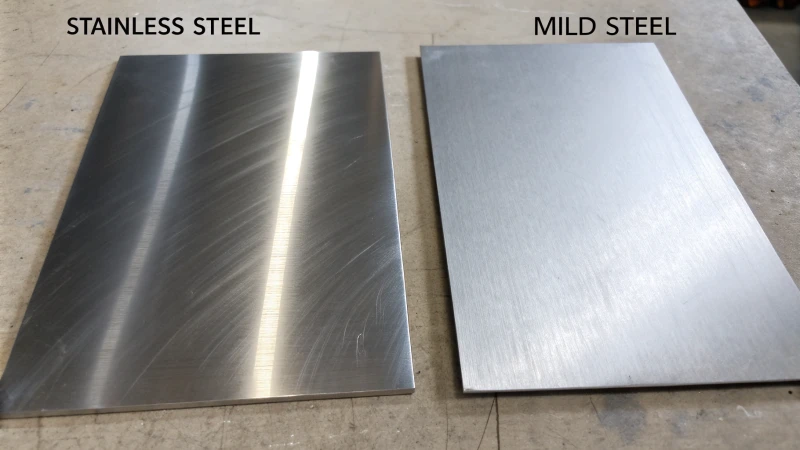
How Does Stainless Steel Compare to Mild Steel?
Are you curious about the real differences between stainless steel and mild steel? Let’s dive into this fascinating topic together and uncover what truly sets these two materials apart!
When comparing stainless steel to mild steel, it’s clear that stainless steel excels in strength, corrosion resistance, and durability, making it ideal for tough environments. Although it comes with a higher price tag, mild steel remains a cost-effective option for less critical applications.
Main Content:
When I first started working in construction procurement, I was often faced with the dilemma of choosing the right materials for my projects. Stainless steel or mild steel? The decision felt overwhelming at times, but understanding their differences helped me make informed choices that benefited both my budget and the longevity of the structures we built.
Strength and Durability Comparison
Stainless steel is renowned for its superior strength and durability compared to mild steel. While mild steel is adequate for many applications, it lacks the resistance to corrosion that stainless steel provides.
For example, in environments exposed to moisture or chemicals, stainless steel’s ability to withstand rust and degradation makes it the preferred choice. This property is crucial in construction projects that require materials to endure harsh conditions over time.
I remember a project where we were tasked with constructing a framework in a coastal area, exposed to salty air and moisture. Stainless steel became our best friend, providing reassurance that our structure would stand strong against rust and degradation. It was a comforting thought knowing that we weren’t just building for today, but for many tomorrows to come.
Additionally, stainless steel can be formulated with various alloys to enhance its mechanical properties, resulting in different grades suited for specific applications. If you’re curious about these grades, be sure to check out stainless steel grades5.
Cost Analysis
Now let’s chat about costs. Mild steel often catches my eye when I’m budgeting. It’s affordable and perfect for projects that don’t require high-end materials. However, when comparing long-term expenses, stainless steel’s durability can offset its higher initial price.
Consider the following table comparing average costs:
| Steel Type | Price per Ton (Approx.) | Lifespan (Years) |
|---|---|---|
| Mild Steel | $600 | 10-15 |
| Stainless Steel | $2,500 | 20-30 |
This experience taught me that understanding both upfront costs and longevity can significantly impact overall project budgets. If you’re looking to dig deeper into cost management in construction, check out cost-effective materials6.
Corrosion Resistance
The topic of corrosion resistance is where stainless steel really shines. Its secret weapon? Chromium! This element forms a protective layer that keeps rust at bay.
Corrosion resistance is one of the most significant differences between stainless steel and mild steel. In contrast, mild steel is susceptible to corrosion when exposed to moisture without protective coatings. This difference is critical when selecting materials for applications such as:
- Marine environments
- Food processing plants
- Chemical factories
I vividly remember a project in a food processing plant where we had to be extra cautious about corrosion. Mild steel would have been a risky choice there as it’s prone to rust without proper coatings. Stainless steel not only provided peace of mind but also ensured compliance with health standards—a win-win! If you’re interested in protective measures for mild steel, take a look at corrosion prevention techniques7.
Applications in Construction
Both stainless steel and mild steel have unique roles in construction which I’ve learned through my own hands-on experience. Given their distinct properties:
- Stainless steel is often used in:
- Structural components where strength and corrosion resistance are paramount.
- Architectural elements that require aesthetic appeal combined with durability.
- Mild steel is fantastic for:
- General construction frameworks where budget plays a critical role.
- Non-load-bearing applications where its malleability shines.
By understanding these applications, I’ve been able to make smarter procurement decisions tailored to each project’s needs. For more specifics on application guidelines, check out construction material applications8.
In conclusion, knowing how stainless steel compares to mild steel has truly shaped my journey in construction procurement. Each choice impacts our projects in significant ways ensuring they’re built to last while keeping our budgets in check.
Stainless steel is more durable than mild steel.True
Stainless steel offers superior durability due to its corrosion resistance, making it ideal for harsh environments compared to mild steel.
Mild steel is always cheaper than stainless steel.False
While mild steel is generally less expensive, long-term costs may favor stainless steel due to its longevity and lower maintenance needs.
What Should I Consider When Budgeting for Stainless Steel Sheet Metal?
Managing the costs of stainless steel sheet metal may seem very challenging, especially when handling a construction budget. I will explain the important factors that affect pricing. This explanation will probably help you plan better.
Think about thickness, finish type, steel grade, local availability and order volume when budgeting for stainless steel sheet metal. Each factor influences price. Check these elements closely for smart buying choices.
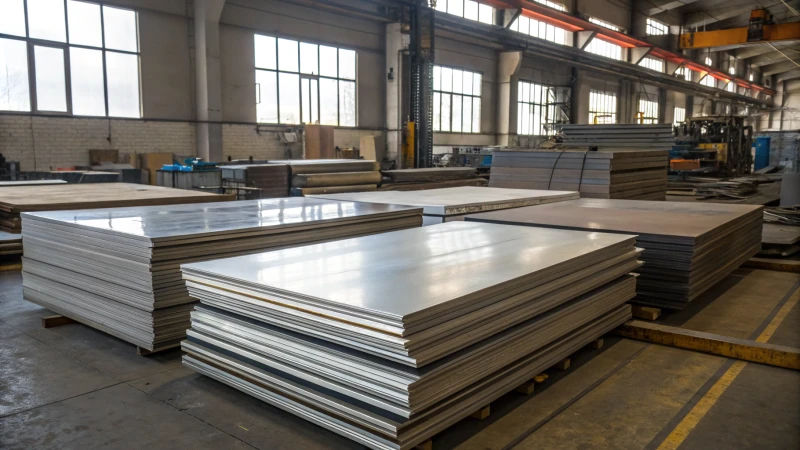
When considering the cost of stainless steel sheet metal, several factors come into play that can significantly impact pricing. Understanding these factors helps in making informed procurement decisions.
Thickness and Gauge
The thickness of stainless steel sheets is a primary factor influencing cost. Thicker sheets generally cost more due to the increased amount of material used. Here’s a quick reference table for common gauges:
| Gauge | Thickness (inches) | Typical Applications |
|---|---|---|
| 16 | 0.059 | Structural applications |
| 18 | 0.048 | Kitchen equipment |
| 20 | 0.036 | Residential projects |
Finish Type
The finish of stainless steel also affects its price. Various finishes such as brushed, polished, or mirrored can change both aesthetics and cost. For example, a polished finish requires additional processing, which can increase the price by approximately 10-30%. Those times teach me to balance looks and budget carefully. Explore different finishes9.
Type of Stainless Steel
There are several types of stainless steel, each with its specific characteristics and cost implications. Common types include:
- 304 Stainless Steel: Versatile and commonly used; moderate cost.
- 316 Stainless Steel: Higher corrosion resistance; typically more expensive.
- 430 Stainless Steel: Lower cost; less corrosion resistance.
Knowing what each type provides really helps me make smart, cost-saving choices. Learn about stainless steel types10.
Local Availability and Supply Chain
The local availability of stainless steel sheets can greatly influence pricing. Regions with established suppliers may offer lower prices due to reduced shipping costs and better supply chain logistics. On the other hand, sourcing materials from distant suppliers can increase costs significantly. I always check local suppliers first. Find local suppliers11.
Order Volume and Customization
Lastly, order volume plays a significant role in pricing. Bulk orders often come with discounts, while smaller quantities may incur additional costs per unit. Additionally, customization such as unique shapes or sizes can lead to higher costs due to additional processing requirements. Understanding these has been crucial in my buying journey. Discover bulk order benefits12.
Thicker stainless steel sheets are always more expensive.True
Thicker sheets generally cost more due to increased material use, but other factors can also influence pricing.
Polished finishes increase stainless steel costs by 10-30%.True
The additional processing required for polished finishes typically raises the price of stainless steel sheets by this percentage range.
In What Applications is Stainless Steel Sheet Metal Most Beneficial?
I saw stainless steel sheet metal for the first time. The versatility and strength amazed me. Every industry uses it in important ways. Realizing its uses changed how I choose materials.
Stainless steel sheet metal shines bright in building sites, food factories, medical instruments and car industries. Its strength, cleanliness, compatibility with the human body and skill to handle high temperatures attract professionals like me looking for trust and top quality in choosing materials. It really stands out.
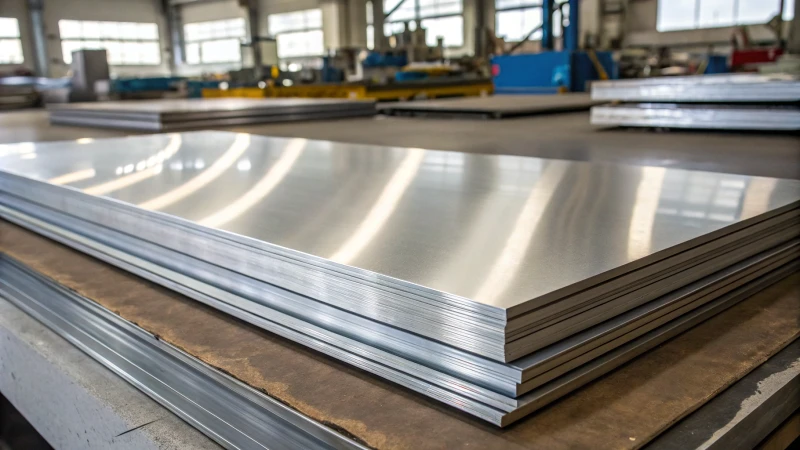
Applications of Stainless Steel Sheet Metal
Stainless steel sheet metal is utilized across various industries due to its strength and versatility. Below are some key applications:
| Application Area | Benefits | Key Features |
|---|---|---|
| Construction | Durability, Aesthetic Appeal | Corrosion Resistance, Strength |
| Food Processing | Hygiene, Easy Cleaning | Non-Reactive, Sterilizable |
| Medical Equipment | Biocompatibility, Safety | Precision Engineering |
| Automotive | High-Temperature Resistance | Weight Savings, Aesthetic Quality |
Construction and Architecture
Stainless steel sheet metal is widely used in construction due to its durability and aesthetic appeal. For instance, it is often utilized for cladding buildings, providing not only structural support but also a sleek modern look. The material’s resistance to corrosion makes it ideal for environments exposed to harsh weather.
Moreover, stainless steel offers excellent longevity, ensuring that structures maintain their appearance and integrity over time. Projects involving facades, canopies, and structural components often leverage stainless steel’s properties for both functionality and design.
For more insights on architectural applications, check this detailed guide13.
Food and Beverage Industry
In the food processing sector, stainless steel is critical for its hygienic properties. Equipment such as processing tanks, conveyor belts, and utensils are made from stainless steel to prevent contamination and facilitate cleaning. The material’s non-reactive nature also ensures that food quality is maintained.
Additionally, stainless steel can withstand frequent cleaning with harsh chemicals, making it ideal for commercial kitchens. The benefits of stainless steel in food production processes are significant, enhancing both safety and efficiency.
Learn more about food-grade materials in this informative article14.
Medical Applications
Stainless steel sheet metal is crucial in the medical field, particularly in manufacturing surgical instruments, equipment, and implants. Its biocompatibility and ability to be sterilized make it an essential material for ensuring patient safety.
The precision engineering of stainless steel products allows for intricate designs needed in tools like scalpels, scissors, and even prosthetic devices. Its corrosion resistance is vital as it minimizes the risk of infection or device failure during medical procedures.
For further reading on medical-grade stainless steel, visit this comprehensive resource15.
Automotive Industry
In the automotive industry, stainless steel sheet metal is used for various components including exhaust systems, body panels, and structural reinforcements. The ability of stainless steel to withstand high temperatures without degrading makes it suitable for exhaust applications where durability is essential.
Additionally, using stainless steel can enhance the aesthetic quality of vehicles while also providing weight savings compared to traditional materials. This is increasingly important as manufacturers look to improve fuel efficiency.
To explore automotive applications further, see this detailed study16.
Stainless steel is ideal for construction due to its durability.True
The material's resistance to corrosion and aesthetic appeal make it perfect for various construction applications, ensuring longevity and structural integrity.
Stainless steel is unsuitable for food processing environments.False
Contrary to this claim, stainless steel is favored in food processing for its hygienic properties and ability to withstand harsh cleaning chemicals.
Conclusion
Explore the key features and benefits of stainless steel sheet metal, highlighting its durability, corrosion resistance, and versatility across various industries including construction, food processing, medical, and automotive.
-
This link provides deeper insights into stainless steel’s unique properties and practical applications in construction. ↩
-
Discover detailed information about different alloy compositions and their contributions to corrosion resistance in stainless steel. ↩
-
Learn about environmental factors that impact stainless steel performance and maintenance tips. ↩
-
Find expert advice on selecting high-quality stainless steel materials for construction projects. ↩
-
Explore this link for detailed insights on the specific properties of stainless and mild steel that affect your choice. ↩
-
This link offers comprehensive comparisons of costs associated with stainless and mild steel for better budgeting. ↩
-
Learn about effective ways to prevent corrosion in mild steel applications through this informative link. ↩
-
Understand the unique applications of both stainless and mild steel in construction projects by visiting this resource. ↩
-
This link offers comprehensive insights on cost factors, helping you better understand pricing strategies for your projects. ↩
-
Learn about the different types of stainless steel and how they affect project costs with this informative guide. ↩
-
Discover local suppliers for stainless steel sheet metal to optimize your procurement process and potentially lower costs. ↩
-
Explore benefits of bulk purchasing to maximize savings and efficiency in your metal procurement strategy. ↩
-
Discover practical uses and advantages of stainless steel in various industries to enhance your material selection process. ↩
-
Learn about the benefits of using stainless steel in food processing to ensure safety and hygiene. ↩
-
Explore how stainless steel is utilized in medical applications for safety and precision. ↩
-
Understand the role of stainless steel in automotive manufacturing for efficiency and durability. ↩






