
Have you ever stumbled on a staircase and felt that rush of panic? I certainly have! That’s why I’m excited to share the benefits of installing stair nosing—it’s a game changer for safety and style!
Stair nosing improves safety by enhancing visibility, reducing slip hazards, and protecting the edges of stairs from wear and damage. It’s essential for compliance with building codes and contributes to the overall aesthetic of your staircase. Continue reading to explore the various types of stair nosing available, understand their importance in meeting building regulations, and discover tips for proper installation.
When I first learned about stair nosing, I was amazed at how something so simple could have such a profound impact. Not only does it enhance visibility, making each step clearer and safer, but it also protects those vulnerable edges from wear and tear. Just think about it: every time I see a well-maintained staircase, I can’t help but appreciate how stair nosing not only meets building codes but also contributes to the overall beauty of the space.
Stair nosing enhances safety by improving visibility.True
Stair nosing increases the visibility of stair edges, which helps prevent accidents and improves overall safety.
Using stair nosing is optional for building code compliance.False
In many cases, stair nosing is required to meet building codes, making it essential for safety and compliance.
What Safety Features Does Stair Nosing Provide?
Have you ever taken a misstep on stairs and felt that heart-stopping moment? Understanding stair nosing’s safety features can be a game-changer. It’s more than just a design element; it’s a crucial part of making our spaces safer for everyone.
Stair nosing provides essential safety features like enhanced visibility, slip resistance, edge protection, compliance with building codes, and aesthetic appeal, making it a must-have for any staircase design that prioritizes safety and functionality.
When I first learned about stair nosing
I realized how often we overlook the little details that keep us safe. It’s like the unsung hero of stair design, quietly working behind the scenes to protect us. Let me share some insights on why stair nosing is essential for safety, and how it can make a significant difference in our daily lives.
Enhanced Visibility
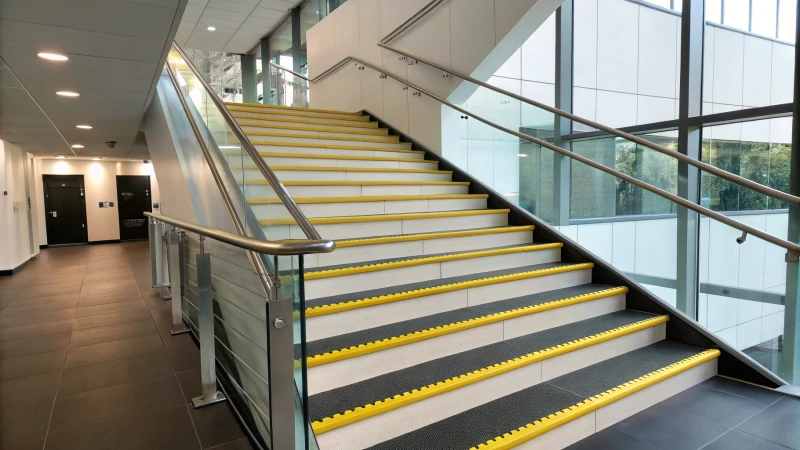
Stair nosing plays a crucial role in enhancing visibility on staircases. The contrasting color or reflective properties of stair nosing materials can greatly improve visibility, especially in low-light conditions.
For instance, using bright or contrasting colors for stair nosing can help users better perceive the edge of each step, reducing the risk of missteps. This is particularly important in commercial spaces where foot traffic is high and visibility may be compromised.
Additionally, incorporating high-visibility materials1 can further enhance safety by ensuring that the edges of the stairs are easily identifiable.
Slip Resistance
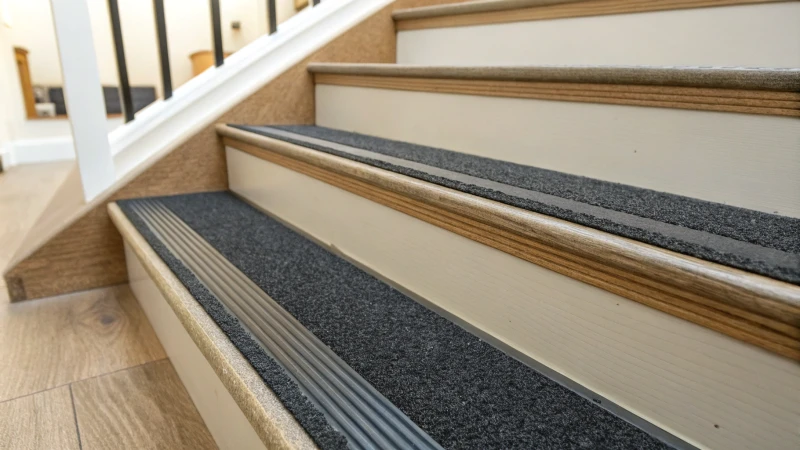
One of the primary safety features of stair nosing is its slip-resistant surface. Many stair nosing products are designed with textured surfaces that provide grip, which is essential in preventing slips and falls.
| Material Type | Slip Resistance Rating | Recommended Use |
|---|---|---|
| Aluminum | High | Indoor/Outdoor |
| Rubber | Very High | Wet Areas |
| Vinyl | Moderate | Low-Traffic Areas |
Choosing a stair nosing material with a high slip resistance rating can significantly reduce accidents, particularly in environments exposed to water or spills.
Edge Protection
Stair nosing also serves to protect the edges of the stairs from wear and tear. The exposed edges of stairs are often the first to suffer damage, leading to potential hazards.
By using stair nosing, you can prolong the lifespan of stair materials while simultaneously providing a rounded or beveled edge that reduces sharpness. This edge protection is beneficial in both residential and commercial buildings where heavy foot traffic may lead to deterioration over time.
Compliance with Building Codes
In many regions, building codes require the installation of stair nosing to ensure safety standards are met. This is particularly relevant in commercial buildings where adherence to safety regulations is mandatory.
Stair nosing must meet specific dimensional requirements such as depth and height to qualify for compliance. Understanding these regulations can help avoid costly fines and ensure a safe environment for users.
For detailed information about compliance standards, refer to local building codes.
Aesthetic Appeal
Beyond safety, stair nosing can also contribute to the aesthetic appeal of a staircase. Available in various materials and finishes, it allows for customization that can enhance the overall design of a space.
Considerations for aesthetic appeal can include:
- Material Choices: Metal, wood, vinyl, and rubber.
- Color Options: Neutral tones for subtlety or bright colors for visibility.
- Finishes: Matte or glossy finishes depending on the desired look.
By selecting the right stair nosing, you can achieve a balance between functionality and design that complements your project requirements.
Stair nosing improves visibility on staircases in low light.True
The contrasting colors or reflective materials used in stair nosing enhance visibility, reducing the risk of missteps in poorly lit areas.
Stair nosing is optional for compliance with building codes.False
In many regions, stair nosing installation is mandatory to meet safety standards, particularly in commercial buildings.
How Does Stair Nosing Enhance Aesthetic Appeal?
Have you ever walked up a staircase and felt an instant spark of admiration for its beauty? I certainly have! Let’s explore how stair nosing can transform a simple staircase into a stunning focal point while keeping safety in mind.
Stair nosing enhances aesthetic appeal by offering design versatility, improving safety with contrasting colors, and beautifully interacting with lighting. Customization options allow it to seamlessly complement any interior decor, making your staircase both safe and visually striking.
The Role of Stair Nosing in Design
Stair nosing is not just a safety feature; it’s an essential design element that can significantly enhance the aesthetic appeal of staircases. By choosing the right materials and finishes, you can create a striking visual impact. Consider how different colors and textures can complement your overall interior design. For instance, a sleek metallic stair nosing could add a modern touch to a contemporary home, while warm wooden nosing might bring coziness to a rustic setting.
Moreover, stair nosing can be customized to match the flooring or other design elements within the space. This creates a cohesive look that ties the entire environment together. To explore various options for stair nosing designs, check out custom stair nosing styles2.
Enhancing Safety with Style
While aesthetic appeal is important, safety should not be overlooked. Stair nosing helps prevent slips and falls, especially in high-traffic areas. By incorporating contrast in color or texture between the nosing and the tread, you can improve visibility, which is particularly beneficial in commercial spaces. In this way, safety and style go hand in hand. Consider the following table for examples of materials that enhance both aspects:
| Material | Aesthetic Appeal | Safety Features |
|---|---|---|
| Aluminum | Sleek and modern | Non-slip options available |
| Wood | Warm and inviting | Rounded edges for safety |
| Vinyl | Versatile colors | Easy to maintain |
| Rubber | Textured finishes | Excellent grip |
For more insights on combining aesthetics with safety, you might find stair safety design tips beneficial.
Visual Interest through Lighting
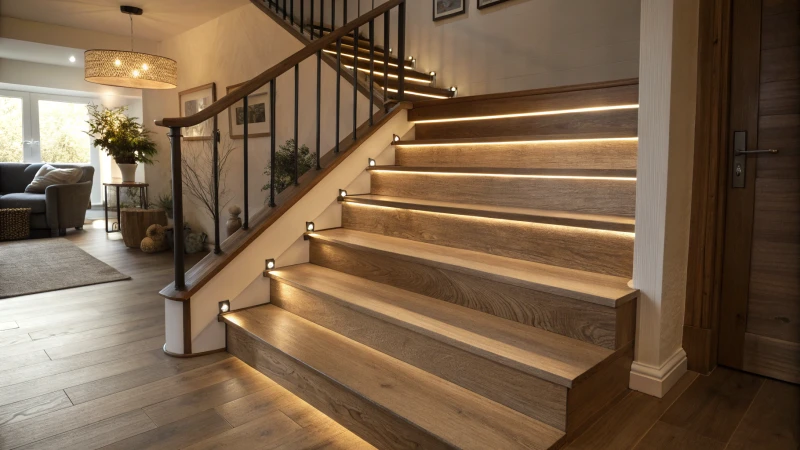
Another fascinating aspect of stair nosing is how it interacts with lighting. Properly placed lighting can accentuate the features of the stair nosing, creating shadows and highlights that draw attention to this often-overlooked detail. When I added LED strips along the edges of my stair nosing, it transformed my staircase into a dramatic display every evening. The way light dances off the nosing creates this magical ambiance that draws the eye upward—almost inviting you to ascend! Explore ways to integrate lighting into your staircase by visiting lighting ideas for stairs.
Conclusion Without Conclusion
In summary, stair nosing plays a crucial role in enhancing aesthetic appeal through thoughtful design choices, material selection, and integration with lighting. It’s an element that marries function with beauty, ensuring that staircases are not only safe but also visually striking. As you consider your project, reflect on how these elements can come together to elevate your space.
Stair nosing can enhance the visual appeal of staircases.True
Stair nosing is essential for aesthetic enhancement, allowing for material and color customization to match interior designs.
Stair nosing does not improve safety on stairs.False
Contrary to this claim, stair nosing significantly improves safety by preventing slips and falls in high-traffic areas.
What Are the Different Types of Stair Nosing Available?
When it comes to creating a safe and stylish environment, stair nosing is often overlooked but plays a vital role. Let’s explore the different types of stair nosing and why they matter to me.
When choosing stair nosing, you’ll encounter aluminum, PVC, rubber, stainless steel, and wood options. Each type has unique benefits in terms of durability, safety features, and aesthetics, making it important to choose based on your specific project needs.
Understanding Stair Nosing Types
Stair nosing is a crucial component in both residential and commercial buildings. It enhances safety by providing a defined edge to steps, preventing slips and falls. Here are some common types of stair nosing available:
1. Aluminum Stair Nosing
Aluminum is a popular choice for stair nosing due to its durability and resistance to corrosion. It’s lightweight yet strong, making it suitable for high-traffic areas. Additionally, aluminum can be coated for improved aesthetics and safety.
Benefits:
- Highly durable
- Corrosion-resistant
- Customizable finishes available
For more on aluminum options, check out aluminum stair nosing benefits3.
2. PVC Stair Nosing
PVC (Polyvinyl Chloride) stair nosing is often used in residential settings. It’s cost-effective and comes in various colors to match interior designs. PVC is also slip-resistant, making it a safe choice for home environments.
| Advantages | Disadvantages |
|---|---|
| Affordable | Less durable than metal |
| Variety of colors | Can fade over time |
| Easy installation | Limited load-bearing |
Explore further on PVC stair nosing features4.
3. Rubber Stair Nosing
Rubber stair nosing provides excellent slip resistance and cushioning. This type is ideal for areas that require a softer landing, such as gymnasiums or playgrounds. Rubber can also absorb impact, making it a safer option for children.
Pros:
- Excellent grip
- Comfortable underfoot
- Noise reduction properties
Learn more about rubber stair nosing advantages5.
4. Stainless Steel Stair Nosing
Stainless steel stair nosing offers a sleek, modern look combined with superior strength and durability. It’s perfect for commercial spaces where aesthetics and functionality are equally important. Stainless steel is resistant to rust and stains, ensuring longevity.
| Features | Best Uses |
|---|---|
| Highly resistant to corrosion | Commercial buildings |
| Easy to clean | Hospitals, schools |
| Premium aesthetic | Luxury residential |
Find out about stainless steel options6.
5. Wooden Stair Nosing
Wooden stair nosing adds a touch of elegance to any staircase. It complements wooden floors beautifully but requires maintenance to prevent wear and tear. Wooden nosings can be stained or painted to match existing decor.
Considerations:
- Requires regular maintenance
- Can be slippery if not treated
- Limited to low-traffic areas
discover more on wooden stair nosing maintenance7.
Aluminum stair nosing is lightweight and durable.True
Aluminum is known for its strength and low weight, making it ideal for high-traffic areas.
Rubber stair nosing is not suitable for playgrounds.False
Rubber stair nosing provides excellent slip resistance, making it ideal for playgrounds and similar areas.
How Can Stair Nosing Comply with Building Codes?
Stair nosing is more than just an aesthetic feature; it’s a crucial element for safety and compliance with building codes. So, how can you ensure your stair nosing meets these important regulations? Let’s dive in together!
To ensure stair nosing complies with building codes, adhere to specific dimensions and material standards outlined by local regulations. Focus on visibility, slip resistance, and accessibility for safe design. It’s not just about compliance—it’s about creating a safer environment for everyone who uses the stairs!
Understanding Building Codes for Stair Nosing
To ensure stair nosing complies with building codes, it’s essential to adhere to specific dimensions and material standards outlined by local regulations. I’ve learned that focusing on visibility, slip resistance, and accessibility can make a world of difference in creating a safe design.
Building codes are essential regulations designed to ensure safety, accessibility, and structural integrity in construction projects. When it comes to stair nosing, compliance with these codes is crucial to prevent accidents and injuries. The dimensions and specifications for stair nosing can vary by jurisdiction, but common guidelines include:
- Minimum Projection: Stair nosing should have a minimum projection of 1 inch from the riser to enhance visibility and prevent slips.
- Height Requirements: The height of the nosing must be consistent across the stairway to avoid tripping hazards.
- Material Specifications: Certain materials are required or recommended for stair nosing to ensure durability and safety.
To delve deeper into the specifics of building codes related to stair nosing, you might consider researching local regulations. For further information, check out building code resources8.
Types of Stair Nosing Materials
Choosing the right material for stair nosing is not only about aesthetics but also about compliance. Here are some commonly used materials that meet building codes:
| Material Type | Pros | Cons |
|---|---|---|
| Aluminum | Lightweight, corrosion-resistant | Can be slippery if not textured |
| PVC | Affordable, available in many colors | Less durable compared to metal |
| Rubber | Slip-resistant, good for high traffic | May wear out over time |
| Steel | Very durable, strong | Can be heavy and more expensive |
Understanding the benefits and drawbacks of each material can help in selecting one that not only meets building codes but also suits your project’s needs. More about material choices can be found here: material compliance standards9.
Accessibility Considerations
In addition to general safety regulations, stair nosing must also comply with accessibility standards. This is particularly important for public buildings where accessibility is mandated by law.
- Visual Contrast: Stair nosing should provide a clear visual contrast to the stair tread, aiding visually impaired individuals.
- Textured Surfaces: Textured surfaces are recommended to provide grip, especially in wet conditions.
For guidance on accessibility standards in your area, visit accessibility guidelines10.
Conclusion Compliance
Finally, compliance with building codes requires thorough documentation. Make sure to keep records of:
- Specifications: Ensure you have detailed drawings and specifications that meet code requirements.
- Test Results: Document any testing results for slip resistance and durability.
This documentation will help in demonstrating compliance during inspections. If you’re interested in learning more about documentation practices, check out documentation essentials11.
Stair nosing must project at least 1 inch from the riser.True
A minimum projection of 1 inch enhances visibility and reduces slip risks, complying with building codes.
All stair nosing materials are equally durable and safe.False
Different materials like rubber and PVC vary in durability and safety, impacting compliance with building codes.
Conclusion
Stair nosing improves safety and aesthetics by enhancing visibility, preventing slips, protecting edges, and ensuring compliance with building codes.
-
Explore comprehensive resources on stair nosing safety features to enhance your understanding and ensure compliance with industry standards. ↩
-
This link provides comprehensive insights into selecting stair nosing that enhances aesthetics while ensuring safety, perfect for your design project. ↩
-
This link will guide you through the benefits of aluminum stair nosing, helping you make an informed choice for your project. ↩
-
Learn about PVC stair nosing features which could be beneficial for home settings or lower traffic areas. ↩
-
Explore the advantages of rubber stair nosing for enhanced grip and safety, especially in child-friendly spaces. ↩
-
This resource provides insights into stainless steel stair nosing options suitable for commercial applications. ↩
-
Find out how to maintain wooden stair nosing to ensure it remains safe and visually appealing over time. ↩
-
Discover essential insights into local building codes for stair nosing compliance that can enhance your project’s safety standards. ↩
-
Learn about various materials suitable for stair nosing that meet safety regulations and building codes. ↩
-
Find comprehensive guidelines on accessibility standards related to stair nosing to ensure your project meets legal requirements. ↩
-
Gain insights into effective documentation practices that support compliance with building codes for your stair design. ↩






