
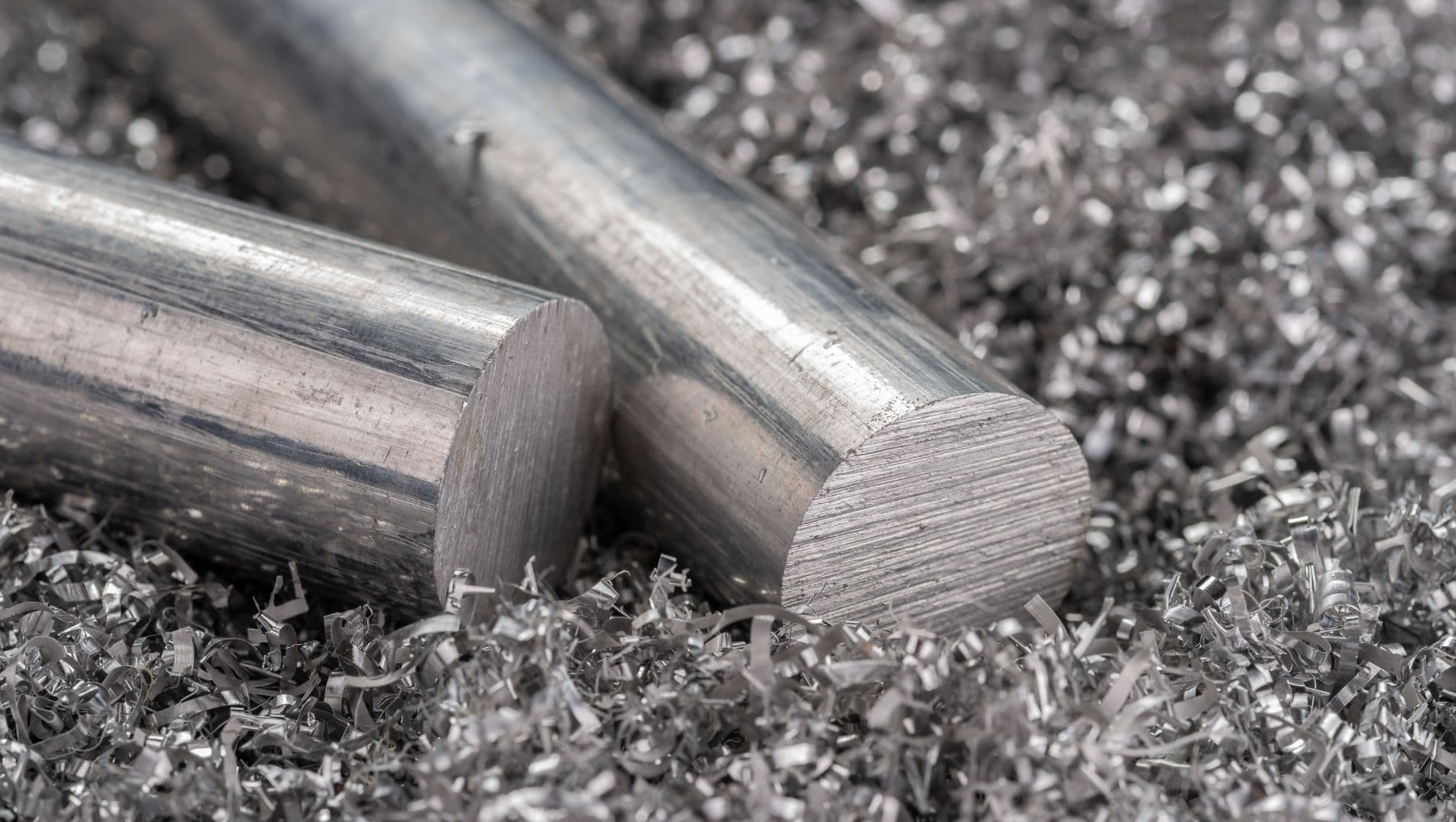
Are you confused about which aluminum alloy to choose for your next project? I know I’ve been there too, standing in front of a vast array of options, feeling a bit overwhelmed. Let’s simplify this together!
Aluminum alloys 6065 and 6005 are widely used in construction and manufacturing, each offering unique properties. 6065 is known for its excellent strength and extrudability, making it suitable for structural applications, while 6005 provides superior corrosion resistance and is often chosen for architectural features.
When I first started working with aluminum alloys, I remember grappling with the decision between 6065 and 6005 for a project. Aluminum 6065 stood out with its impressive strength and extrudability, making it perfect for structural applications. But 6005 caught my eye for its remarkable corrosion resistance, ideal for architectural features that needed to endure the elements. These personal choices were pivotal as I learned how crucial it is to pick the right material based on specific project needs.
To make the best choice for your specific requirements, let’s dive deeper into the characteristics, applications, and key differences between these two aluminum alloys.
Aluminum 6065 is better for structural applications than 6005.True
6065 offers excellent strength and extrudability, making it ideal for structural uses.
Aluminum 6005 has superior corrosion resistance compared to 6065.True
6005 is often chosen for architectural features due to its better corrosion resistance.
What makes aluminum alloys 6065 and 6005 stand out in construction?
As someone who’s navigated the intricate world of construction materials, I can tell you that understanding aluminum alloys is like having a trusted guide on a journey. Let’s dive into the unique strengths of alloys 6065 and 6005 that make them essential in our industry.
Aluminum alloys 6065 and 6005 have distinct mechanical properties. Alloy 6065 offers higher tensile strength at 310 MPa, while alloy 6005 provides good yield strength at 240 MPa, making both suitable for various construction and manufacturing applications.
Overview of Aluminum Alloys 6065 and 6005
Aluminum alloys are categorized based on their mechanical properties, composition, and intended use. Both aluminum 6065 and 6005 are popular choices in construction and manufacturing due to their favorable properties.
Aluminum 6065 is known for its excellent strength-to-weight ratio and corrosion resistance, making it suitable for various applications. Meanwhile, aluminum 6005 offers enhanced mechanical properties, particularly in structural applications.
Mechanical Properties Comparison
To understand the differences between these two alloys, let’s compare their mechanical properties in the following table:
| Property | Aluminum 6065 | Aluminum 6005 |
|---|---|---|
| Tensile Strength | 310 MPa | 260 MPa |
| Yield Strength | 210 MPa | 240 MPa |
| Elongation | 10% | 8% |
| Hardness | 75 HB | 70 HB |
From this table, it is evident that aluminum 6065 exhibits higher tensile strength compared to aluminum 6005. This characteristic makes 6065 more suitable for applications where strength is paramount, while 6005 is often favored for its good yield strength and ease of fabrication.
Applications of Each Alloy
Understanding the mechanical properties helps in selecting the right alloy for specific applications:
- Aluminum 6065: Ideal for structures requiring higher tensile strength, such as frames in high-load environments and architectural elements that demand durability.
- Aluminum 6005: Commonly used in applications like transportation and structural components due to its favorable yield strength and machinability.
For further insights into choosing between these alloys, consider exploring application considerations1 and material selection guides2 that elaborate on practical use cases.
Summary of Key Factors to Consider
When comparing aluminum 6065 and 6005, procurement managers like James should consider:
- Weight and Strength Needs: Depending on the project specifications, the weight-to-strength ratio may be a critical factor.
- Cost Efficiency: Often, the choice between alloys comes down to budget constraints without compromising quality.
- Sustainability Practices: Look for suppliers that offer alloys with recycled content to meet environmental standards.
In conclusion, understanding the mechanical properties of aluminum alloys can significantly impact material selection in construction projects. Delving deeper into specific applications can enhance decision-making processes. For additional resources on material specifications, visit material standards3.
Aluminum 6065 has higher tensile strength than 6005.True
With a tensile strength of 310 MPa, aluminum 6065 surpasses the 260 MPa of aluminum 6005, making it stronger for structural applications.
Aluminum 6005 is preferred for high-load structures.False
Aluminum 6065 is more suitable for high-load environments due to its superior tensile strength compared to aluminum 6005.
What Are the Real-World Applications of Aluminum Alloys 6065 and 6005?
When I first delved into the world of aluminum alloys, I was fascinated by how these materials play crucial roles in our everyday structures. But have you ever wondered where exactly alloys 6065 and 6005 fit into the picture? Let’s explore together!
Aluminum alloys 6065 and 6005 are commonly used in construction and manufacturing. Alloy 6065 is ideal for architectural applications like window frames and facades, while alloy 6005 excels in structural and marine uses, such as railings and boat fittings.
Overview of Aluminum Alloys 6065 and 6005
Aluminum alloys 6065 and 6005 are part of the 6000 series, known for their impressive resistance to corrosion, good weldability, and a blend of moderate to high strength. These traits make them perfect for a plethora of applications, especially in construction and manufacturing—fields I have spent years navigating and learning from.
Common Applications of Aluminum Alloy 6065
In my experience, aluminum alloy 6065 is a go-to choice for several important applications:
- Structural components: I’ve seen firsthand how this alloy excels in elements requiring high strength-to-weight ratios, making it invaluable in various projects.
- Architectural applications: Whether it’s the gleaming facades of modern buildings or the sturdy window frames I often admire, 6065 finds its place in architectural design.
- Transportation: From vehicle frames to essential components, this alloy’s lightweight nature enhances fuel efficiency, a win-win in today’s eco-conscious world.
For those looking to dive deeper into its versatility, you can learn more about structural uses4 that highlight its benefits in construction projects.
Common Applications of Aluminum Alloy 6005
On the other hand, aluminum alloy 6005 has its own charm and utility:
- Extruded sections: I’ve often marveled at the complex shapes that can be created with this alloy for various industrial applications, showcasing its adaptability.
- Railings and ladders: The strength of 6005 makes it a preferred choice for safety features, a point I value especially when ensuring safety on job sites.
- Marine environments: Its resistance to corrosion is critical for boat fittings and structures, a feature that many boat builders appreciate.
If you’re curious about its marine applications, you can click here for more insights into marine applications5.
Comparative Table of Properties and Applications
| Property | Alloy 6065 | Alloy 6005 |
|---|---|---|
| Strength | Moderate to High | High |
| Weldability | Good | Very Good |
| Corrosion Resistance | Excellent | Excellent |
| Typical Uses | Architectural, Structural | Industrial, Marine |
This comparison table illustrates that while both alloys boast impressive corrosion resistance, they are tailored for different applications based on their mechanical properties. If your focus is on structural integrity, alloy 6005 may be your best bet. However, if architectural flair is what you’re after, then alloy 6065 shines brightly.
Conclusion on Application Suitability
When I’m tasked with selecting between aluminum alloys 6065 and 6005 for a project, I always consider the specific requirements like strength, weldability, and environmental exposure. It’s about making informed decisions that align perfectly with project goals. If you’re interested in exploring more about application-specific guidelines6, I invite you to check this out. It’s amazing how the right material can transform a project from good to exceptional!
Aluminum alloy 6065 is ideal for architectural applications.True
6065's strength-to-weight ratio makes it perfect for building facades and window frames.
Aluminum alloy 6005 is unsuitable for marine environments.False
6005's excellent corrosion resistance makes it ideal for marine applications like boat fittings.
What Makes the Manufacturing Processes for Aluminum 6065 and 6005 So Different?
Diving into the world of aluminum alloys, particularly 6065 and 6005, has been a revelation for me. Understanding their manufacturing processes isn’t just about numbers and charts—it’s about making choices that impact entire projects.
Aluminum alloys 6065 and 6005 have distinct manufacturing processes influenced by their unique chemical compositions and mechanical properties. While 6065 is favored for its extrudability in aesthetic applications, 6005 shines with its strength, necessitating different heat treatment and machining methods for optimal results.
Overview of Aluminum Alloys 6065 and 6005
The manufacturing processes for aluminum alloys 6065 and 6005 differ significantly due to variations in their chemical composition, extrusion conditions, and machining requirements. These factors directly influence product performance and cost-efficiency in projects, which is something I always keep in mind when selecting materials for construction.
Composition Differences
The chemical composition of aluminum alloys significantly affects their manufacturing processes. Here’s a quick comparison:
| Alloy Type | Main Alloying Elements | Typical Applications |
|---|---|---|
| 6065 | Magnesium, Silicon | Structural components, frames |
| 6005 | Magnesium, Silicon, Copper | Railings, scaffolding |
The inclusion of copper in 6005 contributes to its higher strength but may also require different heat treatment processes than 6065. For example, the heat treatment for 6005 typically aims for enhanced mechanical properties, while 6065 is more focused on extrudability. This distinction in heat treatment can affect the overall cost and efficiency of production.
Extrusion Processes
Both alloys are primarily processed through extrusion, but the conditions under which they are extruded differ:
- 6065: Generally extruded at lower temperatures, leading to less energy consumption and maintaining better surface finishes. This makes it suitable for applications requiring aesthetic qualities.
- 6005: Often requires higher extrusion temperatures due to its alloying elements, which can enhance strength but may compromise the finish if not controlled properly. This could impact project timelines and costs.
For more detailed insights on extrusion processes, check out this extrusion guide7.
Machining and Fabrication Considerations
When it comes to machining, the following differences are noteworthy:
- 6065: Easier to machine due to its lower strength, which may result in faster production cycles but could lead to increased tool wear over time.
- 6005: While it has superior strength, it can be more challenging to machine, requiring higher precision tools and slower speeds to achieve the desired finish.
To understand more about machining techniques for aluminum alloys, refer to this resource on machining aluminum8.
Conclusion
While both alloys serve critical functions in construction and manufacturing, their differences in composition, extrusion processes, and machining characteristics highlight the need for careful consideration during material selection. By understanding these nuances, professionals can optimize their choices based on specific project requirements.
For further exploration into aluminum alloys and their applications, consider looking into the differences in metal profiles9.
6065 aluminum is easier to machine than 6005.True
Due to its lower strength, 6065 allows for faster machining cycles compared to the stronger but more challenging 6005 alloy.
6005 requires higher extrusion temperatures than 6065.True
The presence of copper in 6005 necessitates higher temperatures during extrusion to enhance strength, unlike the lower-temperature process for 6065.
What certifications should you look for when selecting aluminum alloys?
Navigating the world of aluminum alloys can feel daunting, but understanding certifications is key to ensuring quality. What should you really focus on when evaluating these important marks of quality?
When selecting aluminum alloys, prioritize certifications like ISO 9001 and ASTM B221. These ensure quality management and compliance with industry standards, which are essential for construction and engineering applications.
Importance of Certifications in Aluminum Alloys
When selecting aluminum alloys, understanding the certifications is vital. Certifications ensure that materials meet specific standards for quality, performance, and safety. For instance, certifications like ISO 9001 indicate a company’s commitment to quality management practices.
Furthermore, ASTM (American Society for Testing and Materials) standards provide guidelines on properties like tensile strength and corrosion resistance. Knowing these can help you select the right alloy for your project needs.
Key Certifications to Consider
When reviewing aluminum alloys, look for the following certifications:
| Certification | Description | Relevance |
|---|---|---|
| ISO 9001 | Quality management systems | Ensures consistent quality in manufacturing |
| ASTM B221 | Standard Specification for Aluminum-Alloy Extruded Bars, Rods, Profiles, and Tubes | Defines properties for extrusions used in construction |
| EN 573 | Aluminium and aluminium alloys – Chemical composition | Ensures compliance with European standards for alloys |
These certifications not only guarantee material quality but also reflect the supplier’s dedication to best practices in production.
Additional Industry Standards
In addition to the common certifications mentioned, consider other industry standards based on your specific application:
- AAMA (American Architectural Manufacturers Association): Focuses on performance standards for windows and doors.
- AWS (American Welding Society): Important for welded applications of aluminum alloys.
Understanding these standards can help mitigate risks associated with material failure in critical projects. For more information on specific certifications, check out comprehensive certification guides10.
Sustainability Certifications
As a procurement manager focused on sustainability, look for certifications that indicate eco-friendliness:
- LEED (Leadership in Energy and Environmental Design): A certification that promotes sustainable building practices.
- FSC (Forest Stewardship Council): While primarily for wood, some aluminum producers adhere to similar sustainable practices.
Sustainability is not just a trend; it is a vital factor in modern construction. To explore eco-friendly materials further, visit sustainable material options11.
Conclusion on Supplier Compliance
Ultimately, ensuring that suppliers comply with these certifications gives peace of mind. It confirms that the aluminum alloys sourced are reliable and will perform well under specified conditions. Always request documentation from suppliers to verify their compliance with these certifications, enhancing your procurement process.
For additional insights into compliance verification, see supplier certification verification12.
ISO 9001 certification ensures consistent aluminum quality.True
ISO 9001 indicates a company's commitment to quality management, ensuring the aluminum produced meets specific quality standards.
LEED certification is irrelevant for aluminum alloys.False
LEED certification promotes sustainability in building practices, making it relevant when selecting eco-friendly aluminum materials.
Conclusion
Explore the key differences between aluminum alloys 6065 and 6005, focusing on their mechanical properties, applications, and certifications essential for construction projects.
-
This link provides detailed comparisons and insights into mechanical properties, aiding your decision-making process. ↩
-
Explore comprehensive guides on material selection to choose the best alloy for your projects. ↩
-
Learn about industry standards and certifications related to aluminum alloys to ensure compliance in your projects. ↩
-
Explore specific applications and benefits of aluminum alloys in various industries to enhance your material selection process. ↩
-
Learn how aluminum alloy 6005 is utilized in marine environments and industrial settings for optimal performance. ↩
-
Discover how to choose the right aluminum alloy for your project based on their unique properties and applications. ↩
-
This link will provide you with comprehensive resources on the differences between aluminum alloys and their applications in various industries. ↩
-
Explore advanced machining techniques for aluminum to enhance your production efficiency and tool lifespan. ↩
-
Gain insights into various metal profiles to help make informed decisions for your projects. ↩
-
This link offers detailed insights into various industry certifications essential for aluminum alloys, ensuring you make informed decisions. ↩
-
Explore a comprehensive guide on sustainable materials that can elevate your project’s environmental standards. ↩
-
Learn how to effectively verify supplier compliance with industry standards for aluminum products. ↩






