
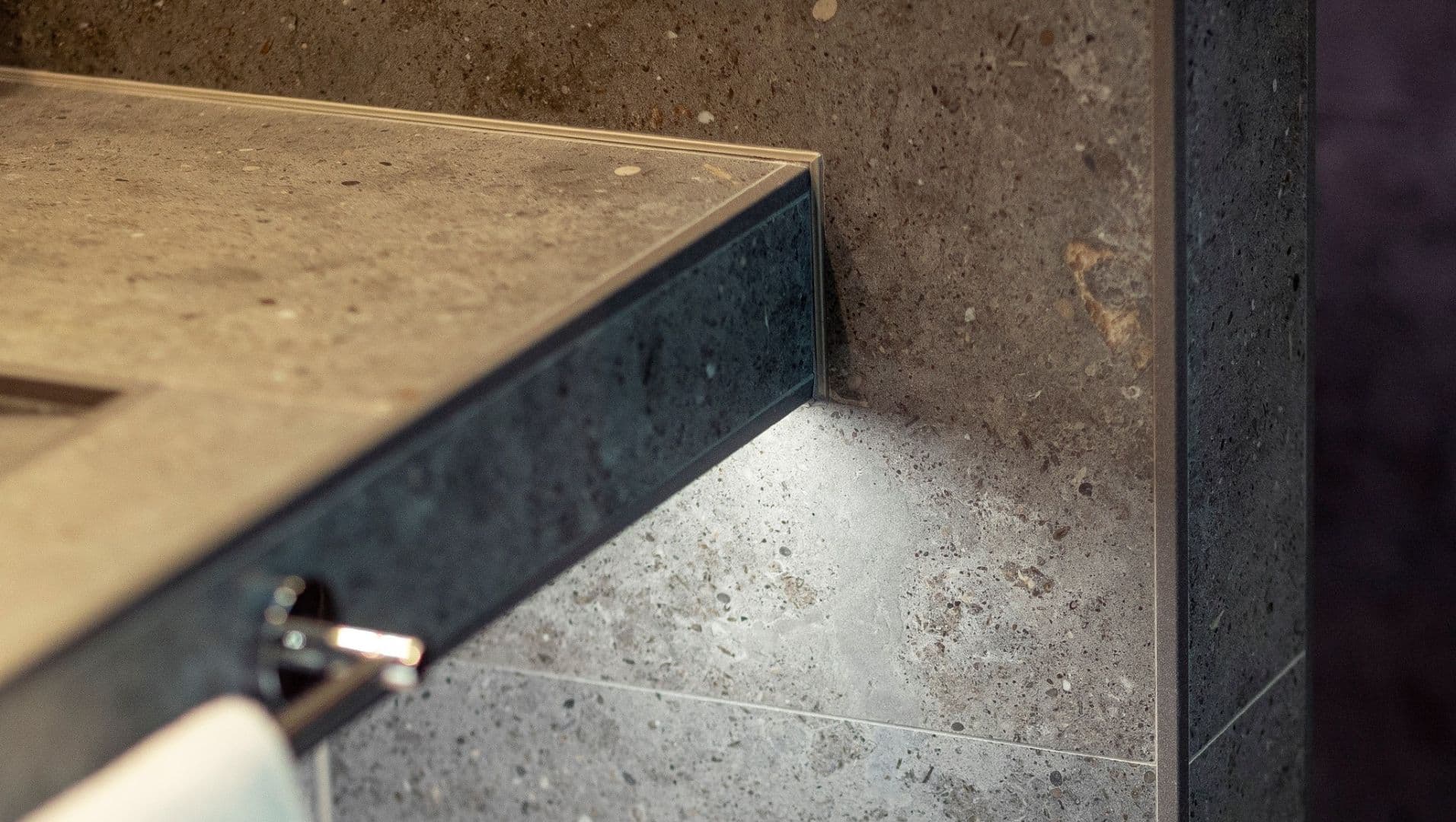
Ever wondered why metal tile trim is all the rage in modern construction?
Metal tile trim offers unmatched durability, a sleek aesthetic, and minimal upkeep compared to alternatives like plastic. Its sturdy design ensures long-lasting protection for tile edges, while its modern finish seamlessly aligns with contemporary design styles, making it perfect for both home and commercial spaces.
I remember the first time I had to decide on tile trim for a big project. It was overwhelming, with so many options and factors to consider. What drew me to metal tile trim was not just its practical benefits—like its compliance with building codes—but also how effortlessly it enhanced the overall look of the space. But it’s not just about aesthetics or durability; choosing the right metal trim involves understanding nuances like finish compatibility and project-specific needs. In this guide, I’ll share insights I’ve gathered over the years to help you make an informed choice that perfectly suits your project.
Metal tile trim is more durable than plastic trim.True
Metal's robust nature provides long-lasting edge protection compared to plastic.
Metal tile trim requires frequent maintenance.False
Metal tile trim is low maintenance, unlike some other materials.
How Does Metal Tile Trim Compare to Plastic Alternatives?
Ever found yourself debating between metal and plastic tile trims for your renovation project? I certainly have, and it’s a decision that affects more than just aesthetics.
Metal tile trim shines in durability and a sleek finish, perfect for busy spaces. Plastic is budget-friendly, easy to cut, and colorful, ideal for cost-conscious projects.
Durability and Longevity
I remember the first time I tackled a big tiling job. It was in a bustling restaurant kitchen, where durability was non-negotiable. Metal tile trims, made from aluminum or stainless steel, stood the test of time. They shrugged off the daily grind—foot traffic, spills, cleaning agents—like it was nothing. Metal trims are champs in wet environments too, resisting moisture and chemicals that would leave plastic trims crying for mercy.
On the flip side, I’ve seen plastic trims work wonders in budget-friendly settings. They’re typically PVC and great when you’re watching your wallet. But keep an eye out—they can warp or fade with too much sun or chemical exposure. In low-stress areas, though, they hold up just fine.
Aesthetic Appeal
The aesthetic debate is close to my heart. Metal trims bring a touch of elegance that can elevate a room from "meh" to "wow." Whether it’s the brushed nickel in my own bathroom or chrome accents in a client’s modern kitchen, metal has a knack for catching the eye. Explore1 different finishes to see what clicks with your style.
Plastic trims are like the fun cousin at family gatherings—full of color and personality. They’re perfect for spaces where you want to play with hues, even if they don’t quite match the high-end finish of metal. Their versatility is a huge plus when you’re looking to add a splash of color.
Installation and Maintenance
I’ll never forget my first attempt at installing metal trim—it was a learning curve. Precise cuts, specialized tools—definitely not a weekend warrior task unless you’re ready for some sweat equity. But once they’re in, they require minimal babysitting.
Plastic trims? A DIY dream! Easy to cut and maneuver with basic tools; they’re lightweight and flexible—perfect for those spur-of-the-moment projects. Just be prepared for more frequent swaps if they see a lot of action.
Cost Considerations
| Material | Initial Cost | Maintenance | Longevity |
|---|---|---|---|
| Metal | Higher | Low | Long-term |
| Plastic | Lower | Moderate | Short-term |
Metal trims can stretch your budget upfront but think of them as an investment—durability and low maintenance mean savings down the road. Plastic trims keep initial costs down but might need more replacements over time.
Suitability for Different Environments
In spaces like kitchens and bathrooms where moisture is the enemy, metal trims are the heroes we need—no mold here! Their resilience is unmatched.
Plastic can work in less demanding spots or when you’re doing a quick refresh on a shoestring budget. Always weigh your project’s demands before you pick.
Final Thoughts
Both options bring something unique to the table. Think about what matters most for your project—be it durability, cost, or style—and let that guide your choice. Explore metal finishes2 or plastic colors3 to find what feels right for your vision.
Metal trims resist moisture better than plastic.True
Metal trims are made from materials like stainless steel, which resist moisture.
Plastic trims are more durable than metal trims.False
Plastic trims tend to warp or discolor over time, unlike metal trims.
What Types of Finishes Are Available for Metal Tile Trim?
Have you ever wondered how to give those tile edges a touch of elegance and durability? Let’s explore the world of metal tile trim finishes.
Metal tile trim comes in finishes like polished, brushed, anodized, powder-coated, and satin. These finishes provide varied aesthetics and durability, enhancing both protection and the visual appeal of tile installations.
Polished Finishes
When I first discovered polished finishes, I was captivated by their sleek and modern appeal. Imagine a bright, reflective surface that mirrors the sophistication of a chic, contemporary design. Achieving this look involves buffing the metal until it shines like a mirror.
| Pros | Cons |
|---|---|
| High shine | Shows fingerprints easily |
| Modern appeal | May require frequent cleaning |
Brushed Finishes
Brushed finishes remind me of those elegant old-world designs where subtlety speaks volumes. With their fine lines and subtle texture, these finishes reduce glare and even manage to hide minor scratches—perfect for high-traffic areas in your home.
| Pros | Cons |
|---|---|
| Conceals wear | Less reflective than polished |
| Textured look | May appear dull over time |
Anodized Finishes
I once worked on a project where we needed something durable yet colorful, and anodized finishes saved the day. Through an electrochemical process, these finishes not only increase corrosion resistance but also offer a spectrum of vibrant hues, making them as visually exciting as they are strong.
Consider using anodized finishes4 for their exceptional corrosion resistance in wet environments like bathrooms or kitchens.
Powder-Coated Finishes
Powder-coated finishes are what I would call the unsung heroes of durability. Applied as a dry powder and then heat-cured, they provide a robust coating that withstands chipping and fading. Whether for indoor or outdoor use, their range of colors can match any style.
- Color Variety: Offers a range of colors to suit different styles.
- Durability: Ideal for both interior and exterior applications.
Explore how powder-coated finishes5 can transform your space with their durability.
Satin Finishes
Satin finishes struck me as the perfect middle ground between polished and brushed looks. They offer a smooth, muted sheen that complements a wide variety of design applications. It’s like having the best of both worlds—elegance without being overly flashy.
As you embark on your next tiling project, consider how these finishes can transform your space. They don’t just protect; they add stylish flair to those tile edges. Each finish brings unique qualities, helping you meet both practical needs and aesthetic desires. Whether you’re drawn to the modern vibe of polished surfaces6 or the hardy nature of powder-coatings, choose a finish that aligns with your design vision and functional requirements.
Polished finishes require frequent cleaning.True
Polished finishes show fingerprints easily, necessitating regular cleaning.
Brushed finishes are highly reflective.False
Brushed finishes reduce glare and are less reflective than polished ones.
Is Metal Tile Trim Suitable for Wet Areas Like Showers?
Ever thought about using metal tile trim in your shower? Let’s explore if it’s the right choice for your wet areas, blending style with durability.
Metal tile trim can be a fantastic choice for wet areas like showers if you pick the right type. Stainless steel and aluminum are top contenders due to their excellent corrosion resistance and durability.
Understanding Metal Tile Trim Options
When I first delved into the world of tile trims, it was like stepping into an art gallery where each piece had its own story. If you’re considering metal trims for your shower, stainless steel and aluminum stand out as reliable heroes against moisture. Stainless steel is like that dependable friend who’s always got your back; it’s strong and won’t rust easily. Aluminum, with its lightness and resilience, especially when anodized, offers a modern flair without the heavyweight commitment.
Comparing Materials: Stainless Steel vs. Aluminum
| Property | Stainless Steel | Aluminum |
|---|---|---|
| Corrosion Resistance | Excellent | Good |
| Strength | Very High | Moderate |
| Weight | Heavy | Light |
| Cost | Higher | Lower |
I remember weighing these options like choosing between a sturdy old pickup truck and a sleek sports car. Stainless steel might cost more, but in high-moisture environments7, its robustness often pays off in peace of mind.
Installation Considerations
Installation can make or break your trim’s longevity. I once learned this the hard way when I skimped on sealing. Ensure all joints are well-sealed to avoid water sneaking in and causing trouble down the road. A high-quality sealant can be your best ally here.
Aesthetic Appeal and Design Options
Choosing metal trims is like picking out jewelry for your bathroom. They add a chic, modern touch. Whether you’re drawn to brushed or polished stainless steel or prefer the clean look of anodized aluminum, there’s a finish to match your vision.
Picture this: a polished stainless steel trim reflecting the light just right, turning your shower into a contemporary masterpiece, or a brushed finish quietly complementing a more traditional setting.
It’s all about finding that perfect balance between functionality and style, ensuring your choice not only stands up to water but also elevates your bathroom’s aesthetic charm.
Stainless steel trim is more corrosion-resistant than aluminum.True
Stainless steel has excellent corrosion resistance, ideal for wet areas.
Aluminum tile trim is heavier than stainless steel.False
Aluminum is lighter than stainless steel, making it easier to handle.
How Can You Ensure Your Metal Tile Trim Meets Australian Standards?
Navigating the maze of Australian standards for metal tile trim can feel like deciphering an ancient map, but it doesn’t have to be daunting.
To ensure your metal tile trim meets Australian standards, make sure your supplier provides certification, adhere to installation guidelines from AS 3958.1, and consult with a local building inspector for any specific requirements.
Understanding Australian Standards for Metal Tile Trim
I remember the first time I had to ensure my metal tile trim met Australian standards. It felt like stepping into a new world where safety, durability, and aesthetics were the guiding stars. These standards are primarily detailed in the AS 3958.18, which focuses on the installation of ceramic tiles and their components.
Key Elements of AS 3958.1
- Material Quality: I can’t stress enough the importance of using corrosion-resistant metals, especially considering Australia’s diverse climates.
- Edge Protection: The trims should protect those tile edges—think of them as the unsung heroes preventing chips and damage.
- Load-Bearing Capacity: It’s crucial that they support the expected weight and impact in your installation area. I’ve seen projects where underestimating this led to costly do-overs.
| Requirement | Description |
|---|---|
| Material Quality | Corrosion-resistant, durable metals |
| Edge Protection | Prevents damage to tile edges |
| Load-Bearing Capacity | Supports expected weight and impact |
Certification and Compliance
When I source metal tile trim, asking for certification is a non-negotiable step. This document is my assurance that the product has been rigorously tested and approved for use here in Australia.
- Supplier Verification: I always choose suppliers who can show me their adherence to these standards.
- Consultation: Speaking with a local building inspector9 has saved me from potential pitfalls by understanding any regional nuances in regulations.
Installation Best Practices
Installation is where the magic happens—or doesn’t, if not done right! I learned early on that even the best materials can fall short without proper installation.
- Professional Installation: Hiring professionals familiar with tile installation best practices10 can make all the difference.
- Following Manufacturer Guidelines: Sticking to the manufacturer’s instructions ensures that the trims perform as they should.
- Regular Inspections: Post-installation checks are crucial; I’ve found that they keep everything up to standard over time.
By paying attention to these details, you can ensure your metal tile trim not only meets but exceeds Australian standards, providing safety, durability, and a polished finish for any project.
Metal trims must be corrosion-resistant in Australia.True
AS 3958.1 requires metal trims to be corrosion-resistant for durability.
Certification is optional for Australian metal tile trims.False
Certification is essential to verify compliance with Australian standards.
Conclusion
Metal tile trim offers durability, aesthetic appeal, and low maintenance, making it ideal for various environments. It enhances design while ensuring compliance with building standards.
-
Discover the range of finishes available for metal tile trims to enhance design. ↩
-
Discover the range of finishes available for metal tile trims to enhance design. ↩
-
Find out about the variety of color choices available for plastic tile trims. ↩
-
Understand the corrosion resistance benefits of anodized metal trims. ↩
-
Discover how powder-coated finishes offer durability and color variety for tile trims. ↩
-
Learn why polished finishes are ideal for sleek, contemporary spaces. ↩
-
Discover top-rated metal trims designed specifically for use in showers and high-moisture areas. ↩
-
This link provides detailed guidance on ceramic tile installation, ensuring compliance with Australian standards. ↩
-
Consulting a local inspector helps tailor compliance efforts to specific regional regulations. ↩
-
Learning best practices ensures proper installation, enhancing durability and compliance. ↩






