
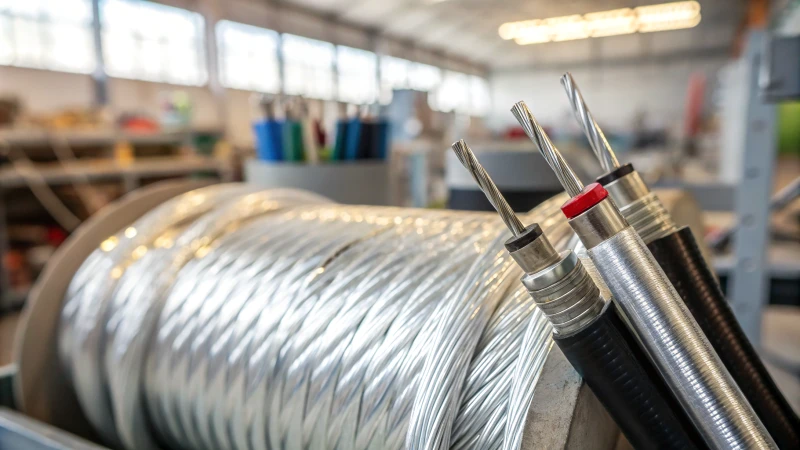
Have you ever marveled at how aluminum, despite its lightweight nature, conducts electricity so well?
Aluminum’s electrical conductivity stands at about 37.7 million siemens per meter (S/m), making it a strong contender against copper, despite being only about 60% as conductive. Its lightweight and corrosion-resistant properties often tip the scales in its favor for many applications.
I remember the first time I truly appreciated aluminum’s unique properties during a project where weight was a critical factor. We needed a material that wouldn’t compromise on conductivity yet could withstand the elements without succumbing to rust or corrosion. Aluminum emerged as the hero of the day. While it may not beat copper in sheer conductivity, its lighter weight made transportation and installation so much easier, saving us time and effort.
In the world of engineering and manufacturing, aluminum’s versatility is like a secret weapon. Whether it’s in the construction of high-rise buildings or the intricate wiring of electronics, aluminum finds its place not just because it’s practical but because it brings a balance of properties that are hard to match. Its role extends beyond mere conductivity; it’s about making projects more efficient and sustainable.
Aluminum's conductivity is 37.7 million S/m.True
Aluminum's electrical conductivity is indeed approximately 37.7 million siemens per meter.
Aluminum conducts electricity better than copper.False
Aluminum has about 60% of the electrical conductivity of copper.
How Does Aluminum’s Conductivity Compare to Copper and Steel?
When it comes to choosing metals for electrical projects, understanding conductivity is key. Ever wondered how aluminum stacks up against copper and steel?
Aluminum is less conductive than copper but more conductive than steel. Copper is the top choice for electrical wiring due to its superior conductivity, while aluminum offers a lightweight alternative, and steel is preferred when strength is prioritized over conductivity.
Conductivity Comparison Table
| Material | Conductivity (S/m) | Density (g/cm³) | Cost Efficiency |
|---|---|---|---|
| Copper | 5.96 x 10^7 | 8.96 | High |
| Aluminum | 3.77 x 10^7 | 2.70 | Moderate |
| Steel | ~1 x 10^6 | 7.85 | Low |
Why Copper Leads in Conductivity
Copper is like the maestro in a symphony of metals—its superior electrical conductivity makes it the star player in electrical wiring1. Yet, I’ve often hesitated at the weight and cost, pondering if the benefits outweigh the burden.
Aluminum: A Lightweight Alternative
Aluminum may not have copper’s conductivity score, but its lightness and resistance to corrosion are game-changers. It’s like choosing a backpack that’s not only trendy but also kind to your shoulders—perfect for those sprawling overhead power lines. Plus, its cost-effectiveness2 offers relief when the budget feels tight.
The Role of Steel in Electrical Applications
Steel, despite its lower conductivity, brings strength and resilience to the table. It’s often my go-to when I need something tough enough to handle the pressure—like those structural components that need to hold their own in harsh conditions.
Factors Influencing Material Choice
Choosing between copper, aluminum, or steel isn’t just about numbers on a chart. It’s about understanding the story behind each project—what it demands and what it can afford. Factors like budget constraints and specific technical specifications3 come into play, guiding me toward the perfect match. And trust me, getting it right is as satisfying as piecing together a complex puzzle.
For those looking to dive deeper into this material maze, exploring resources that delve into material science and engineering principles can offer insights that go beyond conductivity. Consider long-term performance and maintenance as key players in your decision-making process.
Copper is more conductive than aluminum.True
Copper has a conductivity of 5.96 x 10^7 S/m, higher than aluminum's 3.77 x 10^7 S/m.
Steel is more conductive than aluminum.False
Steel's conductivity is ~1 x 10^6 S/m, lower than aluminum's 3.77 x 10^7 S/m.
What Factors Affect the Conductivity of Aluminum?
Ever wonder why aluminum conducts electricity so well and what could possibly affect that ability?
Aluminum’s conductivity is shaped by factors like temperature, impurities, alloying elements, and mechanical stress. These can change its electrical and thermal performance, crucial for its use in many fields.
Temperature Effects
I remember the first time I realized how much temperature could change aluminum’s conductivity. It was like a lightbulb moment! As you heat aluminum, the lattice vibrations intensify, which scatters electrons and reduces electrical conductivity. On the flip side, cooling it down enhances conductivity, making aluminum a star player in cryogenic applications.
| Temperature | Effect on Conductivity |
|---|---|
| Low | Increased |
| High | Decreased |
Impurities and Alloying Elements
During my early days in the industry, I learned that not all aluminum is created equal. Impurities and alloying elements can drastically alter its conductive properties. For example, adding silicon or iron might increase strength but can decrease conductivity. I vividly remember a project where we added copper4 to boost strength, only to find out it significantly lowered electrical conductivity.
Mechanical Stress and Strain
Mechanical stress and strain are like the secret agents of change in aluminum. They can stealthily alter the arrangement of atoms, impacting conductive properties. Cold working, which involves deforming aluminum at low temperatures to increase strength, can reduce conductivity because of increased dislocation density.
Surface Oxidation
Imagine my surprise when I found out that a simple oxide layer could make such a difference. Aluminum naturally forms this thin layer when exposed to air, which can impede electrical contact points and affect overall conductivity. This non-conductive layer is particularly crucial in applications like electrical connectors5.
Alloy Composition
Diving into different aluminum alloys is like opening a treasure chest of possibilities. Each series has its own unique conductive properties. For instance, the 1000 series boasts high electrical conductivity, while the 7000 series offers greater strength but lower conductivity due to zinc and magnesium.
| Alloy Series | Conductivity (Relative) | Strength |
|---|---|---|
| 1000 | High | Low |
| 7000 | Low | High |
Understanding these factors can really make or break a project. It’s all about choosing the right type of aluminum for your specific needs to maximize efficiency and performance. By analyzing each factor, we can tailor aluminum’s use to fit our project requirements perfectly.
Higher temperature decreases aluminum's conductivity.True
Increased lattice vibrations at higher temperatures scatter electrons, reducing conductivity.
Adding copper increases aluminum's electrical conductivity.False
Copper addition strengthens aluminum but significantly lowers its electrical conductivity.
Why is Aluminum Used in Electrical Applications Despite Lower Conductivity?
Ever wonder why aluminum is the go-to for electrical projects, despite its lower conductivity?
Aluminum’s lightweight, affordability, and corrosion resistance make it a top choice in electrical work, outweighing its lower conductivity. It’s perfect for power lines and large installations.

The Lightweight Advantage of Aluminum
I’ve always been fascinated by how aluminum’s lightweight nature6 holds its ground in heavy-duty applications. It weighs just about a third of copper, which can be a game-changer when we’re talking about overhead power lines. Imagine reducing the weight load on massive structures—it’s like opting for a feather-light backpack on a long hike. This lighter load means fewer support structures are needed, ultimately saving costs and resources.
Cost-Effectiveness
When I first started working with materials, I was amazed at how much of a difference price makes in large projects. Sure, copper might win the conductivity contest, but aluminum offers significant cost savings7. The cost per kilogram of aluminum is significantly lower than copper, which can lead to substantial savings. Especially when you’re managing a big project where every penny counts, this affordability makes aluminum incredibly appealing.
| Material | Weight (g/cm³) | Cost ($/kg) |
|---|---|---|
| Copper | 8.96 | 6.00 |
| Aluminum | 2.70 | 2.00 |
Corrosion Resistance and Durability
One thing I’ve learned over the years is that durability can’t be compromised. Aluminum naturally forms a protective oxide layer, making it resistant to corrosion8. This property is vital for outdoor electrical applications where exposure to the elements is a given. It’s like having an invisible shield that keeps your equipment reliable and long-lasting.
High Conductivity-to-Weight Ratio
While it might not conduct as well as copper, aluminum’s conductivity-to-weight ratio9 is impressive. This balance means it can efficiently conduct electricity without adding unnecessary weight to the system. Think of it as packing efficiently for a trip: you bring what you need without overloading yourself. That’s why it’s favored in scenarios like aircraft wiring and portable devices.
Environmental and Sustainability Benefits
Sustainability is close to my heart, and aluminum shines in this area too. It’s 100% recyclable without losing its properties, aligning perfectly with eco-friendly goals. Using recycled aluminum requires just about 5% of the energy needed for new production, making it an eco-friendly choice10. Opting for aluminum means you’re not only making a smart business decision but also a sustainable one for our planet’s future.
Aluminum weighs one-third as much as copper.True
Aluminum's density is 2.70 g/cm³, while copper's is 8.96 g/cm³.
Copper is more cost-effective than aluminum for large projects.False
Aluminum is cheaper at $2/kg compared to copper at $6/kg, reducing costs.
What are the Environmental Benefits of Using Aluminum in Electrical Systems?
Ever wondered how aluminum can make our electrical systems greener?
Aluminum offers significant environmental advantages in electrical systems thanks to its lightweight, high conductivity, and recyclability, leading to reduced energy losses, a smaller carbon footprint, and enhanced sustainable development.

Energy Efficiency and Reduced Carbon Footprint
I remember the first time I learned about the energy-saving benefits of aluminum; it was like discovering a hidden gem. Aluminum’s high electrical conductivity means less energy is lost during transmission—picture a water hose with fewer leaks! This efficiency directly translates to a smaller carbon footprint for our electrical systems.
| Property | Aluminum | Copper |
|---|---|---|
| Density (g/cm³) | 2.70 | 8.96 |
| Conductivity (%) | 61 | 100 |
Even though aluminum has about 61% of copper’s conductivity, its lighter weight allows us to use larger cables without worrying about the extra load. This makes it perfect for long-distance power lines.
Recyclability and Sustainability
Recycling aluminum feels like the ultimate win-win to me. It retains its properties indefinitely without degradation. Imagine being able to remake your favorite toy over and over without it wearing out. Plus, recycling aluminum requires just 5% of the energy needed to produce primary aluminum, massively reducing environmental impact.
- Recycling Energy Savings: Choosing aluminum over new materials drastically cuts down on energy usage.
- Waste Reduction: The recycling process11 produces minimal waste, making it a star player in sustainable manufacturing.
Corrosion Resistance and Longevity
Aluminum’s natural resistance to corrosion means fewer replacements and longer-lasting electrical components. When I think about durability, I think about my dad’s old pickup truck—still running after all these years! This kind of longevity helps reduce the resources needed for maintenance and new parts.
- Durability: Less frequent replacements mean less material waste12.
- Resource Efficiency: Aluminum’s lightweight and durable nature contribute to better resource management13.
By incorporating aluminum into electrical systems, we can make significant strides towards sustainability goals while keeping operations efficient. Understanding these benefits empowers us to make informed decisions in selecting materials for electrical applications.
Aluminum is 61% as conductive as copper.True
Aluminum's electrical conductivity is 61% compared to copper's 100%.
Recycling aluminum requires 50% of the energy to produce new aluminum.False
Recycling aluminum requires only 5% of the energy needed for new production.
Conclusion
Aluminum, with 37.7 million S/m conductivity, is lightweight and corrosion-resistant, making it ideal for electrical applications despite being less conductive than copper.
-
Learn about why copper is ideal for electrical wiring and its benefits over other materials. ↩
-
Discover how aluminum’s cost-effectiveness makes it suitable for large-scale projects. ↩
-
Understand the technical specifications that influence the choice of metals in engineering. ↩
-
Understand how copper as an alloying element influences aluminum’s conductivity. ↩
-
Discover how oxidation impacts the performance of electrical connectors. ↩
-
Understand how aluminum’s light weight reduces structural demands and costs in electrical installations. ↩
-
Discover how aluminum’s lower cost impacts its selection over copper for extensive projects. ↩
-
Learn about aluminum’s natural oxide layer that protects it from environmental damage. ↩
-
Explore why aluminum remains efficient in conductivity despite its lighter weight. ↩
-
Find out how aluminum’s recyclability supports eco-friendly practices in industries. ↩
-
Explore how aluminum recycling saves energy and reduces environmental impact. ↩
-
Discover how durable materials like aluminum help reduce waste and support sustainability. ↩
-
Learn about how using aluminum can improve resource management and efficiency. ↩






