
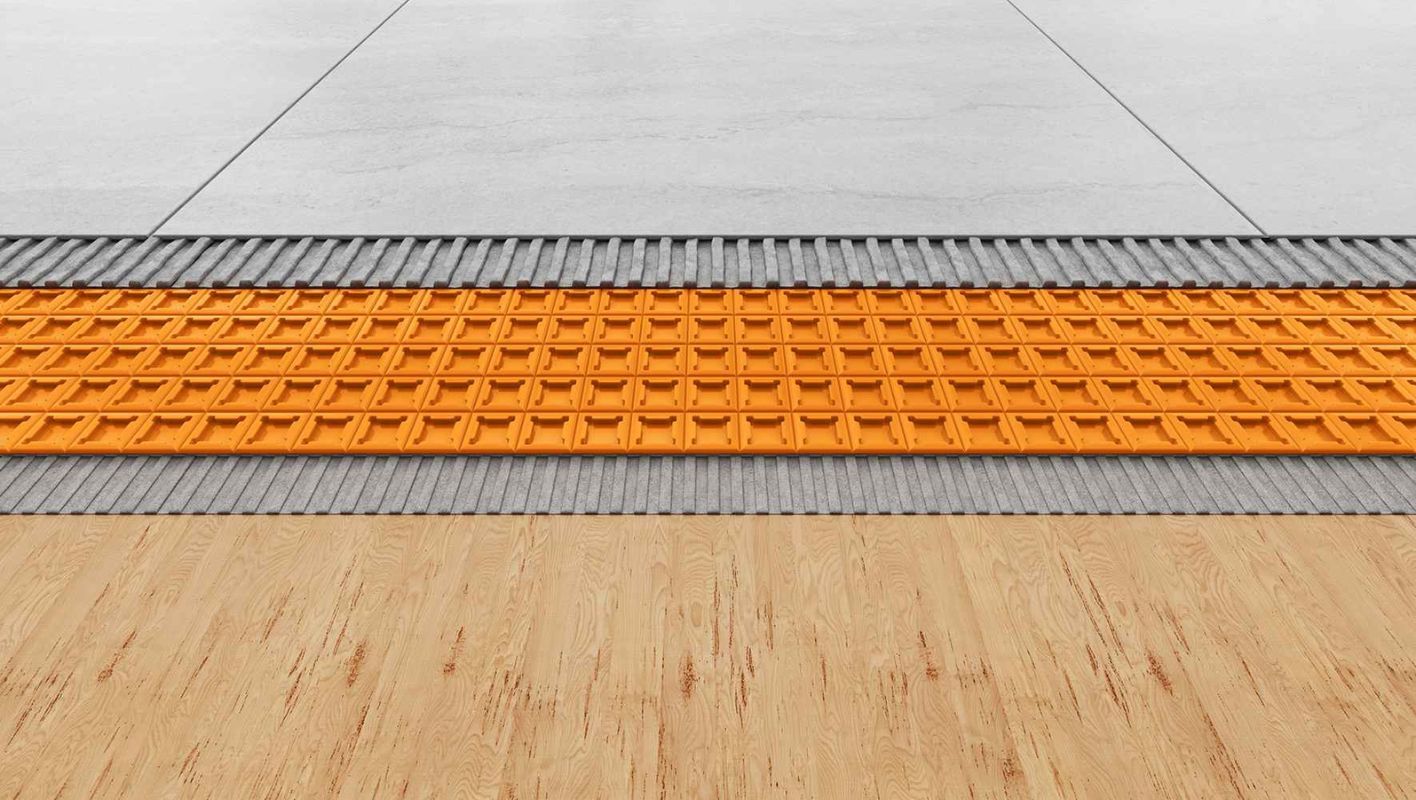
Imagine tiling your kitchen floor, only to find cracks appearing a few months later. Frustrating, right? Uncoupling membranes can help prevent this.
An uncoupling membrane is a layer that sits between your tile and the substrate, allowing each to move independently. This reduces stress on the tiles, keeping them crack-free.
I remember the first time I dealt with cracked tiles—it was a lesson learned the hard way. While uncoupling membranes might sound technical, they are incredibly practical, going beyond just crack prevention. These membranes ensure that the tiles and the surface below can move without affecting each other. This flexibility is especially helpful in areas prone to temperature changes or slight movements.
Besides keeping tiles intact, uncoupling membranes work with various substrates, whether you’re dealing with concrete, plywood, or something else entirely. Plus, they’re not too difficult to install. With a few practical tips—like ensuring the substrate is clean and using the right adhesive—you can maximize their benefits. Investing in this simple layer can save you from a lot of frustration down the line.
Uncoupling membranes prevent all tile cracks.False
They reduce stress and prevent many, but not all, cracks.
Uncoupling membranes allow for substrate movement.True
They provide a buffer that accommodates movement between layers.
How Do Uncoupling Membranes Prevent Tile Cracks?
Ever wondered why some tiles seem to withstand the test of time while others crack under pressure?
Uncoupling membranes work by providing a flexible layer between the tile and substrate, allowing independent movement that absorbs stress and prevents cracks.
Understanding the Science Behind Uncoupling Membranes
I’ve always been fascinated by how simple innovations can make a world of difference in construction, and uncoupling membranes are one such marvel. Imagine laying down a dance floor for your tiles, one that allows them to move gracefully without shattering under pressure. That’s essentially what these membranes do. They sit between the tile surface1 and the substrate, acting as a buffer that absorbs any movement underneath due to expansion, contraction, or settling. This clever separation means the stress doesn’t reach the tiles, keeping them intact and looking fabulous.
Why Movement Matters in Tile Installations
During my first big tiling project, I learned the hard way that tiles, though tough, are like divas—they can’t handle too much stress without cracking. When the substrate moves, the tension can build up, leading to cracks. That’s where uncoupling membranes come into play. They decouple the tile layer from its base, allowing flexibility2 and preventing those dreaded crack formations. I wish I had known about these membranes sooner!
Key Features of Uncoupling Membranes
| Feature | Description |
|---|---|
| Flexibility | Allows for differential movement between tile and substrate. |
| Waterproofing | Many uncoupling membranes also offer waterproofing benefits, protecting substrates from moisture damage. |
| Easy Installation | Typically installed with thin-set mortar; lightweight and simple to cut to size. |
Types of Uncoupling Membranes and Their Applications
Diving into my toolbox of tile solutions, I found that uncoupling membranes are like a Swiss Army knife for your floors. They come in various forms, each crafted for different needs. Some are perfect for wet areas, adding an extra layer of moisture resistance, while others are reinforced to work over heated floors. Exploring these options (Exploring3) can be quite enlightening and helps ensure you choose the right membrane for your project.
Considerations When Using Uncoupling Membranes
Selecting the right uncoupling membrane is like picking out the perfect outfit—it depends on the occasion and needs. Consider the type of tile you’re using, how much movement you expect from the substrate, and whether you need additional features like waterproofing. Each project has its own unique demands, and choosing wisely will ensure your tiles remain as flawless as you envisioned.
Understanding how these membranes work not only improves installation outcomes but also extends the life of your tiled surfaces. With so many options available, selecting the right type ensures your tiles remain crack-free and visually appealing over time.
Uncoupling membranes allow independent movement.True
They separate the tile from the substrate, absorbing movement.
All uncoupling membranes are waterproof.False
Not all membranes offer waterproofing; it varies by type.
What Are the Advantages of Using an Uncoupling Membrane?
Imagine embarking on a tiling project with the confidence of knowing your tiles will remain pristine for years.
Uncoupling membranes act as a protective barrier between your subfloor and tiles, absorbing movement and preventing cracks. They also enhance waterproofing, soundproofing, and thermal insulation, ensuring your tiles are durable and long-lasting.
When I first dove into tiling projects, I was determined to find a way to avoid the dreaded tile cracks that could ruin the look of a perfect floor. That’s when I discovered uncoupling membranes—a true game-changer.
Protection Against Cracking
One day, while working on a kitchen renovation, I realized the importance of an uncoupling membrane4. It acts like a shock absorber for your tiles, managing the stress from floor movements or settling structures. Imagine you’ve just laid down a beautiful set of tiles directly onto the floor, only to find them cracked after a few months due to subtle shifts beneath. An uncoupling membrane helps prevent this by allowing each layer to move independently.
How It Works:
| Stress Factor | Solution By Membrane |
|---|---|
| Substrate Movement | Absorbs and redistributes |
| Temperature Changes | Prevents thermal shock |
| Structural Settling | Allows independent movement |
Enhanced Waterproofing
In one of my bathroom projects, I learned firsthand how crucial waterproofing is. Uncoupling membranes often come with built-in waterproofing features, ensuring that moisture doesn’t seep into your flooring. This feature is especially beneficial in areas like bathrooms or kitchens where water exposure is common.
Soundproofing and Thermal Insulation
I once worked on a multi-story building where soundproofing was key. Uncoupling membranes helped reduce noise transmission between floors—a feature highly appreciated by the building’s residents. Additionally, some membranes provide thermal insulation, helping maintain comfortable temperatures by minimizing heat loss through the flooring.
Installation Flexibility
During various projects, I’ve appreciated how flexible uncoupling membranes are. Whether dealing with plywood or concrete subfloors, these membranes adapt beautifully. They’re versatile enough for any project—from cozy homes to sprawling commercial spaces.
Explore more about installation techniques here5.
Considerations:
- Subfloor Material Compatibility: It’s crucial to choose a membrane that matches your project’s specific needs because not all are suitable for every subfloor type.
- Cost Implications: Initially, using uncoupling membranes can add to costs, but they pay off by reducing repair and maintenance expenses in the long run.
- Sustainability: Many modern membranes are made with eco-friendly materials. If sustainability is a priority for you, selecting an environmentally friendly option is essential. Learn about eco-friendly materials here6.
These experiences have taught me that uncoupling membranes are invaluable for ensuring lasting and durable tile installations.
Uncoupling membranes prevent tile cracking by absorbing stress.True
They act as a buffer, allowing independent movement, reducing cracks.
All uncoupling membranes are suitable for any subfloor type.False
Membranes must be compatible with specific subfloor materials.
How to Install an Uncoupling Membrane Correctly?
Have you ever found yourself staring at a cracked tile and wondering what went wrong beneath the surface? It’s a common headache for many DIY enthusiasts and professionals alike.
To install an uncoupling membrane correctly, start by ensuring your subfloor is clean and dry. Next, spread thin-set mortar evenly, press the membrane down, smoothing out air bubbles, and seal the edges securely before allowing it to set.
Preparing Your Subfloor
Let me take you back to a time when I thought skipping the prep work was a good idea—it wasn’t. Ensuring that your subfloor is clean, dry, and structurally sound is crucial. Trust me, every bit of old adhesive needs to go! This sets the stage for proper adhesion7 of your uncoupling membrane.
Choosing the Right Thin-Set Mortar
Selecting the right thin-set mortar feels a bit like choosing the right wine to pair with dinner—it’s essential for getting the best results. For concrete surfaces, go with a modified thin-set. For plywood? Unmodified is your best bet. This choice can make all the difference in the durability of your tile installation8.
| Subfloor Type | Recommended Mortar |
|---|---|
| Concrete | Modified Thin-Set |
| Plywood | Unmodified Thin-Set |
Laying the Uncoupling Membrane
I remember my first time laying down the membrane; it felt like trying to put a sticker on straight without any bubbles. Spread your thin-set mortar using a notched trowel and press the membrane firmly into it. Use a float to smooth out those pesky air bubbles—this is key to avoiding future tile cracks9.
Sealing and Setting
Sealing the edges properly is one of those "don’t skip" steps that I learned the hard way. Use waterproof tape if necessary to prevent moisture ingress. Give it at least 24 hours to set before moving on to tile laying. This patience ensures maximum effectiveness10 of the membrane.
Additional Tips
- Always, always check manufacturer instructions for specific product guidance.
- Maintain consistent pressure while pressing the membrane for uniform adhesion.
- Regularly inspect tools and materials—quality checks can save you from installation hiccups.
By following these steps, you’ll not only enhance tile longevity but also become the proud owner of a crack-free floor.
A clean subfloor is vital for membrane adhesion.True
A clean subfloor ensures proper adhesion of the uncoupling membrane.
Use modified thin-set on plywood surfaces.False
Unmodified thin-set is recommended for plywood, not modified.
Are Uncoupling Membranes Suitable for All Tile Projects?
Tile projects can be a real puzzle, right? With so many materials and methods to consider, it’s easy to feel overwhelmed. Ever wondered if uncoupling membranes are the magic solution for all your tiling needs? Let’s explore what these membranes can really do.
Uncoupling membranes offer versatility in tile installations but aren’t a one-size-fits-all solution. They’re ideal for preventing tile cracks caused by substrate movement, especially useful for large-format tiles or concrete bases. However, simpler projects may not need them, and costs should be evaluated before use.
The Role of Uncoupling Membranes
You know how sometimes, no matter how careful you are, cracks start appearing in your beautiful new tile floor? It’s heart-wrenching! That’s where uncoupling membranes come in. They act like a protective cushion between your tile and the underlying surface, absorbing the natural shifts and movements that would otherwise cause those dreaded cracks. This is especially important if you live in a place where temperatures swing wildly from one extreme to the other. I’ve seen firsthand how these membranes can save a project from disaster.
In regions with extreme temperature changes11, these membranes can be indispensable.
Benefits for Large-Format Tiles
I remember the first time I worked with large-format tiles; it was both exciting and terrifying! These beauties demand respect because they’re more rigid and prone to stress from substrate movements. An uncoupling membrane is like a safety net here—it absorbs the stress, which can prevent problems like tenting or cracking. So if your heart is set on those stunning big tiles, an uncoupling membrane might just be your best friend.
| Tile Size | Recommended |
|---|---|
| Small (<15") | Optional |
| Medium (15-24") | Recommended |
| Large (>24") | Strongly Recommended |
Substrate Considerations
Concrete substrates can be like that one friend who’s reliable most of the time but occasionally throws a tantrum. They tend to crack over time, and without an uncoupling membrane, those cracks might reach up and ruin your tiles. And if you’re working with older wooden substrates, these membranes can help keep the peace by isolating tile movements from the underlying surface.
Cost Implications
It’s no secret that quality comes at a price, and uncoupling membranes are no exception. They can significantly add to the cost of a project. If you’re watching your budget (aren’t we all?), you’ll need to weigh their benefits against the added expense. Evaluate your specific project needs before deciding if these membranes are a must-have.
Alternative Solutions
For simpler tile installations—think smaller tiles or stable substrates—a traditional thin-set mortar might do the trick just fine. The key is to assess whether the benefits of an uncoupling membrane justify its cost for your particular project.
If you’re interested in exploring different types of membranes, you might want to look into alternatives to uncoupling membranes12. Depending on your project’s unique needs, these options might offer a good balance between cost and functionality. Remember to check the manufacturer’s guidelines and thoroughly assess your project’s conditions before making a decision.
Thinking about other innovations in tile installation? Researching new tiling technologies13 can provide insights into cutting-edge solutions that might fit your needs better than traditional methods. It’s all about finding the right tools for your tiling masterpiece.
Uncoupling membranes prevent all tile cracks.False
They prevent cracks from substrate movement, not all types of cracks.
Large tiles require uncoupling membranes for durability.True
They help mitigate stress from substrate movement in large tiles.
Conclusion
Uncoupling membranes are essential for tile installations, providing a flexible barrier that absorbs movement, prevents cracks, and enhances durability across various substrates and environmental conditions.
-
Explore what constitutes a tile surface in construction projects. ↩
-
Learn why flexibility is essential in construction materials. ↩
-
Find out about various uncoupling membranes and their uses. ↩
-
Learn how uncoupling membranes effectively prevent tile cracking by absorbing structural stress and providing flexibility. ↩
-
Gain insights into various installation methods for uncoupling membranes to ensure optimal performance. ↩
-
Discover eco-friendly uncoupling membranes to align your project with sustainable building practices. ↩
-
Understanding proper adhesion techniques can significantly improve the stability of your tile flooring. ↩
-
This link explores factors that enhance or hinder tile durability, ensuring long-lasting results. ↩
-
Discover how membranes work as a barrier to protect tiles from cracking due to subfloor movement. ↩
-
Learn why allowing adequate setting time maximizes the membrane’s protective benefits. ↩
-
Discover how uncoupling membranes prevent tile damage in areas with significant temperature fluctuations. ↩
-
Explore other materials that can replace uncoupling membranes while maintaining tile integrity. ↩
-
Learn about cutting-edge tiling solutions that could enhance your project’s durability and aesthetics. ↩






