
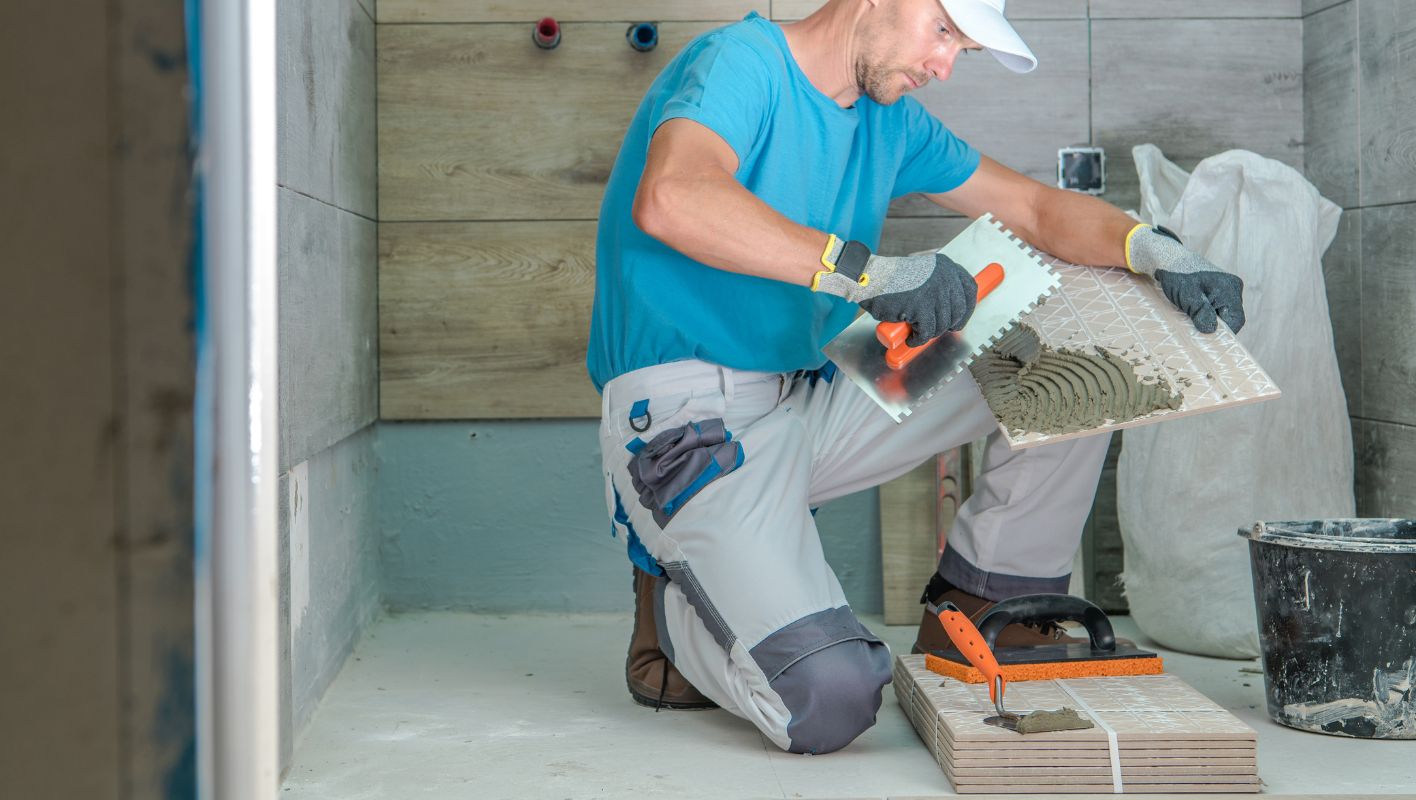
Tiling a room can feel like a puzzle, but getting the sequence right is the secret to success.
It’s generally best to tile the walls before the floor. This method helps prevent potential damage to floor tiles during wall installation and ensures a cleaner joint where the surfaces meet.
Remember when I first tackled tiling my bathroom? I was so eager to see those beautiful tiles come together that I didn’t think about the sequence. Big mistake! Tiling the walls first saves you from chipping or scratching those pristine floor tiles while you’re hard at work on the walls. However, it’s not always one-size-fits-all. Depending on your project, like a tricky shower setup or uneven surfaces, you might have to adapt. Here are some expert insights to help guide your decision and keep things smooth and stress-free.
Tiling walls before floors prevents floor damage.True
Wall tiling first avoids accidental damage to floor tiles.
Floor-first tiling ensures a cleaner joint with walls.False
Wall-first tiling generally provides a cleaner joint at intersections.
Should You Tile Walls or Floors First?
Ever thought about how the order of tiling can transform your renovation game? I sure did when I first tackled a tiling project in my own bathroom.
Tiling walls before floors can shield your floor from potential damage and make aligning tiles easier. However, it demands careful planning to protect unfinished floors and ensure everything lines up properly.
Advantages of Tiling Walls First
When I first decided to renovate my bathroom, tiling the walls before the floor became a game-changer for me. One major perk was not having to worry about dropping heavy tools or tiles on the new floor – a disaster I narrowly avoided in the past. By focusing on the walls first, I kept those precious floor tiles chip-free.
Plus, there’s something immensely satisfying about seeing the clean lines where the wall meets the floor, a look that’s hard to achieve if the floor goes in first. Adjusting floor tiles to match any slight wall misalignments was surprisingly easier than I expected, making the whole space feel seamless and well put together.
Here’s a simple breakdown of the pros:
| Advantages | Details |
|---|---|
| Protection | Prevents damage to floor tiles during wall installation. |
| Alignment | Facilitates better alignment and seamless design transition. |
Disadvantages of Tiling Walls First
But hey, it’s not all sunshine and rainbows. When I opted for wall-first tiling, I learned the hard way that unfinished floors need serious protection. Dropped a tool once, and it left a mark – lesson learned! Using protective coverings became my best friend.
The planning phase can also be daunting. It’s like solving a puzzle where every piece must fit just right, especially if you’re as meticulous about measurements as I am. For someone diving into tiling for the first time, this might seem a bit overwhelming.
Here’s a closer look at the cons:
| Disadvantages | Details |
|---|---|
| Protection Needs | Requires protection for unfinished floors from damage or stains. |
| Complex Planning | Demands detailed planning and accurate measurements for alignment. |
Practical Considerations
So, whether you decide to tackle the walls or the floors first, it’s all about what your specific project needs are. Professionals usually have their go-to methods based on tons of experience and all sorts of project quirks.
For more insights on professional tiling techniques1, checking out expert opinions can really help nail down the best approach for your project. Every situation is unique, considering factors like space layout, design goals, and materials.
In the end, no matter what route you choose, planning well and executing with care will steer you clear of unnecessary setbacks or headaches in your renovation journey.
Tables and structured comparisons help visually clarify the pros and cons for more effective decision-making.
Tiling walls first protects floor tiles from damage.True
Wall tiling before floors prevents chips or cracks on floor tiles.
Tiling walls first makes alignment harder.False
Wall-first tiling actually facilitates better alignment with floor tiles.
How Does the Room Type Affect Tiling Order?
Ever walked into a room and felt something was off, like it wasn’t quite clicking? The secret often lies in the tiles underfoot.
The room type influences tiling order by shaping decisions around tile size, direction, and the starting point. Kitchens need alignment with cabinets, while bathrooms focus on waterproofing and drainage.
Kitchen Tiling: Aligning with Functionality
When I remodeled my kitchen, I quickly learned that starting with the stove or sink as a focal point made all the difference. It’s crucial to align tiles with cabinetry for that seamless look we all love. Plus, opting for larger tiles meant fewer grout lines—a blessing when it comes to cleaning after cooking up a storm!
To learn more about kitchen tile alignment2, think about the work triangle. It’s all about making sure you’re moving efficiently between the stove, sink, and fridge, which can save so much time and effort.
Bathroom Tiling: Prioritizing Waterproofing
I remember the struggle of managing moisture in my bathroom. Starting tiling at the bathtub or shower was key in ensuring water flowed just right, keeping everything dry and safe. I chose smaller tiles for better slip resistance—no more worrying about slipping post-shower!
Explore bathroom waterproofing techniques3 to protect your bathroom from water damage effectively.
Living Room Tiling: Creating Visual Harmony
In my living room, starting tiling from the center helped create a symmetrical look that made the space feel balanced and inviting. Large format tiles opened up the room, making it feel even bigger than it was. It’s all about those little tweaks that make a big difference in how a room feels.
Check out living room tile patterns4 for inspiration on achieving that perfect visual harmony.
| Room Type | Key Tiling Consideration | Tile Suggestions |
|---|---|---|
| Kitchen | Align with cabinets | Large tiles |
| Bathroom | Start near water sources | Small, slip-resistant tiles |
| Living Room | Symmetry and spaciousness | Large format, decorative tiles |
Hallway Tiling: Guiding Foot Traffic
Hallways in my home see a ton of foot traffic, so choosing durable materials was non-negotiable. Running tiles lengthwise visually extended the space and guided movement naturally. It’s amazing how tile direction can subtly influence how a space is perceived!
Consider hallway tile orientation5 for effective strategies on managing foot traffic and maintaining style.
By considering these room-specific factors, you can ensure your tiling not only meets functional needs but also enhances the beauty of your home. Each room has its unique demands, so aligning your material choices and layout strategies with these can make all the difference in achieving an aesthetically pleasing and practical result.
Kitchen tiles should align with the refrigerator.False
Kitchen tiles typically align with cabinetry, not the refrigerator.
Bathrooms benefit from smaller, slip-resistant tiles.True
Smaller tiles offer better slip resistance and drainage in bathrooms.
What Tools and Materials Are Essential for Tiling?
I remember when I first tackled a tiling project, the sense of anticipation and, let’s be honest, a bit of intimidation too. But having the right tools and materials on hand made all the difference.
The must-have tools for tiling are a tile cutter, notched trowel, and grout float. Essential materials include tiles, adhesive, and grout. With proper preparation and these tools, you can achieve a professional-looking finish.
Tools You Can’t Start Tiling Without
Let me share a story. The first time I tiled my kitchen backsplash, I quickly learned the importance of having a complete toolkit. Here’s what I made sure to have before I even got started:
| Tool | Purpose |
|---|---|
| Tile Cutter | Precision cutting for fitting tiles perfectly |
| Notched Trowel | Even adhesive spread |
| Grout Float | Smooth grout application |
| Level | Ensure even tile placement |
| Tile Spacers | Uniform spacing between tiles |
Each tool has its unique role in ensuring that professional touch. I remember trying to cut tiles without a proper cutter and ending up with jagged edges. Trust me, investing in a tile cutter6 is worth it.
Materials: The Building Blocks of Your Project
Choosing the right materials felt like picking out pieces for a giant, permanent puzzle. Each choice impacts the final look and durability of your project:
- Tiles: Think about where you’re using them—durability and style both matter.
- Adhesive: It must match the tile type and the surface you’re working on.
- Grout: Complementary color can make a big difference, plus it needs to suit the joint width.
When I opted for eco-friendly tiles7, it not only matched my style but also felt good knowing I was making a sustainable choice.
Preparing Your Surface: Setting the Stage for Success
Preparation—oh, how I underestimated it at first! But it’s the foundation of any successful project:
- Cleaning the Surface: Dust and debris can be sneaky troublemakers.
- Measuring and Planning Layout: This is where you can channel your inner architect.
- Applying Primer: It really helps with adhesion, especially on porous surfaces.
I found that when you take the time to prepare properly, everything else falls into place much more smoothly. If you’re interested in diving deeper into this process, check out our surface preparation techniques8. It’s all about setting yourself up for a tiling project that will stand proud through the years.
Tile cutters are essential for precise tile fitting.True
Tile cutters allow precise cuts, crucial for fitting tiles around corners.
Grout is optional in a tiling project.False
Grout is necessary to fill spaces between tiles, ensuring stability.
Can Tiling Order Impact Aesthetics and Functionality?
Ever wondered if the way you lay tiles could change a room’s vibe?
Absolutely, the order of tiling can dramatically influence both aesthetics and functionality. The pattern and sequence in which tiles are placed affect how a space looks and functions, such as enhancing visual appeal or improving water drainage in wet areas like bathrooms.
Understanding Aesthetic Influence
I remember the first time I walked into a friend’s newly renovated bathroom. The tiles were arranged in a diagonal pattern that seemed to stretch the walls further apart, making the room feel spacious and inviting. It was incredible how something as simple as tile arrangement could play such a powerful role in transforming a space.
Tiles, when laid out with intention, can create illusions of space, add depth, and draw the eye to specific areas. Patterns like checkerboard or mosaic can add dynamic movement and intricate detail, respectively, turning an ordinary room into something truly special.
| Tile Pattern | Aesthetic Impact |
|---|---|
| Diagonal | Enlarges room appearance |
| Checkerboard | Adds dynamic movement |
| Mosaic | Creates intricate detail |
Enhancing Functional Aspects
Functionality is another crucial aspect I’ve learned to appreciate. Take wet areas, for example; laying tiles in a herringbone9 pattern has proven to be more than just visually appealing. It actually helps channel water towards drains, which can significantly reduce the risk of slipping.
And let’s not forget about the ease of maintenance. Aligning tiles with the natural flow of a room makes cleaning so much simpler. Linear layouts are particularly conducive to mopping, ensuring that your beautiful design remains pristine with minimal effort.
Design Strategies for Optimal Results
I’ve discovered that strategic planning is key to achieving the perfect balance of beauty and function. In high-traffic areas, choosing robust patterns that can hide wear and tear becomes essential, whereas decorative layouts might be more suitable for spaces where visual impact takes precedence.
For instance, opting for a hexagonal10 pattern in a kitchen not only elevates its aesthetic but also complements ergonomic designs by fitting seamlessly around various fixtures.
Exploring Material Choices
I’ve always found that the choice of tile material goes hand in hand with tiling order. Ceramic tiles offer great versatility due to their uniform size and ease of cutting, making them a popular choice for complex patterns. On the other hand, natural stone requires more thoughtful planning because of its irregular shapes and color variations.
By carefully selecting materials that match the intended patterns, you can achieve your aesthetic goals without sacrificing functionality. It’s all about making informed choices to ensure that every tile laid down contributes to an overall masterpiece.
Through these strategies, tiling evolves from a mere practical task into an art form that enhances our living spaces in multidimensional ways. Explore more about tile materials11 to find what suits your next project best.
Diagonal tile patterns make rooms appear larger.True
Diagonal patterns create an illusion of expanded space, enhancing room size perception.
Mosaic tiles reduce water drainage efficiency.False
Mosaic tiles focus on aesthetics and intricate detail, not water drainage.
Conclusion
Tiling walls before floors prevents damage and enhances alignment, while careful planning is essential. Room type influences tiling order for optimal aesthetics and functionality in renovations.
-
Explore expert strategies for tiling walls and floors effectively, enhancing your project execution. ↩
-
Discover efficient kitchen tile layouts that enhance both functionality and aesthetics. ↩
-
Learn essential methods for ensuring your bathroom stays protected from water damage. ↩
-
Find inspiration for stunning tile designs that elevate your living space. ↩
-
Get insights on optimal tile arrangements for high-traffic hallway areas. ↩
-
Learn precise tile cutting techniques to fit tiles perfectly around corners or fixtures. ↩
-
Discover sustainable tile choices that support environmental conservation. ↩
-
Master surface preparation to enhance tile adhesion and prevent future issues. ↩
-
Understand how herringbone patterns improve water drainage in bathrooms. ↩
-
Discover how hexagonal patterns enhance kitchen design ergonomics. ↩
-
Find materials that align with your aesthetic and functional goals. ↩






