
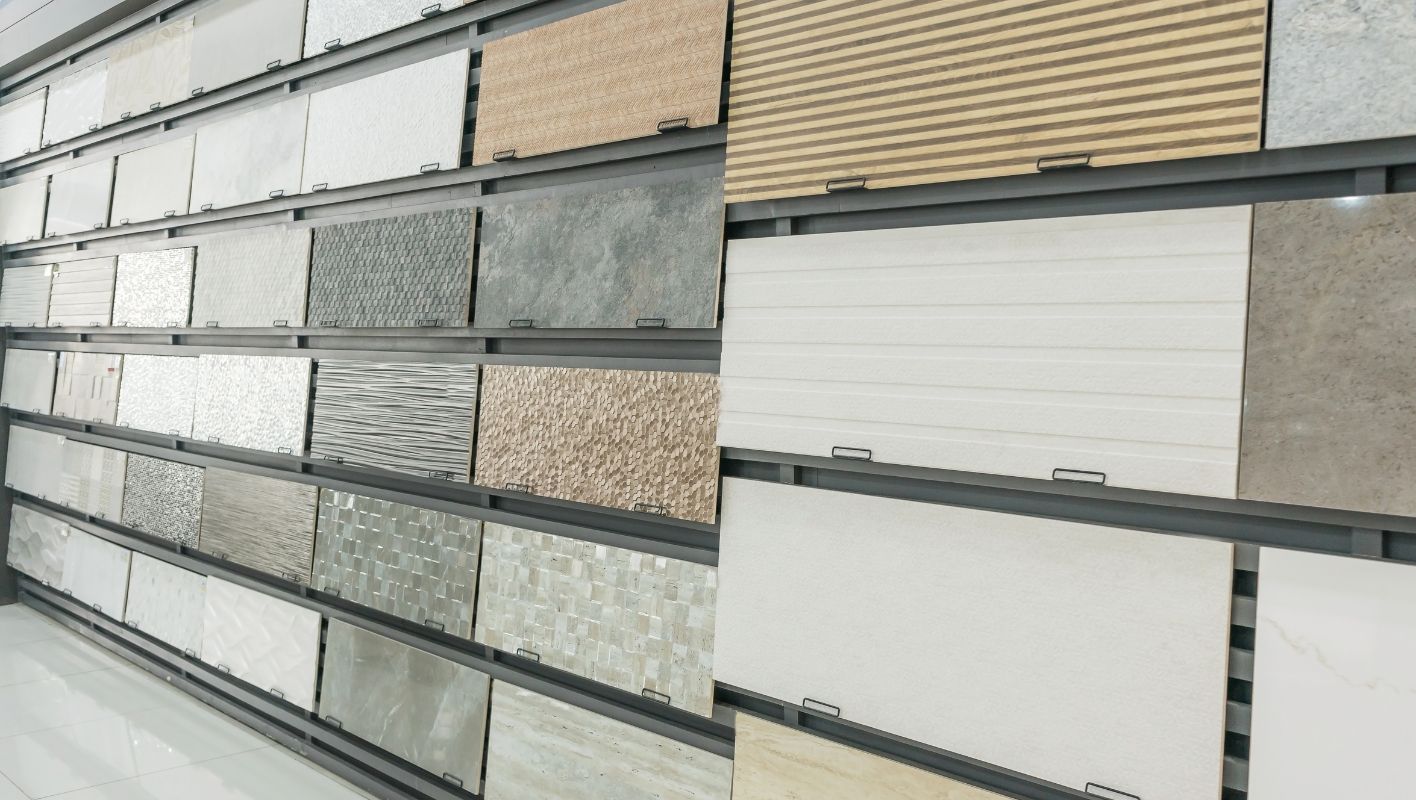
Thinking about transforming your home with marble tiles? Let’s explore this timeless choice together.
Marble floor tiles exude a classic beauty and offer robust durability, making them a top pick for flooring. Yet, they demand consistent upkeep and can strain your budget with their high initial cost and maintenance expenses. Weighing these pros and cons will guide you in deciding if marble suits your home.
Every time I walk across a marble floor, I’m reminded of how luxurious it feels beneath my feet. But let’s be honest, keeping that sheen requires dedication. There’s more than just the surface appeal to think about. From considering maintenance strategies to comparing costs with other materials, I’ve found diving into these details crucial for making a well-rounded decision. Whether it’s tips for keeping the tiles pristine or understanding the ins and outs of installation, I’m here to share what I’ve learned on this marble journey.
Marble tiles are more durable than ceramic tiles.True
Marble is a natural stone known for its durability compared to ceramics.
Marble flooring requires no maintenance.False
Marble needs regular sealing and cleaning to maintain its appearance.
How Does Marble Flooring Compare to Other Materials?
Choosing the right flooring is like picking the perfect outfit for your home—it should fit both style and function.
Marble flooring shines with elegance and timeless beauty, yet it demands more maintenance and is more prone to scratches than wood or ceramic. Weighing its durability, cost, and environmental impact against these materials helps in making a well-rounded decision.
Aesthetic Appeal: Marble vs. Wood and Ceramic
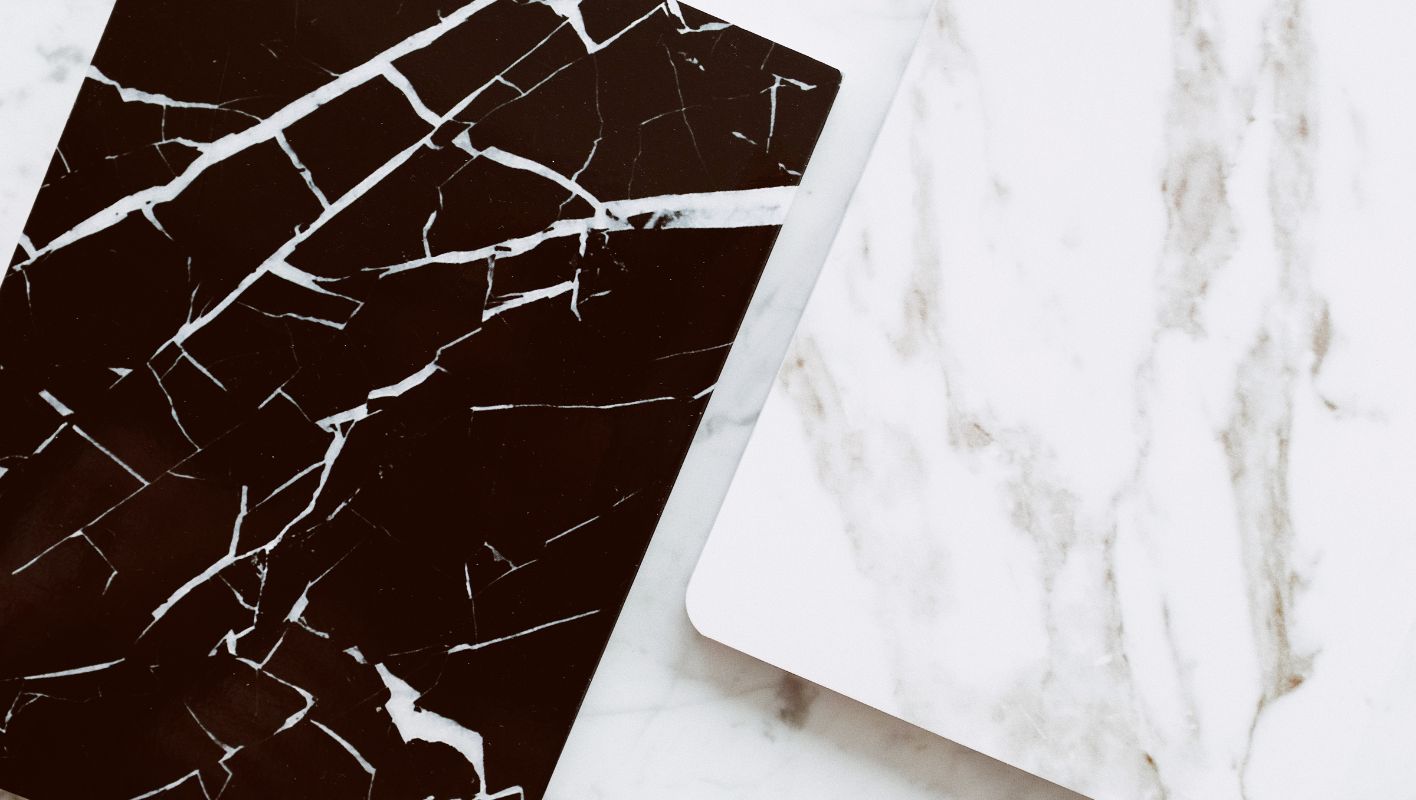
I remember the first time I walked into a grand hall adorned with marble floors—the elegance was palpable. Each slab told its own story through unique veining patterns, almost like the floor itself was whispering tales of history and art. Marble brings that touch of grandeur into any space. On the other hand, wood flooring wraps a room in warmth, offering a natural texture that feels almost like a hug from nature itself. Meanwhile, ceramic tiles flaunt their versatility through vibrant colors and countless design options.
| Material | Aesthetic Features |
|---|---|
| Marble | Elegant veining, unique patterns |
| Wood | Warm, natural textures |
| Ceramic | Versatile designs, vibrant colors |
Durability and Maintenance
When my friend renovated her home, she chose marble for its durability. "It’s like having a piece of luxury underfoot," she said. Yet, she soon realized it required regular sealing and polishing to keep its pristine condition—much like maintaining a classic car. Wood floors, while needing refinishing over time, offer a resilience that speaks to their natural roots. Ceramic tiles boast ease of maintenance and are generally resistant to wear.
Cost Considerations
The price tag of marble can give you pause—it’s an investment akin to buying a designer piece that never goes out of style. It generally costs more than wood or ceramic tiles, both in materials and installation. But for many, including myself when I was choosing for a client’s upscale lobby, the investment in marble’s longevity and classic appeal felt justified.
| Material | Average Cost (per sq ft) |
|---|---|
| Marble | $10 – $20+ |
| Wood | $5 – $15 |
| Ceramic | $1 – $10 |
Environmental Impact
Today, sustainability is more than a buzzword—it’s a commitment. With marble, the quarrying process can have significant environmental impacts. However, opting for sustainably sourced wood or ceramic tiles—which are recyclable and boast a long lifespan—can be more eco-friendly choices.
Assessing these factors aids in determining the best flooring material for your needs. Balancing aesthetics with practical considerations like durability, cost, and environmental impact is crucial. Dive deeper into specific materials1 and sustainability practices2 to align your choice with your eco-friendly goals.
Marble flooring is more expensive than ceramic tiles.True
Marble costs $10-$20+ per sq ft, while ceramic is $1-$10.
Ceramic tiles require more maintenance than marble flooring.False
Ceramic is easy to maintain, unlike marble which needs sealing.
What Maintenance Do Marble Floors Require?
Ever walked into a room and felt like the floor was whispering luxury beneath your feet? That’s marble for you!
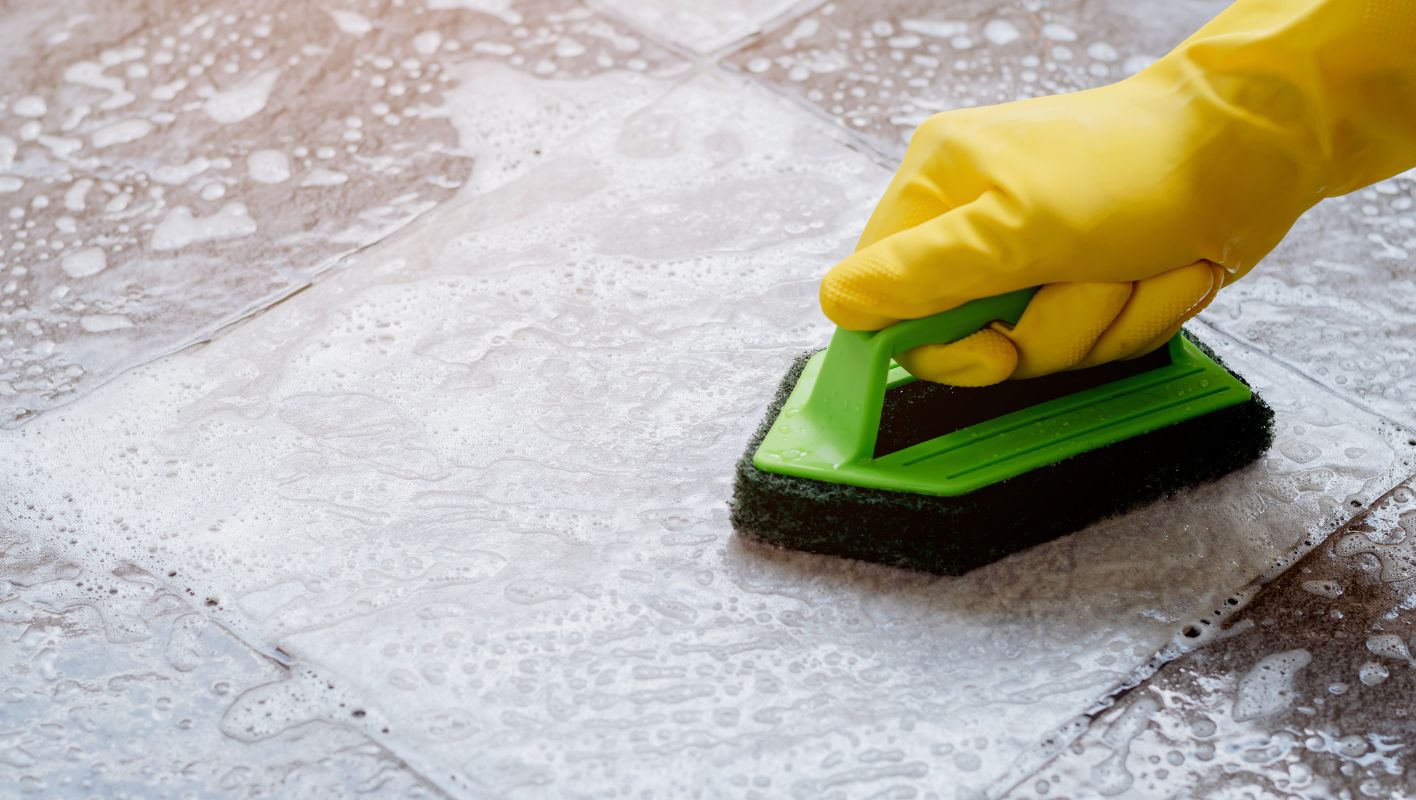
To maintain marble floors, I regularly sweep and mop with a pH-neutral cleaner to keep them gleaming. Avoiding acidic substances and using soft pads helps prevent scratches. I also make it a point to seal the surface annually to protect against stains.
Daily and Weekly Care Practices
Maintaining the pristine condition of marble floors begins with regular cleaning. I remember the first time I realized the importance of daily upkeep for my marble floors. After noticing tiny scratches from everyday dust, I started a routine of daily sweeping with a soft broom or microfiber cloth to avoid any abrasions. It’s amazing how this simple act can preserve that luxurious sheen.
Weekly mopping with a pH-neutral cleaner is recommended. At first, I was skeptical about how much of a difference it would make. But, the first time I used it, the marble seemed to smile back at me, its surface gleaming without any harsh residues left behind.
| Task | Frequency | Recommended Tools |
|---|---|---|
| Sweeping | Daily | Soft broom/microfiber cloth |
| Mopping | Weekly | pH-neutral cleaner |
Dealing with Spills and Stains
Accidents are bound to happen—I learned this when my morning coffee took a detour onto the floor. My heart skipped a beat, but quick action saved the day. Quickly blot the spill with a soft cloth, avoiding rubbing as it might spread the stain. Use a damp cloth with my go-to marble-friendly cleaner for any lingering marks.
For those times when stains are stubborn, consider a homemade poultice of baking soda and water. Just apply it to the stain, cover it up with plastic wrap, and let it work its magic overnight before wiping clean.
Polishing and Sealing Techniques
Keeping that glossy finish intact is crucial for me. Marble’s natural gloss can diminish over time, but regular polishing can restore its shine. A while ago, I invested in a marble polishing powder—it’s like giving my floors a spa day! The transformation was incredible!
Sealing is another critical maintenance step; even though not all marbles require sealing, doing it yearly gives me peace of mind knowing my floors are protected against life’s little mishaps.
Preventative Measures
I’ve learned the hard way that prevention is better than cure. Using rugs or mats in high-traffic areas not only adds a cozy touch but also shields my marble from excessive wear.
Placing felt pads under furniture prevents scratching—a game-changer! Plus, implementing a no-shoes policy at home keeps dirt and grit at bay—half the battle won.
Explore more about marble care3 if you’re curious about maintaining different stone surfaces. Trust me; proper maintenance ensures that your marble floors remain an exquisite feature for years to come.
Daily sweeping prevents scratches on marble floors.True
Regular sweeping removes debris that can scratch marble surfaces.
All marble floors require annual sealing.False
Not all marble types need sealing; it depends on the stone's porosity.
Is Marble Flooring Suitable for Every Room?
Have you ever walked into a room and felt instantly elevated by its elegance? Marble flooring might just be the magic behind that feeling. But is it right for every room in your home? Let’s explore!
Marble flooring dazzles in living rooms and foyers with its elegance, yet it’s not always the best choice for kitchens and bathrooms due to moisture issues and slipperiness.
The Aesthetic Appeal of Marble
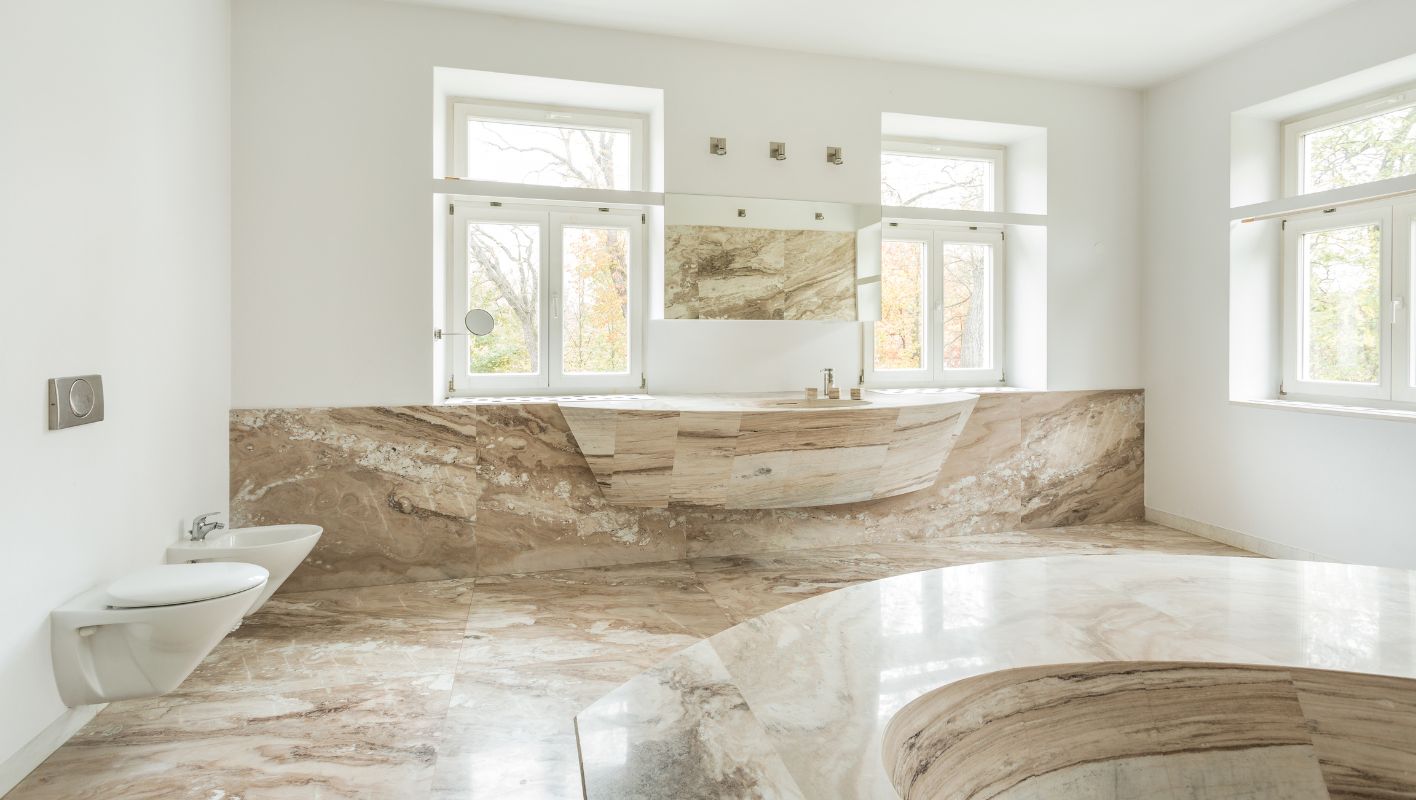
Imagine stepping into a living room where sunlight dances off the polished marble, highlighting its intricate veining. It’s like walking into a piece of art. Marble has always been my go-to for creating a grand entrance in foyers. Its ability to elevate a space is unmatched, though I’ve learned from experience that in high-traffic areas, those beautiful surfaces can scratch over time.
Marble’s natural veining and glossy finish make it a preferred choice for living rooms4 and entryways. However, in high-traffic areas, you may need to consider the durability5 of marble.
Challenges in Wet Areas
Let’s talk about kitchens and bathrooms—places where spills and splashes are part of the daily routine. Marble’s elegance can be a double-edged sword here. I’ve seen firsthand how water can leave its mark, literally. The stains and etching on marble are not just theoretical; they happened to me when I underestimated the power of a morning shower.
Marble’s susceptibility to water damage makes it less ideal for bathrooms and kitchens. In these rooms, the potential for water exposure can lead to stains and etching6. Opting for honed marble might help with slipperiness but be prepared for extra upkeep.
Temperature Considerations
Here’s a little story: I installed marble in my bedroom floor once, thinking the coolness would be refreshing. And while it felt amazing during summer, I soon discovered that winter mornings were a different tale altogether, requiring slippers and extra blankets.
Marble naturally stays cool, which can be beneficial or challenging depending on your climate. In warm regions, it provides a refreshing underfoot experience7, making it favorable for bedroom floors.
Maintenance Requirements
Keeping marble looking its best is not for the faint-hearted. Regular sealing and polishing are necessary to maintain its shine. In one of my earlier projects, I learned this lesson the hard way after realizing my hallway needed more love and care than I anticipated.
Marble demands regular sealing and polishing to maintain its lustrous finish. For those who prefer low-maintenance flooring, this might be a drawback8.
| Room Type | Pros | Cons |
|---|---|---|
| Living Room | Elegant, increases property value | Susceptible to scratches |
| Bathroom | Luxurious look | Prone to water damage |
| Kitchen | Adds value if maintained | Requires sealing |
| Bedroom | Cool underfoot | Cold in winter |
| Foyer | Grand entrance impression | High maintenance |
Cost Implications
While marble can be an investment, its ability to increase home value is worth considering. I’ve worked on projects where marble was used as an accent rather than throughout entire rooms—especially in areas prone to wear—and found it to be a smart compromise between luxury and practicality.
The initial cost of marble can be high compared to other flooring options. It’s essential to weigh this against long-term benefits like increased home value.
In summary, while marble flooring offers unmatched beauty and sophistication, balancing aesthetic appeal with practical functionality will guide you to the perfect solution.
Marble flooring is ideal for bathrooms.False
Marble's susceptibility to water damage and slipperiness makes it less ideal.
Marble requires regular maintenance to retain its finish.True
Regular sealing and polishing are needed to maintain marble's lustrous finish.
What Should You Consider Before Installing Marble Tiles?
Picture this: a warm, inviting space where the elegance of marble greets you every morning. It’s possible, but before diving into this transformation, there are key things to think about.
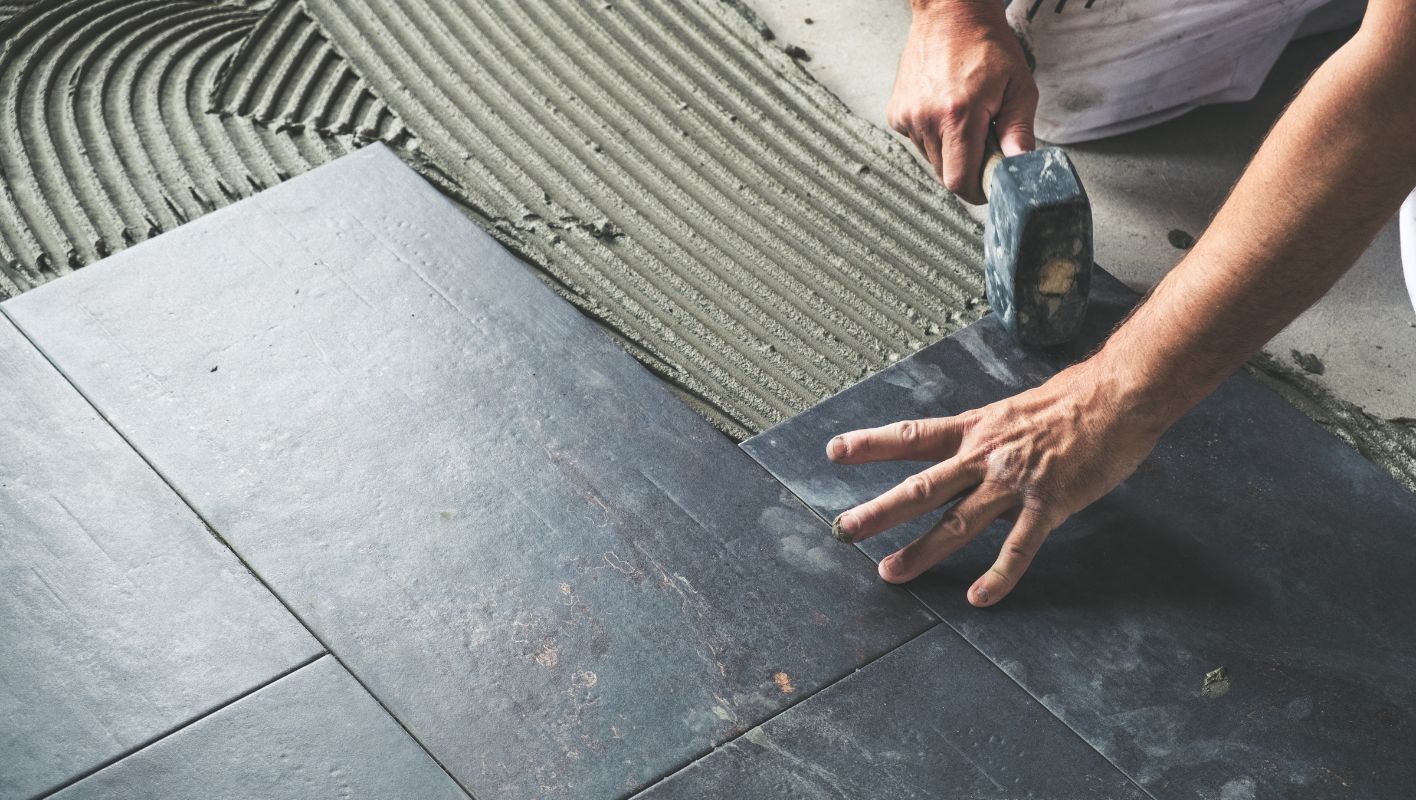
To successfully install marble tiles, it’s vital to assess substrate suitability, understand sealing needs, consider maintenance, and account for environmental conditions. These factors ensure that your marble tiles remain durable and visually appealing over time.
Assessing the Substrate
When I first considered installing marble tiles, I quickly realized the importance of having the right base to support them. Marble is quite heavy, so it demands a solid and stable foundation. Whether it’s plywood or concrete, evaluating the moisture levels9 and stability of your substrate is crucial. Imagine investing in beautiful marble only for it to crack because the foundation wasn’t up to par. Ensuring a level surface free of debris is a small step that can save you from big headaches later.
Understanding Sealing Needs
One thing I learned early on is that marble is like a sponge when it comes to stains. That’s why sealing is non-negotiable. Finding a high-quality sealer tailored to your marble’s finish is essential. And here’s a little test I do: I drop some water on the tile. If it gets absorbed quickly, it’s time for resealing. This simple check helps me keep my marble looking pristine and protected.
Maintenance Considerations
Maintaining marble might sound daunting, but I’ve found it quite manageable with the right approach. Marble doesn’t get along well with acids, so I stick to pH-neutral cleaners specifically made for natural stones. A periodic polish brings back that luxurious shine and keeps my tiles looking new. It’s a bit of effort, but worth it for that wow factor every time I walk into the room.
Environmental Conditions
I’ve lived in places with both humid climates and harsh winters, and I’ve seen how these conditions can affect marble. In bathrooms or humid areas, proper ventilation is a lifesaver to prevent mold or mildew. And for outdoor installations, choosing adhesives that can handle freeze-thaw cycles is a must to avoid unpleasant surprises.
Cost Implications
Let’s be honest, marble isn’t cheap. When budgeting, I always factor in not just the cost of the tiles but also installation costs10, which include labor, preparing the substrate, and sealing services. By planning ahead, I can ensure that my project doesn’t break the bank while still delivering the luxury look I’m aiming for.
| Consideration | Details |
|---|---|
| Substrate Suitability | Ensure stable base; check moisture levels |
| Sealing Requirements | Use high-quality sealer; perform water absorption test |
| Maintenance Needs | Use pH-neutral cleaners; periodic polishing recommended |
| Environmental Factors | Adequate ventilation; special adhesives for outdoor use |
| Cost Implications | Factor in both material and installation expenses |
Marble requires a stable substrate to prevent cracking.True
Marble is heavy and needs a solid base to avoid damage.
Marble tiles do not need sealing due to their density.False
Marble is porous and requires sealing to prevent stains.
Conclusion
Marble floor tiles offer timeless elegance and durability but require significant maintenance and investment. Consider aesthetics, cost, and environmental impact before choosing marble for your home.
-
Discover comprehensive reviews comparing popular flooring options. ↩
-
Learn about eco-friendly practices for sustainable flooring choices. ↩
-
This link offers broader insights into caring for various stone materials beyond just marble. ↩
-
Explore options that complement marble’s elegance in living spaces. ↩
-
Understand how marble stands up to daily wear and tear. ↩
-
Learn effective methods to protect marble from water damage. ↩
-
Discover why cool floors can be advantageous in warm climates. ↩
-
Consider options that require less upkeep than marble. ↩
-
Learn how to evaluate moisture levels in substrates to prevent damage to marble tiles. ↩
-
Understand the typical costs involved in hiring professionals for marble tile installation. ↩






