
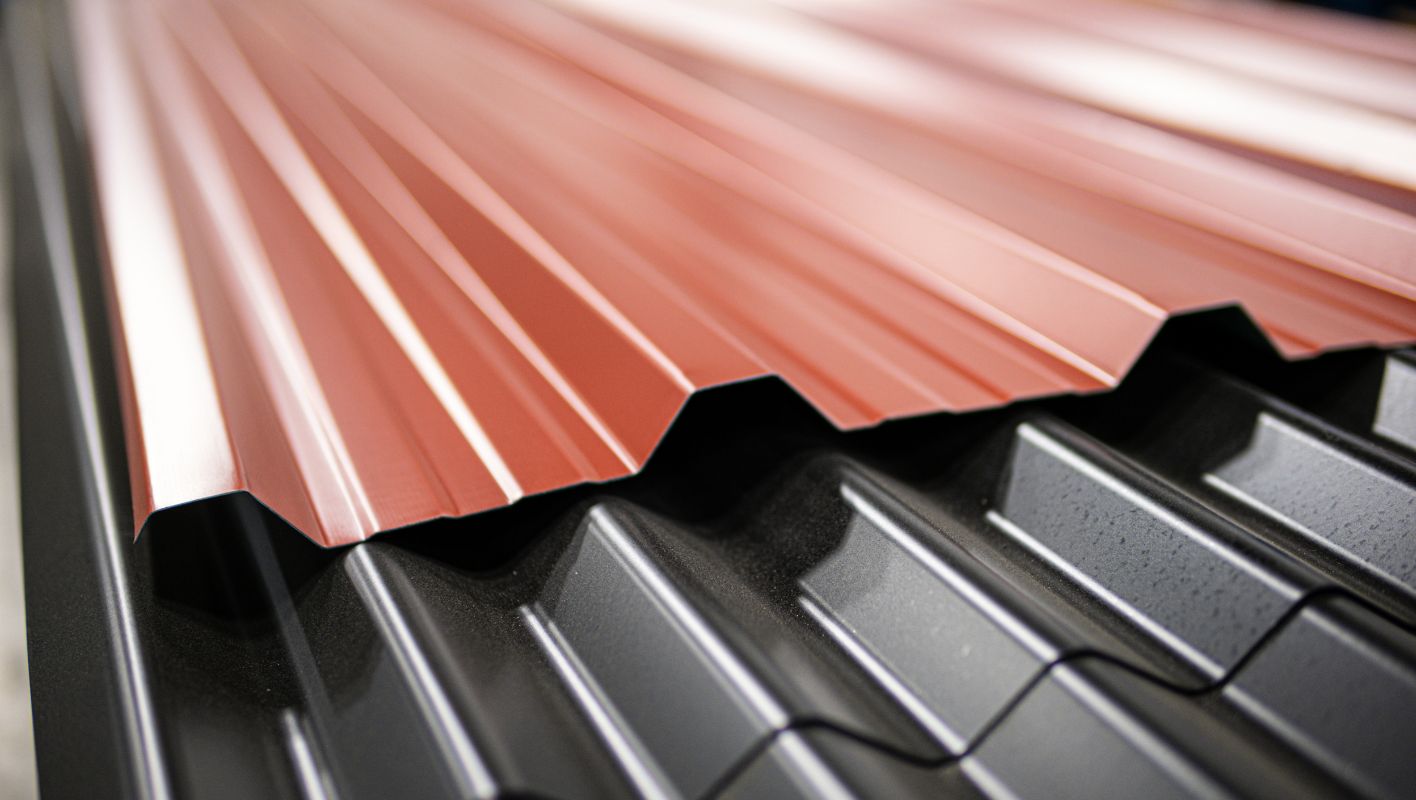
I remember the first time I had to cut metal roofing—it was both daunting and exciting!
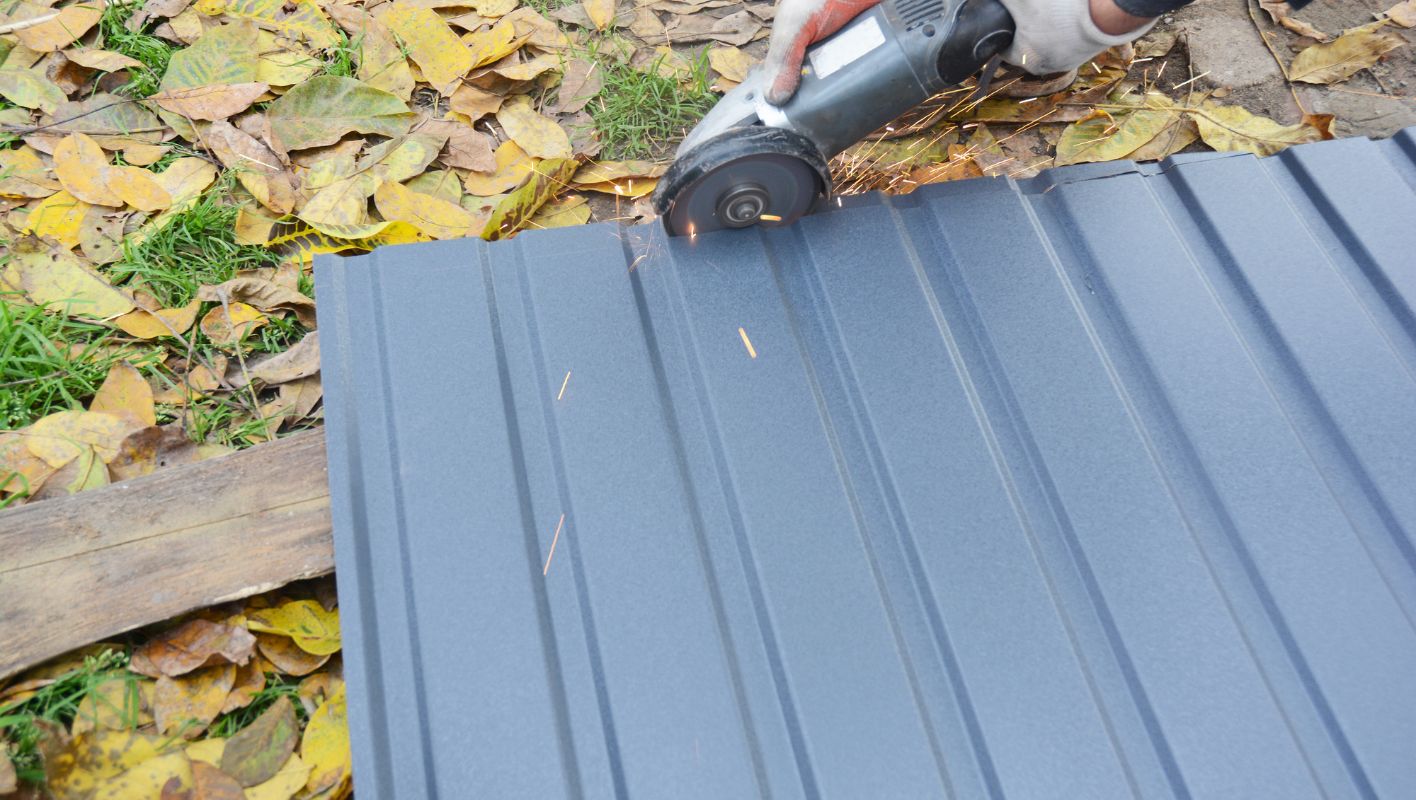
To cut metal roofing effectively, start by choosing the right tool for your cut: tin snips for straight or simple cuts, an angle grinder for curves, and a circular saw for longer, straight lines. Always wear protective gear to ensure your safety while working.
Selecting the correct tool is just the start of your journey into cutting metal roofing. I quickly learned that each tool has its own quirks and strengths. Tin snips are great for quick, straight cuts and are surprisingly handy when you need precision. But when it came to curves, my angle grinder became my best friend. The first time I revved it up, I was a little nervous, but once I got the hang of it, the curves came out smooth and clean.
I also can’t stress enough the importance of safety. There was one time I almost forgot my goggles—never again! Those sparks can be quite the spectacle. For straight lines, a circular saw with the right blade was my go-to. It was like watching a hot knife glide through butter. And here’s a tip: always double-check your measurements before making that first cut. It can save you a lot of time and material!
Whether you’re a novice or seasoned pro, these insights should set you on the right path. Remember, practice makes perfect, and each project is an opportunity to refine your skills.
Tin snips are ideal for cutting curves in metal roofing.False
Tin snips are best for straight or simple cuts, not curves.
Wearing protective gear is essential when cutting metal roofing.True
Protective gear prevents injuries from sharp edges and flying debris.
What Tools Are Best for Cutting Metal Roofing?
Have you ever found yourself staring at a metal roofing sheet, wondering which tool will make the cut perfectly? Let’s dive into the best options that can save you time and headaches.
For cutting metal roofing, the top tools are tin snips, electric shears, and metal cutting saws. Each brings distinct benefits like precision, speed, or versatility, tailored to your project’s demands.
Tin Snips: The Manual Choice
Tin snips are a go-to for many when it comes to cutting metal roofing1. When I first started dabbling in DIY projects, tin snips were my best friend. They’re a fantastic choice if you’re dealing with small jobs and need something precise. Imagine working on a sunny Saturday afternoon, snipping away at the metal roofing while sipping lemonade. These trusty tools are available in left, right, and straight cut versions, making them perfect for detailed cuts without the hassle of plugging anything in.
Pros:
- Low cost
- Precision cutting
- No power source needed
Cons:
- Labor-intensive
- Limited to thin metals
Electric Shears: Speed Meets Precision
Electric shears provide a perfect balance between speed and precision. Now, if speed is what you’re after—like when you’re racing against a storm cloud threatening your open roof—electric shears might just be your savior. I remember one time when I had to fix my shed’s roof quickly; these shears sliced through the corrugated metal like butter. They excel in cutting through corrugated and ribbed metal roofing sheets2 without causing distortion.
Pros:
- Fast and efficient
- Reduced metal distortion
- Easier to handle than manual snips
Cons:
- Requires power source
- Higher cost than manual tools
Metal Cutting Saws: Powerhouse Tools
Metal cutting saws, including circular saws with metal cutting blades, are ideal for larger projects3. These are like the muscle cars of cutting tools—powerful and fast. If you’re tackling a massive project, say a new garage roof, these saws will make your job a breeze. But don’t forget your safety gear because these bad boys mean business.
| Tool | Advantages | Disadvantages |
|---|---|---|
| Circular Saw | High-speed cuts | Needs ear protection |
| Reciprocating Saw | Versatile cuts | Can be heavy |
Each of these tools has its place in your toolbox depending on what you need. Whether it’s the fine precision of tin snips, the balanced efficiency of electric shears, or the brute force of a metal cutting saw, you’ll find the right tool for your metal roofing needs.
Tin snips are ideal for cutting thick metal roofing.False
Tin snips are best for thin metals due to their manual nature.
Electric shears require a power source to operate.True
Electric shears need electricity, unlike manual tin snips.
How do I master using tin snips for metal roofing?
Ever found yourself staring at a metal roof, tin snips in hand, wondering how to make that first cut? I have, and it was a game changer.
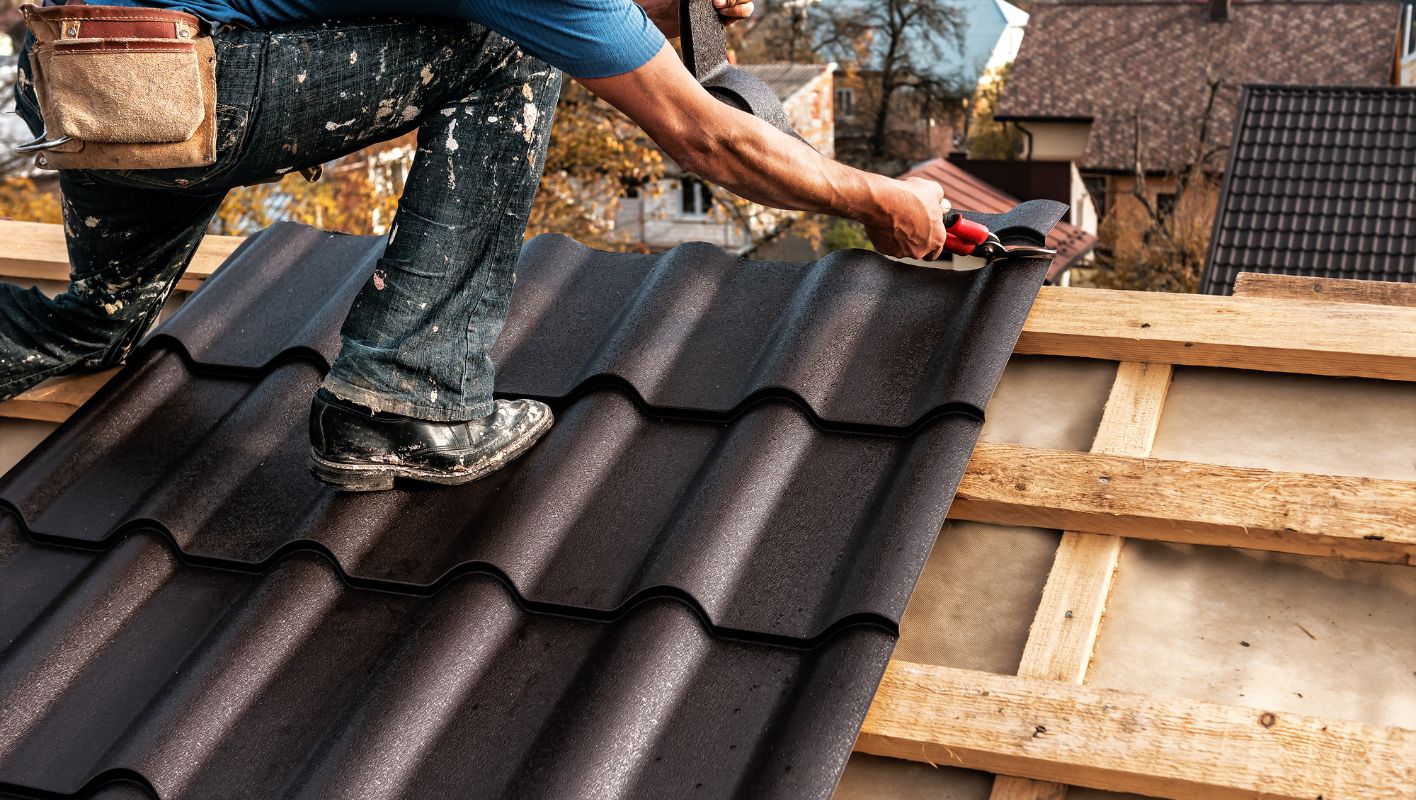
To use tin snips effectively for metal roofing, start by clearly marking your cut line. Firmly grip the snips and make straight, smooth cuts along this line. Use compound snips when cutting curves for better precision.
Choosing the Right Tin Snips
When I first tackled a metal roofing project, I was overwhelmed by the array of tin snips available. It was like standing in a candy store with too many choices! But I soon learned that compound action snips are perfect for this job. They make both straight and curved cuts, which is exactly what you need. Here’s a quick rundown of what each type is best suited for:
| Type | Best For |
|---|---|
| Straight Snips | Long, straight cuts |
| Left-cut Snips | Left curves |
| Right-cut Snips | Right curves |
Knowing which tool to use has saved me countless hours and headaches.
Preparing Your Metal Roofing
Before diving in, I always lay the metal roofing flat and use a marker or chalk to draw my cut line clearly. One time, I skipped this step and ended up with a wobbly edge that haunted me! Also, trust me on this—wearing protective gear4 like gloves and goggles is crucial. I’ve had more than one close call with sharp edges and flying shards.
Making the Cut
I remember my first cut—hands shaking slightly as I positioned the snips at the edge of the sheet. But once I got going, holding them securely and cutting along my marked line felt almost therapeutic. Keep those blades perpendicular for even pressure, and use your free hand to stabilize the material.
- Straight Cuts: Keep a steady hand and aim for long, continuous strokes.
- Curved Cuts: Choose the appropriate snip type (left or right) to navigate the curve smoothly.
Tips for Efficiency and Safety
- Lubricate the tin snip blades with a light oil to ease the cutting process.
- Check Blade Sharpness: Dull blades lead to jagged edges. Sharpen or replace them when needed.
- Avoid Overexertion: Let the snips do their work to prevent hand strain. If the material is too thick, explore other cutting tools5.
Using tin snips well takes practice and patience—two things I’ve gained plenty of over time. By choosing the right tools and following these techniques, I’ve managed to achieve professional-looking results in my roofing projects.
Compound action snips are ideal for curved cuts.True
Compound snips are designed to make both straight and curved cuts.
Straight snips can be used for left curves.False
Straight snips are best for long, straight cuts, not curves.
Can You Use a Circular Saw on Metal Roofing?
I remember the first time I wondered if my circular saw could handle metal roofing. It felt like a mystery waiting to be solved, and I was eager to uncover the truth.
Yes, you can use a circular saw on metal roofing, but you’ll need a blade designed for metal and must follow essential safety precautions to stay injury-free.
Choosing the Right Blade
I recall standing in my garage, staring at my circular saw and contemplating the task ahead. Choosing the right blade was crucial, I quickly learned. I opted for a carbide-tipped blade, which is specifically designed for cutting metal. These blades are known for their durability and ability to handle tough materials without getting damaged. I realized that using the wrong blade could result in poor cuts and potential safety hazards, so I made sure to do my research.
| Blade Type | Material Compatibility | Advantages |
|---|---|---|
| Carbide-tipped | Metal | Durable |
Safety Precautions
Safety is something I never compromise on. Cutting metal requires strict adherence to safety guidelines. I always make sure to wear personal protective equipment (PPE) like goggles, gloves, and ear protection. A clear work area is essential, and I keep a firm grip on the saw during operation. Securing the metal roofing sheet is another critical step to prevent it from shifting during the cut. For more tips on safety measures6, exploring best practices in construction safety is always wise.
Alternative Tools for Metal Roofing
While my circular saw has served me well, I’ve also explored other tools that might offer more precision or ease of use for cutting metal roofing. Tin snips and metal shears are excellent alternatives that provide cleaner cuts with less noise and dust. Depending on the specific requirements of my project, each tool has its benefits. I often delve into resources about different metal cutting tools7 to find what best suits my needs.
Understanding Metal Roofing Materials
Understanding the materials I’m working with is always a priority. Steel and aluminum are common types of metal roofing, each with distinct properties that affect how they should be cut. Steel is harder, requiring more durable blades, while aluminum is softer and easier to cut. Whenever I have questions about the properties of metal roofing8, I explore material science resources in construction.
Each tool and material combination presents unique challenges that must be respected to ensure both efficiency and safety in my projects. Remember, taking the time to understand these elements can make all the difference.
Carbide-tipped blades are suitable for metal roofing.True
Carbide-tipped blades are designed for cutting metal, ensuring durability.
Tin snips are noisier than circular saws when cutting metal.False
Tin snips produce less noise compared to circular saws during cuts.
What Safety Measures Should You Consider When Cutting Metal Roofing?
Safety is more than just a checklist when you’re up there cutting metal roofing; it’s personal. I remember my first time on the roof, and the lessons learned became lifelong rules.
When cutting metal roofing, prioritize safety by donning essential protective gear like gloves, goggles, and ear protection. Choose the right tools and create a secure workspace to minimize risks.
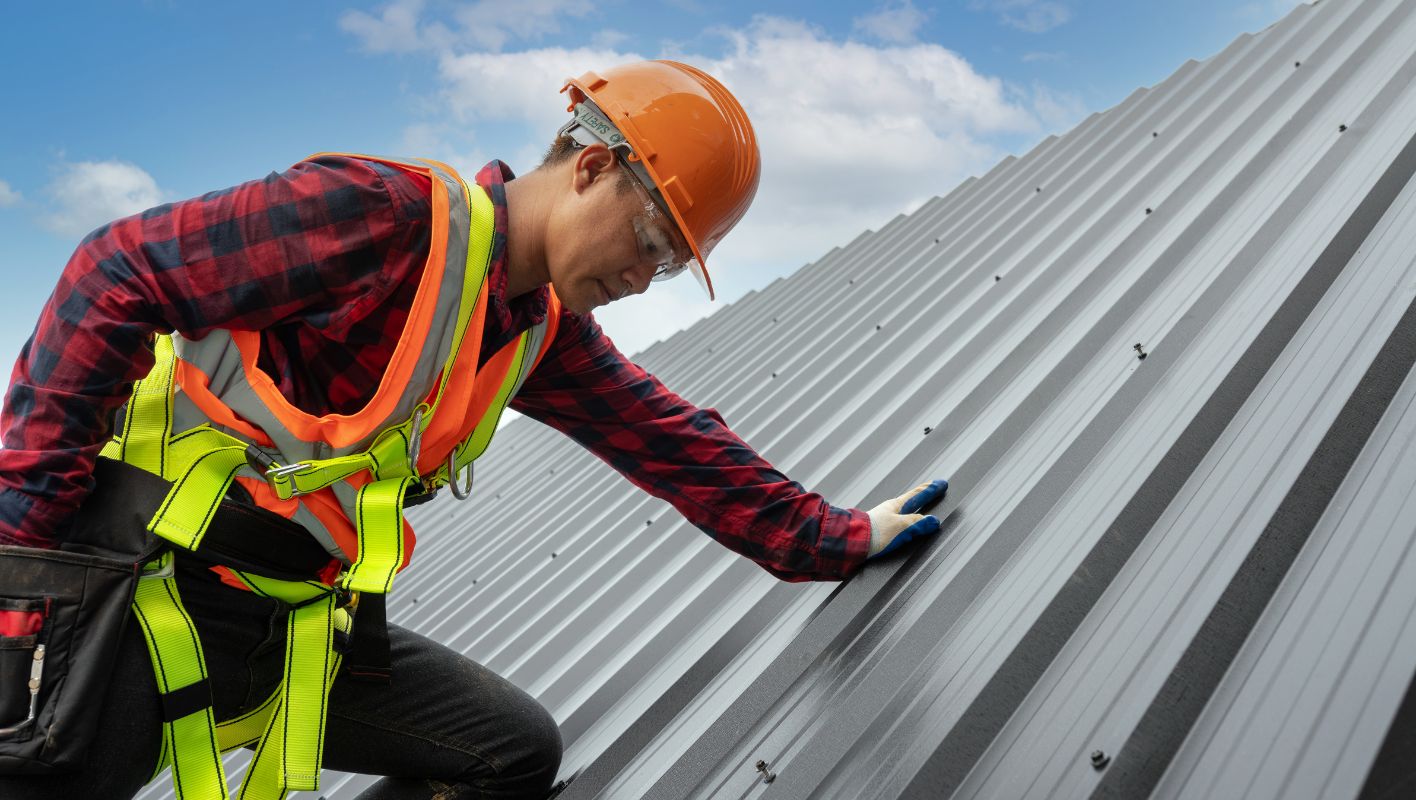
Essential Protective Gear
I can’t stress enough how important protective gear is when working with metal roofing. My first encounter with sharp metal edges taught me the hard way. That day, I realized that wearing safety gloves isn’t just a precaution—it’s a necessity. They shield your hands from those unexpected nicks and cuts that happen faster than you think.
- Safety Gloves: To shield your hands from sharp edges.
- Goggles: Protect your eyes from flying debris.
- Ear Protection: Reduce the noise impact from tools.
Investing in high-quality protective equipment is crucial. Explore top-rated safety gear options9 for reliable protection.
Tools for Safe Cutting
Choosing the right tools makes a world of difference. I learned this lesson after struggling with the wrong pair of tin snips on a job. The right tools not only make the task easier but also safer.
| Tool | Purpose |
|---|---|
| Tin Snips | For small cuts and adjustments |
| Metal Shears | Ideal for straight cuts |
| Circular Saw | Best for long, straight cuts |
Using tools not suited for metal roofing can lead to accidents. Learn about tool selection for metalwork10 to enhance safety and efficiency.
Stable Work Environment
A stable workspace is non-negotiable. I’ve seen what happens when things get cluttered or poorly lit—it leads to mistakes and injuries.
- Scaffolding: Provides a stable platform.
- Clear Area: Keep your workspace free of clutter.
- Proper Lighting: Reduces the risk of errors.
Creating a safe working environment mitigates the risk of injury. See how to set up a secure work area11 for roofing projects.
Handling Metal Roofing Safely
Handling metal sheets can be tricky—these things are big and unwieldy. It’s always easier with two people; trust me, trying to handle them solo is asking for trouble.
- Use two people to lift large sheets.
- Always carry sheets vertically to prevent bending.
- Securely store materials when not in use.
Proper handling techniques can prevent damage and injury. Find detailed handling guidelines12 for metal roofing materials.
Risk Management Practices
Finally, managing risk is all about being proactive. Conducting a risk assessment before starting any job is like having a roadmap—it guides you safely through the project. Having emergency procedures in place and reviewing safety protocols with your team can make all the difference in preventing accidents.
By integrating these measures, you can enhance safety during cutting operations. Explore effective risk management strategies13 tailored for construction environments.
Safety gloves protect against sharp metal edges.True
Safety gloves shield hands from cuts during metal roofing work.
Circular saws are unsuitable for metal roofing cuts.False
Circular saws are ideal for long, straight cuts on metal roofing.
Conclusion
Learn effective techniques for cutting metal roofing using tin snips, electric shears, and circular saws. Prioritize safety with protective gear and proper tool selection for best results.
-
Explore top-rated tin snips to ensure precision and ease when cutting metal roofing by hand. ↩
-
Discover electric shears that excel in cutting corrugated metal without causing material distortion. ↩
-
Find powerful saws designed for efficient cutting of large metal roofing sheets. ↩
-
Protective gear is essential when working with sharp metals, ensuring safety from potential cuts and debris. ↩
-
Explore alternative cutting tools for thick metal sheets to ensure efficiency and safety if tin snips are insufficient. ↩
-
Provides valuable insights on maintaining safety when using power tools for metal cutting. ↩
-
Explores various tools ideal for precision and ease when working with metal roofing. ↩
-
Offers a deeper understanding of different metal types used in roofing. ↩
-
Discover top-rated protective gear to ensure maximum safety when handling metal roofing materials. ↩
-
Gain insights into the best tools available for safely cutting metal roofing. ↩
-
Learn how to create a secure working environment that minimizes risks during roofing projects. ↩
-
Understand the correct methods for handling metal sheets to prevent injuries and material damage. ↩
-
Explore strategies to manage and mitigate risks effectively in construction projects. ↩






