
Remember the first time you picked up a power tool? It felt like unlocking a new level of DIY mastery.
When drilling into concrete, grab a hammer drill with a carbide-tipped masonry bit. First, mark your spot, set the drill to hammer mode, and apply steady pressure—don’t rush it. This ensures you get a clean hole without damaging the area around it.
I remember the first time I tackled a concrete wall; it was both thrilling and daunting. Knowing how to handle unexpected challenges, like hitting rebar or managing dust, can really make the difference between a smooth project and a stressful one. That’s why our guide covers not just the basics, but also how to prepare for and address these surprises. Safety is key, so we’ll delve into protective gear and techniques to keep your workspace clean and safe. Ready to master the art of drilling into concrete? Let’s dive in together and turn that daunting task into a rewarding experience.
A hammer drill is essential for drilling concrete.True
Hammer drills provide the necessary power and motion to penetrate concrete effectively.
Any drill bit can be used for concrete drilling.False
Carbide-tipped masonry bits are specifically designed for drilling into concrete.
What Tools Do You Need to Drill Concrete Like a Pro?
You know that feeling when you need to tackle a tough job but aren’t sure if you have the right gear? Drilling into concrete can feel just like that.
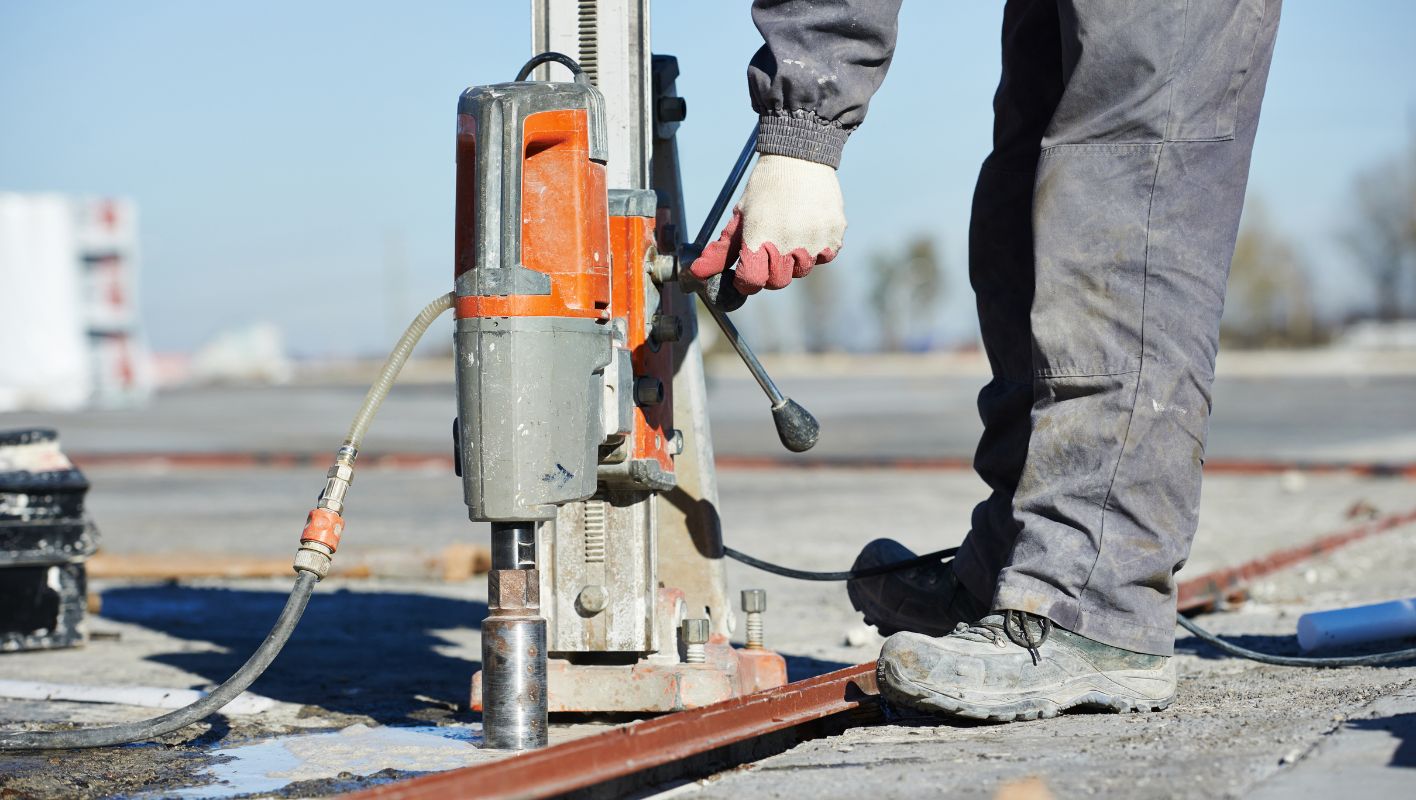
To drill into concrete effectively and safely, you’ll need a hammer drill, masonry bits, safety gear, and a vacuum for dust control. These essentials make the task manageable and ensure your project’s success.
Understanding the Basics of Concrete Drilling
When I first started drilling into concrete, I imagined it would be similar to working with wood or metal. Boy, was I wrong! Concrete is a whole different beast—dense and demanding. I quickly learned that using the right tools is crucial to avoid damaging both the drill and the material.
Essential Tools for Concrete Drilling
| Tool | Purpose |
|---|---|
| Hammer Drill | Provides the power needed to penetrate concrete |
| Masonry Bits | Specialized drill bits designed for hard surfaces |
| Safety Gear | Protects against dust and debris |
| Vacuum System | Helps manage dust created during drilling |
-
Hammer Drill: I remember my first attempt with a standard drill; it was a workout with no results. Switching to a hammer drill1 changed everything. It delivers rapid, short hammering actions to break up the concrete as it drills—truly a game-changer.
-
Masonry Bits: These bits are tougher than your average ones. Made from materials like carbide, they handle the heat and pressure of drilling into concrete without breaking a sweat.
-
Safety Gear: Ever had dust fly into your eyes while working? It’s not fun. Always gear up with protective eyewear, gloves, and a mask to keep safe from dust and debris.
-
Vacuum System: A dust control vacuum2 doesn’t just keep your workspace tidy; it’s crucial for your health too, preventing you from inhaling harmful particles.
Additional Considerations
Depending on how complex your project is, you might also need:
- Concrete Anchors: Perfect for securing objects in drilled holes.
- Pilot Hole Drills: They help guide larger bits for more precision.
Practical Tips for Effective Drilling
- Start small. Use a smaller bit to create a pilot hole before going big.
- Steady does it! Maintain a steady hand for clean and precise holes.
- Check your settings. Ensure your hammer drill is adjusted for concrete; tweak speed and pressure according to how dense the material is.
For a deep dive into choosing the perfect drill for your needs, check out drill selection tips3 from industry experts. These insights can be a real eye-opener, helping you make decisions that fit your project perfectly.
Hammer drills are essential for concrete drilling.True
Hammer drills provide the necessary power and impact to penetrate concrete effectively.
Masonry bits are used for drilling into wood.False
Masonry bits are designed for hard surfaces like concrete, not wood.
How Do I Avoid Cracking When Drilling Concrete?
Ever tried drilling into concrete, only to end up with cracks and frustration? Trust me, it’s a rite of passage for many DIY enthusiasts. But it doesn’t have to be.
To avoid cracking when drilling concrete, use a rotary hammer drill with carbide-tipped masonry bits. Start with smaller bits, apply gentle pressure, and maintain a consistent speed. Avoid overheating the bit.
Choosing the Right Tools for the Job
I’ll never forget the first time I attempted to drill into concrete. I was working on my garage renovation, brimming with excitement and a tad too much confidence. I grabbed my trusty old drill, thinking it would do the trick. Spoiler: it didn’t. That’s when I learned about the magic of a rotary hammer drill4. Unlike my basic drill, this one uses a powerful pounding motion that breaks up concrete without needing to apply too much pressure.
And then there are the carbide-tipped masonry bits5, which are specifically designed to tackle the hardness of concrete. These tools truly make all the difference.
Step-by-Step Drilling Technique
- Mark Your Drilling Spot: I’ve found that double-checking measurements is key. Mistakes happen, and it’s better to catch them early on with a pencil or chalk mark.
- Pilot Hole: Starting with a smaller bit to create a pilot hole can be a game-changer. It guides the larger bit, easing the stress on the concrete.
- Consistent Speed and Pressure: This was a lesson learned the hard way for me. Forcing the drill can lead to cracking—something I discovered after a couple of mishaps.
- Cooling the Bit: Periodically withdrawing the bit not only helps clear dust but also keeps it from overheating. Overheated bits can damage both your tool and your project.
| Step | Description |
|---|---|
| 1 | Mark your spot |
| 2 | Drill pilot hole |
| 3 | Steady speed and pressure |
| 4 | Cool the bit regularly |
The Importance of Prepping Your Concrete Surface
Before diving into any drilling task, I always make sure to clean the area thoroughly. Dust and debris can wreak havoc on your project. If I’m working near edges, I like to use wooden beams or braces for added stability—trust me, it’s worth the extra step.
Managing Dust and Debris
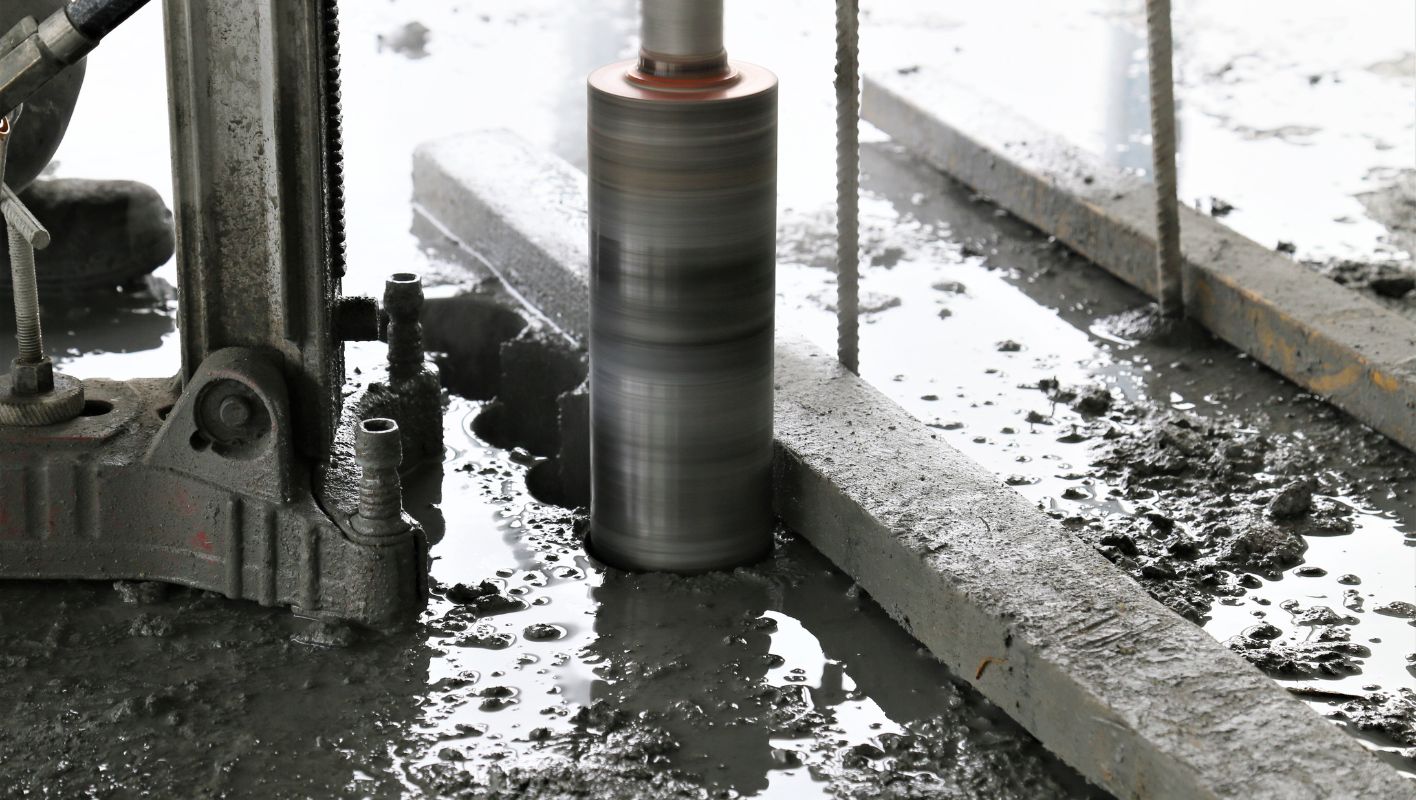
I once ignored dust management during a job in my basement, and let’s just say my allergies were not happy with me. Now, I either use a vacuum attachment or opt for wet drilling to keep the dust at bay. It’s amazing how much cleaner the operation runs with these methods.
Tips for Avoiding Common Mistakes
- Avoid Overdrilling: Once, I drilled too deep and weakened an entire section of my patio. Now, I always mark my drill bit to ensure I don’t go too far.
- Mind the Reinforcement: Hitting rebar in reinforced concrete was a heart-stopping moment for me. Now, I use specialized bits when needed.
- Check for Obstructions: Before I start any project, I scan for any hidden pipes or cables—it’s saved me more than once!
By following these techniques, I’ve managed to keep my concrete projects intact while avoiding costly mistakes. Plus, familiarizing myself with safety protocols has been invaluable—not just for me but also for anyone helping out on these projects. If you’re curious about more drilling safety tips6, there’s plenty of great info out there.
Rotary hammer drills prevent concrete cracking.True
Rotary hammer drills use a pounding motion, reducing pressure on concrete.
Overdrilling strengthens concrete structures.False
Overdrilling weakens surrounding areas, increasing the risk of cracks.
Can I Use a Regular Drill for Concrete Projects?
Ever stood in front of a concrete wall, regular drill in hand, and wondered if you’re up for the challenge? I’ve been there, and here’s what you need to know.
Yes, you can use a regular drill for concrete projects if you’re armed with patience and the right tools, like carbide-tipped masonry bits. But for quicker and easier drilling, a hammer drill is a much better choice.
The Basics of Drilling into Concrete
I remember my first attempt at drilling into concrete. Armed with a regular drill and the determination of a DIY warrior, I quickly realized concrete doesn’t yield easily. A regular drill can tackle the job, but it’s a bit like taking a bicycle to a car race—doable, but not ideal. This is where carbide-tipped masonry bits7 come in handy. They’re built to withstand the heat and friction that comes with drilling into something as stubborn as concrete.
Advantages of Using a Hammer Drill
After my initial foray into concrete drilling, I decided to invest in a hammer drill8. Let me tell you, it was like upgrading from a butter knife to a chainsaw! Hammer drills make the whole process faster and less strenuous by adding a percussive action that breaks up the concrete as you go. If you’re planning anything beyond hanging a picture frame, trust me, you’ll want this tool in your arsenal.
| Tool | Effectiveness | Best Use Case |
|---|---|---|
| Regular Drill | Moderate | Small holes or light-duty tasks |
| Hammer Drill | High | Large projects or thick slabs |
Drill Bit Selection and Techniques
Choosing the right drill bit can make all the difference. I usually start by marking my spot and using a small bit to create a pilot hole—it helps keep things accurate and prevents slipping. As you progress, gradually increase the bit size until you reach your desired hole width.
I’ve learned from experience that patience pays off here. Apply steady pressure and let the drill do its thing; forcing it can wear out your tools and your arms. And don’t forget to pause every now and then to clear away dust—it’s crucial for keeping the drill from overheating.
Tips for Success
- Safety First: Always wear safety goggles and gloves. I’ve had my fair share of close calls with flying dust.
- Cooling Techniques: I like to keep a water bottle handy to cool down the bit every so often.
- Avoid Overheating: If your drill starts feeling like it’s on fire, take a break. Your hands will thank you later.
If you’re still on the fence about whether to use that regular drill for your concrete adventure, weigh these tips carefully. By considering your project’s scope and choosing your tools wisely, you’ll save yourself a lot of hassle—and maybe even some sweat!
For more insights on tools and techniques, explore our comprehensive guide9.
A regular drill can efficiently handle large concrete projects.False
Regular drills lack the percussive force needed for large projects.
Carbide-tipped masonry bits are essential for drilling concrete.True
These bits withstand high friction and heat, ideal for concrete.
What Are the Safety Precautions for Drilling Concrete?
I remember the first time I drilled into concrete; it was a nerve-wracking experience, but taking the right safety precautions made all the difference.
To safely drill into concrete, always wear personal protective equipment (PPE) such as goggles, masks, and gloves, ensure proper ventilation, and regularly inspect your equipment. These steps help prevent injuries and make drilling effective and smooth.
The Importance of Personal Protective Equipment (PPE)
I’ve learned through my own mishaps that personal protective equipment is crucial when drilling concrete. Imagine trying to dodge bits of flying debris or coughing on dust without goggles or a mask—it’s not worth the risk! Always wear safety goggles to shield your eyes from flying debris and a dust mask or respirator to protect your lungs from harmful silica dust. Trust me, sturdy gloves are a must to keep your hands safe and provide a good grip on the tools.
- Goggles: They should fit snugly around your eyes, like an invisible shield.
- Masks: Look for ones rated to filter fine dust particles.
For more insights on PPE, check out Understanding PPE requirements10.
Ensuring Proper Ventilation
Concrete drilling releases a surprising amount of dust. Proper ventilation in your workspace can save you from breathing in that cloud of particles. If you’re working indoors, use fans or open windows—think of it as inviting fresh air to a dusty party. In tight spots, dust extraction systems are lifesavers.
- Tip: A simple water spray can keep the dust down.
- Tool: Consider using drills with built-in dust extractors.
Explore more about ventilation best practices11.
Equipment Maintenance and Check
There’s nothing worse than a tool failing mid-project. Regular maintenance is your friend here. I always double-check that my drill bits are sharp and my equipment is running smoothly before diving into any project. It’s worth taking a moment to inspect cables and electrical connections for any wear and tear.
-
Checklist:
Item Check Frequency Drill Bits Before Use Electrical Cords Weekly
For more maintenance tips, take a look at equipment care guidelines12.
Setting Up the Work Area
Having tripped over my fair share of cords and clutter, I can’t stress enough the importance of organizing your workspace before you start drilling. Clear away anything that could trip you up or damage your drill. Make sure you’ve got a stable footing—balance is everything when you’re focused on precision drilling. And keep your tools within easy reach to avoid unnecessary movements.
Discover workspace organization techniques13 for an efficient and safe setup.
Safety goggles must seal around the eyes when drilling concrete.True
Goggles should fully seal to protect against flying debris.
Ventilation is optional when drilling concrete indoors.False
Proper ventilation is essential to avoid inhalation of dust.
Conclusion
Learn how to effectively drill into concrete using the right tools, techniques, and safety measures to ensure a successful and safe project.
-
Learn how a hammer drill functions and why it’s crucial for concrete projects. ↩
-
Explore top dust control systems to keep your workspace clean and safe. ↩
-
Discover expert advice on selecting the best drill for your specific needs. ↩
-
Discover how a rotary hammer drill’s pounding action makes it ideal for concrete. ↩
-
Learn about the durability of carbide-tipped bits for concrete drilling. ↩
-
Explore crucial safety measures to follow when drilling into concrete. ↩
-
Discover why carbide-tipped masonry bits are vital for drilling into concrete effectively and safely. ↩
-
Learn how hammer drills outperform regular drills in concrete projects through enhanced efficiency and ease. ↩
-
Explore in-depth strategies and advice for successful concrete drilling projects with our detailed guide. ↩
-
Provides detailed information on necessary PPE when drilling into concrete, ensuring you are adequately protected. ↩
-
Helps you understand effective ventilation methods to minimize dust inhalation when drilling concrete. ↩
-
Offers insights into keeping your equipment in top condition to prevent accidents and ensure smooth operations. ↩
-
Guides you on organizing your workspace efficiently, reducing risks associated with concrete drilling. ↩






