
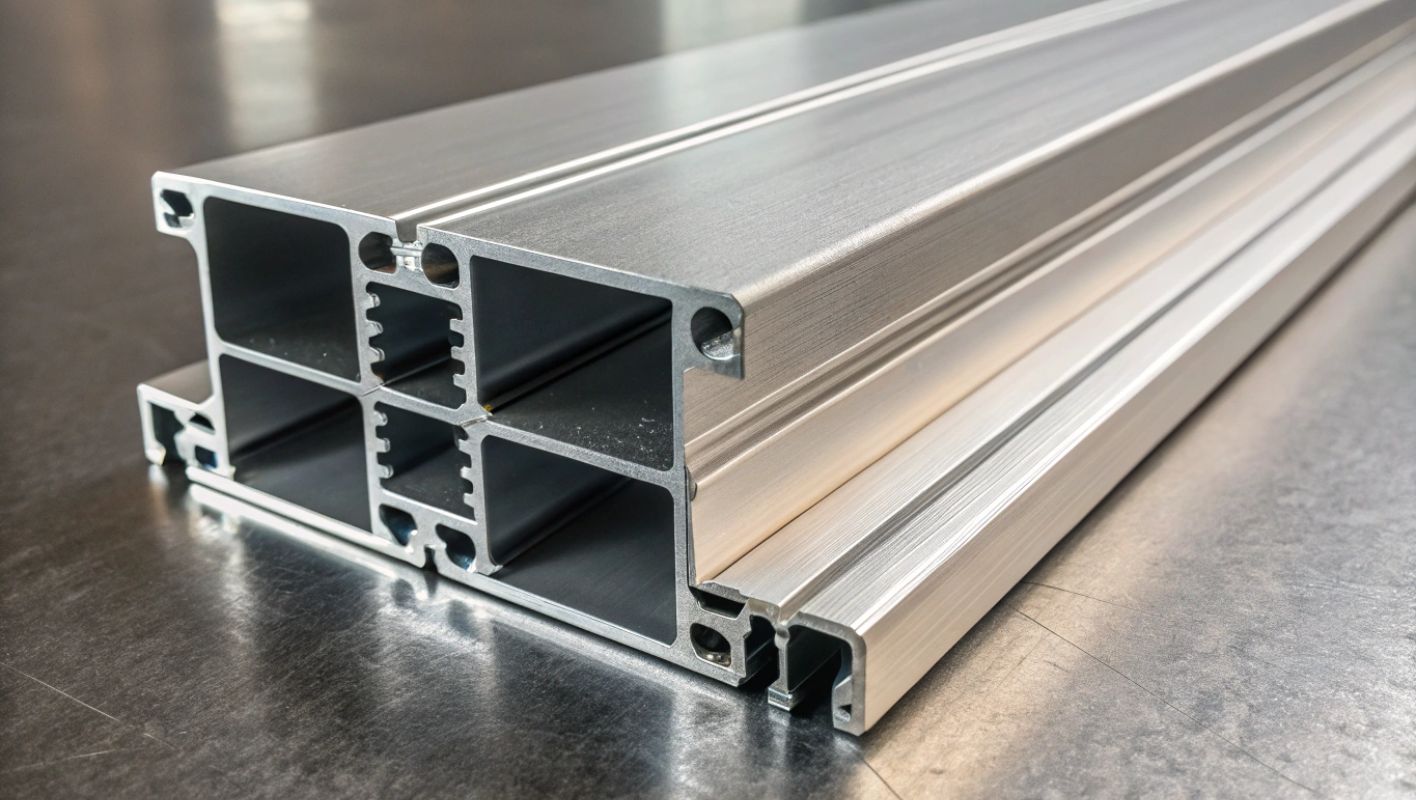
Ever wondered why mill finish aluminum might be the unsung hero in your next big project?
Mill finish aluminum is simply aluminum in its raw, unaltered state after being extruded. It boasts a bright, reflective surface, making it perfect for projects where further treatment like anodizing or painting is intended.
When I first stumbled upon mill finish aluminum, I was struck by its sheer versatility. Think of it as a blank canvas, waiting for your creative touch. Its natural shine and adaptability make it a go-to choice for many metal processing enthusiasts, including myself. Let’s explore what makes this finish so special and see how it stacks up against other options.
Mill finish aluminum has a shiny surface.True
The extrusion process gives mill finish aluminum a shiny, reflective look.
How Do Mill Finish and Anodized Aluminum Stack Up?
When I first dived into the world of aluminum finishes, the choice between mill finish and anodized aluminum felt like navigating a maze.
Mill finish aluminum maintains its raw, natural look and is budget-friendly, while anodized aluminum undergoes a process that boosts corrosion resistance and adds a sleek, protective layer.
Understanding Mill Finish Aluminum
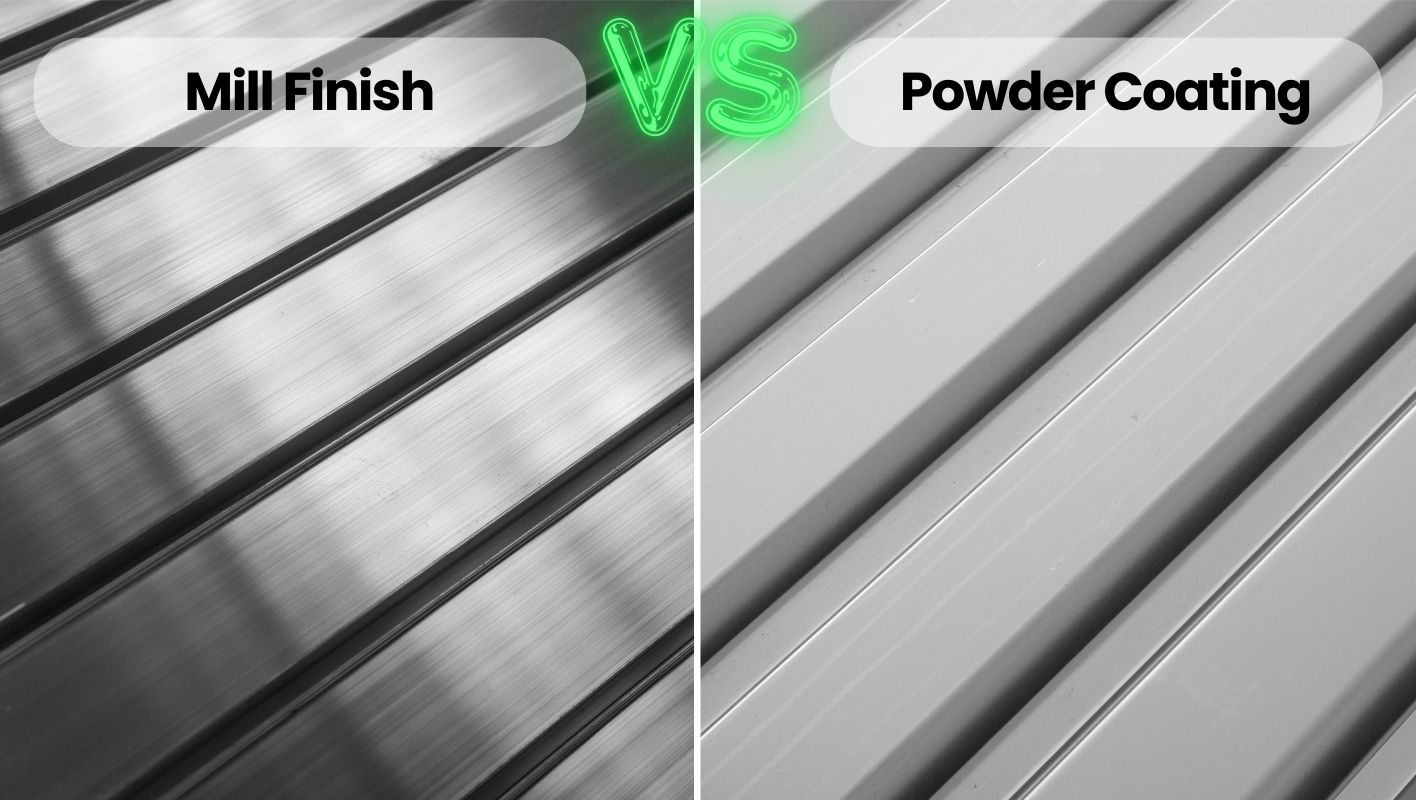
I remember the first time I laid eyes on mill finish aluminum. Its raw, unpolished look was like a blank canvas waiting to be transformed. This finish leaves aluminum in its most natural state after being processed through rolling mills. It’s perfect if you’re drawn to that minimalist, industrial aesthetic.
Key Characteristics:
- Cost-Effectiveness: I found mill finish aluminum to be quite budget-friendly, which can be a huge plus when managing project costs.
- Surface Appearance: Its matte finish with visible mill marks can add a rugged charm, though some might see it as imperfections.
- Maintenance Needs: In my experience, mill finish aluminum needs extra care to avoid corrosion1 and discoloration, especially in harsh conditions.
Exploring Anodized Aluminum
The first time I saw anodized aluminum, I was mesmerized by its vibrant colors and shiny surface. This material undergoes an electrochemical process that not only enhances its look but significantly boosts its performance.
Benefits of Anodizing:
| Property | Mill Finish | Anodized |
|---|---|---|
| Corrosion Resistance | Low | High |
| Color Options | Limited | Extensive |
| Surface Hardness | Standard | Increased |
- Aesthetic Versatility: I love how anodizing allows for a spectrum of colors and finishes, offering endless design possibilities.
- Durability: This finish offers superior protection against corrosion2, making it my go-to for projects exposed to tough environments.
Practical Applications
Both finishes have their unique advantages. Personally, I often lean towards anodized aluminum for projects that demand high durability and a sophisticated look. It’s commonly used in architectural elements, electronic enclosures, and consumer goods.
- Industrial Use Cases: Anodized aluminum is ideal in challenging settings like saltwater environments where corrosion is a concern.
- Eco-Friendliness: It’s also more sustainable due to its longevity and recyclability.
If you’re like me and enjoy diving deeper into these topics, exploring resources about metal finishing processes3 might provide the insights you’re looking for.
Mill finish aluminum is more cost-effective than anodized.True
Mill finish is cheaper due to lack of additional processing.
Anodized aluminum has limited color options compared to mill finish.False
Anodizing offers a wide range of colors and finishes.
What Are the Advantages and Disadvantages of Mill Finish Aluminum?
Picture this: you’re deep into planning your next big project and wondering if mill finish aluminum might be your new best friend. Let’s dive into its perks and pitfalls together!
Mill finish aluminum, with its untouched, raw appearance, is affordable and easy to maintain, making it a lightweight champion in many projects. However, it lacks corrosion resistance and doesn’t always win beauty contests against more polished finishes.
Understanding Mill Finish Aluminum
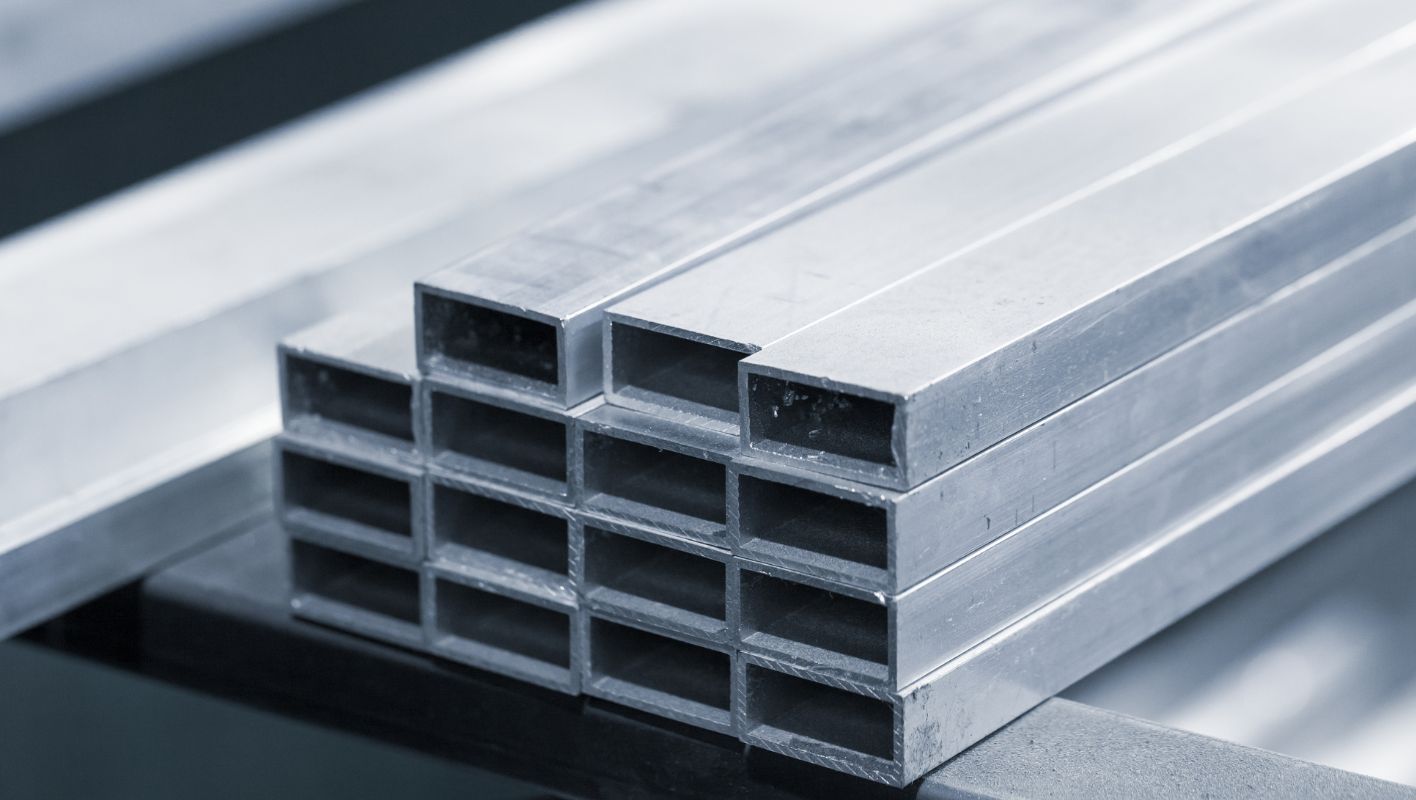
Ever wondered what gives aluminum that down-to-earth look? It’s mill finish aluminum, fresh off the extrusion press, untouched by any extra processing. I remember the first time I encountered it; its simplicity and affordability caught my eye. Plus, it’s light as a feather—perfect for when you’re trying to cut down on weight without compromising strength. And let’s be honest, who doesn’t love something that’s low maintenance?
Advantages of Mill Finish Aluminum
- Cost-Effectiveness: Skipping those extra finishing steps means it’s easier on the wallet. I learned this the hard way on a tight budget project!
- Lightweight: Ever had to lug around heavy materials all day? Mill finish aluminum spares you from that backache, ideal for aerospace or any application where every gram counts.
- Easy Maintenance: No need to worry about coatings chipping away or needing touch-ups. A quick wipe and you’re good to go!
| Advantage | Description |
|---|---|
| Cost-Effective | Avoids extra finishing costs |
| Lightweight | Ideal for transport industry |
| Easy Maintenance | No coating degradation |
Disadvantages of Mill Finish Aluminum
- Lack of Corrosion Resistance: If you’ve ever left it out in the rain, you know it can corrode faster than you’d like.
- Aesthetic Limitations: Let’s face it—sometimes you want something a bit fancier than the raw look.
- Surface Imperfections: It can get scratched or dented easily, which isn’t great if you’re looking for a pristine finish.
Comparing with Other Finishes
When I was trying to figure out the best aluminum finish for my latest project, I found it helpful to compare mill finish with other options like anodized aluminum4 or powder-coated versions:
| Feature | Mill Finish | Anodized | Powder-Coated |
|---|---|---|---|
| Cost | Low | Medium | High |
| Durability | Moderate | High | High |
| Appearance | Natural | Sleek | Customizable |
Knowing these details helps tailor your decision to what really matters for your project, whether it’s sticking to a tight budget or ensuring long-lasting durability. It’s like having a trusty sidekick in your quest for quality manufacturing!
Before you decide, weigh these factors carefully to align your choice with your project’s needs and sustainability goals. In today’s world, eco-friendliness is more important than ever. Sustainable practices5 are not just a trend—they’re becoming a requirement. So, think about how your choice of finish can support or hinder your environmental ambitions.
Mill finish aluminum is more expensive than anodized aluminum.False
Mill finish is less expensive due to skipping additional processes.
Mill finish aluminum is lightweight and easy to maintain.True
It is lightweight and requires minimal upkeep as no coatings degrade.
Can Mill Finish Aluminum Be Painted or Coated?
I remember the first time I held a piece of raw aluminum in my hands. I was fascinated by its potential. But can this mill finish aluminum be transformed with paint or coating? Let’s delve into this question together.
Absolutely, mill finish aluminum can be painted or coated. The key is in the surface preparation and choosing the right coating technique—whether it’s painting, anodizing, or powder coating—to ensure both durability and aesthetic appeal.
Understanding Mill Finish Aluminum
I’ve always found mill finish aluminum intriguing—it’s aluminum in its most natural form, just as it comes out after being extruded or rolled. This untreated state is incredibly versatile and cost-effective, which is why it’s so widely used. But let’s be honest, its raw look and vulnerability to the elements often require additional treatments, especially if you’re aiming for a certain aesthetic or durability in your project.
Surface Preparation Techniques
The first time I had to prepare mill finish aluminum for coating, I realized that getting the surface ready was absolutely crucial. The process begins with a thorough cleaning to remove any dirt, oil, or other contaminants. From personal experience, methods like acid etching6 or degreasing are highly effective. Sanding also helps to create a texture that allows the paint to stick better. Here’s a quick rundown of the benefits of each preparation method:
| Preparation Method | Benefits |
|---|---|
| Acid Etching | Removes impurities effectively |
| Degreasing | Eliminates oils and greases |
| Sanding | Enhances paint adhesion |
Choosing the Right Coating Method
Choosing how to coat the aluminum is where things get exciting. There are several methods available:
- Painting: If you want a splash of color, painting is fantastic. Just make sure to pick a paint that’s formulated for metals so it sticks and lasts.
- Anodizing: This was an eye-opener for me when I first encountered it—an electrochemical process that not only makes the aluminum more resistant to corrosion but also adds a decorative finish. It’s a top choice if you’re in an industry where durability is non-negotiable.
- Powder Coating: The first time I saw powder coating in action, I was impressed by how uniformly it covered the surface. This involves applying a dry powder electrostatically and then curing it with heat, resulting in a thicker and more even finish compared to traditional paint.
Each method has its own perks depending on what you’re trying to achieve.
Technical Considerations for Coating
When you’re considering coating mill finish aluminum, there are a few technical aspects to think about:
- Environmental Conditions: If your project is outdoors, you’ll want coatings that have UV resistance to avoid fading over time.
- Application Methods: Different techniques like spraying or dipping might work better depending on the type of coating you’re using.
- Desired Outcomes: You’ll need to consider things like how glossy you want the finish to be, how long you want the color to last, and the texture.
For deeper dives into technical details and application techniques, you might find exploring surface treatment guidelines7 quite helpful for your project’s needs.
Mill finish aluminum cannot be painted.False
Mill finish aluminum can be painted with proper surface preparation.
Anodizing enhances corrosion resistance of aluminum.True
Anodizing is an electrochemical process that improves durability and appearance.
Is Mill Finish Aluminum Suitable for Outdoor Applications?
Ever wondered if the gleaming, raw surface of mill finish aluminum can handle the great outdoors?
Mill finish aluminum can be used outside, but it needs extra protection to fight off corrosion and harsh weather. Treatments like anodizing or coating can beef up its durability for outdoor adventures.
Understanding Mill Finish Aluminum
I remember when I first stumbled into the world of aluminum processing; it felt like discovering a hidden universe. Mill finish aluminum, in particular, caught my eye with its unpolished charm. It’s aluminum in its most basic form—fresh from the mill, without any bells and whistles. Its silvery sheen is both alluring and deceptive because, while it looks sleek, it’s just as vulnerable as a knight without armor.
Mill finish aluminum is a bit like the vanilla ice cream of the metal world—simple, straightforward, and popular for good reason. It’s economical and lightweight, making it a favorite in industries like automotive and construction. But, much like vanilla ice cream, it lacks the protective toppings needed to withstand the harsh elements outdoors.
| Advantages | Disadvantages |
|---|---|
| Economical | Prone to oxidation and corrosion |
| Lightweight | Lacks aesthetic appeal |
| Easy to fabricate | Susceptible to scratches and dents |
Challenges of Outdoor Use
When I think about using mill finish aluminum outdoors, it feels like sending a kid out into the rain without an umbrella. The weather can be unforgiving—think rainstorms, blazing sun, and relentless wind. Without any treatment, mill finish aluminum is at the mercy of these elements. It tends to rust with moisture’s help, fade under the sun’s relentless gaze, and get scratched by every passing breeze carrying grit.
- Corrosion: Moisture’s best friend accelerates this process.
- UV Damage: Like leaving a postcard out in the sun too long.
- Surface Degradation: Nature’s way of saying "handle with care."
Enhancing Durability for Outdoor Applications
If you’re set on using mill finish aluminum outside, don’t worry—there are ways to armor up your aluminum knight:
- Anodizing: This is like giving your aluminum a superhero shield. It creates a tough layer that resists corrosion and adds aesthetic value8.
- Powder Coating: Think of this as wrapping your aluminum in a colorful protective blanket available in various hues that stands up well against weathering.
- Painting: A basic option that offers some protection but will need touch-ups now and then.
Comparing Mill Finish with Treated Aluminum
Choosing between mill finish and treated aluminum is like deciding whether to dress in layers for a hike or just go out in a t-shirt. It depends on how long you plan to stay outside and what kind of adventure you’re embarking on.
| Aspect | Mill Finish Aluminum | Treated Aluminum |
|---|---|---|
| Corrosion Resistance | Low | High |
| Aesthetic Flexibility | Limited | Extensive |
| Maintenance | High | Low |
In the end, it’s about what your project needs—whether it’s the rugged endurance of treated aluminum or the raw beauty of its mill-finish cousin. For something that’ll last through countless seasons without much fuss, treated options like anodized or powder-coated aluminum are advisable. Dive deeper into enhancing aluminum’s durability9 and make your choice with confidence.
Mill finish aluminum is prone to corrosion outdoors.True
Without protective treatment, mill finish aluminum corrodes easily.
Anodizing does not enhance aluminum's corrosion resistance.False
Anodizing significantly improves aluminum's resistance to corrosion.
Conclusion
Mill finish aluminum is raw, unprocessed aluminum known for its cost-effectiveness and lightweight nature. While versatile, it requires protective treatments for outdoor use due to corrosion susceptibility.
-
This link explains the corrosion susceptibility of untreated aluminum, helping readers understand maintenance challenges. ↩
-
The link offers detailed insights into the anodizing process and its impact on aluminum’s longevity. ↩
-
Explore various finishing techniques that enhance metal durability and aesthetics for diverse applications. ↩
-
Discover how anodized aluminum differs from mill finish and their respective benefits. ↩
-
Explore eco-friendly finishing techniques that align with sustainability goals. ↩
-
Acid etching helps remove surface impurities, enhancing paint adhesion on mill finish aluminum. ↩
-
Explore comprehensive guidelines on various surface treatments to ensure successful application on mill finish aluminum. ↩
-
Discover how powder coating can protect aluminum surfaces from environmental damage. ↩
-
Find methods to enhance aluminum’s resilience in harsh outdoor conditions. ↩






