

I remember the first time I realized how vital material choice is in aerospace engineering.
7075 Aluminum is popular in aerospace applications because of its high strength-to-weight ratio, excellent fatigue resistance, and good corrosion resistance, making it ideal for critical aircraft components.
While the basics of why 7075 Aluminum is favored are clear, understanding the full spectrum of its benefits and how it stacks up against other materials requires a deeper dive into its properties and applications. Let’s explore why this alloy is indispensable in aerospace engineering.
I can vividly recall my early days in the industry, where every conversation with seasoned engineers emphasized the magic of 7075 Aluminum. It was like a rite of passage to understand why this alloy was the go-to choice. Its high strength-to-weight ratio meant we could design components that were both strong and lightweight—essential for something as demanding as aircraft design.
Plus, the fatigue resistance of 7075 Aluminum was another game-changer. We knew that every flight would subject components to a relentless cycle of stress, and having a material that could withstand that was crucial. And let’s not forget corrosion resistance! You can’t have critical components compromised by corrosion when they’re thousands of feet in the air.
Through countless projects, I saw firsthand how this alloy outperformed others, making it an undeniable favorite among engineers who needed reliability and performance. This journey into understanding 7075 Aluminum taught me not just about materials but about pushing the boundaries of what’s possible in aerospace.
7075 Aluminum has a high strength-to-weight ratio.True
7075 Aluminum is renowned for its excellent strength-to-weight ratio, making it ideal for aerospace.
7075 Aluminum is resistant to corrosion in all environments.False
While 7075 Aluminum has good corrosion resistance, it is not resistant in all environments.
Why is the Strength-to-Weight Ratio of 7075 Aluminum So Impressive?
Imagine an aluminum alloy so strong yet light, it transforms the aerospace and automotive worlds. That’s 7075 aluminum for you!
7075 aluminum’s extraordinary strength-to-weight ratio comes from its high zinc content, refined grain structure, and a unique precipitation hardening process, all of which significantly enhance its tensile strength and durability without adding much weight.
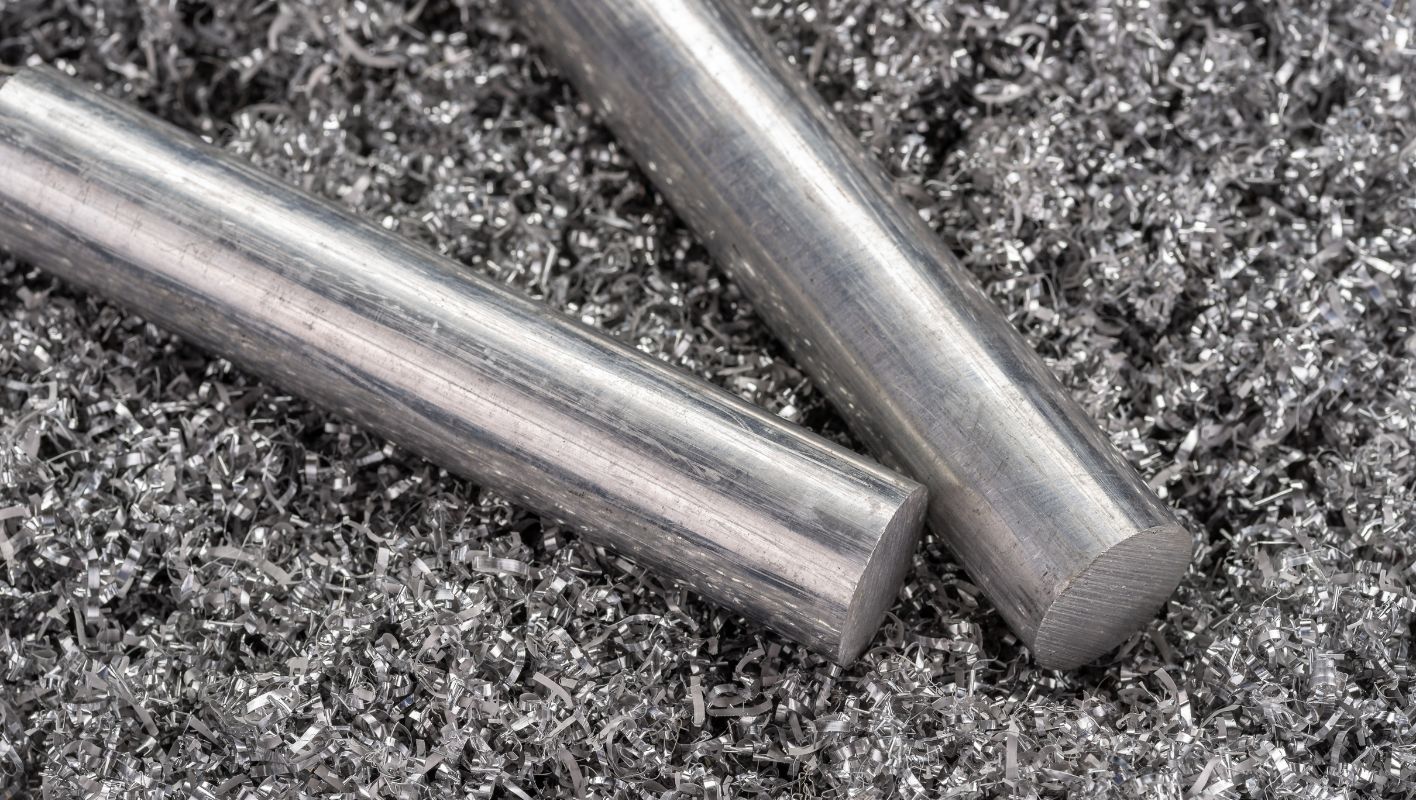
Composition and Metallurgical Advantages
I remember when I first discovered the magic of 7075 aluminum during a project to build lightweight yet sturdy machinery. It’s mostly made of aluminum and zinc1, with zinc comprising 5.6% to 6.1%. This high zinc content is the secret ingredient that boosts its strength. Plus, magnesium and copper are sprinkled in, adding to its hardness and stress resistance.
| Element | Percentage (%) |
|---|---|
| Aluminum | Balance |
| Zinc | 5.6 – 6.1 |
| Magnesium | 2.1 – 2.5 |
| Copper | 1.2 – 2.0 |
Precipitation Hardening Process
The turning point for me was understanding the precipitation hardening process2. Imagine heating the alloy till it’s glowing hot, then cooling it rapidly. This creates a fine grain structure, enhancing its tensile strength and fatigue resistance. It’s like tempering steel but with aluminum!
Comparison with Other Alloys
When I weighed it against other alloys, like 6061, I found that while 7075 offers superior strength, it trades off weldability and corrosion resistance3. It’s perfect for applications where every gram counts, but less so in corrosive environments.
Applications and Benefits in Industry
In the realms of aerospace and automotive, where each gram can make or break efficiency, the strength-to-weight ratio of 7075 aluminum4 is invaluable. I recall a project where switching to this alloy in aircraft structures significantly cut down on weight, boosting fuel efficiency. It’s not just about strength; it’s about smarter design.
Understanding these nuances helps in choosing the right material for specific needs, knowing that while 7075 excels in many areas, it does have its limitations.
7075 aluminum contains 5.6% to 6.1% zinc.True
The high zinc content is crucial for enhancing the alloy's strength.
7075 aluminum is more corrosion-resistant than 6061.False
7075 offers superior strength but has lower corrosion resistance than 6061.
How Does 7075 Aluminum Perform Under Stress and Fatigue?
Ever wondered how 7075 aluminum stands up to stress and fatigue?
7075 aluminum is renowned for its high tensile strength and remarkable fatigue resistance, making it ideal for demanding applications in aerospace and automotive industries.

Understanding 7075 Aluminum Properties
I remember the first time I encountered 7075 aluminum in my career. Back then, I was just starting out, keen to understand why this particular alloy was favored for high-stress applications. Composed mainly of zinc, magnesium, and copper, 7075 aluminum boasts an impressive strength-to-weight ratio. This makes it a go-to choice for aerospace components5 and other demanding uses. With a tensile strength that can reach up to 572 MPa, it’s no wonder engineers trust it for critical tasks.
Stress Performance in 7075 Aluminum
I’ve seen firsthand how 7075 aluminum performs under pressure. Its crystalline structure endows it with the ability to withstand substantial loads without permanent deformation. During my time working on a project involving critical load-bearing components6, choosing 7075 aluminum was a decision that saved us time and enhanced safety. It’s these kinds of qualities that make it indispensable in high-stress environments.
Table: Comparative Tensile Strength
| Alloy Type | Tensile Strength (MPa) |
|---|---|
| 2024 | 470 |
| 6061 | 310 |
| 7075 | 572 |
Fatigue Resistance of 7075 Aluminum
Fatigue resistance is a topic close to my heart, especially after spending countless nights ensuring our designs could withstand repeated use without failing. With 7075 aluminum, its excellent fatigue strength means it performs well over long periods, a critical factor in applications like aircraft wings or suspension systems. However, impurities or surface imperfections can be a challenge, potentially leading to cracks and fatigue failure. This is why employing advanced inspection techniques7 is crucial to monitor these potential issues.
Practical Applications and Considerations
I’ve also learned that while 7075 aluminum excels in many areas, it’s not without its challenges. In humid or corrosive environments, stress-corrosion cracking can occur. We often use protective coatings or anodizing to combat this issue. Knowing the specific load conditions and environment of use is vital when selecting materials.
In one project, we had to decide between using 7075 aluminum, titanium, or carbon fiber. Each material offered unique benefits, but understanding the nuances of each helped us make an informed decision. Working with suppliers who grasp these intricacies can make all the difference. They bring valuable insights into processing techniques that can enhance 7075 aluminum’s performance for any specific project needs. Learn more about processing techniques8 to optimize alloy performance.
7075 aluminum has a tensile strength of 572 MPa.True
7075 aluminum's tensile strength is 572 MPa, higher than many alloys.
7075 aluminum is immune to stress-corrosion cracking.False
7075 aluminum can experience stress-corrosion cracking in humid environments.
What Are the Corrosion Resistance Properties of 7075 Aluminum?
Ever wonder how 7075 Aluminum stands up to the elements? Let’s explore its corrosion resistance and see why it’s a go-to in the aerospace industry.
7075 Aluminum offers moderate corrosion resistance due to its high zinc content. While not as corrosion-resistant as 6061, it performs well when paired with protective coatings or treatments.
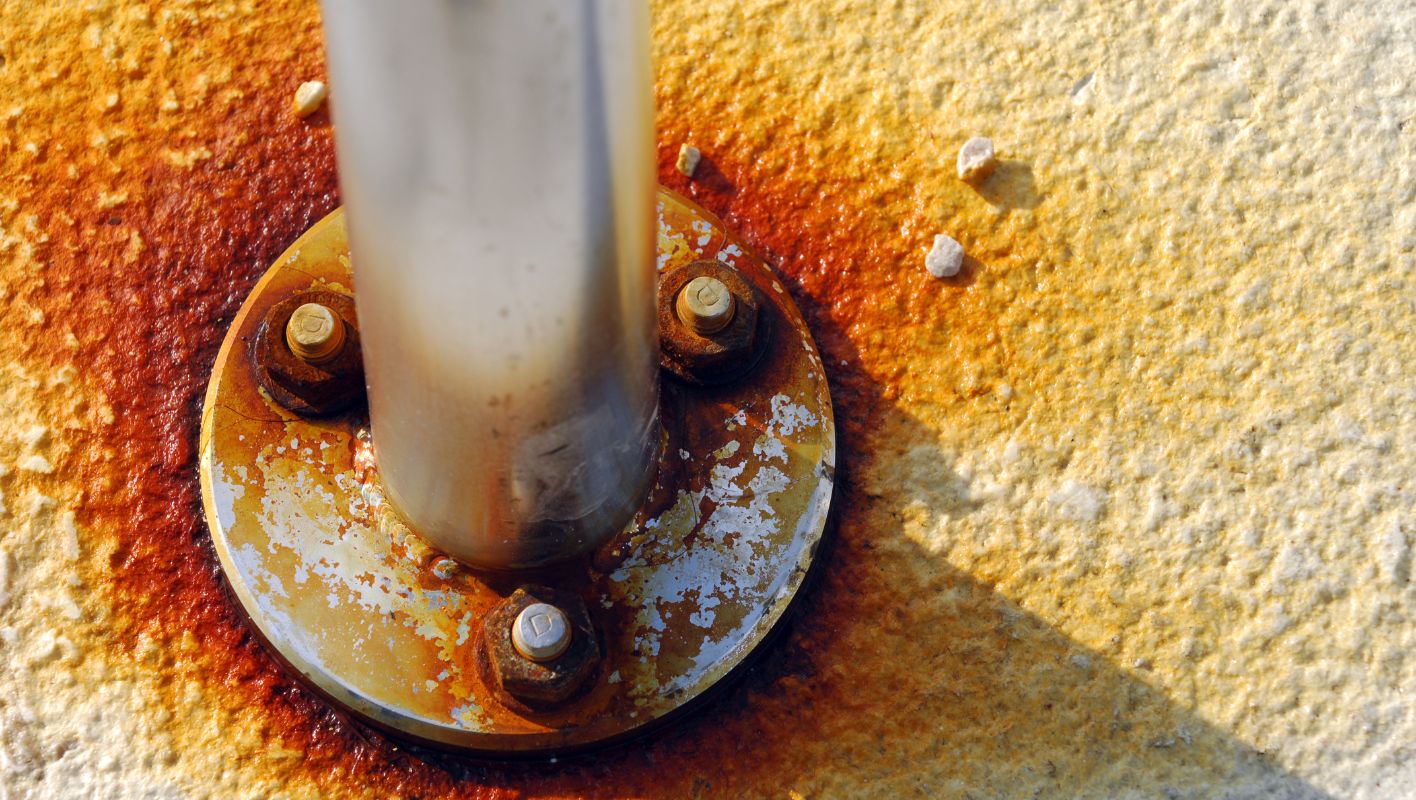
Understanding 7075 Aluminum Composition
Ah, 7075 Aluminum, a name that brings back memories of late-night brainstorming sessions in engineering school. This alloy is like a cocktail mix, where aluminum is the main ingredient, and zinc, magnesium, and copper are the perfect blend of mixers that give it its unique strength. But just like a strong drink can leave you feeling a bit rough the next day, these elements impact how 7075 handles corrosion resistance9.
Comparing 7075 and Other Alloys
I remember the first time I had to choose between different aluminum alloys for a project. It felt a bit like picking a favorite child! Here’s a quick comparison table that might help:
| Alloy | Corrosion Resistance | Main Use |
|---|---|---|
| 7075 | Moderate | Aerospace |
| 6061 | Good | Structural |
| 2024 | Fair | Aircraft |
7075’s strength is comparable to some steels, making it ideal for high-stress environments. But if you’re like me and want to avoid the hassle of frequent maintenance due to corrosion, other alloys like 6061 might be a better fit depending on your environment.
Improving Corrosion Resistance
I’ve learned over the years that a good coating is like sunscreen for metal; it protects and prolongs life. Anodizing is one such method that I’ve seen work wonders on 7075 Aluminum. It increases the surface thickness, kind of like putting on an extra layer of armor against nature’s elements.
Real-World Applications
In the aerospace sector, every gram counts, and I’ve seen firsthand how using 7075 Aluminum can be a game-changer—provided there’s meticulous planning involved. With the right surface treatments, components can endure even the harshest conditions.
For more insights on how to select the right aluminum alloy for your project, exploring further resources can provide detailed comparisons10. Understanding these nuances ensures optimal performance and longevity in your applications.
7075 Aluminum has better corrosion resistance than 6061.False
7075 Aluminum's corrosion resistance is moderate, while 6061 offers good resistance.
Anodizing improves the corrosion resistance of 7075 Aluminum.True
Anodizing increases surface thickness, enhancing protection against environmental elements.
How does 7075 compare to other alloys used in aerospace?
Navigating the vast world of aerospace materials can be daunting, but understanding where 7075 aluminum alloy stands can make all the difference.
7075 aluminum alloy stands out in aerospace for its high strength-to-weight ratio, ideal for load-bearing applications. While it surpasses alloys like 6061 and 2024 in tensile strength and fatigue resistance, it may not excel in machinability and corrosion resistance, highlighting the importance of tailored material choices.

Strength and Weight Considerations
When I first encountered 7075 aluminum, I was amazed by its impressive strength-to-weight11 ratio. It’s like discovering a rare gem that perfectly balances power and agility. This characteristic is precisely why aerospace engineers, including myself, favor it for components that demand both durability and lightness. I remember comparing it to 6061 during a project where versatility and ease of machining were crucial, yet 7075’s superior tensile strength made it the clear choice for those critical load-bearing parts.
| Alloy | Tensile Strength (MPa) | Density (g/cm³) |
|---|---|---|
| 7075 | 572 | 2.81 |
| 6061 | 310 | 2.70 |
| 2024 | 470 | 2.78 |
Fatigue Resistance
In my line of work, fatigue resistance is more than just a technical specification—it’s a lifeline. The resilience of 7075 under cyclic stress means it can handle the constant changes in load that aircraft wings and fuselages experience. I recall a time when we had to choose between 202412 and 707513 for a wing structure. The microstructure of 7075 assured us of its fatigue resistance, and the decision became clear.
Machinability and Corrosion Resistance
However, not everything about 707514 is a walk in the park. Its machinability is a challenge I’ve faced on many occasions, especially when up against the easier-to-work-with 606115. The lower hardness of 6061 means less wear and tear on tools, saving time and costs in manufacturing. Additionally, I’ve learned the hard way that 7075’s corrosion resistance isn’t stellar—surface treatments like anodizing become essential to shield against environmental damage.
Cost Implications
Budget constraints often play a significant role in material selection. The performance perks of 7075 come with a heftier price tag compared to alloys like 6061 and 2024. This premium can sway decisions when balancing costs against benefits, something I’ve had to weigh carefully when managing project budgets.
Application-Specific Uses
Given its properties, I frequently recommend 7075 for high-stress components such as aircraft frames or military-grade equipment. Its application isn’t confined to aerospace; it thrives wherever high-performance materials are demanded.
Weighing these alloys’ trade-offs—including processing requirements and end-use applications—is vital for making informed choices in aerospace design. Through personal experiences, I’ve learned that the right material can make all the difference.
7075 has higher tensile strength than 6061.True
7075 aluminum alloy's tensile strength is 572 MPa, higher than 6061's 310 MPa.
7075 is more corrosion-resistant than 6061.False
7075 has less corrosion resistance compared to 6061, requiring surface treatments.
Conclusion
7075 Aluminum is favored in aerospace for its high strength-to-weight ratio, excellent fatigue resistance, and moderate corrosion resistance, making it ideal for critical components in demanding environments.
-
Explore the detailed breakdown of elements in 7075 aluminum to understand how each contributes to its properties. ↩
-
Learn how precipitation hardening enhances the strength of 7075 aluminum through microstructural changes. ↩
-
Compare the advantages and trade-offs between popular aluminum alloys like 6061 and 7075. ↩
-
Discover why 7075 aluminum is a top choice in aerospace for its balance of strength and weight savings. ↩
-
Discover how 7075 aluminum is utilized in aerospace for its high strength-to-weight ratio. ↩
-
Understand why engineers choose 7075 aluminum for critical load-bearing parts. ↩
-
Learn about advanced inspection methods to ensure material reliability under fatigue. ↩
-
Explore processing techniques that enhance the performance of 7075 aluminum. ↩
-
Understanding which elements influence corrosion resistance helps in selecting suitable alloys for various environments. ↩
-
Gain insights into how different aluminum alloys perform under corrosive conditions for better material selection. ↩
-
Explore why strength-to-weight ratio is pivotal in aerospace applications and how it influences material selection. ↩
-
Discover how fatigue resistance impacts the longevity and safety of aerospace components. ↩
-
Discover how fatigue resistance impacts the longevity and safety of aerospace components. ↩
-
Learn about anodizing processes that enhance corrosion protection for aluminum alloys like 7075. ↩
-
Learn about anodizing processes that enhance corrosion protection for aluminum alloys like 7075. ↩






