
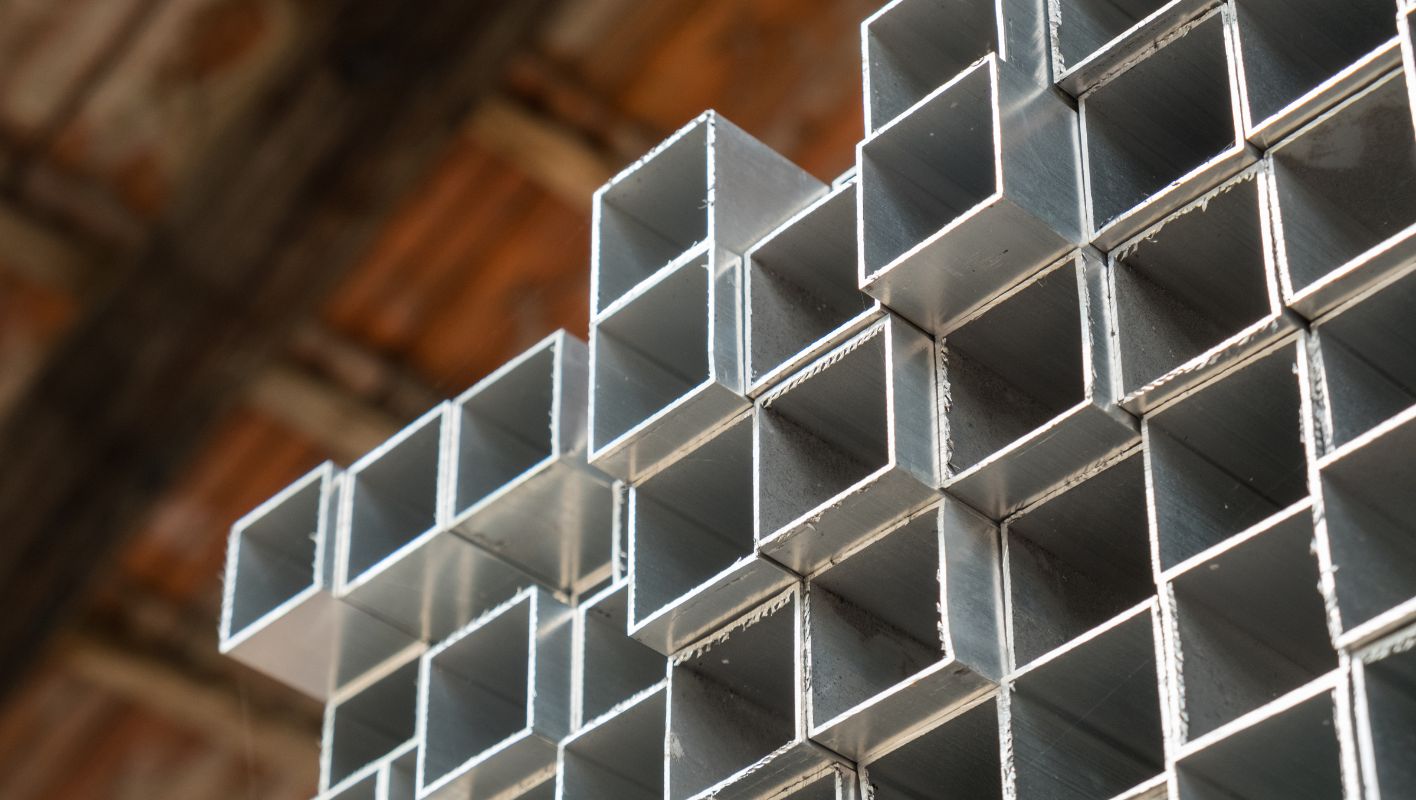
Remember the first time you realized aluminum is more than just foil?
Yes, aluminum is corrosion resistant because it forms a protective oxide layer that shields it from environmental elements. This natural barrier prevents further oxidation, making aluminum a durable choice for applications in harsh environments.
I remember standing in a warehouse, surrounded by sheets of metal, and marveling at how aluminum just seemed to resist the wear and tear of time. It’s fascinating to see how this metal holds its ground against corrosion, unlike many others.
In the sections ahead, let’s delve into how aluminum stacks up against other metals, especially in challenging environments like saltwater, and explore ways to further boost its resilience. It’s like giving your favorite car a fresh coat of wax—always looking for that extra protection.
Aluminum forms a protective oxide layer.True
Aluminum naturally forms an oxide layer that protects it from corrosion.
Aluminum corrodes faster than steel in saltwater.False
Aluminum is more resistant to saltwater corrosion than steel.
How Does Aluminum’s Corrosion Resistance Compare to Steel and Copper?
Ever wondered why some metals last longer in the rain while others rust away? It’s all about their natural defense against corrosion.
Aluminum stands out for its exceptional corrosion resistance due to its protective oxide layer, surpassing steel but generally falling short of copper’s robust patina in many settings.
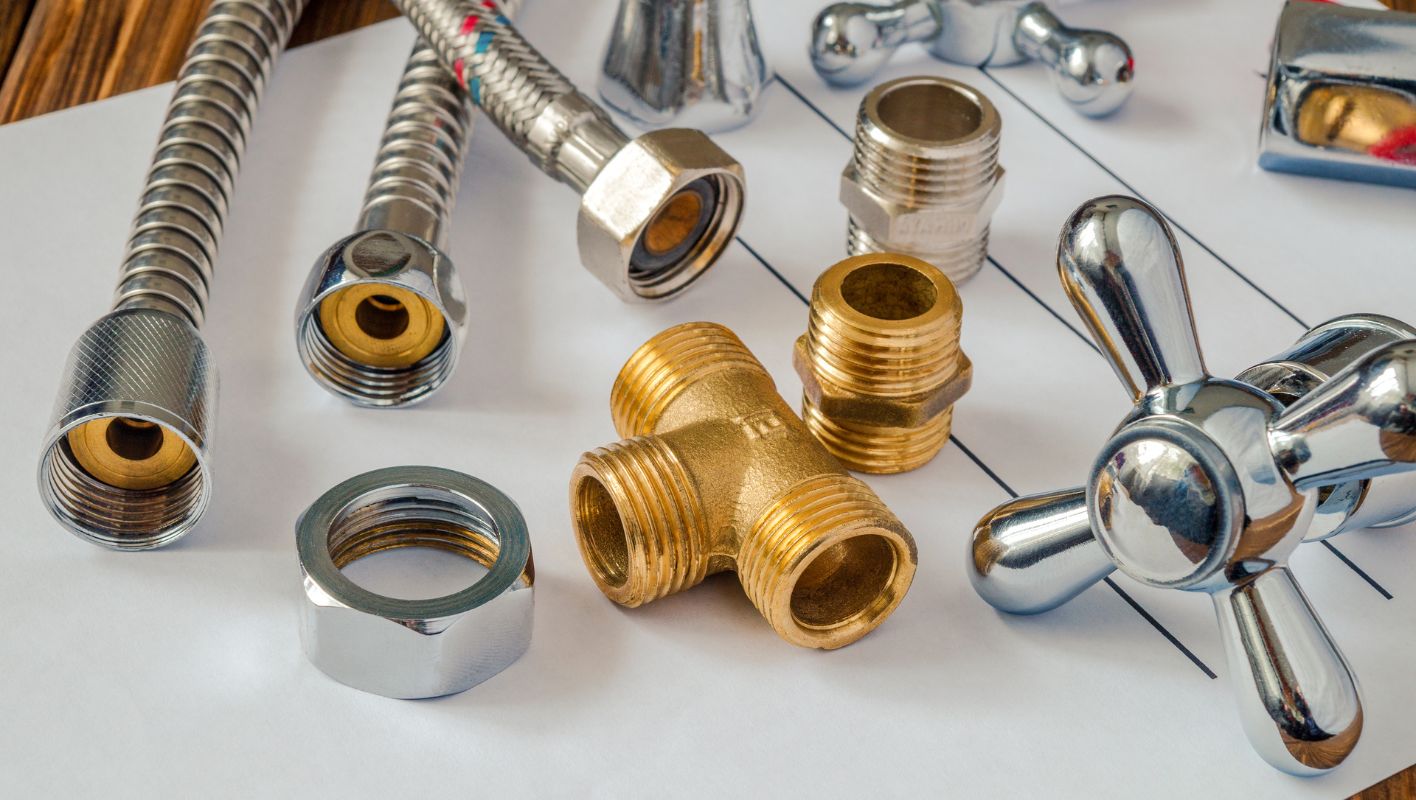
Understanding Corrosion Mechanisms
So, picture this: You’re selecting materials for a project, and you’re faced with the age-old question—aluminum, steel, or copper? Each has its quirks when it comes to handling the elements. I’ve spent countless days in factories and labs, testing and retesting these metals. Let me share what I’ve learned.
Corrosion is like the villain in our metal story. It sneaks in when metals meet moisture or oxygen. Aluminum, though, is a bit of a hero here. It forms an oxide layer, kind of like a superhero cape, that stops further damage offering significant corrosion resistance1. Steel, on the other hand, needs a sidekick—coatings or alloys—to stand a chance against corrosion.
Comparing Environmental Performance
Now, let’s talk environments. Aluminum thrives in places where water is a constant companion due to its passive oxide layer making it perfect for such scenarios. Steel might put up a fight but without its armor (think galvanization), it’s no match for humid or salty air.
Copper is the wise old sage. It develops a patina—nature’s very own shield—that not only looks great but also protects against further corrosion. In certain situations, it’s even more durable than aluminum.
| Metal | Natural Corrosion Protection | Common Environments |
|---|---|---|
| Aluminum | Oxide Layer | Neutral/Alkaline |
| Steel | None (unless treated) | Variable |
| Copper | Patina | Varied |
Application-Based Considerations
For someone like John, a procurement director who’s always on the lookout for the best materials in industries like automotive and aerospace, these distinctions are invaluable. I remember the first time I had to make these decisions—it felt like standing at a crossroads with each path leading to different worlds of possibilities.
Aluminum’s lightweight2 nature and resistance to corrosion make it ideal for aerospace applications—kind of like how we rely on our trusty backpacks for everyday adventures. Steel’s strength can be beneficial for automotive frames when it’s treated right.
And copper? Its ability to withstand coastal or humid environments can justify its cost in those scenarios.
The key is to analyze each metal’s unique properties and match them with the environment they’ll face. By doing so, you can make decisions that not only meet performance needs but also fit your budget perfectly.
Aluminum forms a protective oxide layer.True
Aluminum naturally forms an oxide layer that prevents further oxidation.
Steel naturally resists corrosion without treatment.False
Steel requires coatings or alloys to resist corrosion effectively.
How Does Aluminum React to Saltwater Exposure?
Ever wonder what happens when aluminum meets saltwater? It’s a fascinating dance of chemistry that can lead to some unwanted corrosion. Let’s dive into why this happens and how to keep your aluminum in tip-top shape.
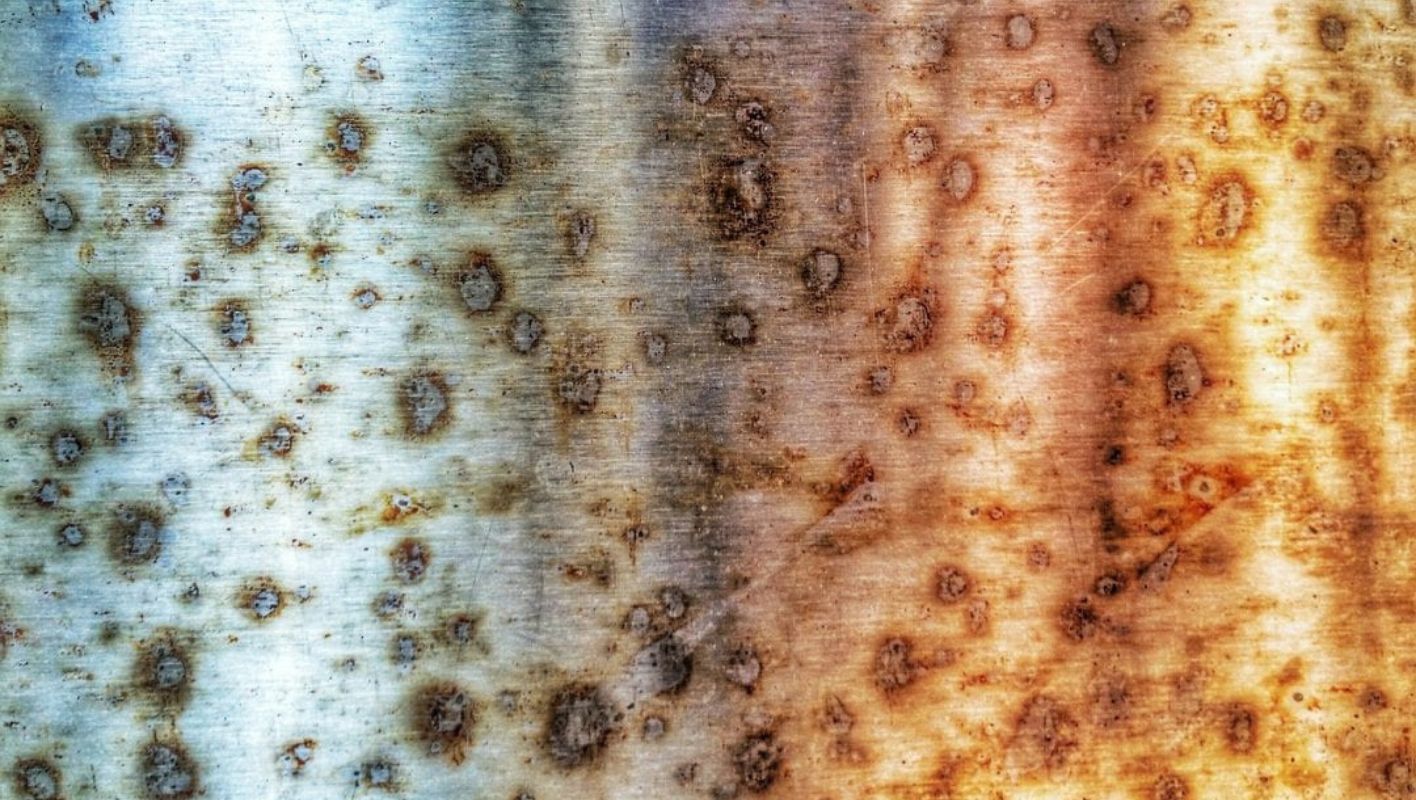
When aluminum meets saltwater, it faces a chemical reaction leading to pitting corrosion. Chloride ions from the saltwater break down the protective oxide layer on aluminum, causing localized damage.
The Science Behind Aluminum Corrosion
Aluminum naturally has a thin oxide layer that shields it from further oxidation, but this shield is no match for saltwater’s chloride ions. These ions pierce through, initiating a process called pitting corrosion—a process that targets small areas, creating deep pits that can compromise an item’s structural integrity3. It’s like watching a slow-motion attack on what seems like an invincible material.
| Factor | Effect on Corrosion |
|---|---|
| Chloride Concentration | Higher concentration accelerates corrosion. |
| Temperature | Higher temperatures increase corrosion rates. |
| pH Level | Extreme pH levels can enhance corrosive activity. |
Protective Measures Against Corrosion
Having learned about these corrosive effects firsthand, I’ve come to appreciate the importance of preventive measures. Coating aluminum with paint or powder creates a barrier against those pesky chloride ions. Additionally, employing anodizing processes can thicken the natural oxide layer to enhance protection.
Regular maintenance is something I can’t stress enough. Imagine rinsing your aluminum surfaces with fresh water as a quick, effective way to combat salt accumulation. Using sacrificial anodes, typically made from zinc, is another brilliant strategy—they’re like decoys, taking the brunt of the corrosive attack instead of the aluminum.
Practical Applications and Considerations
In marine environments, where exposure to saltwater is inevitable, these protective strategies are not just helpful—they’re vital. Think about those sleek aluminum boats gliding over the waves; they rely on anti-corrosive coatings4 and sacrificial anodes to withstand the harsh conditions.
For someone in procurement like John, choosing suppliers who excel in corrosion-resistant treatments is crucial. This ensures aluminum components not only meet rigorous quality standards but also endure the test of time, even when faced with salty challenges.
Understanding these dynamics can significantly aid in making informed decisions about material selection and protection strategies. By taking preventative steps, we can extend the life and durability of aluminum structures in marine settings, ensuring they remain as reliable as ever.
Chloride ions penetrate aluminum's oxide layer in saltwater.True
Chloride ions in saltwater can break down aluminum's protective oxide layer.
Anodizing aluminum decreases its resistance to corrosion.False
Anodizing thickens the oxide layer, enhancing aluminum's corrosion resistance.
Can We Make Aluminum Even More Corrosion-Resistant?
Ah, aluminum! It’s like the unsung hero of metals, balancing strength and weight like a pro. But can we make it even more durable against corrosion? Let’s dive in.
Absolutely! By employing advanced techniques like anodizing, nano-coatings, and alloying with magnesium or silicon, we can significantly boost aluminum’s natural resistance to corrosion, enhancing its durability and longevity in tough conditions.
Understanding Aluminum’s Natural Corrosion Resistance
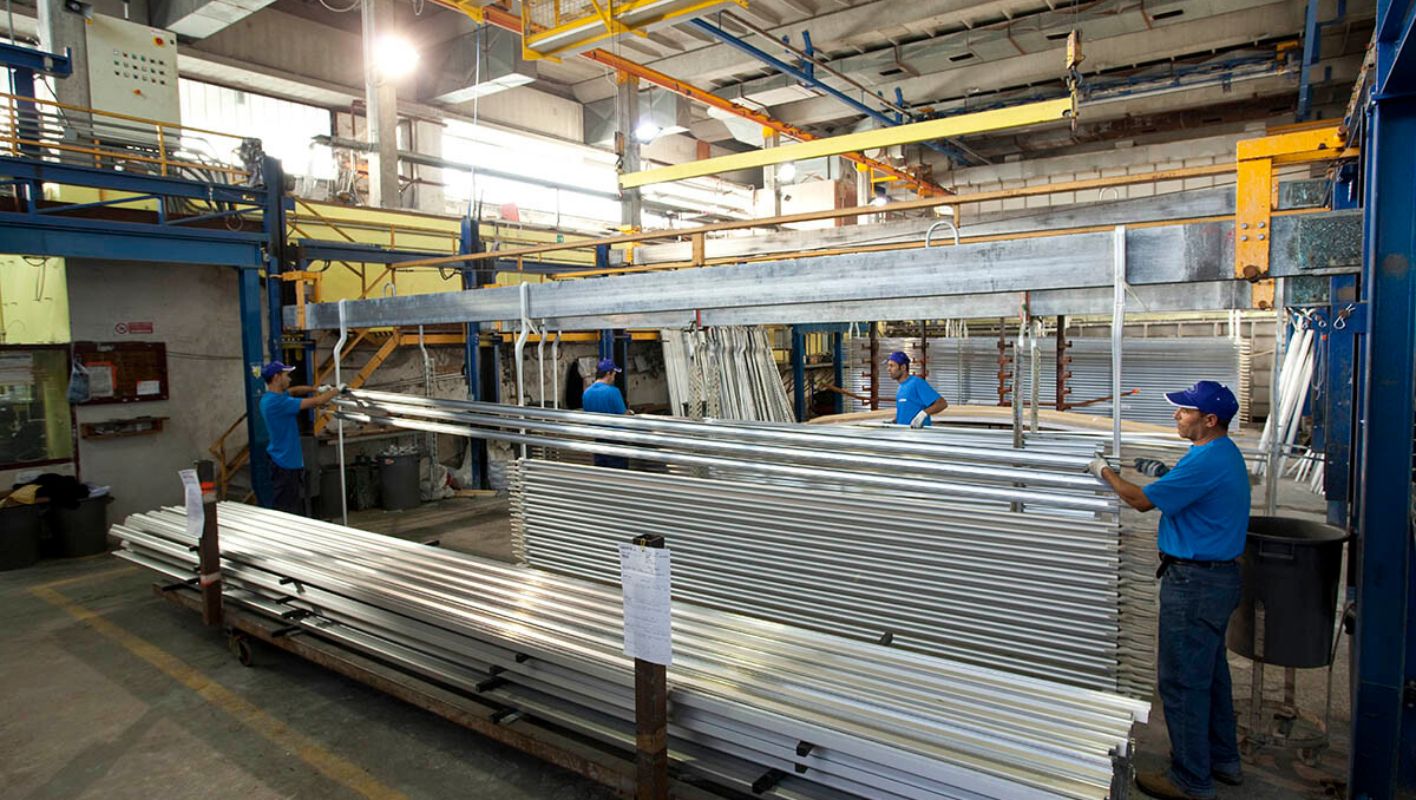
I remember the first time I learned about aluminum’s natural ability to resist corrosion. It was during my early days in the metal processing industry, and I was amazed by how it forms a protective oxide layer when exposed to air. This layer acts like a guardian shield, preventing further oxidation. However, just like any good story, there’s a twist—this defense isn’t foolproof. In harsh environments5 or if the surface gets damaged, that protection can falter.
Advanced Surface Treatments
-
Anodizing: Picture this as giving aluminum a superhero cape. Anodizing thickens the oxide layer through an electrochemical process, not only boosting corrosion resistance but also allowing for color customization and enhanced surface hardness6. This makes it versatile for various uses.
-
Nano-Coatings: These are like high-tech armor for aluminum. Nano-coatings involve applying an ultra-thin barrier that fills in micro-gaps on the metal surface using nano-sized particles. It’s cutting-edge technology that provides superior protection while keeping aluminum lightweight.
| Method | Benefits |
|---|---|
| Anodizing | Increased thickness, color options |
| Nano-Coatings | Ultra-thin, high durability |
Alloying for Improved Performance
I once had a client who was skeptical about alloying until they saw the results firsthand. Combining aluminum with elements like magnesium or silicon significantly enhances its corrosion resistance. These alloys don’t just resist corrosion better; they also bring improved strength and thermal properties to the table, making them perfect for demanding fields like aerospace applications7. The beauty of these alloys is their flexibility—you can tweak them to suit specific industry needs.
Exploring Eco-Friendly Innovations
Sustainability is no longer just a buzzword—it’s a necessity. I’ve seen a shift in the industry towards eco-friendly processes, which is both inspiring and crucial. New methods are being developed that not only improve corrosion resistance but also focus on environmental impact. For instance, recycling-enhanced alloys8 use recycled materials, aligning with modern sustainability standards and meeting consumers’ growing expectations for eco-friendly products.
Anodizing aluminum increases its corrosion resistance.True
Anodizing thickens the oxide layer, enhancing protection against corrosion.
Nano-coatings add significant weight to aluminum surfaces.False
Nano-coatings are ultra-thin, maintaining aluminum's lightweight properties.
How Can You Best Prevent Aluminum Corrosion?
Ever felt frustrated seeing your aluminum fixtures losing their shine? I’ve been there, too. Knowing how to protect them can save you a lot of hassle and money.
To prevent aluminum corrosion, I recommend applying protective coatings like anodizing, using corrosion inhibitors, and ensuring good drainage in your design. Regular maintenance and cleaning are also crucial to keeping aluminum surfaces pristine against environmental wear.
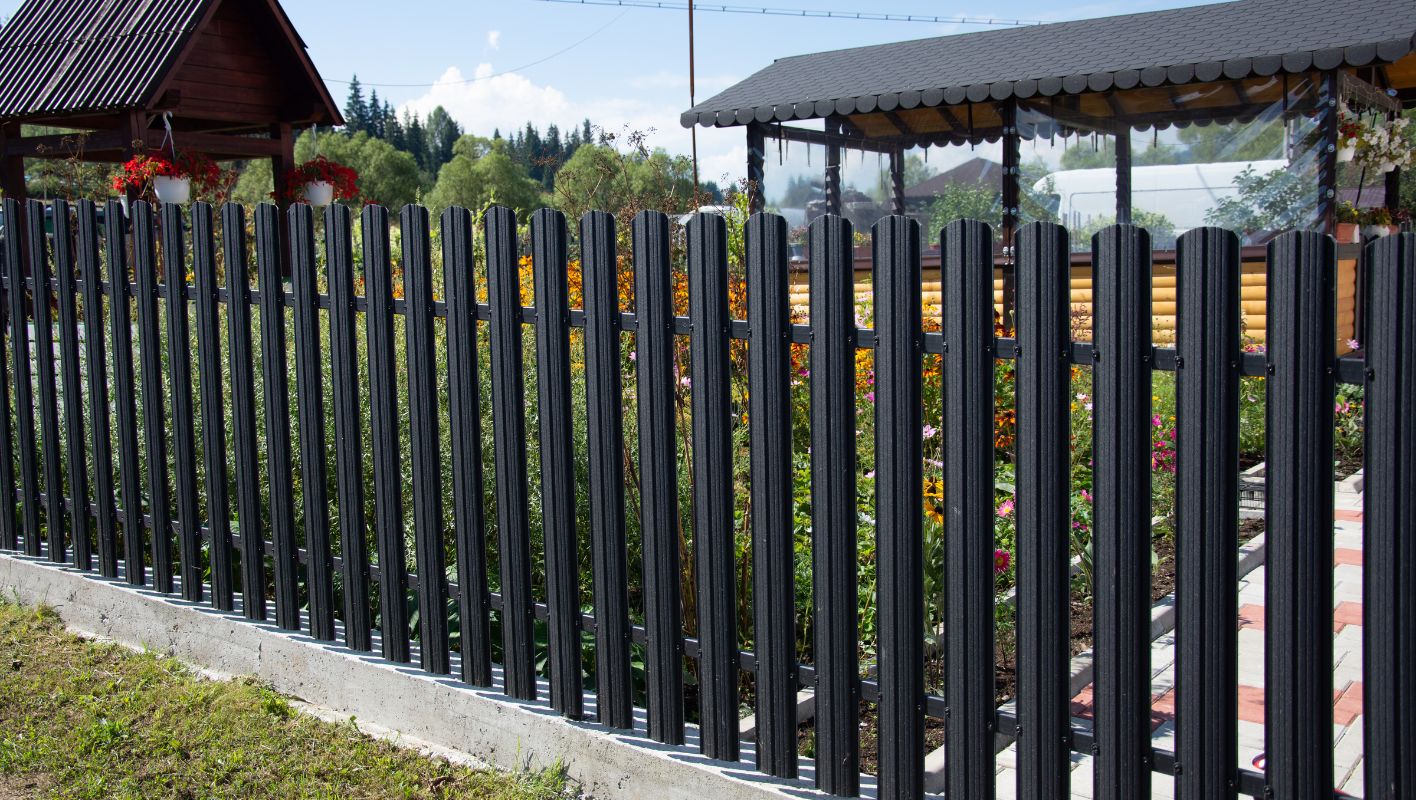
The Importance of Protective Coatings
I remember the first time I learned about anodizing; it was like discovering a secret weapon. This process is a game-changer because it thickens the aluminum’s natural oxide layer, making it tough as nails against wear and tear. Anodized aluminum offers increased9 durability and is perfect for those harsh environments where beauty meets beastliness. And if you’re looking to maintain that sleek aesthetic without sacrificing protection, powder coating might be your best bet.
| Coating Type | Key Benefits |
|---|---|
| Anodizing | Enhances durability and aesthetics |
| Powder Coating | Versatile and eco-friendly |
Utilizing Corrosion Inhibitors
I once worked on a project where corrosion inhibitors were our saving grace. These chemicals slow down the corrosion process significantly and can be applied as a pretreatment before painting or coating. They form a thin, invisible film on the aluminum that shields it from environmental threats. In critical industries like aerospace, this kind of protection isn’t just nice to have—it’s essential to safety.
Designing for Drainage
Funny enough, I learned the hard way that design can make or break your corrosion prevention strategy. Ensuring proper drainage in your design prevents water from sitting and causing rust. It’s like giving water a way out instead of letting it crash the party uninvited. This should definitely be on the radar when planning any aluminum-based structures.
Regular Maintenance and Cleaning
You might think regular maintenance is just common sense, but it’s amazing how often it’s overlooked. Simple things like cleaning your aluminum surfaces regularly can prevent contaminants from speeding up corrosion. Trust me, using the right cleaning agents and methods can keep your aluminum looking as good as new for years to come.
By weaving these practices into your routine, you can protect your aluminum investments and keep them shining bright well into the future.
Anodizing increases aluminum's resistance to corrosion.True
Anodizing thickens the oxide layer, enhancing durability and corrosion resistance.
Powder coating compromises aluminum's aesthetic appeal.False
Powder coating provides protection without affecting aesthetic quality.
Conclusion
Aluminum is corrosion resistant due to its protective oxide layer, making it ideal for harsh environments. Advanced treatments like anodizing enhance its durability against corrosion.
-
Explore in-depth comparisons of aluminum and steel’s corrosion resistance to understand their applications better. ↩
-
Learn why aluminum is preferred in aerospace due to its corrosion resistance and weight advantages. ↩
-
Learn about the impact of pitting corrosion on aluminum’s structural integrity. ↩
-
Explore effective anti-corrosive coatings to protect aluminum boats from saltwater damage. ↩
-
Explore how aluminum’s natural corrosion resistance holds up against extreme conditions. ↩
-
Discover the advantages of anodizing for enhanced durability and customization. ↩
-
Learn about the specific alloys that offer superior performance in aerospace applications. ↩
-
Find out how recycled materials contribute to sustainable aluminum production. ↩
-
Learn how anodizing not only protects aluminum but also enhances its appearance and resistance to wear. ↩






