
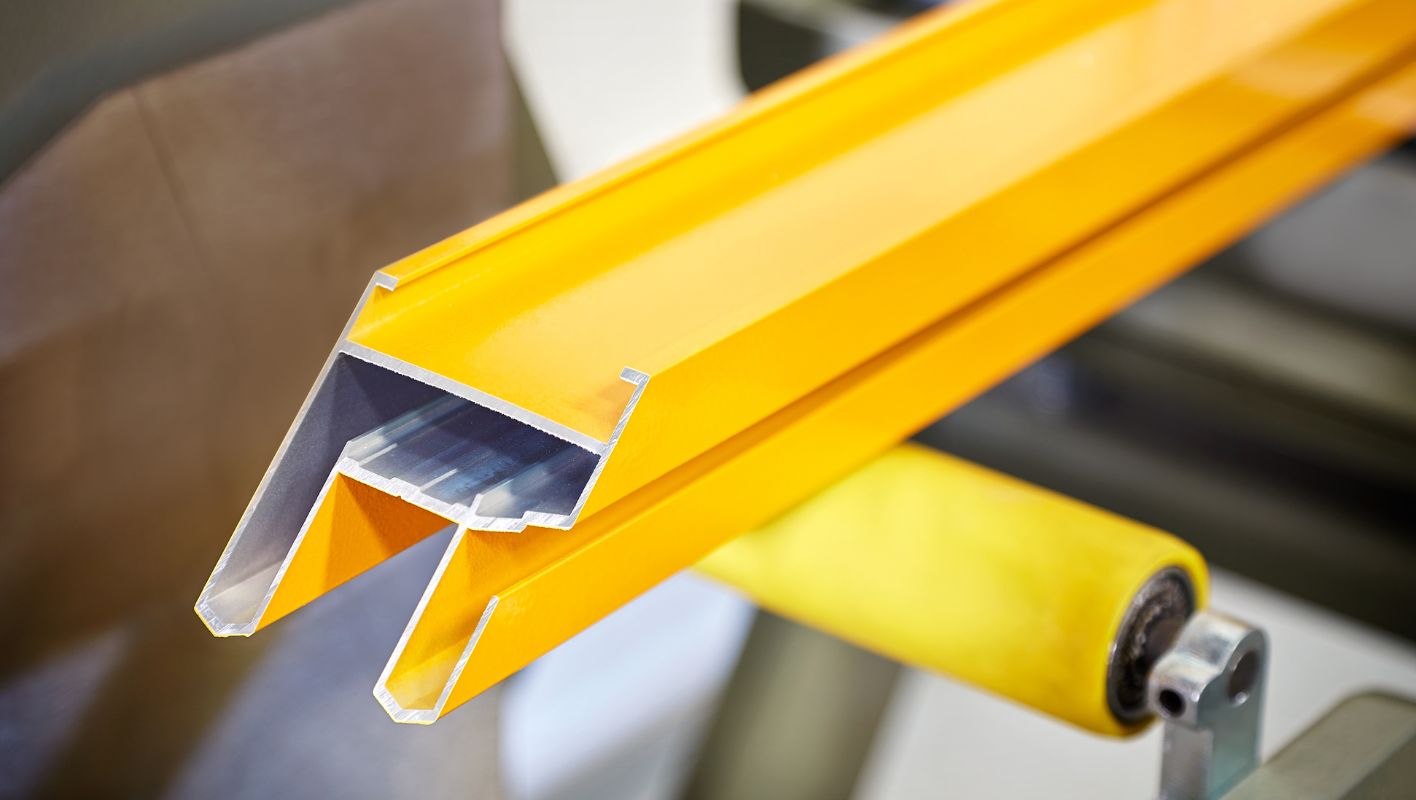
Choosing the right finish for aluminum profiles is like picking the perfect suit—it’s about looks and longevity.
Liquid paint stands out for aluminum profiles because of its diverse color options and ease of application, especially in smaller batches. It offers a sleek, uniform finish that elevates the look of aluminum products.
But is liquid paint truly the best fit for your project? Let’s delve into how it stacks up against other finishes, weighing its perks and potential pitfalls, so you can make a choice that perfectly suits your needs.
From my own experience in metal processing, I’ve seen how a well-chosen finish can transform a project. Whether it’s the vibrant hues that catch the eye or the smooth surface that feels just right to the touch, the right finish does more than just coat—it completes. Liquid paint has its strengths, but there are other contenders worth considering. Let’s explore them together.
Liquid paint is ideal for small-batch aluminum productions.True
Liquid paint is easy to apply and flexible in color options for small batches.
Liquid paint offers the best durability for aluminum profiles.False
Powder coating generally provides better durability than liquid paint.
Why Choose Liquid Paint for Aluminum Surfaces?
Imagine your aluminum project gleaming with the perfect finish, all thanks to liquid paint.
Liquid paint on aluminum offers a flawless finish, vibrant color choices, and remarkable durability. It adheres excellently to aluminum, adapts to its shape, and withstands environmental challenges, making it ideal for both complex designs and large surfaces.
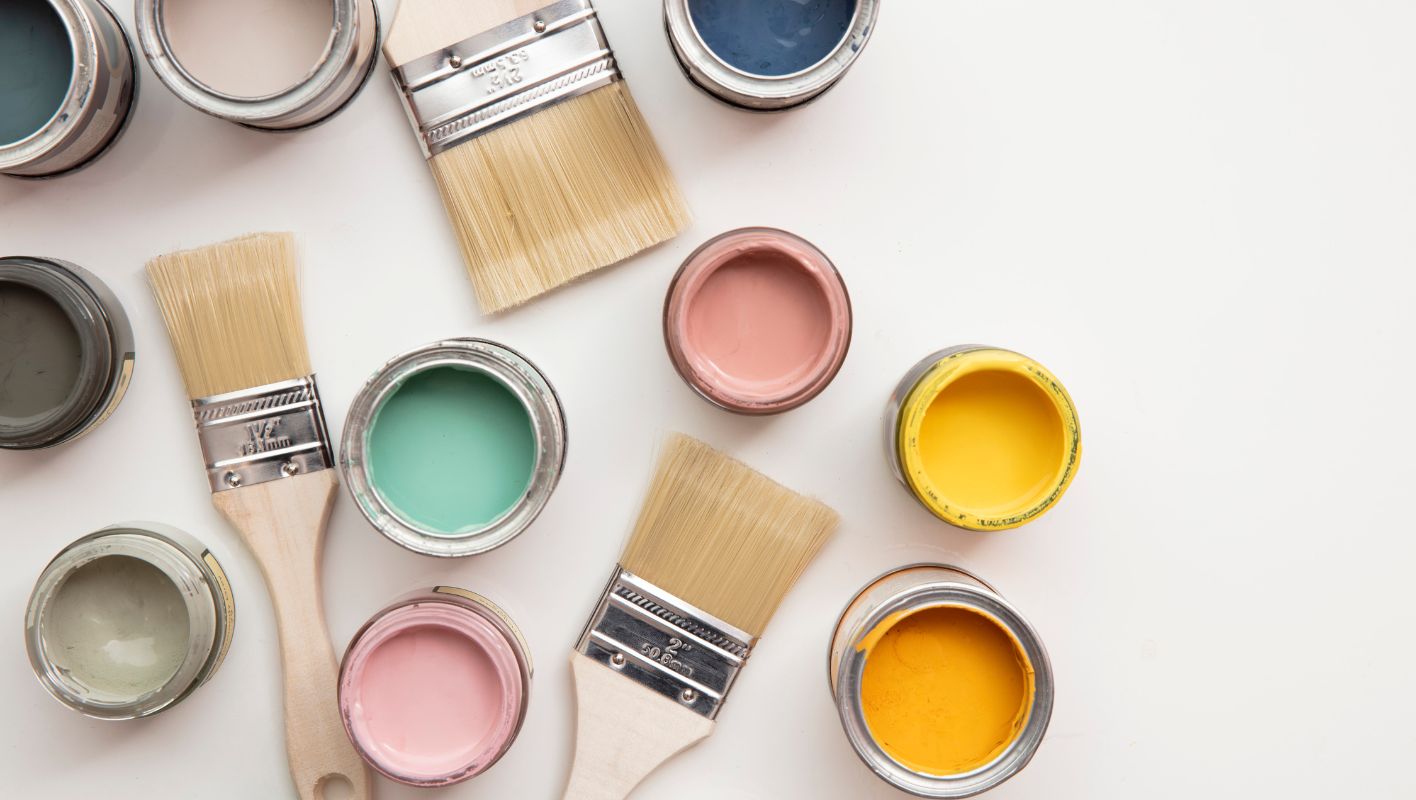
Superior Surface Finish
I remember the first time I used liquid paint on an aluminum project. I was amazed by how effortlessly it transformed the surface into a sleek, polished masterpiece. Unlike powder coating1, which often feels a bit thick and uneven, liquid paint provided such a precise, even layer that it seemed to whisper elegance.
Extensive Color Options
There was this one project where the client wanted a very specific shade of blue—a color that was nowhere to be found in any powder coating catalog. Thankfully, liquid paint came to the rescue! With its vast array of colors and finishes ranging from matte to a high-gloss shine, I was able to match the client’s vision perfectly. It’s this kind of versatility that makes liquid paint a game-changer for anyone who values customization and brand identity2.
Excellent Adhesion and Flexibility
Aluminum can be tricky because of its tendency to oxidize, but liquid paint has never let me down. Its adhesive qualities are top-notch, ensuring it stays put even under demanding conditions. Plus, its flexibility means it moves with the metal—expanding and contracting without cracking or peeling. This makes it a reliable choice for projects that need to withstand the test of time.
| Feature | Liquid Paint | Powder Coating |
|---|---|---|
| Surface Finish | Smooth & Even | Thicker/ Textured |
| Color Variety | Extensive | Limited |
| Adhesion | Excellent | Good |
| Flexibility | High | Moderate |
Ideal for Complex Shapes
I’ll never forget working on an aerospace project3 where the parts had intricate curves and deep recesses. Liquid paint was my secret weapon. Its application process easily navigated the tightest angles, ensuring every corner was coated perfectly. In industries like aerospace engineering, where precision is key, liquid paint truly shines.
High Aesthetic Appeal
Aside from protecting aluminum surfaces, liquid paint elevates their aesthetic appeal to new heights. Whether you’re looking at high-gloss finishes or subtle matte tones, the visual impact is undeniable. I’ve seen luxury items and consumer goods alike get a significant aesthetic boost from liquid paint, turning ordinary products into something extraordinary.
Liquid paint provides a smoother finish than powder coating.True
Liquid paint delivers a smooth, even finish unlike the thicker texture of powder.
Powder coating offers more color options than liquid paint.False
Liquid paint offers extensive color choices, while powder coating is limited.
How do liquid paint and powder coating differ for aluminum profiles?
I remember standing in the middle of my workshop, torn between the vibrant allure of liquid paint and the robust promise of powder coating for my aluminum profiles.
Liquid paint dazzles with its extensive color range and intricate finishes but involves solvents, while powder coating offers a durable, eco-friendly finish with fewer color options. Choosing between them depends on your aluminum profile needs and priorities.
Durability and Performance
One of my early projects involved aluminum profiles that had to withstand harsh conditions, and that’s when I discovered the unrivaled durability of powder coating. It resists chipping, scratching, and corrosion like a champ, making it perfect for tough environments. On the flip side, liquid paint tends to wear over time but can be touched up more easily, which saved me during a last-minute showcase when I needed everything to look pristine.
| Aspect | Liquid Paint | Powder Coating |
|---|---|---|
| Durability | Easier to chip and scratch | Highly resistant to damage |
Application Methods
Applying liquid paint feels like art to me. Using spray guns, I can create detailed designs with multiple layers. It’s intricate work that allows for creativity and customization4, just like painting a canvas. Powder coating, however, is a different beast—it’s all about efficiency and resilience. The electrostatic application of dry powder followed by heat curing creates a thick, uniform layer that can weather any storm.
| Aspect | Liquid Paint | Powder Coating |
|---|---|---|
| Application | Spray guns, multiple layers | Electrostatic application |
Environmental Impact
If you’re like me and have an eye on sustainability, powder coating might be your go-to. It releases fewer volatile organic compounds (VOCs) than liquid paint, which relies heavily on solvents that contribute to air pollution. I’ve found that eco-conscious clients often lean towards powder coating for this reason alone.
Cost Considerations
I’ll never forget the initial sticker shock when I first looked into powder coating equipment—it can be quite an investment. But in the long run, its durability often means lower costs due to reduced need for reapplications. Liquid paint might be easier on the wallet initially but frequent touch-ups can add up over time.
In the end, your choice between these two options will hinge on what you value most: the artistic freedom of liquid paint or the hard-wearing nature and environmental perks of powder coating. Consider your project requirements from desired finish5 to eco-friendliness and budget constraints to make an informed decision.
Powder coating is more durable than liquid paint.True
Powder coating resists chipping and scratching better than liquid paint.
Liquid paint emits fewer VOCs than powder coating.False
Liquid paint emits more VOCs due to its solvent-based application.
What Factors Should You Consider When Choosing a Finish for Aluminum?
Choosing the right aluminum finish can feel like picking a suit for a big event—it’s all about finding the perfect blend of style and practicality.
When choosing an aluminum finish, consider application needs, aesthetic appeal, cost, durability, and maintenance. Options like anodizing, powder coating, and painting each offer unique benefits based on your specific requirements.
Evaluating Application Needs
Imagine this: You’re planning to use aluminum for an outdoor sculpture in your garden. The last thing you want is for your masterpiece to lose its charm due to rust or weather damage. That’s why the finish you choose must provide excellent corrosion resistance6. Personally, I’ve found anodizing to be a reliable choice for such projects. It’s like giving your aluminum a weatherproof jacket that stays stylish through all seasons.
Aesthetic Appeal and Customization
Let’s say you’re designing a flashy new gadget. The look and feel of the aluminum can make or break the first impression. I remember working on a project where we used powder coating7 to achieve these vibrant colors that caught everyone’s eye. It was like turning a plain canvas into a masterpiece with just the right splash of color.
| Finish Type | Aesthetic Options | Common Applications |
|---|---|---|
| Anodizing | Matte, Glossy | Aerospace, Architecture |
| Powder Coating | Various Colors, Textures | Automotive, Consumer Goods |
| Painting | Glossy, Matte | Industrial, Consumer Products |
Cost Considerations
Budget is always on my mind when making these decisions. I’ve been in situations where painting seemed the cost-effective route initially, but the frequent touch-ups later made me wish I’d chosen differently. It’s crucial to weigh the long-term costs8 against the initial savings.
Durability and Maintenance
Durability can be a deal-breaker, especially if you’re dealing with high-wear environments. For instance, anodized finishes have impressed me with their resilience, resisting scratches like a warrior in battle. However, I’ve seen cases where electroplating9 offered additional protection with its thicker layers, proving invaluable for certain applications.
Sustainability Impact
With our planet’s health at stake, choosing sustainable options is more important than ever. I always feel better knowing that some anodizing techniques are kinder to our environment. In my journey, I’ve prioritized suppliers who engage in sustainable practices10, because every little effort counts towards a greener future.
Anodizing provides superior corrosion resistance for outdoor use.True
Anodizing is robust against environmental conditions, ideal for outdoors.
Painting aluminum is more expensive than powder coating.False
Painting is generally less expensive but may need more touch-ups.
How Do Finishes Affect the Durability and Appearance of Aluminum Products?
When I first dove into the world of metal finishing, I was amazed at how the right finish could transform aluminum from plain to powerful.
Aluminum finishes not only enhance durability by providing corrosion protection but also elevate the material’s aesthetic appeal and functionality with scratch resistance. Common finishes like anodizing, powder coating, and plating each offer unique benefits and limitations.
Anodizing: A Protective Layer
I remember the first time I witnessed the magic of anodizing. It was during a factory visit, where I saw dull gray sheets of aluminum transformed into vibrant, colorful panels. This process, called anodizing, isn’t just about looks—it’s a whole protective layer added to the metal.
Anodizing thickens the natural oxide layer on aluminum, boosting its resistance to corrosion and wear. Seeing those panels reminded me of how anodizing is perfect for both protecting and prettifying aluminum products. But it’s not just about aesthetics—it’s also about practicality and durability.
| Benefits | Drawbacks |
|---|---|
| Increased corrosion resistance | Limited to certain colors |
| Enhanced wear resistance | Can be costly |
| Aesthetic versatility | Not suitable for all alloys |
The anodizing process11 can be tailored to create vibrant colors and durable surfaces, making it ideal for both functional and decorative applications.
Powder Coating: Versatility in Color
Then there’s powder coating. I’ve seen powder-coated aluminum furniture withstand harsh outdoor conditions without losing its charm. Powder coating applies a dry powder to the surface, which is then heated to form a protective layer. It’s like giving your aluminum a suit of armor that’s tough against chips and scratches.
- Advantages: Provides a thick, uniform coating resistant to chipping and scratching.
- Limitations: May not achieve as fine details as liquid paint finishes.
Explore the benefits of powder coating12 for applications requiring a robust and visually appealing finish.
Plating: Adding Functional Layers
And let’s not forget plating, an old favorite of mine when it comes to adding functionality. Whether it’s nickel for electrical components or chrome for sleek automotive parts, plating adds another metal layer to aluminum, improving conductivity and corrosion resistance.
| Type of Plating | Typical Uses |
|---|---|
| Nickel Plating | Electrical components |
| Chrome Plating | Automotive parts |
| Gold Plating | Electronic connectors |
Learn more about the different plating techniques13 to understand their specific benefits and applications.
Comparing Finishes
When deciding on an aluminum finish, I always consider the environment it will be used in, the look I want to achieve, and any additional functional requirements. These choices directly impact durability and appearance.
Each finishing technique is like a different chapter in a book, each with its own unique story and impact on aluminum’s life and look. Understanding these differences helps me choose the right finish for my projects, ensuring they stand up to the elements while looking their best. By weighing these factors carefully, I can ensure that my finished products are both durable and visually stunning.
| Finish | Durability | Appearance | Applications |
|---|---|---|---|
| Anodizing | High | Customizable | Architectural, consumer goods |
| Powder Coating | Medium to High | Extensive | Outdoor furniture, appliances |
| Plating | High | Glossy | Electronics, automotive |
Each finishing technique offers unique advantages impacting both durability14 and appearance differently.
Anodizing enhances aluminum's corrosion resistance.True
Anodizing thickens the oxide layer, improving corrosion resistance.
Powder coating offers more color options than anodizing.True
Powder coating provides extensive color versatility compared to anodizing.
Conclusion
Liquid paint offers a sleek finish and vibrant colors for aluminum profiles, but its durability is less than powder coating. Consider application needs, aesthetics, and cost when choosing.
-
Understand the distinct characteristics of each coating method to make informed decisions. ↩
-
Explore the wide range of color possibilities to match your specific design needs. ↩
-
Discover why liquid paint is favored in industries requiring precision. ↩
-
Explore how liquid paint allows intricate designs on aluminum profiles, enhancing aesthetic appeal. ↩
-
Learn how different project needs influence the choice between liquid paint and powder coating. ↩
-
Learn about finishes offering maximum corrosion protection for aluminum to enhance durability. ↩
-
Explore why powder coating is favored for vibrant color options and its benefits over other finishes. ↩
-
Understand the financial implications of different aluminum finishes over time. ↩
-
Discover how electroplating can provide durability advantages for specific applications. ↩
-
Find out which finishing processes minimize environmental impact while maintaining quality. ↩
-
Explore how anodizing enhances aluminum’s durability and color options. ↩
-
Discover why powder coating is favored for its robust finish. ↩
-
Understand various plating methods to enhance aluminum surfaces. ↩
-
Gain insights into how finishes extend aluminum product life. ↩






