
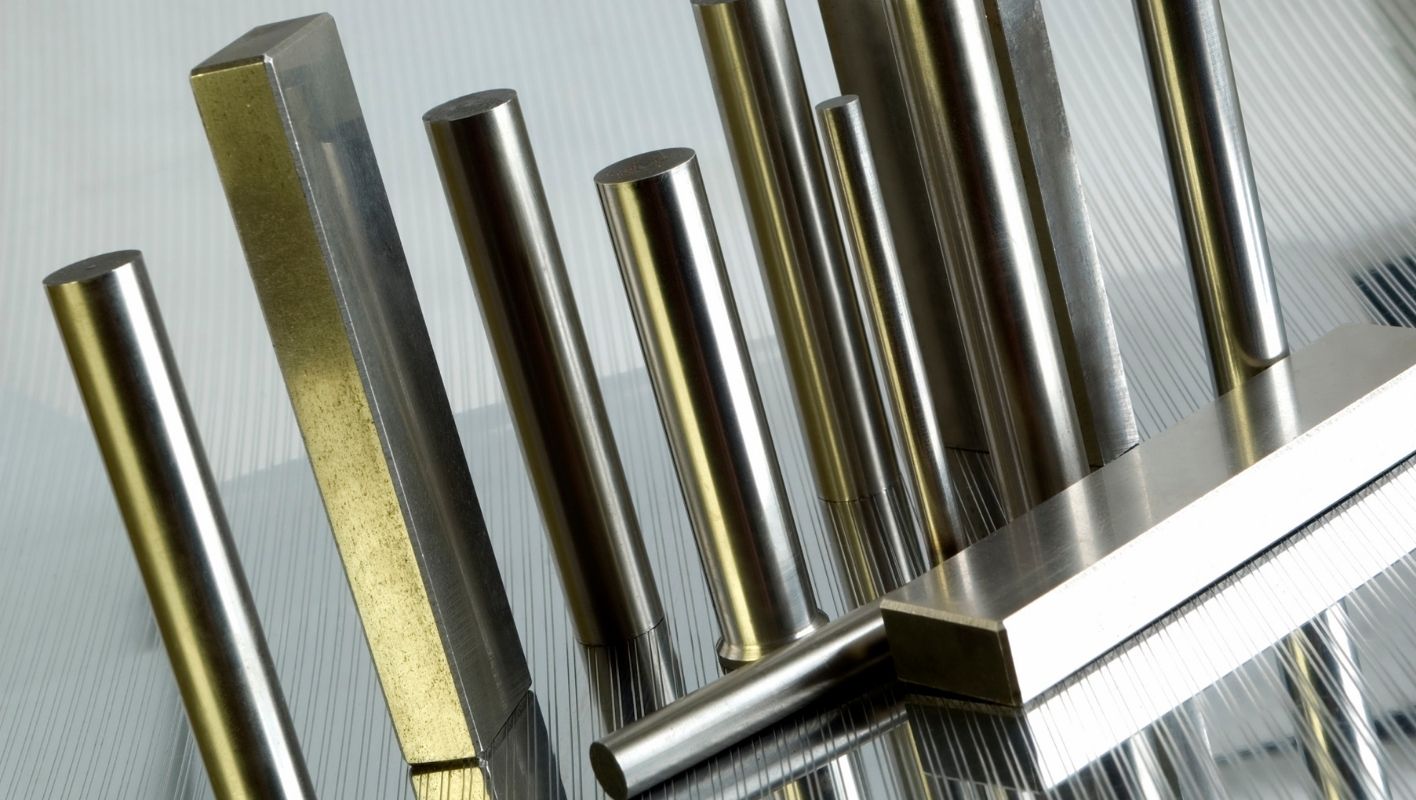
Ever found yourself wondering if aluminum is the material your project needs?
Aluminum stands out for being lightweight and resistant to corrosion, making it a go-to for industries like aerospace, automotive, and construction. Yet, it’s not all smooth sailing; its lower tensile strength compared to steel and a heftier price tag can pose challenges depending on your project’s demands.
I remember my first big project when I was caught between choosing aluminum and steel. The allure of aluminum’s lightweight nature seemed perfect for an aerospace component I was working on, but the cost gave me pause. Diving deeper into the specifics helped me weigh the environmental benefits against the financial implications. Exploring its applications, from anodizing to powder coating, revealed how versatile aluminum could be despite its weaknesses. Understanding these details can be crucial for making informed decisions.
Aluminum has high corrosion resistance.True
Aluminum naturally forms a protective oxide layer, enhancing its corrosion resistance.
Aluminum is heavier than steel.False
Aluminum is lighter than steel, making it ideal for weight-sensitive applications.
How Does Aluminum Compare to Steel in Strength and Durability?
Have you ever stood in a hardware store, staring at shelves lined with shiny aluminum and steel, wondering which one would be the hero of your next project?
Aluminum is celebrated for its lightweight nature and excellent strength-to-weight ratio, making it perfect for aerospace ventures. In contrast, steel boasts superior density and tensile strength, ideal for construction purposes where durability is paramount.
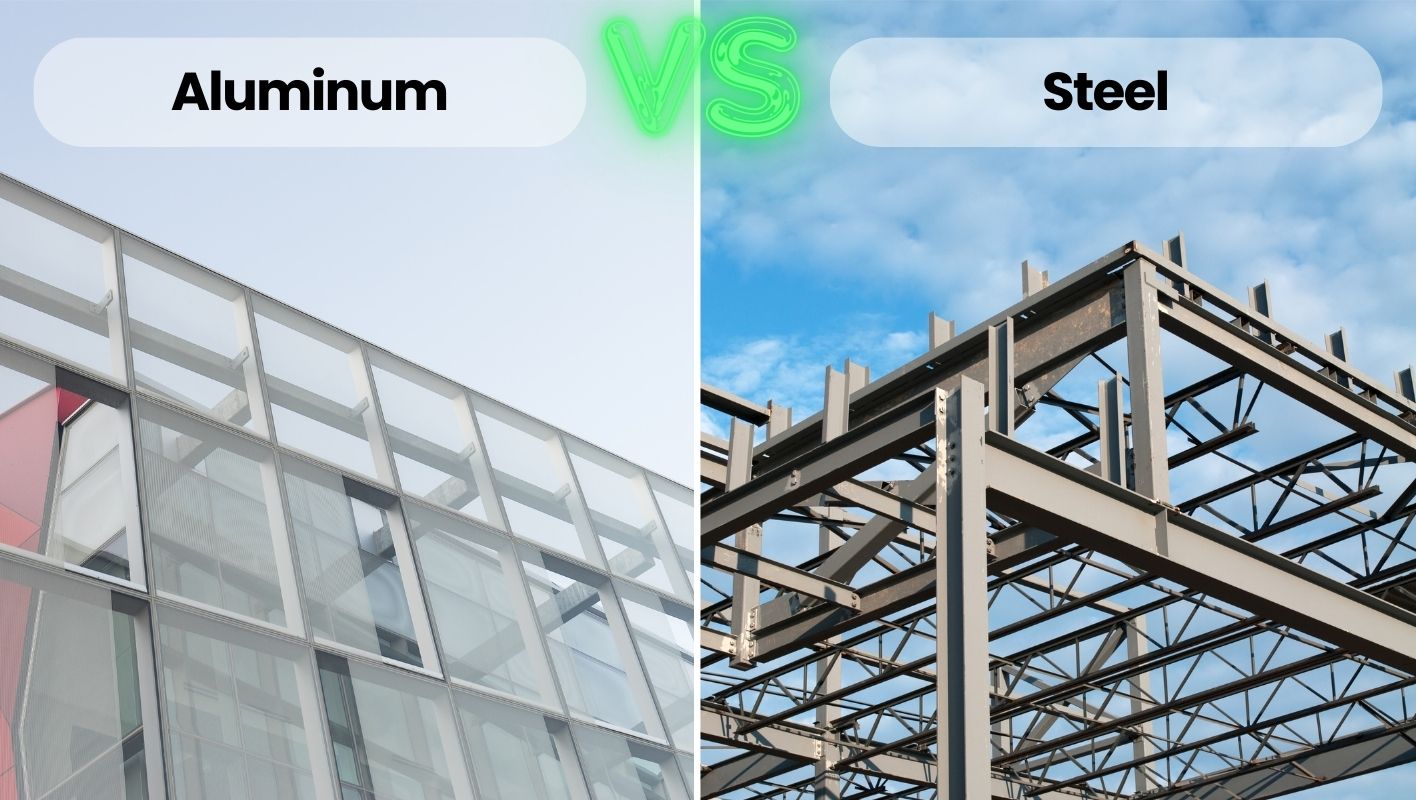
Aluminum vs. Steel: A Strength Comparison
I remember the first time I had to choose between aluminum and steel for a project. It was like choosing between two superheroes, each with their own unique powers. Aluminum’s claim to fame is its strength-to-weight ratio. It’s about one-third the weight of steel but doesn’t compromise on strength. This makes it a favorite in the aerospace and transportation industries1, where every ounce counts.
Consider this handy table that breaks down their properties:
| Property | Aluminum | Steel |
|---|---|---|
| Density (g/cm³) | 2.7 | 7.85 |
| Yield Strength (MPa) | 90-400 | 250-900 |
| Tensile Strength (MPa) | 70-700 | 400-550 |
Durability Under Various Conditions
My go-to story when talking about durability is the time I toured a shipyard. The engineers there explained how corrosion resistance sets aluminum apart. It naturally forms a protective oxide layer that shields it from rust, which is crucial when dealing with moisture-rich environments.
But when it comes to withstanding extreme pressure or loads, like in bridges and skyscrapers2, steel’s sheer tensile strength can’t be beat. It stands tall and strong, providing long-lasting structural integrity.
Applications and Use Cases
Take the automotive industry for example. Aluminum is increasingly used for making car parts to boost fuel efficiency due to its lightweight nature. But steel still dominates when it comes to structural components, thanks to its robustness.
In marine environments3, aluminum is often favored for its rust resistance, while steel is preferred for building offshore platforms due to its durability.
The Role of Alloys
Here’s a fun fact: both metals can be alloyed to enhance their qualities. Imagine turning aluminum into a mighty strength machine without adding much weight, or making steel even more resistant to rust or tough as nails.
Understanding how these alloys work can make all the difference in choosing the right material for your project. They can dramatically change how either metal performs, so it’s worth diving into their composition and treatment.
It’s fascinating to explore these aspects further, as they provide invaluable insights for optimal material selection, especially when meeting diverse industrial needs. So, next time you’re faced with a choice between aluminum and steel, you’ll know exactly what to consider!
Aluminum has a higher strength-to-weight ratio than steel.True
Aluminum is lighter yet offers impressive strength, ideal for aerospace.
Steel is more corrosion-resistant than aluminum in marine environments.False
Aluminum forms an oxide layer, making it more corrosion-resistant.
What are the Environmental Impacts of Using Aluminum?
Have you ever wondered about the true environmental cost of aluminum, despite its reputation for recyclability and versatility?
Aluminum production has a substantial environmental impact due to the energy-intensive nature of its extraction and processing. However, its high recyclability can help reduce some of these effects, making it crucial to balance these factors for sustainable use.
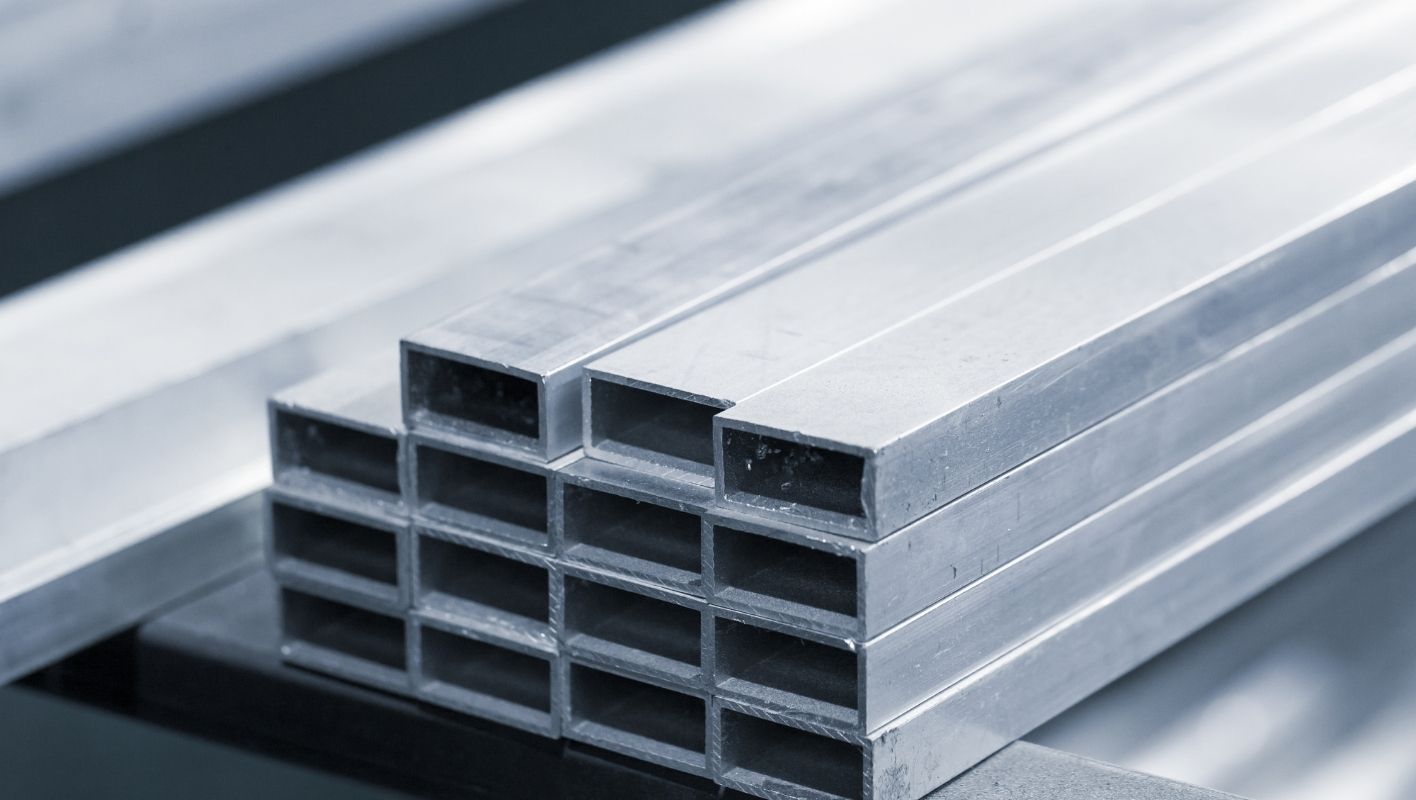
The Energy-Intensive Production Process
I remember my first encounter with an aluminum plant, standing in awe as massive machines roared around me. The sheer scale of operations involved in extracting aluminum was mind-boggling. It all starts with mining bauxite ore, which often means disrupting lush tropical areas, leading to deforestation and a loss of biodiversity. The refining process4 that follows isn’t any lighter on resources—requiring tremendous amounts of energy and water, contributing to significant greenhouse gas emissions. It’s like watching a giant beast consume everything in its path to produce this shiny metal.
Recyclability: A Double-Edged Sword?
Despite the heavy toll of its production, aluminum has a redeeming quality—its recyclability. I once held an old soda can in my hand, realizing that nearly 75% of all produced aluminum is still in circulation. The recycling process uses just 5% of the energy compared to primary production, offering a glimmer of hope in reducing emissions and conserving resources. However, even recycling isn’t entirely clean—it still generates waste and pollution, reminding me of my cluttered garage after a DIY project gone wrong.
Environmental Impact of Aluminum Products
Aluminum finds its way into many products we use daily, from sleek cars to soda cans. These items might be lightweight, helping to reduce fuel consumption when I drive my car, but manufacturing and disposal can lead to pollution if not handled properly.
| Impact Stage | Key Concerns |
|---|---|
| Extraction | Deforestation, biodiversity loss |
| Processing | High energy use, greenhouse gas emissions |
| Product Use | Pollution from improper disposal |
| Recycling | Waste management challenges |
Sustainability Initiatives in Aluminum Industry
Thankfully, many companies are taking steps towards sustainability. I’ve witnessed firsthand how industries are investing in sustainable practices5, such as using renewable energy sources during production and improving recycling technologies. Some are even developing closed-loop systems that minimize waste—a step closer to making aluminum an eco-friendly choice.
In conclusion, while aluminum offers undeniable benefits like recyclability and lightweight strength, its environmental impact remains a challenge. Sustainable management throughout its lifecycle is essential to minimize ecological damage and enhance aluminum’s potential as an eco-friendly material choice.
Aluminum extraction leads to deforestation.True
Bauxite mining for aluminum extraction causes deforestation in tropical regions.
Recycling aluminum uses more energy than production.False
Recycling aluminum requires only 5% of the energy used in primary production.
Is Aluminum a Cost-Effective Choice for Large Scale Projects?
Ever wondered if aluminum is the secret ingredient for cost-efficient mega projects?
Aluminum proves to be a cost-effective choice for large-scale projects due to its lightweight nature, which cuts down on transportation and installation costs. While its initial price might be higher, aluminum’s durability and recyclability offer significant long-term financial advantages.

Understanding Aluminum’s Cost Factors
When evaluating aluminum’s cost-effectiveness6 for large projects, it’s crucial to examine both initial and long-term costs. I remember the first time I faced the aluminum vs. steel dilemma in a major project. The initial numbers can be intimidating—aluminum’s price per ton often dwarfs steel. But then, there’s that moment of realization when you factor in logistics. Aluminum’s lightweight nature can drastically cut transportation expenses, saving a good chunk of the budget in the long run.
| Material | Price per Ton | Density (g/cm³) |
|---|---|---|
| Aluminum | $1,800 | 2.7 |
| Steel | $600 | 7.85 |
The table above highlights the lower density of aluminum, which translates to reduced transportation costs due to lighter loads. Moreover, aluminum’s malleability can streamline manufacturing processes, which always feels like an unexpected bonus.
Longevity and Maintenance
I’ve seen the benefits of aluminum first-hand in challenging environments where others have spent fortunes on maintenance. Aluminum’s resistance to corrosion is a game-changer; it doesn’t rust like steel. This means less downtime and fewer headaches over time.
- Durability: In environments where others are constantly battling corrosion, aluminum stands strong and unyielding, which reduces repair costs significantly.
- Recyclability: Recycling aluminum is not just about being green; it’s about savings. Producing aluminum from recycled materials uses a fraction of the energy required for new production, making it a financially smart choice.
Environmental Considerations
With sustainability becoming more than just a buzzword, aluminum’s eco-friendliness7 cannot be ignored. Its eco-friendly profile—from efficient production to recycling capabilities—aligns perfectly with modern green building standards. Yet, I’ve also had to weigh this against the energy consumption during production. It’s a balancing act between minimizing environmental impact and maximizing cost savings.
Comparison with Steel
While steel often wins the upfront cost battle, I’ve learned that aluminum might win the war with its long-term benefits8. Faster installation times due to its lightweight nature can lead to substantial labor cost reductions. Moreover, when I look at lifecycle costs, aluminum tends to shine with lower maintenance needs and a longer lifespan.
Ultimately, whether you choose aluminum or steel hinges on the specific needs of your project. It’s a decision that involves weighing environmental conditions, budget constraints, and sustainability goals carefully. From my experience, taking the time to consider these factors pays off in more ways than one.
Aluminum is cheaper per ton than steel.False
Aluminum costs $1,800 per ton, while steel costs $600 per ton.
Aluminum reduces transportation costs due to its low density.True
Aluminum's lower density leads to lighter loads, cutting transport costs.
How Does Aluminum’s Lightweight Property Benefit Design and Efficiency?
Aluminum isn’t just lightweight; it’s a game-changer for design and efficiency, transforming how we build and innovate.
Aluminum’s lightweight property boosts design and efficiency by reducing weight, enhancing fuel efficiency, and increasing load capacity while maintaining strength. It’s a go-to material in automotive and aerospace sectors.
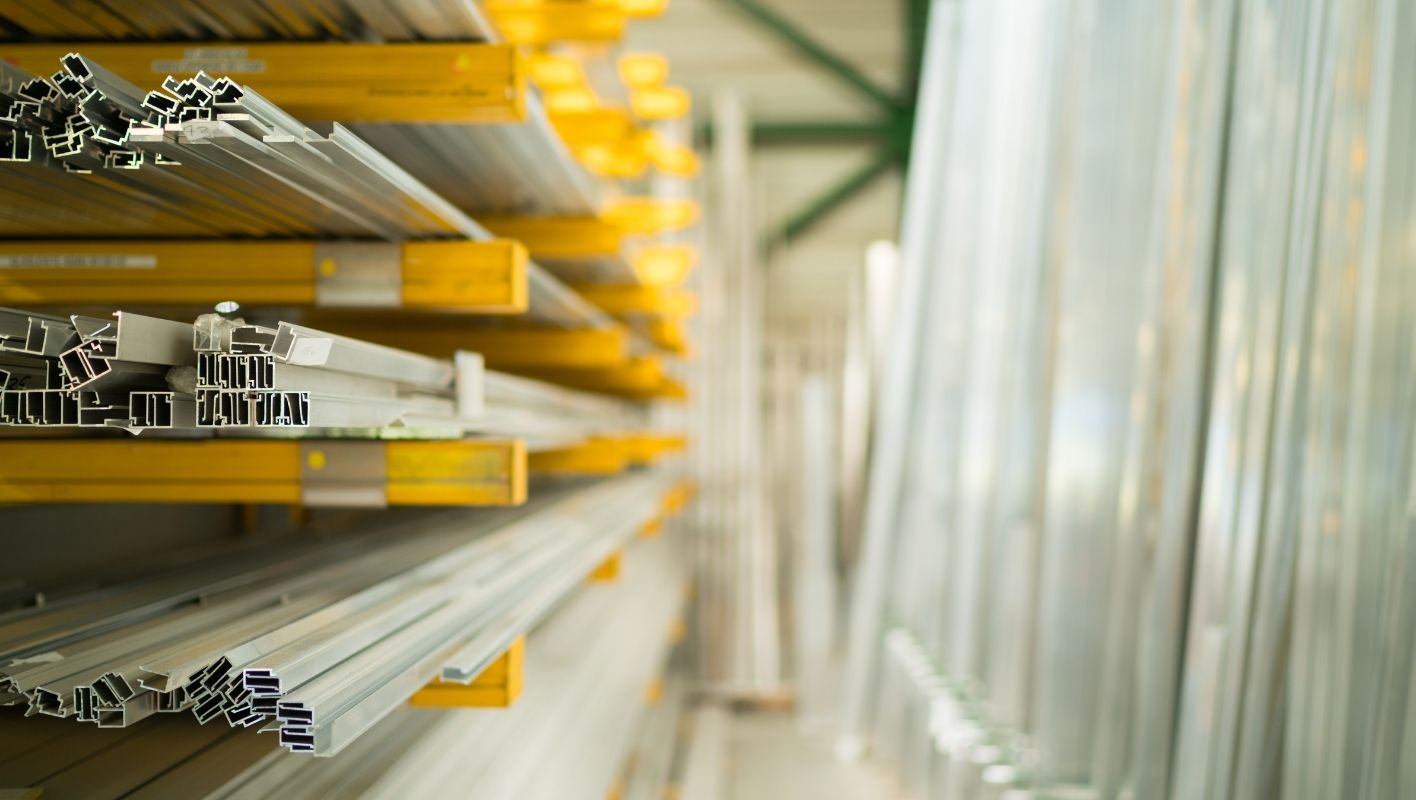
I remember when I first realized the magic of aluminum’s lightweight nature. It was during a project where we were tasked with reducing vehicle weight without sacrificing performance. The solution was aluminum—bringing about an incredible transformation in both design and efficiency.
Enhanced Fuel Efficiency
One of the most eye-opening moments came when I saw the fuel efficiency stats after incorporating aluminum. Vehicles equipped with aluminum parts weighed significantly less compared to those with traditional materials like steel. This was a game-changer because the lighter weight meant engines didn’t have to work as hard, translating to impressive savings on fuel. Imagine realizing that a simple 10% reduction in weight could boost fuel economy by 5-7%. It was like finding a hidden treasure.
Structural Integrity and Load Capacity
Initially, I was skeptical about aluminum’s strength, but my doubts were quickly dispelled. Despite its lightness, aluminum offers remarkable structural integrity. It became clear why aerospace engineers favor it. Picture designing components that need to withstand enormous stress without adding extra weight—aluminum does just that, making it indispensable for increased load capacities.
| Material | Density (g/cm³) | Strength-to-Weight Ratio |
|---|---|---|
| Aluminum | 2.7 | High |
| Steel | 7.85 | Moderate |
Sustainability and Recyclability
In a world increasingly focused on sustainability, aluminum shines brightly. Its recyclability means less reliance on new raw materials, significantly reducing environmental impact—a major win for eco-conscious companies. I was astounded to learn that recycling aluminum saves around 95% of the energy needed to produce it from ore. That’s not just sustainable—it’s revolutionary.
Versatility in Design
The design possibilities with aluminum are virtually limitless. I vividly recall working on a project where we needed intricate designs that were also strong and durable. Aluminum’s flexibility allowed us to create complex structures that were as beautiful as they were functional. In the automotive industry, this versatility translates into innovative design possibilities9 that enhance both aesthetics and efficiency.
With all these advantages, aluminum has become my go-to material when aiming for top-notch performance and sustainable practices. The future of engineering and manufacturing is indeed promising with aluminum leading the charge.
Aluminum improves vehicle fuel efficiency by 5-7%.True
A 10% reduction in vehicle weight using aluminum can boost fuel economy by 5-7%.
Recycling aluminum saves 50% of energy compared to new production.False
Recycling aluminum actually saves about 95% of the energy needed for new production.
Conclusion
Aluminum is lightweight, corrosion-resistant, and versatile, making it ideal for aerospace and automotive applications. However, its higher cost and lower tensile strength compared to steel can be drawbacks.
-
Uncover why aluminum’s strength-to-weight ratio makes it indispensable in the aerospace industry. ↩
-
Learn about steel’s critical role in maintaining the structural integrity of bridges and tall buildings. ↩
-
Find out how aluminum’s corrosion resistance benefits marine applications compared to steel. ↩
-
Understanding the initial step of aluminum production helps reveal its environmental challenges. ↩
-
Discovering sustainable initiatives can guide eco-conscious decision-making in industries. ↩
-
Explore how aluminum’s lightweight properties translate into logistical cost savings compared to heavier materials like steel. ↩
-
Learn why aluminum is considered an eco-friendly option in construction, focusing on its recycling potential and energy efficiency. ↩
-
Understand how aluminum’s reduced maintenance needs contribute to long-term financial benefits over other metals like steel. ↩
-
Discover how aluminum enables innovative designs in the automotive industry. ↩






