
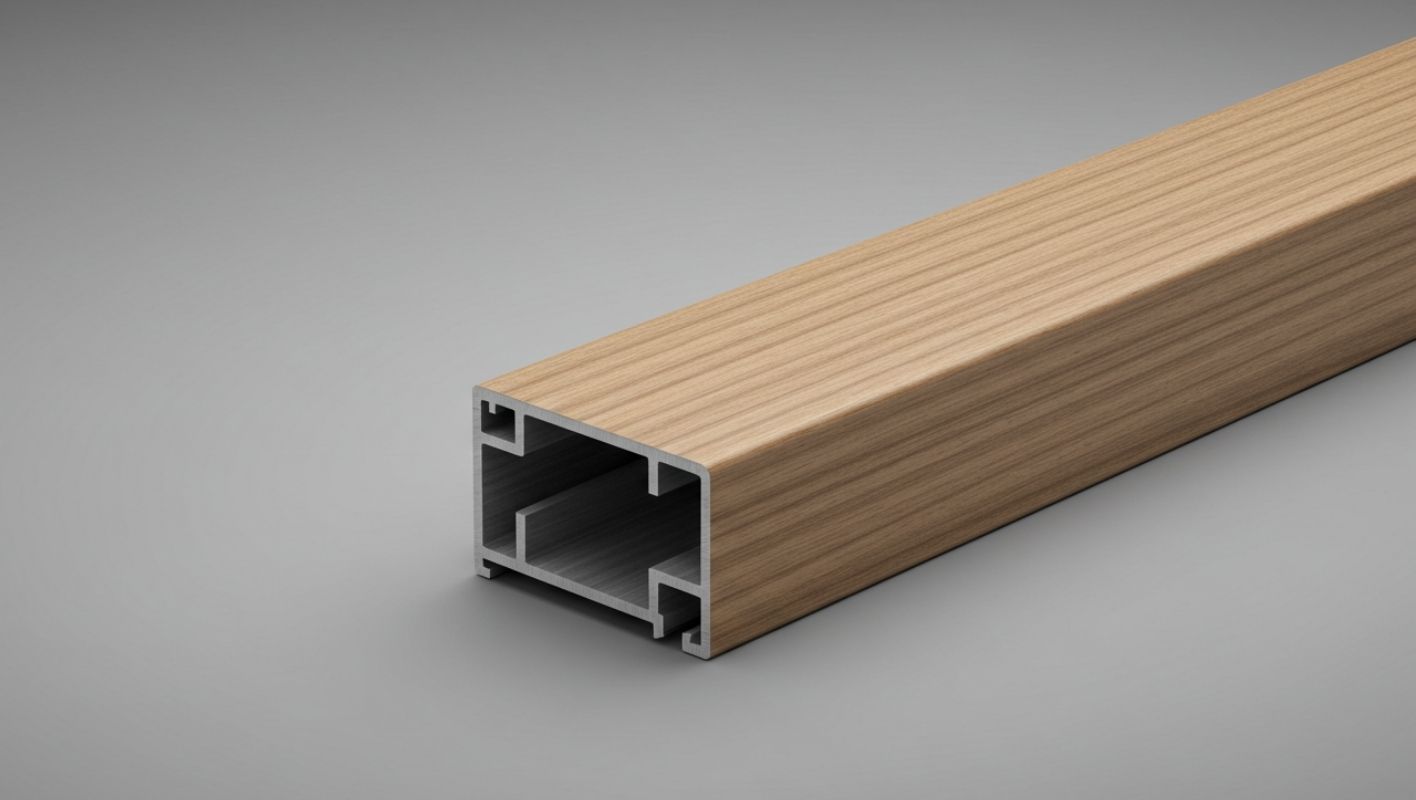
Picture this: all the charm of wood without the hassle of upkeep.
Wood grain aluminum is aluminum crafted to look like natural wood, blending wood’s visual charm with aluminum’s durability, lightness, and low maintenance. It’s a perfect fit for architectural and design projects, offering both aesthetic appeal and functional benefits.
I’ve always been fascinated by how we can merge beauty with practicality, and wood grain aluminum is a prime example. Imagine having that classic wood look without worrying about rot or warping. It’s perfect for those of us who love the warmth of wood but need the resilience of metal.
Diving into its creation, the process involves some high-tech methods like sublimation or powder coating to achieve that realistic wood finish. It’s pretty amazing how technology can imitate nature so well. If you’re considering materials for your next project, understanding how wood grain aluminum stands up to traditional wood or other materials in terms of both functionality and aesthetics might just sway your decision.
Wood grain aluminum requires less maintenance than real wood.True
Aluminum's durability means it doesn't need regular treatments like wood does.
Wood grain aluminum is heavier than natural wood.False
Wood grain aluminum is lighter than natural wood due to its aluminum base.
How is Wood Grain Aluminum Made?
Let’s dive into the art of turning aluminum into wood-like wonders!
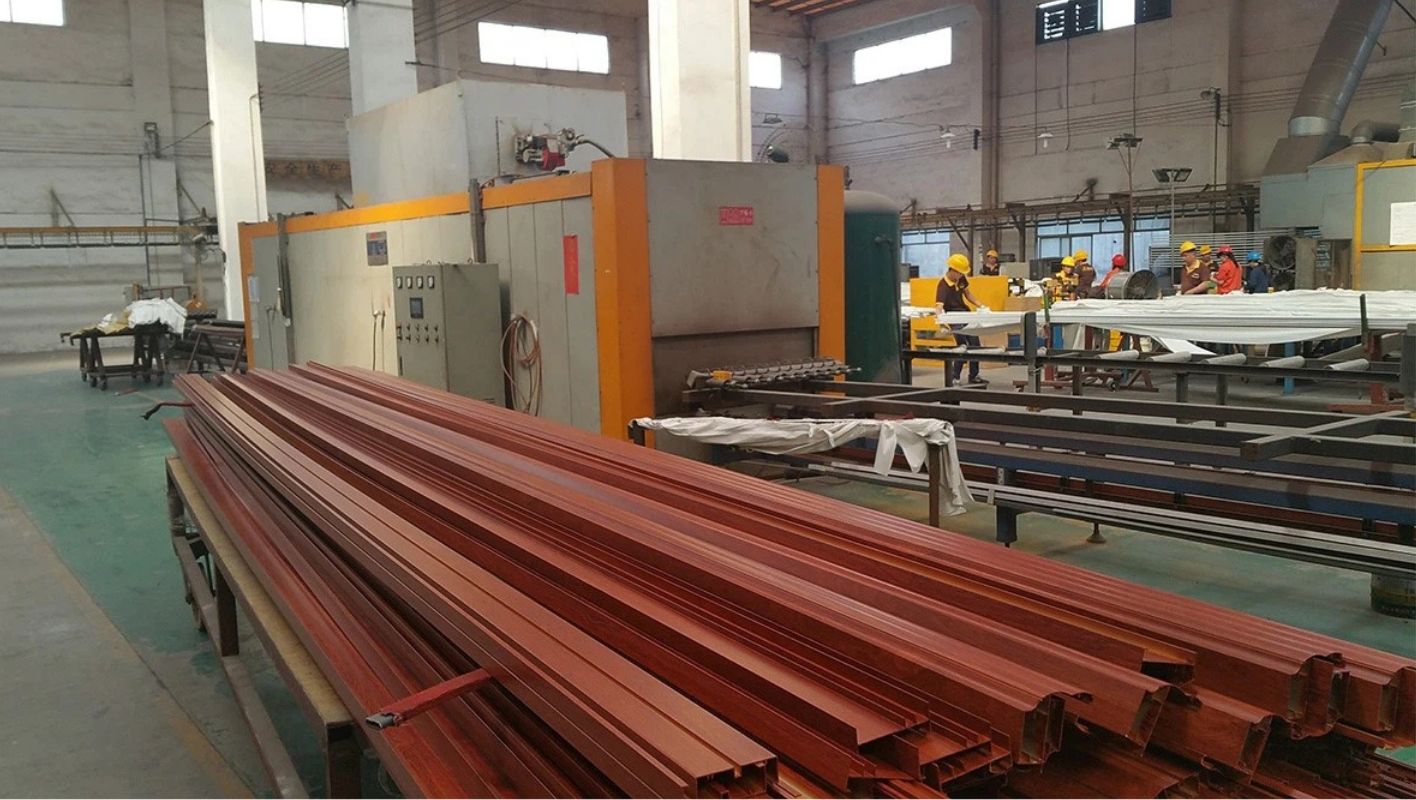
Wood grain aluminum is crafted through a sublimation process, where a wood-patterned film is heat-transferred onto powder-coated aluminum, creating a durable, visually appealing finish ideal for both decorative and architectural applications.
The Basics of Wood Grain Aluminum Creation
Imagine starting with a piece of high-quality aluminum, known for being both lightweight and rust-resistant. This aluminum is like a blank canvas, waiting to be transformed. First, it’s powder-coated—a process that always reminds me of watching my kids sprinkle powdered sugar on pancakes, but with a lot more precision and heat! The aluminum is sprayed with a dry powder, then baked to perfection, forming a smooth, protective layer.
Sublimation Process Explained
This is where the real magic happens! A special film, printed with a wood grain pattern, is wrapped snugly around our powder-coated aluminum. Picture wrapping a gift with care—except this gift undergoes heat and pressure. The ink on the film sublimates; it turns from solid to gas and seeps into the coating. The result? A stunningly realistic wood finish that holds up against the elements. It’s like getting the beauty of wood without any of the hassle.
This technique is perfect for things like window frames or doors—anywhere you want a touch of nature without the maintenance. For more details on its applications in architecture, check out architectural applications1.
Comparing Wood Grain Aluminum to Traditional Wood
When I first saw wood grain aluminum, I couldn’t help but think of all the times I’ve wrestled with traditional wood—scraping off old paint, dealing with rot and termites. In contrast, this innovative material offers minimal upkeep and great durability. Here’s how they stack up:
| Feature | Traditional Wood | Wood Grain Aluminum |
|---|---|---|
| Maintenance | Regular | Minimal |
| Environmental Impact | Deforestation | Recyclable |
| Durability | Susceptible to wear | High |
Customization and Sustainability
One of the things I love most about wood grain aluminum is its versatility. Manufacturers can tailor the patterns and colors to suit any design dream you have. Plus, it supports sustainability efforts by reducing the need for deforestation and using recyclable materials. If you’re curious about how these eco-friendly processes work in the metal industry, you might find eco-friendly processes2 an interesting read.
Understanding how wood grain aluminum comes to life gives us insight into why it’s becoming a favorite in modern design. It’s not just about blending beauty with functionality; it’s about paving the way for sustainable creativity in architecture.
Wood grain aluminum is resistant to fading.True
The sublimation process ensures the wood grain pattern is durable and fade-resistant.
Traditional wood has higher durability than wood grain aluminum.False
Wood grain aluminum is more durable due to its resistance to pests and moisture.
What are the Benefits of Using Wood Grain Aluminum?
Imagine enjoying the timeless beauty of wood without the hassle. Wood grain aluminum makes that possible!
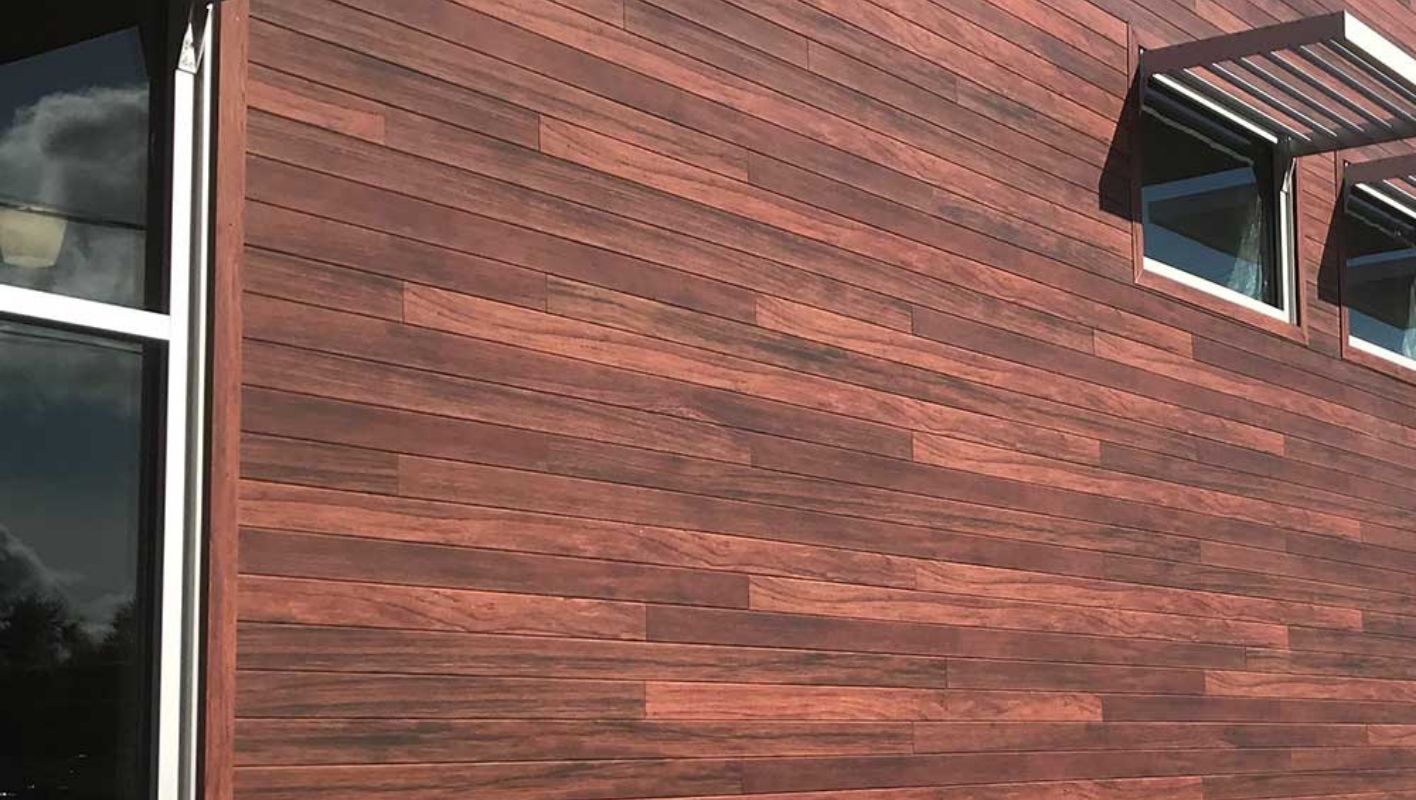
Wood grain aluminum combines the look of wood with the strength and minimal upkeep of aluminum, making it perfect for both indoor and outdoor settings.
Aesthetic Appeal Meets Practicality
I remember the first time I laid eyes on wood grain aluminum. It was at a friend’s patio party, and I was amazed by how effortlessly it blended the cozy charm of wood with sleek, modern lines. This material can be tailored to match nearly any wood tone or texture you can dream of, making it a designer’s delight. Whether you’re aiming for a chic contemporary vibe or a warm rustic feel, wood grain aluminum3 fits right in without compromising on style.
Durability and Maintenance
I used to dread the thought of maintaining wooden decks and fences—those endless cycles of sanding, staining, and sealing! But wood grain aluminum eliminates those worries. It’s naturally resistant to the elements4, bugs, and general wear and tear. I’ve seen it stand up to harsh weather conditions without losing its luster. Its non-porous surface means no more worrying about water damage or swelling wood; it stays just as beautiful through rain or shine.
Sustainability and Environmental Impact
For those of us who care about the planet, choosing eco-friendly materials is a must. I love that aluminum is recyclable and often made from recycled materials. Plus, its longevity means fewer replacements over time, which is a win for both your wallet and the environment. Many manufacturers are now using sustainable practices, which aligns with my growing commitment to reducing my carbon footprint.
Cost-Effectiveness
At first glance, wood grain aluminum might seem pricier than traditional wood. But when you factor in the savings on maintenance and replacements over the years, it becomes clear why it’s such a smart investment. I’ve witnessed firsthand how it retains its look and functionality without constant upkeep—a perfect blend of beauty and practicality that stands the test of time.
| Feature | Wood Grain Aluminum | Traditional Wood |
|---|---|---|
| Durability | High | Moderate |
| Maintenance | Low | High |
| Aesthetic Options | Versatile | Limited |
| Eco-Friendliness | High | Varies |
Wood grain aluminum requires regular treatments to prevent decay.False
Unlike real wood, wood grain aluminum is resistant to rot and decay.
Wood grain aluminum is more eco-friendly than traditional wood.True
Aluminum is recyclable and often made from recycled content, reducing its footprint.
Where Can Wood Grain Aluminum Be Applied?
Imagine a material that combines the timeless elegance of wood with the rugged resilience of aluminum. That’s exactly what wood grain aluminum brings to the table, and it’s transforming projects everywhere.
Wood grain aluminum offers aesthetic appeal, durability, and low maintenance, making it perfect for architectural and design projects. It’s used in outdoor furniture, facades, window frames, and interior panels.

Architectural Applications
I remember the first time I came across wood grain aluminum in an architectural setting. It was during a visit to a stunning new office building, and I was captivated by the façade. The architects had seamlessly blended traditional elegance with modern durability. Wood grain aluminum is a popular choice for architectural elements5 like facades and cladding. Its lightweight nature and resistance to weather make it ideal for external surfaces, giving buildings that coveted natural wood look without the hassle of high maintenance.
Interior Design Innovations
My passion for interior design was sparked when I revamped my own home office. I wanted a space that felt warm but was easy to maintain. Wood grain aluminum fit the bill perfectly. In interior design, this material is used for wall panels and ceilings, providing warmth while retaining a modern aesthetic. Its versatility and elegance make it suitable for both residential and commercial interiors.
Outdoor Furniture
Outdoor furniture was always a tricky purchase for me—balancing style with durability seemed impossible until I found wood grain aluminum options. Imagine setting up a patio where your benches and tables can withstand rain or shine without losing their charm. Outdoor spaces benefit from this material’s resilience against rust and corrosion, making it perfect for stylish yet robust setups.
| Feature | Wood Grain Aluminum | Traditional Wood |
|---|---|---|
| Maintenance | Low | High |
| Weather Resilience | High | Moderate |
| Aesthetic Appeal | High | High |
Industrial Applications
In industrial environments, I’ve seen wood grain aluminum used in machinery housings or decorative panels. It blends functionality with aesthetics seamlessly. Its application extends to retail settings where presentation is crucial. For more insight into its uses, see material innovations6 that have revolutionized industrial design. Wood grain aluminum truly bridges aesthetic requirements with practical demands across industries.
Wood grain aluminum is lightweight and weather-resistant.True
It is known for being light and resistant to various weather conditions.
Traditional wood requires less maintenance than wood grain aluminum.False
Wood grain aluminum has lower maintenance needs compared to traditional wood.
How Does Wood Grain Aluminum Compare to Real Wood?
Choosing between wood grain aluminum and real wood feels like deciding between a trusty old friend and an exciting new ally.
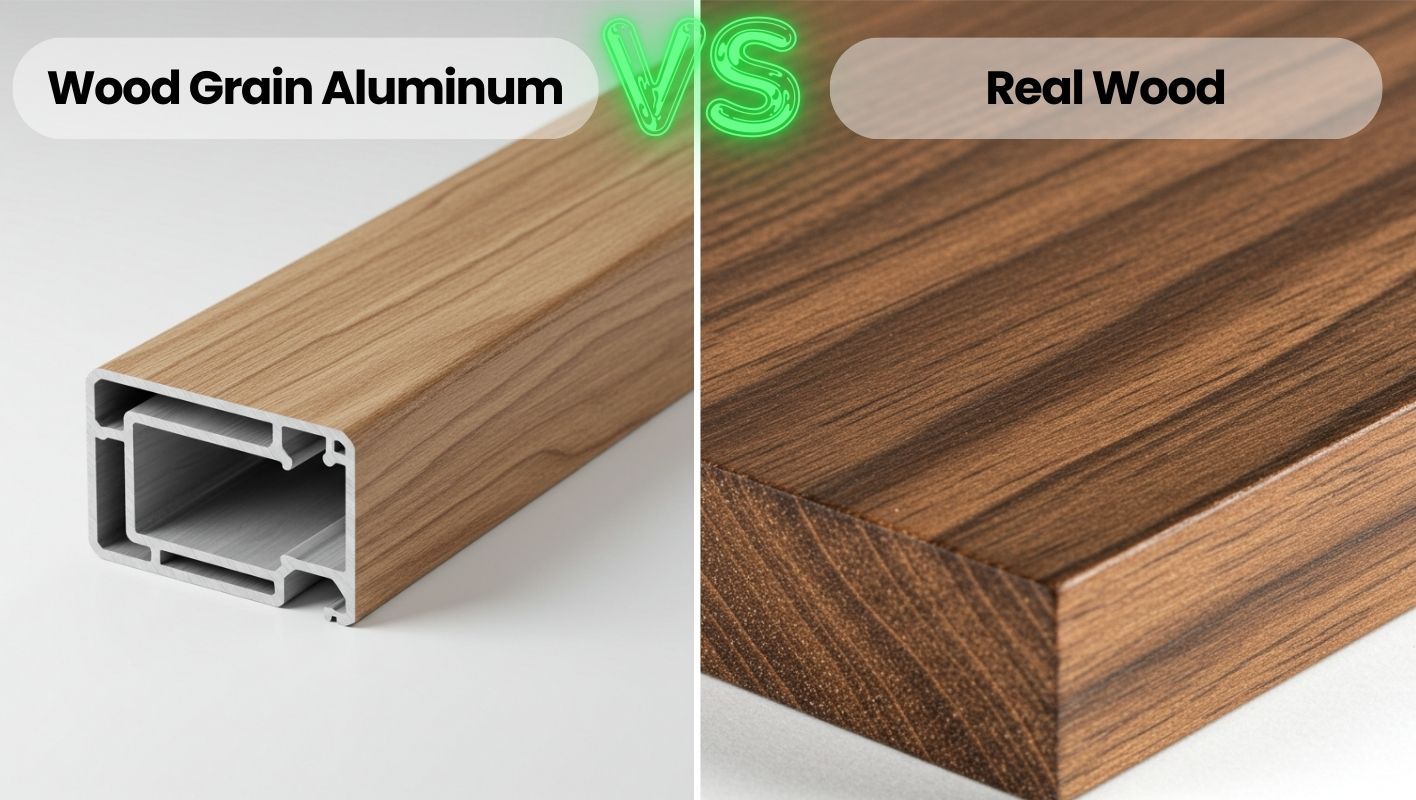
Wood grain aluminum looks like real wood but beats it in durability, weather resistance, and maintenance. It’s lighter and versatile, offering the same aesthetic charm without wood’s natural drawbacks.
Material Properties
I remember the first time I discovered wood grain aluminum—it was a game changer. Imagine having the beauty of real wood without worrying about rot or pests! Unlike traditional wood, which my father always treated with kid gloves to avoid the dreaded termite invasion, wood grain aluminum7 stands strong against these natural foes. Its durability is unmatched, especially for outdoor projects where weather can be unpredictable.
| Property | Wood Grain Aluminum | Real Wood |
|---|---|---|
| Durability | High | Varies by species |
| Maintenance | Low | High |
| Weather Resistance | Excellent | Moderate |
Aesthetic Appeal
The aesthetic appeal of wood grain aluminum is truly something to behold. I love how it can mimic various wood grains so closely that even some of my purist friends have been fooled. Sure, they argue that nothing beats the feel of real wood, but I counter with the versatility of aluminum’s versatility8. It can morph into the elegant oak in my dining room or the rustic cedar on my porch, all while holding up against the elements.
Maintenance and Longevity
Let me tell you about the time I forgot to seal my wooden deck one year. The result? A costly lesson in regular maintenance. With wood grain aluminum, those worries are a thing of the past. It’s practically maintenance-free, saving me both time and money—not to mention keeping my deck looking pristine year after year.
Sustainability Considerations
In today’s world, sustainability is more than a buzzword; it’s a responsibility. Wood grain aluminum fits perfectly into this ethos. It’s recyclable and often produced using eco-friendly methods, which is a relief when I think about my carbon footprint. Plus, its longevity means fewer replacements, which is a win for both my wallet and sustainable practices9.
Practical Applications
The applications for wood grain aluminum are nearly endless—from sleek architectural paneling to durable furniture design. Once, I worked on a project that required lightweight materials due to strict weight constraints; wood grain aluminum10 was the hero of the day. It provided the strength we needed without compromising on style or sustainability.
For furniture makers or designers like me who prioritize both form and function, it’s a material that ticks all the boxes. Its adaptability ensures it fits seamlessly into various settings, offering a modern solution to age-old challenges.
After considering these aspects, understanding the comparison between wood grain aluminum and real wood becomes clearer. Each has its place, but for those like me seeking practicality without sacrificing beauty, wood grain aluminum is a compelling choice.
Wood grain aluminum is more durable than real wood.True
Wood grain aluminum resists rot and insects, unlike real wood.
Real wood requires less maintenance than wood grain aluminum.False
Real wood needs regular sealing and staining, unlike aluminum.
Conclusion
Wood grain aluminum combines the aesthetic appeal of wood with the durability and low maintenance of aluminum, making it ideal for architectural applications and outdoor furniture.
-
Explore how wood grain aluminum is utilized in architecture for its aesthetic appeal and durability in construction projects. ↩
-
Learn about eco-friendly techniques in metal processing that contribute to sustainability and reduce environmental impact. ↩
-
Discover more about how wood grain aluminum provides beauty with durability. ↩
-
Learn about wood grain aluminum’s resilience against harsh weather conditions. ↩
-
Explore detailed architectural applications of wood grain aluminum for innovative designs. ↩
-
Discover how wood grain aluminum is transforming industrial design aesthetics. ↩
-
Discover why wood grain aluminum is a durable and low-maintenance alternative to real wood. ↩
-
Learn how aluminum achieves a realistic wood-like appearance for aesthetic projects. ↩
-
Explore how wood grain aluminum supports sustainable building practices. ↩
-
Find out how this material is used in modern furniture design for style and functionality. ↩






