
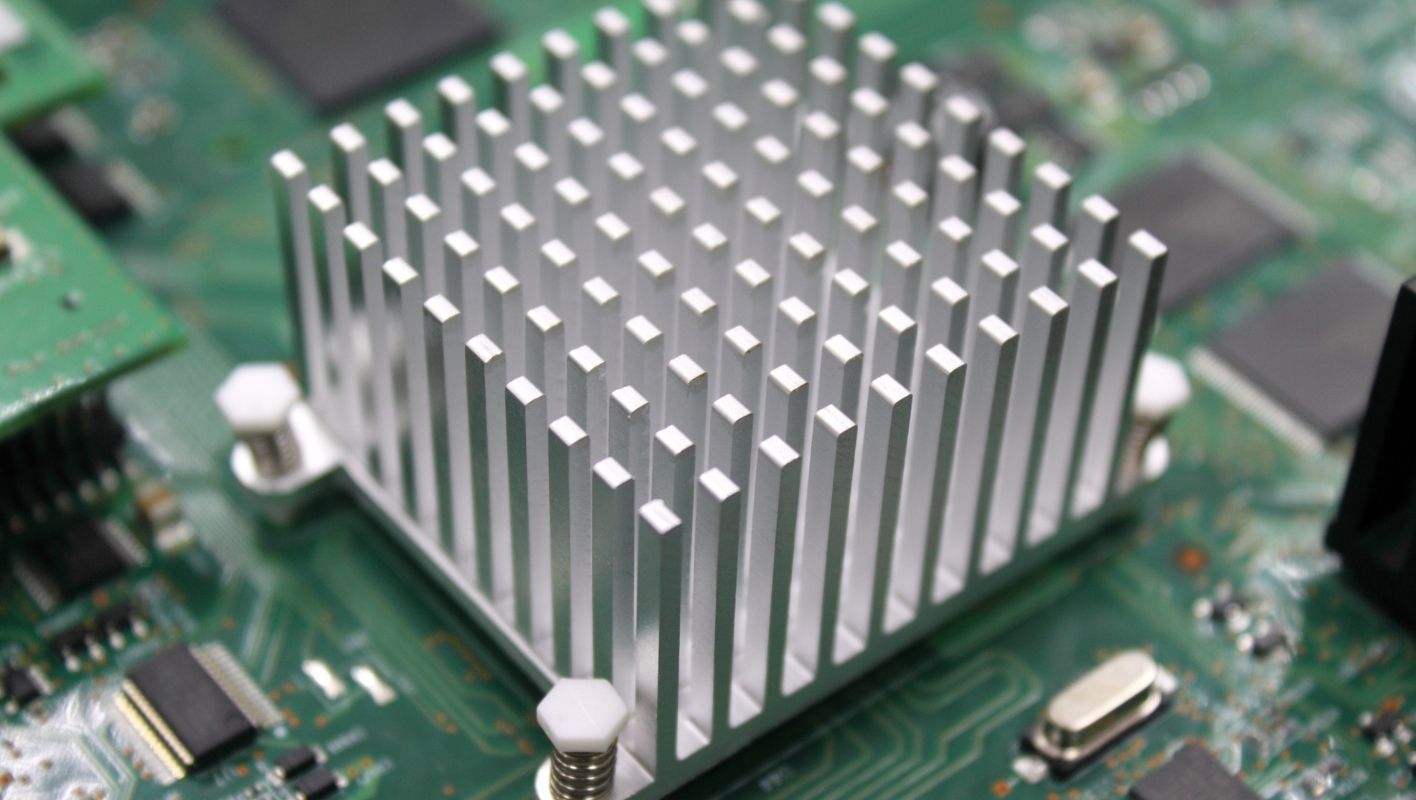
Choosing the right aluminum alloy for your heat sink project can feel like navigating a maze, but it doesn’t have to be overwhelming.
The best aluminum alloys for extruded heat sinks are the 6063 and 6061 from the 6000 series. These alloys offer an ideal blend of thermal conductivity, strength, and ease of extrusion, making them perfect for thermal management applications.
I remember when I first had to choose an alloy for a critical project. It was like being at a crossroads, but learning about the unique properties of 6063 and 6061 was enlightening. These alloys shine in thermal management because they’re versatile and can be customized for various needs. Understanding why these alloys stand out is key, and diving into their properties reveals just how well-suited they are for effective heat dissipation.
6063 aluminum alloy is ideal for heat sinks.True
6063 offers excellent thermal conductivity and ease of extrusion.
7000 series alloys are best for heat sinks.False
7000 series has high strength but lower thermal conductivity than 6000.
Why is the 6000 series aluminum perfect for heat sinks?
Ever wondered why the 6000 series aluminum is the hero in heat management for electronics?
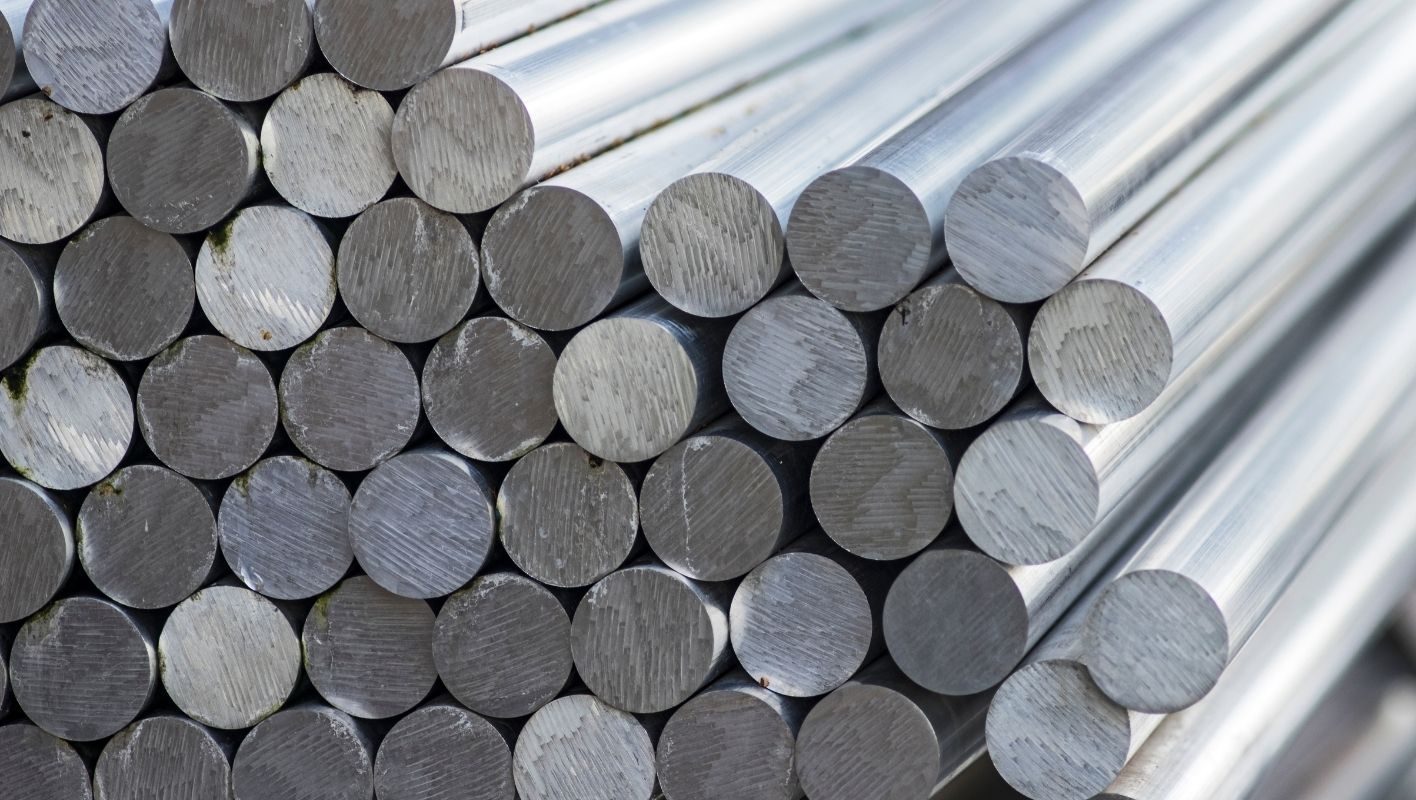
6000 series aluminum alloys, like 6061 and 6063, are top picks for heat sinks because they excel in thermal conductivity, are lightweight, and resist corrosion. These traits enhance heat dissipation and ensure durability, making them invaluable in the electronics and automotive sectors.
A Dive into Thermal Conductivity
In my early days of tinkering with electronic components, I quickly learned that managing heat is no small feat. The 6000 series, particularly 6061 and 6063 alloys1, caught my attention due to their outstanding thermal conductivity. This feature is a game-changer for cooling systems in electronics and automotive parts, where efficient heat transfer is non-negotiable.
Table: Quick Comparison of Key Properties
| Alloy | Thermal Conductivity (W/m.K) | Strength | Corrosion Resistance |
|---|---|---|---|
| 6061 | 167 | High | Excellent |
| 6063 | 201 | Moderate | Very Good |
Lightweight and Easy to Shape
I remember the first time I handled a piece of 6000 series aluminum; I was amazed by how light it felt. This characteristic not only makes them easy to maneuver but also simplifies the machining process. It’s especially useful when creating complex heat sink designs that require precision without adding unnecessary weight.
- 6061 Alloy: This one’s got strength on its side—ideal for heavy-duty projects demanding robust mechanical attributes.
- 6063 Alloy: More on the bendable side, making it perfect for those intricate designs that need exact extrusions.
Fighting Off Corrosion
I’ve seen firsthand how corrosion can wreck metal components, especially in tough environments. The corrosion resistance of these alloys, notably enhanced when anodized, provides peace of mind. It ensures that whether they’re used in automotive parts2 facing weather extremes or other challenging settings, they’ll stand the test of time.
Versatility and Budget-Friendly Nature
One of the things I love about the 6000 series is its versatility—options like anodizing or powder coating widen its application scope considerably. Plus, it’s kinder on the wallet compared to pricier alloys. This balance between cost and performance makes it a go-to for large-scale productions.
Markdown Example: Where You’ll Find These Alloys
- Electronics: Perfect for cooling CPUs and GPUs in heat management solutions3
- Automotive: Vital in radiators and intercoolers
- Industrial Machinery: Used for extensive heat dissipation tasks
Understanding these properties has helped me make informed decisions on materials for projects. If you’re in engineering or procurement, leveraging these insights can lead to smarter choices that marry thermal efficiency with mechanical prowess—perfectly placing the 6000 series as a leader in effective heat sink solutions.
6061 alloy has higher thermal conductivity than 6063.False
6061 alloy has a thermal conductivity of 167 W/m.K, lower than 6063's 201 W/m.K.
6000 series alloys are cost-effective for heat sinks.True
The 6000 series offers a balance between performance and cost, ideal for manufacturing.
How Do Aluminum Alloys Compare to Copper in Heat Dissipation?
I’ve been there, staring at two metal samples, wondering which one would win in the heat dissipation game. Let’s unpack this metal showdown together!
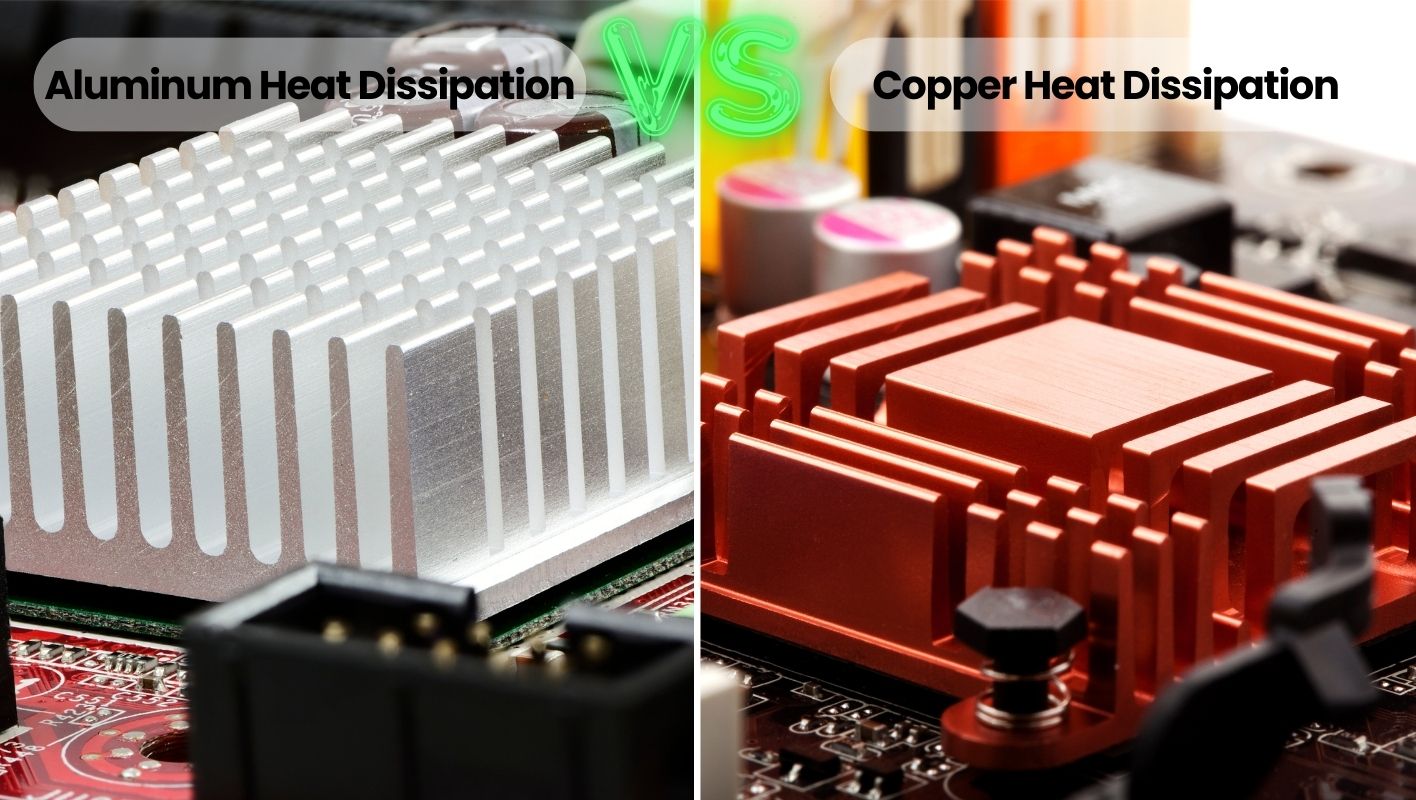
When it comes to heat dissipation, aluminum alloys are a budget-friendly choice with good thermal conductivity, whereas copper offers superior heat management due to its higher conductivity. Your choice depends on the specific needs of your project.
Thermal Conductivity of Aluminum vs. Copper
Thermal conductivity is a critical factor in heat dissipation, measured in watts per meter-kelvin (W/m·K). I remember the first time I had to choose between aluminum and copper for a project. Copper has a thermal conductivity4 of about 401 W/m·K, significantly higher than aluminum alloys, which range from 150-230 W/m·K. This superior conductivity allows copper to dissipate heat more efficiently. However, aluminum’s lower thermal conductivity is offset by other advantages.
Weight Considerations
One key advantage of aluminum alloys is their weight. One of my favorite "aha" moments was realizing just how light aluminum is—about one-third the weight of copper. This made a huge difference in projects where weight was a game-changer. In aerospace industries5, for instance, using aluminum can lead to lighter designs without compromising too much on thermal performance.
| Property | Aluminum Alloys | Copper |
|---|---|---|
| Thermal Conductivity (W/m·K) | 150-230 | 401 |
| Density (g/cm³) | 2.7 | 8.96 |
| Cost ($/kg) | Generally lower | Higher |
Cost-Effectiveness
Let’s talk money—because who doesn’t want to save some? Aluminum alloys usually come with a friendlier price tag than copper, often making them the preferred choice for large-scale applications where budget constraints are a priority. On top of that, they’re easier to work with, which can trim down manufacturing costs.
Application Suitability
The choice between aluminum and copper can really boil down to what you need for your project. For those tight spots in electronics like smartphones or laptops, where space and weight are at a premium, such as smartphones or laptops, aluminum’s lightweight nature can be beneficial. But if you’re working on something where heat management is critical and heat dissipation cannot be compromised, copper’s the star player.
Understanding these nuances has certainly helped me make better decisions about which material to pick for various applications. It’s all about finding that perfect balance to meet the unique demands of each project.
Copper has higher thermal conductivity than aluminum alloys.True
Copper's thermal conductivity is 401 W/m·K, higher than aluminum's 150-230 W/m·K.
Aluminum alloys are heavier than copper.False
Aluminum alloys are about one-third the weight of copper, making them lighter.
What Are the Key Properties to Consider in Aluminum Alloys?
Have you ever wondered what makes aluminum alloys so indispensable in industries like aerospace and automotive?
When choosing aluminum alloys, focus on their strength, corrosion resistance, workability, thermal conductivity, and weight. These characteristics define their effectiveness for applications ranging from airplanes to cars.
Strength and Durability
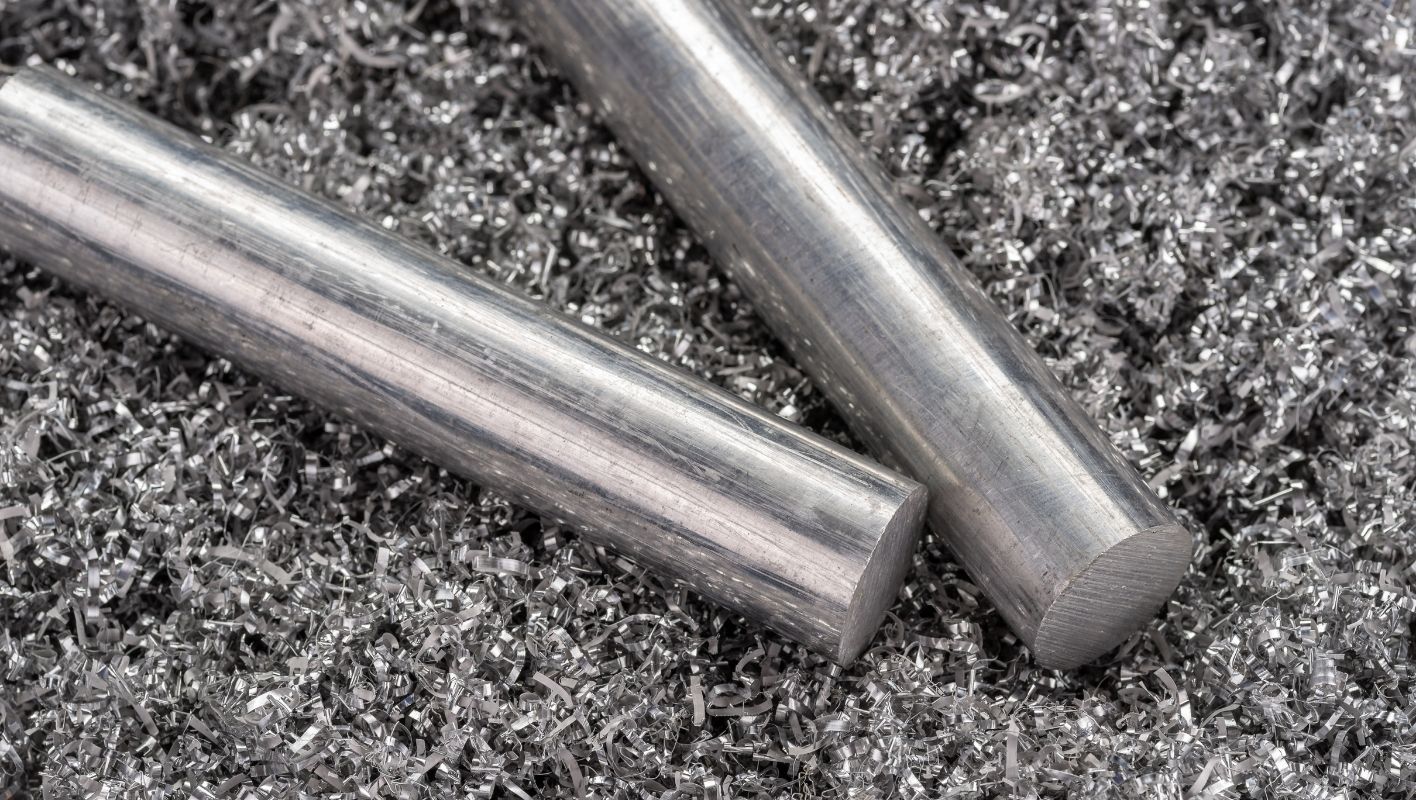
When I first stepped into the world of metal processing, understanding the sheer strength of materials like aluminum alloys was eye-opening. I remember working with the 7075 alloy and marveling at its strength-to-weight ratio, a true asset for aerospace components. The numbers speak volumes—just check out this table:
| Alloy Type | Tensile Strength (MPa) | Yield Strength (MPa) |
|---|---|---|
| 2024 | 470 | 325 |
| 6061 | 310 | 276 |
| 7075 | 572 | 503 |
These figures were like my guidebook, helping me pick the right alloy for load-bearing structures.
Corrosion Resistance
I once had a project near the coast where corrosion resistance was a major concern. The 5xxx series6 came to my rescue with its magnesium content that thrives in marine environments. Comparing this with stainless steel7, which is also impressive against corrosion, it’s about finding that perfect balance for specific needs.
Workability and Machinability
If you’ve ever tried shaping metal, you know how valuable workability is. I recall a time when I was tasked with creating intricate shapes for an automotive project. The 6063 alloy8‘s formability made it all possible, much to my relief!
Thermal and Electrical Conductivity
Aluminum’s thermal conductivity is something I learned to appreciate while designing heat exchangers. The 1xxx series9 stood out because they didn’t just conduct heat well; they also kept things light. Here’s a snapshot of their thermal prowess:
| Alloy Type | Thermal Conductivity (W/m·K) |
|---|---|
| 1050 | 222 |
| 6063 | 201 |
| 7075 | 130 |
Such insights were crucial when aiming for efficient heat transfer.
Weight and Density
I’ll never forget my first aerospace project, where every gram counted. The lightweight nature of aluminum allowed us to design more fuel-efficient structures without compromising on strength. Even when compared to titanium10, aluminum often emerged as the preferred choice.
By diving into these properties, I’ve learned to make informed decisions about which aluminum alloys suit different projects best. It’s all about aligning these properties with specific needs for optimal performance and longevity.
7075 aluminum alloy has the highest tensile strength.True
7075 alloy exhibits a tensile strength of 572 MPa, the highest among listed alloys.
5xxx series alloys are best for marine environments.True
The 5xxx series contains magnesium, enhancing corrosion resistance in marine settings.
How Does the Extrusion Process Affect Heat Sink Performance?
Imagine transforming a simple block of metal into a high-performance heat sink. Intrigued? Let’s explore the magic of extrusion and how it boosts heat sink efficiency.
The extrusion process shapes heat sinks to maximize thermal conductivity and surface area, enhancing their ability to dissipate heat in electronic devices.
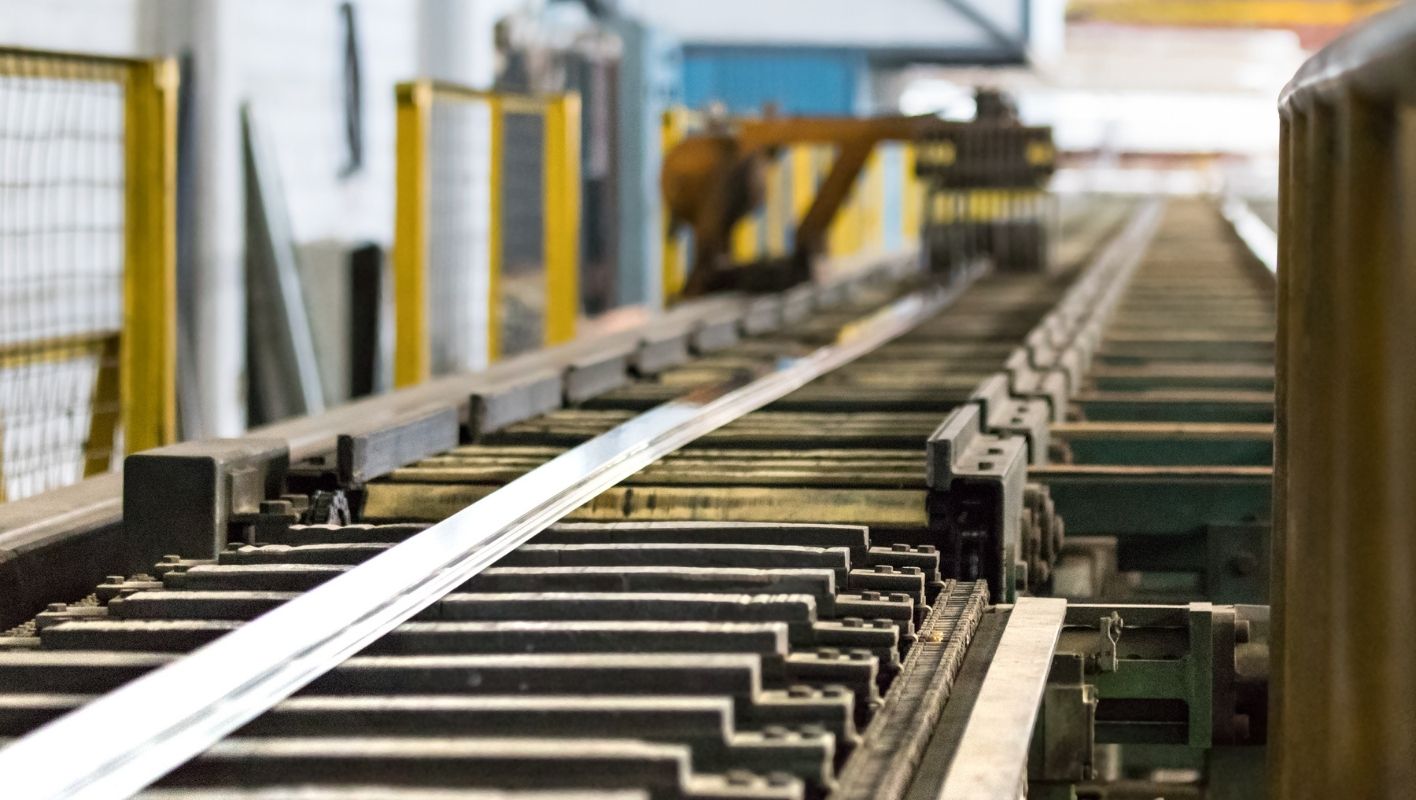
The Basics of Extrusion in Heat Sink Manufacturing
Extrusion is like crafting a masterpiece from a block of clay, only here we use metal—often aluminum. Picture this: a billet being pushed through a die, emerging as a long, intricately shaped piece that seems to defy its original form. It’s fascinating how this process can produce complex shapes specifically designed to increase surface area11, thus improving thermal performance. I remember my first encounter with this process, feeling like a magician pulling a rabbit out of a hat.
Material Considerations
Aluminum often steals the show in the world of extruded heat sinks, and for good reason. Its thermal conductivity and malleability make it a top contender. The way the grain structure aligns during extrusion makes it even better at conducting heat away from vital components. I’ve seen this firsthand—choosing the right material is like picking the perfect ingredient for a recipe; it just makes everything work.
| Material | Thermal Conductivity (W/m·K) | Ease of Extrusion |
|---|---|---|
| Aluminum | 235 | High |
| Copper | 398 | Moderate |
Design Flexibility
Extruded heat sinks offer remarkable design flexibility. Imagine being an artist with a canvas that allows for infinite creativity. Engineers can add fins or pins, expanding the surface area12 to boost heat dissipation. This adaptability is crucial, especially in cramped spaces where every millimeter counts. It’s akin to fitting together puzzle pieces in an intricate design that optimizes cooling.
Impact on Performance
The magic of extrusion lies in its impact on performance. The precision in shaping the heat sink directly influences how effectively it manages heat dissipation. It’s like tuning an instrument to get the perfect sound—you can tailor the geometry13 to meet specific cooling requirements, ensuring optimal system efficiency.
- Increased Surface Area: More fins or intricate designs mean more air contact and better cooling.
- Optimized Airflow: Smart designs ensure better airflow and less thermal resistance.
- Customization: Tailored designs meet unique needs, enhancing overall performance.
Challenges and Considerations
Extrusion is not without its challenges. Precision is key—maintaining tight tolerances and uniformity across large batches is no small feat. It’s like baking a batch of cookies; consistency is crucial for reliability. These nuances are vital for people like John, a procurement director, who values suppliers that not only master extrusion but also innovate in sustainable practices, such as recycling materials and utilizing energy-efficient methods.
Overall, the extrusion process is a game-changer in determining the efficiency of heat sinks in thermal management systems. It’s an intricate dance between design, material choice, and manufacturing precision, all working harmoniously to deliver top-notch performance.
Aluminum is easier to extrude than copper.True
Aluminum has high ease of extrusion, while copper is moderate.
Extruded heat sinks have limited design flexibility.False
Extruded heat sinks offer significant design flexibility for customization.
Conclusion
The 6063 and 6061 aluminum alloys are ideal for extruded heat sinks due to their excellent thermal conductivity, strength, corrosion resistance, and cost-effectiveness in thermal management applications.
-
Understand the significance of thermal conductivity in aluminum alloys, crucial for efficient heat dissipation. ↩
-
Explore how corrosion resistance benefits aluminum use in automotive environments. ↩
-
Learn why aluminum alloys offer a cost-effective solution for heat management compared to other metals. ↩
-
Learn about copper’s exceptional thermal conductivity and why it stands out in heat dissipation applications. ↩
-
Discover how aluminum alloys are revolutionizing aerospace design by offering lightweight yet effective solutions. ↩
-
Discover why the 6063 alloy is preferred for extrusion processes in manufacturing. ↩
-
Explore the differences in corrosion resistance between aluminum alloys and stainless steel. ↩
-
Understand how tensile strength affects material selection and performance in engineering applications. ↩
-
Learn why thermal conductivity is crucial in selecting materials for heat-sensitive applications. ↩
-
Find out why aluminum is often chosen over titanium in aerospace applications. ↩
-
Discover how extrusion shapes heat sinks for optimal performance by increasing surface area and thermal conductivity. ↩
-
Learn how increased surface area in heat sinks enhances their ability to dissipate heat efficiently. ↩
-
Explore how the design and geometry of heat sinks influence their cooling efficiency and overall performance. ↩






