
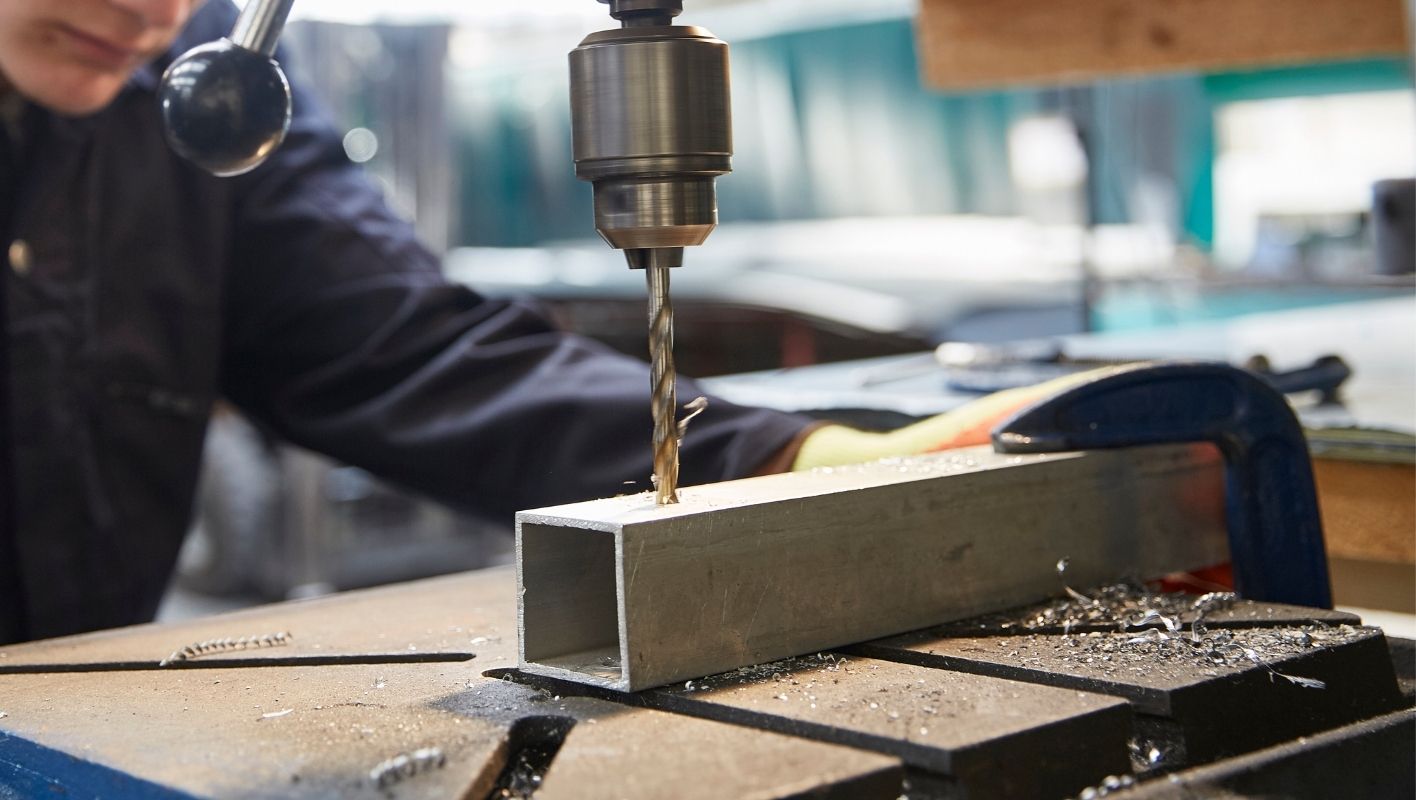
Deciding on the right aluminum fabrication method is crucial for your project’s success.
The ideal aluminum fabrication process hinges on factors like complexity, cost, and material traits. Techniques such as die casting suit high-volume production, rolling creates flat items, extrusion forms complex shapes, and welding joins parts efficiently.
I remember when I first tackled a big manufacturing project; the choices were overwhelming. Each aluminum fabrication process has its own charm and challenges. Understanding these nuances is vital for making a smart choice that aligns perfectly with your project’s goals. Let’s delve into these methods to uncover which one truly fits your needs.
Extrusion is suitable for creating complex cross-sections.True
Extrusion efficiently produces complex cross-sectional shapes in aluminum.
Die casting is ideal for low-volume production.False
Die casting is typically used for high-volume production due to its cost.
Why is die casting a game-changer in aluminum fabrication?
Ever wondered why die casting is the go-to for aluminum fabrication? Let me take you on a journey through its efficiency and precision.
Die casting revolutionizes aluminum fabrication with its remarkable dimensional accuracy, smooth surface finishes, and efficiency in creating complex shapes. This method not only boosts production rates but also slashes costs in large-scale manufacturing, making it an invaluable tool for high-quality aluminum components.
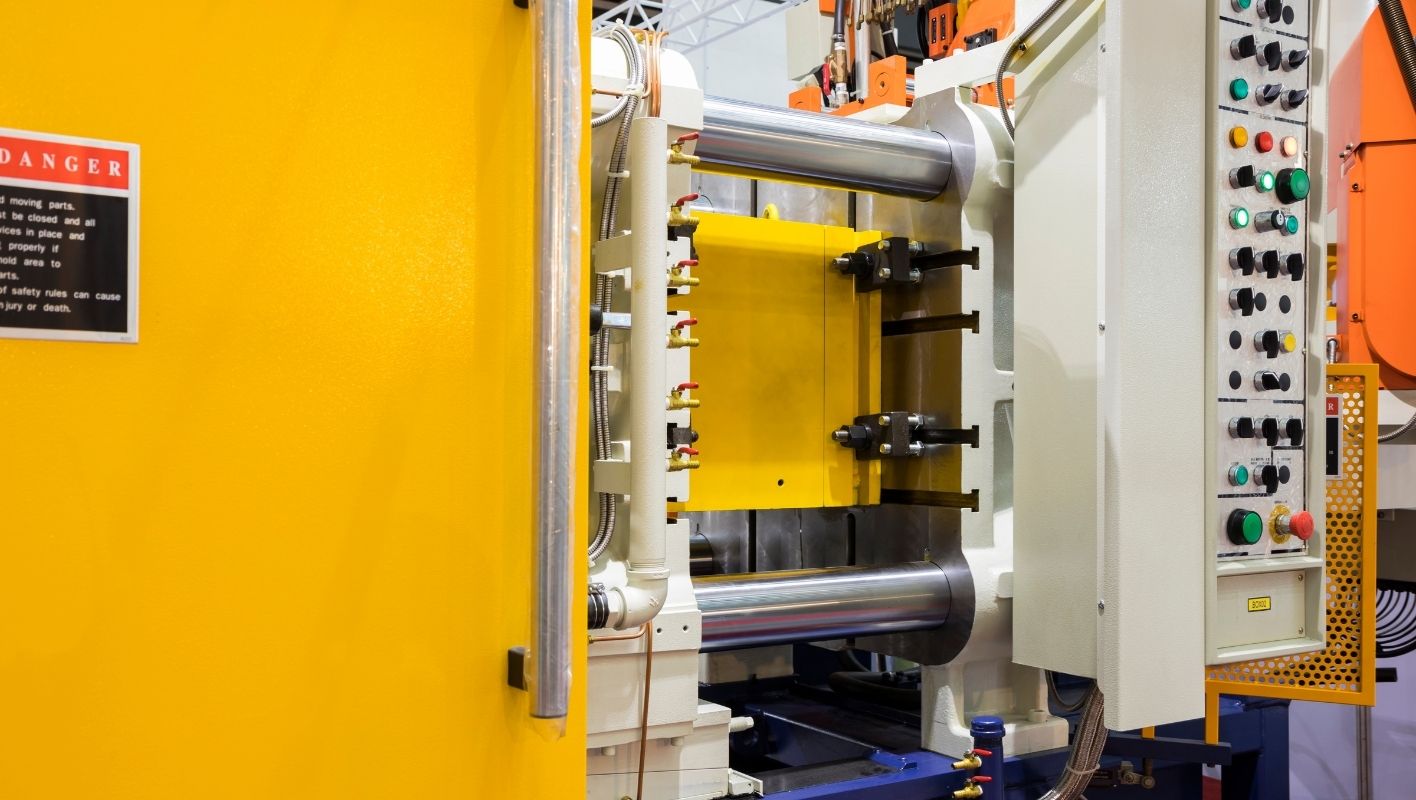
Enhanced Dimensional Accuracy
Reflecting on my early days in metal processing, I remember the satisfaction of crafting parts that fit perfectly, like the last piece of a puzzle. Die casting offers that exact precision. The molds are designed with such meticulous attention that each part mirrors the intended design specifications flawlessly. For industries like aerospace and automotive1, where even a tiny deviation can mean the difference between success and failure, this precision is non-negotiable.
Superior Surface Finish
Picture this: a shiny, sleek car gliding down the road, its surfaces catching the sunlight just right. That’s the kind of finish die casting can achieve with aluminum parts. These parts often require minimal post-processing, saving time and effort. In automotive applications, where appearance and performance go hand in hand, this smooth finish isn’t just a perk; it’s a necessity.
| Surface Finish | Benefits |
|---|---|
| Smooth | Reduces machining time |
| Consistent | Enhances visual appeal |
Complexity and Versatility
I once tackled a project requiring intricate machinery parts that seemed impossible to create without significant waste or cost. Enter die casting—it was like discovering a secret weapon. It allows for complex, detailed designs that minimize waste, aligning perfectly with sustainable manufacturing goals. Creating these intricate shapes without blowing the budget becomes a reality.
High Production Rates
The pace at which die casting operates is like having an ace up your sleeve in the manufacturing world. With rapid production cycles, it’s tailored for large-volume manufacturing. When lead times shrink thanks to automation, supply chain efficiency2 improves dramatically, ensuring parts are delivered promptly.
Cost Efficiency
In my journey from a factory floor worker to running my own facility, I’ve seen firsthand how cost efficiency can make or break a project. Die casting shines here with reduced machining needs and less material waste. The economies of scale are impressive; as production runs grow, initial tooling costs become almost negligible.
Incorporating die casting into your aluminum fabrication process isn’t just about keeping up—it’s about staying ahead. With improved production speed, quality enhancement, and cost optimization, it’s a compelling choice for industries where precision and efficiency are the benchmarks of success.
Die casting ensures high dimensional accuracy in aluminum parts.True
Die casting molds are crafted with precision, ensuring parts match specifications.
Aluminum die casting is inefficient for large-scale production.False
Die casting supports rapid production cycles, ideal for large volumes.
Which is better for your aluminum project: extrusion or rolling?
Choosing the right method for aluminum projects can feel like standing at a crossroads. Each path, extrusion or rolling, offers unique advantages that can make or break your project’s success.
Extrusion is best for intricate designs and enhanced strength, while rolling shines in producing uniform, flat sheets. The choice depends on the complexity and specific requirements of your aluminum project.
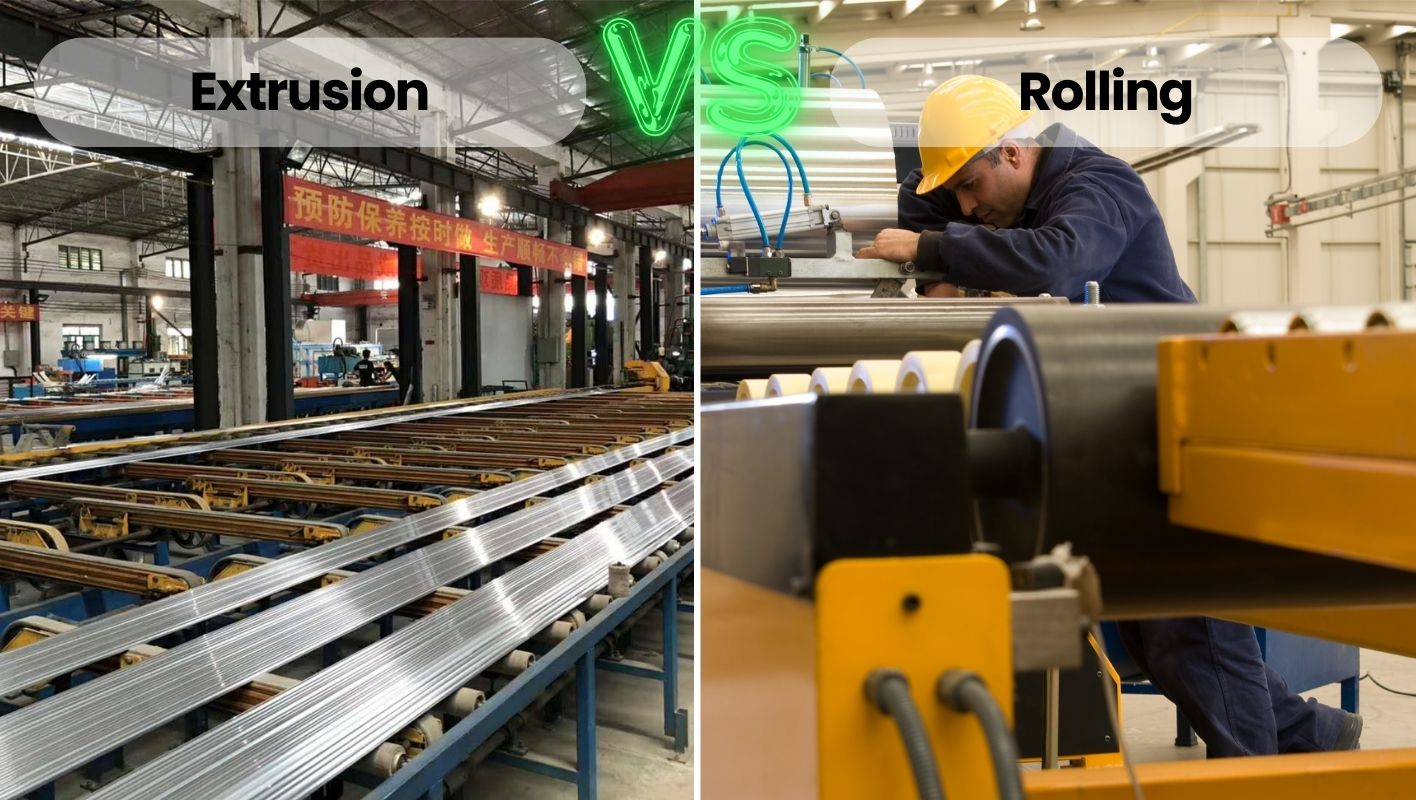
Advantages of Extrusion for Aluminum Projects
I remember the first time I encountered the extrusion process; it was like watching magic unfold as aluminum was transformed into elaborate shapes. This method shines when it comes to creating complex profiles that seem impossible with other techniques. Here’s why extrusion might be your go-to choice:
- Design Flexibility: Extrusion allows for intricate profiles with varying wall thicknesses and those elegant curves that make engineers like us giddy with excitement.
- Strength Enhancement: By manipulating the grain structure, extrusion can enhance the strength of the final product, which was a game-changer in one of my past projects.
- Material Efficiency: It’s all about getting more with less—extrusion minimizes material waste, making every billet count.
Rolling: The Ideal Choice for Uniformity
There’s a certain satisfaction in seeing perfectly uniform sheets roll off the line. Rolling is like the reliable old friend of metal processing, always delivering consistency. It’s particularly suited for large-scale applications like automotive panels3. Here are some perks:
- Consistency: Achieves uniform thickness that’s vital for quality control.
- Surface Finish: Produces smooth surfaces that are ready for decorative finishes or functional coatings.
- Cost Efficiency: For high-volume production, rolling can be more budget-friendly due to its efficiency.
Comparing Production Speed and Costs
| Factor | Extrusion | Rolling |
|---|---|---|
| Production Speed | Moderate, depends on complexity | Fast, ideal for high-volume production |
| Setup Costs | Higher due to custom die creation | Lower, uses standard rolls |
| Operational Costs | Higher due to energy intensity | Lower, efficient for large-scale output |
Considerations for Specific Applications
Every project has its own quirks and needs. If you’re dealing with intricate designs that require robust strength, extrusion is probably your best bet. However, if you need uniform sheets4 at speed and cost efficiency, rolling comes out on top.
In my experience, it’s essential to align these methods with environmental goals too. Consider energy-efficient technologies5 that not only cut emissions but also recycle materials effectively. This eco-friendly approach doesn’t just boost sustainability; it can lead to significant cost savings in the long run.
Extrusion is more cost-effective than rolling.False
Extrusion has higher setup and operational costs compared to rolling.
Rolling produces uniform aluminum sheets efficiently.True
Rolling ensures consistent thickness and smooth surface for large volumes.
When Should You Choose Welding for Aluminum Fabrication?
Have you ever been knee-deep in a project, wondering if welding is the secret sauce for aluminum fabrication?
Welding is your go-to choice for aluminum fabrication when you need joints that can withstand the test of time, especially in intricate designs or specific aluminum alloys requiring robust connections.
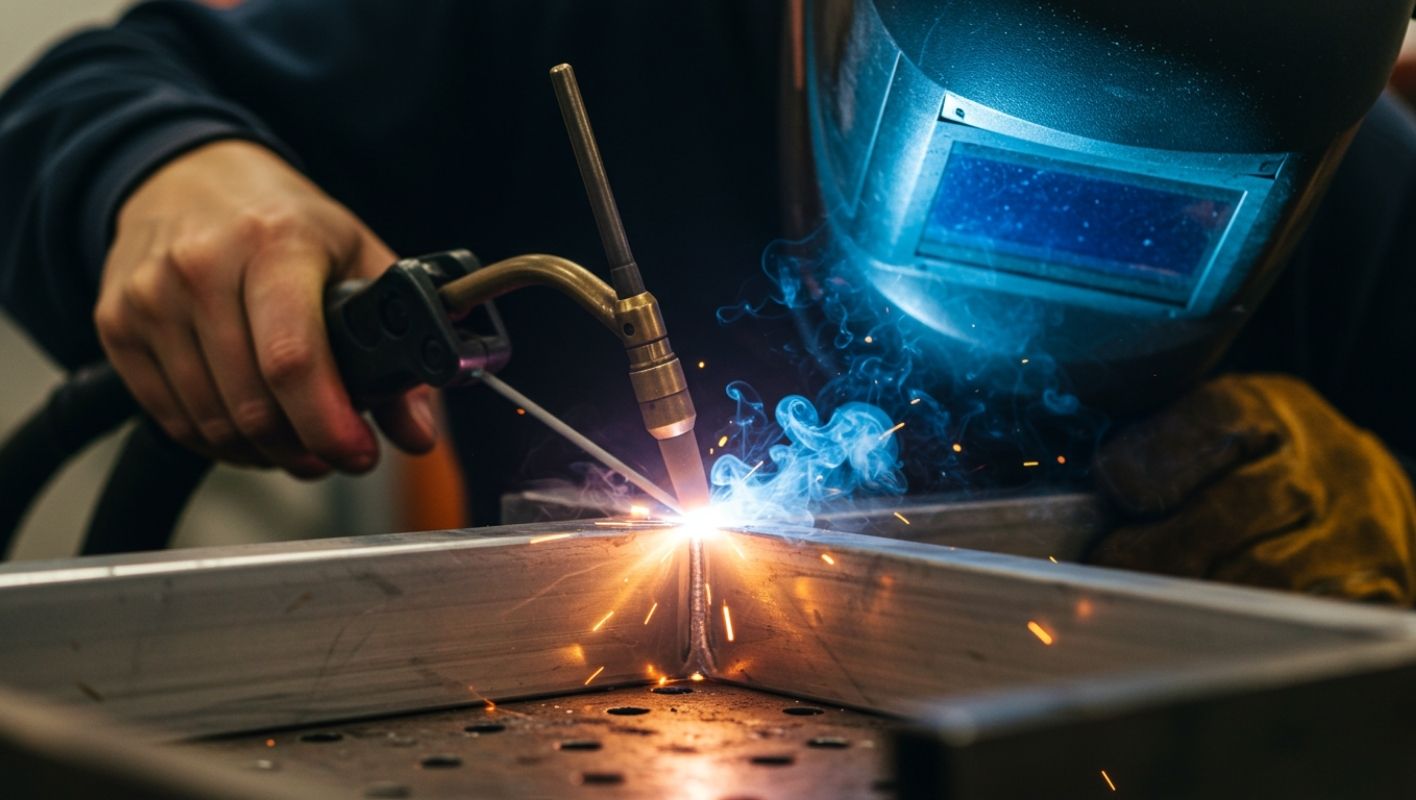
Understanding Aluminum Properties
I remember the first time I worked with aluminum. I was struck by its lightweight nature and how it resisted corrosion like a champ. These properties make it a superstar in industries like aerospace6 and automotive. However, the sneaky oxide layer7 on aluminum? It can throw a wrench in welding plans.
Welding Techniques for Aluminum
Diving into welding, I quickly realized there’s no one-size-fits-all approach. Each technique brings something unique to the table:
- TIG (Tungsten Inert Gas): It’s like the artisan baker of welding—meticulously precise, making it perfect for thin materials.
- MIG (Metal Inert Gas): Think of it as the speedster, working wonders on thicker sections.
- Friction Stir Welding: This is the heavyweight champion used in aerospace for those Herculean strong joints.
Comparison of Techniques
| Technique | Precision | Speed | Thickness | Application |
|---|---|---|---|---|
| TIG | High | Low | Thin | Intricate Designs |
| MIG | Moderate | High | Thick | Large Structures |
| Friction Stir Welding | High | Moderate | Varies | Aerospace |
Factors Influencing the Choice
Over the years, I’ve learned that several factors sway the decision:
- Material Thickness: The thicker, the better for MIG welding8 due to its fast pace.
- Joint Design: Got complex joints? TIG’s your trusty companion for precision.
- Production Scale: Big operation? MIG keeps things efficient.
- Alloy Type: Some alloys play nicer with welding than others; knowing your alloys is key.
Applications in Different Industries
In my experience with the automotive world, welding was our go-to for crafting robust yet lightweight structures. Meanwhile, in construction, aluminum frames need welds that laugh in the face of harsh weather.
For more on how welding shines in specific industries, dive into resources on automotive applications9 and construction techniques10.
Aluminum's oxide layer simplifies welding.False
The oxide layer actually poses challenges during aluminum welding.
TIG welding is ideal for thin aluminum materials.True
TIG offers high precision, making it suitable for thin materials.
How Does Cost Influence Aluminum Fabrication Method Selection?
Ever stood at a crossroads, trying to choose the best aluminum fabrication method while wrestling with costs? You’re not alone. Let’s explore this crucial decision together.
Cost is a pivotal factor when choosing aluminum fabrication methods, as it dictates which techniques, materials, and labor can be utilized effectively. Achieving a balance between budget limits and quality expectations is essential for successful outcomes.
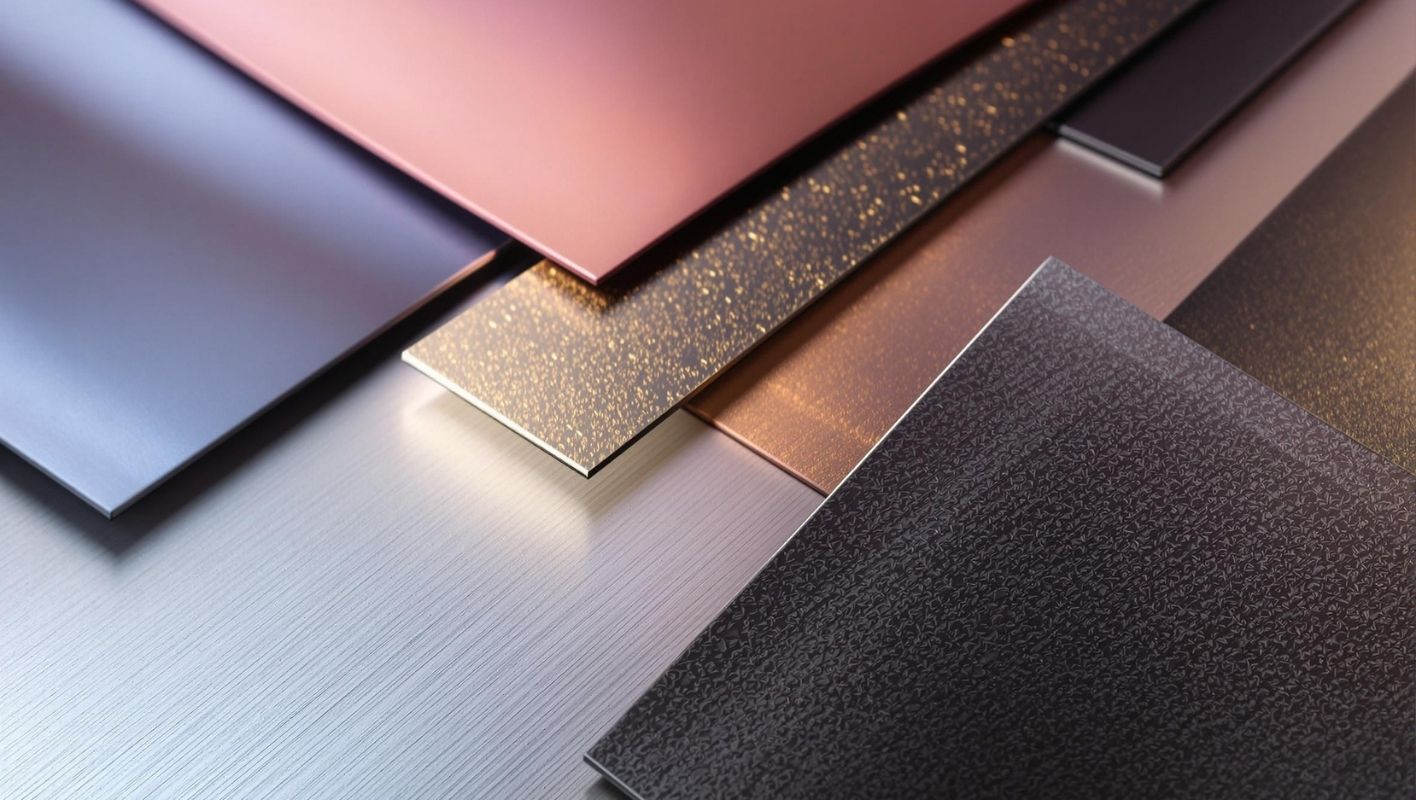
Understanding Material Costs
I remember the first time I had to choose an aluminum grade—it was like shopping for a new car! The choices seemed endless, and the prices? They varied just as much. High-grade aluminum alloys promise strength and reliability, but they come at a premium. I learned that balancing these factors is key to ensuring both performance and cost-efficiency.
| Aluminum Type | Average Cost per kg | Applications |
|---|---|---|
| Standard Aluminum | $1.50 | General purpose |
| Alloy Aluminum | $3.00 | Aerospace, automotive |
Labor and Process Expenses
Think about it like hiring a chef for your kitchen. You could go for a top-tier chef with specialized skills (like CNC machining11), but it’ll cost you. Alternatively, automated processes might save some bucks. Balancing expertise and automation is a tricky dance, but it’s all about finding the right mix for your project.
Energy Consumption Considerations
If you’ve ever compared your energy bills after running your AC all summer, you’ll understand the impact of energy consumption in aluminum fabrication. Techniques like welding or extrusion are energy-intensive, so opting for energy-efficient technologies12 can save you money in the long run.
Analyzing Cost-Benefit in Quality
It’s tempting to go for the cheapest option, but investing in higher-cost methods can lead to superior product quality. I’ve often found myself weighing long-term gains against upfront expenses, asking myself if the extra cost truly pays off in quality and durability.
The Impact of Scale on Pricing
I’ve learned that large production runs can change the game entirely. With volume-based pricing, unit costs drop, making certain methods more viable13 when scaling production. It’s a great way to leverage economies of scale if you’re planning to go big.
The Influence of Market Fluctuations
Keeping an eye on market trends14 is like checking the weather forecast before a hike. Market conditions can sway material and processing costs significantly. Staying informed helps in making cost-effective decisions, especially when the market seems unpredictable.
High-grade aluminum alloys cost more than standard ones.True
High-grade alloys offer superior strength, hence higher prices.
Automated methods always reduce labor costs in fabrication.False
While automation can cut costs, setup and maintenance may offset savings.
Conclusion
Choosing the right aluminum fabrication process—die casting, extrusion, or rolling—depends on project complexity, cost, and material properties to ensure efficiency and quality in manufacturing.
-
Explore how die casting meets the stringent requirements of aerospace and automotive industries with high precision and quality. ↩
-
Understand how die casting contributes to enhanced supply chain efficiency through rapid production cycles and timely deliveries. ↩
-
Discover how rolling contributes to manufacturing lightweight and durable automotive components. ↩
-
Learn why rolled aluminum sheets are favored in industries requiring uniformity and consistency. ↩
-
Understand how adopting energy-efficient methods can enhance sustainability in metal processing. ↩
-
Learn how aerospace industries leverage aluminum welding to create lightweight, durable components. ↩
-
Understand how the oxide layer affects aluminum welding and methods to overcome it. ↩
-
Discover why MIG welding is preferred for thicker aluminum materials. ↩
-
Explore how aluminum welding enhances vehicle design and performance. ↩
-
Find out how construction projects benefit from aluminum welding techniques. ↩
-
Knowing labor costs aids in budgeting for skilled or unskilled labor needs. ↩
-
Exploring energy-efficient options reduces operational costs and supports sustainability. ↩
-
Understanding volume pricing helps leverage economies of scale to lower costs. ↩
-
Staying updated on market trends aids in strategic financial planning. ↩






