
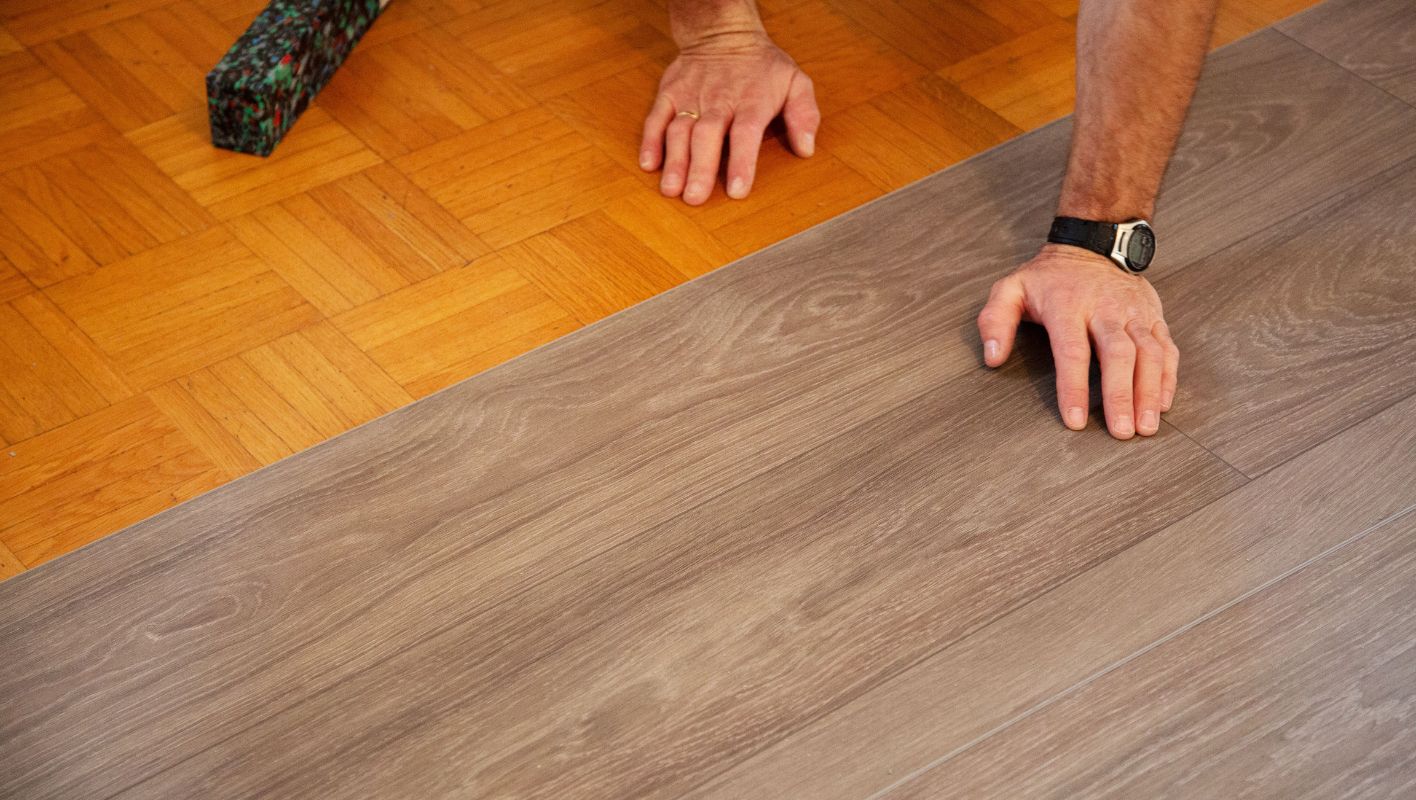
Are you diving into a vinyl flooring project and curious about transition strips? Here’s what you need to know.
Vinyl flooring often requires transition strips to bridge gaps between different flooring types, ensuring a smooth transition, preventing tripping hazards, and allowing for floor expansion. These strips maintain the integrity and appearance of the flooring over time.
When I first tackled a vinyl flooring project, I didn’t realize how crucial those little strips would be. Transition strips might seem like an afterthought, but they’re the unsung heroes of any flooring job. They ensure that your floors flow seamlessly from one room to the next and help prevent any unfortunate tripping incidents—trust me, I’ve learned that the hard way!
As I navigated through various design choices, I discovered that transitions can also enhance the visual appeal of your space. Think of them as the final brushstroke on a masterpiece. In addition to aesthetic benefits, they accommodate natural floor expansion, which means fewer headaches down the line. So whether you’re transitioning between rooms or just mixing materials, these strips are more than just functional—they’re essential for a polished finish.
If you’re considering alternatives or wondering how to install them correctly, stick around. I’ll dive deeper into the process and share what I’ve learned about making transitions work beautifully in any home.
Transition strips prevent tripping hazards on vinyl floors.True
They bridge gaps between different floor types, reducing tripping risks.
Vinyl flooring always requires transition strips.False
Transition strips are not always needed; it depends on the flooring layout.
What Are Transition Strips and Why Are They Important?
Have you ever tripped on an uneven floor? If so, transition strips might just be your new best friend in flooring projects.
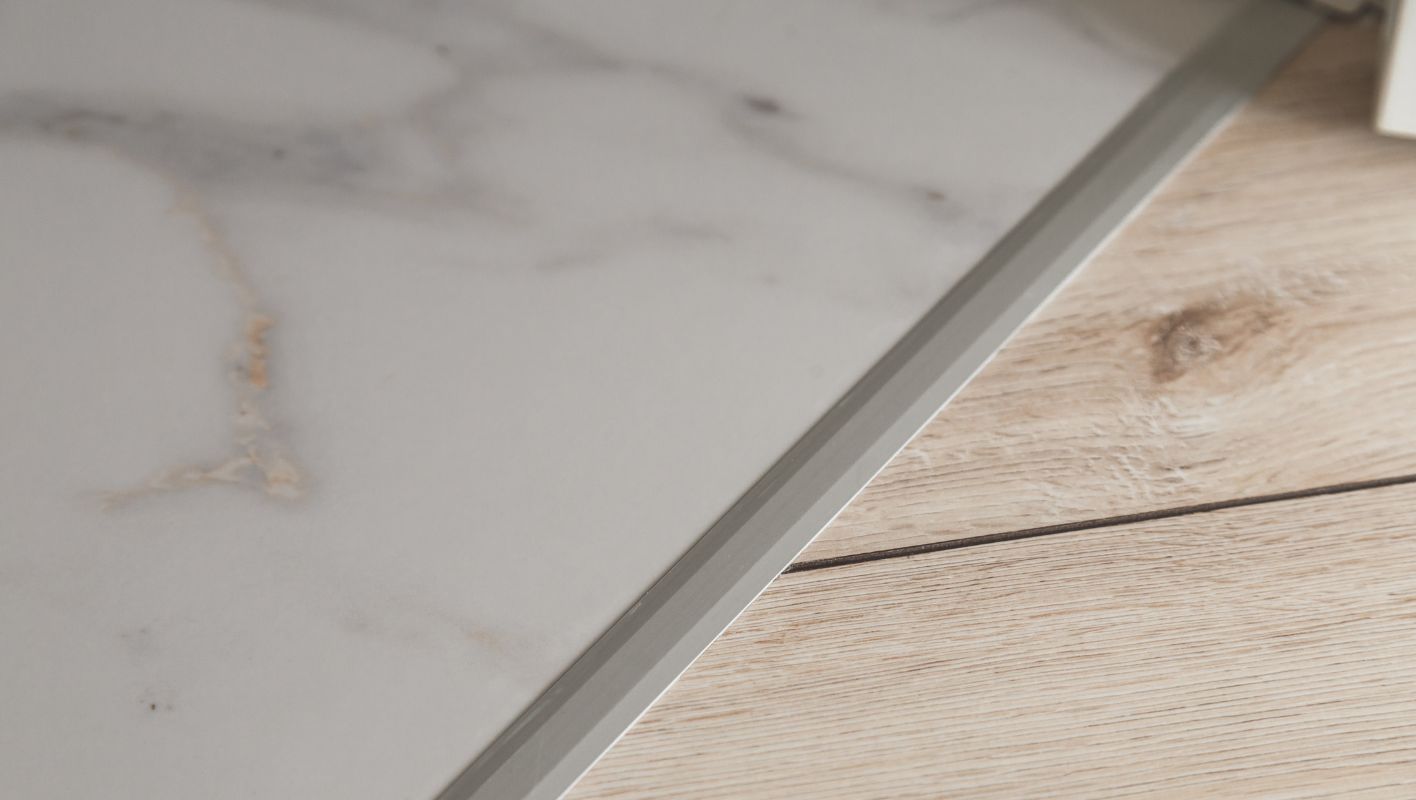
Transition strips serve as connectors between different flooring materials, ensuring a smooth surface and reducing tripping hazards. They’re essential for enhancing the durability, aesthetics, and safety of your floors.
Understanding Transition Strips
Let me take you back to my own home improvement adventure. I remember the first time I tackled my living room’s flooring. I was so focused on choosing the perfect hardwood that I completely overlooked the seams between rooms. That’s where transition strips come into play—they’re those unsung heroes of the flooring world, bridging gaps between different flooring types1 like pros.
Imagine walking from a lush carpeted room straight onto a sleek tile floor without even noticing the transition. Transition strips make this magic happen by smoothing height differences, preventing trips, and adding a polished touch to any room.
Types of Transition Strips
During my flooring journey, I discovered that not all transition strips are created equal. Depending on the surfaces you’re connecting, you’ll find various types tailored for specific flooring combinations2:
| Type | Usage |
|---|---|
| T-molding | Between two hard surfaces |
| Reducer | Hard to lower soft surfaces |
| End molding | Ending at a wall or threshold |
Installation Insights
Installing these strips can be a bit like assembling a jigsaw puzzle, but once you get the hang of it, it’s incredibly satisfying. T-molding usually snaps into a track, while reducers might require some adhesive. Trust me, taking the time to install them properly is worth it for a long-lasting, safe transition. For those of you who love a good DIY challenge, this installation manual3 is an excellent resource.
Aesthetic and Safety Considerations
The right transition strip doesn’t just blend floors; it enhances the entire room’s design. When I was picking mine, I made sure they matched the flooring colors and materials. Safety was also at the forefront of my mind, ensuring they accommodated height variations to prevent any tripping hazards4.
Material Options
Choosing the material for your transition strips is like picking out the perfect tie for your suit. You want something that complements while standing up to wear and tear. I explored several options:
- Aluminum: Extremely durable, perfect for high-traffic areas like hallways.
- Wood: Gives a natural look and is ideal if you’re working with hardwood floors.
- Vinyl: Budget-friendly and versatile across many styles.
When selecting materials, think about the specific needs of your space. For example, if you’re installing in a bathroom, moisture resistance should be a priority. To explore more about different material choices5, dive into this guide and find your perfect match.
Transition strips prevent tripping hazards.True
They smooth height differences, reducing the risk of trips.
Vinyl transition strips are ideal for high-traffic areas.False
Aluminum, not vinyl, is more suitable for high-traffic areas.
Can You Install Vinyl Flooring Without Transition Strips?
Have you ever dreamed of smooth, uninterrupted flooring that seems to flow from room to room? Let’s explore if you can achieve this seamless look with vinyl flooring, minus those transition strips.
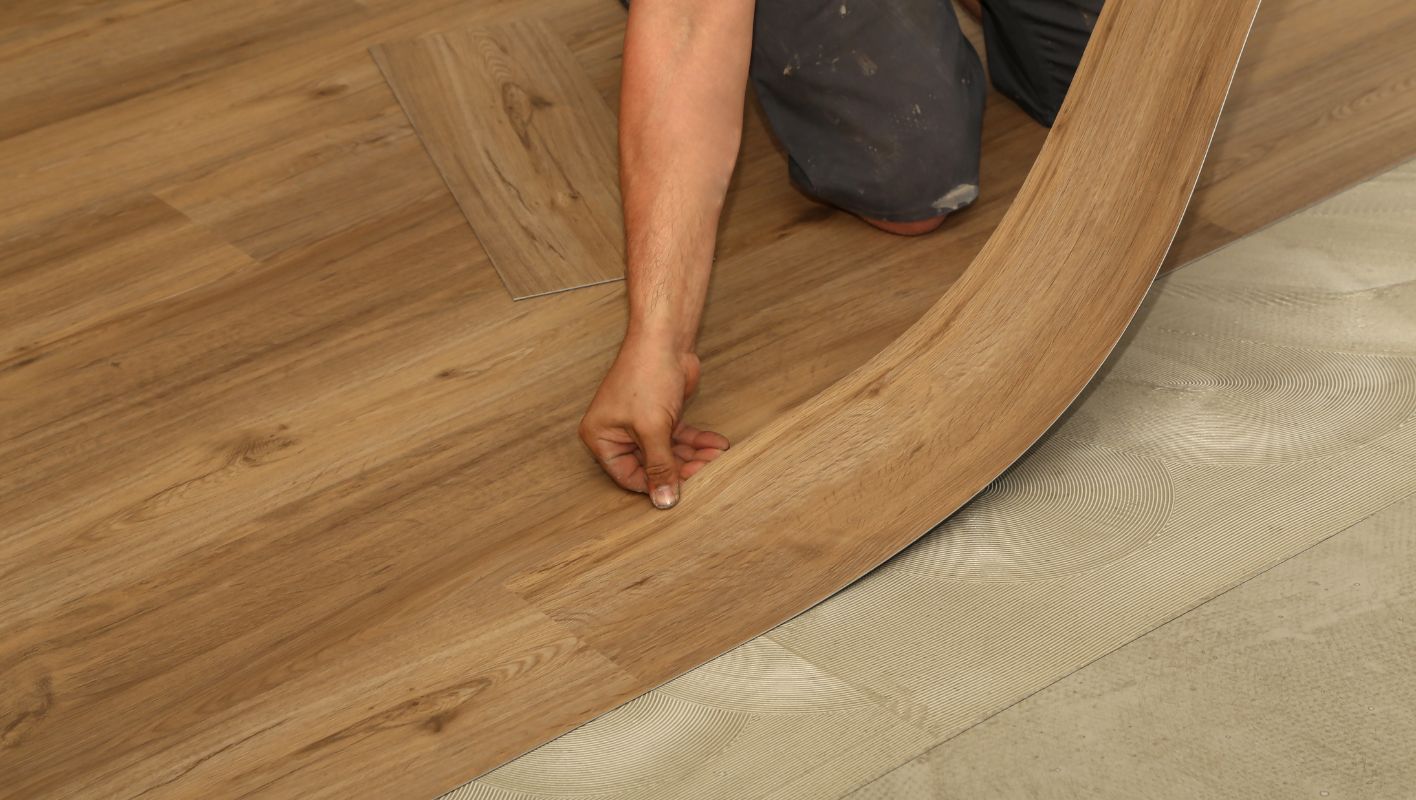
Yes, you can install vinyl flooring without transition strips, but you’ll need to ensure proper installation techniques are followed. This includes careful attention to expansion gaps, subfloor consistency, and the size of the room for that flawless finish.
Understanding Transition Strips
Transition strips typically act as the unsung heroes in bridging different flooring types or levels, covering expansion gaps and adding stability. They serve as a bridge between different flooring types or levels, providing both a visual and functional transition. However, for those like me who crave a minimalist aesthetic, they might seem like an unwelcome interruption.
Pros and Cons of Skipping Transition Strips
- Pros: Imagine a living space that feels vast and open because the floor seamlessly stretches out beneath your feet. A seamless appearance can create a more expansive feeling in open spaces. Skipping those strips can achieve this look, possibly saving some cash on materials.
- Cons: On the flip side, without those strips, you might run into visible expansion gaps or uneven spots if the job isn’t done just right.
Installation Techniques Without Transition Strips
- Expansion Gaps: Picture this—you’re finally done with your floor only to find it buckling or warping because you missed those crucial expansion gaps. It’s essential to leave space at the room’s perimeter.
- Subfloor Preparation: I can’t stress enough how important a consistent subfloor is. Any bumps or dips should be smoothed out before you start to keep your vinyl looking sharp.
- Room Size Considerations: In larger rooms, even minor misalignments can stand out without transitions. It’s like a tiny wrinkle in a huge blanket—it becomes glaringly obvious.
Practical Examples
- Open Concept Homes: If you’ve ever walked through an open-concept space where the floors just flow beautifully from one area to the next, you’ll appreciate how seamless flooring can enhance this design.
- Small Apartments: In my small apartment, continuous flooring made the whole place feel more unified and spacious than it actually is.
Expert Tips
- Trust me, chatting with a pro about your specific space needs can save you from headaches down the line.
- Ever considered flexible molding? It’s like finding a middle ground between having transitions and keeping things sleek.
| Factor | Importance |
|---|---|
| Expansion Gap Management | High |
| Subfloor Consistency | Critical |
| Professional Guidance | Recommended |
By keeping these considerations in mind, you can achieve a smooth transition6 between rooms without traditional transition strips, maintaining both functionality and beauty in your vinyl flooring project.
Skipping transition strips reduces flooring costs.True
Eliminating transition strips means fewer materials are needed, lowering costs.
Transition strips are mandatory for all vinyl installations.False
While helpful, transition strips are not mandatory if proper techniques are used.
Why Are Transition Strips Essential for Floor Durability?
Ever wondered how those small transition strips can work magic on your floors? Let me tell you, they’re the unsung heroes that keep everything looking sharp and lasting longer.
Transition strips are crucial for flooring durability as they cover expansion gaps and shield edges from damage. They enhance stability, prevent trips, and accommodate height differences, ultimately extending your floor’s life.
The Role of Transition Strips in Flooring Stability
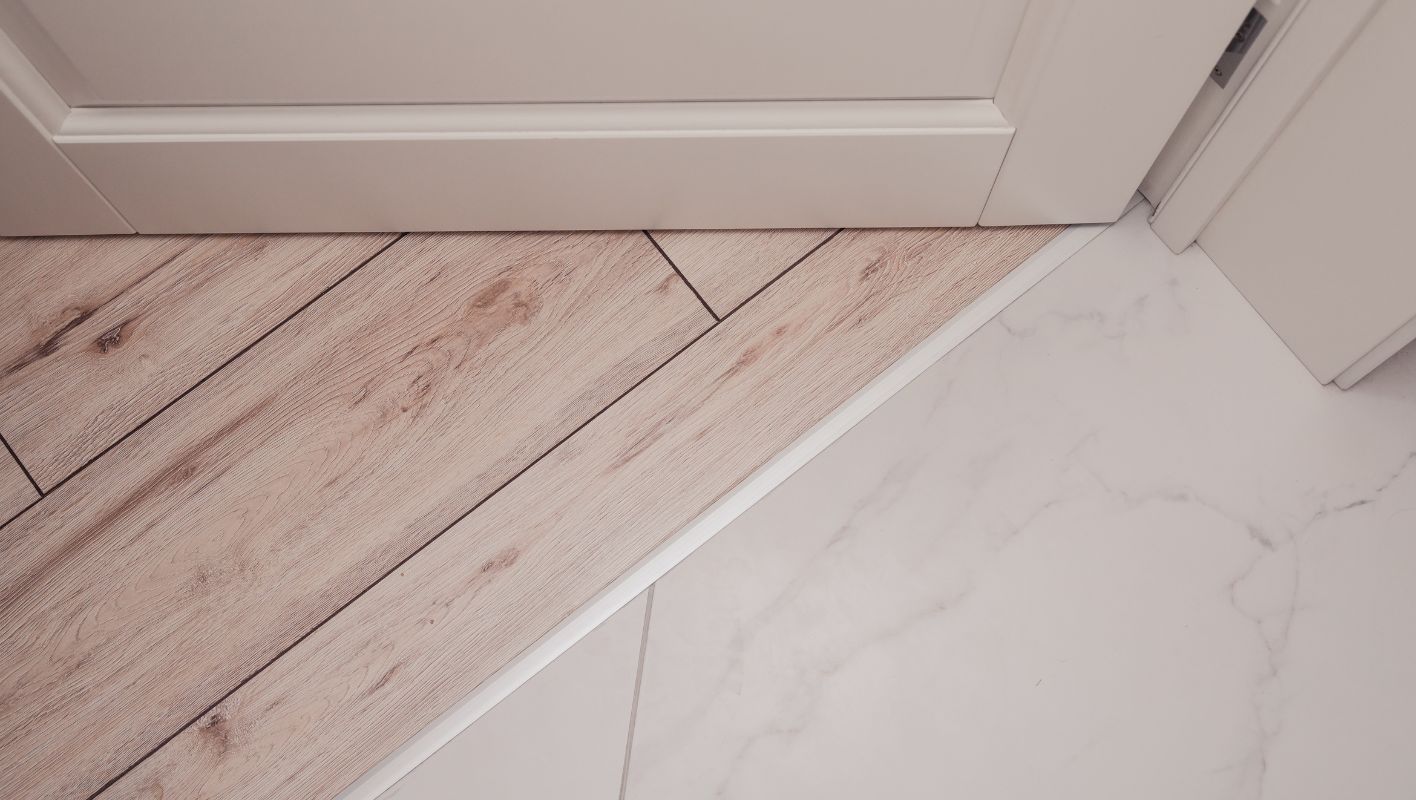
I remember when I first got into flooring; I didn’t think much about the little details. But then I learned about transition strips. They’re like the peacekeepers of flooring. They cover those essential expansion gaps for hardwood flooring7, which, without them, could lead to floors warping or buckling with temperature changes. It’s like giving your floor space to breathe.
Protection Against Wear and Tear
Think about the busiest parts of your home. Those areas take a beating day in and day out. Transition strips act as armor for your floor edges, especially in high-traffic spots. I can’t count how many times I’ve seen beautiful floors chip away at the edges because they weren’t protected. These strips keep everything looking pristine and save you the heartache of repairs.
Accommodating Height Differences
Have you ever tripped over uneven floors? It’s not just annoying; it can be dangerous. Transition strips are like those friends who always smooth things over, making sure you glide from tile to carpet without a hitch. It’s practical and adds a layer of safety that’s hard to ignore.
Types of Transition Strips
There’s a strip for every need:
| Type | Application |
|---|---|
| T-molding | Used between rooms with similar floor heights |
| Reducer | Connects floors of differing heights |
| End moldings | Finishes off edges at doorways or fireplaces |
Every type has its mission, whether it’s uniting rooms or polishing off an edge.
Innovative Materials8 in Transition Strips
These days, transition strips come in all sorts of materials like aluminum, wood, and vinyl. Each has its vibe—aluminum for durability in commercial spaces, wood for that natural homey feel, and vinyl for versatility without breaking the bank.
Sustainability Considerations
I’ve always been keen on eco-friendly options. Thankfully, many manufacturers now offer sustainable transition strips. It’s a win-win: protecting your floors while being kind to the planet. Plus, they align perfectly with green building practices9, which is a big plus for anyone mindful of their environmental footprint.
Transition strips prevent floor warping.True
They cover expansion gaps, allowing natural movement of floors.
All transition strips are made from aluminum.False
They come in various materials like wood, vinyl, and aluminum.
What Are the Best Transition Strips for Vinyl Flooring?
Ever had that moment when you’re in the middle of a home project, and suddenly, everything clicks into place? Picking the right transition strips for vinyl flooring can be just like that—a satisfying finish to your flooring journey.
The best transition strips for vinyl flooring are those that seamlessly blend with your floor’s design while ensuring durability and ease of installation. For even floors, opt for T-molding; for uneven transitions, reducers are your go-to choice.
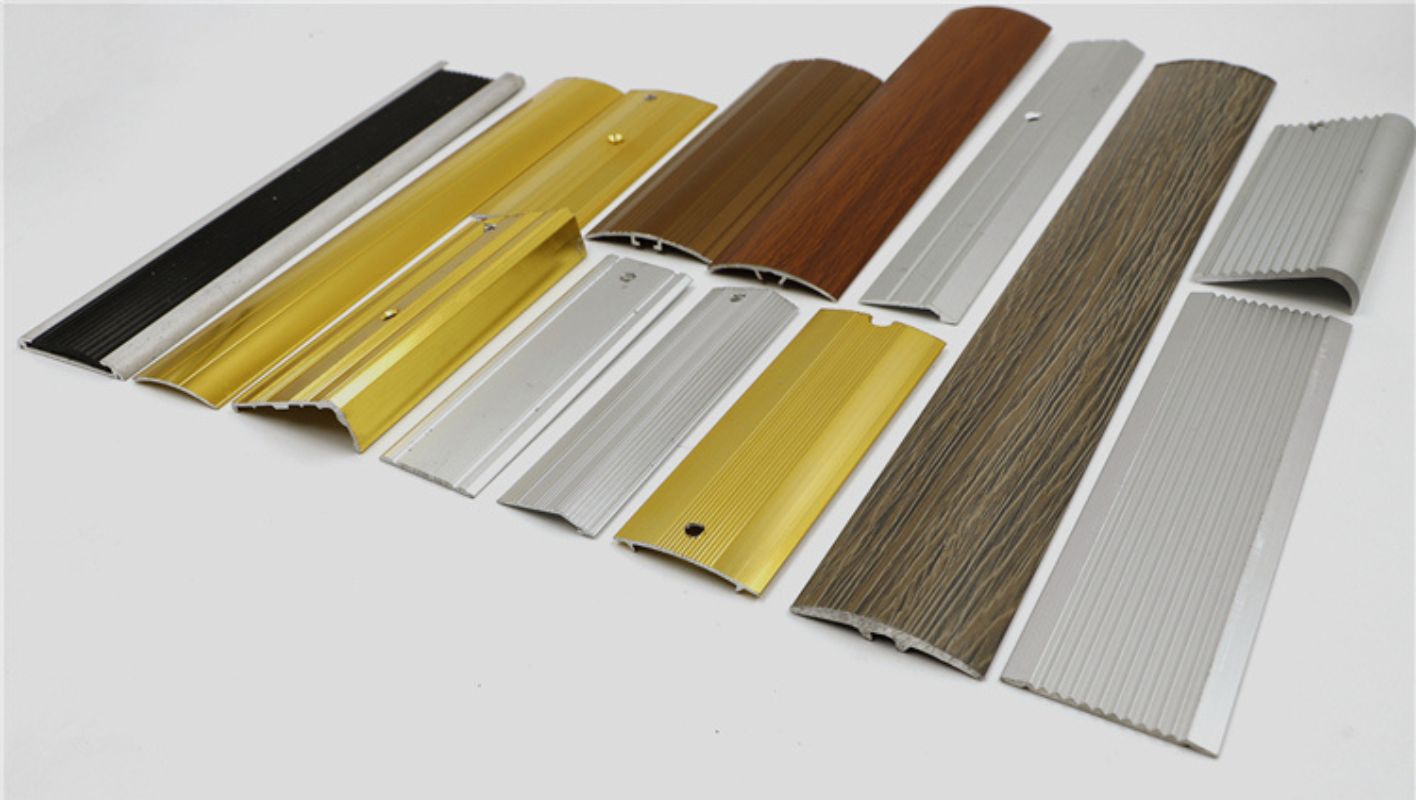
Understanding Transition Strips
You know that sense of pride when you step back and admire a project well done? Transition strips can be the unsung heroes in those moments, turning potential trip hazards into smooth, stylish connections between different flooring types. When I first dived into home improvements, it was eye-opening to see how these strips enhanced both safety and aesthetics. Choosing the right one for vinyl flooring involves considering material, installation type, and the height difference you’re dealing with.
Types of Transition Strips
- T-Molding: Perfect for those level transitions between vinyl and another flooring type of equal height. I remember using this in a friend’s house between their vinyl kitchen and laminate living room—made all the difference!
- Reducers: These are ideal for smoothing out height differences between vinyl and lower floors like carpet or tile. It’s a bit like being a peacemaker between two different levels.
- End Cap: Great when you have vinyl meeting a wall or sliding door. It’s like a neat full stop at the end of a flooring sentence.
| Type | Use Case |
|---|---|
| T-Molding | Even height transitions |
| Reducers | Transitioning to lower floors |
| End Cap | Meeting walls or non-floor surfaces |
Material Considerations
When selecting transition strips, think about the foot traffic10 in the area and what kind of look you’re going for:
- Metal Transition Strips: These are my go-to in high-traffic areas because they’re tough and give a modern vibe.
- Wood or Laminate Strips: Perfect for adding a classic touch, especially if you’ve got existing woodwork you want to match.
- Vinyl Strips: These work wonders if you’re aiming for a seamless look with the vinyl floor—talk about blending in!
Installation Tips
Proper installation is crucial. I’ve found that options like snap-in or adhesive installations each have their perks.
- Snap-in Strips: These are super easy to install and remove, making them a flexible choice if you’re prone to changing your mind (like me!).
- Adhesive Strips: These offer more permanence, which is great for areas where stability is key.
Check out detailed installation guidelines11 to figure out what works best for your setup. Don’t forget to allow for expansion gaps with floating floors.
Consider the compatibility of the transition strip with your subfloor type and any underlayment you might have in place to ensure it lasts long and performs well.
Final Considerations
Before you make a purchase, take accurate measurements to avoid mismatched heights or gaps—trust me, there’s nothing worse than finding out things don’t quite fit! Also, explore eco-friendly options that align with sustainable living practices. Not only do these benefit the environment, but they may also enhance indoor air quality12.
By understanding these aspects, you can confidently choose the best transition strip for your vinyl flooring project. Each option has its own unique benefits, ensuring both functionality and design harmony in your space.
T-molding is ideal for uneven transitions.False
T-molding is used for even height transitions, not uneven ones.
Metal transition strips are best for high-traffic areas.True
Metal strips are durable and suitable for areas with heavy foot traffic.
Conclusion
Vinyl flooring often requires transition strips for safety, aesthetics, and durability. They bridge gaps between different flooring types, preventing tripping hazards and accommodating natural expansion.
-
Discover the variety of transition strips available for different flooring types. ↩
-
Learn about the ideal transition strip combinations for various flooring setups. ↩
-
Get step-by-step instructions on installing floor transition strips effectively. ↩
-
Find out how transition strips can help in preventing tripping hazards. ↩
-
Explore different materials used in making transition strips for flooring. ↩
-
Learning these techniques ensures proper installation without transition strips. ↩
-
Understand the importance of expansion gaps in hardwood flooring and how they affect durability. ↩
-
Discover new materials for transition strips that enhance both durability and aesthetic appeal. ↩
-
Explore sustainable options for transition strips that support green building practices. ↩
-
Metal transition strips withstand heavy foot traffic, offering durability and modern aesthetics. ↩
-
Learn step-by-step installation techniques for secure and efficient transition strip application. ↩
-
Eco-friendly options can enhance indoor air quality by using sustainable materials. ↩






