
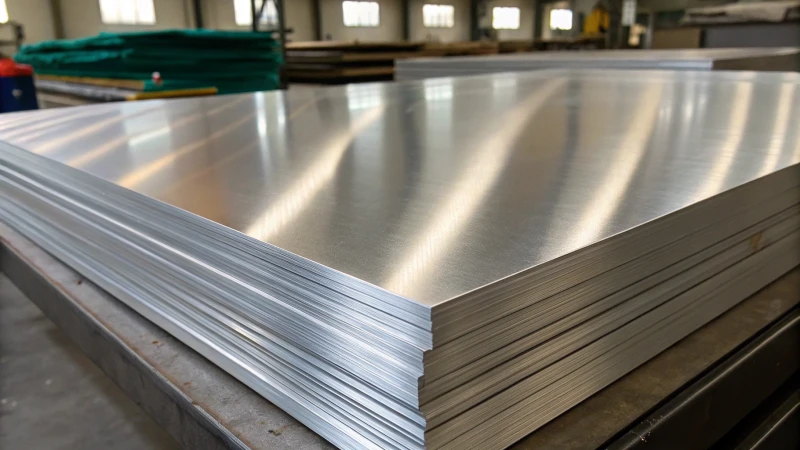
Choosing the right aluminum for marine projects feels like navigating a stormy sea—tricky but vital for smooth sailing.
Yes, aluminum alloy 5456 is a marine-grade aluminum sheet, prized for its high strength and excellent corrosion resistance, making it ideal for marine environments.
I remember the first time I dealt with marine-grade materials. It was like trying to find a needle in a haystack, but with the right information, it became manageable. While 5456 aluminum boasts great features for marine use, understanding its specific characteristics and how it stacks up against other options is crucial. Availability and pricing can sway your choice too—so it’s worth digging a bit deeper before committing.
5456 aluminum is suitable for marine applications.True
5456 aluminum is known for high strength and corrosion resistance.
5456 aluminum is the only marine-grade option available.False
There are multiple marine-grade aluminum alloys, not just 5456.
What Are the Key Properties of Aluminum 5456?
Ever wonder why Aluminum 5456 is the go-to choice for marine and structural applications? Let’s dive into its standout features!
Aluminum 5456, with its high magnesium content, is celebrated for exceptional strength, corrosion resistance, and good formability, making it perfect for marine and structural uses.
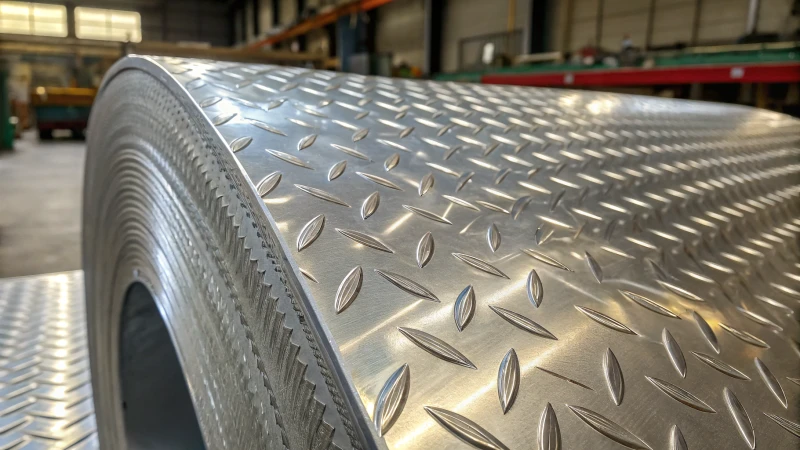
Mechanical Properties
I remember the first time I encountered Aluminum 5456 during a project that demanded durability and resilience. This alloy’s mechanical properties were impressive, with tensile strengths ranging from 290 to 350 MPa and a yield strength around 240 MPa. It was like finding a hidden gem in the world of materials—just the right mix of strength and flexibility. Plus, its excellent weldability1 made it a versatile choice for our engineering needs.
| Property | Value |
|---|---|
| Tensile Strength | 290-350 MPa |
| Yield Strength | ~240 MPa |
Corrosion Resistance
One of my fondest memories with Aluminum 5456 was during a coastal construction project. Its superior resistance to corrosion in marine environments was like a suit of armor against the relentless sea. The high magnesium content really stood out, ensuring that the structures we built maintained their integrity over time, regardless of the harsh conditions.
Thermal Conductivity
Another project brought me to the challenge of managing heat in a tightly packed setup. Aluminum 5456, with its thermal conductivity of about 130 W/m·K, proved to be quite effective in heat dissipation. It was perfect for applications like heat exchangers or refrigeration units2 where managing temperature was crucial.
Applications
Whether it’s constructing a sturdy bridge or building a ship to brave the ocean waves, Aluminum 5456 has been my trusted ally. Its robust properties ensure longevity and reliability, making it a favorite among engineers looking for materials that can withstand time’s test.
Comparisons with Other Alloys
In my journey through materials selection, I’ve seen how Aluminum 5456 stands out against other alloys like 5083 or 6061. Its enhanced strength and corrosion resistance are unmatched, although every project has its unique needs, and sometimes other alloys offer specific advantages. For anyone in doubt, I recommend checking out aluminum alloys3 in engineering databases to find the perfect match for your project.
Aluminum 5456 has a tensile strength of 290-350 MPa.True
The tensile strength range for Aluminum 5456 is indeed 290-350 MPa.
Aluminum 5456 is unsuitable for marine applications.False
Aluminum 5456 is ideal for marine applications due to its corrosion resistance.
How Does 5456 Compare to Other Marine-Grade Aluminum Alloys?
Ever wondered why marine-grade aluminum alloys like 5456 are such a big deal? It’s all about keeping ships and structures intact in the toughest conditions.
Aluminum alloy 5456 shines in marine applications due to its superior corrosion resistance and strength, outperforming similar alloys like 5052 and 5083.
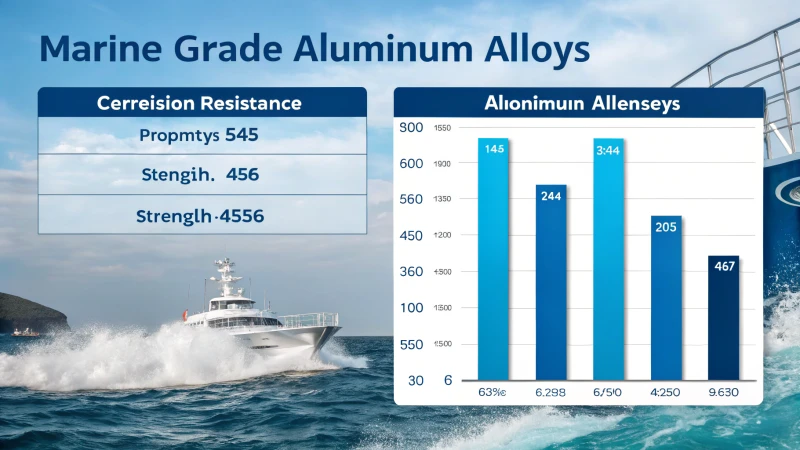
Understanding 5456 Alloy Properties
Whenever I think about marine projects, 5456 aluminum alloy comes to mind. You see, this material is not just a random choice; it’s my go-to because of its high magnesium content. This magical component boosts its corrosion resistance4 and mechanical strength, making it a standout.
The table below highlights its key attributes:
| Property | Value |
|---|---|
| Magnesium Content | 4.5% – 5.6% |
| Ultimate Strength | 290 MPa |
| Yield Strength | 210 MPa |
| Elongation | Up to 15% |
When I compare it to other marine-grade alloys, the composition of 5456 allows for greater stress handling, making it suitable for high-pressure environments.
Comparing with Other Alloys
5052 Alloy
During my years in the industry, I’ve often turned to the 5052 alloy5 for projects where formability is key. It’s kind of like the Swiss Army knife of materials—versatile but not as strong as 5456.
Here is a quick comparison:
| Alloy | Strength | Corrosion Resistance |
|---|---|---|
| 5456 | Higher | Excellent |
| 5052 | Moderate | Very Good |
The 5052 alloy6 is great when you need something easy to weld and shape, but when strength is crucial, I stick with 5456.
5083 Alloy
Ah, the 5083 alloy7—a real powerhouse. If you need strength and corrosion resistance in equal measure, it’s hard to beat.
Its properties are:
| Property | Value |
|---|---|
| Ultimate Strength | 317 MPa |
| Yield Strength | 228 MPa |
Both 5456 and 50838 are robust, but when I’m working on projects that need that extra resilience, I lean towards the latter.
Practical Applications
Choosing between these alloys is like picking the right tool for the job. For ships and offshore platforms, I weigh factors like weight efficiency and cost against environmental conditions. The marine industry’s choice9 often depends on balancing these factors with environmental conditions.
Pricing Considerations
While performance is a priority, pricing can’t be ignored. Higher magnesium content alloys like 5456 might be pricier, but their longevity in tough settings often offsets the initial cost.
By weighing these factors, I can ensure that every project meets its performance goals without breaking the bank. This analytical approach to material selection helps me build a solid foundation for successful marine construction projects.
5456 alloy has higher magnesium than 5052 alloy.True
5456 contains 4.5%-5.6% magnesium, more than 5052's composition.
5083 alloy has lower strength than 5456 alloy.False
5083 has an ultimate strength of 317 MPa, higher than 5456's 290 MPa.
Where Can I Source Aluminum 5456 Sheets?
Finding a reliable source for Aluminum 5456 sheets can be a game-changer for your construction needs. Let me walk you through the best options and share some personal insights to ensure you make the right choice.
You can find Aluminum 5456 sheets from specialized metal suppliers and distributors across the U.S., prized for their strength and corrosion resistance. Look for certified vendors who offer competitive prices and dependable delivery.
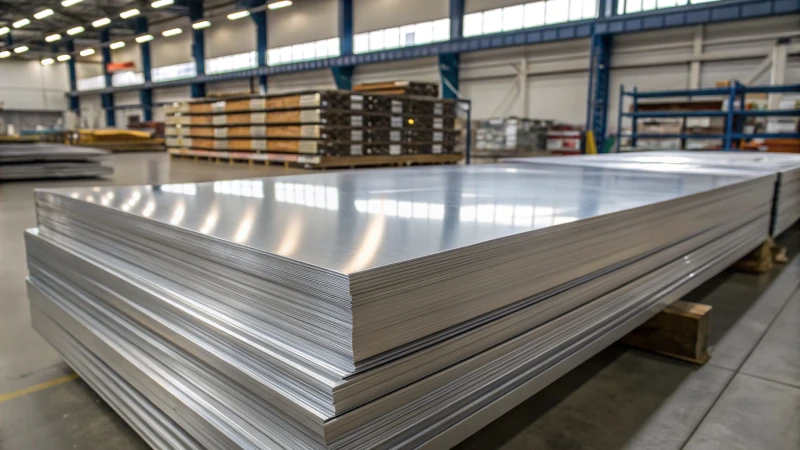
Understanding Aluminum 5456 Sheets
Ah, Aluminum 5456! I remember the first time I realized its incredible potential during a project near the coast. This alloy is not just a buzzword in our field; it’s a staple for those of us who need materials that can withstand harsh environments, like marine and industrial settings, without breaking a sweat. Its strength and corrosion resistance10 make it a go-to choice when durability is non-negotiable.
Key Factors in Selecting a Supplier
Choosing a supplier isn’t just about the numbers—it’s about trust. Imagine working on a tight deadline and knowing your materials will arrive exactly when promised. That’s why I always prioritize vendors who provide certifications, ensuring the Aluminum 5456 sheets meet industry standards. If you’re like me, you also appreciate having material data sheets at your fingertips—it just makes everything smoother.
| Factor | Importance |
|---|---|
| Certification | Ensures compliance with safety standards |
| Pricing | Affects budget management |
| Delivery Reliability | Impacts project timelines |
Top U.S. Suppliers
There are some standout suppliers across the U.S. that I’ve come to trust over the years:
- Online Metals: They’re like the Amazon of metals. They have an extensive range of alloys, and their custom cutting services have saved me more than once.
- Metal Supermarkets: Perfect for those last-minute needs with their same-day pickup option. It’s been a lifesaver on more than one occasion.
These suppliers often detail their product specifications online, making it easy to assess material suitability11 for your specific projects.
Sustainable Practices in Sourcing
Sustainability isn’t just a trend; it’s a responsibility. Over the years, I’ve leaned towards suppliers who are committed to eco-friendly practices. Some even offer recycled aluminum options, which is a win-win for our green construction initiatives.
Comparing Costs and Specifications
Before making any decisions, I always compare costs and specifications from various suppliers. It’s amazing how much you can save without compromising on quality by using online platforms that aggregate offers.
Importance of Customer Support
In my experience, strong technical support is invaluable when working with specialized materials like Aluminum 5456. I look for suppliers with responsive customer service teams who can help with technical inquiries12 and provide guidance on material handling.
Engaging with industry forums or communities has also been incredibly beneficial. Sharing experiences and recommendations about different suppliers has significantly enhanced my sourcing strategy, thanks to peer insights.
Aluminum 5456 is ideal for marine applications.True
Due to its strength and corrosion resistance, it's perfect for marine use.
Online Metals offers same-day pickup for Aluminum 5456.False
Metal Supermarkets, not Online Metals, offers same-day pickup in some locations.
What Influences the Price of Aluminum 5456 Sheets?
Have you ever wondered why the cost of aluminum 5456 sheets seems to fluctuate so much?
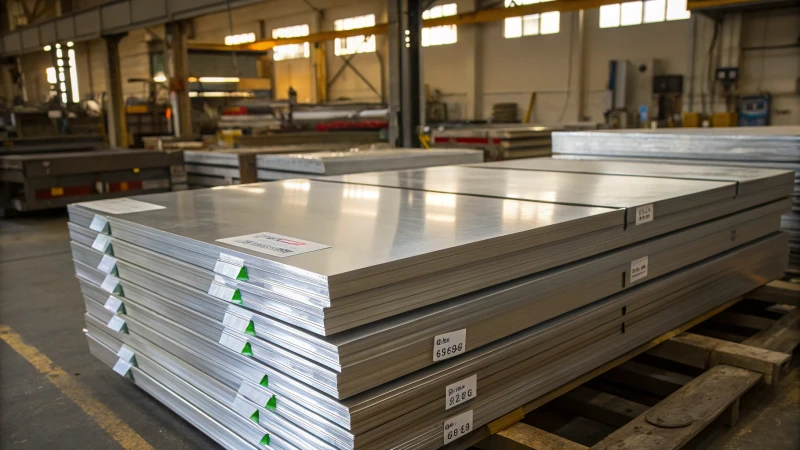
The cost of Aluminum 5456 sheets is shaped by factors like alloy composition, sheet thickness, surface finish, global market demand, and transportation expenses. Understanding these elements helps you anticipate price variations from different suppliers and regions.
Alloy Composition and Quality
I remember the first time I learned about the importance of alloy composition in aluminum sheets. I was fascinated by how the magnesium content in Aluminum 5456 boosts its strength and corrosion resistance. It turns out, variations in this composition can significantly affect the cost. If a sheet has a higher magnesium content, it might be priced higher due to its enhanced durability13. It’s kind of like choosing between a basic phone and one with all the bells and whistles.
Sheet Thickness and Dimensions
Choosing the right thickness of aluminum sheet is almost like picking the right size of an outfit—too small or too big, and you’re in trouble! Thicker sheets naturally require more material and take longer to produce, which means more dollars out of your pocket. When deciding on sheet dimensions, it’s all about finding that sweet spot between what your project demands and what your budget can handle. And if you’re going for custom dimensions, be prepared for extra charges akin to getting a tailored suit.
| Sheet Thickness | Relative Cost |
|---|---|
| 1/8 inch | Low |
| 1/4 inch | Medium |
| 1/2 inch | High |
Surface Finish Options
When it comes to surface finishes, it’s like choosing a paint job for your car. Anodized or painted coatings add aesthetic appeal and functional benefits, but they also increase costs. Anodizing provides extra protection against oxidation—a worthwhile investment if you’re looking for longevity—and might justify its extra cost14.
Market Demand and Supply
Market dynamics remind me of my days juggling multiple projects, where demand and supply were always in flux. The construction and marine industries heavily influence Aluminum 5456 pricing. A surge in demand or a limited supply can lead to price surges15 faster than you can say "supply chain disruption." Staying updated on industry trends is key to anticipating these shifts.
Transportation and Logistics
Logistics can be a real headache if not managed properly. Transporting bulky aluminum sheets involves substantial costs, particularly for international shipments. I’ve found that opting for nearby suppliers often helps cut down these expenses significantly—it’s like choosing a local bakery over one that’s miles away.
| Region | Average Freight Cost |
|---|---|
| Domestic (USA) | Low |
| Europe | Medium |
| Asia | High |
Higher magnesium increases Aluminum 5456 cost.True
Magnesium enhances strength and corrosion resistance, raising costs.
Thinner sheets of Aluminum 5456 are more expensive.False
Thicker sheets require more material, thus are more costly.
Conclusion
Aluminum alloy 5456 is a marine-grade material known for its high strength and corrosion resistance, making it ideal for various marine applications and outperforming similar alloys.
-
Discover how Aluminum 5456 can be shaped and formed without compromising its structural integrity, ensuring optimal use in various applications. ↩
-
Learn why thermal conductivity is crucial for certain applications and how Aluminum 5456 meets these demands efficiently. ↩
-
Explore the differences and advantages of using Aluminum 5456 compared to other alloys to make informed material choices. ↩
-
This link provides detailed insights into how the alloy withstands marine environments, crucial for selecting durable materials. ↩
-
Clicking this link offers a comprehensive comparison of the physical properties and uses of the 5052 alloy. ↩
-
Clicking this link offers a comprehensive comparison of the physical properties and uses of the 5052 alloy. ↩
-
Explore this link to understand how these two alloys compare in terms of strength and corrosion resistance. ↩
-
Explore this link to understand how these two alloys compare in terms of strength and corrosion resistance. ↩
-
This link helps determine the best alloy based on specific project needs and environmental conditions. ↩
-
This link provides detailed technical data on Aluminum 5456’s properties, aiding in understanding its suitability for your projects. ↩
-
Clicking this link offers insights into assessing material compatibility with various project needs, essential for informed decision-making. ↩
-
This link explains the benefits of having strong supplier support, crucial for handling complex material requirements effectively. ↩
-
Discover how magnesium content enhances Aluminum 5456’s strength and corrosion resistance. ↩
-
Explore why anodized coatings add value through improved protection against oxidation. ↩
-
Stay informed about market demand trends to better predict price fluctuations. ↩






