
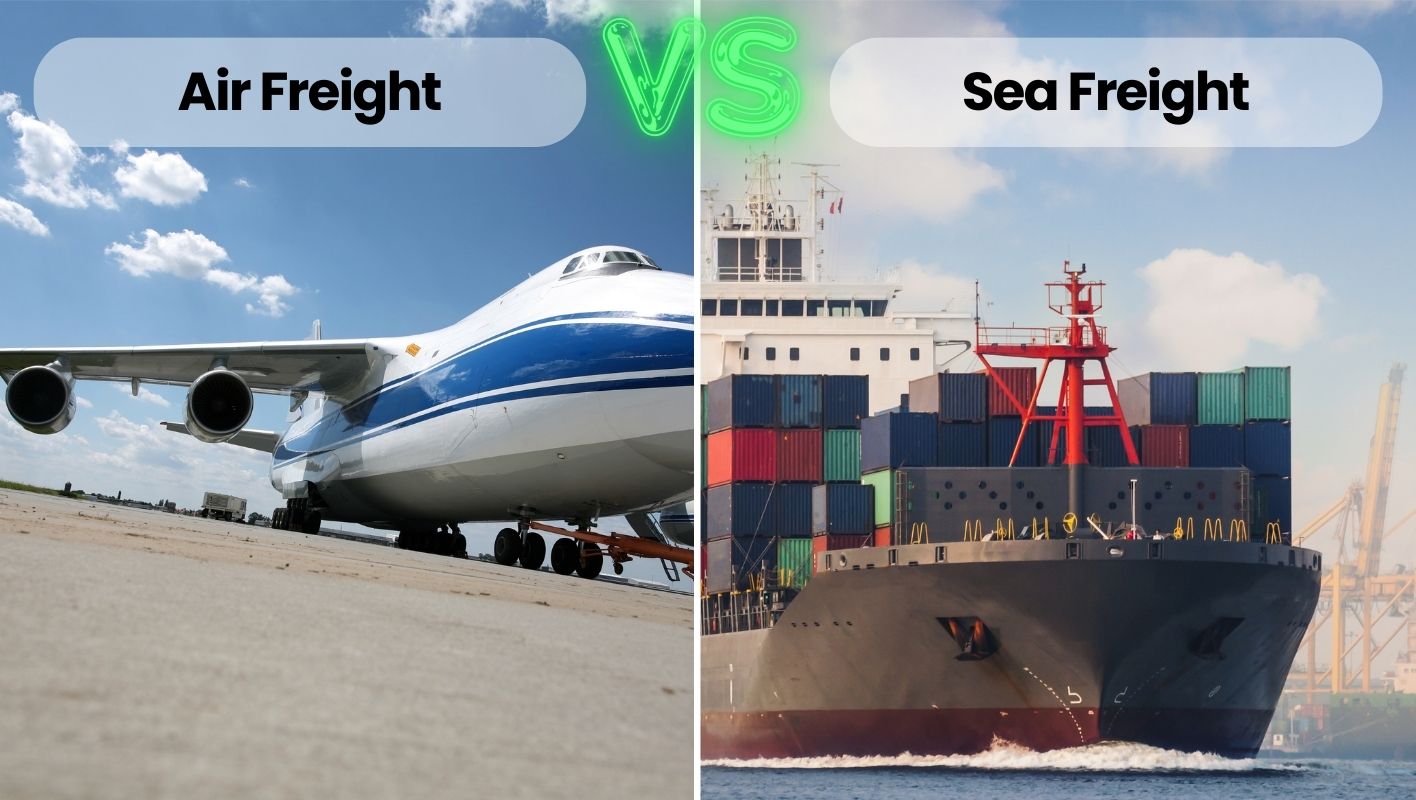
Choosing between air and sea freight isn’t just about speed or cost—it’s about finding the right fit for your needs.
Air freight offers unmatched speed, perfect for urgent shipments, but comes with a higher price tag. Sea freight is more budget-friendly for large volumes but is slower. Deciding the best option hinges on weighing factors like timing, budget constraints, and environmental considerations.
I remember when I first faced this choice for my business. It felt like standing at a crossroads with so many paths leading in different directions. While air freight seemed like the obvious choice for meeting tight deadlines, the costs quickly added up, making me reconsider my options. On the other hand, sea freight provided a more economical solution but required planning ahead to accommodate its longer transit times.
In my experience, the decision often boils down to what you prioritize most—speed or savings. For instance, when I needed to meet a last-minute demand spike, air freight saved the day despite the higher expense. But for routine shipments where time was more forgiving, sea freight’s affordability allowed me to allocate resources elsewhere.
As you weigh your options, consider how each method aligns with your business goals, whether it’s maximizing efficiency or minimizing costs. This thoughtful approach ensures your shipping strategy supports your broader objectives, keeping you competitive and capable of meeting customer expectations.
Air freight is always cheaper than sea freight.False
Air freight is generally more expensive due to speed and fuel costs.
Sea freight is slower but more cost-effective for bulk shipments.True
Sea freight is ideal for large volumes, reducing cost per unit shipped.
What are the Cost Differences Between Air and Sea Freight?
Ever felt overwhelmed by choosing between air and sea freight for shipping your goods? Let me break down the costs and help you decide what’s best for your business needs.
Air freight, though more costly, provides faster delivery than sea freight. Opt for sea freight when shipping large, heavy items cost-effectively; choose air freight for urgent or high-value goods.
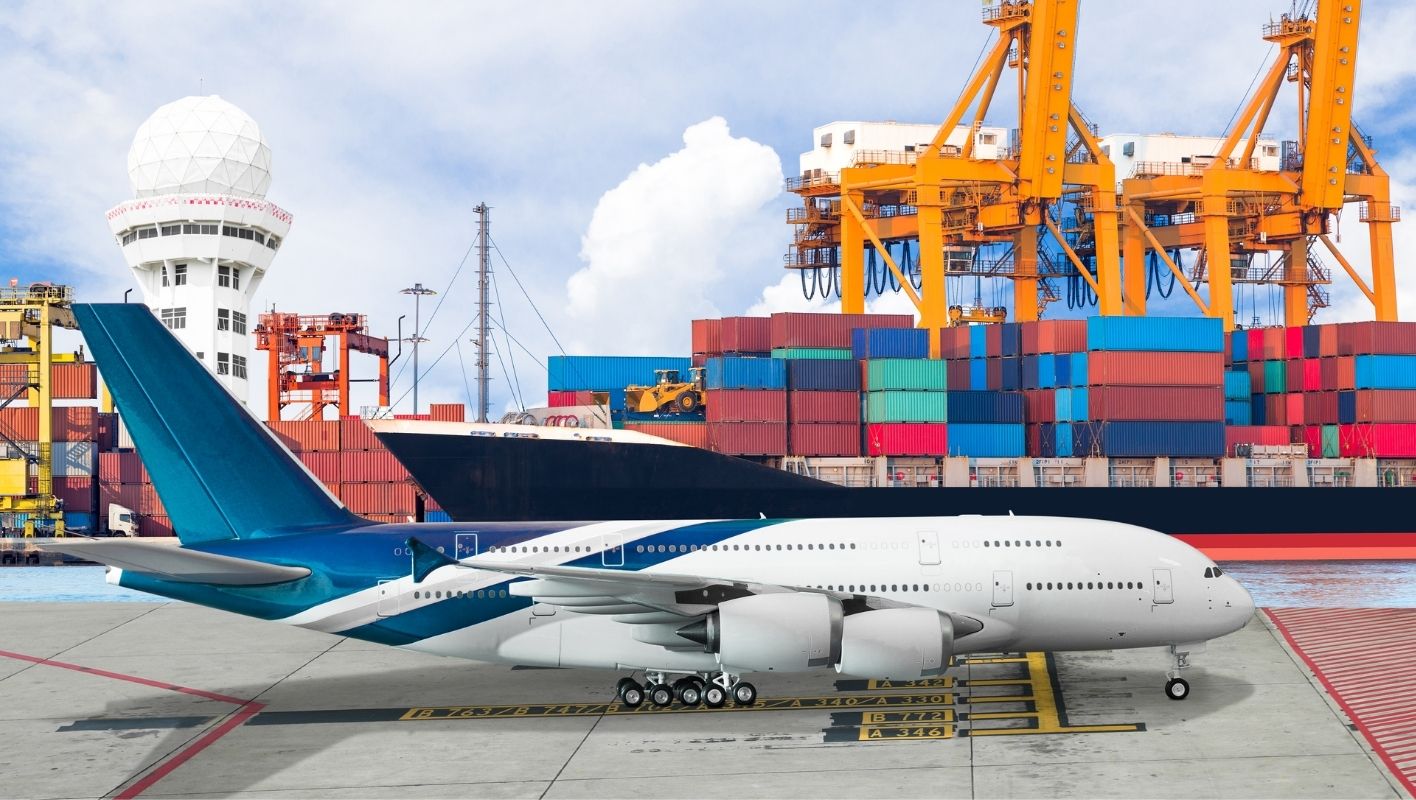
Key Factors Influencing Cost
When I first dived into the world of logistics, it felt like navigating a maze. Choosing between air and sea freight isn’t just about the cost—it’s about understanding how different factors like distance, weight, and type of goods impact your decision.
| Factor | Air Freight | Sea Freight |
|---|---|---|
| Speed | Fast (1-3 days) | Slow (2-4 weeks) |
| Cost | High | Lower |
| Volume/Weight | Limited by aircraft space | More flexible for bulk items |
Air freight is a bit like taking a taxi during rush hour—speedy but comes with a hefty fare. It’s what I turn to when there’s no time to spare, especially for those critical shipments that need to hit production deadlines. On the other hand, sea freight is like booking a long-distance bus trip. Sure, it takes longer, but it’s incredibly budget-friendly for those bulky shipments.
When to Choose Air Freight
Picture this: I had a last-minute order to meet an important client deadline. The solution? Air freight1. Despite the higher price tag, it saved the day by ensuring that everything arrived just in time. If your business is like mine, where sometimes every minute counts, air freight might just be your best friend.
Airlines do have strict rules about weight and volume, which can add to the cost. But for high-value items, the peace of mind from their security and tracking features is often worth it.
Opting for Sea Freight
There was a time I had to ship a massive load of raw materials. The obvious choice? Sea freight2. It was perfect because it didn’t break the bank, even though it meant planning a bit ahead due to the longer transit times.
- Economies of Scale: Imagine filling a container with goods—each item’s cost reduces substantially.
- Environmental Impact: Aligning with my firm’s commitment to sustainability, sea freight boasts a lower carbon footprint compared to air.
Understanding these nuances allows me to make strategic choices that align perfectly with my business goals. Whether I’m trying to optimize costs or streamline operations, weighing these factors helps me keep the supply chain running smoothly. If you’re unsure, consider consulting with logistics experts who can tailor advice to your unique needs.
Air freight is faster than sea freight.True
Air freight typically delivers in 1-3 days, while sea takes 2-4 weeks.
Sea freight is more expensive than air freight.False
Sea freight is generally cheaper due to larger volume capacity and slower speed.
How Does Shipping Speed Compare Between Air and Sea Freight?
Have you ever wondered why some packages arrive in the blink of an eye while others take their sweet time?
Air freight is like the express lane of shipping, typically delivering goods in a few days, whereas sea freight often takes several weeks. The decision hinges on factors such as cost, shipment size, and how quickly you need the goods.
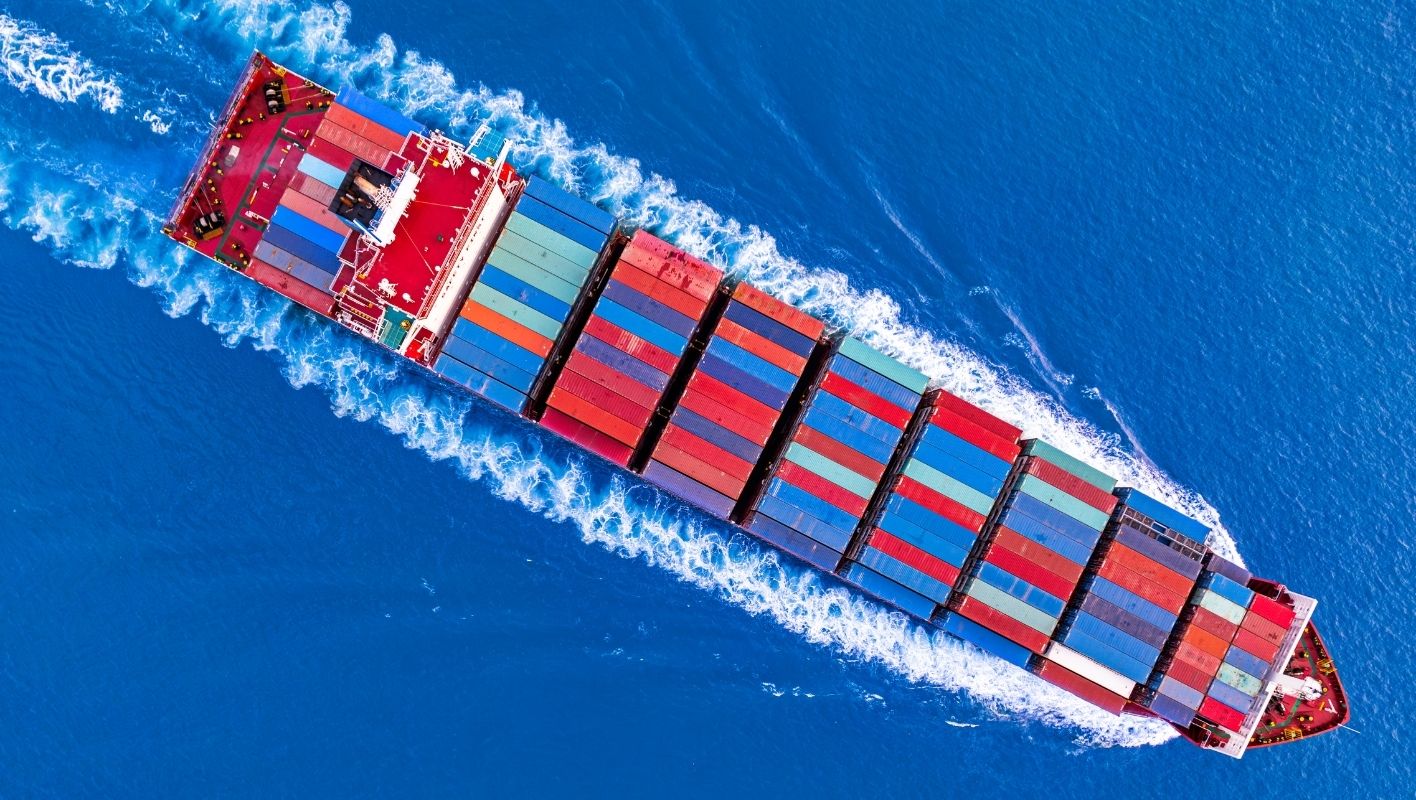
Speed of Delivery: A Comparative Analysis
When it comes to the speed of delivery3, air freight is usually the way to go if you’re in a hurry. I remember that time when I needed to get my hands on some critical components for a project. Air cargo swooped in and saved the day, delivering everything in just a few days. But I’ve also learned to appreciate the patience required for sea freight, which can take weeks depending on the route and weather conditions. Imagine planning a shipment from China to Germany—by air, it might take 2-3 days, but by sea, it could stretch out to 4-6 weeks.
Factors Influencing Speed
Several factors play into how quickly your goods arrive:
| Factor | Air Freight | Sea Freight |
|---|---|---|
| Transit Time | 2-7 days | 1-6 weeks |
| Weather Impact | Moderate | High |
| Customs Clearance | Quicker | Slower |
| Infrastructure | Highly developed at airports | Varies at ports |
Air freight benefits from efficient infrastructure4 at airports, which means things generally move quickly. However, I’ve had shipments delayed due to bad weather—a stark reminder that even the fastest option isn’t immune to nature’s whims. Sea freight, on the other hand, can handle more volume at a lower cost but is much more at the mercy of weather disruptions.
Strategic Considerations
Choosing between air and sea freight isn’t just about speed; it’s a balancing act. Sure, air freight is quicker, but it’s also pricier and best for urgent shipments. Sea freight offers a budget-friendly option for less time-sensitive deliveries.
In industries like automotive5, where timing can make or break a production schedule, air freight often wins despite the cost. I’ve seen how crucial those quick deliveries are to keep things running smoothly. Conversely, for projects with more flexibility, sea freight is a great choice due to its ability to move large quantities at a lower price.
And let’s not forget the environment. Air freight leaves a larger carbon footprint compared to sea freight. If sustainability is important to your company, like it is increasingly becoming in mine, maritime shipping might be the better long-term choice despite its longer timeline.
By weighing these factors carefully, procurement directors6 like me can make informed decisions that not only align with our logistical needs but also with our values.
Air freight is faster than sea freight.True
Air freight typically delivers in days, whereas sea freight takes weeks.
Sea freight is less affected by weather than air freight.False
Sea freight is more impacted by weather, causing potential delays.
What Types of Goods are Best Suited for Each Shipping Method?
Ever found yourself stuck wondering if your package will make it on time or intact? I’ve been there, and choosing the right shipping method can make all the difference.
Choosing the right shipping method hinges on factors like size, weight, and destination. Air freight suits urgent, lightweight items; ocean shipping handles bulk; while rail and road transport offer flexibility for regional deliveries.
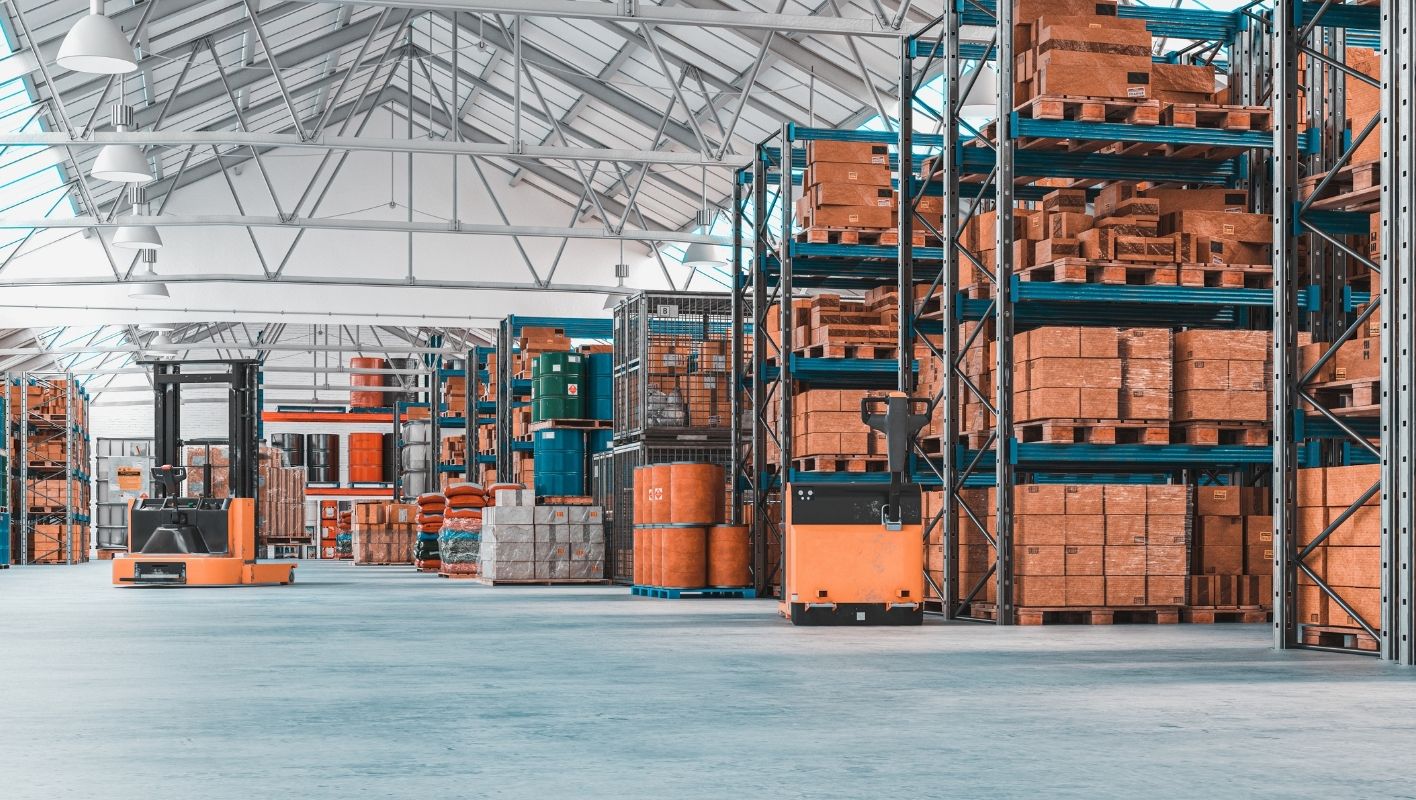
I remember the first time I had to ship an urgent package overseas. The stakes were high; it was an expensive piece of machinery needed by a client yesterday. That’s when I discovered the magic of air freight.
Air Freight: Speed for Time-Sensitive Goods
When time is of the essence, air freight is your best friend. It’s perfect for lightweight, high-value items like electronics and medical supplies. Sure, it’s pricier, but when a client is counting on you to deliver swiftly, it’s worth every penny. Many companies, including my own, rely on air freight to penetrate international markets quickly.
Explore more about air freight efficiency7.
Ocean Freight: Bulk and Cost Efficiency
For those hefty, not-so-urgent shipments, ocean freight is the way to go. Think of machinery or a massive haul of raw materials. It’s more cost-effective per ton, though it takes longer to get there—so not ideal for fresh produce. Once, we shipped a batch of industrial components via sea; while it took weeks, the savings were significant.
| Product Type | Ideal Shipping Method |
|---|---|
| Electronics | Air Freight |
| Machinery | Ocean Freight |
| Fresh Produce | Road/Rail Transport |
Rail Transport: Balancing Cost and Speed
Rail transport is like the middle child—reliable and often overlooked. It’s perfect for heavy loads over long distances, balancing cost and speed. If sustainability is on your mind (as it is for many these days), rail transport’s lower carbon footprint is a great plus. I’ve found it invaluable for transporting metals and building materials across Europe.
Explore more about the benefits of rail transport8.
Road Transport: Versatility for Short Distances
If you need flexibility and door-to-door service, road transport can’t be beat. It’s versatile enough for everything from consumer products to industrial parts. I’ve relied on road transport countless times for its ability to adapt to last-minute changes in delivery schedules.
Incorporating insights on road transport logistics9 can enhance your understanding of its applications.
When it comes to picking a shipping method, consider what you’re shipping, where it’s going, and how much you’re willing to spend. Each method has its own perks that can make or break your logistics strategy.
Air freight is ideal for heavy, bulky goods.False
Air freight is best for lightweight, high-value items, not heavy goods.
Ocean shipping is cost-effective for non-urgent deliveries.True
Ocean shipping offers lower costs per ton, suitable for non-urgent items.
How Do Environmental Considerations Affect Freight Decisions?
Have you ever wondered how much our freight choices impact the environment? It’s a topic close to my heart.
Environmental considerations in freight decisions involve assessing emissions, fuel efficiency, and sustainable practices such as route optimization and eco-friendly packaging. These factors are vital for reducing carbon footprints and aligning with sustainability goals.

Emissions and Fuel Efficiency
Thinking back to my early days in supply chain management, I remember the turning point when emissions10 and fuel efficiency became more than just technical terms—they became part of our everyday conversation. Companies, including the one I worked with, began implementing changes like optimizing delivery routes and embracing fuel-efficient technologies. It wasn’t just about meeting regulations; it was about taking pride in our commitment to reducing our carbon footprint.
| Technology | Impact on Emissions |
|---|---|
| Electric Vehicles | Zero emissions, cost-effective in the long run |
| Hybrid Engines | Reduce fuel consumption by up to 20% |
| Aerodynamic Designs | Enhance fuel efficiency by minimizing drag |
Sustainable Packaging and Materials
I’ve seen firsthand how shifting to eco-friendly packaging can be a game-changer. When we started using recyclable materials, not only did we cut down on waste, but we also found ourselves in a better position to meet environmental regulations11. It was a win-win for the company and the planet.
Route Optimization
Route optimization isn’t just a buzzword—it’s a powerful tool. I remember a project where we used advanced software solutions12 to reduce travel distances and idle time. The result? A significant cut in emissions and more efficient operations overall.
"Using AI for route planning can lead to a 15% reduction in fuel consumption," reports a recent industry study.
Collaboration and Shared Resources
Collaborative logistics have been part of my strategy toolkit for years now. By sharing transportation resources with other companies, we’ve reduced the number of trips needed, which has been a great way to lower both emissions and costs. Joining networks that promote resource-sharing initiatives has brought about significant benefits.
Additional Considerations:
- Regulatory Compliance: Keeping up with evolving environmental laws is essential for any logistics strategy.
- Technological Advancements: Adopting new technologies that promote sustainability can be a game-changer.
- Consumer Demand: Increasingly, customers prefer brands committed to environmental stewardship, impacting shipping choices.
Incorporating these strategies into freight operations not only aligns with sustainability13 goals but also fosters a positive environmental impact. This approach reflects a commitment to leaving the world better than we found it.
Electric vehicles produce zero emissions in freight transport.True
Electric vehicles run on electricity, eliminating direct emissions.
Hybrid engines increase fuel consumption by 20%.False
Hybrid engines are designed to reduce fuel consumption by up to 20%.
Conclusion
Choosing between air and sea freight involves balancing speed, cost, and environmental impact. Air is faster but pricier; sea is economical for bulk shipments but slower.
-
Explore how air freight supports urgent shipments with speed and reliability. ↩
-
Learn why air freight complements just-in-time manufacturing with rapid delivery. ↩
-
This link provides a detailed comparison of air and sea freight speeds, helping you understand which option suits your business needs. ↩
-
Explore this link to learn about the efficiency of airport and port infrastructures, impacting the speed of customs clearance. ↩
-
This link sheds light on why quick delivery is crucial in the automotive industry and how shipping choices impact operations. ↩
-
Discover how procurement directors influence logistics decisions and why understanding shipping options is crucial. ↩
-
Discover how air freight can expedite your logistics with timely deliveries and global reach. ↩
-
Learn why rail transport is a sustainable choice for moving heavy loads efficiently. ↩
-
Understand the flexibility and versatility offered by road transport in logistics. ↩
-
Explore methods and technologies used by freight companies to minimize their carbon footprint and align with green initiatives. ↩
-
Learn about sustainable packaging options that reduce waste and adhere to environmental guidelines. ↩
-
Discover advanced tools that enable efficient route planning, saving fuel costs and reducing emissions. ↩
-
Understand how logistics strategies align with sustainability goals to enhance corporate social responsibility. ↩






