
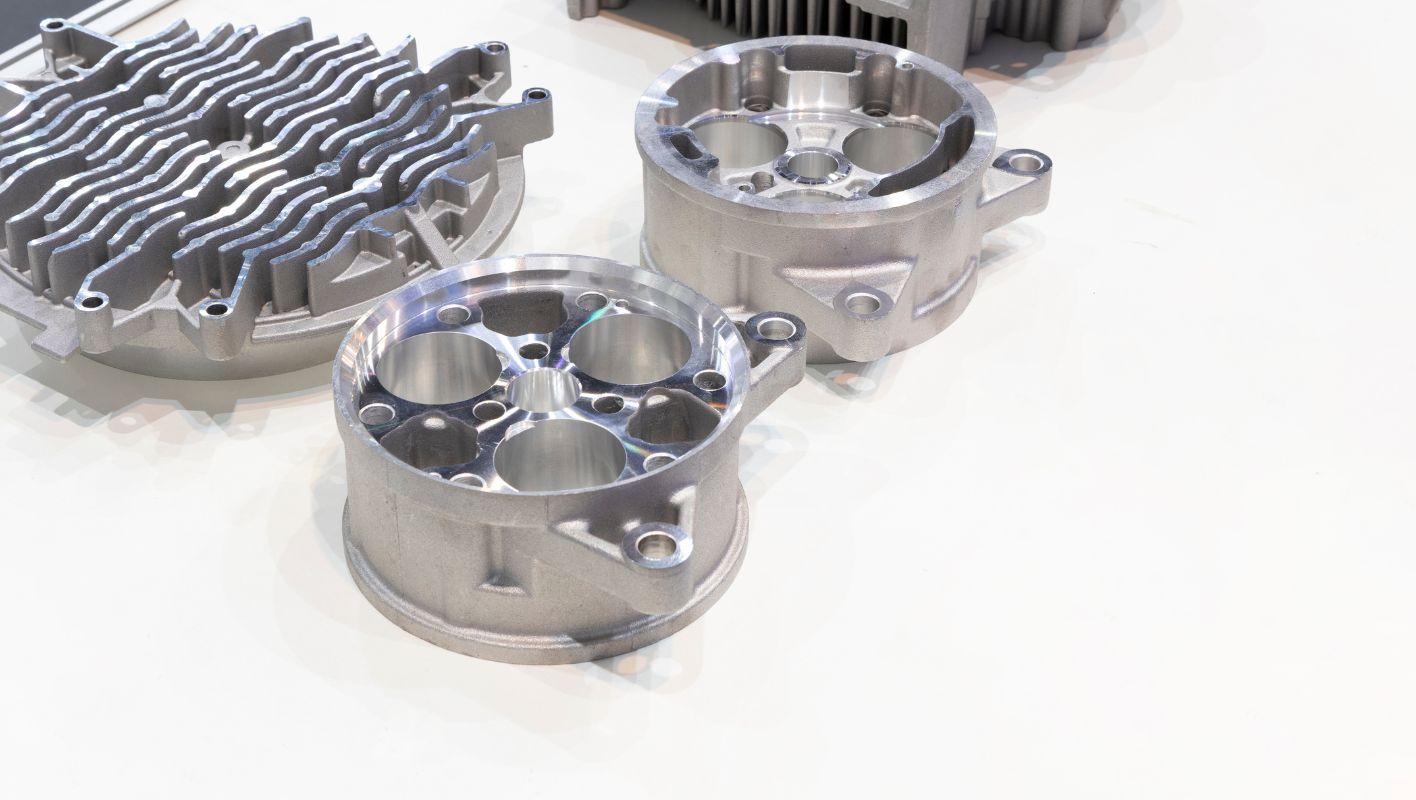
Choosing the right aluminum die casting alloy is like finding the perfect tool for a job—it can make all the difference.
The best aluminum die casting alloy for your project hinges on factors like corrosion resistance, machinability, and performance needs. Popular options include A380, A360, and A413, each with unique advantages. Evaluate your specific project requirements to select the most fitting alloy.
I remember a time when I was knee-deep in selecting materials for a major project. It felt like being a detective, weighing each option’s pros and cons. Understanding the distinct traits of aluminum alloys can truly transform your project’s success. Let’s explore these options together, so you can confidently decide which alloy aligns perfectly with your technical and budgetary goals.
A360 alloy is ideal for high-performance applications.True
A360 offers superior strength and performance, making it suitable for demanding applications.
A380 alloy offers the best corrosion resistance.False
A380 is known for its good balance of properties, not top corrosion resistance.
What Makes Aluminum Die Casting Alloys So Special?
Ever wondered why aluminum die casting alloys are the unsung heroes of manufacturing?
Aluminum die casting alloys stand out due to their lightweight nature, excellent corrosion resistance, high thermal and electrical conductivity, and robust mechanical strength, making them perfect for complex, high-precision applications.
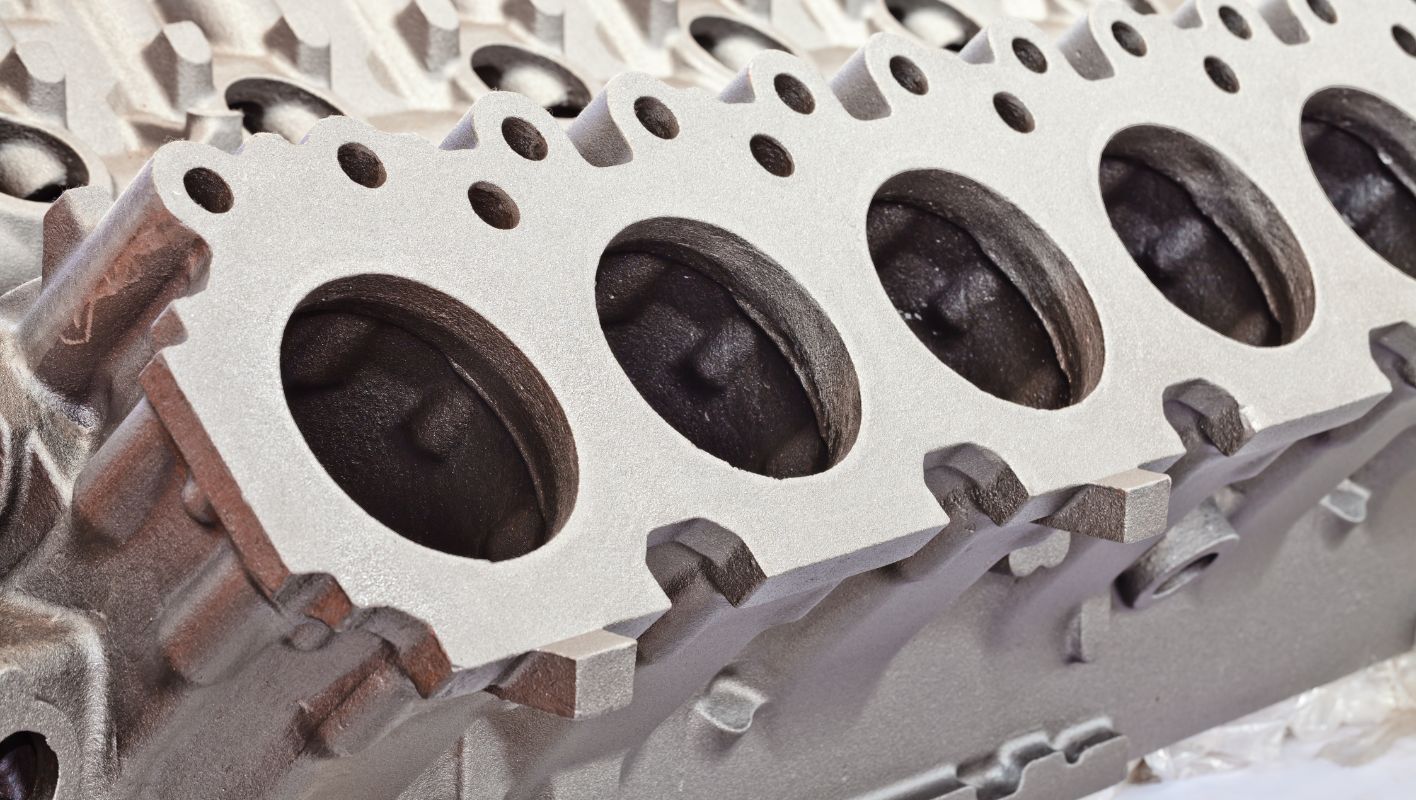
Lightweight and Durable
I remember the first time I encountered aluminum die casting alloys in a workshop. It was like discovering a magic material that defied the usual trade-offs between weight and strength. These alloys are incredibly light, which is a game-changer in industries like automotive and aerospace1. Imagine being able to reduce the weight of a car or airplane part without sacrificing durability. That’s precisely what these alloys offer—strength comparable to heavier metals but without the bulk.
Corrosion Resistance
Growing up near the coast, I learned early on how harsh environments could wreak havoc on materials. My fascination with aluminum began when I realized its natural oxide layer made it immune to corrosion. This quality is especially advantageous for outdoor applications2, where longevity and low maintenance are crucial. With aluminum, I found a reliable companion for designing components that can withstand the elements.
Thermal and Electrical Conductivity
In my early days working with engine parts, I quickly learned that managing heat efficiently was no small feat. Aluminum die casting alloys are exceptional at this, making them ideal for components needing efficient heat dissipation, such as engine parts3 and electronic housings. It’s like having an in-built cooling system right in the material!
| Property | Description |
|---|---|
| Lightweight | Reduces energy consumption, ideal for automotive and aerospace sectors. |
| Corrosion Resistance | Ensures long-term durability, suitable for harsh environments. |
| Thermal Conductivity | Facilitates efficient heat dissipation, crucial in engine and electronic components. |
| Electrical Conductivity | Optimal for electrical transmission applications. |
Good Mechanical Strength
When it comes to building robust machinery, having a material that can withstand stress without buckling is essential. I’ve always been impressed by the mechanical strength of aluminum die casting alloys. They’re like the unsung heroes in the background, silently ensuring that our machines operate smoothly under pressure.
Sustainability
Sustainability is more than a buzzword—it’s a necessity. Aluminum die casting alloys are champions of eco-friendliness because they are highly recyclable. Utilizing recycled aluminum requires significantly less energy than producing new aluminum, which is an added bonus for eco-friendly manufacturing practices4.
In conclusion, aluminum die casting alloys are more than just a material; they’re a versatile solution to modern engineering challenges. Their combination of lightness, strength, conductivity, and sustainability makes them indispensable in my toolkit for designing efficient, durable products.
Aluminum alloys are heavier than steel.False
Aluminum die casting alloys are lightweight, unlike heavier metals like steel.
Aluminum alloys have high thermal conductivity.True
Aluminum alloys excel in thermal conductivity, aiding heat dissipation.
Why is corrosion resistance important in alloy selection?
Remember that time when you picked the wrong tool for the job and things didn’t go as planned? Selecting the right alloy is kind of like that, but with more at stake.
Corrosion resistance is crucial when choosing alloys because it determines how well they perform and last in challenging environments. Alloys like stainless steel and titanium are popular for their strong resistance to corrosion.
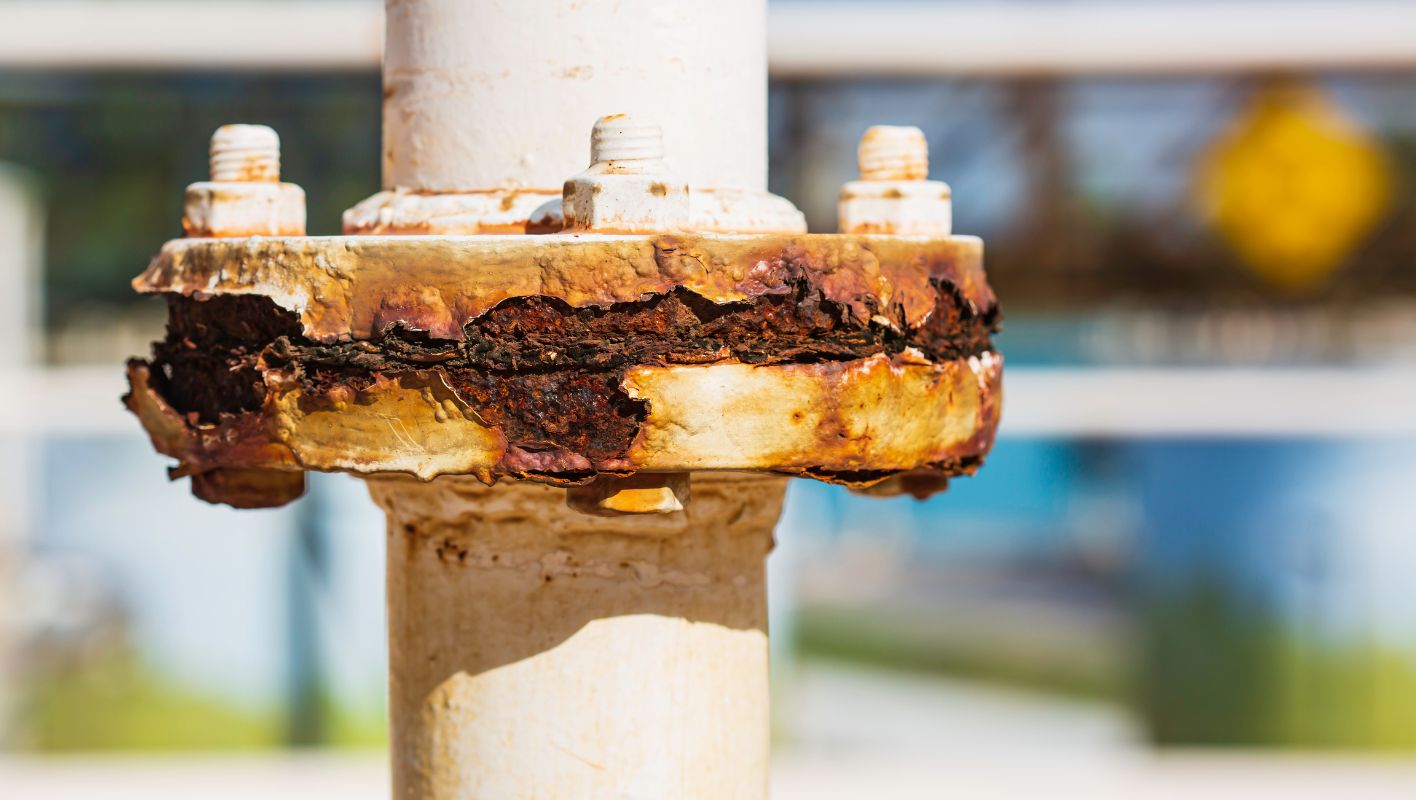
Understanding Corrosion and Its Impact
I remember the first time I learned about corrosion—it was during a project where we used the wrong metal and ended up with parts that looked more like rust sculptures than anything functional. Corrosion is like that sneaky thief that slowly wears down metals through chemical reactions with elements like oxygen and moisture. Over time, this can seriously affect the performance5 and lifespan of metal components.
Factors Influencing Alloy Selection
When it comes to picking the right alloy, it’s a bit like choosing the right gear for a hike; you’ve got to know what you’re up against. Industrial sectors like oil and gas, marine, and chemical processing face unique challenges that require specific alloys. Each environment demands different properties to ensure longevity and performance.
| Environment | Recommended Alloys | Properties |
|---|---|---|
| Marine | Stainless Steel, Brass | High resistance to salt |
| Chemical Processing | Nickel Alloys | Acid resistance |
| Aerospace | Titanium, Aluminum Alloys | Lightweight, durable |
Alloy Composition and Corrosion Resistance
Think of alloy composition as a recipe for success—or failure—depending on what’s in it. For instance, stainless steel6 has chromium, which forms a protective layer preventing rust.
- Stainless Steel: Known for excellent corrosion resistance due to its chromium content.
- Titanium: Offers superb resistance to saltwater, making it ideal for marine applications.
Case Study: Automotive Industry
In my early days in the industry, I worked on an automotive project where corrosion resistance was key. We had to decide whether to use galvanization or stainless steel for parts exposed to road salts and moisture. Balancing cost with required durability7 was crucial in making the right choice.
Cost vs. Performance
Investing in high-corrosion-resistance alloys may seem expensive initially, but trust me, it pays off by cutting down maintenance costs and extending product life. It’s all about evaluating the balance between initial investment and lifecycle cost—sort of like buying quality shoes that last longer than cheaper ones.
Stainless steel resists corrosion due to its chromium content.True
Chromium in stainless steel forms a passive layer that prevents rusting.
Titanium is unsuitable for marine applications due to poor salt resistance.False
Titanium offers excellent resistance to saltwater, ideal for marine use.
What Should You Consider When Machining Aluminum Alloys?
Ever wondered why aluminum alloys are a go-to in manufacturing but still need careful consideration for machinability? Let’s dive into the nuances that can make or break your next project.
The machinability of aluminum alloys hinges on factors like alloy composition, hardness, and heat treatment. Choosing the right tools, lubricants, and cutting speeds is crucial for achieving the best results in production.
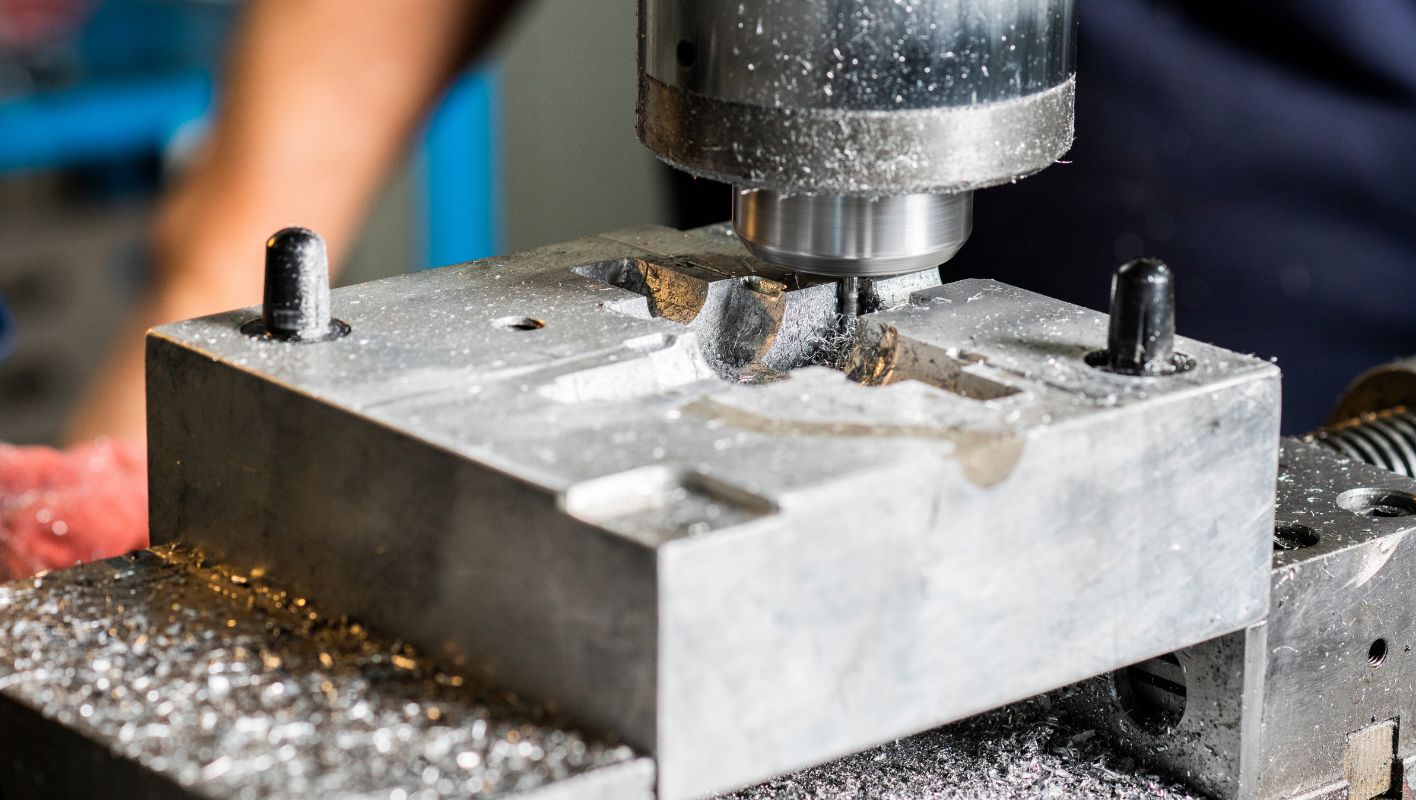
Understanding Alloy Composition
I remember the first time I worked with aluminum alloys. I was trying to choose between 6061 and 7075 for a project that required both strength and precision. Turns out, 6061 was a perfect fit because of its silicon and magnesium content, making it not only strong but also easy to machine. It’s fascinating how each alloy has its unique characteristics—like 6061’s balanced strength, which makes it ideal for complex shapes, or 7075’s high strength, perfect for aerospace applications.
| Alloy | Characteristics | Best Use Cases |
|---|---|---|
| 6061 | Balanced properties, good corrosion resistance | Structural components |
| 7075 | High strength, less corrosion resistance | Aerospace applications |
The Role of Hardness and Heat Treatment
Hardness really threw me for a loop when I first started. Softer alloys, like 1100, cut like butter but can leave burrs that need extra finishing. Then there’s 2024-T351; after heat treatment, it offers a beautiful surface finish and less tool wear. It was a game-changer for reducing time in post-machining processes.
Tool Selection and Cutting Parameters
Tool selection is like choosing the right pen for a job—except these are carbide or high-speed steel tools! Carbide is my go-to for harder alloys because they last longer, while HSS is more economical for softer metals. I’ve learned that nailing the right cutting speed and feed rate can extend tool life and improve surface finishes. Each alloy needs its own set of parameters to shine.
Tool selection8 is critical in determining the efficiency of the machining process.
Importance of Lubrication and Cooling
Early on, I underestimated the importance of lubrication. That was until I saw firsthand how proper lubrication reduced friction and heat, especially with high-strength alloys prone to heat distortion. Using coolants like water-soluble oils transformed my machining outcomes, enhancing surface finishes and extending tool life by effectively dissipating heat.
Find more about coolant types9 that suit different aluminum alloys.
Addressing Chip Formation
Aluminum’s ductility is a blessing and a curse. Those long, stringy chips can be a nightmare if they get tangled in tooling. I had to learn the hard way about implementing chip-breaking techniques and efficient chip evacuation systems to ensure smooth operations and prevent tool damage.
Learn techniques for chip management10 to maintain machining efficiency.
Every time I work with aluminum alloys, I remind myself of these crucial factors—from choosing the right alloy to setting up the perfect machining conditions. It’s this attention to detail that helps me achieve accurate, cost-effective results with an impeccable finish.
6061 aluminum alloy has excellent machinability.True
6061 offers balanced strength and ease of machining, ideal for complex shapes.
Heat-treated alloys always increase tool wear.False
Heat-treated alloys like 2024-T351 reduce tool wear by improving surface finish.
How Do Different Alloys Compare in Terms of Cost-Effectiveness?
I’ve found that choosing the right alloy can make or break a project’s budget and success.
Alloys can be more cost-effective than pure metals due to their enhanced properties like strength and corrosion resistance. To assess their cost-effectiveness, consider material properties, availability, and processing costs.
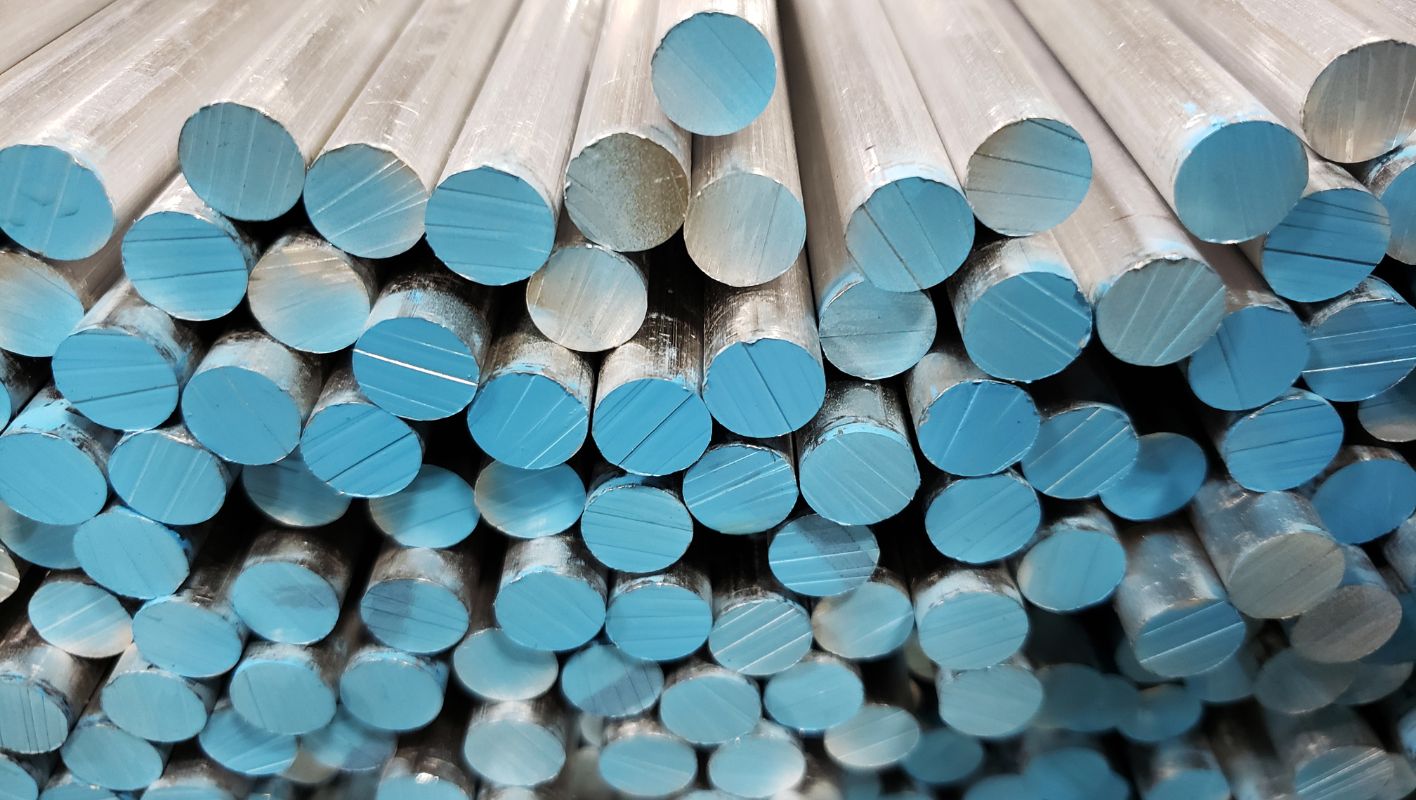
Understanding Alloy Composition and Performance
When I first delved into metal processing, I quickly realized that alloys are like the secret ingredients in a recipe—they enhance the main elements with their unique mix of components. Take stainless steel, for instance. It’s not just iron; it has chromium mixed in, giving it that famous corrosion resistance. If you’ve ever marveled at how your kitchen appliances withstand so much abuse without rusting, that’s the magic of alloys at work! Understanding these enhancements can make a world of difference when comparing them to pure metals11.
Cost Factors in Alloy Selection
Cost-effectiveness in alloys is a bit like shopping for groceries on a budget. You’ve got to weigh the initial price against the long-term value. I remember working on a project where we opted for aluminum alloys. Sure, they were slightly pricier up front, but their lightweight nature saved us a ton on transportation costs. It’s the kind of decision where you pat yourself on the back later because those savings really add up.
| Alloy Type | Cost (per kg) | Key Benefits |
|---|---|---|
| Stainless Steel | $3-4 | Corrosion resistance, durability |
| Aluminum Alloys | $2-3 | Lightweight, easy processing |
| Titanium Alloys | $20+ | High strength-to-weight ratio |
Balancing Cost with Performance Needs
In industries like aerospace, where I’ve had some exhilarating experiences, the stakes are high, and so are the performance demands. Even if titanium alloys come with a hefty price tag, their unbeatable strength-to-weight ratios12 justify every penny spent. On the flip side, for automotive applications where every euro counts, aluminum alloys often strike the perfect balance between performance and affordability.
Additional Considerations for Cost-Effectiveness
Beyond just the material costs, I’ve learned to factor in elements like availability and recyclability. When sustainability is at the forefront—like it is for many of my clients—knowing that aluminum is highly recyclable can be a real game-changer. It’s these little nuggets of insight that help me guide decision-makers towards the most suitable alloy for their needs.
Navigating the world of alloys can seem daunting, but by considering these key factors, you can confidently choose materials that meet both your performance and budgetary needs.
Stainless steel is more corrosion-resistant than aluminum alloys.True
Stainless steel's chromium content provides excellent corrosion resistance.
Titanium alloys are cheaper than aluminum alloys per kilogram.False
Titanium alloys cost $20+ per kg, while aluminum alloys cost $2-3.
Conclusion
Selecting the right aluminum die casting alloy is crucial for project success, influenced by factors like corrosion resistance, machinability, and performance needs. Popular options include A380, A360, and A413.
-
Explore how aluminum alloys enhance aerospace designs with weight reduction benefits. ↩
-
Discover why aluminum’s corrosion resistance is beneficial for outdoor products. ↩
-
Learn how aluminum’s thermal properties improve engine component efficiency. ↩
-
Understand how recycling aluminum contributes to eco-friendly manufacturing. ↩
-
Understanding how corrosion affects metal performance helps in selecting the right materials for durability. ↩
-
Learn about the properties that make stainless steel resist corrosion effectively. ↩
-
Discover why durability is crucial in selecting automotive materials. ↩
-
Discover expert recommendations on selecting the right tools for different aluminum alloys, optimizing performance and extending tool life. ↩
-
Explore various coolant options suitable for aluminum machining, enhancing surface finish and extending tool longevity. ↩
-
Learn effective methods to manage chip formation during aluminum machining, ensuring smooth operations and preventing tool damage. ↩
-
Exploring how alloys outperform pure metals provides insight into their advantages in various applications. ↩
-
Understanding the benefits of titanium’s strength-to-weight ratio helps in assessing its value in high-performance industries. ↩






