
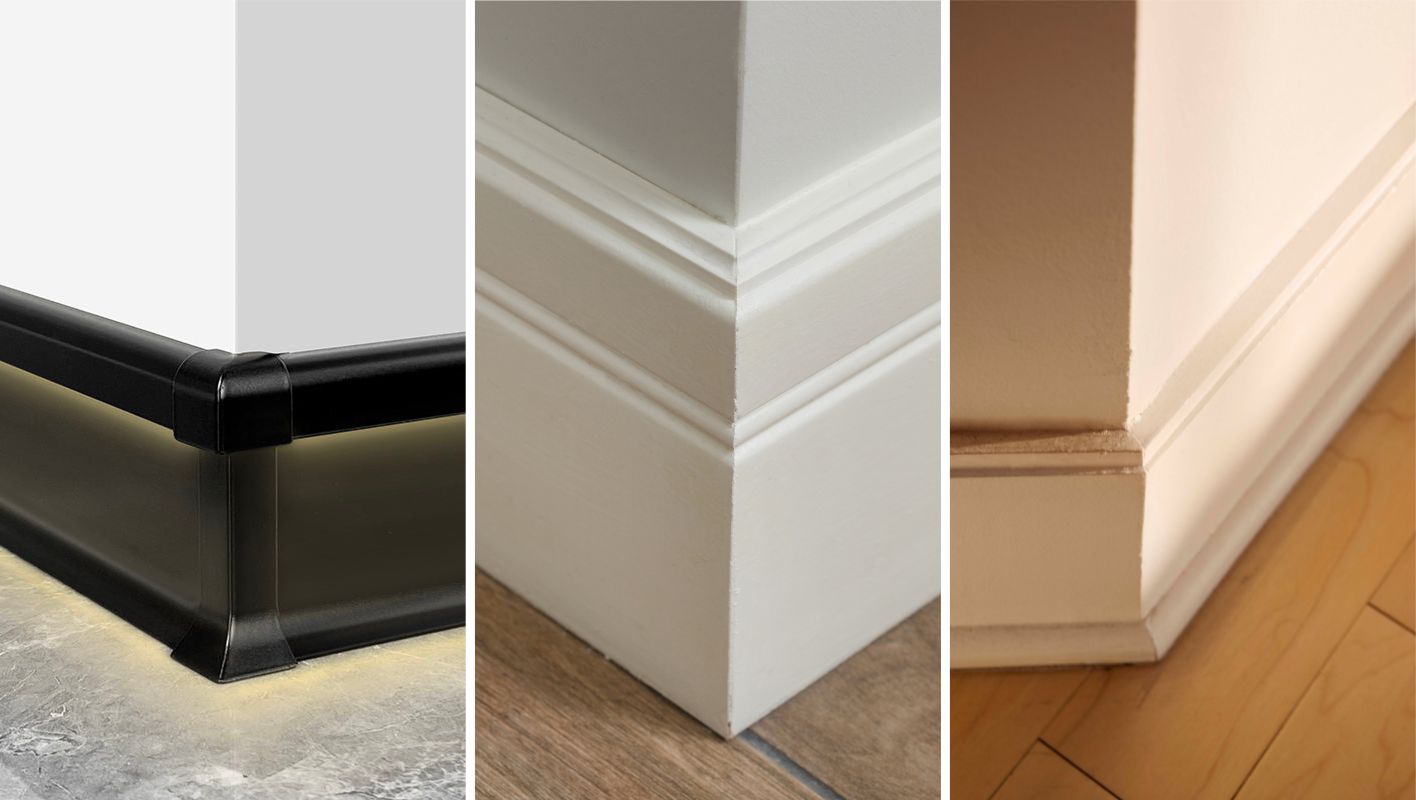
Choosing the right baseboard can transform a room, balancing function and flair.
Aluminum baseboards stand out for their durability and moisture resistance, perfect for damp spaces like bathrooms. MDF baseboards offer a budget-friendly option with easy customization, ideal for cost-effective projects. Wood baseboards bring timeless elegance and adaptability but need more upkeep. Each type suits different needs in cost, durability, and style.
When I think about choosing materials for a project, it’s like selecting the right tool for a job—each one has its sweet spot. You might be tackling a bathroom renovation or sprucing up your living room, and the material you pick can make all the difference. Let’s dive into the specifics of aluminum, MDF, and wood baseboards to see which one fits your project needs best. Understanding their applications, costs, and installation nuances will guide you to make the most informed choice.
Aluminum baseboards are the most moisture-resistant option.True
Aluminum is naturally resistant to moisture, ideal for wet areas.
Wood baseboards are the cheapest option available.False
Wood is often more expensive than MDF, especially for high-quality types.
How Do Aluminum, MDF, and Wood Baseboards Compare in Cost?
I remember standing in the aisle of a hardware store, staring at baseboard samples, trying to balance style and budget.
When it comes to baseboards, aluminum usually tops the price list due to its durability and modern look, while wood offers timeless charm at a mid-range cost. MDF is the budget-friendly option, perfect for those looking to save without sacrificing style.
Comparing Material Costs
In my experience, deciding on the right material for baseboards felt like choosing the perfect pair of shoes—each option has its own unique flair and price tag. Here’s a quick snapshot of what you might expect to pay:
| Material | Average Cost per Linear Foot |
|---|---|
| Aluminum | $7 – $15 |
| Wood | $5 – $10 |
| MDF | $1 – $5 |
Aluminum Baseboards
I’ve always admired aluminum for its sleek, modern appearance. It’s like the luxury car of baseboards—sturdy and stylish but comes with a higher price tag. Aluminum is perfect for spaces where I want something that screams elegance and can withstand the test of time, making it great for upscale commercial spaces1.
Wood Baseboards
Wood has always had a special place in my heart. It’s like the cozy sweater of home decor—warm and inviting. The cost varies with your wood choice; oak and maple are like cashmere, while pine and poplar are more like comfy cotton. Just remember, wood needs a little love to keep it from warping, especially in humid spots.
MDF Baseboards
If you’re looking for an economical choice without losing that designer feel, MDF is your best friend. It’s like the trendy bargain find that’s easy to dress up with paint or a fancy finish. However, keep in mind that MDF might not hold up as well in places with high humidity.
Durability and Maintenance Considerations
Cost was just one piece of the puzzle when I was choosing materials; I also had to think about how much TLC each type needed. Aluminum is great for low-maintenance areas—think about high-moisture areas2 like bathrooms where I didn’t want to worry about upkeep.
Wood, though beautiful, required me to stay on top of sealing and staining to keep it looking its best. It worked well in areas where I could control the environment. On the flip side, MDF was easy on the wallet but needed more frequent touch-ups.
Choosing the right baseboard is like putting together a puzzle where every piece matters—aesthetics, budget, and how long it will last. Each material brings something unique to the table, so I made my decision based on what was most important for my project.
Aesthetic Versatility
In the end, I had to consider how each material would play into my overall design vision. Aluminum fit seamlessly into my contemporary style spaces with its sleek look; wood added that classic touch I loved in more traditional settings; and MDF gave me room to experiment with finishes in custom home projects3. My choice ultimately aligned with the architectural vibe I was going for.
Aluminum baseboards cost more than MDF per linear foot.True
Aluminum costs $7-$15 per foot, while MDF is $1-$5 per foot.
Wood baseboards are the most durable option available.False
Aluminum is more durable due to moisture resistance and less warping.
How Does Durability Vary Among Aluminum, MDF, and Wood Baseboards?
When I was renovating my home, choosing the right baseboard felt like picking the perfect pair of shoes for a big event—essential and a bit daunting.
Aluminum baseboards are the champions of durability, especially in moisture-prone areas like bathrooms. MDF offers a budget-friendly option but lacks resilience against water. Wood provides timeless charm with moderate durability but needs more maintenance to keep it looking pristine.
Durability Factors in Baseboards
So, there I was, knee-deep in renovation decisions, and I realized that picking baseboards was as crucial as choosing wall colors. Each material—aluminum, MDF, and wood—has its quirks and strengths that directly impact their durability4 and how well they fit into different parts of the house.
Aluminum Baseboards
Imagine this: a splash of water here, a damp towel there—my bathroom was a moisture magnet. That’s when aluminum baseboards became my go-to. Their resistance to moisture and corrosion made them the superheroes of my wet zone.
Advantages:
- No rust or corrosion worries
- Low-maintenance bliss
- Lightweight yet tough
Disadvantages:
- Might cost a bit more upfront
- Limited in cozy, warm looks
MDF Baseboards
In my quest to save a few bucks without compromising style, MDF caught my eye. It’s budget-friendly and so easy to paint. But I learned the hard way that it’s not the best under soggy conditions—think of it as a sponge that hates water.
Advantages:
- Kind to the wallet
- A painter’s dream with its smooth surface
- Simple to cut and put up
Disadvantages:
- Water is its nemesis
- Not the toughest against bumps and knocks
Wood Baseboards
Wood had me at “hello” with its classic beauty. I loved its natural grains that brought warmth to my space. But just like any classic piece, it needed regular pampering to stay in shape.
| Type of Wood | Durability | Maintenance |
|---|---|---|
| Pine | Low | High |
| Oak | High | Moderate |
| Maple | Moderate | Moderate |
Advantages:
- Endless aesthetic options with grains and stains galore
- Eco-friendly vibes with renewable resource potential
Disadvantages:
- Needs constant care like sealing or varnishing
- Easier to scratch or dent compared to aluminum
By digging into these details, I could guide myself through the maze of choices and find the baseboard that matched my project’s unique needs. Whether it was weighing environmental factors, sticking to a budget, or achieving a certain look, understanding these materials helped me make an informed decision for my home renovation adventure.
Aluminum baseboards resist moisture better than MDF.True
Aluminum's resistance to moisture and corrosion is superior to MDF.
Wood baseboards require less maintenance than aluminum.False
Wood needs regular sealing or varnishing, unlike low-maintenance aluminum.
Which Baseboard Material Is Best for Humid Environments?
I remember the first time I faced the challenge of picking baseboards for a damp basement. Little did I know, the choice could make or break my renovation project!
When it comes to humid environments, PVC reigns supreme as the best baseboard material due to its incredible water resistance and durability. Unlike wood, PVC doesn’t warp or swell, making it perfect for areas like bathrooms and basements.
The Unique Challenges of Humid Environments
Ah, humid environments! They remind me of the time I tried to install baseboards in my own bathroom. With moisture creeping into every nook and cranny, traditional wood baseboards just couldn’t handle the pressure. They warped faster than I could say "renovate." Choosing the right material is crucial to prevent warping5 or even worse—mold. Getting it right means less headache and fewer maintenance calls in the future.
Comparing Baseboard Materials
After scouring through options and weighing costs against durability, here’s what I found about common baseboard materials:
| Material | Durability in Humidity | Maintenance Needs | Cost |
|---|---|---|---|
| MDF | Low | High | Low |
| Wood | Moderate | Moderate | High |
| PVC | High | Low | Moderate |
MDF (Medium-Density Fiberboard):
MDF seemed like a tempting choice because it’s easy on the wallet. But trust me, it soaks up moisture like a sponge, swelling up and getting damaged just when you need it most.
Wood:
There’s no denying that solid wood offers that timeless look we all love. But without constant care and treatment, it’s like having a high-maintenance friend—beautiful but challenging!
PVC (Polyvinyl Chloride):
When I discovered PVC, it felt like finding a hidden gem. It’s naturally water-resistant, meaning it stands strong against moisture with minimal upkeep. Plus, it stays looking good year after year.
Factors to Consider
When you’re knee-deep in renovation plans, remember to weigh factors such as where you’ll be installing these baseboards, your personal style, and yes, your budget. Eco-friendly options6 are worth considering too, especially if sustainability is a top priority for you or your project.
Advances in Baseboard Technology
As someone who loves staying ahead of the curve, I’ve seen exciting developments in baseboard materials. Moisture-resistant composites now mimic wood’s aesthetic without the usual downsides. These innovative options strike a balance between looking great and standing up to humidity. It’s worth exploring these advancements to ensure your projects remain both functional and fabulous.
MDF baseboards are ideal for humid environments.False
MDF absorbs moisture, leading to damage in humid conditions.
PVC baseboards require minimal maintenance in humidity.True
PVC is water-resistant, retaining shape and color with low upkeep.
What Do Homeowners Say About Aluminum, MDF, and Wood Baseboards?
Choosing the right baseboard material can be a bit like picking the perfect outfit for your home.
Homeowners love aluminum for its sleek durability, MDF for its budget-friendly ease, and wood for its timeless charm. Each offers distinct perks, making them perfect fits for various tastes and needs.
Aluminum Baseboards: The Modern Edge
When I first considered aluminum baseboards, I was drawn to their modern vibe and near-indestructible nature. They’re like that stylish friend who never seems to age. Perfect for places like kitchens or bathrooms7, they fend off moisture and pesky critters with ease. But, on the flip side, I did have a tiny worry about the cost and how easily they might show a dent or two if life’s little accidents happened.
Advantages and Drawbacks
- Advantages: Highly durable, moisture-resistant, pest-resistant.
- Drawbacks: Higher cost, can dent.
| Feature | Aluminum Baseboards |
|---|---|
| Durability | High |
| Aesthetic | Modern |
| Cost | High |
MDF Baseboards: Budget-Friendly Choice
Now, MDF baseboards are like the trusty jeans of home decor—affordable and easy to style. They’re my go-to for DIY projects because they paint up like a dream. But, I learned the hard way that they’re not fans of humidity, especially in places like the bathroom where water damage is a risk.
Advantages and Drawbacks
- Advantages: Cost-effective, easy to install and paint.
- Drawbacks: Vulnerable to water damage.
| Feature | MDF Baseboards |
|---|---|
| Durability | Moderate |
| Aesthetic | Versatile |
| Cost | Low |
Wood Baseboards: Timeless Appeal
There’s something about wood baseboards that feels like coming home. Their natural beauty and ability to adapt to any decor make them a favorite of mine. They remind me of cozy evenings by the fireplace. However, I’ve had to be cautious about using them in moisture-heavy areas like basements8 due to warping issues.
Advantages and Drawbacks
- Advantages: Aesthetic versatility, natural appeal.
- Drawbacks: Can warp in moisture-rich environments.
| Feature | Wood Baseboards |
|---|---|
| Durability | Variable |
| Aesthetic | Classic |
| Cost | Variable |
In summary, choosing between aluminum, MDF, and wood baseboards often feels like a balancing act between budget, style, and practicality. It’s crucial to weigh these aspects based on your home’s unique needs and your personal style preferences. After all, your choice sets the stage for your home’s story.
Aluminum baseboards are pest-resistant.True
Aluminum's material properties make it resistant to pests, unlike wood.
MDF baseboards are ideal for humid environments.False
MDF is susceptible to water damage, making it unsuitable for humidity.
Conclusion
Aluminum, MDF, and wood baseboards each offer unique benefits for home projects. Aluminum excels in moisture resistance, MDF is budget-friendly, while wood provides timeless elegance but requires more maintenance.
If you need to customize or purchase baseboards, feel free to check out our baseboard lineup.Trimetix can offer you many different styles of baseboard at factory prices.
-
Explore how aluminum baseboards offer longevity and aesthetics in high-end commercial settings. ↩
-
Discover why aluminum is a top choice for areas exposed to moisture due to its resilience. ↩
-
Learn how MDF baseboards can be tailored to fit various design aesthetics in custom homes. ↩
-
Discover comprehensive comparisons of baseboard materials’ longevity to make informed choices. ↩
-
Understand the impact of humidity on wood to prevent structural issues. ↩
-
Discover sustainable baseboard options that withstand humidity. ↩
-
Discover why aluminum is recommended for moisture-prone areas like bathrooms. ↩
-
Learn strategies to avoid wood baseboards warping in high-moisture areas. ↩






