
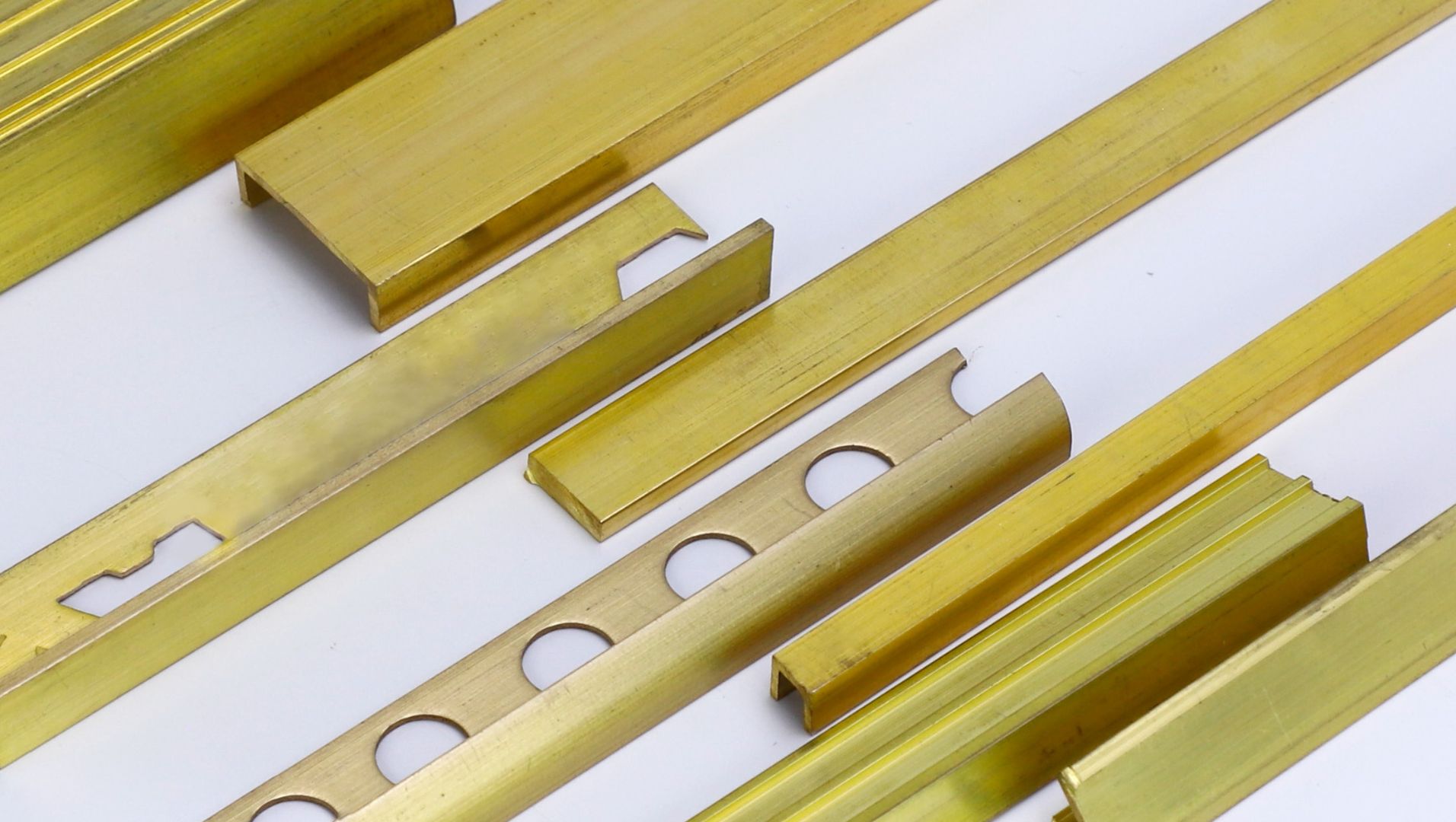
Have you ever felt like your home needs just that little extra touch of elegance?
Antique brass tile trim is a decorative edge made from brass, designed to look aged, or "antique." It protects tile edges, enhances design, and adds a timeless charm to spaces like kitchens and bathrooms.
I remember the first time I saw antique brass tile trim in a friend’s newly renovated kitchen. The way it framed the backsplash, blending perfectly with their rustic decor, was like adding the last piece to a puzzle—it just fit. This guide will explore why this type of trim is so beloved in design projects and how it can transform your space into something truly special.
Antique brass tile trim is only used in kitchens.False
It is used in various spaces like kitchens and bathrooms.
Antique brass tile trim protects tile edges.True
It serves to protect tile edges while enhancing design.
Why Choose Antique Brass Tile Trim for Your Project?
Picture walking into a room and instantly feeling a sense of timeless elegance. That’s the magic of antique brass tile trim.
Antique brass tile trim brings timeless elegance and durability to your project, blending seamlessly with various design styles. Its moisture resistance and wear durability make it a practical choice for diverse environments.
Aesthetic Appeal of Antique Brass
I remember the first time I stumbled upon antique brass tile trim—it was like finding a hidden gem. The rich, golden hue seemed to whisper stories of elegance from another era. Its warm tones effortlessly complemented a range of design styles1, whether it was enhancing the classic charm of a Victorian-style bathroom or adding a touch of sophistication to a contemporary kitchen. Using antique brass tile trim, I was able to create seamless transitions between different tile sections, transforming each space into a visual masterpiece.
Durability and Practical Benefits
One thing I’ve learned from my years in the industry is that beauty alone isn’t enough—durability is equally crucial. Antique brass tile trim doesn’t just rest on its aesthetic laurels; it’s built to last. This material stands up to the wear and tear of high-traffic areas, maintaining its allure over time. Plus, its natural resistance to moisture means it won’t rust or corrode, making it perfect for those steamy bathrooms or splash-prone kitchens. If you’re looking for a trim that offers lasting value, antique brass is an investment you won’t regret.
Compatibility with Various Materials
Another reason I often recommend antique brass is its chameleon-like compatibility with other materials. It pairs beautifully with everything from sleek porcelain to luxurious marble tiles, offering endless possibilities for interior design2. Whether you’re working on a new project or renovating an old space, incorporating antique brass tile trim ensures a cohesive look that enhances the natural beauty of each element while adding that sophisticated finishing touch.
Comparative Analysis: Brass vs. Other Finishes
| Feature | Antique Brass | Stainless Steel | Aluminum |
|---|---|---|---|
| Aesthetic | Warm, Classic | Sleek, Modern | Lightweight |
| Durability | High | Very High | Moderate |
| Moisture Resist. | Excellent | Excellent | Good |
| Design Versat. | High | Moderate | Moderate |
When it comes to choosing finishes, each has its unique strengths. I’ve found that while stainless steel offers a modern vibe and aluminum is both lightweight and cost-effective, antique brass stands out with its warm charm and resilience. For anyone weighing their options, understanding these differences can be key to making the right choice. Dive deeper into material comparisons3 to find what best suits your project needs.
Antique brass trim is resistant to rust.True
Antique brass naturally resists moisture, preventing rust and corrosion.
Aluminum trim offers higher durability than antique brass.False
Antique brass has higher durability compared to aluminum, which is moderate.
How Does Antique Brass Tile Trim Compare to Other Finishes?
Imagine walking into a room where every detail tells a story. That’s the magic of antique brass tile trim.
Antique brass tile trim stands out for its timeless charm and moderate durability, making it a beloved choice in traditional and vintage-themed designs. Unlike other finishes, it develops a unique patina over time, adding character and depth to any space.
The Aesthetic Appeal of Antique Brass
You know, there’s something about antique brass that just feels like home. Its warm, muted tones remind me of my grandmother’s old kitchen, where every Sunday morning was filled with the smell of fresh pancakes and coffee. This finish develops a lovely patina over time, enhancing its rustic charm. Compared to the bright and reflective nature of polished brass4, antique brass offers a more subdued look that beautifully complements traditional decor styles.
Durability and Maintenance
When it comes to durability, antique brass is a bit like that old pair of jeans you just can’t part with – it might show a bit of wear here and there, but that just adds to its character. Unlike PVD brass5, which is coated for added resilience against scratches and tarnishing, antique brass can display its journey over time. And honestly, I kind of love that about it.
| Finish Type | Durability | Maintenance |
|---|---|---|
| Antique Brass | Moderate | Occasional polishing to maintain luster |
| PVD Brass | High | Minimal maintenance |
| Polished Brass | Low-Moderate | Frequent cleaning to prevent tarnish |
Cost Considerations
In my experience, antique brass tile trims are often priced somewhere in between polished and PVD options. They’re not the cheapest option out there, but for me, the balance of aesthetics and functionality is worth it. It’s like investing in a good coat; you pay a bit more upfront, but it lasts you through many seasons. Of course, the cost can vary depending on the supplier’s6 reputation and material quality.
Compatibility with Different Design Styles
One of the things I adore about antique brass is its versatility. It doesn’t just fit into one style box. Whether you’re going for a vintage vibe, an industrial edge, or even a sleek contemporary look, antique brass can find its place. It’s like the best friend who gets along with everyone at the party, unlike finishes like brushed nickel or chrome, which often stick to modern decor settings.
Exploring options for antique brass tile trim could open up a world of unique design possibilities for both residential and commercial projects. Understanding how it stacks up against other finishes helps you make informed decisions that align with your design vision and practical needs.
For further exploration, consider diving into the pros and cons7 of each finish to find the perfect match for your project.
Antique brass tile trim is more durable than PVD brass.False
PVD brass is more durable due to its protective coating against scratches.
Antique brass tile trim develops a patina over time.True
The patina forms naturally, enhancing the rustic appeal of antique brass.
Why Choose Antique Brass Tile Trim?
Imagine stepping into a room where the past whispers elegance through every corner. That’s what antique brass tile trim does to a space.
Antique brass tile trim combines timeless elegance with practical benefits like durability and moisture resistance, making it ideal for various design styles and settings.
Aesthetic Appeal of Antique Brass
When I first decided to incorporate antique brass tile trim into my home, it wasn’t just about the looks—though, let me tell you, its classic charm was a big draw. Picture warm tones that seem to glow softly, bringing an air of sophistication to both modern and traditional spaces alike. It’s like having a piece of history etched into the very fabric of your home. Whether you’re an interior designer8 or a DIY enthusiast, this trim easily becomes the star of the show.
Durability and Longevity
Beyond its beauty, I was impressed by its robustness. Over the years, I’ve seen my fair share of materials that promised durability but failed to deliver, especially in moisture-heavy areas like my kitchen and bathroom. Yet, antique brass holds its ground. It remains stunningly intact, resisting the corrosion and tarnish that would plague lesser materials. It’s like having a reliable friend who always stands by you, no matter the weather.
| Feature | Benefit |
|---|---|
| Corrosion Resistant | Ideal for bathrooms and kitchens |
| Strong Material | Protects tile edges effectively |
| Long-lasting Finish | Maintains aesthetic appeal over time |
Compatibility with Various Materials
What truly sold me on antique brass was its versatility. I love experimenting with different tile materials—ceramic, porcelain, natural stone—and this trim complements them all beautifully. It seamlessly ties various design elements together, creating a cohesive look that feels intentional and thoughtful. It’s no wonder tile experts9 often recommend it for elevating both style and functionality.
Cost-effectiveness
Initially, I hesitated because of the price tag. But reflecting on it now, I see it as an investment. Fewer replacements and repairs mean fewer headaches in the long run. For budget-conscious homeowners10 or project managers like myself, this makes antique brass tile trim a smart choice that doesn’t compromise on quality.
Meeting Standards and Regulations
In my professional life, ensuring compliance with building codes is non-negotiable. Antique brass tile trim fits the bill perfectly. Many manufacturers provide the necessary certifications so when working on construction projects; it’s one less thing to worry about.
Understanding these benefits reveals why antique brass tile trim continues to be a preferred choice in various applications, offering both aesthetic charm and practical advantages that stand the test of time.
Antique brass tile trim is corrosion resistant.True
Antique brass resists corrosion, ideal for bathrooms and kitchens.
Antique brass tile trim is not compatible with ceramic tiles.False
Antique brass is compatible with ceramic, porcelain, and stone tiles.
How can I install antique brass tile trim like a pro?
Ever stared at a wall and thought, "This needs a touch of antique elegance"? Let me share how I made my space pop with antique brass tile trim.
To properly install antique brass tile trim, measure and cut the trim to fit your tile layout. Secure it with adhesive or screws, ensuring alignment with the tile surface for a seamless look.
Step-by-Step Guide to Installation
I remember the first time I took on a tiling project—it was both exciting and nerve-wracking. Let me break down the process for you, step by step, so you can skip the anxiety and dive right into the fun part.
-
Gather Materials: First things first, gather all the tools you’ll need. A miter saw and measuring tape are essential. Don’t forget your adhesive, screws, and some protective gear—trust me, safety first!
-
Measure and Cut: Precision is key here. Measure the trim to fit your tile layout just right. Cutting with a miter saw11 helps get those clean edges. The first time I did this, I was amazed at how satisfying a perfect cut can be.
-
Dry Fit: Before committing, place the trim against the tile edge without adhesive. This dry run is like trying on new shoes—you want to make sure it’s just right before heading out.
-
Apply Adhesive: Spread the adhesive evenly on the back of the trim. This is like buttering toast—too much or too little, and it just doesn’t work.
-
Align and Secure: Aligning the trim perfectly with the tile edge is crucial. Press firmly or add screws for extra security, especially if you have a bustling household like mine where nothing stays untouched for long.
Common Installation Challenges
- Uneven Tile Surfaces: I’ve faced this challenge more than once. Use a leveling tool to keep everything even and maintain that professional look.
- Cutting Precision: Mark those cut lines12 clearly. It’s like drawing a map before a road trip—you don’t want to get lost halfway through.
Maintenance Tips for Longevity
- Regular Cleaning: Keep that brass shiny by cleaning regularly with mild cleaners and a soft cloth.
- Avoid Harsh Chemicals: Stick to gentle products to keep your trim looking its best—think of it as skincare for your tiles.
- Sealing: Consider sealing your trim periodically. It’s like giving it a raincoat to protect against moisture and corrosion.
| Step | Tools Needed |
|---|---|
| Measure & Cut | Miter Saw, Measuring Tape |
| Apply Adhesive | Adhesive Gun |
| Align & Secure | Leveling Tool, Screws |
With careful planning and execution, your antique brass tile trim will look incredible. Dive into more installation techniques13 to refine your skills further.
A miter saw is needed to cut brass tile trim.True
A miter saw ensures precise cuts for clean edges when trimming.
Screws are optional for securing brass tile trim.True
Screws provide extra security, especially in high-traffic areas.
Conclusion
Antique brass tile trim adds elegance and durability, protecting tile edges while enhancing design. Its versatility makes it ideal for various styles in kitchens and bathrooms.
-
Explore how antique brass fits into different design styles, enriching your project’s aesthetics. ↩
-
Find inspiration on incorporating antique brass tile trim into your interior design projects. ↩
-
Gain insights into how antique brass compares with other materials in terms of aesthetics and durability. ↩
-
Understand the visual and functional differences between polished and antique brass to choose the right aesthetic for your space. ↩
-
Discover why PVD brass might be a more durable option if longevity is a key concern for your project. ↩
-
Find reputable suppliers to ensure quality in your antique brass tile trim selection. ↩
-
A comprehensive guide to weigh the benefits and drawbacks of various tile trim finishes. ↩
-
Explore how antique brass’s warm tones and aged finish integrate with diverse interior design styles. ↩
-
Learn about the compatibility of antique brass with various tile materials like ceramic, porcelain, and stone. ↩
-
Understand the long-term cost benefits of choosing antique brass despite its initial price. ↩
-
This link provides precise methods for cutting brass trim accurately, enhancing your project’s finish. ↩
-
Learn about the best tools to mark cut lines, ensuring precision and minimizing material waste. ↩
-
Discover advanced techniques that can help you tackle more intricate tile trim designs. ↩






