
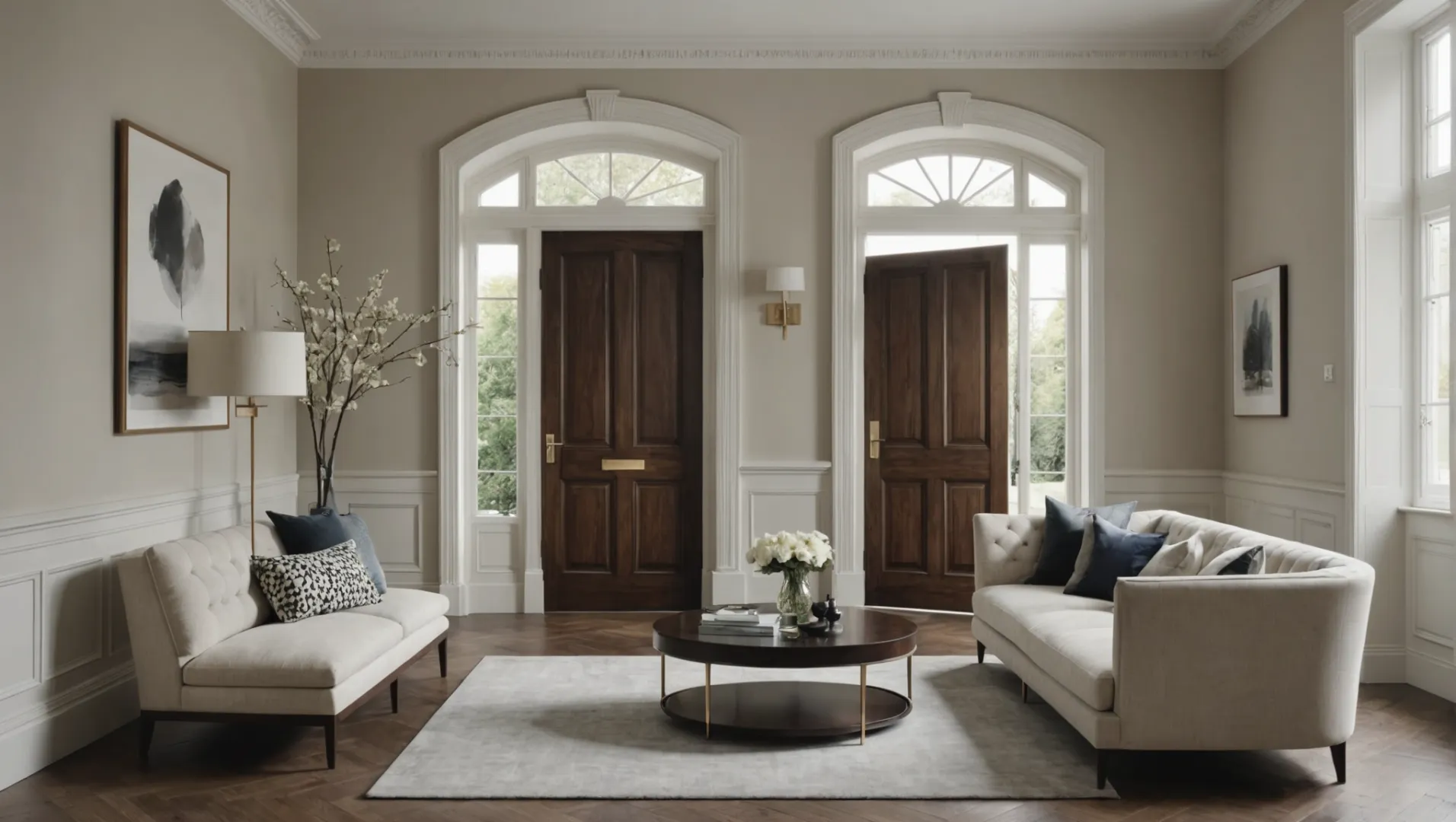
As I embarked on my home renovation journey, I found myself questioning the differences between architrave and skirting. Knowing these subtle yet significant distinctions can truly shape the character of my space.
Architrave refers to the decorative molding around doors and windows, while skirting boards are placed at the bottom of interior walls to protect them from kicks and scuffs. Both enhance aesthetics but serve distinct functions.
Now that we’ve established a basic understanding of architrave and skirting, let’s dive deeper into their roles, explore the various designs available, and discover how they can elevate our living spaces.
Architrave is the same as skirting.False
Architrave frames doors/windows; skirting protects wall bases.
What Is the Primary Function of Architrave?
Architrave serves more than just an aesthetic purpose; it plays a vital role in enhancing both the appearance and functionality of interior spaces.
The primary function of architrave is to frame doors and windows, providing a decorative touch while concealing any joints or gaps between the wall and the door or window frames. This molding enhances aesthetics and provides structural support.
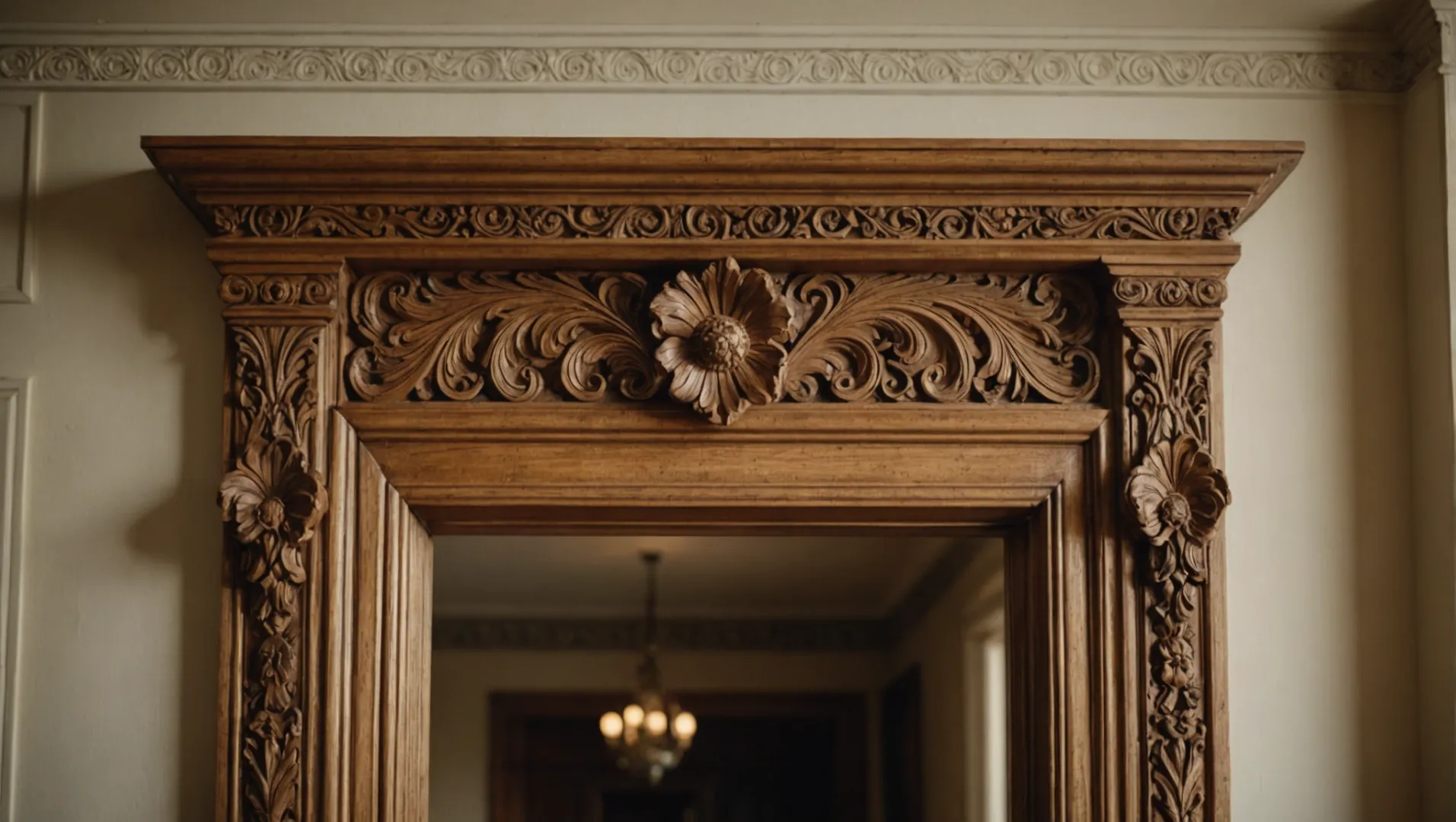
The Role of Architrave in Interior Design
Architrave acts as a visual bridge between walls and door or window frames, contributing to the room’s overall aesthetic harmony. Its design can range from simple lines to intricate patterns, allowing customization that suits various architectural styles.
Concealing Joints and Gaps
A significant functional aspect of architrave is its ability to hide unsightly gaps between walls and door or window frames. This not only improves the appearance but also helps prevent drafts and contributes to better insulation within a room.
Enhancing Structural Integrity
Although primarily decorative, architrave also adds an extra layer of structural integrity around openings. By reinforcing the joints, it ensures that the frames remain tightly secured to the wall, reducing wear over time.
Varieties of Architrave Designs
Architrave comes in various materials such as wood, MDF, and PVC. Each material offers different benefits in terms of durability, cost, and ease of installation. Comparing different architrave materials1 can help you choose the right fit for your home.
| Material | Durability | Cost | Ease of Installation |
|---|---|---|---|
| Wood | High | $$$ | Moderate |
| MDF | Moderate | $$ | Easy |
| PVC | High | $ | Easy |
Matching Architrave with Interior Style
Selecting the right style is crucial for maintaining cohesion within your interior space. While modern interiors might benefit from minimalist designs, traditional homes often embrace more elaborate moldings. Finding the perfect architrave style2 can transform your space into a cohesive masterpiece.
Architrave is purely decorative.False
Architrave also conceals gaps and enhances structural integrity.
Architrave improves insulation in a room.True
By hiding gaps, architrave helps prevent drafts and improves insulation.
How Do Skirting Boards Enhance Interior Design?
Skirting boards are more than just functional; they can transform a room’s aesthetic with subtle elegance and style.
Skirting boards enhance interior design by framing rooms, hiding imperfections, and adding a cohesive finish. Available in various styles and materials, they provide both practical and aesthetic benefits, creating a polished look that complements the overall decor.
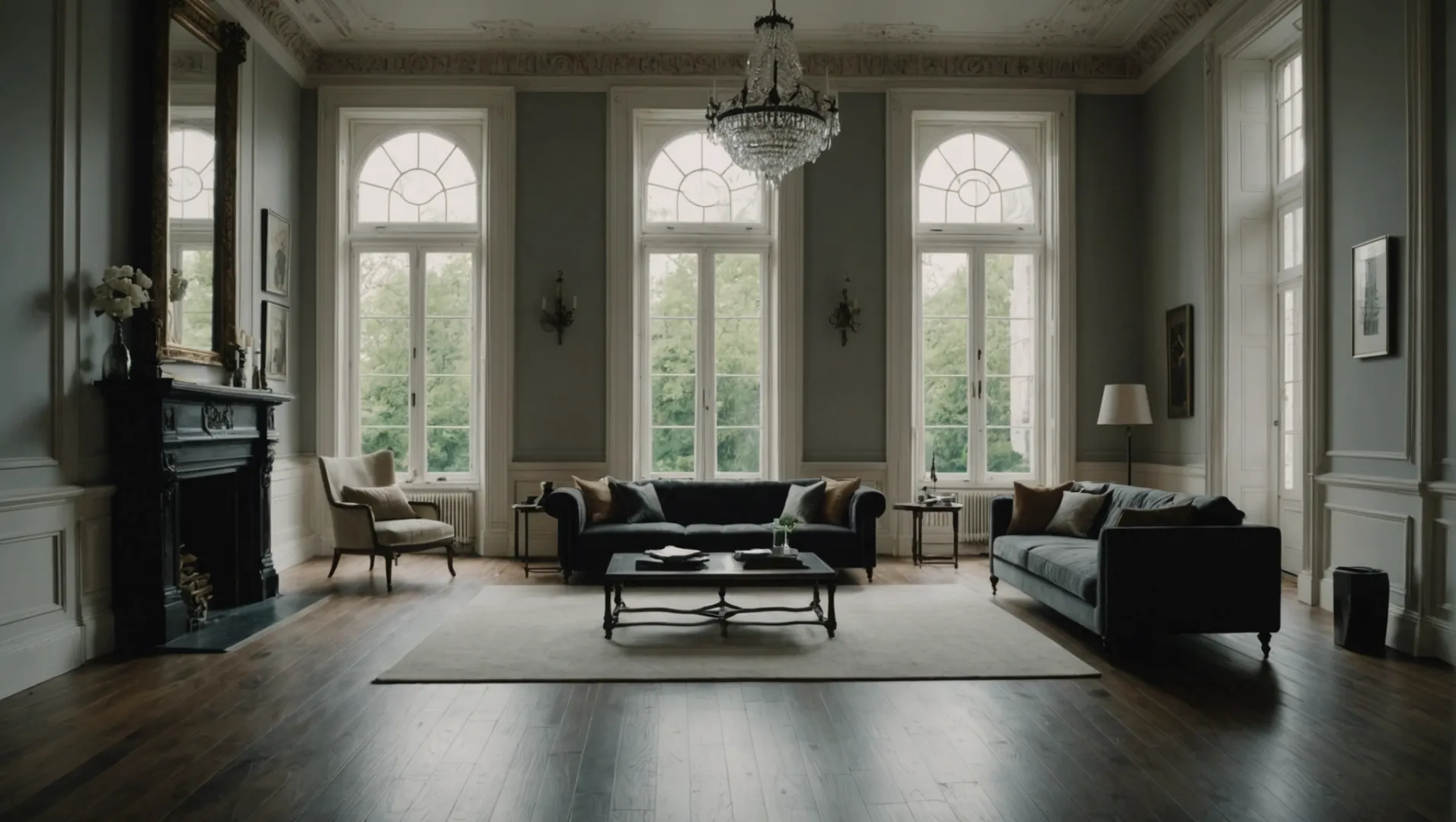
The Role of Skirting Boards in Aesthetics
Skirting boards, sometimes known as baseboards, provide a crucial finishing touch to any room. They are not only functional, protecting walls from damage, but they also contribute significantly to the overall aesthetic3 of a space.
Framing the Room
Skirting boards act as a boundary between the walls and the floor, providing a clean line that frames the room. This framing effect can make ceilings appear higher and rooms feel larger, enhancing the visual proportions of the space.
- Example: In a room with high ceilings, tall skirting boards can draw the eye upward, emphasizing the room’s height.
Concealing Imperfections
Walls often have gaps or uneven finishes at their base. Skirting boards effectively cover these imperfections, offering a smooth transition from floor to wall. This seamless look adds to the overall polish of the interior design.
Adding Style and Character
Available in countless designs—from simple to ornate—skirting boards can add character to your home. Choosing a style that complements other architectural elements like architraves or crown moldings can create a harmonious look throughout your home.
| Style Type | Description |
|---|---|
| Victorian | Highly decorative with intricate details |
| Modern | Simple lines with minimal ornamentation |
| Colonial | Medium height with subtle embellishments |
Functional Benefits of Skirting Boards
Beyond their decorative appeal, skirting boards serve important practical purposes:
Wall Protection
Skirting boards protect walls from scuffs and knocks from furniture or vacuum cleaners. This protective layer helps maintain the integrity and appearance of the walls over time.
Electrical and Cable Management
In modern homes, skirting boards can also serve as conduits for wiring or cables, keeping them hidden and organized without compromising aesthetics.
Exploring different materials such as wood, MDF (medium-density fibreboard), or PVC for skirting boards can also influence both style and functionality. Each material offers distinct benefits in terms of durability and cost-effectiveness.
For more insights into choosing the right skirting board material, check out our guide on choosing materials for interior design4.
Skirting boards can make ceilings appear higher.True
Tall skirting boards draw the eye upward, emphasizing height.
Modern skirting boards are only decorative, not functional.False
They also protect walls and manage cables, beyond decoration.
What Materials Are Best for Skirting and Architrave?
Choosing the right materials for skirting and architrave can dramatically impact both the style and durability of your home interiors.
MDF, softwood, and hardwood are top choices for skirting and architrave. MDF is cost-effective, softwood offers easy customization, and hardwood provides premium durability and finish. Each material suits different needs and budgets.
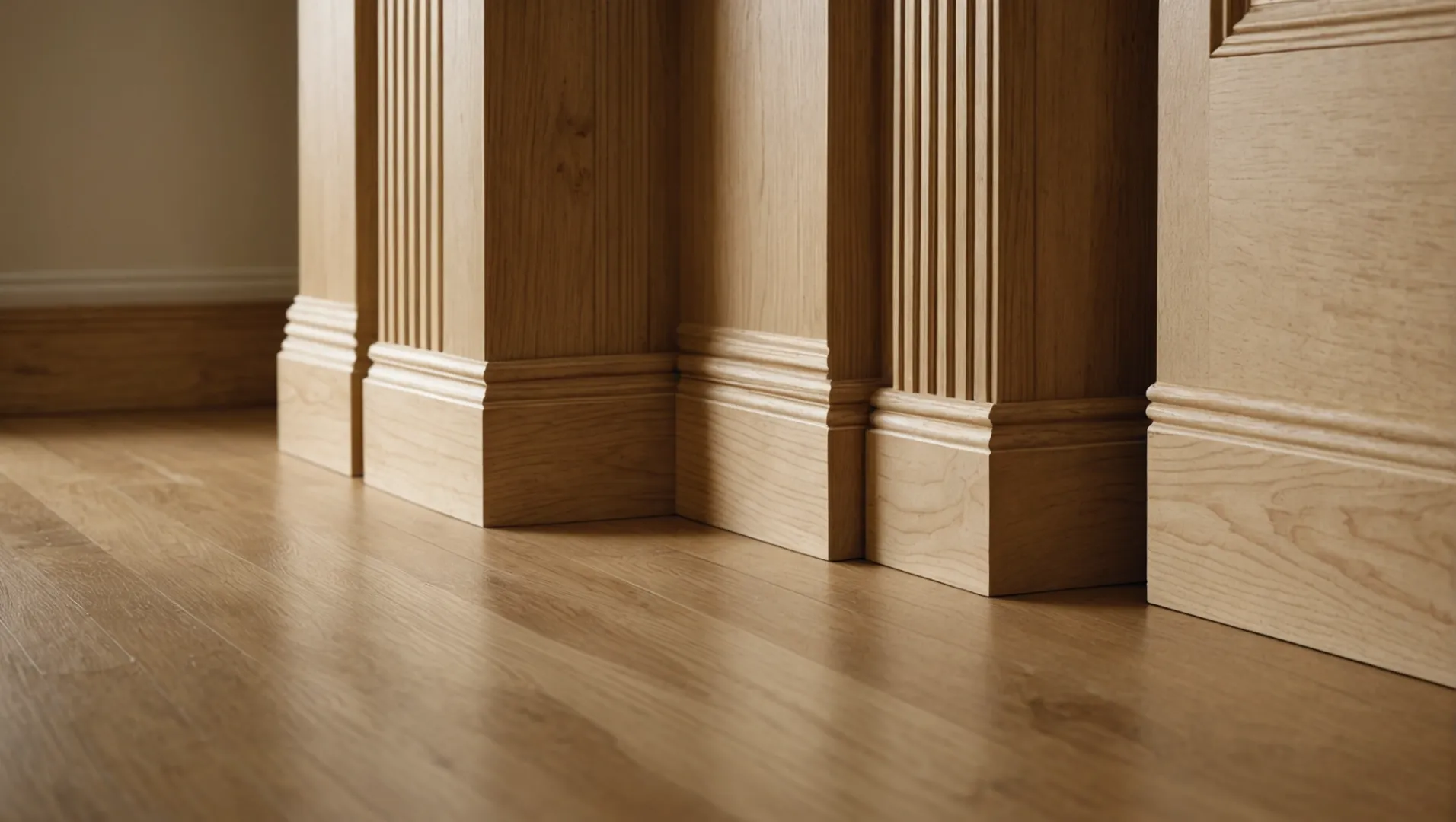
Understanding Material Choices for Skirting and Architrave
Selecting the right material for your skirting and architrave can make a significant difference in your home’s aesthetics and longevity. Here’s a closer look at some popular materials:
Medium Density Fiberboard (MDF)
MDF is a widely used material due to its cost-effectiveness and versatility. It offers a smooth finish that’s ideal for painting and can be easily shaped to match various design styles5. However, it’s less durable than wood and may not be the best choice for high-moisture areas.
- Pros: Affordable, smooth finish, easy to paint
- Cons: Less durable, not moisture resistant
Softwood
Softwood, such as pine, is preferred for its balance between cost and customization. It can be easily sanded and stained, allowing homeowners to achieve a specific look. Softwood is also easier to install due to its lightweight nature, making it suitable for DIY projects.
- Pros: Customizable, easy to work with, lightweight
- Cons: Can dent easily, may require more maintenance
Hardwood
For those seeking premium quality, hardwood options like oak or mahogany are excellent choices. They offer unmatched durability and a luxurious finish, enhancing the overall aesthetic appeal of your interiors. Hardwood is more expensive but provides long-term value due to its resilience.
- Pros: Highly durable, aesthetically pleasing
- Cons: Expensive, heavier to install
Comparing Material Properties
To help you decide which material is right for your skirting and architrave, consider the following comparison:
| Material | Durability | Finish Quality | Cost |
|---|---|---|---|
| MDF | Moderate | Smooth | Low |
| Softwood | Moderate | Variable | Moderate |
| Hardwood | High | Premium | High |
Factors to Consider When Choosing Materials
When selecting materials for skirting and architrave, consider factors such as your budget, desired aesthetics, and the specific environmental conditions of your home. For example, if you’re renovating a bathroom or kitchen, opting for moisture-resistant materials may be crucial.
Exploring different material options allows you to tailor the look and feel of your home interiors to your personal taste and functional needs. For more detailed guidance on choosing skirting materials, consider reviewing expert recommendations6 tailored to various design requirements.
MDF is the most durable skirting material.False
MDF is less durable compared to hardwood options like oak.
Hardwood offers a premium finish for architraves.True
Hardwood provides a luxurious and aesthetically pleasing finish.
How to Choose Between Different Styles of Architrave and Skirting?
Choosing the right style of architrave and skirting can define your home’s aesthetic, blending form with function seamlessly.
To choose the right styles of architrave and skirting, consider your home’s architectural style, the material’s durability, maintenance requirements, and how these elements complement your overall interior design theme.
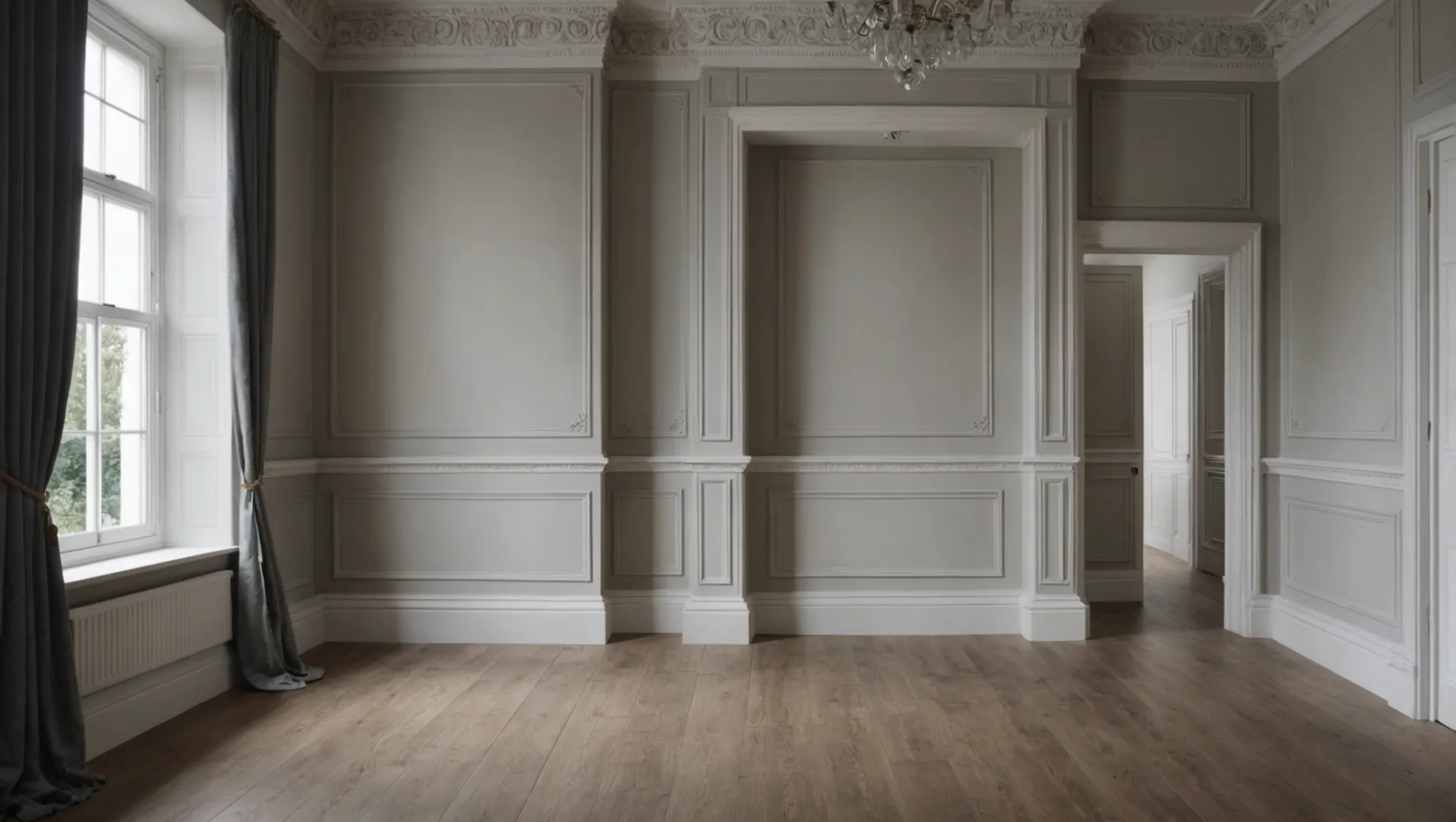
Understanding Architectural Styles
Before selecting architrave and skirting styles7, consider the architectural theme of your home. For period properties, ornate and detailed designs may enhance the classic look, whereas minimalist styles suit contemporary homes.
Material Matters
Different materials offer various benefits. MDF (Medium-Density Fibreboard) is affordable and versatile, while hardwood offers durability and an upscale appearance. Consider how each material interacts with your space’s existing elements, such as flooring and wall color.
| Material | Benefits | Drawbacks |
|---|---|---|
| MDF | Cost-effective, versatile | Susceptible to moisture |
| Hardwood | Durable, elegant | Expensive |
| PVC | Water-resistant, low maintenance | Limited aesthetic appeal |
Durability and Maintenance
Evaluate how much wear and tear each room experiences. High-traffic areas benefit from tougher materials like hardwood or PVC. Additionally, consider the maintenance each type requires—some may need regular painting or polishing.
Complementary Design
The style you choose should enhance other elements in your space. For instance, choosing similar profiles8 for both architrave and skirting creates a cohesive look, whereas contrasting them can add a unique flair.
Color and Finish
The finish of your architrave and skirting should harmonize with other room elements. Neutral tones can blend seamlessly, while bold colors can make a statement. Consider the finish—glossy for modern vibes or matte for a classic touch.
MDF is more expensive than hardwood for architraves.False
MDF is cost-effective, while hardwood is generally more expensive.
PVC skirting is ideal for water-prone areas due to its resistance.True
PVC offers water resistance, making it suitable for such areas.
Conclusion
Understanding the distinct roles of architrave and skirting not only enhances aesthetics but also enriches the functionality of your home.
If you need to purchase skirting in large quantities for your recent project, please feel free to contact us, we offer many different styles of metal skirting.
-
Discover the pros and cons of various architrave materials.: Most architraves are made from one of three materials: hardwood, softwood or medium-density fibreboard (MDF). Other less common architrave … ↩
-
Learn how to match architrave styles with your interior design.: In this ultimate guide to the top architrave profiles, you’ll learn about the most trendy interior design styles, and the best mouldings for each. ↩
-
Discover how skirting boards impact room aesthetics.: Selecting skirting boards that are shorter in height can also contribute to a sense of spaciousness and complement a room’s proportions. ↩
-
Learn which materials are best for skirting boards.: How to choose the right material for your skirting board · MDF skirting · Softwood skirting · Hardwood skirting. ↩
-
Explore various design styles to match your skirting boards.: This board showcases some of the most popular modern skirting board designs, that will provide the perfect finishing touch for any contemporary home! ↩
-
Get insights on choosing the best materials for skirting.: What Options Are There in Home Skirting? Pros and Cons · 1. Concrete Skirting · 2. Brick Skirting · 3. Cinder Block Skirting · 4. Vinyl Skirting · 5. ↩
-
Explore which architrave styles match various home architectures.: In this ultimate guide to the top architrave profiles, you’ll learn about the most trendy interior design styles, and the best mouldings for each. ↩
-
Learn tips on pairing skirting boards with architraves for a cohesive look.: Learn how to join grooved skirting board and architrave in our step-by-step tutorial. Link on … ↩






