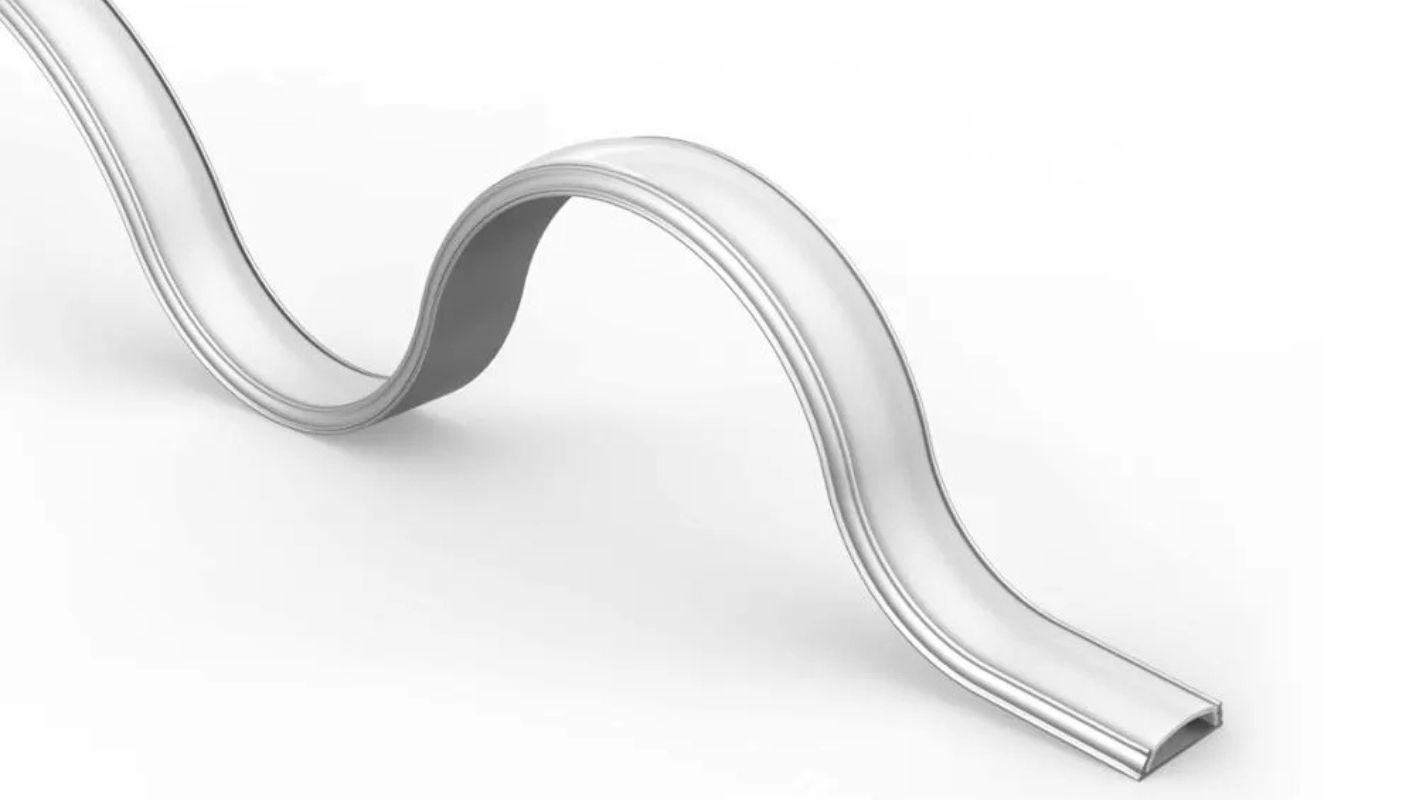
Ever tried bending aluminum and wondered if you’re about to ruin it? I have too!
Yes, you can bend aluminum extrusion using specific techniques and equipment designed to maintain its integrity and shape. Bending requires careful consideration of the aluminum’s properties, suitable machinery, and precise methods to avoid cracking or deformation.
I remember the first time I faced this challenge. I was working on a project that involved creating a unique aluminum frame. The design called for smooth, rounded edges that seemed impossible with straight aluminum pieces. That’s when I realized that bending aluminum isn’t just about brute force or luck—it’s about understanding its properties and using the right tools.
To successfully bend aluminum extrusion, you must consider the material’s thickness and temper. It’s like baking a cake; the ingredients need to be just right. Using the correct bending equipment is crucial to ensure smooth curves without damaging the material. Trust me, taking the time to learn these techniques can make all the difference in your projects.
Proper bending techniques prevent cracking in aluminum extrusions.True
Using correct methods ensures the integrity of the material.
Aluminum extrusion can be bent without special equipment.False
Bending aluminum extrusion requires specific tools to avoid damage.
What Are the Best Techniques for Bending Aluminum Extrusion?
Ever wondered how bending aluminum can be both an art and a science? Let’s explore some techniques that make it all possible.
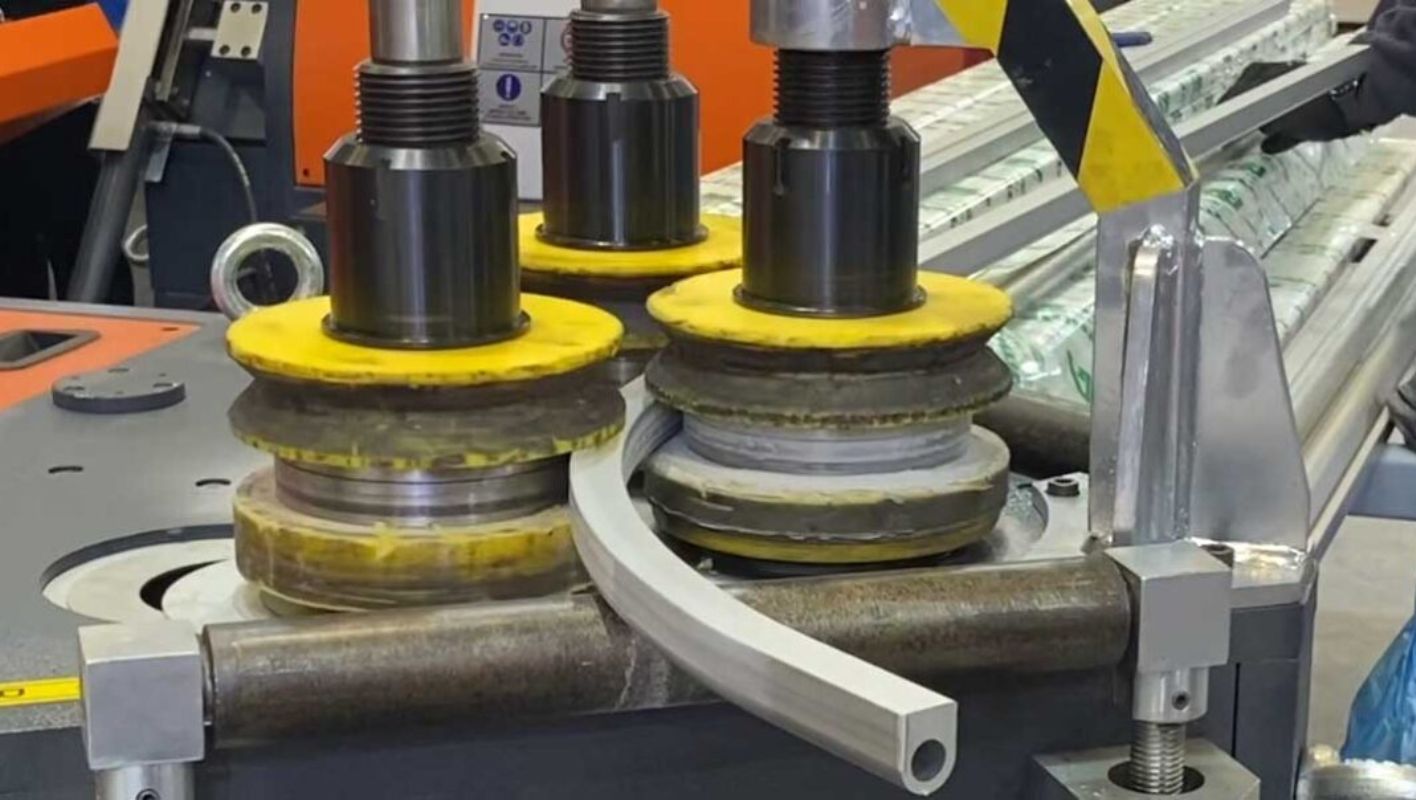
The best techniques for bending aluminum extrusion include rotary draw bending, roll bending, and mandrel bending. Each method offers unique benefits depending on the required bend radius and application.
Understanding Aluminum Extrusion Bending
If you’ve ever worked with aluminum, you know it’s like trying to mold a stubborn, yet surprisingly cooperative, piece of clay. I remember my first encounter with aluminum extrusion1 back in my early days at the factory—standing there, staring at this shiny, seemingly simple piece of metal, wondering how on earth I was going to shape it into what I needed. The key to success, as I learned, is understanding the right techniques to achieve those perfect bends without losing the integrity of the metal.
Key Bending Techniques
1. Rotary Draw Bending
Imagine a dance between precision and pressure—that’s rotary draw bending for you. This method is my go-to when I need tight radius bends. It involves using a rotary draw machine that expertly pulls the aluminum around a fixed radius die. The precision is something to marvel at, especially when working on complex geometries like those we often see in automotive and aerospace projects. I’ve seen this technique transform plain extrusions into intricate pieces of engineering art.
2. Roll Bending
Then there’s roll bending—ideal for when you want those graceful, sweeping curves. Think of it like slowly rolling out dough to get that perfect shape. This method uses a series of rollers to guide the extrusion into a large radius bend. It’s particularly favored in architectural projects where aesthetics are as important as function. I’ve had projects where clients wanted visually stunning pieces that also met strict functional standards, and roll bending never failed to impress.
3. Mandrel Bending
Mandrel bending is like having an invisible hand supporting you from within. A flexible mandrel is inserted into the tube or extrusion, preventing collapse or wrinkling during the bend. This ensures a smooth finish every time. I recall a project where we needed flawless pipes for a high-pressure system—mandrel bending was our saving grace.
Techniques in Practice: A Comparative Table
| Technique | Best For | Advantages |
|---|---|---|
| Rotary Draw Bending | Tight radius bends | High precision, complex geometries |
| Roll Bending | Large radius bends | Consistent shape, ideal for aesthetics |
| Mandrel Bending | Smooth, non-deformed bends | Prevents collapse, high-quality finish |
Choosing the Right Technique
Picking the right technique can feel like choosing between art forms—it all depends on what masterpiece you’re trying to create. Consider what your project needs: Is it more about precision or aesthetics? Or perhaps it’s about maintaining structural integrity while achieving complex shapes? For industrial applications, it’s crucial to think about scalability and cost-efficiency too.
I’ve learned that checking whether a supplier’s capabilities align with your project’s demands can save a lot of headaches later on. And with sustainability being such a hot topic nowadays, looking at energy consumption and waste management can’t be ignored either.
By delving into these techniques and understanding their specific applications, professionals in fields like automotive and construction can really take their bending processes2 to the next level without sacrificing quality or efficiency.
Rotary draw bending is ideal for large radius bends.False
Rotary draw bending is best for tight radius bends, not large ones.
Mandrel bending prevents deformation during the process.True
Mandrel bending uses a support mandrel to prevent collapse and wrinkling.
What are the best tools for bending aluminum?
When it comes to bending aluminum, the right tools make all the difference. I’ve learned that firsthand from my own projects.
The best tools for bending aluminum are press brakes, roll bending machines, and rotary draw benders, each offering distinct advantages for specific bending needs.
Understanding Aluminum’s Properties
I remember the first time I worked with aluminum; I was amazed by how lightweight yet strong it was. Its resistance to corrosion was a game-changer for my projects, especially in aerospace applications. However, its malleability meant I had to be careful not to crack it during bending.
Press Brakes
Press brakes have become my go-to tool for aluminum bending due to their precision and versatility. Whether I’m working on automotive parts or intricate aerospace components, these machines never fail me.
| Machine Type | Advantages | Ideal Applications |
|---|---|---|
| CNC Press Brake | High precision, programmable, fast setup | Automotive, Aerospace |
| Hydraulic Press Brake | Cost-effective, powerful | Industrial Machinery |
For those considering press brakes, CNC options3 offer enhanced efficiency through automation.
Roll Bending Machines
Roll benders are fantastic for large-radius bends. I recall using them to shape metal sheets into curves that seemed impossible at first.
| Machine Type | Advantages | Ideal Applications |
|---|---|---|
| Three-roll Bender | Simple operation, low maintenance | Large ducts, Tanks |
| Four-roll Bender | High precision, reduced cycle time | Marine parts, Construction |
To explore more about choosing the right roll bender, check out roll bending insights4.
Rotary Draw Benders
Whenever I need to create intricate bends, especially for smaller pieces like bicycle frames or furniture, rotary draw benders are unbeatable. They keep the centerline radius constant, which is crucial for maintaining shape integrity.
| Machine Type | Advantages | Ideal Applications |
|---|---|---|
| Electric Rotary Draw | Precise control, energy-efficient | Bicycle frames, Furniture |
| Hydraulic Rotary Draw | More powerful, durable | Tubing systems, Handrails |
Learn more about the applications of rotary draw benders5 for your projects.
By understanding each machine’s capabilities, I’ve been able to make informed decisions that have significantly improved my production processes. Choosing the right equipment has not only optimized my operations but also ensured that every project meets the highest standards of quality and efficiency.
Aluminum is lightweight and corrosion-resistant.True
Aluminum's properties make it popular in automotive and aerospace industries.
Rotary draw benders are best for large radius bends.False
Rotary draw benders are ideal for intricate bends, not large radius bends.
How does aluminum alloy type affect bending processes?
Ever wondered how the type of aluminum alloy can make or break your bending process?
Different aluminum alloys affect bending processes due to their unique compositions, mechanical properties, and heat treatments. For example, 3003 alloy is great for easy bending, while 6061 requires precision due to its high strength.
The Role of Composition in Bending
I remember my early days working in metal processing, fascinated by how a simple change in composition could alter everything. Aluminum alloys are categorized by their principal alloying elements, impacting their mechanical properties6 like strength and ductility. Take the 1000 series—nearly pure aluminum. It’s perfect for easy bending projects I once tackled, where workability was key.
However, if you’ve ever tried working with 2000 series alloys, you know they tell a different story. With copper as their main element, they offer high strength but can be stubborn about bending.
| Alloy Series | Principal Alloying Element | Characteristics |
|---|---|---|
| 1000 | Nearly Pure Aluminum | Excellent workability |
| 2000 | Copper | High strength, less ductility |
Mechanical Properties and Their Impact
Choosing the right alloy isn’t just about strength—it’s about flexibility too. I learned this the hard way on a project that required both. 3003 aluminum became my go-to for jobs demanding easy bending due to its balance of formability and moderate strength. On the flip side, 6061 aluminum was a challenge, needing meticulous care to avoid cracking.
Heat Treatment and Its Effects
Heat treatment is like magic for altering mechanical properties—something I discovered while working on intricate bends. Processes such as annealing7 can boost ductility significantly. Alloy 5052, known for its corrosion resistance and strength, shines after heat treatment, becoming a favorite in marine applications.
Considerations for Specific Applications
Selecting the right alloy can feel like matchmaking. For aerospace components, where strength is non-negotiable, high-strength alloys like the 7000 series become indispensable. I’ve seen firsthand how they deliver unbeatable strength-to-weight ratios.
Conversely, in the automotive world, easily bendable alloys8 like the 5000 series dominate for parts that undergo frequent reshaping.
Understanding these nuances is crucial for delivering quality products without defects. Whether in automotive or aerospace, choosing the right aluminum alloy is a game-changer for efficiency and effectiveness.
1000 series alloys have excellent workability for bending.True
1000 series alloys are nearly pure aluminum, ideal for simple bending.
6061 aluminum is easy to bend without special handling.False
6061 aluminum requires precise control during bending to prevent cracking.
What Precautions Should Be Taken to Avoid Damage While Bending?
Have you ever tried bending metal only to end up with something less than perfect?
To avoid damage while bending, ensure proper tooling alignment, choose the right bend radius, apply force gradually, and keep an eye on material properties. These simple steps help maintain integrity and prevent defects.
Understanding Material Properties
I remember the first time I tried bending a piece of metal without really understanding its properties. It ended up looking more like modern art than a functional piece! Each metal has its own personality – whether it’s the tensile strength, ductility, or elasticity9. Recognizing these unique attributes can help you decide on the right bend radii and tools for the job.
Choosing the Right Tools
Using the right tools feels like finding the perfect pair of shoes. They need to fit just right. I’ve learned that tools should match the material’s thickness and type. A V-die that works wonders on aluminum might not give you the same results with steel. Ensuring your tooling is appropriate helps make those bends precise and reduces the risk of unwanted cracks.
| Tool Type | Best for Material |
|---|---|
| V-die | Steel, Aluminum |
| U-die | Soft Metals |
Maintaining Proper Tool Alignment
I’ve had my fair share of mishaps due to tool misalignment. One time, a slight shift caused a metal piece to warp beyond recognition. Regularly checking and adjusting tool alignment is like checking your car’s oil – essential for smooth operations and preventing costly mistakes.
Gradual Force Application
There was a time when I applied too much force too quickly and ended up with a fractured piece. Applying force gradually is crucial. Techniques like air bending10 allow for smoother transitions and result in higher quality bends.
Monitoring Environmental Conditions
Did you know temperature and humidity can mess with metal just as much as they do with your hair on a humid day? Metals expand or contract with temperature changes, altering how they behave during bending. Keeping an eye on environmental conditions ensures that your bending process stays within acceptable limits for the material you’re using.
V-dies are suitable for bending all metals.False
V-dies are not suitable for all metals; they vary by material type.
Gradual force application prevents metal fractures.True
Applying force gradually during bending reduces fracture risk.
Conclusion
Aluminum extrusion can be bent using specific techniques like rotary draw, roll, and mandrel bending. Proper tools and methods ensure integrity while achieving desired shapes without damage.
-
Explore how aluminum extrusion works and its applications across various industries. ↩
-
Discover strategies to enhance efficiency and quality in aluminum bending. ↩
-
Discover how CNC press brakes enhance precision and efficiency in aluminum bending processes. ↩
-
Gain insights into selecting the right roll bending machine for optimal performance in metal fabrication. ↩
-
Explore various applications of rotary draw benders and their benefits in detailed metalwork. ↩
-
Explore how different alloy compositions affect mechanical properties crucial for bending. ↩
-
Learn how annealing enhances ductility in aluminum alloys. ↩
-
Find out which aluminum alloys are preferred in automotive manufacturing. ↩
-
Understanding these properties helps in selecting the right materials and methods, ensuring successful bending without damage. ↩
-
Learning about these techniques can enhance bend accuracy and prevent damage, especially in high-precision applications. ↩